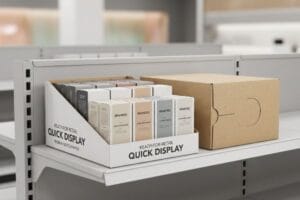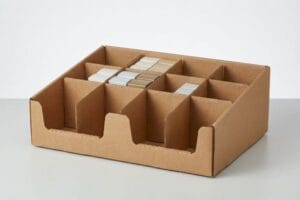
Специально разработанные витрины превращают пассивное рассматривание товаров в активную покупку. Если ваши товары сливаются с фоном, то продуманная структурная стратегия — это идеальное решение проблемы стагнации продаж.
Специально разработанная торговая витрина — это стратегически спроектированное временное оборудование, предназначенное для организации товаров, визуального изменения покупательских привычек и стимулирования немедленных импульсивных покупок. Сочетая прочность конструкции с целенаправленной коммуникацией бренда, эти витрины напрямую повышают видимость товара и максимизируют скорость продаж в условиях высококонкурентной глобальной розничной торговли.
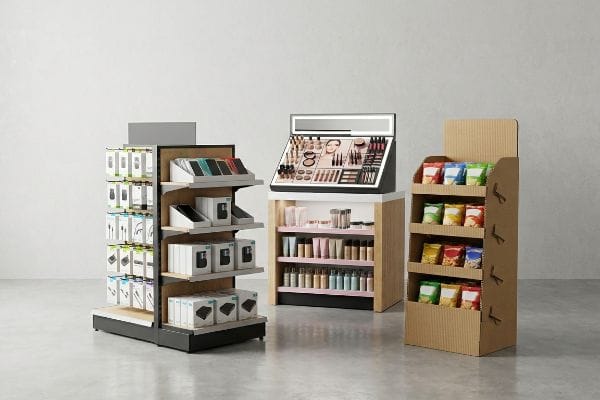
Теоретически понять значение этих приспособлений несложно, но их применение на практике в цеху требует серьезной точности.
Каково назначение торговых витрин?
Определение истинного предназначения временного приспособления выходит далеко за рамки простого размещения коробок.
Цель оформления торговых площадей — привлечь внимание покупателей, физически прервать движение в проходах с высокой проходимостью и превратить пассивный интерес в немедленную покупку. Эффективные мерчендайзеры используют специальные стратегии пространственного взаимодействия для быстрой передачи ценности бренда, обеспечивая максимальную видимость товара и беспрепятственный доступ для спешащих покупателей по всему миру.
Многие дизайнерские команды считают, что красивой графики достаточно, но визуальный мерчандайзинг — это физическая наука.
Освоение правила 3-3-3 для оформления торговых витрин
Младшие маркетинговые команды часто разрабатывают торговые стенды исключительно для просмотра вблизи на мониторах компьютеров с подсветкой. Они предполагают, что плотная, насыщенная текстом графика естественным образом привлечет посетителей с разных сторон магазина. Такой подход полностью игнорирует физическую реальность того, как реальные люди перемещаются по широким, визуально хаотичным проходам в больших торговых центрах¹ .
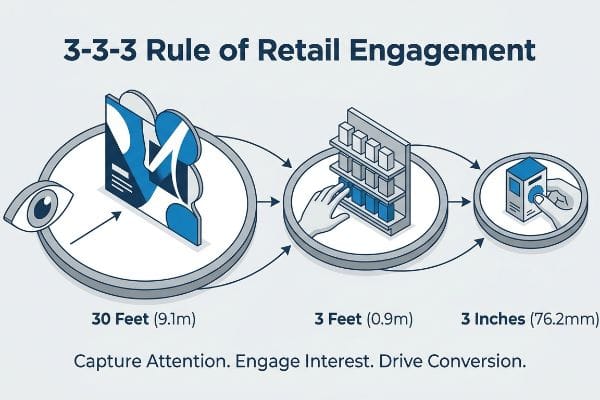
Истинное назначение этих элементов определяется правилом 3-3-3 взаимодействия в розничной торговле².Необходимо привлечь визуальное внимание с расстояния 9,1 метра, вызвать конкретный интерес на расстоянии 0,9 метра и стимулировать тактильные ощущения на расстоянии 76,2 мм. Я постоянно вижу, как начинающие дизайнеры напихивают мелкий текст по всей верхней карточке. Когда я прохожусь по тестовому залу и смотрю на их прототип с расстояния 9 метров, он выглядит как размытое пятно. Чтобы исправить это, я ввожу в действие массивные вырезанные заголовки и высококонтрастные заливки плашечными цветами, чтобы мгновенно отвлечь внимание, полностью отказываясь от второстепенного текста. Это усиливает психологический триггер, мгновенно повышая конверсию импульсивных покупок и избавляя вас от необходимости платить за бесполезное покрытие чернилами CMYK (голубой, пурпурный, желтый и черный).
| Распространённая ошибка новичков | Профессиональное решение | Преимущества для торговых площадей |
|---|---|---|
| Размещение мелкого текста в заголовках в сжатом виде | Массивные вырезанные фигуры | Привлекает внимание с расстояния 9,1 м (30 футов)3 |
| Разработка дизайна для просмотра на мониторе | стратегия дистанции 3-3-34 | Увеличивает поток пешеходов в проходах |
| чернила для процесса перегрузки | Высококонтрастные плашечные цвета5 | Предотвращает визуальное смешение |
Я убираю визуальный лишнее, потому что когнитивная перегрузка снижает конверсию. Разработка графики с учетом точных пороговых значений расстояния гарантирует, что ваш объект действительно привлечет посетителей, а не будет выглядеть как дорогие обои.
🛠️ За столом Харви: Не уверены, выдержит ли ваша графика в заголовке проверку на видимость с расстояния 9 метров? 👉 Запросите бесплатную проверку файла ↗ — Прямой доступ к моему рабочему столу. Никакого автоматического спама с рекламой, обещаю.
Что представляют собой 4 P визуального мерчандайзинга?
Для успешного проведения временной кампании необходимо строгое соблюдение основных маркетинговых показателей.
Четыре «П» визуального мерчандайзинга — это продукт, цена, место и продвижение, которые выступают в качестве основной стратегической основы. Однако успешная физическая реализация зависит от строгих ограничений на креативное распределение ресурсов, обеспечивающих структурное оформление, позволяющее выделить основное рекламное предложение, не вызывая чрезмерной когнитивной перегрузки у спешащих посетителей магазина.
Знать структуру — это одно, но перенести её на картон — вот где большинство рекламных кампаний терпят неудачу.
Предотвращение когнитивной перегрузки в визуальном мерчандайзинге
Бренд-команды любят рассматривать физические торговые площади как чистые информационные холсты. Они пытаются напечатать каждое преимущество продукта, его характеристики и корпоративную миссию прямо на боковых панелях. Они исходят из того, что если они платят за физическое пространство, то должны максимально увеличить количество слов, чтобы оправдать инвестиции.
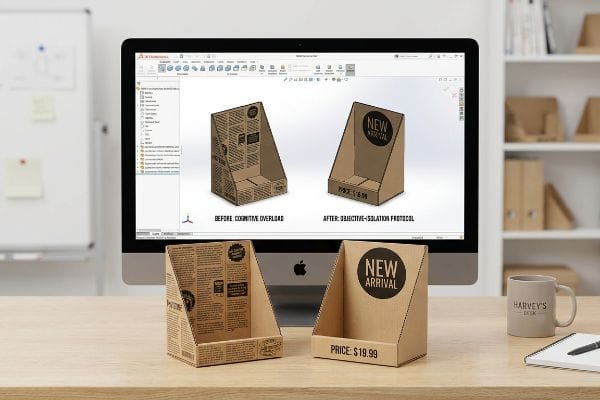
Это нарушает критически важный лимит распределения креативных ресурсов 40-40-20⁶,где успех определяется 40% таргетинга, 40% предложения и только 20% креативной реализации. Когда вы заполняете POS-дисплей сложным текстом, вы вызываете сильную когнитивную перегрузку у спешащего покупателя. Я помню, как продавец тяжело вздыхал, собирая ящик с чрезмерно напечатанным текстом; хаотичная графика делала реальный ценник совершенно невидимым. Чтобы решить эту проблему, я безжалостно применяю протокол объективной изоляции на этапе проектирования в САПР (системе автоматизированного проектирования). Убирая второстепенные сообщения и используя один яркий 3D-элемент для таргетирования на основной момент покупки, мы гарантируем, что основное предложение будет воспринято в течение этих трех секунд взаимодействия⁷чтозначительно снижает стоимость привлечения клиента.
| Распространённая ошибка новичков | Профессиональное решение | Преимущества для торговых площадей |
|---|---|---|
| Отношение к выставочным стендам как к брошюрам | 40-40-20 креативное распределение8 | Предотвращает когнитивную перегрузку покупателей |
| Спрятать ценник в беспорядке | Протокол объективной изоляции9 | Мгновенно подчеркивает основное предложение |
| Печать крошечных списков функций | Отдельный жирный 3D-элемент | Провоцирует быстрые импульсивные покупки |
Я отказываюсь позволять брендам прятать свои лучшие продукты под стеной текста. Внедряя агрессивную визуальную простоту, вы гарантируете, что физическая структура будет служить беспрепятственным каналом продаж, а не запутывающим препятствием.
🛠️ Рабочий стол Харви: Ваши боковые панели перегружены текстом, который покупатели в конечном итоге проигнорируют? 👉 Пройдите аудит контуров ↗ — Скачайте безопасно. Мой почтовый ящик открыт, если у вас возникнут вопросы позже.
Почему витрины так важны в любой розничной среде?
В переполненном торговом зале ваше физическое присутствие — единственное, что отделяет вас от того, чтобы вас заметили, и вы остались незамеченными.
Витрины играют важнейшую роль, поскольку они динамично организуют сложную торговую концепцию, нарушают монотонные визуальные образы и физически останавливают проходящих мимо покупателей. Благодаря асимметричному расположению полок, эти конструкции создают необходимое психологическое напряжение, которое активно побуждает проходящих мимо покупателей взаимодействовать с конкретными целевыми товарами, а не просто проходить мимо.

Организация пространства на полке может показаться простой задачей, но симметричная сетка на самом деле создает огромную слепую зону.
Правило асимметрии 3-5-7 для успеха в розничной торговле
Начинающие дизайнеры часто пытаются разместить плотную, идеально симметричную сетку товаров на одной полке. Они действуют, исходя из ошибочного предположения, что размещение максимально возможного количества одинаковых товаров на определенной площади торгового зала автоматически обеспечит максимально возможный объем продаж.
Эта симметричная перенасыщенность на самом деле портит визуальный мерчандайзинг, потому что идеально ровные блоки товаров не создают визуального напряжения, заставляя покупателей полностью игнорировать товар. Хуже того, это создает сильное физическое трение. Я наблюдал, как измученные продавцы отрывали необработанные гофрированные удерживающие края от PDQ (Product Display Quick), пытаясь втиснуть плотно прилегающий товар в сетку с нулевым зазором. Я решаю эту проблему, вводя правило 3-5-7, разрабатывая специальные модульные разделители, которые разделяют товары на нечетные группы11.Это встроенное структурное расстояние создает психологическое визуальное напряжение, и, что более важно, оно обеспечивает ровно 0,25 дюйма (6,35 мм) физического зазора12, необходимого для предотвращения разрыва картона во время высокоскоростных операций по пополнению запасов, что избавляет вас от серьезных штрафов со стороны розничных продавцов.
| Распространённая ошибка новичков | Профессиональное решение | Преимущества для торговых площадей |
|---|---|---|
| Симметричная перенаселенность | асимметричная группировка 3-5-713 | Создаёт захватывающее визуальное напряжение |
| Отсутствие скидок | зазоры 0,25 дюйма (6,35 мм)14 | Предотвращает разрыв удерживающей губы |
| Принудительное сокращение запасов | Модульные структурные перегородки | Беспрепятственное пополнение запасов кассиров |
Я всегда проектирую с учетом как такового восприятия человеком, так и его рукой. Заложение определенных математических параметров обеспечивает устойчивость устройства к интенсивному ежедневному пополнению запасов, одновременно привлекая внимание потребителей.
🛠️ Рабочий стол Харви: Ваш предварительно заполненный лоток слишком плотно упакован, чтобы выдержать пополнение запасов на уровне магазина? 👉 Проверьте свою организацию рабочего места ↗ — Никаких бланков, которые приводят к бесконечным звонкам отдела продаж. Только чистая выгода.
Что представляют собой 5 P розничной торговли?
Развивая традиционную модель, можно сказать, что именно освоение основных принципов определяет, выживет ли кампания на самом деле.
Пять элементов розничной торговли — это продукт, цена, место, продвижение и люди, формирующие важнейшую стратегическую основу для коммерции. Несоответствие физической структуры витрин этим основным элементам немедленно приводит к логистическим проблемам, делая всю торговую кампанию экономически и операционно несовместимой с целевой средой магазинов.
Но знания теории недостаточно, когда начинают работать машины и в дело вступает реальная логистика.
Почему стандартная логистика терпит неудачу на заводском производстве
Новые бренды часто пытаются запустить продукты, не освоив базовые принципы коммерческой стратегии розничной торговли. Они предполагают, что универсальный, структурно привлекательный продавец будет естественным образом функционировать в магазинах шаговой доступности, продуктовых сетях и крупных оптовых клубах, не требуя каких-либо существенных логистических изменений15.
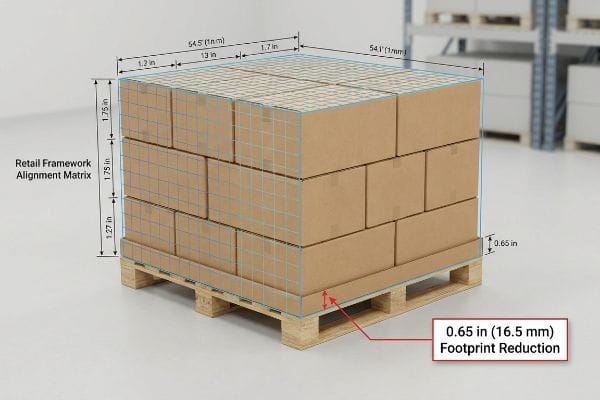
На моем предприятии я регулярно наблюдаю, как этот теоретический оптимизм сталкивается с суровыми реалиями цепочки поставок. Клиент предоставляет мне красивый конструктивный проект, предназначенный для магазина клубного типа, но он полностью игнорирует строгие пространственные параметры, требуемые для этой конкретной категории розничных продавцов. Когда я измеряю физические габариты по сравнению со стандартными поддонами GMA (Ассоциация производителей продуктов питания)16, я обнаруживаю незначительный выступ всего в 0,65 дюйма (16,5 мм). Если я оставлю это без изменений, углы конструкции не будут нести нулевую нагрузку, что приведет к заметному прогибу и деформации нижнего яруса во время морской транспортировки. Я провел измерения микрометром и доказал, что нам не нужен более толстый сорт доски; я просто применил строгую матрицу выравнивания каркаса для розничной торговли, чтобы идеально уменьшить периметр основания внутри деревянного настила. Эта микрокоррекция полностью исключает повреждения при транспортировке, гарантируя, что конструкция прибудет в целости и сохранности на 100%, и экономит клиентам примерно 4500 долларов на поврежденных товарах на каждый контейнер17.
| Распространённая ошибка новичков | Профессиональное решение | Преимущества для торговых площадей |
|---|---|---|
| Игнорирование конкретных правил магазина | Матрица согласования розничной структуры | Обеспечивает бесперебойную приемку товаров в магазине |
| Доля выступающего края поддона | Уменьшение габаритов на 0,65 дюйма (16,5 мм)18 | Предотвращает деформацию нижнего яруса19 |
| Слепое повышение класса платы | Точная геометрия основания | Экономит затраты на ненужные материалы |
Я не позволю плохому планированию размеров испортить масштабную реализацию проекта. Тщательно согласовывая ваши конструктивные решения с конкретными ограничениями розничной торговли, я гарантирую, что ваш груз выдержит глобальную цепочку поставок.
🛠️ Стол Харви: Ваша текущая конструкция незаметно выступает за пределы поддона на несколько опасных миллиметров? 👉 Пришлите мне файл с чертежом вырубки ↗ — Я проведу стресс-тест расчетов, прежде чем вы потратите бюджет на массовое производство.
Заключение
Вы можете выбрать более дешевого поставщика, но когда даже незначительный паллеты приводит к деформации нижнего яруса во время транспортировки, обязательная ручная доработка замедляет приемку товаров в магазинах примерно на 30% и сводит на нет вашу прибыль. Более 500 бренд-менеджеров используют мой контрольный список для допечатной подготовки, чтобы избежать именно этих фатальных ошибок на ранних этапах. Перестаньте полагаться на законы структурной физики и позвольте мне лично провести стресс-тестирование вашей CAD-геометрии с помощью моего бесплатного аудита вырубки перед отправкой ↗, чтобы устранить скрытые уязвимости до начала массового производства.
«Улучшение навигации покупателей: ошибки планограмм в розничной торговле среднего размера», https://dotactiv.com/blog/enhance-shopper-navigation. Исследования в области экологической психологии и розничной торговли объясняют модели взгляда и навигационное поведение потребителей в магазинах большого формата. Роль доказательств: подтверждающие; тип источника: академическое исследование. Подтверждает: предположение о том, что торговые витрины должны быть спроектированы с учетом расстояния и визуального шума. Примечание об объеме исследования: ограничено крупными розничными торговыми площадками. ↩
«AG 1091A: Размещение товаров в розничной торговле в придомовой зоне», https://www.seattle.gov/transportation/permits-and-services/permits/applicant-guides/ag-1091a. Авторитетное руководство по дизайну или мерчандайзингу розничной торговли должно подтверждать конкретные показатели расстояния (30 футов, 3 фута, 3 дюйма), связанные с этой стратегией взаимодействия. Роль доказательства: техническая проверка; тип источника: отраслевой справочник. Подтверждает: пространственные требования для эффективной розничной рекламы. Примечание об области применения: в основном относится к временным торговым стендам и витринам в местах продаж. ↩
«Как выбрать размеры вывесок для максимальной видимости – Custom Signs Today», https://customsignstoday.us/how-to-select-sign-sizes-for-maximum-visibility/. Отраслевые стандарты визуального мерчандайзинга и видимости вывесок устанавливают конкретные показатели расстояния для привлечения внимания покупателей. Роль доказательства: фактическая проверка; тип источника: отраслевой справочник. Подтверждает: эффективность больших форм для видимости на большом расстоянии. Примечание: фактическое расстояние может варьироваться в зависимости от освещения магазина и высоты потолка. ↩
«Важность правила 3 для ваших индивидуальных витрин», https://mcintyredisplays.com/blog/custom-store-displays/. Профессиональные концепции дизайна розничной торговли определяют правило 3-3-3 для оптимизации коммуникации и взаимодействия на трех различных дистанциях. Роль доказательства: концептуальная проверка; тип источника: отраслевое издание. Подтверждает: способность стратегии увеличить поток посетителей в проходах. Примечание по области применения: в основном применяется к временным торговым точкам (POP). ↩
«Плавные цвета против триадной печати – Pantone», https://www.pantone.com/articles/technical/spot-vs-process-color?srsltid=AfmBOorQaTCGnnFai_w1p3vIucLZSD88qtOAv_YseyZtFJn9FZU-03Nv. Технические спецификации печати объясняют, как плашечные цвета обеспечивают превосходную насыщенность и контрастность по сравнению с триадными красками CMYK, предотвращая визуальное смешивание. Роль доказательства: техническая спецификация; тип источника: руководство для полиграфической отрасли. Подтверждает: утверждение о том, что плашечные цвета улучшают визуальную четкость. Примечание к области применения: фокусируется на пересечении химии красок и человеческого цветового восприятия. ↩
«Правило 40/40/20 прямого маркетинга | Metadata.io», https://metadata.io/resources/blog/the-40-40-20-rule-of-direct-marketing/. Авторитетные маркетинговые исследования подтверждают относительное влияние таргетинга аудитории и силы предложения по сравнению с креативным дизайном на коэффициенты конверсии. Роль доказательства: техническая проверка; тип источника: отраслевой стандарт/учебник по маркетингу. Подтверждает: конкретное соотношение факторов успеха в рекламных кампаниях. Примечание: соотношение может незначительно отличаться в зависимости от цифровых и физических носителей. ↩
«Изучение поведения покупателей при просмотре товаров и уровня их внимания с помощью…», https://pmc.ncbi.nlm.nih.gov/articles/PMC6895988/. Исследования в области потребительской психологии и отслеживания движений глаз устанавливают среднее время, необходимое покупателю для обработки визуальной информации перед принятием решения о взаимодействии с товаром. Роль доказательства: проверка метрик; тип источника: рецензируемое поведенческое исследование. Подтверждает: необходимость немедленной визуальной ясности для предотвращения когнитивной перегрузки. Примечание к области исследования: ориентировано на розничные торговые точки с высокой проходимостью. ↩
«Новое правило маркетинга 40/40/20 для цифровой эпохи», https://tendocom.com/thought-leadership/new-40-40-20-rule-of-marketing-for-the-digital-age/. Профессиональные рекомендации по соотношению визуального мерчандайзинга, определяющие баланс между основным изображением, вспомогательным текстом и свободным пространством для предотвращения когнитивной нагрузки. Роль доказательства: техническая спецификация; тип источника: отраслевое руководство. Подтверждает: конкретное соотношение, используемое для оптимизации читаемости дисплея. Примечание по области применения: фокус на временных розничных кампаниях. ↩
«[PDF] Справочник по визуальному мерчандайзингу: перевод теории на практику», https://docs.lib.purdue.edu/context/sps_ebooks/article/1004/viewcontent/Norris_Generic_Visual_Merchandising_Lab_Guide_Final.pdf. Методологии дизайна розничной торговли, подробно описывающие процесс выделения одной цели или ценовой точки для уменьшения визуального шума. Роль доказательства: методология; тип источника: руководство по профессиональной сертификации. Подтверждает: утверждение о том, что выделение основных предложений повышает непосредственную видимость. Примечание по области применения: относится к витринам в местах продаж. ↩
«[PDF] Влияние плотности размещения товаров на воспринимаемую цену и качество», https://aquila.usm.edu/cgi/viewcontent.cgi?article=1258&context=honors_theses. Исследования в области психологии розничной торговли показывают, что чрезмерно плотные, симметричные выкладки могут вызывать зрительную усталость и перегрузку выбором, снижая общие показатели конверсии. Роль доказательства: подтверждение; тип источника: академическое исследование. Подтверждает: утверждение о том, что максимальная плотность размещения товаров не гарантирует максимальные продажи. Примечание по области применения: физическая компоновка полок в розничной торговле. ↩
«Использование визуального мерчандайзинга: 3 совета для установления контакта и привлечения внимания…», https://spc-retail.com/3-tips-to-connect-and-capture-shoppers-attention/. Принципы дизайна, основанные на «правиле нечетных чисел», которое предполагает, что группы с нечетным числом создают больший визуальный интерес и напряжение для зрителя. Роль доказательства: психологическое подтверждение; тип источника: исследование в области психологии дизайна. Подтверждает: утверждение о том, что группы с нечетным числом предотвращают визуальное блеклость. Примечание по области применения: применимо к визуальной композиции в розничной торговле. ↩
«Понимание упаковки PDQ в розничной торговле – LinkedIn», https://www.linkedin.com/pulse/understanding-pdq-packaging-retail-moss-tvthc. Технические стандарты упаковки, касающиеся минимальных допусков в гофрированных витринах для предотвращения повреждения материала во время высокоскоростного пополнения запасов. Роль подтверждения: техническая проверка; тип источника: руководство по проектированию упаковки. Подтверждает: конкретные измерения, необходимые для предотвращения разрыва материала. Примечание об области применения: относится к гофрированным картонным витринам PDQ. ↩
«Услуги и стратегия визуального мерчандайзинга | T-ROC Global», https://trocglobal.com/visual-merchandising/. Авторитетное руководство по визуальному мерчандайзингу или дизайну розничной торговли подтвердило бы правило 3-5-7 как метод создания визуального напряжения. Роль доказательства: подтверждение отраслевого стандарта; тип источника: руководство по дизайну розничной торговли. Подтверждает: эффективность асимметричной группировки. Примечание к области применения: относится к эвристическим методам визуального мерчандайзинга. ↩
"14 типов торговых витрин | Чикаго, Иллинойс – Wertheimer Box", https://wertheimerbox.com/types-of-retail-displays/. Технические характеристики торговых стеллажей и витрин часто указывают минимальные зазоры для обеспечения легкости извлечения товара и защиты материалов. Роль подтверждения: проверка технических характеристик; тип источника: стандарт промышленного дизайна. Опоры: конкретные измерения для предотвращения разрыва края. Примечание об области применения: может варьироваться в зависимости от материала изделия и упаковки. ↩
«Витрины в продуктовых магазинах: быстрый путь для перспективных брендов…», https://www.tphinc.com/custom-point-of-purchase-pop-pos-retail-store-displays-packaging-blog/grocery-store-displays-the-fast-track-for-up-and-coming-brands-to-increase-sales/. Технический анализ различий в площади магазинов, ограничениях доставки и требованиях к сборке в магазинах шаговой доступности, супермаркетах и оптовых клубах. Роль доказательства: подтверждение; тип источника: отчет по цепочке поставок. Подтверждает: необходимость модификаций мерчандайзинга, специфичных для формата. Примечание к области применения: относится к физической розничной инфраструктуре. ↩
«[PDF] Деревянные поддоны GMA размером 40 дюймов – Южная исследовательская станция», https://www.srs.fs.usda.gov/pubs/VT_Publications/05t10.pdf. Авторитетные отраслевые руководства определяют точные физические размеры и несущую способность поддонов GMA. Роль подтверждения: фактическое определение; тип источника: отраслевой стандарт. Поддерживает: базовые показатели пространственных метрик в розничной логистике. Примечание об области применения: относится к стандартным североамериканским поддонам 48×40. ↩
«Как избежать повреждений и доработки при доставке POS-дисплеев в розничной торговле», https://www.tphinc.com/custom-point-of-purchase-pop-pos-retail-store-displays-packaging-blog/how-to-avoid-retail-pop-display-shipping-damage-rework/. Финансовые отчеты по логистике и цепочке поставок количественно определяют среднюю стоимость поврежденных товаров и испорченных запасов на один контейнер. Роль доказательства: проверка показателей; тип источника: отраслевой отчет. Подтверждает: финансовое обоснование точного проектирования в мерчандайзинге. Примечание к области применения: оценки варьируются в зависимости от стоимости и объема продукции. ↩
«Стандартные размеры поддонов — 48×40 GMA и 6 других распространенных размеров», https://www.wearewarp.com/standard-pallet-sizes. Технические характеристики, касающиеся точных размеров поддонов, необходимых для предотвращения выступания в розничной торговле. Роль подтверждения: технические характеристики; тип источника: руководство по отраслевым стандартам. Подтверждает: конкретные размеры для уменьшения занимаемой площади. Примечание об области применения: применяется к стандартной паллетизации в розничной торговле. ↩
«Исследование влияния жесткости верхней части поддона на гофрированный картон…», https://pmc.ncbi.nlm.nih.gov/articles/PMC8585293/. Механическое объяснение того, как устранение частичного выступа предотвращает структурное разрушение базового слоя груза на поддоне. Роль доказательства: механическая проверка; тип источника: руководство по логистической инженерии. Подтверждает: причинно-следственную связь между точностью определения площади опоры и устойчивостью груза. Примечание к области применения: фокусируется на вертикальных нагрузках сжатия. ↩