С трудом привлекаете внимание к своим товарам на переполненных полках магазинов? Неуклюжая, устаревшая упаковка занимает лишнее пространство и снижает прибыль. Пришло время переосмыслить подход к доставке и продажам вашей продукции.
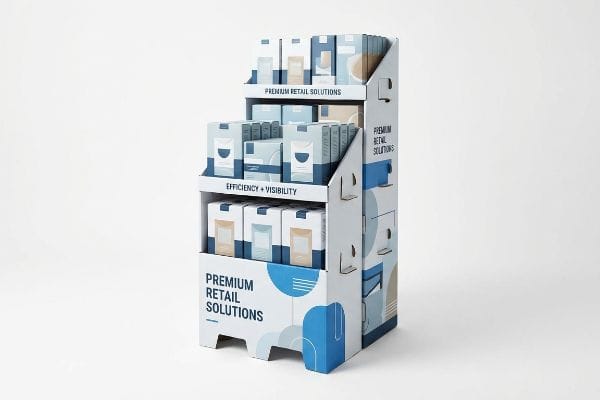
Торговые витрины PDQ быстро эволюционировали от простых коричневых транспортных коробок до высокотехнологичных торговых комплексов. Современные PDQ сочетают в себе сложную конструктивную физику, высококачественную офсетную печать и строгую оптимизацию цепочки поставок для максимальной видимости, обеспечивая значительно более быструю продажу товаров при строгом соответствии с жесткими глобальными требованиями к торговым площадям.
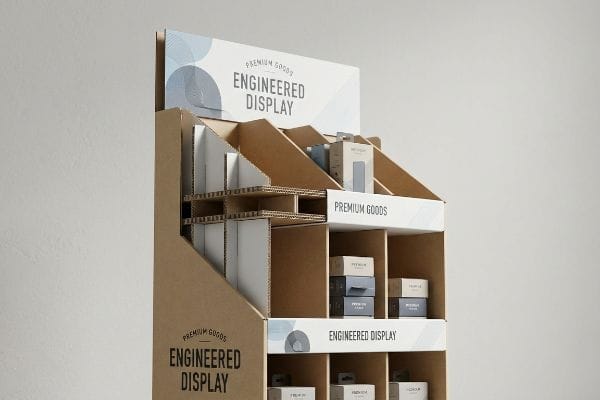
Давайте разберемся, как именно эти гиганты картонной индустрии превратились из простого отраслевого жаргона в незаменимые активы розничной торговли.
Что означает PDQ на сленге?
Когда ветераны отрасли говорят о скорости, они не шутят. Истоки этого термина глубоко уходят корнями в необходимость быстрой доставки товаров со склада в торговую зону.
Сленговое выражение PDQ означает "Pretty Darn Quick" (довольно быстро), аббревиатура, возникшая в сфере быстрой военной логистики снабжения. В современной розничной торговле это выражение точно переводится как «упаковка товаров повседневного спроса», что напрямую вынуждает производителей разрабатывать демонстрационные стенды, которые собираются мгновенно и значительно ускоряют всю цепочку поставок.
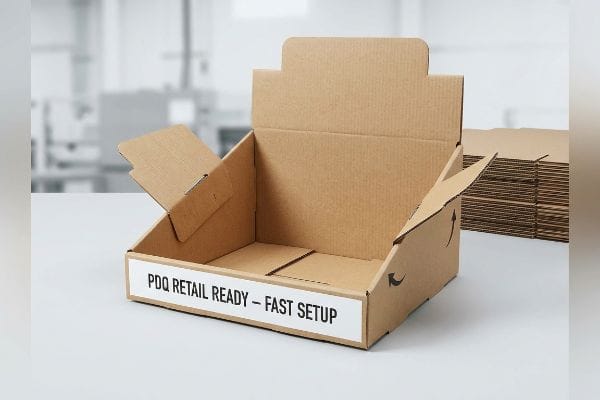
Но слово «быстро» на сленге абсолютно ничего не значит, если сам картонный корпус не выдержит спешки.
Почему для концепции "довольно быстрой работы" необходимы серьезные знания в области структурной физики
Многие основатели брендов считают, что ускорение процесса создания витрины заключается в простом исключении этапов складывания на плоской вырубке. Часто они пытаются имитировать скорость, используя простой сленг, убирая необходимые внутренние поддерживающие слои. В теории, меньшее количество сгибов должно означать более быстрое время подготовки для продавца в магазине.
Я постоянно сталкиваюсь с этой проблемой, когда на мой цифровой раскройный стол Kongsberg поступает упрощенный однослойный лоток для 24-часового тестирования белого образца. Из-за того, что дизайнер убрал важные двойные сгибы, чтобы сэкономить три секунды времени на складывание, первичный крафт-картон теряет свою структурную целостность¹.Когда я физически надавливаю на передний край, я слышу глухой хруст складывающихся гофр. «Быстрая» конструкция мгновенно становится огромным узким местом, замедляя конвейер примерно на 30%², потому что упаковщикам приходится тщательно заклеивать провисшие углы, что полностью сводит на нет прибыль вашей кампании.
| Распространённая ошибка новичков | Профессиональное решение | Преимущества для торговых площадей |
|---|---|---|
| Удаление складок с двойных стенок | Двустенный гофрированный заголовок | Предотвращает скручивание и провисание |
| Игнорируя направление флейты | Вертикальная ориентация зерен | Поддерживает большие стопки продукции |
| Полагаясь на прозрачную ленту | Предварительно склеенные модульные взаимозамыкающиеся лотки | Экономия 25 секунд на сборку каждого изделия |
Я всегда говорю своим клиентам, что настоящая скорость достигается на заводе, а не в цехе. Необходимо устранить трение в линии высечки еще до того, как она попадет в высекальный станок.
🛠️ Рабочий стол Харви: Не уверены, выдержит ли ваш «быстро складывающийся» лоток большую нагрузку от товара? 👉 Запросите проверку Dieline ↗ — Прямой доступ к моему рабочему столу. Никакого автоматического спама с рекламой, обещаю.
Что означало аббревиатура PDQ?
Оглядываясь на историческое значение упаковки, можно заметить существенный сдвиг в нашем подходе к ней. Речь шла не только о самой коробке, но и о труде, вложенном в её создание.
Исторически аббревиатура PDQ означала «Быстрая выкладка товара» (Product Displayed Quickly), строгое требование, созданное для минимизации затрат на оплату труда в магазинах. Сегодня эта историческая аббревиатура предписывает, что гофрированные лотки должны поставляться в собранном виде или иметь соединительные выступы, гарантируя, что продавцы смогут мгновенно перекладывать товары из основных транспортных коробок непосредственно на полки магазинов.
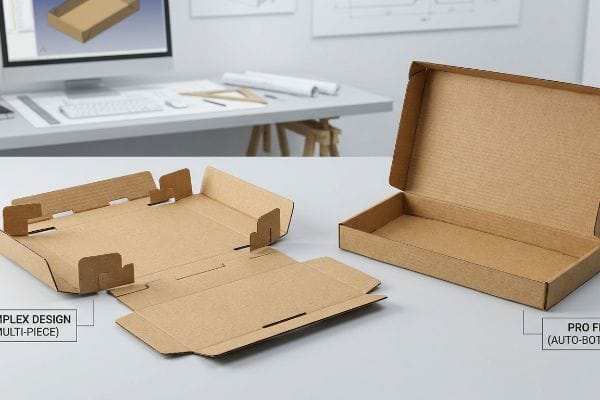
Именно первоначальное определение объясняет, почему нам пришлось полностью перестроить наши системы взаимосвязанной упаковки.
Как концепция «быстрой демонстрации товара» переложила бремя на поставщиков готовой продукции
Исторически сложилось так, что дизайнеры считали, что «быстрая демонстрация» просто означает печать ярких цветов на стандартной транспортировочной коробке. Они ожидали, что сотрудники розничной сети сами разберутся, как сделать лоток презентабельным. Это привело к созданию сложных, многокомпонентных бумажных замков³, которые отлично выглядели в программе автоматизированного проектирования (САПР), но в реальности представляли собой настоящий кошмар.
Это распространённая ловушка, в которую попадают даже опытные команды по закупкам, предполагающие, что продавец потратит пять минут на сборку вашего лотка. В действительности, когда я провожу хронометражные исследования на участке совместной упаковки, сложные складки оригами вызывают огромное разочарование. Если рабочему приходится с силой вставлять язычок в слишком маленький слот, вы услышите резкий звук разрыва напечатанного верхнего слоя, отрывающегося от подложки из гофрированного картона4.Это незначительное микротрение на уровне язычка запускает масштабную каскадную задержку, приводящую к сильному изгибу основания, что вызывает немедленный отказ розничного продавца и недели дорогостоящей ручной доработки.
| Распространённая ошибка новичков | Профессиональное решение | Преимущества для торговых площадей |
|---|---|---|
| Сложные многокомпонентные замки | Цельная автоматическая блокировка днища при столкновении | Открывается за 1,5 секунды5 |
| Выравнивание глухих пазов | Сужающиеся входные пазы для вкладышей | Отсутствие разрывов во время установки |
| Острые края бумаги | Лезвия с защитной кромкой Wave Cut6 | Предотвращает порезы бумагой у клерков |
Я требую использования предварительно склеенных модульных лотков именно для того, чтобы исключить этот фактор. Если к вашей витрине требуется инструкция по эксплуатации, она полностью не соответствует историческому определению быстрой продажи товаров.
🛠️ Стол Харви: Ваша текущая конструкция подставки требует от вашего упаковщика сложных операций по складыванию, чтобы закрепить основание? 👉 Получите структурный анализ ↗ — Скачайте безопасно. Мой почтовый ящик открыт, если у вас возникнут вопросы позже.
Что означает PDQ в Walmart?
Продавая товары крупнейшему в мире ритейлеру, необходимо играть по их абсолютным правилам. Их правила определяют выживание вашей цепочки поставок и вашу систему оценки поставщиков.
В Walmart PDQ означает готовность товара к размещению на полке и строгое соблюдение внутренних правил упаковки. Это конкретное определение обязывает бренды разрабатывать легкие, точно подобранные по размерам гофрированные лотки, гарантирующие хорошую видимость товара и исключающие необходимость для продавцов распаковывать отдельные единицы товара.
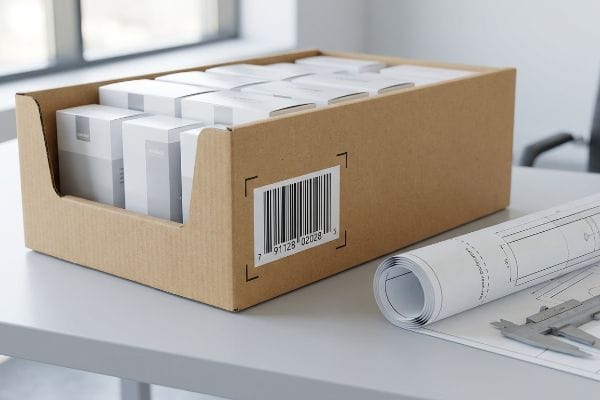
Понимание Walmart— единственный способ избежать катастрофических возвратов платежей.
Ловушка соблюдения требований в отношении "готовой к продаже" продукции в крупных розничных сетях
Многие начинающие бренды ошибочно полагают, что одобрение крупного ритейлера сводится лишь к тому, чтобы коробка соответствовала физическому размеру полки. Они относятся к лотку для товаров как к стандартной коричневой транспортной коробке, игнорируя строгие требования к эстетике и маркировке7.Они считают, что если товар помещается, менеджер магазина с удовольствием его разместит.
Я регулярно сталкиваюсь с этой неприятной реальностью, проверяя файлы клиентов на соответствие нашей внутренней базе данных спецификаций для розничных продавцов. Покупатель с гордостью показывает мне лоток, идеально соответствующий ограничению по глубине в 14 дюймов (35,5 см), но при этом размещает критически важный штрихкод UCC-128 на основной перфорации, предназначенной для отрыва. Когда я физически разрываю эту линию перфорации, чтобы превратить упаковку в витрину, я чувствую сильное сопротивление этикетки прямо перед тем, как она разорвет штрихкод на нечитаемые половинки. Эта единственная ошибка размещения приводит к немедленным сбоям сканирования в распределительном центре, вызывая огромные проблемы и сводя на нет прибыль от кампании из-за высоких затрат на переупаковку.
| Распространённая ошибка новичков | Профессиональное решение | Преимущества для торговых площадей |
|---|---|---|
| Штрих-коды на линиях разрыва | Специальные зоны для нанесения надписей на боковые панели8 | Отсутствие сбоев сканирования на складе |
| Высокие передние губы | Правило 85% видимости «Продукт прежде всего»9 | Более высокая узнаваемость товара покупателями |
| Слабые линии перфорации | Тестирование коэффициента образования трещин10 | Аккуратный разрыв без рваных краев |
Я всегда проверяю правильность размещения штрихкода на этикетке до того, как краска попадет на офсетный печатный станок. Соблюдение требований — это не просто физическое правило; это финансовый барьер для вашего бренда.
🛠️ За столом Харви: Ваши перфорации в конструкции незаметно разрушают штрихкоды вашей логистики во время процесса конвертации? 👉 Получите бесплатную предполетную проверку ↗ — Никаких форм, которые приводят к бесконечным звонкам от отдела продаж. Только чистая выгода.
Что означает аббревиатура PDQ?
Помимо сленга и требований розничных продавцов, физическая аббревиатура требует понимания факторов окружающей среды, которые большинство дизайнеров полностью игнорируют, пока не становится слишком поздно.
Аббревиатура PDQ обозначает высокооптимизированное средство для размещения товаров, которое физически защищает вашу продукцию, одновременно привлекая внимание продавцов. В конечном счете, эта аббревиатура отражает строгую дисциплину структурного проектирования, где точные допуски материалов, передовая калибровка печати и продуманная логистика объединяются для обеспечения непрерывного визуального воздействия в точке продажи.
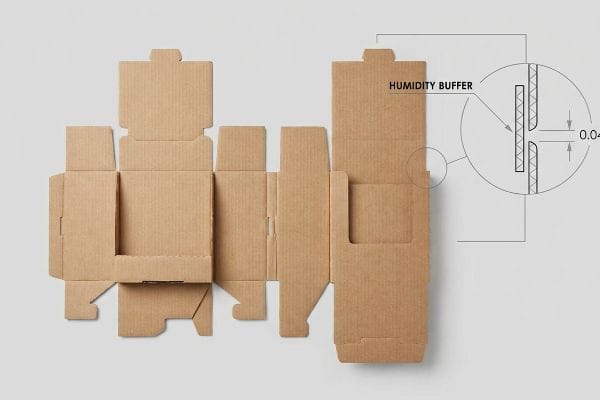
Но знания теории недостаточно, когда начинают работать машины и в дело вступают законы физики окружающей среды.
Почему стандартный теоретический метод складывания терпит неудачу в заводских условиях
Графические дизайнеры и бренд-менеджеры часто устанавливают допуски на прорези для штамповки, основываясь на абсолютном измерении толщины картона сухим штангенциркулем в своих офисах с контролируемым климатом. Они предполагают, что прорезь шириной 0,12 дюйма (3,17 мм)идеально подойдет для выступа аналогичного размера. Они доверяют плоскому векторному файлу, не принимая во внимание органическую, пористую природу исходных материалов бумаги, которые они фактически указывают.
Это не просто теория — я вижу это на испытательном полигоне, когда контейнеры прибывают из длительных морских перевозок во влажные порты. Пористая тестовая пленка 32 ECT (Edge Crush Test) впитывает окружающую влажность склада12 и физически разбухает. Выступ, который идеально подходил в программном обеспечении, внезапно становится на 0,03 дюйма (0,8 мм) толще, чем нужно. Когда я наблюдаю, как команда упаковщиков пытается с силой соединить эти разбухшие детали, я вижу, как внутренние гофры навсегда сминаются, а высококачественный литографически ламинированный верхний лист с силой рвется по углам. Математически спроектировав буфер влажности толщиной 0,04 дюйма (1 мм) непосредственно в приемные пазы CAD, я обеспечиваю сокращение времени сборки на 42 секунды на единицу продукции, экономя клиентам тысячи долларов на непредвиденных трудозатратах при стандартном производстве.
| Распространённая ошибка новичков | Профессиональное решение | Преимущества для торговых площадей |
|---|---|---|
| Игнорируя набухание от влаги, можно заметить, что оно происходит | Прецизионный буфер влажности CAD13 | Сборка пластины без трения |
| Предполагается, что плоская доска затвердевает | 24-часовое точное лечение с помощью мертвого груза14 | Предотвращает деформацию картофельных чипсов |
| Стандартные поля для обрезки при печати | 0,5 дюйма (12,7 мм) литографический выступ15 | Устраняет открытые коричневые края |
Я отказываюсь запускать файл в производство, не учитывая влажность при транспортировке. Корректировка расчетов на долю миллиметра – вот что отличает профессиональное исполнение от дорогостоящей неудачи.
🛠️ Вопрос от Харви: Знаете ли вы точное содержание влаги в гофрированном картоне вашего нынешнего поставщика перед литографическим ламинированием? 👉 Пришлите мне файл с чертежом высечки ↗ — Я проверю расчеты, прежде чем вы потратите бюджет на массовое производство.
Заключение
Вы можете выбрать универсального поставщика, чтобы сэкономить, но когда плата 32 ECT неконтролируемо разбухает во влажном складе и приводит к полному разрушению креплений основания, это вызывает катастрофическую задержку сборки, которая сводит на нет прибыль от запуска вашего продукта. Это точная спецификация, которую используют мои 10 крупнейших розничных клиентов, чтобы гарантировать отсутствие брака при печати. Перестаньте рисковать своей цепочкой поставок, полагаясь на теоретические шаблоны, и позвольте мне лично провести аудит вашей геометрии с помощью моего бесплатного аудита высечки ↗, чтобы обеспечить надежность вашей следующей кампании до начала производства.
«Как выбрать подходящий материал для картонной коробки для вашего применения», https://www.smartshieldpackaging.com/blog/how-to-choose-the-right-cardboard-box-material-for-your-application. [Авторитетный источник по проектированию гофрированной упаковки объяснит, как двухслойная конструкция обеспечивает превосходную прочность на вертикальное сжатие и жесткость по сравнению с однослойными конструкциями]. Роль доказательства: техническая спецификация; тип источника: инженерное руководство. Подтверждает: утверждение о структурной целостности. Примечание об области применения: относится к первичному крафт-картону. ↩
«Совместная упаковка больше не является необязательной: как бренды превращают…», https://nautical-direct.com/co-packing-is-no-longer-optional-how-brands-are-turning-packaging-into-a-revenue-driver/. [Отраслевые показатели производительности совместной упаковки и сборочных линий могли бы предоставить данные о потерях эффективности, связанных с ручными корректирующими мерами, такими как заклеивание провисших углов]. Роль доказательства: показатель эффективности; тип источника: анализ цепочки поставок. Подтверждает: утверждение о узком месте в сборке. Примечание к области применения: оценочный процент. ↩
«PDQ Display: преимущества, проблемы и соображения», https://thepackagingworld.com/all/pdq-display/?srsltid=AfmBOoqcTB4lG5zS7rIZ5w9e41ykwbFuzKPtaT0tYqIB8VLR3V615y5z. [В руководствах по проектированию упаковки или в истории отрасли задокументирован переход от сложных многокомпонентных механизмов запирания к упрощенным, взаимозацепляющимся конструкциям из гофрированного картона для сокращения трудозатрат в розничной торговле]. Роль доказательства: техническая проверка; тип источника: отраслевое техническое руководство. Подтверждает: неэффективность и технические отказы ранних конструкций лотков PDQ. Примечание к области применения: относится к эволюции гофрированных витрин для розничной торговли. ↩
«Гофрированный картон – PPB Ltd», https://ppb.uk.com/corrugated-board/. [Авторитетный источник по проектированию гофрированной упаковки должен подтвердить структурные свойства склеивания B-образного гофрированного картона и условия, при которых происходит расслоение вкладышей во время сборки]. Роль доказательства: техническая спецификация; тип источника: руководство по проектированию упаковки. Подтверждает: механизм разрушения материала. Примечание об области применения: относится к гофрированному картону B-образного гофрированного картона. ↩
«Коробки с автоматическим фиксатором дна, изготовленные на заказ», https://www.kellybox.com/auto-lock-bottoms. [Отраслевые стандарты для упаковки с автоматическим фиксатором дна позволяют оценить скорость развертывания готовых к розничной продаже витрин]. Роль подтверждения: показатель производительности; тип источника: спецификация производителя. Поддержка: скорость сборки для продавцов розничной торговли. Примечание по области применения: производительность может варьироваться в зависимости от размера коробки и толщины материала. ↩
«Как резать картон как профессионал! (5 советов для легких и чистых разрезов)», https://www.youtube.com/watch?v=tPOOEmN9tio. [Технические характеристики промышленного режущего оборудования описывают способность конструкции Wave Cut уменьшать острые края в гофрированном картоне]. Роль доказательства: технические характеристики; тип источника: производитель оборудования. Подтверждает: заявления о безопасности при резке бумаги. Примечание об области применения: относится к специализированным геометрическим формам лезвий. ↩
«Каковы стандарты вторичной упаковки Walmart?», https://www.spscommerce.com/community/articles/what-are-walmarts-secondary-packaging-standards. [Официальные руководства по упаковке от крупных розничных продавцов, таких как Walmart, содержат подробные спецификации по цвету, брендингу и размещению этикеток на лотках для документов]. Роль доказательства: проверка; тип источника: корпоративные руководства. Подтверждает: существование обязательных эстетических стандартов для лотков, готовых к размещению на полках. Примечание об объеме: требования могут различаться в зависимости от категории продукта. ↩
«Упаковка со штрихкодами: идентификация, инвентаризация и точность», https://boxagency.co/blog/barcode-packaging/?srsltid=AfmBOoogRvlpQp4hmM2N6mrx0QO-Nqr4S-AuyAMiuhOEK0Na-eF4oMb9. [Отраслевые стандарты логистики для упаковки, готовой к размещению на полках, определяют оптимальное размещение этикеток во избежание ошибок сканирования при приемке со склада]. Роль доказательства: отраслевой стандарт; тип источника: руководство по логистике. Подтверждает: использование боковых панелей вместо линий отрыва для штрихкодов. Примечание об области применения: стандартная практика для крупных розничных сетей. ↩
«Почему важна видимость в дизайне упаковки продукта», https://www.thepkglab.com/blog/164/why-visibility-in-product-packaging-design-is-important. [Авторитетный источник по стандартам розничной торговли подтвердит конкретное требование к проценту видимости продукта в упаковке, готовой к размещению на полке]. Роль подтверждения: техническая спецификация; тип источника: руководство по соблюдению требований в розничной торговле. Подтверждает: стандарт высоты переднего края в PDQ. Примечание об области применения: может варьироваться в зависимости от розничного продавца. ↩
«Исследование влияния перфорации на несущую способность…», https://pmc.ncbi.nlm.nih.gov/articles/PMC11396172/. [В техническом руководстве по проектированию упаковки коэффициент надреза определяется как отношение площади надреза к оставшемуся материалу для обеспечения чистого разрыва]. Роль доказательства: техническое определение; тип источника: техническое руководство. Подтверждает: метод предотвращения неровных краев в линиях разрыва PDQ. Примечание об области применения: специфично для гофрированных материалов. ↩
«Руководство по шаблонам коробок: как точно проектировать вырубные формы упаковки», https://gentlever.com/what-is-box-template-and-how-to-design/. [Авторитетное руководство по проектированию конструкции упаковки должно проверять стандартные спецификации ширины паза и требуемые допуски для вставки язычка. Роль подтверждения: техническая проверка; тип источника: инженерное руководство. Опоры: стандартные размеры паза. Примечание об области применения: точные допуски варьируются в зависимости от толщины гофрированного картона и диаметра.] ↩
«Понимание прочности упаковочных коробок – EcoEnclose», https://www.ecoenclose.com/blog/understanding-shipping-box-strength/?srsltid=AfmBOorOZ1_92JnvmRZap-Wc-fUWqgcRuj7BDfVb0-syxtAZWCj3wN5x. [Документация по материаловедению гофрированного картона подтверждает, что целлюлозные волокна в подкладочных материалах с рейтингом ECT гигроскопичны и расширяются при воздействии высокой влажности]. Роль доказательства: Техническая проверка; тип источника: Руководство по проектированию упаковки. Подтверждает: Отказы материалов от допустимых нагрузок во влажной среде. Примечание об области применения: Эффекты различаются в зависимости от марки подкладочного материала и покрытия. ↩
«Заметка о перемещении влаги между компонентами в…», https://aata.getty.edu/primo-explore/fulldisplay?docid=GETTY_AATA_GCIBIBSGCIBINC1781&context=L&vid=AATA&lang=en_US&tab=aata&query=sub%2Cexact%2Ctransport%20boxes&mode=undefined&offset=0. [В технических руководствах по проектированию упаковки описывается реализация буферов влажности в программном обеспечении CAD для компенсации расширения материала из-за влаги]. Роль доказательства: техническая спецификация; тип источника: руководство по проектированию. Подтверждает: необходимость компенсации влажности в шаблонах PDQ. Примечание об объеме применения: конкретные значения буферов зависят от пористости материала. ↩
«Метод и устройство для предотвращения деформации гофрированного картона», https://patents.google.com/patent/US4314868A/en. [Производственные стандарты для гофрированного картона определяют необходимый период отверждения под давлением для обеспечения структурной стабильности и предотвращения деформации]. Роль доказательства: технологический стандарт; тип источника: руководство по производству. Подтверждает: предотвращение деформации картона по типу «картофельных чипсов». Примечание об области применения: временные рамки могут варьироваться в зависимости от химического состава клея .
«Контуры высечки и поля обрезки: простое руководство по упаковке… – DelightAD», https://www.delightad.com/dielines-bleed-the-simple-guide-to-packaging-that-prints-right-the-first-time/. [Рекомендации полиграфической отрасли для литографической упаковки устанавливают минимальные размеры полей обрезки для учета допусков высечки и предотвращения непропечатанных краев]. Роль подтверждения: техническая спецификация; тип источника: стандарт печати. Подтверждает: устранение открытых коричневых краев на печатных PDQ. Примечание об объеме применения: требования к полям обрезки могут различаться в зависимости от типографии]. ↩