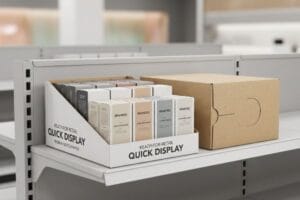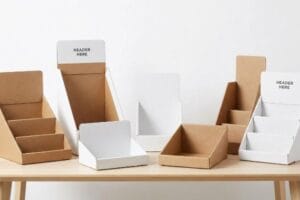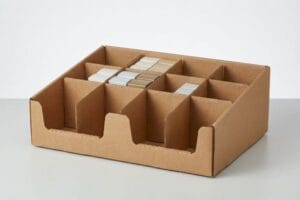
Открытие новых торговых площадей в розничной торговле быстро приводит к значительным финансовым затратам. Необходимо обеспечить масштабное присутствие на полках без завышенной цены. Складские контейнеры позволяют масштабировать производство, но только если они выдерживают интенсивное движение в торговых залах.
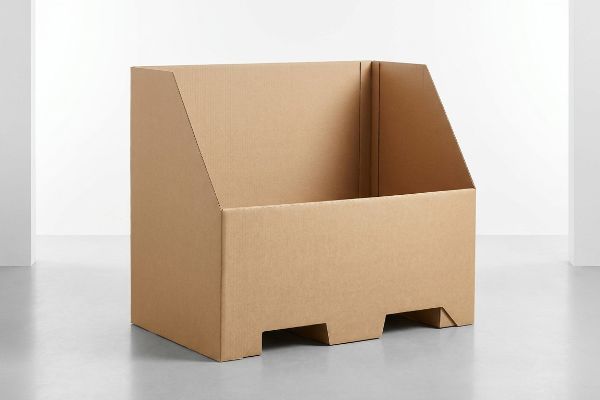
Контейнер для товаров — это экономичное, открытое сверху, отдельно стоящее картонное стеллажное устройство, используемое в розничной торговле для хранения больших объемов товаров, размещенных на развес. Такие контейнеры стимулируют импульсивные покупки, значительно снижая затраты на строительные материалы и устраняя необходимость в точной внутренней организации товаров или стеллажах.
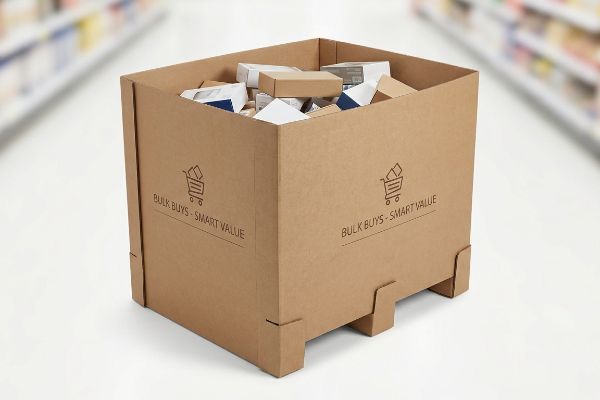
Давайте разберемся, почему эти непритязательные картонные коробки обеспечивают самую высокую окупаемость инвестиций в физический маркетинг — и как предотвратить их разрыв в торговом зале.
Что такое мусорный контейнер в розничной торговле?
Понимание структурной ДНК этих элементов — первый шаг к защите вашей прибыли.
В розничной торговле контейнер для товаров представляет собой стратегически модифицированную картонную упаковку. Убрав сплошные верхние клапаны, характерные для стандартных транспортных коробок, бренды создают мгновенно открывающийся сверху контейнер, который значительно снижает затраты на сырье, одновременно максимизируя доступность товара для покупателей и повышая вовлеченность в его использование ежедневно.
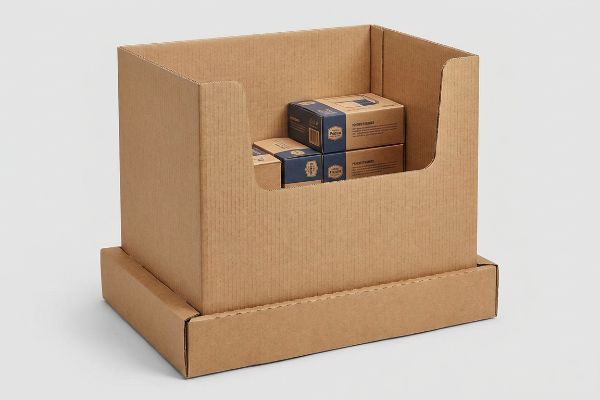
Однако снятие верхней крышки создает скрытую структурную уязвимость, которая застает многие бренды врасплох.
Скрытая стоимость архитектуры HSC (полуслотовый контейнер)
Большинство отделов закупок считают, что переход от стандартного закрытого ящика к открытому контейнеру — это простой способ сэкономить средства. Они заменяют эти открытые контейнеры обычными перфорированными контейнерами, чтобы резко сократить расходы на материалы и ускорить производство на заводе¹ . Теория заключается в том, что прочное основание естественным образом выдержит любые незакрепленные предметы, которые будут помещены внутрь, что позволит им отправлять контейнер полностью заполненным² .
Я еженедельно сталкиваюсь с этой ловушкой при проверке файлов новых клиентов. Даже опытные закупщики забывают, что полное удаление верхних картонных клапанов устраняет 360-градусную верхнюю герметизацию³,разрушая способность контейнера распределять давление вниз. Однажды я наблюдал, как расстроенный упаковщик пытался укладывать в два ряда поддоны с этими плохо спроектированными контейнерами с открытым верхом; без верхних клапанов, стабилизирующих углы, я услышал немедленный, отвратительный хруст необработанных стенок из гофрированного картона, прогибающихся внутрь. Профессиональное решение заключается в обеспечении идеально вертикального направления волокон на боковых стенках для максимальной прочности по ECT⁴( тест на прочность кромки). Выравнивая эти бумажные волокна строго вертикально, мы восстанавливаем структурный дефицит, предотвращая катастрофическое смятие и гарантируя, что ваш стенд переживет транспортировку без крупных списаний со стороны розничных продавцов.
| Распространённая ошибка новичков | Профессиональное решение | Преимущества для торговых площадей |
|---|---|---|
| Игнорируя потери на сжатие при верхней нагрузке | Вертикальная ориентация волокон гофрированной трубы5 | Предотвращает деформацию боковых стенок |
| Используя стандартные предельные значения материала | Переход на двухслойную сталь 32ECT6 | Выдерживает транспортировку в двухъярусном режиме |
| Переполнение открытых мусорных баков без опоры | Динамическое ограничение линий заполнения | Предотвращает выпячивание структур |
Я не позволю брендам снижать прочность конструкции ради экономии на начальном этапе. Если ваш открытый кузов не выдержит кинетической нагрузки морской перевозки, выбор дешевых материалов полностью сведет на нет прибыльность вашего проекта.
🛠️ За столом Харви: Не уверены, выдержат ли ваши открытые контейнеры тяжелые поддоны? 👉 Получите бесплатный аудит Dieline ↗ — Прямой доступ к моему рабочему месту. Никакого автоматического спама с предложениями о покупке, обещаю.
Чем способствует использование контейнеров для рассыпной еды?
Речь идёт не просто о том, чтобы сложить товары в коробку. Ощущаемый хаос — это тщательно продуманный психологический триггер.
Неорганизованная выкладка товаров активно рекламирует товары повседневного спроса, сезонные распродажи и импульсивные покупки, вызывая у покупателей психологический эффект «охоты за сокровищами». Такая неструктурированная презентация сигнализирует покупателям о больших скидках и высокой оборачиваемости товаров, активно поощряя физическое взаимодействие без риска нарушить идеально выровненную расстановку товаров на полках.
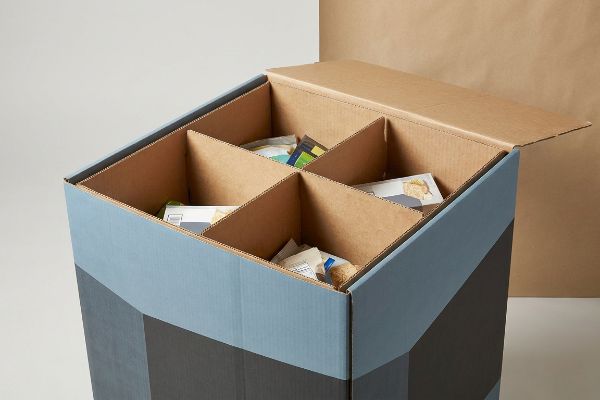
Однако для того, чтобы упаковать 45,3 кг (100 фунтов) насыпного товара в одну полость, требуются особые инженерные решения.
Предотвращение образования «выпуклости в бункере для отходов» при большой загрузке товарами
Начинающие дизайнеры часто рисуют массивную, красиво оформленную прямоугольную призму и предполагают, что она сохранит свою форму, когда будет заполнена изделиями неправильной формы. Они полностью сосредотачиваются на внешней графике, рассматривая внутреннее пространство как простое ведро, не требующее структурного усиления, ожидая, что картон будет вести себя как жесткий пластик7.
Это распространённая ловушка, в которую попадают даже опытные отделы закупок. Вы заполняете стандартный контейнер шириной 36 дюймов (914 мм) тяжёлыми, рассыпчатыми товарами со скидкой, и внешнее боковое давление немедленно приводит к выгибанию боковых панелейнаружу⁸. Я видел, как продавцы вспотели, пытаясь втиснуть выпуклый, деформированный контейнер в узкое торцевой части , в конце концов сдавшись и оставив его на складе. Физическое сопротивление сотен мелких товаров, упирающихся в стенки, требует использования внутренней H-образной перегородки или скрытой перемычки⁹.Вставляя эту простую перекрещивающуюся картонную перегородку, мы скрепляем внешние стенки между собой, сохраняя идеально ровную форму основания и избавляя вас от немедленного отказа крупных розничных сетей.
| Распространённая ошибка новичков | Профессиональное решение | Преимущества для торговых площадей |
|---|---|---|
| Оставляя большие внутренние пустоты пустыми | Установка скрытых H-образных перегородок10 | Обеспечивает идеальную квадратность внешних стен |
| Игнорирование внешнего бокового давления | Использование двухслойных бандажей для живота11 | Предотвращает искажение изображения |
| Перегрузка тяжелыми твердыми товарами | Проектирование фальшдна12 | Уменьшает общий необходимый объем наполнения |
Я всегда математически рассчитываю коэффициент бокового трения конкретных незакрепленных предметов. Необходимо спроектировать скрытую внутреннюю архитектуру таким образом, чтобы она противостояла выпячиванию наружу, иначе ваши высококачественные графические материалы будут выглядеть как деформированный воздушный шар в проходе.
🛠️ Задание от Харви: Ваши большие напольные стеллажи тайком прогибаются под тяжестью разбросанных товаров? 👉 Запросите предварительную проверку конструкции ↗ — Скачайте безопасно. Мой почтовый ящик открыт, если у вас возникнут вопросы позже.
Что такое дисплей для мусорного контейнера?
Обычный контейнер просто вмещает товары. Контейнер для розничной торговли разработан таким образом, чтобы выдерживать самые суровые условия эксплуатации.
Складской контейнер — это полностью оборудованное, конструктивно усиленное торговое оборудование, предназначенное для работы в условиях интенсивного движения в магазинах и повышения узнаваемости бренда. В отличие от обычных транспортных контейнеров, эти стеллажи имеют специальные основания, высококачественную печатную графику и специальное влагозащитное покрытие, позволяющее им выдерживать ежедневные механические воздействия на торговых площадках.
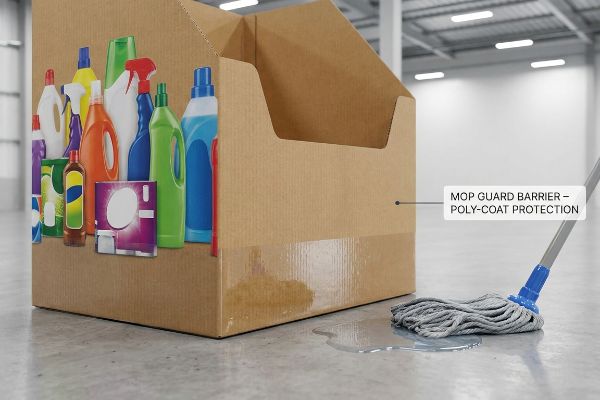
Добиться идеального отображения одного дисплея в кондиционированном офисе несложно, но вот суровая реальность, когда вы отправляете 500 таких дисплеев в крупные оптовые сети.
Проверка реальности в отношении следов от швабры: защитный кожух для швабры
Отделы закупок часто запрашивают стандартные необработанные гофрированные основания для своих напольных панелей, полагая, что сухая внутренняя среда крупного торгового центра не представляет никаких угроз с точки зрения окружающей среды. Они одобряют красивые, негерметичные профили, вырезанные методом штамповки, которые полностью прилегают к бетонной плитке¹³,полностью игнорируя механическую реальность коммерческой уборки и ночного ухода за полом.
В моем цехе я регулярно наблюдаю разрушительные последствия этой «слепой зоны» во время моделирования физической среды. Крупные розничные сети ежедневно используют промышленные поломоечные машины и тяжелые влажные швабры. Когда пористая тестовая подложка 32ECT впитывает эту грязную воду с пола¹⁴,я измеряю быстрое проникновение влаги — часто достигающее 60 мм вверх по основанию — которое мгновенно отслаивает клей ПВА (поливинилацетат)¹⁵. Весь нижний ярус превращается в кашу, замедляя операции по пополнению запасов и вызывая опасное опрокидывание конструкции. Я решаю эту проблему, нанося прозрачный полимерный лак на нижние 101 мм каждой напольной витрины. Эта жидкая полимерная матрица действует как невидимый щит от химических средств для мытья полов, обеспечивая полную жесткость основания и продлевая срок службы рекламной кампании на несколько недель.
| Распространённая ошибка новичков | Профессиональное решение | Преимущества для торговых площадей |
|---|---|---|
| Нижний край оставлен незапечатанным | Нанесение защитного слоя из полимерного покрытия толщиной 4 дюйма16 | Предотвращает впитывание воды уборщиками |
| Использование необработанной крафт-бумаги непосредственно на бетоне | Использование жесткого пластикового поддона для сбора влаги17 | Предотвращает расслоение основания |
| Игнорируя влажность воздуха на полу | Выбор водостойких клеев18 | Предотвращает наклон всего дисплея |
Я не позволяю красивым произведениям искусства заслонять от моих клиентов суровую реальность обслуживания торговых помещений. Если вы не разработаете химическую защиту от ежедневной мытья полов, все ваши инвестиции в конструкцию здания буквально разрушатся снизу вверх.
🛠️ Совет от Харви: Не позволяйте двухмиллиметровому структурному дефекту испортить запуск продаж в 500 магазинах. 👉 Пришлите мне файл с чертежами ↗ — Я проверю расчеты, прежде чем вы потратите бюджет на массовое производство.
Заключение
Вы можете вложить тысячи долларов в великолепную высококачественную графику, но когда незапечатанное основание из материала 32ECT впитывает воду с пола и обрушается в оживленном проходе, возникающее структурное повреждение приводит к немедленному отказу со стороны розничных продавцов и полностью сводит на нет рентабельность вашей рекламной кампании. Это именно та спецификация, которую используют мои 10 крупнейших розничных клиентов, чтобы гарантировать отсутствие отказов в печати. Перестаньте надеяться на удачу в вопросе прочности пола и позвольте мне лично проверить ваши чертежи с помощью моего бесплатного анализа спецификации и конструкции ↗, чтобы обеспечить надежную защиту от влаги до начала производства первого изделия.
«Базовые типы коробок | Packaging Corporation of America», https://www.packagingcorp.com/resource-hub/beyond-the-box/basic-box-styles/. Техническое сравнение потребления сырья и времени производственного цикла для стандартных коробок с прорезями и коробок с открытым верхом. Роль доказательства: техническая проверка; тип источника: производственный эталон. Подтверждает: утверждение о том, что конструкции с открытым верхом сокращают затраты и время. Примечание по области применения: относится к гофрированному картону. ↩
«Планирование упаковки и логистики для торговых витрин – Фрэнк Майер», https://www.frankmayer.com/blog/packaging-and-logistics-planning-for-retail-displays/. Отраслевые стандарты структурной целостности и протоколы транспортировки предварительно заполненных торговых витрин. Роль подтверждения: логистическая проверка; тип источника: отраслевые руководства по упаковке. Подтверждает: возможность транспортировки предварительно заполненных единиц. Примечание по области применения: зависит от прочности на разрыв основного материала. ↩
«[PDF] Исследование влияния гофрированных коробок на распределение», https://www.unitload.vt.edu/content/dam/unitload_vt_edu/graduate-research-and-subpages-pictures-and-docs/thesis-and-dissertations-/Clayton%20-%20ETD%20-%20Investigation%20of%20the%20Effect%20of%20Corrugated%20Boxes%20on%20the%20Distribution%20of%20Compression%20Stresses%20on%20the%20Top%20Surface%20of%20Wooden%20Pallets.pdf. Анализ влияния удаления верхних клапанов на несущую способность и прочность на вертикальное сжатие гофрированной коробки. Роль доказательства: структурный анализ; Тип источника: исследование в области материаловедения. Подтверждает: объяснение причин деформации открытых контейнеров под давлением. Примечание к области применения: относится к вертикальному распределению нагрузки. ↩
«Технические характеристики гофрированного картона», https://www.fibrebox.org/assets/2025/09/Walmart_Corrugated-Board_Specifications_Automation_Packaging_Standards.pdf. Техническое объяснение того, как ориентация гофрирования (направление волокон) влияет на результаты испытания на сжатие кромки (ECT) в гофрированной упаковке. Роль подтверждения: техническая проверка; тип источника: стандарт по проектированию упаковки. Подтверждает: метод восстановления структурной целостности в дисплеях с открытым верхом. Примечание об области применения: относится конкретно к гофрированному картону типа B и аналогичным. ↩
«Оценка прочности на сжатие коробок из гофрированного картона…», https://pmc.ncbi.nlm.nih.gov/articles/PMC8467740/. Техническое объяснение принципов проектирования гофрированного картона, демонстрирующее, как вертикальная ориентация гофр максимизирует прочность на сжатие, предотвращая обрушение стенок. Роль доказательства: техническая проверка; тип источника: руководство по проектированию упаковки. Подтверждает: утверждение о том, что вертикальная гофрировка предотвращает деформацию боковых стенок. Примечание об области применения: относится к стандартному гофрированному картону. ↩
«Понимание прочности транспортных коробок – EcoEnclose», https://www.ecoenclose.com/blog/understanding-shipping-box-strength/?srsltid=AfmBOopZWLYcU_x6pX8xfmTWc2BwXS4MaDHznj1n-KGwLljSPdB7kUt-. Отраслевые стандарты для испытаний на сжатие кромок (ECT), определяющие несущую способность двухслойных гофрированных материалов для транспортировки. Роль доказательства: проверка спецификации; тип источника: технический паспорт отрасли. Подтверждает: утверждение о том, что 32ECT выдерживает транспортировку в двухъярусном режиме. Примечание об области применения: фактическая грузоподъемность зависит от размеров контейнера и влажности. ↩
«Различия между гофрированным картоном и обычным картоном | UFP Packaging», https://ufppackaging.com/insights/differences-between-corrugated-and-cardboard. Технические материалы по структурной целостности гофрированного картона сравнивают несущую способность и модуль упругости картона и жесткого пластика. Роль доказательства: техническая проверка; тип источника: справочник по проектированию упаковки. Подтверждает: тот факт, что картон не обладает присущей пластику жесткостью под нагрузкой. Примечание по области применения: относится к контейнерам для розничной торговли. ↩
«Почему ваши гофрированные коробки разрушаются под большими нагрузками – OrCon», https://orconind.com/why-corrugated-box-failing-under-heavy-loads/. Техническое объяснение того, как боковые нагрузки в широких гофрированных контейнерах приводят к прогибу стенок и структурной нестабильности. Роль доказательства: техническая проверка; тип источника: руководство по проектированию упаковки. Подтверждает: физическую причину выпучивания контейнера под большими нагрузками на товар. Примечание по области применения: относится конкретно к неармированным картонным витринам. ↩
«Оптимальный дизайн упаковки из двухслойного гофрированного картона – PMC», https://pmc.ncbi.nlm.nih.gov/articles/PMC8950760/. Отраслевые стандарты по усилению гофрированных демонстрационных контейнеров для сохранения их квадратной формы и сопротивления внешнему давлению. Роль доказательства: проверка технического решения; тип источника: руководство по проектированию торговых витрин. Опоры: эффективность внутренних опор в предотвращении деформации контейнера. Примечание по области применения: акцент на витринах для торговых точек с большим объемом продаж. ↩
«Рекомендации по использованию торговых контейнеров для товаров – PopDisplay», https://popdisplay.me/retail-dump-bin-considerations/. Техническая документация по проектированию торговых витрин, подтверждающая, как H-образные разделители обеспечивают внутреннюю структурную поддержку, предотвращая деформацию стенок. Роль доказательства: техническая проверка; тип источника: руководство по промышленному дизайну. Поддержка: структурная устойчивость торговых контейнеров. Примечание по области применения: относится к гофрированным или пластиковым контейнерам. ↩
«Подвесные упаковочные ленты и защитные пояса – устойчивая упаковочная индустрия», https://s-packaging.com/inspiration/hanging-wraps-belly-bands/?srsltid=AfmBOoqSZTKPMVY5um4h-Po-jpzLwb1Vhc1Ipg2l4zZ9I7H8u8Q9Lslm. Стандарты розничной торговли, объясняющие, как усиленные защитные пояса противодействуют боковому давлению, поддерживая выравнивание графического изображения. Роль подтверждения: техническая проверка; тип источника: руководство по проектированию упаковки. Поддержка: предотвращение визуальных искажений на витринах. Примечание по области применения: применяется к тяжелым партиям товаров. ↩
«Какие модели контейнеров для товаров мы предлагаем в розничной торговле? – PopDisplay», https://popdisplay.me/what-retail-dump-bin-styles-do-we-carry/. Лучшие отраслевые практики в дизайне POS-дисплеев, подробно описывающие использование фальшдна для оптимизации воспринимаемой наполненности при одновременном снижении фактической потребности в товарах. Роль доказательства: оперативная проверка; тип источника: руководство по мерчандайзингу. Подтверждает: снижение необходимого объема наполнения. Примечание по области применения: фокусируется на эффективности визуального мерчандайзинга. ↩
«Напольные витрины увеличивают продажи на 300% | TPH Global», https://www.tphinc.com/custom-point-of-purchase-pop-pos-retail-store-displays-packaging-blog/how-to-increase-product-sales-by-300-with-retail-floor-displays/. Отраслевые стандарты долговечности торгового оборудования объясняют, как капиллярное действие втягивает влагу с мокрых полов в незапечатанные гофрированные основания, что приводит к разрушению конструкции. Роль доказательства: Техническая проверка; тип источника: руководство по материаловедению. Подтверждает: Необходимость влагостойких покрытий или приподнятых оснований. Примечание к области исследования: В центре внимания гофрированный картон в розничной торговле. ↩
«[PDF] Влияние содержания влаги на прочность коробки на сжатие: FBA BCT…», https://renewablebioproducts.gatech.edu/sites/default/files/2025-12/4effects-of-moisture-content-on-box-compression-strength.pdf. Данные упаковочной промышленности о показателях водопоглощения и пористости лайнерного картона класса 32 ECT (испытание на сжатие по краю). Роль доказательства: техническая спецификация; тип источника: руководство по отраслевым стандартам. Подтверждает: утверждение о том, что материалы 32ECT являются пористыми и впитывают жидкости. Примечание об области применения: относится только к не покрытому лайнерному картону. ↩
«Клеи для гофрированного картона | Рекомендации по упаковочным материалам», https://www.hotmelt.com/blogs/blog/corrugated-cardboard-glues?srsltid=AfmBOoo4qFLjEm6M8YpgH15p5TDceLChgh8fNtLCMh5iyjRmIpRxAEuS. Технический анализ восприимчивости клеев на основе поливинилацетата (ПВА) к гидролитической деградации в картонных конструкциях. Роль доказательства: техническая проверка; тип источника: исследование в области материаловедения. Подтверждает: утверждение о том, что влага вызывает разрушение клея. Примечание по области применения: относится к стандартным клеям ПВА на водной основе. ↩
«Какие покрытия лучше всего подходят для гофрированной упаковки? – PopDisplay», https://popdisplay.me/what-coatings-work-best-for-corrugated-packaging/. Авторитетный источник по проектированию витрин или упаковочным материалам подтвердит эффективность 4-дюймового полимерного барьера в предотвращении впитывания воды при мытье полов. Роль доказательства: техническая спецификация; тип источника: руководство по производству. Подтверждает: эффективность защиты от влаги. Примечание по области применения: относится к нижним краям гофрированных витрин. ↩
«Барьерная упаковка: защита продукции и потребителей – Indepak», https://indepak.com/barrier-packaging/. Отраслевые стандарты для торговых стендов подтверждают, что пластиковые лотки предотвращают расслоение картонных слоев из-за влаги, выделяемой бетоном. Роль доказательства: материаловедение; тип источника: руководство по торговому оборудованию. Подтверждает: предотвращение нарушения структурной целостности. Примечание по области применения: специально для бетонных полов. ↩
«Выбор правильного клея для упаковки из гофрированного картона – Pafra», https://www.pafra.com/choosing-the-right-glue-for-corrugated-board-packaging/. Техническая документация по клеям для гофрированного картона демонстрирует, как влагостойкие клеи предотвращают разрушение соединений и наклон из-за влажности. Роль доказательства: подтверждение химических свойств; тип источника: технический паспорт клея. Поддержка: структурная стабильность. Примечание по области применения: применяется в торговых помещениях с высокой влажностью. ↩