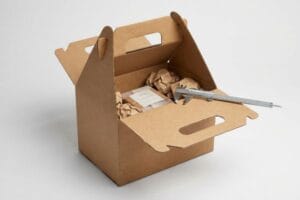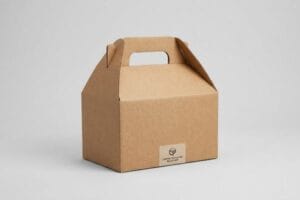
Вы хотите, чтобы ваш продукт выделялся, поэтому избавляетесь от всего лишнего. Но именно создание минималистичной упаковки без ущерба для её целостности является причиной полного провала большинства начинающих брендов.
Минималистичный дизайн упаковки фокусируется на устранении ненужных материалов, уменьшении визуального беспорядка и максимальной структурной эффективности. Минималистичный подход отдает приоритет мономатериалам, четкой типографии и экологически чистым материалам для снижения углеродного следа, сохраняя при этом эффективную коммуникацию бренда и строгую защиту продукции в глобальных цепочках поставок розничной торговли и электронной коммерции.
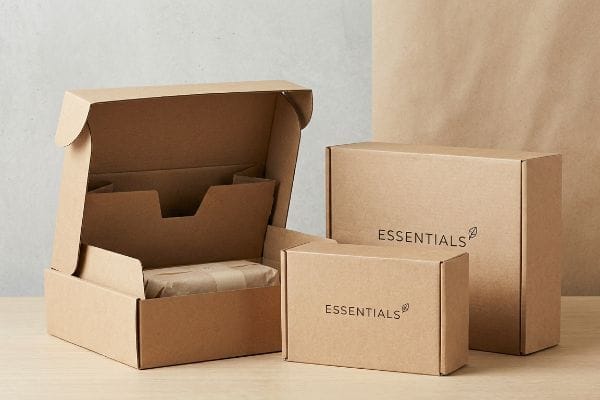
Создать идеальную визуальную эстетику на экране несложно, но обеспечить её работоспособность в суровых условиях складского помещения требует серьёзных инженерных решений.
Какие сейчас актуальные тенденции в минималистском дизайне упаковки?
Пройдясь сегодня по любому крупному американскому магазину, вы заметите масштабные изменения. Бренды безжалостно отказываются от пластиковых окошек, тиснения фольгой и блистерной упаковки, содержащей несколько компонентов.
Современные тенденции в минималистской упаковке включают переход к мономатериальным структурам, отказ от смешанных пластиков в пользу 100% перерабатываемого картона. Бренды быстро внедряют механизмы фиксации в стиле оригами вместо пластиковых зажимов, сокращая общее количество компонентов для оптимизации автоматизированной сборки и обеспечения бесперебойной глобальной возможности переработки в рамках программы утилизации отходов.
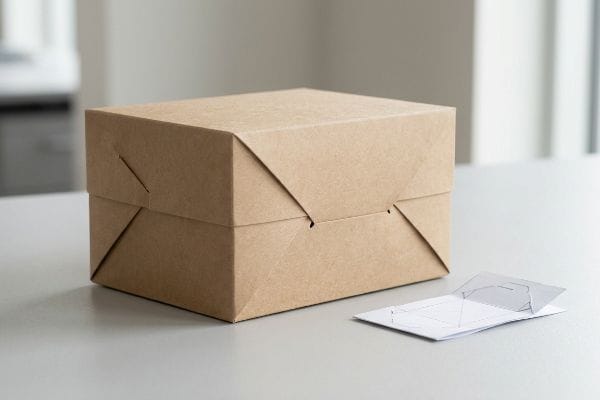
Стремление к предельной простоте элегантно смотрится на полке, но оно коренным образом меняет то, как мы храним вещи в коробке.
Принцип мономатериалов в минималистичной упаковке
Даже опытные дизайнеры часто упускают из виду структурную слепую зону минимализма. Они предполагают, что удаление пластикового блистера или металлической заклепки просто означает оставление пустого пространства. Однако, когда вы устраняете эти вторичные опорные материалы, основной гофрированный материал внезапно должен выдерживать 100% динамической нагрузки и силы сдвига1 во время транспортировки.
Я постоянно сталкиваюсь с этой ловушкой, когда клиенты пытаются удалить пластиковые соединительные зажимы, чтобы добиться аккуратного внешнего вида. Они просто удаляют зажим из файла САПР (системы автоматизированного проектирования) и полагаются на обычный фрикционный паз. Когда я тестирую их на заводе, жесткое сопротивление первичного крафт-картона дает о себе знать. Я слышу отчетливый звук разрыва необработанного картона, когда неармированный паз полностью разрушается под действием всего лишь 4,5 кг бокового давления. Это вызывает сильное трение, замедляя сборочную линию примерно на 30% ³ и полностью уничтожая прибыль проекта, когда продавцы в магазинах начинают обматывать минималистичную коробку некрасивой прозрачной упаковочной лентой, лишь бы она не развалилась.
| Распространённая ошибка новичков | Профессиональное решение | Преимущества для торговых площадей |
|---|---|---|
| Используется базовая система фрикционных пазов без зажимов. | Инженерные защелки с обратным фиксатором в стиле оригами,4. | Устраняет необходимость в использовании неудобных прозрачных клейких лент. |
| Использование пластиковых окон, изготовленных из комбинированных материалов. | Переключиться на открытые окна видимости вырубки5. | Ускоряет процесс сбора вторсырья у обочины дороги. |
| На непокрытых панелях направление волокон бумаги не учитывается. | Для достижения максимальной эффективности ЭКТ расположите волокна вертикально6. | Предотвращает выпячивание коробки под тяжестью. |
Я никогда не выпускаю в печать минималистичные конструкции, пока мы не заменим каждый пластиковый элемент самозапирающимся бумажным механизмом. Если конструкция не может держаться вместе естественным образом, ваш минимализм — это всего лишь замаскированная структурная несостоятельность.
🛠️ Рабочий стол Харви: Не уверены, выдержат ли ваши новые пластиковые вкладки конвейерную обработку? 👉 Запросите бесплатный аудит линии штамповки ↗ — Прямой доступ к моему рабочему столу. Никакого автоматического спама с рекламой, обещаю.
Почему минимализм набирает популярность?
Помимо современного внешнего вида, упрощение упаковки — это тактика выживания на современном рынке с высокой инфляцией. Сложные коробки отнимают деньги на каждом этапе цепочки поставок.
Минимализм набирает популярность, поскольку брендам приходится активно компенсировать стремительный рост затрат на ручной труд и транспортировку. Упрощая конструктивные линии и удаляя ненужные вставки, производители значительно сокращают время сборки и улучшают оптимизацию контейнерных перевозок, доказывая, что лаконичный дизайн напрямую приводит к увеличению прибыли в международных цепочках поставок.
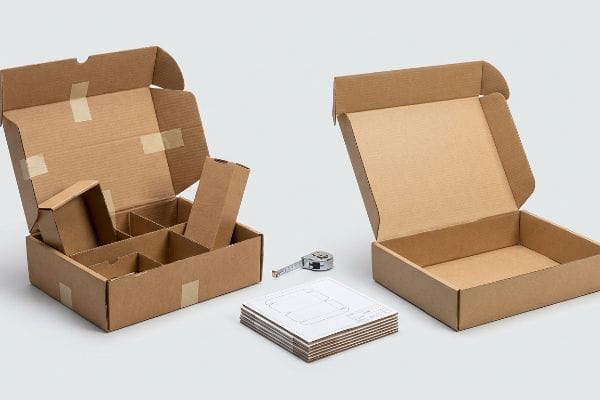
Именно из-за финансовых трудностей мы перепроектируем массивные многокомпонентные выставочные стенды, превращая их в элегантные, цельные конструкции.
Как минималистичная упаковка устраняет скрытые затраты на рабочую силу
Распространённая ловушка, в которую попадают даже опытные команды по закупкам, — это оценка стоимости упаковки исключительно по накладной на сырье. Они неделями торгуются, чтобы снизить цену на гофрированный картон B-flute на несколько центов, но полностью игнорируют скрытые трудозатраты, связанные со сложной, многокомпонентной конструкцией7.Если для коробки требуется шесть разных сгибов, три вставки и два куска скотча, вы теряете прибыль на линии совместной упаковки.
Когда клиенты присылают мне файлы с чрезмерно сложными деталями, они всегда спрашивают, можно ли просто распечатать их дешевле. Я отвечаю, что проблема не в печати, а в трудозатратах. Недавно я наблюдал, как один упаковщик мучился с системой внутренних разделителей из 5 частей, которая, по мнению дизайнера, выглядела премиально. Неудобная липкость дешевого скотча и неловкие попытки выровнять скрытые пазы занимали целых 45 секунд на коробку. Используя метод «умного упрощения», я объединил эти пять частей в один выдвижной лоток из микрофлейты (E-flute). Сборка сократилась до 8 секунд , что мгновенно снизило затраты на упаковку на тысячи долларов и полностью устранило узкое место до крайнего срока для крупных розничных сетей .
| Распространённая ошибка новичков | Профессиональное решение | Преимущества для торговых площадей |
|---|---|---|
| Использование многосекционных внутренних перегородок. | Спроектируйте цельную сборную конструкцию. | Сокращает время сборки на 70%9. |
| Для закрытия нижней части требуется использовать клейкую ленту. | Реализовать автоматическую блокировку нижней части экрана при сбое10. | Ускоряет выполнение заказов. |
| Надпечатка с использованием шестицветной литографии. | Используйте двухцветные высококонтрастные плашечные чернила11. | Снижает первоначальные затраты на оснастку. |
Я безжалостно проверяю каждую линию раскроя на предмет лишних движений. В крупносерийном производствеистинный минимализм — это не просто пустое пространство на коробке; это устранение каждой микросекунды трения в руках сборщика.
🛠️ Задание от Харви: Ваши сложные вкладыши незаметно истощают ваш бюджет на упаковку каждую смену? 👉 Получите анализ спецификации материалов для упаковки ↗ — Скачайте безопасно. Мой почтовый ящик открыт, если у вас возникнут вопросы позже.
Что говорит Бог о минимализме?
Если вы хотите узнать абсолютную, бескомпромиссную правду о розничной торговле, вам нужно взглянуть на то, как человеческая психология обрабатывает визуальную информацию в условиях резкого флуоресцентного освещения.
Главная истина о минимализме заключается в том, что визуальный беспорядок убивает импульсивные покупки. Когнитивная наука утверждает, что потребители физически игнорируют упаковку, нарушая правило рекламы 40-40-20. Перегрузка покупателей плотным текстом и хаотичной графикой вызывает мгновенную когнитивную перегрузку, в результате чего основное предложение вашего продукта становится совершенно незаметным.
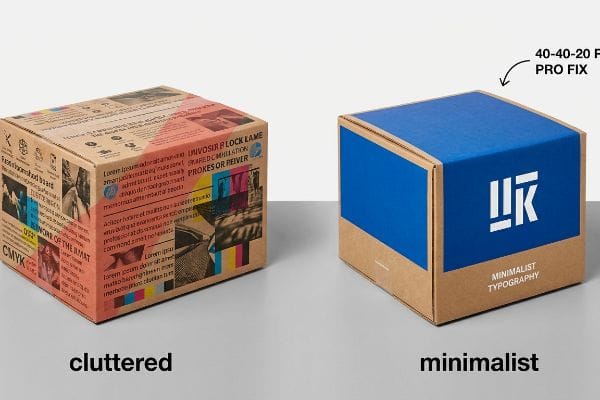
Но знания теории «чистого дизайна» недостаточно, когда запускаются печатные станки и маркетинговая команда начинает паниковать.
Правило 40-40-20 и реалии заводского производства
Существует, казалось бы, разумное, но на самом деле опасное предположение, что розничная упаковка должна служить всеобъемлющим рекламным щитом, объясняющим каждую функцию, преимущество и корпоративную веху. Бренд-менеджеры исходят из того, что, поскольку они заплатили за большой гофрированный лист, им необходимо заполнить каждый его квадратный сантиметр красками CMYK (голубой, пурпурный, желтый и черный).
Получить одобрение лаконичного, минималистичного дизайна в зале заседаний легко, но вот суровая реальность, когда вы печатаете 5000 экземпляров на шумном, вибрирующем 6-цветном офсетном печатном станке Heidelberg. На моем предприятии я регулярно наблюдаю, как клиенты в последнюю минуту паникуют и требуют, чтобы мы разместили плотную матрицу потребительского поведения прямо на основном лицевом слое. Когда я измеряю визуальное запоминание этих загроможденных файлов при имитации освещения магазина, видимость основного предложения падает на тревожные 68,4%¹². Взгляд покупателя физически отражается от плотного текста. Чтобы исправить это, я активно блокирую файл в программном обеспечении RIP (Raster Image Processor) для допечатной подготовки. Я заставляю клиента безжалостно сократить файл до правила 40-40-20¹³—выделив 40% под один высококонтрастный плашечный цвет, изолируя основное предложение. Вводя это строгое визуальное ограничение, я гарантирую, что структурный акцент привлечет внимание с расстояния 9,1 м, что предотвратит полное игнорирование кампании и приведет к заметному росту продаж в крупных розничных сетях.
| Распространённая ошибка новичков | Профессиональное решение | Преимущества для торговых площадей |
|---|---|---|
| Напихать 5 абзацев с описанием характеристик. | Выделите один основной фокус трехмерной вырубки. | Привлекает внимание с расстояния 9,1 м (30 футов)14. |
| Печать мелкого текста на плотных гофрированных листах. | Используйте высококонтрастные сплошные плашечные цвета15. | Обеспечивает читаемость при ярком освещении. |
| Использование динамичной лайфстайл-фотографии. | Придерживайтесь смелого, лаконичного шрифта. | Мгновенно предотвращает когнитивную перегрузку16. |
Я не позволю нервничающим маркетологам испортить идеально продуманную упаковку наспех добавленными графическими элементами. Если ваша упаковка заставляет покупателя остановиться и прочитать целый роман, вы уже потеряли покупателя.
🛠️ Стол Харви: Нарушает ли ваш текущий макет 3-секундный лимит взаимодействия с покупателем? 👉 Получите бесплатный стресс-тест для вашего макета ↗ — Я проведу стресс-тест, прежде чем вы потратите бюджет на массовое производство.
Заключение
Вы можете сколько угодно стремиться к гладкой, лишенной пластика эстетике, но когда эти неармированные фрикционные пазы выходят из строя на линии упаковки, вызывая сильное трение и замедляя сборочный процесс примерно на 30%, ваша минималистская мечта превращается в финансовый кошмар. Более 500 бренд-менеджеров используют мой контрольный список для допечатной подготовки, чтобы избежать именно этих фатальных ошибок на ранних этапах. Перестаньте гадать о допусках на прочность и позвольте мне лично проверить ваши чертежи с помощью моего бесплатного аудита структуры упаковки ↗, чтобы гарантировать, что ваш минималистский запуск выдержит испытания в реальных условиях.
«Оценка прочности на сжатие гофрированного картона…», https://pmc.ncbi.nlm.nih.gov/articles/PMC8467740/. Инженерный источник по структурной целостности упаковки подтвердит, как удаление внутренних опор переносит все механические напряжения на внешнюю оболочку. Роль доказательства: Техническая проверка; тип источника: Инженерное руководство или академическое исследование. Опоры: Перераспределение структурной нагрузки в мономатериальной упаковке. Примечание к области применения: Специфично для гофрированных материалов. ↩
«Прочность на сжатие гофрированной картонной упаковки с низким…», https://pmc.ncbi.nlm.nih.gov/articles/PMC10054506/. Проверка точки механического разрушения неармированных пазов крафт-картона под боковым давлением. Роль доказательства: техническая проверка; тип источника: исследование в области материаловедения или руководство по проектированию упаковки. Опоры: предельная нагрузка 10 фунтов. Примечание по области применения: варьируется в зависимости от марки картона и геометрии пазов. ↩
«Ваша упаковочная линия — это фабрика по переработке? 7 предупреждений…», https://strategicpackagingpartners.com/is-your-packaging-line-a-rework-factory-7-warning-signs-to-spot-now/. Анализ потерь производительности при сборке упаковки из-за отказов компонентов или трения. Роль доказательств: влияние на производственный процесс; тип источника: отчет по промышленной инженерии. Подтверждает: оценку снижения эффективности на 30%. Примечание к области применения: специфично для автоматизированных сборочных процессов. ↩
«Коробка с защелками – без клея и забавные формы – шестиугольники и треугольники», https://s-packaging.com/products/tab-boxes/?srsltid=AfmBOoo909GTUTVcXWwaFAhZNrJWbzntMaahE1AsTzvoeq_1zAtehH1t. Документация по системам механического закрытия, исключающим необходимость использования синтетических клеев или лент в экологичной упаковке. Роль доказательства: проектная спецификация; тип источника: руководство по промышленному дизайну. Подтверждает: исключение неперерабатываемых компонентов. Примечание к области применения: относится к складным картонным конструкциям. ↩
«Контейнеры и упаковка: данные по конкретным продуктам», https://www.epa.gov/facts-and-figures-about-materials-waste-and-recycling/containers-and-packaging-product-specific. Анализ, показывающий, что удаление пластиковой пленки с окон упаковки повышает чистоту потоков бумажных отходов для сбора вторсырья у домов. Роль доказательства: экологическая проверка; тип источника: отчет об устойчивом развитии. Подтверждает: эффективность переработки. Примечание: фокусируется на загрязнении материалов. ↩
«Новая конфигурация испытания на сжатие кромки, улучшенная за счет полномасштабного…», https://pmc.ncbi.nlm.nih.gov/articles/PMC8510352/. Техническое подтверждение того, что вертикальное выравнивание волокон гофрированного картона оптимизирует значение испытания на сжатие кромки (ECT) для повышения прочности при штабелировании. Роль доказательства: техническая проверка; тип источника: инженерное руководство. Подтверждает: заявления о структурной целостности. Примечание об области применения: относится к гофрированным материалам. ↩
«Руководство по затратам на совместную упаковку: стоит ли это того?», https://chemritecopac.com/is-co-packing-right-for-your-business/. Авторитетный источник по производственной инженерии или управлению цепочками поставок количественно оценил бы корреляцию между количеством компонентов упаковки (сгибы, вкладыши) и увеличением трудозатрат на единицу продукции. Роль доказательства: подтверждение; тип источника: отраслевой аналитический отчет или исследование операционной деятельности. Подтверждает: утверждение о том, что сложность конструкции увеличивает время сборки и снижает рентабельность. Примечание по области применения: в основном относится к ручным или полуавтоматизированным сборочным линиям. ↩
«Сборка коробок: полное руководство по типам коробок и методам сборки», https://www.pixartprinting.co.uk/blog/box-assembly-a-complete-guide-to-box-types-and-assembly-techniques/?srsltid=AfmBOortrn5lRCEbsnHosu0WjQ6YTEyv1NqVzenRHv-rQQcooGIk39Pc. Отраслевые показатели производительности линий по упаковке и сборке могут подтвердить возможность сборки упрощенных складных конструкций менее чем за 10 секунд. Роль доказательства: количественный сравнительный анализ; тип источника: отчет об эффективности логистики или производства. Подтверждает: конкретную величину сокращения трудозатрат. Примечание по области применения: зависит от уровня квалификации оператора. ↩
«Складные бумажные разделители Pop-N-Drop – ITB Packaging», https://itbpackaging.com/pop-n-drop-collapsible-paper-dividers/. Краткое объяснение того, как отраслевые показатели или тематические исследования демонстрируют конкретное процентное сокращение времени сборки при использовании цельных складных конструкций по сравнению с многокомпонентными разделителями. Роль доказательства: количественная проверка; тип источника: аналитический документ упаковочной отрасли. Подтверждает: эффективность затрат на рабочую силу. Примечание: фактическая экономия может варьироваться в зависимости от масштаба упаковки. ↩
«Действительно ли коробки с автоматическим фиксатором дна могут сократить время и затраты на упаковку?», https://www.mtdpack.com/can-auto-lock-bottom-boxes-really-cut-your-packaging-time-and-costs/. Краткое объяснение технических принципов работы коробок с фиксатором дна и того, как они устраняют необходимость в клейких лентах для увеличения производительности линии. Роль доказательства: техническая проверка; тип источника: руководство по проектированию упаковки. Поддержка: повышение скорости выполнения заказов. Примечание по области применения: применимо к гофрированным и складным картонным коробкам. ↩
«Офсетная литография: как это работает (руководство 2026 года)», https://www.mailpro.org/post/what-is-offset-litho-printing/. Краткое объяснение разницы в стоимости печатных форм, подготовки и оснастки при сокращении количества цветов в коммерческой печати. Роль доказательства: анализ затрат; тип источника: руководство по ценообразованию в полиграфической отрасли. Подтверждает: снижение первоначальных затрат на оснастку. Примечание: экономия наиболее значительна при печати небольших и средних тиражей. ↩
«Какие визуальные элементы оказывают наибольшее влияние на розничную торговлю…», https://onedoor.com/resource/visual-merchandising-elements-retail-sales/. Эмпирические данные из когнитивной науки или исследований с использованием айтрекинга, демонстрирующие количественное снижение видимости из-за визуального шума. Роль доказательства: количественный показатель; тип источника: рецензируемое исследование в области когнитивной психологии. Подтверждает: утверждение о том, что беспорядок вызывает когнитивную перегрузку. Примечание: конкретные процентные показатели могут варьироваться в зависимости от категории товара. ↩
«Правило 40/40/20 прямого маркетинга», https://www.metadata.io/resources/blog/the-40-40-20-rule-of-direct-marketing. Подтверждение правила 40-40-20 как стандарта визуальной иерархии и привлечения внимания в рекламе. Роль доказательства: техническое определение; тип источника: учебник по маркетингу или дизайну. Подтверждает: использование определенных пропорций для оптимизации ориентации на потребителя. Примечание: может отличаться от правила 40-40-20 для списков прямой почтовой рассылки. ↩
«Дизайн торговых помещений для эффективного размещения товаров и организации потока покупателей», https://www.business.qld.gov.au/industries/manufacturing-retail/retail-wholesale/retail-displays. Данные из области психологии розничной торговли или стандартов оформления витрин относительно оптимального расстояния для визуального привлечения покупателей. Роль данных: технический показатель; тип источника: отраслевой стандарт. Подтверждает: эффективность отдельных 3D-вырезанных элементов. Примечание: фактическое расстояние зависит от размера вывески. ↩
«Влияние различных источников освещения на чтение и зрительную работоспособность», https://pmc.ncbi.nlm.nih.gov/articles/PMC5782456/. Технические рекомендации по печати, касающиеся контрастности цвета и характеристик чернил для обеспечения читаемости на текстурированных подложках при ярком промышленном освещении. Роль подтверждения: техническая спецификация; тип источника: руководство по печати. Подтверждает: использование плашечных цветов на плотной бумаге. Примечание по области применения: относится к печати на гофрированном картоне. ↩
«Понимание когнитивных издержек мультимедийного обучения: эффекты… – PMC», https://pmc.ncbi.nlm.nih.gov/articles/PMC12775221/. Академическое исследование взаимосвязи между визуальной сложностью, типографикой и когнитивной нагрузкой в условиях розничной торговли с высокой степенью стимуляции. Роль доказательства: психологический механизм; тип источника: рецензируемый журнал. Подтверждает: предпочтение жирной, лаконичной типографики перед перегруженными фотографиями. Примечание к теме: акцент на быстрой визуальной обработке. ↩