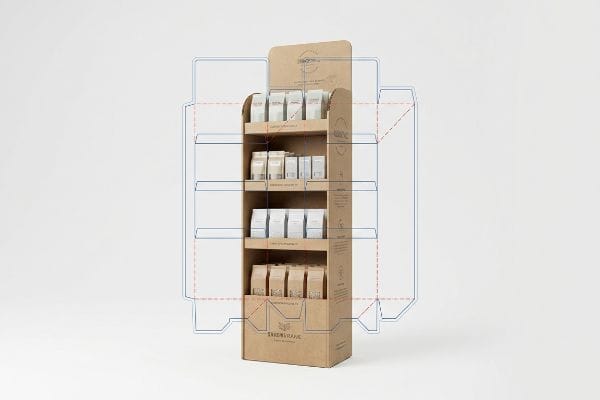
Вкладывать средства в изготовление напольных картонных витрин кажется рискованным, когда видишь столько помятых экземпляров на полках магазинов. Нужна высококачественная разработка, а не просто броская печать.
Вложение средств в изготовление напольных картонных стендов на заказ обеспечивает максимальную видимость товаров в розничной торговле и выдерживает суровые логистические условия. Стандартизированная конструкция гарантирует соответствие строгим требованиям к прочности конструкций крупных торговых центров, предотвращая катастрофические обрушения. Точное исполнение защищает ваш маркетинговый бюджет и напрямую стимулирует импульсивные покупки.
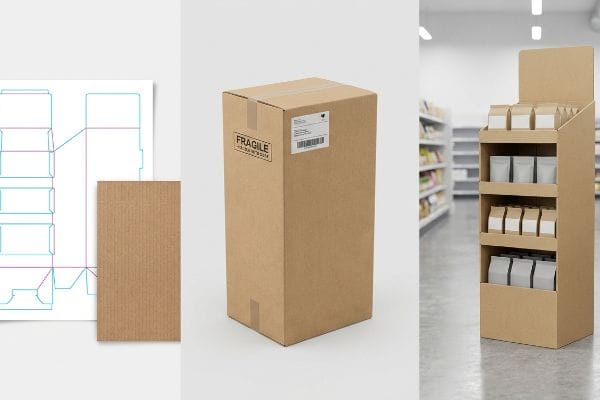
Но знания теории недостаточно, когда машины начинают работать. Давайте рассмотрим механические реалии, которые определяют, увенчается ли ваша кампания успехом или будет отклонена на приемном складе.
Как привлечь покупателей с помощью витрины?
Яркая графика отлично смотрится на мониторе, но часто становится незаметной в хаотичном торговом зале. Вам нужна математически обоснованная стратегия привлечения внимания.
Для привлечения покупателей с помощью вашей витрины необходимо следовать правилу пространственного взаимодействия 3-3-3. Покупатели должны испытывать сильное визуальное воздействие на расстоянии тридцати футов, взаимодействовать с эргономичной высотой полок на расстоянии трех футов и иметь 85% беспрепятственной видимости товара для достижения конечного тактического эффекта в три дюйма.
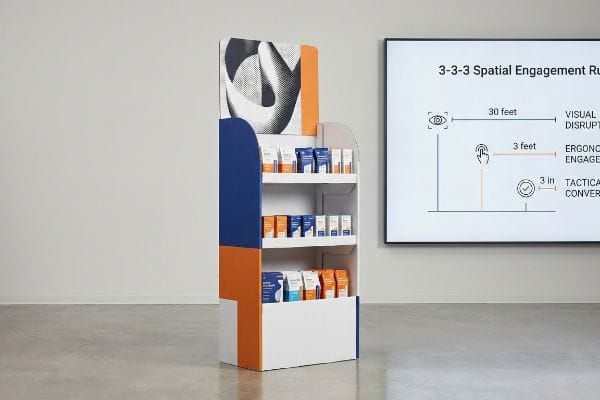
Именно попытка перевести эти пространственные расчеты в физический формат с помощью картона является причиной большинства неудач при запуске брендовых проектов.
Освоение правила пространственного взаимодействия 3-3-3
Младшие маркетинговые команды часто разрабатывают дизайн торговых витрин исключительно для просмотра вблизи на мониторах компьютеров с подсветкой. Они предполагают, что плотный абзац с остроумным текстом естественным образом привлечет покупателей. Это игнорирует реальную физическую ситуацию, когда спешащие покупатели перемещаются по рядам в больших магазинах, в результате чего витрина полностью сливается с фоновым шумом.
Я постоянно наблюдаю это, когда покупатели пытаются уместить список из семи пунктов характеристик на нижней панели. Спешащие покупатели испытывают сильную когнитивную перегрузку и просто проходят мимо. Чтобы это исправить, я убираю второстепенный текст и использую массивные, высококонтрастные цветовые пятна для создания визуального напряжения. Несколько месяцев назад клиент настаивал на графике с мелким шрифтом; я видел, как продавец в магазине щурился, вздыхал и физически задвигал стеллаж за колонну, потому что он выглядел как беспорядок. Благодаря аккуратному вырезанному заголовку и уменьшению высоты полки до 127 см (50 дюймов), мы плавно привлекаем внимание, не перегружая глаз.
| Распространённая ошибка новичков | Профессиональное решение | Преимущества для торговых площадей |
|---|---|---|
| Крошечные боковые панели с большим количеством текста | Сплошная заливка цветом | Создает визуальное препятствие на расстоянии 30 футов1 |
| Высокие передние удерживающие выступы | Снизьте видимость до 85%2 | Ускоряет тактическую переделку на 3 дюйма |
| Полки расположены слишком низко | Переместиться в зону удара 50 дюймов3 | Эргономичный доступ увеличивает продажи |
Я никогда не позволяю брендам относиться к напольной подставке как к странице журнала. Математически согласовывая физическую конструкцию с уровнем человеческого зрения, я гарантирую, что ваша подставка будет активно привлекать внимание, а не пылиться в слепой зоне.
🛠️ Рабочий стол Харви: Не уверены, оптимизировано ли ваше изображение для зоны помех в 9 метров? 👉 Позвольте мне проверить ваш чертеж ↗ — Прямой доступ к моему рабочему столу. Никакого автоматического спама с рекламой, обещаю.
Как сделать картонную подставку для демонстрации товаров из картона?
Цвета премиум-брендов часто выглядят тусклыми при переносе на исходные упаковочные материалы. Необходимо обойти ограничения стандартного цифрового смешивания цветов.
Чтобы картонная витрина выделялась, необходимо заменить стандартные полутоновые CMYK (голубой, пурпурный, желтый и черный) на точно смешанные сплошные плашечные краски. Такое специфическое насыщение пигментами полностью устраняет оптическую зернистость на незапечатанных пробниках, создавая очень плотный, высококачественный контраст, который доминирует в условиях резкого флуоресцентного освещения в магазине.
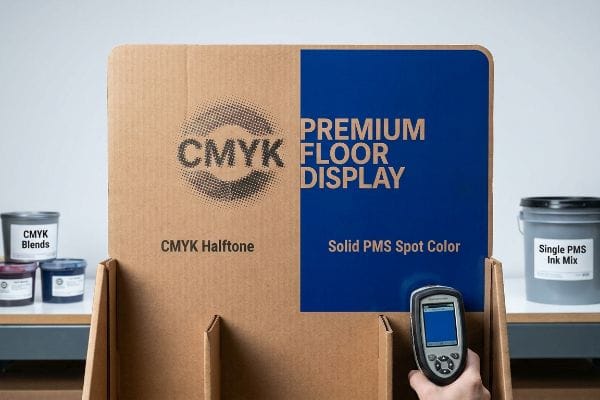
Для достижения такой визуальной плотности требуется строгий химический контроль над тем, как чернила попадают на волокна бумаги.
Обход ловушки полутонового изображения
Маркетинговые команды часто переводят однотонные корпоративные логотипы в стандартные четырехцветные форматы, полагая, что технология печати на заводе идеально совпадет с их цифровыми экранами. Они используют крошечные перекрывающиеся полутоновые точки для создания иллюзии сплошного фирменного цвета⁴ .
Мне постоянно приходится перехватывать файлы, потому что печать стандартных точечных узоров на пористом гофрированном тестовом листе — это катастрофа. Негерметичные бумажные волокна неравномерно впитывают влажные точки⁵,из-за чего изображение выглядит блеклым и зернистым при освещении магазина. Это как пытаться нарисовать шедевр на бумажном полотенце. Когда я провожу большим пальцем по высохшему полутоновому логотипу, текстура кажется плоской, но настоящий цвет PMS (система подбора цветов Pantone)⁶ ощущается плотным и насыщенным. Смешивая одну порцию специальных чернил, мы полностью исключаем оптическое смешивание, гарантируя, что ваш дисплей будет выглядеть ярко и эффектно.
| Распространённая ошибка новичков | Профессиональное решение | Преимущества для торговых площадей |
|---|---|---|
| Использование CMYK для логотипов | Однокомпонентная заливка чернилами PMS7 | Безупречное соответствие фирменных цветов |
| Печать на необработанном тестовом листе | Верхний слой с высокой прочностью на сжатие8 | Предотвращает впитывание чернил и их вымывание |
| Использование цифровых макетов | сканирование с помощью физического спектрофотометра9 | Гарантирует точный визуальный контраст |
Я строго придерживаюсь принципа изоляции отдельных цветов для каждого основного элемента фирменного стиля. Эта простая допечатная корректировка предотвращает превращение высококачественной графики в мутные, пикселизированные тени в торговом зале.
🛠️ Задание от Харви: Ваши корпоративные цвета постепенно превращаются в полутоновую кашу во время массового производства? 👉 Проведите допечатный аудит цвета ↗ — Скачайте безопасно. Мой почтовый ящик открыт, если у вас возникнут вопросы позже.
Какая информация необходима для эффективного планирования экспозиции?
Попытка спроектировать конструктивный шаблон без точных ограничений, установленных крупными производителями, гарантированно приведет к отказу. Сначала необходимо установить строгие размерные границы.
Для эффективного планирования витрины необходимо четко определить пространственные ограничения, продиктованные конкретным розничным продавцом. Перед созданием каких-либо конструктивных моделей в САПР (системе автоматизированного проектирования) необходимо установить пределы выдвижения предметов вперед в соответствии с Законом об американцах с ограниченными возможностями (ADA) для кассовых зон и размеры поддонов в соответствии с требованиями Ассоциации производителей продуктов питания (GMA) для проходов между полками.
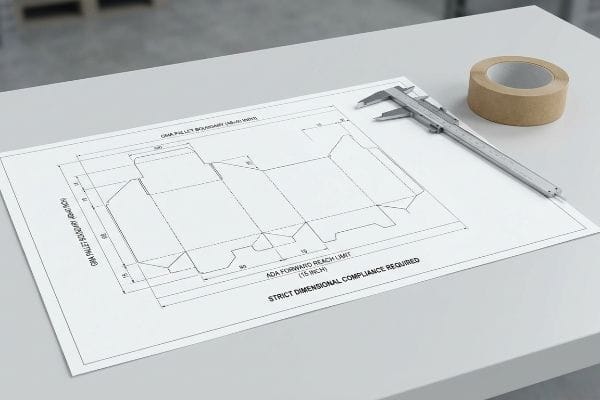
Игнорирование этих строгих географических границ розничной торговли приводит к немедленным и дорогостоящим логистическим сбоям.
Как преодолеть пространственные ограничения, установленные Законом об американцах с ограниченными возможностями (ADA) и Законом о планировании и развитии (GMA)
Торговые компании часто предлагают масштабируемую конструкцию, в которой большой торговый стенд можно просто уменьшить вдвое, чтобы использовать его в качестве прилавка . Они игнорируют строгие юридические и логистические правила, регулирующие эти две отдельные зоны¹⁰ .
Уменьшение размера большого файла не меняет его фундаментальную геометрию, и это ловушка, в которую я постоянно вижу, как попадают команды по закупкам. Представьте себе, что вы пытаетесь припарковать тяжелый грузовик на парковочном месте для малолитражки, просто спустив воздух из шин. На моем предприятии я навсегда разделяю инженерные процессы. Напольная витрина должна быть точно закреплена на деревянной платформе размером 48×40 дюймов (121,9×101,6 см)¹¹. Однажды клиент попытался силой установить уменьшенную напольную витрину на кассовый прилавок, и менеджер магазина физически выбросил ее в мусорный бак, потому что она нарушала ограничение по вылету в 15 дюймов (38,1 см)¹². Мы создаем витрины специально для конкретного места назначения.
| Распространённая ошибка новичков | Профессиональное решение | Преимущества для торговых площадей |
|---|---|---|
| Уменьшение размеров помещений | Специализированная инженерная поддержка POS-систем | Предотвращает отказ со стороны менеджера |
| Игнорирование ограничений по количеству паллет | Строгий анкер 48×40 дюймов13 | Бесфрикционная приемка товаров на складе |
| Нависающая полка | Измерьте точную глубину контрфорса | Предотвращает опрокидывание и проливание продукции |
Я требую предоставить руководство по соблюдению нормативных требований розничного продавца, прежде чем хотя бы один нож коснется образца доски. Строить в абсолютных рамках закона — единственный способ гарантировать, что ваша рекламная кампания переживет приемку на складе.
🛠️ Задание от Харви: Вы намеренно уменьшаете размеры выставочных стендов и рискуете получить строгие штрафы от ритейлеров за несоблюдение норм? 👉 Закажите проверку каркаса здания ↗ — Никаких форм, которые приводят к бесконечным звонкам от отдела продаж. Только чистая выгода.
Что делает торговую витрину удачной?
Истинное качество конструкции заключается не в дорогостоящей декоративной пленке, а в способности выдерживать суровые условия складской среды. Хороший агрегат математически определяет свой собственный центр тяжести.
Качественная торговая витрина физически гарантирует устойчивость груза к динамическим нагрузкам, исключая выступание картонных коробок на транспортных поддонах. Она использует строгий ограничивающий прямоугольник с нулевым выступом, обеспечивая, чтобы вертикальные углы выдерживали сто процентов сжимающей силы при двухъярусной морской перевозке и высокоскоростной сортировке на складе.
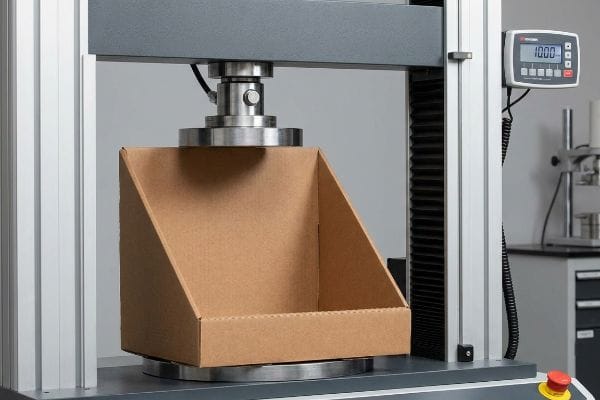
Установить один дисплей в лаборатории с контролируемым климатом несложно, но вот суровая реальность, с которой вы сталкиваетесь при транспортировке целого контейнера через океан.
Почему выступающие части поддонов портят лучшие дизайнерские решения
Отделы закупок часто максимально увеличивают размеры основной коробки, чтобы вместить больше предварительно заполненных единиц товарав одну партию, полностью игнорируя физику штабелирования паллет. Они предполагают, что высокая прочность материала естественным образом защитит товар внутри.
Это не просто теория — я вижу, как эта катастрофическая поломка происходит на моем испытательном полигоне, когда клиенты испытывают пределы возможностей. Стандартная гофрированная коробка получает до шестидесяти процентов своей прочности на сжатие (BCT) исключительно за счет вертикального выравнивания четырех углов. На моем предприятии, когда я измеряю коробку, которая выступает за деревянный настил всего на 0,5 дюйма(12,7 мм), я наблюдаю, как эти незакрепленные углы мгновенно деформируются под гидравлическим прессом. Искусственно уменьшая допустимую площадь основания в своем программном обеспечении, чтобы гарантировать нулевой выступ, я переношу структурную нагрузку обратно на углы. Эта строгая коррекция размеров гарантирует долговечность изделия, что позволяет клиентам избежать огромных списаний со складов розничных продавцов из-за поврежденных товаров нижнего ценового сегмента.
| Распространённая ошибка новичков | Профессиональное решение | Преимущества для торговых площадей |
|---|---|---|
| Нависающие деревянные террасы | Принудительное увеличение внутреннего буфера на 0,5 дюйма17 | Восстанавливает 60% прочности углов BCT18 |
| Опираясь на технические характеристики плоского материала | Полномасштабное динамическое моделирование | Подтверждает общую выносливость системы |
| Максимизация размера коробки вслепую | Оптимизация для дробных паллет | Предотвращает смятие на складе |
Я отказываюсь позволить внешнему виду превзойти суровые законы гравитации склада. Строго соблюдая правило нулевого выступа, я гарантирую, что ваши прекрасные графические изображения прибудут в идеальном состоянии и будут готовы к продаже.
🛠️ Совет от Харви: Не позволяйте двухмиллиметровому структурному дефекту испортить запуск продаж в 500 магазинах. 👉 Пришлите мне файл с чертежами ↗ — Я проверю расчеты, прежде чем вы потратите бюджет на массовое производство.
Заключение
Вы можете выбрать более дешевого поставщика каркасных конструкций, но когда некалиброванная основная коробка выступает за пределы поддона на полдюйма, возникающее в результате обрушение угла приводит к немедленному отказу со стороны розничных продавцов и полностью обнуляет прибыль вашей кампании. Более 500 бренд-менеджеров используют мой контрольный список для допечатной подготовки, чтобы избежать именно этих фатальных ошибок на ранних этапах. Перестаньте гадать о физике складского хранения и позвольте мне лично проверить ваши каркасные файлы с помощью моего бесплатного аудита высечки ↗, чтобы выявить динамические отказы под нагрузкой до того, как они попадут в массовое производство.
«Дизайн торговых помещений для эффективной выкладки товаров и организации потока покупателей», https://www.business.qld.gov.au/industries/manufacturing-retail/retail-wholesale/retail-displays. Проверка оптимального расстояния для визуального привлечения внимания в торговых рядах с использованием высококонтрастных цветовых заливок. Роль доказательства: техническая проверка; тип источника: исследование по психологии розничной торговли. Подтверждает: эффективность точечных цветов для обеспечения видимости на большом расстоянии. Примечание: фокус на розничной среде. ↩
«Витрины для розничной торговли, которые приводят к конверсии: стратегии повышения продаж», https://orangepkg.com/blog/retail-displays-that-convert-strategies-for-boosting-sales/. Технические данные, демонстрирующие, как уменьшение высоты удерживающих бортиков до определенного процента видимости увеличивает тактильное взаимодействие. Роль доказательства: показатель эффективности; тип источника: тематическое исследование в области мерчандайзинга. Подтверждает: влияние физических барьеров на коэффициенты конверсии. Примечание к области применения: относится к дизайну краев полок. ↩
«Какова средняя высота полок в розничной торговле? – PopDisplay», https://popdisplay.me/what-is-the-average-retail-shelf-height/. Доказательства в пользу того, что 50 дюймов (132 см) являются основным уровнем глаз или «зоной притяжения» для максимального вовлечения потребителя. Роль доказательства: фактическая проверка; тип источника: руководство по эргономичной розничной торговле. Подтверждает: корреляцию между высотой полок и конверсией продаж. Примечание: применимо к взрослой демографической группе. ↩
«CMYK против плашечных цветов против имитации процесса печати», https://www.screenprinting.com/blogs/news/cmyk-vs-spot-vs-simulated-process-whats. Техническое объяснение того, как аддитивное/субтрактивное смешивание цветов посредством полутоновой печати создает визуальное восприятие сплошных тонов. Роль доказательства: технический механизм; тип источника: руководство по полиграфической промышленности. Подтверждает: процесс цифровой цветопередачи. Примечание по области применения: относится конкретно к процессной печати. ↩
«Математическое моделирование и стратегии компенсации… – PMC», https://pmc.ncbi.nlm.nih.gov/articles/PMC12574880/. Техническое объяснение того, как пористость незапечатанного тестлайнера вызывает растекание чернил и неравномерное впитывание в полутоновые изображения. Роль доказательства: механизм; тип источника: техническое руководство полиграфической промышленности. Подтверждает: утверждение о том, что стандартные точечные изображения не работают на пористых подложках. Примечание к области применения: относится к незапечатанному гофрированному картону. ↩
«PMS против CMYK для упаковки: что лучше? – PAX Solutions», https://pax.solutions/corrugated-packaging/pms-vs-cmyk-for-packaging/. Сравнительный анализ плотности чернил и оптической яркости между сплошными плашечными цветами Pantone и полутоновыми смесями CMYK на необработанных подложках. Роль доказательства: техническая спецификация; тип источника: руководство по цветоведению. Подтверждает: Превосходство заливки плашечными цветами для высококонтрастных дисплеев. Примечание к области применения: Сосредоточено на визуальной плотности. ↩
«Pantone против CMYK для фирменной упаковки — EcoEnclose», https://www.ecoenclose.com/blog/pantone-vs-cmyk-for-custom-branded-packaging?srsltid=AfmBOop173M-C7t7L4U-8tePs4znU-Q57uqIsfSm46tIJiICv602PgSZ. Техническое объяснение того, как плашечные цвета системы подбора цветов Pantone (PMS) предотвращают искажение цветов, характерное для печати в формате CMYK. Роль доказательства: техническая проверка; тип источника: руководство для полиграфической отрасли. Подтверждает: превосходство плашечных цветов для обеспечения единообразия бренда. Примечание по области применения: применимо к офсетной и флексографической печати. ↩
«CA1273759A – Способ обработки бумаги для улучшения адгезии…», https://patents.google.com/patent/CA1273759A/en. Описание того, как покрытия с высокой адгезией предотвращают впитывание чернил в волокна подложки для поддержания насыщенности цвета. Роль доказательства: проверка материаловедческих принципов; тип источника: спецификация упаковочной подложки. Подтверждает: утверждение о том, что верхние листы предотвращают вымывание чернил. Примечание об области применения: специфично для пористых подложек, таких как тестовая бумага. ↩
«Что такое колориметр/спектрофотометр в полиграфии и упаковке?», https://www.linshangtech.com/tech/colorimeter-spectrophotometer-in-printing-packaging-tech1524.html. Научное обоснование использования спектрофотометров для объективного измерения длины волны и количественной оценки цветового контраста. Роль доказательства: стандарт измерения; тип источника: руководство по оптической инженерии. Подтверждает: утверждение о том, что физические сканы гарантируют визуальный контраст по сравнению с цифровыми пробными оттисками. Примечание к области применения: фокусируется на измерении Delta E. ↩
«Стандарты доступности ADA – Access-Board.gov», https://www.access-board.gov/ada/. Авторитетные руководства по соблюдению требований в розничной торговле и стандарты доступности ADA объясняют, почему зоны напольных и прилавочных витрин имеют различные юридические и пространственные требования. Роль доказательства: проверка; тип источника: нормативные руководства. Подтверждает: различие между ограничениями для напольных и прилавочных витрин. Примечание об объеме: фокус на североамериканских стандартах розничной торговли. ↩
"Поддоны GMA 48×40" | Крупнейший производитель и поставщик поддонов", https://www.palletone.com/products/gma-pallets/. Подтверждение стандартного размера поддонов, используемого Ассоциацией производителей продуктов питания (GMA) для напольных витрин. Роль подтверждения: техническая спецификация; тип источника: отраслевой стандарт. Поддержка: стандартизированные базовые размеры для розничных витрин. Примечание по области применения: относится к североамериканским стандартным поддонам. ↩
«Стойки продаж и обслуживания – Access-Board.gov», https://www.access-board.gov/ada/guides/animations/sales-and-service-counters.html. Проверка соответствия стандартам доступности Закона об американцах с ограниченными возможностями (ADA) в отношении ограничений по вытянутой руке для интерфейсов кассовых аппаратов. Роль доказательства: соответствие нормативным требованиям; тип источника: государственное регулирование. Поддержка: пространственные ограничения для отображения информации в кассовой зоне. Примечание об объеме: конкретно ссылается на руководящие принципы доступности ADA. ↩
«Стандартные размеры поддонов | С таблицей», https://www.kampspallets.com/standard-pallet-sizes-with-chart/. Проверка соответствия отраслевым стандартам размеров поддонов GMA для обеспечения совместимости с системами приемки на складе. Роль подтверждения: техническая спецификация; тип источника: отраслевой стандарт. Поддерживает: требования к ограничениям по количеству поддонов. Примечание по области применения: в основном применяется к североамериканским стандартам розничной торговли. ↩
«Может ли оптимизация паллет снизить логистические затраты? – PopDisplay», https://popdisplay.me/can-pallet-optimization-reduce-logistics-cost/. Внешние стандарты логистики объясняют компромисс между объемной эффективностью и структурной целостностью при транспортировке. Роль доказательства: контекст; тип источника: руководство по логистике. Подтверждает: распространенные модели закупок в отношении плотности и безопасности. Примечание к области применения: относится к тенденциям оптимизации складских помещений. ↩
«Влияние выступающих частей поддона на прочность коробки на сжатие», https://admin.fibrebox.org/wp-content/uploads/2025/07/Pallet_Overhang_Phase_2.pdf. Эмпирические данные, показывающие снижение несущей способности, когда углы коробки не поддерживаются настилом поддона. Роль доказательства: показатель эффективности; тип источника: стандарт качества логистики. Подтверждает: утверждение о том, что незначительный выступ приводит к мгновенному изгибу. Примечание по области применения: относится к грузам, уложенным в два яруса. ↩
«Оценка прочности на сжатие коробок из гофрированного картона для…», https://pmc.ncbi.nlm.nih.gov/articles/PMC9864211/. Техническое подтверждение процента прочности на сжатие, обусловленной вертикальным выравниванием углов в гофрированной упаковке. Роль доказательства: техническая спецификация; тип источника: справочник по проектированию упаковки. Подтверждает: утверждение о том, что выравнивание расположения является основным фактором, определяющим прочность на сжатие. Примечание к области применения: проценты могут варьироваться в зависимости от марки материала. ↩
«Какую нагрузку может выдержать мой поддон?», https://unitload.vt.edu/education/white-papers/5-wp-load-carrying-capacity-of-pallets.html. Отраслевые стандарты выравнивания груза относительно поддона для предотвращения замятия краев. Роль подтверждения: проверка передового опыта; тип источника: руководство по логистике. Подтверждает: конкретные измерения для Pro Fix. Примечание об области применения: может варьироваться в зависимости от стандарта поддона (например, GMA против Euro). ↩
«[DOC] Представленная версия (672,09 КБ) – VTechWorks», https://vtechworks.lib.vt.edu/bitstreams/359cd5e6-7099-48a8-9a3b-60aeee6db278/download. Технические данные от инженеров-упаковщиков, демонстрирующие, как устранение выступающих частей восстанавливает вертикальную несущую способность. Роль доказательства: количественная проверка; тип источника: техническая спецификация. Подтверждает: преимущества внутренних буферов для BCT. Примечание об области применения: применимо к упаковке из гофрированного картона. ↩