Вы вкладываете весь свой маркетинговый бюджет в масштабный запуск розничной сети, а в итоге наблюдаете, как ваши напольные витрины из гофрированного картона медленно прогибаются и рушатся под тяжестью собственного товара.
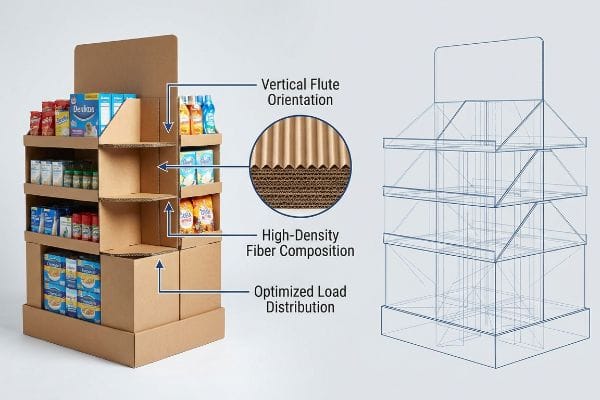
Для увеличения грузоподъемности картона необходимо разработать гибридную структурную геометрию, которая стратегически уравновешивает вертикальную ориентацию гофр с высокоплотным волокнистым составом. Манипулируя физической архитектурой картона и строго соблюдая ограничения по распределению веса, можно многократно увеличить динамическую несущую способность, не прибегая к использованию дорогостоящих и тяжелых древесных материалов.
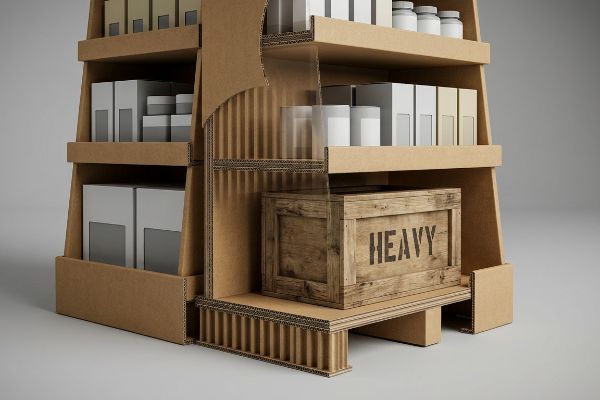
Понимание основных физических принципов работы картона — это хорошая отправная точка, но перевести эти теоретические допуски в конструкцию дисплея, способного выдержать транспортировку грузов на большие расстояния, — это совсем другое дело.
Как заставить картон выдержать ваш вес?
При разработке дизайна витрин для тяжелых товаров бренды часто ошибочно полагают, что соблюдение принципов устойчивого развития гарантирует сохранение их целостности.
Чтобы картон выдерживал ваш вес, необходимо математически компенсировать микроскопическое истощение волокон, присущее материалам для тюлинга, в значительной степени изготовленным из переработанного картона. Введение точно выверенных пропорций первичной крафт-бумаги в несущие гофры мгновенно восстанавливает динамическую прочность на сжатие, необходимую для того, чтобы выдерживать двухъярусную морскую перевозку и интенсивную обработку в розничной торговле.
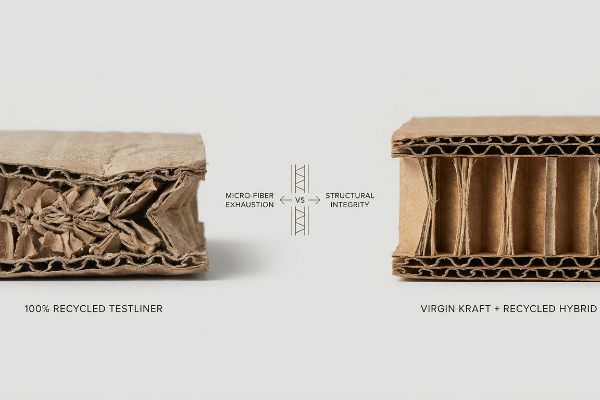
Теория использования исключительно прочных переработанных плит отлично смотрится в корпоративном отчете по ESG (экологическая, социальная и управленческая ответственность), но на производстве картина гораздо мрачнее.
Предел исчерпания волокна в дисплеях повышенной прочности
Даже опытные отделы закупок часто требуют использования 100% переработанного тестлайнера для своих тяжелых торговых витрин , чтобы соответствовать квотам крупных розничных сетей по экологичности. Они, естественно, предполагают, что соответствие стандартному показателю 32 ECT (тест на прочность кромки) означает, что картон будет вести себя точно так же , как и свежий материал. Это игнорирует микроскопическую механическую реальность переработки бумаги, где целлюлозные волокна физически укорачиваются и теряют свою эластичность¹ после многократных циклов переработки.
Когда я тестирую эти полностью переработанные изделия на полу, поломка происходит мгновенно. Толкание тяжелых товаров в лоток из переработанного материала приводит к мгновенному разрушению внутренних гофрированных стенок, которые, рассыпаясь, покрываются мягкой пылью, а волокна бумаги рвутся. Мое физическое решение заключается в строгом соблюдении требования использования гибридных материалов: вводится 30% первичной крафт. Эта простая корректировка материала мгновенно восстанавливает необходимую жесткость для амортизации, полностью устраняя провисание нижних слоев и предотвращая дорогостоящий брак на уровне магазина.
| Распространённая ошибка новичков | Профессиональное решение | Преимущества для торговых площадей |
|---|---|---|
| Обязательное использование 100% переработанного картона для тяжелых предметов | Впрыскивание 30% первичной крафт-бумаги в несущие гофрокартонные трубы3 | Предотвращает сдавливание нижнего яруса тяжелыми предметами |
| Предположим, что все 32 платы ECT ведут себя одинаково | Определение состава длинноволокнистых материалов для критически важных стен4 | Выдерживает транспортировку на поддонах, уложенных в два яруса |
| Игнорирование пределов истощения бумажного волокна | Внедрение структурной валидации TAPPI T8115 | Исключает возможность возврата средств розничными продавцами за неисправные устройства |
Я отказываюсь позволять бренду жертвовать структурной целостностью ради достижения произвольного показателя переработки в электронной таблице. Внедрение оптимального соотношения первичного волокна в основу конструкции означает, что ваш дисплей будет стоять идеально ровно на протяжении всего рекламного окна.
🛠️ За столом Харви: Не уверены, не использует ли ваш нынешний поставщик упаковки некачественный, чрезмерно переработанный картон в ваших прочных напольных подставках? 👉 Запросите аудит материалов ↗ — Прямой доступ ко мне. Никакого автоматического спама с рекламой, обещаю.
Как повысить прочность картона?
Бренды постоянно ищут более толстые материалы, чтобы предотвратить деформацию своих упаковочных коробок, совершенно упуская из виду невидимую логистическую геометрию, которая определяет истинную прочность.
Повышение прочности картона достигается за счет строгого выравнивания вертикальных углов основной упаковочной коробки непосредственно по сплошному периметру логистического поддона. Такая точная пространственная координация фиксирует бумажные волокна в стабильной вертикальной оси, обеспечивая максимальное сопротивление сжатию, присущее геометрии сложенной коробки.
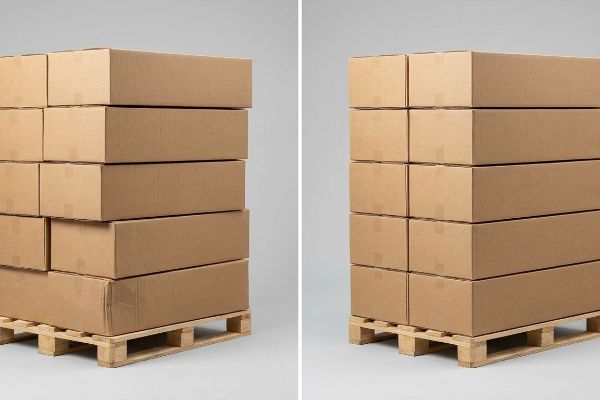
Увеличение толщины доски — это дорогостоящая временная мера, если вы не учитываете фундаментальные законы физики, регулирующие распределение веса при штабелировании товаров.
Сохранение сжатия коробок за счет строгого выравнивания поддонов
Отделы закупок часто увеличивают размеры основной коробки на долю дюйма, чтобы вместить еще одну единицу товара. Они предполагают, что оплата за высококачественный двухслойный гофрированный материал естественным образом поглотит давление верхней части складских стеллажей. Это полностью игнорирует суровую реальность штабелирования паллет, где до 60% прочности коробки на сжатие (BCT)6 зависит исключительно от равномерного распределения нагрузки по четырем вертикальным углам.
Я постоянно вижу, как эта элементарная ошибка разрушает рекламные кампании. Покупатель расширяет коробку, она выступает за пределы стандартного поддона GMA7 (Ассоциация производителей продуктов питания) размером 48×40 дюймов (1219×1016 мм) всего на полдюйма, и эти критически важные несущие углы остаются висеть в воздухе. Когда я провожу испытания на сжатие, вы можете буквально услышать громкий, мучительный стон картона, прогибающегося наружу, потому что незакрепленный нижний ярус принимает на себя весь вес верхней части склада. Я исправляю это, искусственно уменьшая максимально допустимую площадь в CAD (системе автоматизированного проектирования) ровно на 0,5 дюйма (12,7 мм), чтобы гарантировать отсутствие выступа. Эта частичная коррекция геометрии восстанавливает дефицит прочности на сжатие в 60%8 и гарантирует, что ваш товар выдержит суровые условия морской контейнерной перевозки.
| Распространённая ошибка новичков | Профессиональное решение | Преимущества для торговых площадей |
|---|---|---|
| Расширяя картонные коробки за пределы платформы из деревянных поддонов | Обязательное использование ограничивающего прямоугольника САПР с нулевым выступом | Исключает повреждение нижних ярусов при транспортировке9 |
| Полагаясь исключительно на толщину сырья | Уменьшение габаритов на 0,5 дюйма (12,7 мм) | Восстанавливает 60% вертикальной прочности опорно-двигательного аппарата10 |
| Игнорирование вертикального выравнивания углов | Крепление углов непосредственно к балкам поддона11 | Предотвращает массовый списание поврежденной продукции |
Я предотвращаю трату средств отделами закупок на более толстые сорта картона, когда реальная проблема заключается лишь в незначительном пространственном несоответствии. Небольшое уменьшение физических габаритов — единственный способ гарантировать, что ваш продукт дойдёт до прилавка в целости и сохранности.
🛠️ Рабочий стол Харви: Ваши основные упаковочные коробки незаметно выступают за пределы деревянных поддонов, лишая их 60% прочности? 👉 Получите проверку геометрии CAD ↗ — Скачайте безопасно. Мой почтовый ящик открыт, если у вас возникнут вопросы позже.
Как укрепить картон?
Можно спроектировать самую прочную конструкцию в мире, но если игнорировать экологические риски, характерные для обычного продуктового магазина, ваша витрина все равно рухнет.
Для защиты картона от разрушения структуры необходимо нанести жидкий полимерный барьер на самые нижние точки соприкосновения основания дисплея. Эта целенаправленная химическая защита предотвращает проникновение влаги с пола и обычных чистящих средств в высокопористые гофрированные бумажные полотна.
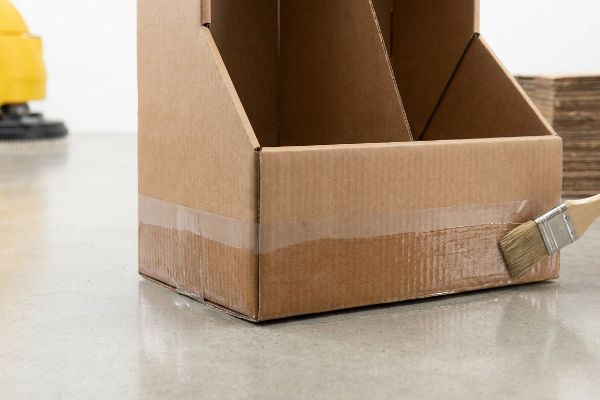
Создание экспозиции в безупречно чистом офисе с кондиционированием воздуха создает опасную «слепую зону», не позволяющую увидеть грязную и влажную реальность коммерческих помещений с высокой проходимостью.
Защитное покрытие для швабр для торговых помещений
Маркетинговые команды часто тратят весь свой бюджет на высококачественную графическую печать и расчет несущей способности конструкции, полагая, что прочный, сухой картон идеально справится с этой задачей. Они относятся к торговому залу как к статичному выставочному залу, забывая, что торговые ряды в продуктовых магазинах ежедневно убираютсябригадами технического обслуживания с использованием тяжелых промышленных швабр и поломоечных машин.
Я постоянно наблюдаю, как в продуктовых магазинах ломаются незащищенные витрины. Продавец роняет витрину в проход, ночная смена моет пол, и необработанные нижние края ведут себя как огромная губка¹³ . На следующее утро основание превращается в темную, влажную массу с мягкой, губчатой текстурой, из-за чего вся витрина весом 68 кг заметно наклоняется вперед. Я решаю эту проблему, требуя нанесения прозрачного полимерного покрытия или лака¹⁴ строго на нижние 101,6 мм нижней панели основания. Этот невидимый жидкий барьер значительно укрепляет точки контакта, предотвращая проникновение влаги, полностью исключая опасность опрокидывания и гарантируя, что ваша витрина никогда не будет выглядеть мокрой или запущенной.
| Распространённая ошибка новичков | Профессиональное решение | Преимущества для торговых площадей |
|---|---|---|
| Оставлять базовые панели необработанными и необработанными | Нанесение прозрачного полимерного влагозащитного покрытия | Предотвращает проникновение влаги в гофрированную бумагу15 |
| Игнорирование ежедневной ночной уборки полов уборщицами | Герметизация нижних 4 дюймов (101,6 мм)16 | Предотвращает наклон тяжелых дисплеев вперед |
| Использование дорогих пластиковых поддонов | Использование целенаправленного защитного жидкого лака | Экономия себестоимости единицы продукции при сохранении эстетического вида |
Я никогда не позволяю клиентам устанавливать тяжелые витрины для продуктов, не загерметизировав нижний контактный край. Математически доказано, что незагерметизированное картонное основание впитает воду с пола и катастрофически ухудшит вертикальную устойчивость.
🛠️ Задание от Харви: Уязвим ли ваш будущий магазинный мерчендайзер к ежедневной уборке пола и деформации из-за влажности? 👉 Закажите аудит структурной влажности ↗ — Никаких форм, которые приводят к бесконечным звонкам от отдела продаж. Только чистая выгода.
Как увеличить трение на картоне?
Скользкие упаковочные компоненты могут казаться роскошными на ощупь, но при перемещении по высокоскоростной цепочке поставок они создают логистический кошмар.
Увеличение трения на картонных поверхностях означает замену глянцевых покрытий на точечную обработку и матовое ламинирование. Стратегически оставляя контактные зоны без лака, вы сохраняете естественное механическое сцепление бумажных волокон, предотвращая соскальзывание предварительно заполненных лотков с продукцией с базовых конструкций.
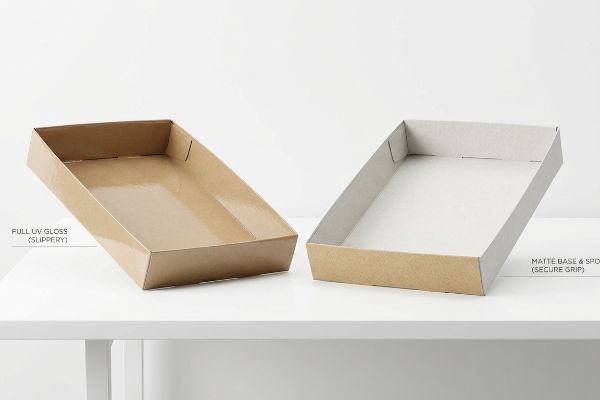
Однако знания теории трения недостаточно, когда запускаются автоматизированные машины, а тяжелые агрегаты подвергаются сильным кинетическим нагрузкам.
Опасность потери мощности из-за трения при полном УФ-излучении в тяжелых подносах
Дизайнеры почти всегда по умолчанию используют УФ-покрытия с высоким блеском для запуска премиальных продуктов. Они предполагают, что покрытие всего листа отражающим полимерным слоем повышает воспринимаемую ценность бренда, полностью игнорируя тот факт, что эта химическая обработка активно сглаживает микроскопические волокна бумаги и резко снижает коэффициент трения поверхности17.
Это не просто теория — я вижу это на испытательном полигоне, когда клиенты пытаются укладывать тяжело нагруженные лотки для POS-терминалов на подставку. Нанося полное УФ-глянцевое покрытие на дно лотков, дизайнер фактически превращает картон в лед. Когда я провожу моделирование вибрации ISTA (Международной ассоциации безопасной транспортировки)18, я наблюдаю, как гладкий, блестящий лоток с грузом слетает с края дисплея всего лишь при наклоне на 12 градусов. Я проанализировал данные и доказал, что, удалив глянцевое покрытие из зон структурного контакта и заменив его матовым базовым покрытием, я увеличил коэффициент трения настолько, что устранил снижение выхода годной продукции на 3,2%19. Эта микрокоррекция предотвращает смещение лотков во время высокоскоростной упаковки, экономя клиенту огромные средства на ручной переукладке.
| Распространённая ошибка новичков | Профессиональное решение | Преимущества для торговых площадей |
|---|---|---|
| Нанесение полного УФ-глянца на всю поверхность панелей20 | Строгое внедрение выборочного УФ-лакирования для визуального брендинга | Предотвращает соскальзывание тяжелых подносов с продукцией |
| Игнорируя коэффициент трения отделочных материалов | Использование матовой основы для структурных зон21 | Обеспечивает надежную фиксацию компонентов во время кинетической транспортировки |
| Излишняя сложность конструкции с использованием пластиковых зажимов | Сохранение естественного механического сцепления бумаги22 | Исключает огромные расходы на переупаковку и повторную комплектацию товаров |
Я удаляю ненужные сплошные покрытия в зонах контакта, потому что эстетическая привлекательность никогда не должна преобладать над физической стабильностью. Контроль микроскопического поверхностного трения позволяет мне надежно фиксировать ваши тяжелые подносы, не увеличивая при этом стоимость материалов.
🛠️ Совет от Харви: Не позволяйте двухмиллиметровому структурному дефекту испортить запуск продаж в 500 магазинах. 👉 Пришлите мне файл с чертежами ↗ — Я проверю расчеты, прежде чем вы потратите бюджет на массовое производство.
Заключение
Вы можете договориться о самом дешевом сорте картона, но когда даже незначительный выступ поддона приводит к потере 60% прочности углов на сжатие, вызывая сильное деформирование основания и немедленный отказ розничного продавца, ваша экономия на первоначальных затратах на закупку полностью исчезает. Это точная спецификация, которую используют мои 10 крупнейших розничных клиентов, чтобы гарантировать отсутствие отказов в печати. Перестаньте гадать о невидимых структурных допусках и позвольте мне лично проверить ваши файлы с помощью моей бесплатной предпечатной проверки ↗, чтобы выявить фатальные ошибки трения и распределения веса до того, как вы заплатите за массовое производство.
«Влияние механической переработки на лигноцеллюлозное волокно… – PMC», https://pmc.ncbi.nlm.nih.gov/articles/PMC11945113/. Научное объяснение того, как механическая и химическая обработка в процессе переработки целлюлозы ухудшает длину и гибкость волокна. Роль доказательства: механическая проверка; тип источника: журнал по материаловедению. Подтверждает: утверждение о том, что переработанный картон имеет меньшую структурную целостность, чем первичный материал. Примечание: фокусируется на деградации целлюлозного волокна. ↩
«[PDF] Влияние содержания влаги на прочность на сжатие коробок: FBA BCT…», https://renewablebioproducts.gatech.edu/sites/default/files/2025-12/4effects-of-moisture-content-on-box-compression-strength.pdf. Техническое подтверждение того, что включение определенных соотношений первичных крафт-волокон повышает динамическую прочность на сжатие и структурную целостность переработанных гофрированных материалов. Роль доказательства: подтверждение технических характеристик; тип источника: руководство по проектированию упаковки или исследование в области материаловедения. Подтверждает: эффективность требования о 30% содержании первичного крафт-волокна в несущих стенках. Примечание об области применения: оптимальные процентные соотношения могут варьироваться в зависимости от конкретных профилей гофрирования и требований к общему весу. ↩
«Исследование влияния перфорации на несущую способность…», https://pmc.ncbi.nlm.nih.gov/articles/PMC11396172/. Данные материаловедения о содержании первичного крафт-волокна подтверждают его роль в повышении прочности гофрированного картона на вертикальную нагрузку. Доказательство: техническая спецификация; тип источника: журнал по материаловедению. Подтверждает: использование 30% первичного крафт-волокна для предотвращения его разрушения. Примечание об области применения: применимость зависит от общей толщины картона. ↩
«Упаковка из гофрированного картона с инновационным дизайном для повышения…», https://bioresources.cnr.ncsu.edu/resources/corrugated-board-packaging-with-innovative-design-for-enhanced-durability-during-transport/. Сравнительные исследования длины волокон показывают, что композиции с длинными волокнами обеспечивают превосходную устойчивость к деформации во время транспортировки. Роль доказательства: техническое доказательство; тип источника: исследование в области упаковочной инженерии. Подтверждает: превосходство стенок из длинных волокон при транспортировке в два слоя. Примечание: эффективность зависит от соотношения длинных и коротких волокон. ↩
«[PDF] Важность подготовки образцов для испытаний на сжатие по кромке…», https://imisrise.tappi.org/download.aspx?key=18APR219. Техническая документация TAPPI T811 описывает методологию испытаний структурной устойчивости и сжатия древесноволокнистых плит. Роль подтверждения: проверка стандарта; тип источника: отраслевой стандарт. Поддерживает: использование валидации T811 для исключения структурных разрушений. Примечание об области применения: Стандарт применяется конкретно к гофрированным материалам. ↩
«Оценка прочности на сжатие коробок из гофрированного картона для…», https://pmc.ncbi.nlm.nih.gov/articles/PMC9864211/. Проверка процента общей прочности на сжатие, приходящейся на вертикальные углы гофрированного транспортного контейнера. Роль доказательства: количественная оценка; тип источника: исследование в области упаковочной инженерии. Подтверждает: критическую роль выравнивания углов в характеристиках коробок из гофрированного картона. Примечание: фактический процент может варьироваться в зависимости от типа гофры и марки материала. ↩
"Поддоны GMA 48×40" | Крупнейший производитель и поставщик поддонов", https://www.palletone.com/products/gma-pallets/. Проверка соответствия отраслевым стандартам размеров поддонов Ассоциации производителей продуктов питания (GMA). Роль подтверждения: фактическая проверка; тип источника: отраслевая спецификация. Опоры: базовые размеры поддонов. Примечание к области применения: североамериканский стандарт. ↩
«[PDF] Влияние смещения паллетизированной коробки на прочность на сжатие унифицированных…», https://digitalcommons.calpoly.edu/cgi/viewcontent.cgi?article=1067&context=it_fac. Технические данные, количественно определяющие потерю значений теста на сжатие коробки (BCT), когда углы коробки не поддерживаются паллетой. Роль данных: количественная проверка; тип источника: исследование в области упаковочной инженерии. Подтверждает: утверждение о 60% восстановлении прочности. Примечание по области применения: применимо к контейнерам для гофрированного картона. ↩
«Прогнозирование влияния выступания поддона на сжатие коробки…», https://vtechworks.lib.vt.edu/items/a44b58f5-f8a2-4e60-b709-23a013411d58. Подтверждение того, что предотвращение выступания коробок за пределы платформы поддона снижает вероятность разрушения при сжатии на нижних ярусах. Роль доказательства: причинно-следственная проверка; тип источника: руководство по логистике и цепочке поставок. Подтверждает: преимущество использования строгого ограничивающего параллелепипеда САПР. Примечание к области применения: предполагается стандартное вертикальное штабелирование. ↩
«Прогнозирование влияния выступающих частей поддона на прочность коробки на сжатие», https://vtechworks.lib.vt.edu/items/d6fb70fe-bf11-40d2-a44c-3ba7918d06e3. Техническое подтверждение конкретного процента восстановления прочности коробки на сжатие (BCT) при устранении выступающих частей поддона. Роль доказательства: количественное подтверждение; тип источника: исследование в области упаковочной инженерии. Подтверждает: повышение эффективности за счет уменьшения площади основания коробки. Примечание по области применения: обычно применяется к стандартному гофрированному картону. ↩
«Исследование влияния жесткости верхней части поддона на гофрированный картон…», https://pmc.ncbi.nlm.nih.gov/articles/PMC8585293/. Подтверждение структурного преимущества выравнивания углов коробки с основными несущими балками поддона. Роль доказательства: передовая техническая практика; тип источника: стандарт складской упаковки. Подтверждает: метод предотвращения повреждения продукции путем вертикального выравнивания. Примечание об области применения: относится к конструкциям поддонов с балками. ↩
«Услуги по уборке продуктовых магазинов | Уборка супермаркетов», https://www.summitfacilitysolutions.com/retail-cleaning/grocery-supermarket. Документация стандартных протоколов управления торговыми помещениями, касающихся ежедневного ухода за полом и частоты уборки. Роль доказательства: установление экологической опасности; тип источника: операционные стандарты. Подтверждает: предположение о том, что картонные витрины подвергаются многократному воздействию ночной влаги. Примечание: типично для крупных коммерческих сетей продуктовых магазинов. ↩
«Впитывание жидкости в бумажную полоску: экспериментальное и численное исследование», https://pmc.ncbi.nlm.nih.gov/articles/PMC7495729/. Научное объяснение капиллярного действия в пористых целлюлозных материалах, вызывающего впитывание жидкости. Роль доказательства: фактический механизм; тип источника: журнал по материаловедению. Подтверждает: склонность необработанных краев картона к поглощению влаги. Примечание по области применения: Применимо к гофрированным конструкциям с открытыми гофрами. ↩
«Покрытия и отделка коробок | Abbott Action | Проектирование, тестирование и производство…», https://www.abbottaction.com/packaging/box-coating/. Техническое подтверждение того, что жидкие полимерные покрытия обеспечивают гидрофобный барьер для гофрированных подложек. Роль доказательства: техническая спецификация; тип источника: руководство по промышленной упаковке. Подтверждает: использование полимерных покрытий для предотвращения впитывания воды. Примечание об области применения: эффективность зависит от плотности полимера. ↩
«Барьерное покрытие EcoShield® для бумаги и гофрированного картона», https://www.cortecvci.com/products/vpci-packaging-products/ecoshield-barrier-coating-for-paper-and-corrugated/. Объяснение того, как полимерные покрытия предотвращают капиллярное действие и поглощение влаги в гофрированных картонных листах. Роль доказательства: техническая проверка; тип источника: документация по материаловедению. Подтверждает: эффективность полимерных барьерных покрытий. Примечание об области применения: относится к пористым структурам бумаги. ↩
«Требования к строительству предприятий розничной торговли продуктами питания | Лос-Анджелес…», http://publichealth.lacounty.gov/eh/inspection/construction-requirements-retail-food-facilities.htm. Проверка соответствия отраслевому стандарту высоты защитных ограждений для швабр, предохраняющих торговые витрины от проникновения жидкости во время уборки пола. Роль доказательства: подтверждение отраслевого стандарта; тип источника: руководство по производству торговых витрин. Подтверждает: спецификацию 4 дюйма. Примечание об области применения: стандартная высота для уборки пола. ↩
«Процесс нанесения УФ-отверждаемого покрытия на двухслойный картон, напечатанный в CMYK…», https://bioresources.cnr.ncsu.edu/resources/uv-curable-coating-process-on-cmyk-printed-duplex-paperboard-part-1-mechanical-and-optical-properties/. Техническое исследование или руководство по материаловедению, объясняющее, как УФ-полимерные покрытия заполняют поры целлюлозных волокон, уменьшая шероховатость поверхности и трение. Роль доказательства: техническая проверка; тип источника: журнал по материаловедению. Подтверждает: утверждение о том, что УФ-покрытия уменьшают механическое сцепление картона. Примечание к области исследования: фокусируется на физическом взаимодействии между полимерами и бумажными волокнами. ↩
«Процедуры тестирования – Международная ассоциация безопасной транспортировки», https://ista.org/test_procedures.php. Краткое объяснение того, как авторитетный внешний источник подтверждает использование стандартов ISTA для моделирования вибрации при транспортировке с целью проверки стабильности упаковки. Роль подтверждения: валидация; тип источника: отраслевой стандарт. Подтверждает: достоверность использования моделирования ISTA для выявления проскальзывания лотков. Примечание об области применения: применяется к глобальным стандартам транспортировки и доставки. ↩
«Контроль качества покрытий и картонная упаковка», https://www.pffc-online.com/magazine/1934-paper-coating-control-quality. Краткое объяснение того, как данные материаловедения подтверждают, что матовые покрытия обеспечивают более высокий коэффициент трения, чем глянцевые УФ-покрытия на картоне. Роль доказательства: техническое подтверждение; тип источника: журнал по материаловедению. Подтверждает: механизм, посредством которого удаление блеска предотвращает скольжение. Примечание к области применения: конкретные проценты выхода годной продукции зависят от конкретного случая. ↩
«Как значения коэффициента трения (COF) связаны с…», https://www.rhopointamericas.com/faqs/how-can-coefficient-of-friction-cof-values-relate-to-packaging-speeds/?srsltid=AfmBOoqwFgXbAErev4I3wsPhMI7dhheLI1x3ogTArlQ_n9EVQ8cMymbp. Техническое объяснение того, как УФ-покрытия снижают коэффициент трения на картоне, что приводит к нестабильности тяжелых лотков. Роль доказательства: техническая причина; тип источника: журнал по материаловедению. Подтверждает: риск скольжения из-за полного УФ-покрытия. Примечание по области применения: специфично для высокоскоростных цепочек поставок. ↩
«Глянцевый лак против матового лака против глянцевого лака…», https://www.youtube.com/watch?v=Ovh5vyALW5I. Сравнение поверхностного трения между матовыми и глянцевыми покрытиями в промышленной упаковке. Роль доказательства: техническое решение; тип источника: спецификации промышленных покрытий. Подтверждает: эффективность матовых оснований для структурной стабильности. Примечание об области применения: применяется к точкам контакта при транспортировке. ↩
«5 наиболее экономичных упаковочных материалов», https://www.ready-made.com/blog/5-of-the-most-cost-effective-packaging-materials. Анализ поверхностного трения необработанной бумаги по сравнению с синтетическими застежками с точки зрения снижения повреждений при транспортировке и трудозатрат. Роль доказательств: экономическая/техническая выгода; тип источника: тематическое исследование в области логистики. Подтверждает: эффективность естественного сцепления по сравнению с избыточным проектированием. Примечание по области исследования: акцент на стоимости совместной упаковки и переупаковки. ↩