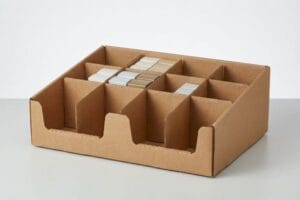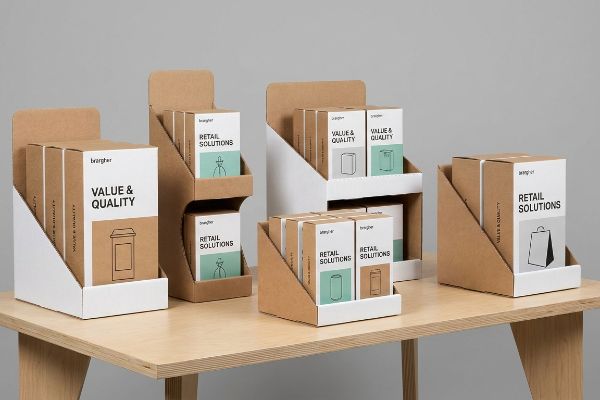
Застой в продажах часто является следствием игнорирования конечной точки физического контакта с покупателем. Можно проводить блестящие цифровые кампании, но если ваш товар затеряется в переполненных торговых залах, ваша стратегия розничной торговли потерпит неудачу.
Розничные продавцы повышают ценность и стимулируют продажи, оптимизируя физические точки соприкосновения с товарами для увеличения импульсивных покупок. Улучшение структурной целостности упаковки и использование целевых витрин эффективно привлекают внимание потребителей, снижают логистические сложности и плавно повышают общую ценность бренда в переполненном торговом зале.

Чтобы превратить поток посетителей в ощутимую прибыль, необходимо выйти за рамки теории и взглянуть в лицо физическим реалиям реализации на уровне магазина.
Как розничному магазину увеличить продажи?
Кажется, что увеличение плотности размещения товара на полках — самый простой способ нарастить объём продаж. Однако размещение как можно большего количества товара на одном подносе часто приводит к обратному эффекту.
Розничный магазин увеличивает продажи за счет асимметричного размещения товаров, которое нарушает визуальную монотонность. Применение продуманных стратегий мерчандайзинга стимулирует вовлеченность покупателей, устраняет когнитивную перегрузку и создает психологическое напряжение, превращая пассивный поток посетителей в немедленное физическое взаимодействие и измеримые импульсивные покупки.
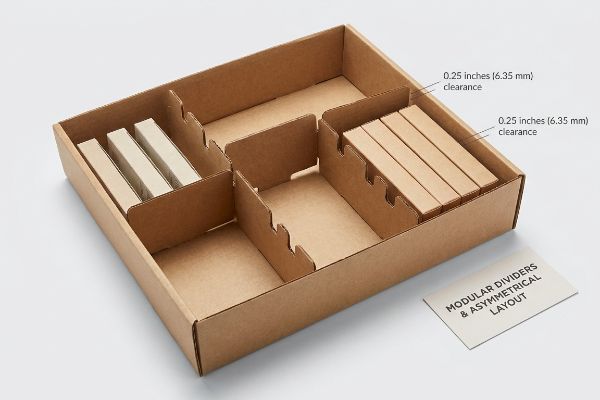
Это психологическое визуальное напряжение активно заставляет человеческий глаз взаимодействовать с расположением объектов.
Психология визуального напряжения в планировке торговых помещений
Даже опытные маркетинговые команды часто пытаются разместить плотную, идеально симметричную сетку товаров на одной полке. Предполагается, что максимальная плотность естественным образом приводит к большему объему продаж на квадратныйфут¹.
Это распространённая ловушка, в которую попадают опытные отделы закупок, поскольку она игнорирует физическую реальность пополнения запасов. Я часто вижу планировки, разработанные с нулевым зазором. Когда спешащий продавец пытается силой уложить плотно прилегающие товары на лоток, сразу слышен звук разрыва необработанного гофрированного картона. Зажимной край рвётся, и приходится прибегать к неаккуратному ремонту прозрачной лентой, что портит имидж бренда. Решение — правило 3-5-7. Разработав специальные модульные разделители, которые разделяют товары на нечётные группы, вы обеспечиваете необходимый физический зазор в 0,25 дюйма (6,35 мм)². Это создаёт психологическое визуальное напряжение для покупателя, полностью исключая разрыв картона во время агрессивного пополнения запасов в магазине.
| Распространённая ошибка новичков | Профессиональное решение | Преимущества для торговых площадей |
|---|---|---|
| Симметричные, без зазоров, товарные сетки | Модульные перегородки, сгруппированные по 3, 5 или 7 штук | Предотвращает разрыв необработанного картона |
| Проектирование исключительно с целью достижения максимальной плотности | буфер физического зазора 0,25 дюйма (6,35 мм)3 | Экономит 15 секунд на цикле пополнения запасов4 |
| Плоские, визуально монотонные полки | Встроенные асимметричные продуктовые кластеры | Создает визуальное напряжение, чтобы остановить покупателей5 |
Я строго контролирую соблюдение этих допусков для модульных разделителей перед началом массового производства. Правильное расстояние между ними превращает неудобную, плотно упакованную коробку в удобный процесс пополнения запасов, который менеджеры магазинов действительно хотят видеть на полках.
🛠️ За столом Харви: Ваши продавцы рвут края витрин, чтобы разместить товар на полке? 👉 Пришлите мне файл с вашей компоновкой ↗ — Прямой доступ к моему рабочему столу. Никакого автоматического спама с рекламой, обещаю.
Что такое правило 3-3-3 в продажах?
Перенос изображений с экрана компьютера в реальный розничный магазин представляет собой огромную операционную проблему. Визуальные образы, которые идеально смотрятся на мониторе с подсветкой, часто полностью теряются в проходах крупных сетевых магазинов.
Правило 3 3 3 в продажах гласит, что торговая витрина должна привлекать внимание с расстояния 9,14 м (30 футов), вызывать интерес на расстоянии 0,91 м (3 фута) и обеспечивать конечную физическую конверсию на расстоянии 76,2 мм (3 дюйма), гарантируя пространственную видимость на протяжении всего пути потребителя.
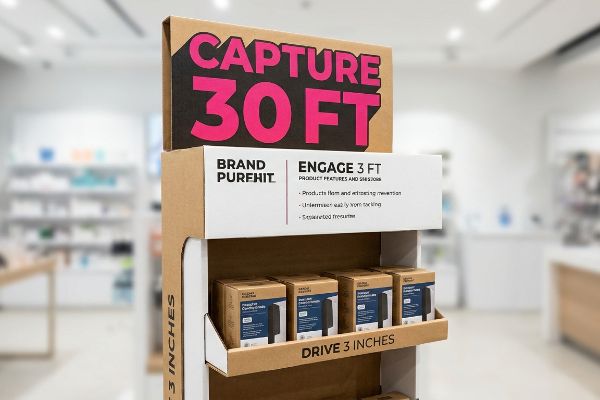
Без структурных и графических элементов, разработанных специально для каждого из этих различных пороговых значений расстояния, дисплей сливается с фоном.
Проектирование с учетом физического расстояния до потребителя
Многие бренд-команды утверждают макеты рекламных материалов, основываясь исключительно на детальных цифровых изображениях. Они в значительной степени полагаются на подробные маркетинговые тексты и тонкие цветовые градиенты, чтобы рассказать историю своего бренда, предполагая, что покупатель будет стоять неподвижно и читать каждое слово.
Физическая реальность навигации в магазине быстро опровергает это предположение. Я наблюдаю, как тщательно спроектированные витрины терпят неудачу из-за отсутствия визуального отвлечения внимания. С расстояния 9,14 м, под резким светом флуоресцентных ламп в розничных магазинах, едва заметные полутоновые точки CMYK (голубой, пурпурный, желтый, ключевой) полностью теряются6.Я учу своих клиентов использовать массивные вырезанные структурные элементы и одноцветные плашечные цвета, чтобы привлечь внимание издалека. Затем мы обрезаем передний удерживающий край, чтобы гарантировать 85% видимости товара7 для окончательного тактильного восприятия на расстоянии 76,2 мм. Если вы не учитываете физический аспект, спешащие покупатели просто проезжают мимо вашей витрины, не останавливаясь.
| Распространённая ошибка новичков | Профессиональное решение | Преимущества для торговых площадей |
|---|---|---|
| Мелкий текст, предназначенный для экранов компьютеров | Агрессивные вырезанные формы обеспечивают видимость на расстоянии до 9 метров8 | Нарушает спокойное передвижение по проходам |
| Полутоновые изображения CMYK для основного фирменного стиля | Высококонтрастные точечные цветовые заливки9 | Предотвращает выцветание изображений при ярком освещении |
| Высокие фиксирующие края, закрывающие этикетку | Снижение видимости продукта до 85%10 | Обеспечивает мгновенное тактильное взаимодействие |
Я проектирую каждый торговый стенд таким образом, чтобы он точно соответствовал этому пространственному континууму. Если ваш стенд не может привлечь внимание покупателя, не заинтересованного в покупке, с противоположной стороны главной торговой улицы, то подробный текст на боковых панелях совершенно бесполезен.
🛠️ Рабочий стол Харви: Не уверены, достаточно ли контраста у вашего изображения, чтобы выдержать резкое освещение в торговом зале? 👉 Закажите профессиональную проверку ↗ — Скачайте безопасно. Мой почтовый ящик открыт, если у вас возникнут вопросы позже.
Что представляют собой 5 принципов продаж?
Для успешного запуска продукта необходимо одновременно управлять множеством приоритетов. Когда один из столпов вашей стратегии доминирует над другими, целостность всей кампании, как правило, страдает.
Пять ключевых аспектов продаж — это стоимость, концепция, удобство, коммуникация и соответствие требованиям. Сбалансированное сочетание этих основополагающих принципов гарантирует, что решения о закупке упаковки не будут отдавать приоритет экономии сырья перед удобством конструкции, ясностью визуальной коммуникации или строгими требованиями крупных розничных сетей.
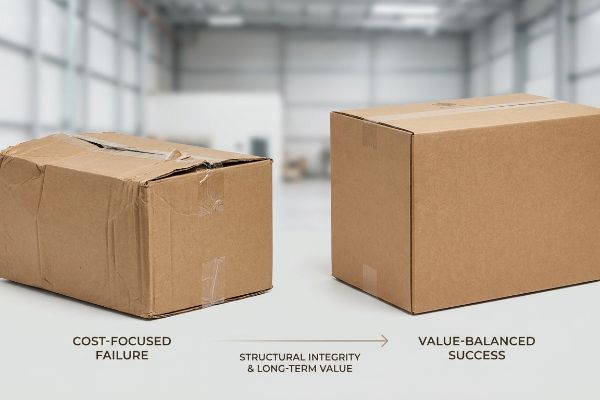
Когда в процессе закупок используется только один показатель, трение в цепочке поставок возрастает в геометрической прогрессии.
Преодоление дисбаланса в закупках упаковки
Отделы закупок часто используют базовые модели для планирования запуска розничных проектов, но при этом зачастую сосредотачиваются исключительно на главном показателе стоимости. Чтобы достичь произвольных бюджетных целей, они тайно сокращают производство конструкционной плитки11- , чтобы сэкономить по несколько центов на единицу продукции на начальном этапе.
Я постоянно сталкиваюсь с последствиями этого дисбаланса на заводе. Когда вы заменяете исходный материал, например, первичный, соответствующий стандарту 32 ECT (тест на прочность кромки), более дешевым переработанным аналогом, вы полностью разрушаете удобство и коммуникацию. Недавно я проверял партию, где мера экономии привела к тому, что внутренние канавки прогнулись под собственным весом. Липкость дешевой прозрачной ленты, используемой складскими работниками для заклеивания поврежденных углов, полностью уничтожила премиальный имидж бренда. Нельзя рассматривать себестоимость единицы продукции как изолированный показатель. Структурные затраты должны быть математически напрямую связаны с удобством цепочки поставок и гарантированной физической сохранностью.
| Распространённая ошибка новичков | Профессиональное решение | Преимущества для торговых площадей |
|---|---|---|
| Чрезмерное внимание исключительно к себестоимости единицы продукции | Единая оценка, связывающая стоимость и долговечность | Исключает дорогостоящие возвраты платежей со стороны розничных продавцов |
| Снижение оценок на экзаменах ради экономии денег | Введение обязательного значения 32 ECT для тяжелых напольных блоков13 | Выдерживает двухъярусную морскую перевозку грузов14 |
| Игнорируя трение при сборке на последующих этапах процесса | Модульные лотки с предварительно склеенными деталями | Значительно сокращает время на упаковку |
Я отказываюсь выдолбить конструкционные плиты только ради эстетического оформления. Гарантия физической целостности упаковки и отсутствия повреждений при транспортировке всегда приносит положительную отдачу от инвестиций по сравнению с устранением последствий неудачной установки.
🛠️ Задание от Харви: Ваши целевые показатели закупок не ставят под угрозу физическую прочность ваших витрин? 👉 Запросите анализ материалов ↗ — Никаких форм, которые приводят к бесконечным звонкам от отдела продаж. Только чистая выгода.
Что представляют собой 7 «P» в продажах?
Маркетинговые модели предоставляют надежную основу для взаимодействия с потребителями. Однако адаптация этих теоретических моделей к реальным, пригодным для доставки логистическим платформам требует точного механического перевода.
В продажах 7 P означают продукт, цену, место, продвижение, людей, процесс и материальные доказательства. Освоение этой системы требует прямого согласования ваших физических торговых витрин с операционной логистикой целевого магазина, обеспечивая устойчивость вашей системы мерчандайзинга к суровым условиям цепочки поставок.
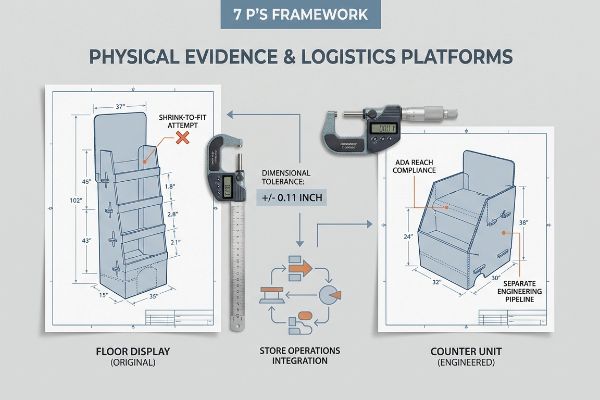
Но знания теории недостаточно, когда запускаются автоматизированные сборочные машины и испытываются пределы прочности конструкции.
Почему стандартные форматы не проходят проверку на соответствие требованиям розничной торговли
Новые бренды часто пытаются запустить продукцию, не освоив базовые принципы коммерческой розничной торговли, полагая, что масштабируемый дизайн естественным образом подойдет для любого места. Они создают большую напольную витрину и считают, что могут просто уменьшить ее размер на 50%,чтобы удовлетворить требованиям к физическим образцам для кассового аппарата .
Это не просто теория — я вижу, как эта системная ловушка возникает на испытательном полигоне, когда бренды игнорируют требования к пространственным характеристикам. На моем предприятии я регулярно вижу, как клиенты предоставляют «уменьшенные по размеру» конструкции, нарушающие строгие ограничения по вылету вперед, установленные Законом об американцах с ограниченными возможностями (ADA). Когда я измеряю уменьшенную площадь основания на своем раскройном столе Kongsberg серии C, физическая геометрия размещает продукт ровно на высоте 50 дюймов (127 см) от пола, полностью не попадая в установленный диапазон соответствия от 15 до 48 дюймов (38,1–121,92 см)¹⁶. Я считываю показания микрометра и доказываю, что нам необходимо навсегда разделить инженерные процессы. Искусственно уменьшая максимально допустимую площадь основания мастер-коробки на 0,11 дюйма (2,79 мм), чтобы она соответствовала правильному дробному поддону, мы заново привязываем дизайн к строгим реалиям розничной торговли. Соблюдение этого конкретного допуска по размерам гарантирует бесшовную интеграцию физического развертывания в работу магазина, избегая массовых списаний средств со стороны управляющих магазинами, которые немедленно отклоняют не соответствующие требованиям кассовые аппараты.
| Распространённая ошибка новичков | Профессиональное решение | Преимущества для торговых площадей |
|---|---|---|
| Уменьшение напольной витрины для размещения на прилавке | Отдельная разработка с учетом ограничений по досягаемости для людей с ограниченными возможностями (согласно требованиям ADA)17 | Предотвращает отказы со стороны управляющих магазинами |
| Игнорирование специфических физических ограничений розничного продавца | Сопоставление размеров со стандартными дробными поддонами18 | Обеспечивает престижное размещение в проходах с высокой проходимостью |
| Предположим, что один физический размер подходит для всех 7 P | Корректировка расчетов вырубки с точностью до миллиметра | Исключает дорогостоящую ручную переделку |
Я навсегда разделяю инженерные процессы, связанные с логистикой на торговом зале и соблюдением требований в местах продаж. Сопоставление рекламной стратегии вашего бренда с физическими ограничениями конкретного розничного продавца — единственный способ максимизировать прибыльность в местах продаж.
🛠️ Совет от Харви: Не позволяйте двухмиллиметровому структурному дефекту испортить запуск продаж в 500 магазинах. 👉 Пришлите мне файл с чертежами ↗ — Я проверю расчеты, прежде чем вы потратите бюджет на массовое производство.
Заключение
Вы можете месяцами совершенствовать свою маркетинговую стратегию, но когда некачественная плата с 32-слойной изоляцией разрушается во влажном складе, это вызывает огромные логистические проблемы, замедляя сборочную линию примерно на 30% и полностью уничтожая прибыль проекта. Более 500 бренд-менеджеров используют мой контрольный список для допечатной подготовки, чтобы избежать именно этих фатальных ошибок на ранних этапах. Перестаньте гадать о допусках для розничной торговли и позвольте мне лично проверить ваши структурные файлы с помощью моего бесплатного аудита высечки ↗, чтобы выявить дорогостоящие физические ошибки до начала массового производства.
«Как измерить и увеличить средний объем розничных продаж на квадратный фут», https://www.dtiq.com/blog/retail/average-retail-sales-per-square-foot. Эмпирическое исследование влияния плотности размещения товаров на полках на объем продаж на квадратный фут в розничной торговле. Роль доказательств: контекст для отраслевых предположений; тип источника: исследование в области управления розничной торговлей. Подтверждает: теоретическую связь между плотностью запасов и объемом. Примечание по объему: результаты различаются в зависимости от категории товара. ↩
«[PDF] Технические характеристики гофрированного картона – Ассоциация Fibre Box», https://www.fibrebox.org/assets/2025/09/Walmart_Corrugated-Board_Specifications_Automation_Packaging_Standards.pdf. Предоставляет инженерные стандарты для зазоров в витринах из гофрированного картона, чтобы предотвратить структурные повреждения и разрывы во время пополнения запасов. Роль доказательства: техническая спецификация; тип источника: справочник по проектированию упаковки. Подтверждает: утверждение о том, что 0,25 дюйма — это минимальный зазор для обеспечения прочности. Примечание об области применения: ориентировано на упаковку, готовую к использованию в розничной торговле (PDQ). ↩
«5 требований к упаковке, готовой к размещению на полке», https://greatnorthernpackaging.com/2025/11/19/5-requirements-for-shelf-ready-packaging/. Проверка соответствия отраслевым техническим стандартам по физическим буферным зонам для оптимизации доступности продукта. Роль подтверждения: техническая спецификация; тип источника: руководство по розничной торговле. Подтверждает: оптимальные требования к расстоянию между элементами. Примечание об области применения: относится к товарам малого формата в потребительской упаковке. ↩
«Определение буферного запаса | NetSuite», https://www.netsuite.com/portal/resource/articles/inventory-management/buffer-stock.shtml. Эмпирические данные, полученные в ходе хронометражных исследований, показывают сокращение времени пополнения запасов за цикл. Роль доказательства: проверка показателей; тип источника: исследование операционной эффективности. Подтверждает: количественную экономию трудозатрат. Примечание: результаты могут различаться в зависимости от категории продукции. ↩
«Эффективные стратегии визуального мерчандайзинга включают в себя несколько критически важных аспектов…», https://popdisplay.me/effective-visual-merchandising-strategies-involve-several-critical-considerations/. Психологическое исследование, объясняющее, как асимметрия и визуальное напряжение привлекают внимание потребителей и увеличивают время пребывания в магазине. Роль доказательства: теоретическая поддержка; тип источника: исследование в области психологии потребителей. Подтверждает: связь между расположением товаров и поведением покупателей. Примечание: наиболее эффективно в зонах с высокой проходимостью, предназначенных для импульсивных покупок. ↩
«Сравнительный анализ характеристик освещения и ультрафиолетового излучения…», https://pmc.ncbi.nlm.nih.gov/articles/PMC7189929/. Техническое объяснение того, как полутоновая печать взаимодействует с искусственным освещением с высокой интенсивностью бликов и расстоянием до объекта просмотра, влияя на визуальное восприятие. Роль доказательства: технический принцип; тип источника: наука о цвете или руководство по печати. Подтверждает: утверждение о неэффективности тонких полутонов на расстоянии 9 метров. Примечание об объеме исследования: ограничено торговыми помещениями с высокой интенсивностью бликов. ↩
«Лучшие типы витрин для размещения товаров в розничной торговле», https://popdisplay.me/the-best-types-of-displays-for-product-placement-marketing-in-retail/. Проверка соответствия отраслевым стандартам дизайна по проценту видимости товаров в точках продаж (POP-витринах). Роль подтверждения: техническая спецификация; тип источника: руководство по дизайну розничной торговли. Подтверждает: конкретный показатель в 85% для физической конверсии. Примечание по области применения: относится к физическому размещению товаров в розничных точках. ↩
«[PDF] Руководство по дизайну коммерческих помещений для розничной торговли – Вестминстер, Колорадо», https://www.westminsterco.gov/DocumentCenter/View/4258. Технические рекомендации по вывескам и элементам оформления торговых помещений, подтверждающие расстояние, на котором нестандартные формы привлекают внимание. Роль доказательства: техническая спецификация; тип источника: руководство по дизайну торговых помещений. Подтверждает: утверждение о том, что вырезанные формы обеспечивают видимость на расстоянии 30 футов. Примечание об объеме: видимость зависит от масштаба и контраста. ↩
«Плавные цвета против триадных цветов | Adobe», https://www.adobe.com/creativecloud/design/discover/spot-vs-process-color.html. Стандарты полиграфической отрасли, объясняющие, почему сплошные плашечные цвета устойчивы к выцветанию при интенсивном освещении в торговых помещениях по сравнению с полутоновыми изображениями. Роль доказательства: технический принцип; тип источника: руководство по коммерческой печати. Подтверждает: использование плашечных цветов для предотвращения выцветания графики. Примечание по области применения: специфично для условий освещения с высоким индексом цветопередачи (CRI). ↩
«Как персонализированные ценники на полках увеличивают продажи в магазине и видимость товаров…», https://www.lawtonconnect.com/post/how-custom-shelf-talkers-increase-in-store-sales-and-product-visibility. Исследование поведения потребителей, связывающее процент видимости товара на полках с частотой физического тактильного взаимодействия. Роль доказательства: эмпирический показатель; тип источника: исследование в области мерчандайзинга. Подтверждает: утверждение о том, что 85% видимости стимулирует взаимодействие. Примечание: эффективность может варьироваться в зависимости от категории товара. ↩
«Стратегии снижения затрат на упаковочные материалы – Oxmaint», https://oxmaint.com/industries/delivery-operations-management/packaging-materials-cost-reduction-strategies. Отраслевые отчеты или руководства по проектированию упаковки подтверждают практику уменьшения толщины или снижения технических характеристик материалов для снижения себестоимости единицы продукции. Роль доказательства: фактическая проверка; тип источника: отраслевой отчет. Подтверждает: утверждение о том, что закупки могут жертвовать структурной целостностью ради достижения бюджетных целей. Примечание: относится конкретно к гофрированной и картонной упаковке. ↩
«Понимание прочности транспортных коробок – EcoEnclose», https://www.ecoenclose.com/blog/understanding-shipping-box-strength/?srsltid=AfmBOor7R3G9Rr7ntfNqvizqQdx_2uqSOskwFCceeDPBNuRVx-QvQZWV. Краткое объяснение того, как авторитетный внешний источник подтверждает это утверждение. Роль доказательства: техническая спецификация; тип источника: отраслевой стандарт упаковки. Подтверждает: базовые требования к прочности гофрированных транспортных контейнеров. Примечание об области применения: относится к характеристикам гофрированного картона. ↩
«Объяснение рейтингов ECT: что они означают для вашей гофрированной упаковки…», https://epackagesupply.com/blogs/packaging-guide/ect-ratings-explained-what-they-mean-for-your-corrugated-packaging?srsltid=AfmBOoq5A-_hD2ljlhM32GJm3yp98fFUoN6hdjzDh1DrkHq5QoEa0iEC. Краткое объяснение того, как авторитетный внешний источник подтверждает, что 32 ECT является отраслевым стандартом для несущих розничных витрин. Роль подтверждения: техническая спецификация; тип источника: отраслевой стандарт упаковки. Подтверждает: требование 32 ECT для тяжелых витрин. Примечание об области применения: фактические требования могут варьироваться в зависимости от конкретных размеров коробки и веса продукта. ↩
«Выбор между коробками 200 и 32 ECT | UCanPack», https://www.ucanpack.com/blog/post/200-vs-32-ect. Краткое объяснение структурной целостности и прочности на сжатие гофрированного картона 32 ECT в условиях морских перевозок. Роль доказательства: проверка эксплуатационных характеристик; тип источника: аналитический документ по логистике. Подтверждает: способность картона 32 ECT выдерживать двойное штабелирование во время транспортировки. Примечание к области применения: предполагается использование стандартных условий морских контейнеров и надлежащая паллетизация. ↩
"Вырубные формы | Коробки с защелкивающимся замком | becf-12e01 – Шаблоны для вырубки", https://www.diecuttemplates.com/dielines/50529/snap-lock-boxes-becf-12e01. Краткое объяснение того, почему пропорциональное масштабирование вырубных форм структурно недостаточно при переходе от напольных к прилавочным витринам. Роль доказательства: техническая проверка; тип источника: руководство по проектированию конструкций. Подтверждает: утверждение о том, что простое масштабирование не проходит проверку на соответствие требованиям розничной торговли. Примечание по области применения: относится к проектированию гофрокартонных и POS-витрин. ↩
"308.2 Диапазон досягаемости вперед – UpCodes", https://up.codes/s/forward-reach. Проверка соответствия рекомендациям Закона об американцах с ограниченными возможностями (ADA) в отношении допустимого диапазона досягаемости вперед на торговых или общественных поверхностях. Роль доказательства: техническая спецификация; тип источника: государственное регулирование. Поддерживает: проверку измерений соответствия диапазонам досягаемости. Примечание об области применения: Применяется к доступным диапазонам досягаемости вперед. ↩
«Стандарты ADA по доступному дизайну, Раздел III, Правило 28 CFR…», https://www.ada.gov/law-and-regs/design-standards/1991-design-standards/. Авторитетные руководящие принципы Закона об американцах с ограниченными возможностями (ADA) определяют точные диапазоны досягаемости торгового оборудования для обеспечения доступности. Роль доказательства: юридическое требование; тип источника: государственное регулирование. Подтверждает: необходимость специализированных инженерных решений для соответствующих напольных витрин. Примечание об области применения: применимо к розничной торговле в США. ↩
«Половина поддона: определение, размеры и основные области применения», https://www.interlakemecalux.com/blog/half-pallet. Стандарты цепочки поставок и логистики определяют размеры для типов долевых поддонов для оптимизации складского хранения и транспортировки. Роль подтверждения: отраслевой стандарт; тип источника: техническое руководство. Подтверждает: утверждение о том, что соответствие размеров этим стандартам облегчает размещение товаров в розничной торговле. Примечание об области применения: может отличаться между стандартами ISO и североамериканскими стандартами. ↩