Вы потратили недели на совершенствование фирменного стиля, но запуск продаж в розничную сеть уже не за горами. Если ваши гофрированные конструкции окажутся некачественными, эти красивые графические изображения не спасут вашу прибыль.
Разработка эффективного POS-материала (торгового пространства) требует баланса между структурной целостностью, узнаваемостью бренда и строгим соблюдением логистических требований розничного продавца. Успешная кампания сочетает в себе использование прочного гофрированного картона с оптимизированными протоколами допечатной подготовки, обеспечивая надежное крепление физических товаров и одновременно привлекая внимание покупателей в переполненных торговых залах.
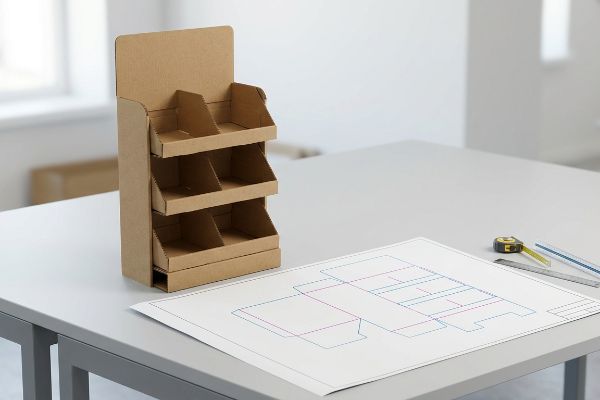
Теория прекрасно выглядит на плоском экране компьютера, но давайте посмотрим на физические законы, которые действуют на заводах и в магазинах.
Какие распространённые ошибки допускаются при использовании рекламных стендов в местах продаж?
Я постоянно вижу, как гениальные маркетологи спотыкаются на элементарных законах физики строительных конструкций. Плоская линия развертки скрывает механическое трение, которое может полностью парализовать вашу сборочную команду, когда время поджимает.
Распространенные ошибки при проектировании рекламных конструкций в местах продаж связаны с тем, что соединительные элементы разрабатываются без учета физической толщины сложенного гофрированного материала. Игнорирование этого параметра приводит к сильному трению во время сборки, что вызывает деформацию гофрированных элементов, повреждение изображений и полное снижение несущей способности в условиях переполненного торгового зала.
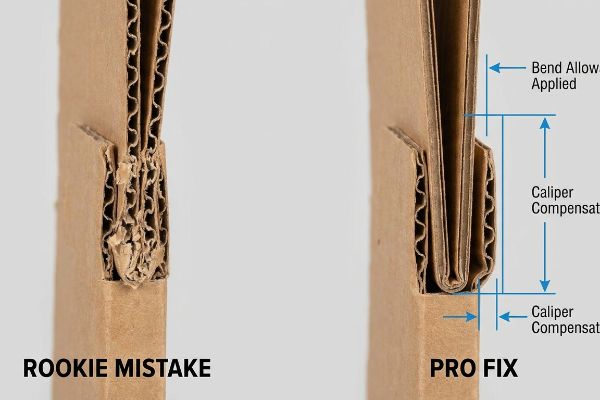
Понимание физических ограничений сложенного картона – вот что отличает беспроблемное внедрение в масштабах всей страны от операционного кошмара.
Скрытое трение компенсации штангенциркуля
Начинающие графические дизайнеры часто относятся к физическому картону как к цифровому экрану. Они создают соединительные выступы и пазы для складывания в базовых векторных программах, точно совпадая по ширине с сопрягаемой панелью, предполагая идеальное соответствие «один к одному». Они не учитывают физическую толщину сложенного материала, рассматривая толстый картон C-flute1 как плоский лист копировальной бумаги.
Я постоянно сталкиваюсь с этой ловушкой, когда клиенты присылают мне неоткорректированные плоские файлы. Когда толстая гофрированная панель сгибается на 90 градусов, она физически расходует материал по внешнему радиусу².Недавно я наблюдал, как один из упаковщиков, обливаясь потом на сборочной линии, агрессивно втискивал тугой язычок в некомпенсированный паз. Я буквально слышал громкий, отвратительный звук разрыва необработанного картона, когда весь механизм фиксации вышел из строя. Автоматически применяя параметрический допуск на изгиб в нашем программном обеспечении для проектирования конструкций, я расширяю приемные пазы в соответствии с конкретной толщиной гофры. Эта микроскопическая регулировка полностью устраняет трение, сокращая время сборки примерно на 25%³ и гарантируя, что предварительно заполненные витрины будут идеально ровными.
| Распространённая ошибка новичков | Профессиональное решение | Преимущества для торговых площадей |
|---|---|---|
| Соотношение вкладок к слотам 1:1 | Добавьте припуски на изгиб конструкции4 | Предотвращает разрыв фиксирующей защелки |
| Толщина платы не учитывается | Параметрическая калибровка программного обеспечения5 | Обеспечивает идеально квадратные основания |
| Принудительная плотная сборка | Немного расширить приемные щели6 | сокращает время ручной сборки |
Я не позволю непроверенным цифровым изображениям испортить тираж физического продукта. Уточнение математических допусков до начала работы раскройного стола предотвращает масштабные задержки в упаковке и защищает целостность изделия от ненужных повреждений.
🛠️ Рабочий стол Харви: Не уверены, правильно ли рассчитан припуск на сгиб для ваших соединительных элементов? 👉 Запросите бесплатную проверку вырубной формы ↗ — Прямой доступ к моему рабочему столу. Никакого автоматического спама с рекламой, обещаю.
Что такое правило трёх в мерчандайзинге?
Покупатели игнорируют хаотичные стены, заставленные одинаковыми товарами. Если вы хотите остановить поток посетителей, вы должны создать визуальное напряжение, которое заставит человеческий глаз действительно взаимодействовать с вашими полками.
Правило трех в мерчандайзинге предписывает группировать товары в асимметричные, нечетные по номеру группы для создания психологического визуального напряжения. Такое структурное расположение предотвращает когнитивную перегрузку, естественным образом привлекая внимание покупателя и одновременно обеспечивая необходимое физическое пространство, полностью исключающее разрыв картонных коробок во время интенсивных операций по пополнению запасов в магазине.
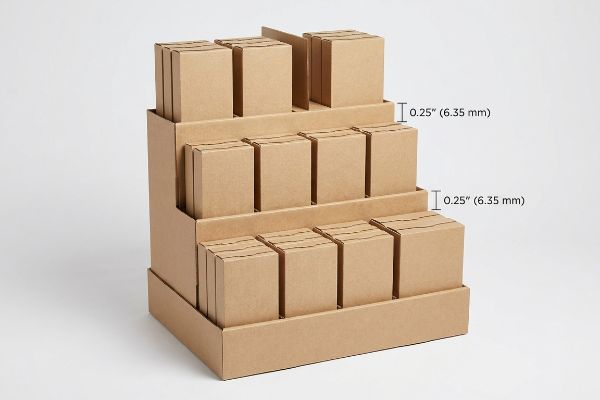
Организация размещения товаров — это не просто эстетический выбор; она напрямую влияет на скорость пополнения запасов, которые продавцы могут реализовать.
Психология асимметричной кластеризации товарных позиций
Многие бренды считают, что размещение идеально симметричной, сверхплотной сетки товаров на одном подносе обеспечивает максимальную отдачу от занимаемой площади. Они проектируют плоские конструкции для размещения одинаковых блоков товаров, доводя их размеры до самого края ограничителя. Такая симметричная перенасыщенность совершенно не создает визуального интереса7.
Покупатели часто спрашивают меня, почему их плотно расположенные напольные витрины остаются незамеченными в проходах с высокой проходимостью. Правда в том, что идеальная симметрия действует как визуальная маскировка. Хуже того, когда продавцы пытаются втиснуть товары в тесную сетку, возникает огромное операционное трение; я чувствовал на руках пыль от вырубки, когда осматривал порванные удерживающие выступы, образовавшиеся из-за нулевого зазора. Я обеспечиваю соблюдение правила асимметрии 3-5-78 , проектируя скрытые модульные разделители, которые разделяют товары SKU (Stock Keeping Unit) на нечетные группы. Это не только мгновенно привлекает внимание проходящих мимо покупателей, но и гарантирует точный зазор в 0,25 дюйма (6,35 мм)9, позволяя продавцам быстро пополнять запасы, не повреждая напечатанную графику.
| Распространённая ошибка новичков | Профессиональное решение | Преимущества для торговых площадей |
|---|---|---|
| Симметричные, плотные сетки | Кластеры нечетных артикулов10 | Создает визуальное напряжение при совершении покупок |
| Загрузка без зазоров | зазоры 0,25 дюйма (6,35 мм)11 | Предотвращает разрывы губ при удержании мочи |
| Визуально подавляющие стены | Скрытые модульные перегородки | Преодолевает когнитивную слепоту покупателей12 |
Я всегда закладываю в картонную конструкцию пространство для свободного перемещения. Математически выверенная визуальная асимметрия гарантирует, что ваш товар будет выделяться, одновременно физически защищая ваши инвестиции в конструкцию от агрессивной работы по пополнению запасов в проходах.
🛠️ Рабочий стол Харви: Ваши схемы расположения товаров вызывают визуальную усталость и приводят к повреждению при пополнении запасов? 👉 Получите индивидуальную стратегию использования разделителей ↗ — Скачайте безопасно. Мой почтовый ящик открыт, если у вас возникнут вопросы позже.
Как сделать POS-дисплей?
Создание прочной витрины — это не просто складывание картона. Это очень чувствительный химический процесс производства, который может легко привести к деформации, если игнорировать законы физики окружающей среды.
Изготовление рекламных стендов требует точной инженерной проработки конструкции, усовершенствованной допечатной калибровки цвета и строгого контроля окружающей среды на этапе литографии и ламинирования. Заводы должны тщательно контролировать натяжение клеевого слоя, чтобы гарантировать безупречное сцепление напечатанных верхних листов с плотными гофрированными листами без катастрофического прогиба внутрь или физической деформации.
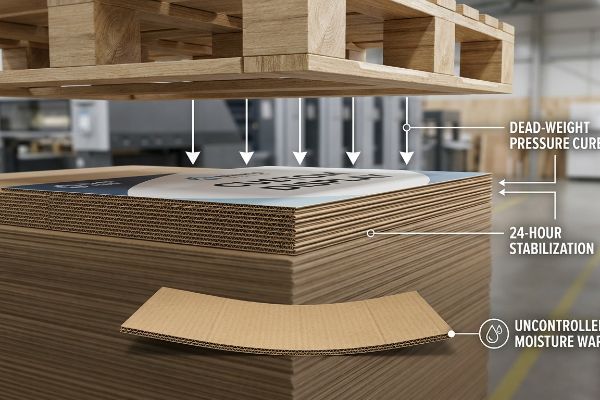
Игнорирование химических процессов на производственной линии гарантирует, что ваши идеально разработанные изображения прибудут искаженными и физически поврежденными.
Скрытая химия деформации, вызванной влагой
Отделы закупок часто рассматривают этап производства как простое приклеивание напечатанного плаката к жесткому картону. Они предполагают, что соединение высококачественного верхнего слоя с прочным профилем гофрирования мгновенно создает идеально ровную, неразрушимую панель. Они полностью игнорируют летучие химические свойства клеев на водной основе13.
Представьте себе гофрированный картон как сухую губку, впитывающую пролитый напиток. Для литографического ламинирования мы используем влажный клей на водной основе ПВА (поливинилацетат)14.Я помню, как ходил по цеху и чувствовал резкий, отчетливый запах затвердевающего клея, и вдруг обнаружил оператора, который пропустил этап прижимных устройств; вся стопка боковых панелей шириной 60 дюймов (152,4 см) прогнулась внутрь, как гигантские картофельные чипсы. По мере высыхания влажный клей сильно сжимается, создавая огромное поверхностное натяжение15 , которое разрушает структурную геометрию. Я немедленно ввел строгий протокол отверждения под давлением, заставляя влажные доски высыхать полностью ровно под тяжелыми поддонами в течение 24 часов. Эта дисциплина исключает деформацию от влаги, гарантируя вертикальное положение основания и избегая дорогостоящих отказов со стороны розничных продавцов.
| Распространённая ошибка новичков | Профессиональное решение | Преимущества для торговых площадей |
|---|---|---|
| Игнорируя натяжение влажного клея | 24-часовая сушка под давлением16 | Предотвращает внутреннее прогибание конструкции |
| Стандартная односторонняя наклейка | Сбалансированные двухслойные картонные вкладыши17 | Обеспечивает ровное положение высоких боковых панелей |
| Спешка на этапе ламинирования | Контроль влажности окружающей среды на заводе18 | Гарантирует квадратную сборку дисплея |
Я никогда не иду на компромисс со временем полимеризации ради соблюдения сжатых сроков. Только стабилизация химического состава под огромным физическим давлением гарантирует идеальную ровность ваших высоких графических изображений.
🛠️ Рабочий стол Харви: Боитесь, что ваши высокие демонстрационные панели могут прогнуться под воздействием влажности? 👉 Получите руководство по устойчивости к влажности ↗ — Никаких форм, которые приводят к бесконечным звонкам от отдела продаж. Только чистая выгода.
Какие существуют три метода демонстрации информации?
Привлечение внимания потребителя — это не просто выбор графического дизайна, а пространственный расчет. Если ваша архитектура игнорирует физическое расстояние между рядами товаров, ваша рекламная кампания останется незаметной.
Три представленных метода демонстрации товаров включают в себя разработку специальных структурных и графических элементов, позволяющих привлечь внимание покупателя на расстоянии тридцати футов, заинтересовать его на расстоянии трех футов и стимулировать физическое взаимодействие на расстоянии трех дюймов. Эта пространственная непрерывность гарантирует, что продавцы эффективно нарушат визуальную монотонность, обеспечивая при этом беспрепятственный тактильный доступ к товару.
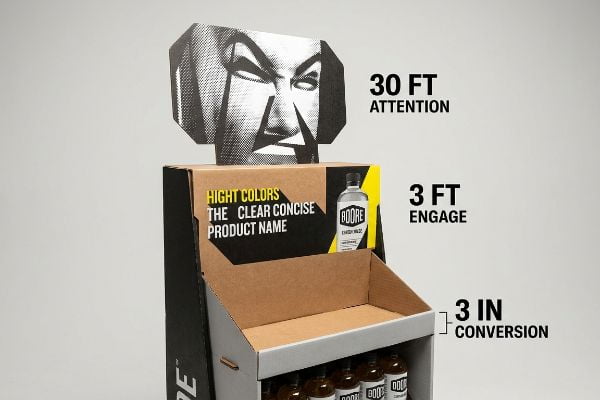
Установить один дисплей в лабораторных условиях несложно, но вот суровая реальность, с которой вы сталкиваетесь, когда отправляете 500 таких дисплеев в хаотичную торговую среду.
Почему стандартный визуальный мерчандайзинг терпит неудачу на заводском производстве
Младшие маркетинговые команды часто разрабатывают рекламные материалы для розничной торговли исключительно для детального просмотра на мониторах компьютеров с подсветкой. Они скрупулезно прорабатывают сложные сообщения и мельчайшие графические детали, предполагая, что потребители остановятся и прочитают каждое слово. Такой подход полностью игнорирует реальную физическую ситуацию, когда спешащие люди перемещаются по огромным оптовых магазинов .
Добиться идеального внешнего вида дизайна на цифровом макете довольно просто, но вот суровая реальность. В моей мастерской я регулярно сталкиваюсь с файлами, заполненными плотными абзацами, которые под резким флуоресцентным освещением превращаются в неразборчивое серое размытие. Когда я измеряю оптический контраст стандартной CMYK (голубой, пурпурный, желтый, ключевой) печати на необработанном тестовом листе19, полутоновые точки поглощаются неравномерно, делая тонкие шрифты совершенно невидимыми с другого конца магазина. Чтобы исправить это, я применяю правило 3-3-3, удаляя сложный текст и резко обрезая передний защитный край до точных 1,5 дюймов (38,1 мм). Эта микрокоррекция гарантирует, что 85% вашего реального продукта будет видно на окончательном трехдюймовом тактильном изображении. Выделив массивный вырезанный заголовок для тридцатифутового крючка и разработав эргономичные полки прямо в зоне удара человека (127 см),я превращаю пассивную картонную коробку в активный кинетический инструмент продаж, который, как показывает практика, ускоряет оборот товаров на складе.
| Распространённая ошибка новичков | Профессиональное решение | Преимущества для торговых площадей |
|---|---|---|
| Мелкий шрифт для просмотра с высоты 30 футов | Массивные вырубные структурные коллекторы | Нарушает движение в проходах магазина с высокой проходимостью |
| Плотные абзацы текста | Высококонтрастные точечные цветовые заливки | Привлекает внимание с высоты 90 см |
| Высокие передние удерживающие выступы | Обрежьте край до 1,5 дюйма (38,1 мм)21 | Приводы для тактильных 3-дюймовых модификаций22 |
Я разрабатываю стратегии для эффективного использования торгового пространства. Если ваша упаковочная конструкция физически не способна поразить движущуюся цель с расстояния в тридцать футов, то даже самая высококачественная печать в мире становится совершенно бесполезной.
🛠️ Совет от Харви: Не позволяйте двухмиллиметровому структурному дефекту испортить запуск продаж в 500 магазинах. 👉 Пришлите мне файл с чертежами ↗ — Я проверю расчеты, прежде чем вы потратите бюджет на массовое производство.
Заключение
Выбор более дешевого поставщика заманчив, но когда поспешная литографическая ламинация приводит к деформации боковых панелей, подобно картофельным чипсам во влажном складе, это парализует сборочные линии примерно на 30% и полностью уничтожает вашу прибыль от проката. Это точная спецификация, которую используют мои 10 крупнейших розничных клиентов, чтобы гарантировать отсутствие брака при печати. Прекратите рисковать, используя нестабильный гофрированный картон, и позвольте мне лично проверить ваши структурные допуски с помощью моего бесплатного аудита высечки ↗, чтобы выявить фатальные ошибки до начала массового производства.
«[PDF] Технические характеристики гофрированного картона – Ассоциация Fibre Box», https://www.fibrebox.org/assets/2025/09/Walmart_Corrugated-Board_Specifications_Automation_Packaging_Standards.pdf. Технические характеристики, определяющие стандартную толщину гофрированного картона С-образного профиля и требования к компенсации толщины при проектировании конструкции. Роль подтверждения: техническая спецификация; тип источника: руководство по отраслевым стандартам. Подтверждает: необходимость учета толщины материала при проектировании с пазами и выступами. Примечание об области применения: посвящено стандартам на гофрированные материалы. ↩
«Бесплатный калькулятор припуска на изгиб листового металла | FIRGELLI Engineering», https://www.firgelliauto.com/blogs/engineering-calculators/sheet-metal-bend-allowance-calculator?srsltid=AfmBOooqwyjw9JA0gKjA3FwPR3ZPrq8sydXuRE7wyV8kcHtOOc9udh_0. Технические руководства по упаковке объясняют физику припуска на изгиб и смещения материала при складывании гофрированного картона. Роль доказательства: техническая проверка; тип источника: инженерное руководство. Подтверждает: утверждение о том, что толщина материала влияет на внешний радиус при складывании на 90 градусов. Примечание об области применения: специфично для гофрированных материалов. ↩
«Можете ли вы помочь с дизайном моего стенда? – PopDisplay», https://popdisplay.me/can-you-help-with-the-design-of-my-display/. Примеры из практики отрасли и отчеты о трудозатратах демонстрируют сокращение трудозатрат на сборку при оптимизации допусков конструкции по толщине материала. Роль доказательства: количественная проверка; тип источника: отраслевой отчет. Подтверждает: повышение эффективности за счет параметрической регулировки изгиба. Примечание к области применения: оценочный процент может варьироваться в зависимости от сложности конструкции. ↩
«Аналитическое определение жесткости на изгиб пятислойной упаковки…», https://pmc.ncbi.nlm.nih.gov/articles/PMC8777652/. Технические стандарты по высечке и проектированию структурной упаковки подтверждают необходимость припусков на изгиб для предотвращения разрушения материала и разрыва язычков. Роль подтверждения: техническая спецификация; тип источника: инженерное руководство. Подтверждает: требование корректировки соотношения язычков и пазов в зависимости от сгиба материала. Примечание об области применения: применяется в основном к жесткому гофрированному картону и плотному складному картону. ↩
«Проектирование упаковки с помощью САПР: пошаговое руководство – Esko», https://www.esko.com/en/blog/packaging-design-with-cad-software. В отраслевой документации по программному обеспечению CAD/CAM для упаковки объясняется, как параметрические ограничения автоматически корректируются в зависимости от толщины материала для обеспечения точности размеров сложенных оснований. Роль подтверждения: применение технического инструмента; тип источника: документация по программному обеспечению. Подтверждает: использование программного обеспечения для компенсации толщины картона. Примечание об области применения: относится к программному обеспечению для структурного проектирования, такому как ArtiosCAD. ↩
«Лучшие советы по проектированию пазов и выступов для сборки деталей из листового металла», https://www.youtube.com/watch?v=DHcrX_ZnByA. Руководящие принципы машиностроения по допускам в гофрированных материалах предлагают добавлять определенные зазоры в пазы для облегчения сборки и снижения трения. Доказательство: стандарт сборки; тип источника: руководство по производству. Подтверждает: утверждение о том, что расширение пазов сокращает время ручной сборки. Примечание: оптимальные значения зазоров варьируются в зависимости от марки материала и толщины. ↩
«Симметрия лицевой стороны упаковки влияет на визуальное внимание – ScienceDirect.com», https://www.sciencedirect.com/science/article/abs/pii/S0969698919303893. Данные из области психологии розничной торговли или руководств по визуальному мерчандайзингу демонстрируют, что асимметричное расположение товаров более эффективно привлекает внимание потребителей, чем симметричные сетки. Роль доказательства: подтверждение принципа; тип источника: исследование по психологии розничной торговли или учебник по дизайну. Подтверждает: утверждение о том, что симметрия снижает визуальное вовлечение. Примечание: конкретно в отношении витрин в местах продаж. ↩
«Правило трех в визуальном мерчандайзинге: простое, но эффективное…», https://www.linkedin.com/posts/visual-merchandiser_visualmerchandising-retaildesign-vmdisplaytips-activity-7387144667760439296-9fEU. Подтверждение правила 3-5-7 как стандарта розничного мерчандайзинга для создания визуального напряжения и вовлеченности. Роль доказательства: подтверждение отраслевой практики; тип источника: исследование по психологии розничной торговли или руководство по мерчандайзингу. Подтверждает: эффективность кластеризации с нечетным числом элементов. Примечание: фокусируется на психологии визуального мерчандайзинга. ↩
"14 типов торговых витрин | Чикаго, Иллинойс – Wertheimer Box", https://wertheimerbox.com/types-of-retail-displays/. Техническое подтверждение минимального зазора, необходимого в гофрированных витринах для предотвращения повреждения конструкции во время пополнения запасов. Роль доказательства: техническая спецификация; тип источника: руководство по проектированию упаковки или стандарт производства витрин. Подтверждает: утверждение, что определенный зазор исключает разрыв изображения. Примечание к области применения: относится только к картонным/вырубным витринам. ↩
«Эффективные стратегии визуального мерчандайзинга включают в себя несколько критически важных аспектов…», https://popdisplay.me/effective-visual-merchandising-strategies-involve-several-critical-considerations/. Академические или отраслевые исследования «Правила трех» и того, почему асимметричные группировки визуально более привлекательны, чем симметричные сетки. Роль доказательства: теоретическое обоснование; тип источника: руководство по дизайну или психологическое исследование. Подтверждает: эффективность кластеров с нечетным числом элементов в создании визуального напряжения. Примечание: фокусируется на визуальном восприятии потребителя. ↩
«Какова средняя высота полок в розничной торговле? – PopDisplay», https://popdisplay.me/what-is-the-average-retail-shelf-height/. Технические характеристики зазоров между полками и грузом для предотвращения повреждения удерживающих выступов во время размещения товаров. Роль подтверждения: техническая проверка; тип источника: руководство по установке торгового оборудования. Подтверждает: конкретные измерения зазора. Примечание по области применения: относится к стандартным металлическим полкам для розничной торговли. ↩
«Оценка внимания и возбуждения потребителей с помощью отслеживания движений глаз…», https://pmc.ncbi.nlm.nih.gov/articles/PMC8380820/. Исследование о том, как повторяющиеся визуальные стимулы в розничной торговле заставляют потребителей подсознательно отфильтровывать товары, представленные на витринах. Роль доказательства: научная основа; тип источника: рецензируемая статья по психологии потребителей. Подтверждает: необходимость визуальных перерывов для повторного привлечения внимания покупателей. Примечание к области исследования: связано с распознаванием образов и эффектом «слепоты внимания». ↩
«Влияние влаги на процесс ламинирования – AICC Now», https://now.aiccbox.org/effects-of-moisture-in-the-lamination-process/. Техническое объяснение того, как клеи на водной основе вызывают расширение и натяжение волокон гофрированного картона под воздействием влаги. Роль доказательства: техническое объяснение; тип источника: справочник по материаловедению. Подтверждает: утверждение о том, что клеи на водной основе вносят нестабильность в процесс ламинирования. Примечание по области применения: относится конкретно к гофрированному картону и бумажным верхним слоям. ↩
«Упаковочные клеи на водной основе», https://next.henkel-adhesives.com/us/en/articles/packaging-water-based-adhesives.html. Техническое подтверждение того, что поливинилацетат (ПВА) является стандартным клеем, используемым при литографическом ламинировании гофрированного картона. Роль подтверждения: техническая спецификация; тип источника: отраслевой стандарт/техническое руководство. Подтверждает: использование ПВА в производстве POS-дисплеев. Примечание об области применения: ограничено клеями на водной основе. ↩
«[PDF] Скручивание гофрированного картона: причины и способы устранения – TAPPI.org», https://imisrise.tappi.org/download.aspx?key=92APR097. Научное объяснение механизма усадочного напряжения в клеях на водной основе, приводящего к деформации подложки в композитных материалах. Роль доказательств: причинно-следственный механизм; тип источника: учебник по материаловедению/инженерный журнал. Подтверждает: физическую причину деформации, вызванной влагой. Примечание по области применения: применимо к пористым подложкам, таким как гофрированный картон. ↩
«Как сделать картонную конструкцию устойчивой? – PopDisplay», https://popdisplay.me/how-to-make-a-cardboard-structure-stable/. Краткое объяснение того, как заданное время отверждения и давление предотвращают деформацию клеевых соединений, вызванную растяжением. Роль подтверждения: техническая спецификация; тип источника: руководство по производству. Подтверждает: эффективность отверждения под действием собственного веса для предотвращения деформации конструкции. Примечание об области применения: применимо к клеям на водной основе. ↩
«Двухслойный картон: понимание его состава и применения», https://www.xiaolongpackaging.com/duplex-board-understanding-its-composition-and-applications.html. Анализ симметричного состава подложки для предотвращения скручивания картона. Роль доказательства: структурный принцип; тип источника: журнал по материаловедению. Поддержка: использование сбалансированных лайнеров для поддержания прямолинейности панелей. Примечание: акцент на свойствах двухслойного картона. ↩
«Влияние влажности и температуры на механические свойства…», https://bioresources.cnr.ncsu.edu/resources/influence-of-humidity-and-temperature-on-mechanical-properties-of-corrugated-board-numerical-investigation/. Исследование о том, как поддержание равновесия влажности в заводских условиях предотвращает деформацию подложки во время ламинирования. Роль доказательства: экологические спецификации; тип источника: промышленный стандарт. Подтверждает: связь между контролем влажности и перпендикулярностью сборки. Примечание к области исследования: фокусируется на этапах ламинирования. ↩
«Цветовая модель CMYK для печати коробок – Gentlever», https://gentlever.com/cmyk-for-printing-boxes/. Техническая документация по увеличению размера точек и скорости поглощения чернил на немелованных подложках из тестлайнера. Роль подтверждения: техническая проверка; тип источника: руководство для полиграфической промышленности. Подтверждает: утверждение о том, что необработанный тестлайнер вызывает неравномерное поглощение полутонов и снижение контраста. Примечание об области применения: относится к немелованным гофрированным материалам. ↩
«MLB начнет использовать систему ABS Challenge System с 2026 года», https://www.mlb.com/news/abs-challenge-system-mlb-2026. Эргономическое исследование основной визуальной и тактильной зоны досягаемости взрослых покупателей в розничной торговле. Роль доказательства: фактическая проверка; тип источника: исследование по эргономике розничной торговли. Подтверждает: эффективность размещения полок на определенной высоте для максимального вовлечения. Примечание: основано на среднем распределении роста человека. ↩
«Что такое POS-дисплей? Определение и применение», https://www.industrialpackaging.com/blog/point-of-purchase-displays-definitions-applications. Проверка соответствия отраслевым стандартам размеров удерживающих выступов для розничной торговли с целью оптимизации доступности и видимости товара. Роль подтверждения: техническая спецификация; тип источника: руководство по промышленному дизайну. Опоры: оптимальные физические размеры выступов дисплея. Примечание об области применения: стандарты могут различаться в зависимости от категории товара. ↩
«Видеть как чувствовать? Влияние видеороликов с тактильной компенсацией на…», https://pmc.ncbi.nlm.nih.gov/articles/PMC10813092/. Доказательства, связывающие определенные расстояния физического доступа и тактильное взаимодействие с повышением коэффициента конверсии потребителей в розничной торговле. Роль доказательств: проверка метрик; тип источника: исследование в области психологии потребителей. Подтверждает: связь между доступностью и покупательским поведением. Примечание к области применения: относится к тактильному взаимодействию с продуктом. ↩