Разработка безопасной и соответствующей нормативным требованиям упаковки для детских товаров для глобальной розничной торговли — это не просто симпатичный дизайн; она требует тщательной структурной проработки, чтобы выдержать суровые условия цепочек поставок.
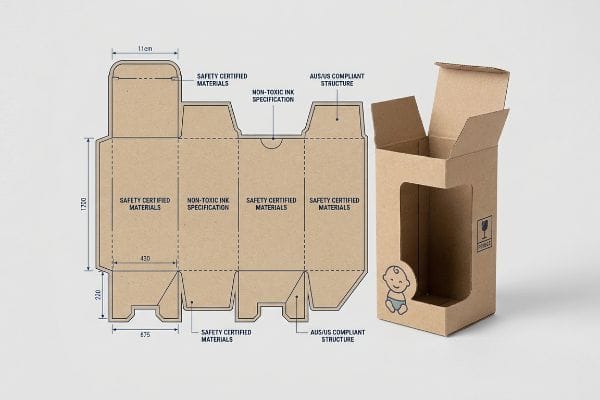
Разработка соответствующей требованиям упаковки для детских товаров требует строгого соблюдения международных законов о безопасности материалов, стандартов структурной целостности и правил использования нетоксичных чернил. Оптимизированная на глобальном уровне конструкция гарантирует, что ваши коробки для розничной торговли выдержат транспортировку за границу, пройдут строгие проверки розничных продавцов и надежно защитят детские товары внутри коробки.
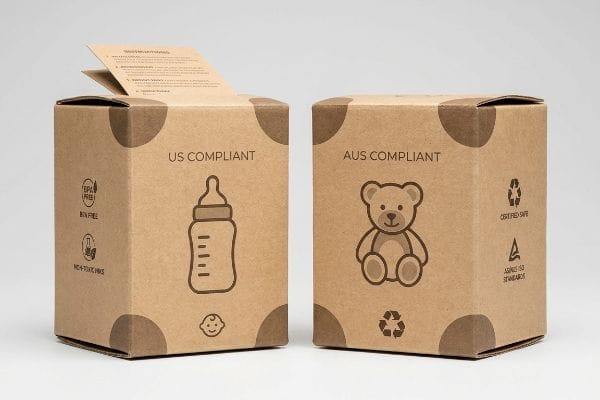
Одобрить дизайн на экране компьютера легко, но обеспечить его соответствие законодательству и физическую целостность на двух континентах — вот где начинается настоящая инженерная работа.
Каковы требования к маркировке упаковки в Австралии?
В Австралии этикетка на упаковке должна не только отображать штрихкод; она должна выдерживать трение при транспортировке, не подвергая младенцев воздействию вредных химических веществ, отслаивающихся при транспортировке.
Требования к маркировке упаковки предусматривают четкую идентификацию продукта, предупреждения об опасности и подтверждаемые сертификаты безопасности. Международные регулирующие органы требуют, чтобы на упаковках детских товаров использовались нетоксичные чернила на основе сои и лаки на водной основе, соответствующие требованиям CPSIA (Закона о повышении безопасности потребительских товаров), чтобы предотвратить случайное проглатывание химических веществ младенцами.
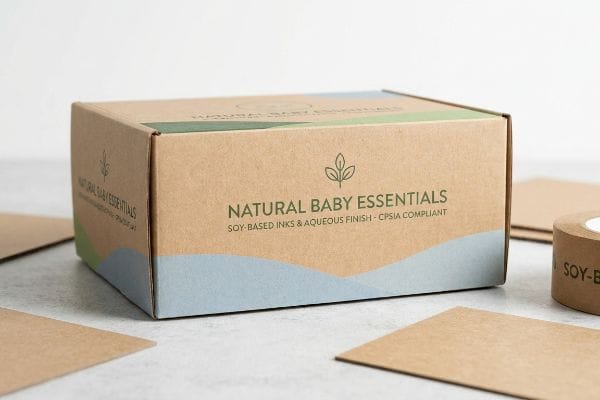
Многие бренд-менеджеры считают, что любой стандартный коммерческий принтер справится с печатью детской упаковки, но это предположение быстро рушится на заводском производстве.
Разработка этикеток, безопасных для детей, для глобальных розничных продавцов
Даже опытные отделы закупок часто исходят из предположения, что стандартные глянцевые УФ-покрытия и коммерческие чернила на нефтяной основе универсально подходят для всех потребительских товаров. Они полностью сосредотачиваются на достижении ярких цветов на чертеже, отправляя в типографию стандартные файлы CMYK (голубой, пурпурный, желтый, черный/ключевой) и считая химический состав чернил второстепенной деталью.
Я регулярно сталкиваюсь с файлами макетов, где дизайнеры указывают на необходимость нанесения толстого слоя УФ-лака поверх штрихкода и текста с предупреждениями. Когда эти коробки упаковываются во влажный 40-футовый контейнер, стандартные жесткие УФ-покрытия могут трескаться по линиям сгиба. Я слышу характерный, хрупкий треск лака, когда моя команда сгибает клапаны на сборочной линии. Эти микроскопические частицы лака на нефтяной основе могут легко отслаиваться и попадать в детскую кроватку, создавая серьезную опасность для здоровья. Я немедленно удаляю эти жесткие лаки и внедряю строгий протокол использования чернил на соевой основе с мягким на ощупь водным покрытием. Эта простая химическая замена устраняет отслаивание, обеспечивая соответствие бренда законодательству и предотвращая катастрофические отзывы продукции со стороны клиентов.
| Распространённая ошибка новичков | Профессиональное решение | Преимущества для торговых площадей |
|---|---|---|
| Использование прочных УФ-покрытий на основе нефти. | Применение гибких водорастворимых лакокрасочных материалов. | Предотвращает отслаивание химических веществ на полке. |
| Игнорирование сертификатов безопасности чернил. | Введение обязательного использования чернил на основе сои, соответствующих требованиям CPSIA. | Устраняет риски, связанные с отзывом продукции в соответствии с нормативными требованиями. |
| Нанесение глянцевого покрытия на зоны штрихкода. | Сохранение матового покрытия и отсутствия покрытия в зонах сканирования. | Обеспечивает быструю и безошибочную обработку заказов в розничной торговле. |
Я не позволю, чтобы выбор дешевых чернил привел к многомиллионному отзыву продукции. Переход на чернила на водной основе гарантирует полную безопасность ваших коробок для младенцев и гарантирует прохождение самых строгих проверок безопасности.
🛠️ За столом Харви: Не уверены, использует ли ваш принтер покрытия на основе тяжелых металлов или нефти для детских товаров? 👉 Запросить аудит материалов ↗ — Прямой доступ ко мне. Никакого автоматического спама с рекламой, обещаю.
Каковы 7 основных этапов разработки дизайна упаковки?
Понимание семи основных этапов проектирования упаковки позволяет предотвратить дорогостоящие структурные повреждения еще до того, как будет вырезан первый лист гофрированного картона.
Семь основных этапов проектирования упаковки включают определение размеров продукта, выбор защитных материалов, разработку структурной вырубки, нанесение графического изображения, проведение предсерийного прототипирования, прохождение испытаний на транспортировку и выполнение окончательного этапа массового производства. Пропуск этапа структурного прототипирования неизбежно приводит к несовпадению графических элементов и катастрофическим сбоям в сборке.
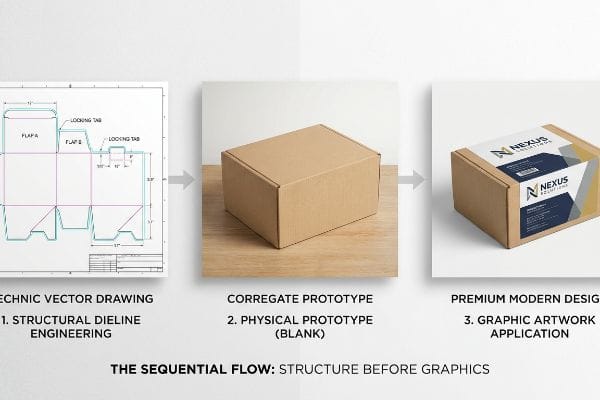
Знать последовательность действий — это одно, но менять порядок этих шагов на обратный — это самый быстрый способ истощить свой маркетинговый бюджет.
Почему графический дизайн никогда не должен предшествовать строительной инженерии
Директора по маркетингу часто пытаются ускорить запуск продукта, поручая своим креативным агентствам сначала разработать красивые графические элементы, используя стандартный шаблон коробки, скачанный из интернета. Они предполагают, что фабрика сможет просто уменьшить или увеличить это плоское изображение, чтобы оно соответствовалоболее позднем этапе процесса.
Я постоянно наблюдаю, как такой обратный рабочий процесс вызывает огромные проблемы, замедляя сборочную линию примерно на 30%,когда физический продукт фактически не соответствует стандартному шаблону. В прошлом месяце клиент прислал мне готовый макет коробки для детского монитора, но когда я пропустил необработанный листовой материал через станок с ЧПУ (компьютерным числовым управлением), громкий вакуумный поток показал, что критически важные линии сгиба проходят прямо через текст предупреждения о безопасности. Мне пришлось полностью переделать стандартизированную выкройку в Adobe Illustrator и заставить их агентство изменить размер каждого графического элемента. Получение физического, компенсированного калибром шаблона в первую очередь исключает эту переделку, значительно сокращая задержки на этапе подготовки к производству.
| Распространённая ошибка новичков | Профессиональное решение | Преимущества для торговых площадей |
|---|---|---|
| Разработка графических материалов на основе стандартных шаблонов. | Разработка чертежей для САПР (системы автоматизированного проектирования) на заказ3. | Предотвращает загибание текста за края. |
| Толщина гофрированного материала не учитывается. | Применение компенсации штангенциркуля к пазам4. | Гарантирует сборку коробки без трения. |
| Пропускаем этап физического прототипирования. | Нарезка 24-часового чистого белого образца5. | Проверяет соответствие размеров перед массовой печатью. |
Я всегда создаю готовый структурный PDF-файл, прежде чем приступать к планированию. Предварительное согласование физических расчетов защищает ваши инвестиции в графику и гарантирует, что конструкция действительно будет функционировать в реальных условиях.
🛠️ Рабочий стол Харви: Вашим графическим дизайнерам сложно разместить свои изображения на сложной структуре с переплетающимися клапанами? 👉 Получите индивидуальный шаблон высечки ↗ — Скачайте безопасно. Мой почтовый ящик открыт, если у вас возникнут вопросы позже.
Какой австралийский закон регулирует то, что австралийские предприятия могут размещать на своей упаковке?
Знание правовой базы правил упаковки гарантирует, что ваши детские товары не будут конфискованы на таможне за содержание запрещенных химических веществ.
Закон Австралии о защите прав потребителей регулирует то, что австралийские предприятия могут печатать на упаковке, обеспечивая соблюдение строгих стандартов безопасности и требований к достоверности маркировки. Кроме того, глобальные стандарты розничной торговли теперь строго запрещают токсичные соединения, требуя использования покрытий на водной основе без ПФАС, чтобы гарантировать соответствие материалов законодательству и их структурную безопасность для младенцев.
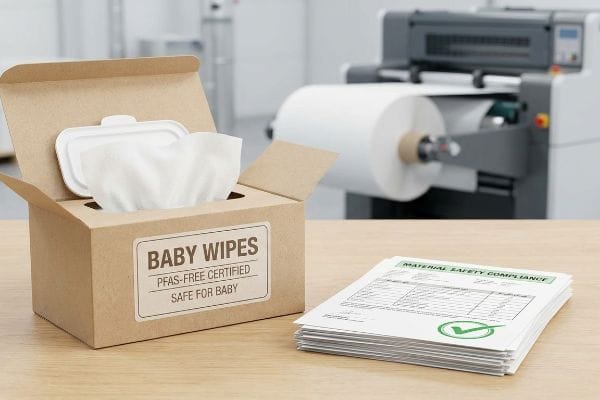
Нарушить эти материальные законы невероятно легко, если слепо доверять типовой технической документации на материалы от дешевого поставщика.
Скрытая ловушка для ПФАС в упаковке детских товаров
Покупатели часто предполагают, что, если они прямо не запрашивают токсичные химикаты, их поставщик картона, естественно, предоставит чистые, соответствующие требованиям материалы. Они часто заказывают влагостойкие покрытия для детских смесей или салфеток, не проверяя химический состав жиронепроницаемых барьеров, применяемых на бумажнойфабрике⁶.
Представьте себе, что вы покупаете органические продукты, но моете их в загрязненной воде. Я регулярно проверяю партии поступающих материалов и обнаруживаю, что дешевые влагозащитные покрытия в значительной степени основаны на ПФАС (пер- и полифторалкильных веществах). Когда я провожу большим пальцем по этим некачественным материалам, они имеют отчетливо неестественную, скользкую пластиковую текстуру. Если австралийский или американский таможенный агент обнаружит этот химический след, вся ваша партия будет отклонена и уничтожена⁷,что полностью уничтожит прибыль проекта. Я исключаю этот риск, вводя строгий запрет на использование ПФАС на заводе, используя натуральные водные барьерные покрытия, которые обеспечивают точно такую же влагостойкость⁸, гарантируя при этом абсолютную законность таможенного оформления.
| Распространённая ошибка новичков | Профессиональное решение | Преимущества для торговых площадей |
|---|---|---|
| Слепое доверие к дешевым влагоотводящим покрытиям. | Внедрение строгого требования об отсутствии ПФАС. | Предотвращает дорогостоящие отказы на таможне. |
| Использование непроверенных поставщиков сырья. | Обязательное предоставление данных о результатах испытаний сертифицированных поставщиков. | Обеспечивает сохранение безупречной репутации бренда. |
| Не принимая во внимание химический состав лаков. | Использование барьерных покрытий на водной основе. | Обеспечивает безопасное обращение с продуктом для потребителей. |
Я защищаю своих клиентов, тщательно проверяя химический состав каждого рулона бумаги, поступающего на мое предприятие. Только опережая нормативные требования, вы обеспечите безопасность своей международной цепочки поставок.
🛠️ Вопрос от Харви: Предоставил ли ваш нынешний поставщик документальное подтверждение того, что его влагозащитные барьеры полностью не содержат ПФАС? 👉 Запросить проверку на соответствие требованиям ↗ — Никаких форм, которые приводят к бесконечным звонкам от отдела продаж. Только чистая выгода.
Что представляют собой 4 «С» упаковки?
Основные 4 принципа упаковки определяют, насколько хорошо коробка будет выполнять свои функции, но заводское исполнение часто выявляет критические недостатки в теоретическом проекте.
Четыре принципа упаковки (4 C) означают: хранение, удобство, коммуникация и сохранение. Эти основные принципы диктуют, что структурная коробка должна надежно удерживать физический продукт, обеспечивать легкий доступ для потребителя, четко отображать сообщение бренда и использовать экологически чистые материалы для минимизации воздействия на окружающую среду в глобальных цепочках поставок розничной торговли.
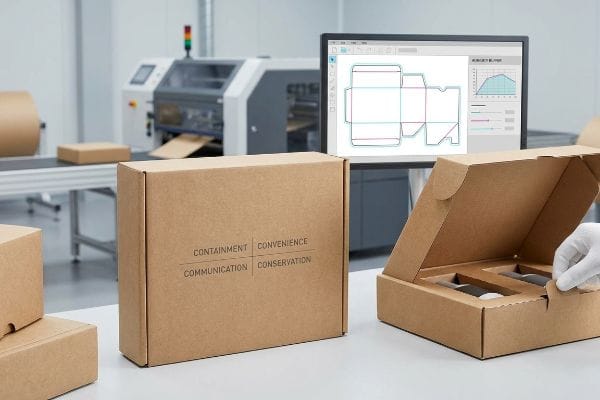
Но знания теории недостаточно, когда начинают работать механизмы, и законы физики окружающей среды активно противодействуют вашей тщательно разработанной стратегии сдерживания.
Почему стандартные меры по локализации неэффективны на заводском производстве
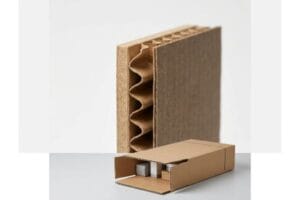
Инженеры-конструкторы в офисах с кондиционированием воздуха обычно устанавливают допуски на пазы в соответствии с абсолютными значениями диаметра сухого штангенциркуля 9 гофрированного картона . Они исходят из предположения, что если гофра B толщиной 3,17 мм (0,12 дюйма) идеально подходит к пазу 3,17 мм (0,12 дюйма) в программном обеспечении для расчета конструкций, то в реальных условиях готовое изделие будет собрано безупречно.
На моем предприятии я регулярно наблюдаю, как предположение о сухом климате приводит к хаотичному микротрению во время массовой совместной упаковки. Когда гофрированные плоские упаковки хранятся в условиях высокой влажности, пористый тестовый слой впитывает влагу из окружающей среды и физически набухает¹¹.Когда сборочная бригада пытается силой вставить набухший фиксирующий язычок в узкий паз, я буквально чувствую сильное сопротивление первичного крафт-картона, прежде чем он резко сминает и рвет верхний слой. Внедряя автоматический буфер влажности в наше программное обеспечение для допечатной подготовки, я добавляю ровно 1,0 мм (0,04 дюйма) дополнительного зазора во все приемные пазы. Это математически учитывает расширение бумаги, обеспечивая сокращение времени сборки совместной упаковки примерно на 20 секунд на единицу продукции, что значительно экономит на оплате труда.
| Распространённая ошибка новичков | Профессиональное решение | Преимущества для торговых площадей |
|---|---|---|
| Разработка пазов для идеально сухой доски. | Разработка расчетного буфера влажности12. | Устраняет деформацию канавок во время сборки. |
| Не учитывая влажность воздуха в складском помещении. | Учет разбухания бумаги при изготовлении папок для резки13. | Предотвращает досадные ситуации, связанные с демонтажем оборудования, для сотрудников розничной торговли. |
| Насильно затягивая защелки на упаковочной линии. | Использование расширенных допусков на зазоры14. | Ускоряет физические операции по упаковке продукции. |
Я никогда не доверяю теоретической физике программного обеспечения, не учитывая биологические реалии, связанные с бумагой. Встраивание динамических допусков окружающей среды в файл для резки гарантирует, что ваша упаковка действительно будет функционировать так, как было задумано.
🛠️ Вопрос от Харви: Знаете ли вы точное содержание влаги в гофрированном картоне вашего нынешнего поставщика перед литографическим ламинированием? 👉 Пришлите мне файл с чертежом высечки ↗ — Я проверю расчеты, прежде чем вы потратите бюджет на массовое производство.
Заключение
Вы можете выбрать поставщика, который игнорирует допуски по условиям окружающей среды, но когда этот картон разбухает во влажном контейнере, вызывая сильное трение при сборке и замедляя вашу линию упаковки примерно на 30%, это полностью уничтожает прибыль от вашего проекта. Более 500 бренд-менеджеров используют мой контрольный список для допечатной подготовки, чтобы избежать именно этих фатальных ошибок на ранних этапах. Перестаньте гадать о расчетах конструкции и позвольте мне лично проверить ваши чертежи с помощью моего бесплатного аудита высечки ↗, чтобы выявить дорогостоящие производственные ошибки до начала производства.
«10 ошибок, которых следует избегать (+ ШАБЛОНЫ ВЫСЕЧКИ) – CarePac», https://www.carepac.com/blog/10-mistakes-to-avoid-packaging-dielines/?srsltid=AfmBOopN2BS_EZgmwTRG8o0Nel_MeKTckcgpgAX-f2qMLBekmcPgI2_e. [Отраслевые стандарты производства упаковки указывают, что масштабирование изображения под выемку приводит к искажению и смещению при сгибе]. Роль доказательства: техническое противоречие; тип источника: руководство по упаковке. Подтверждает: Несоответствие масштабирования изображения структурному проектированию. Примечание об области применения: Применимо к картонным коробкам с точной выемкой. ↩
«Как избежать 5 смертельных ошибок при проектировании упаковочных линий «под ключ»…», https://www.zarpac.com/avoiding-the-5-deadly-mistakes-of-turnkey-packaging-line-integration/. [Отраслевые стандарты бережливого производства и эффективности упаковки предоставляют данные о потерях производительности, связанных с переделками и несоответствием упаковки]. Роль доказательства: количественная проверка; тип источника: отраслевой отчет. Подтверждает: потери эффективности, вызванные неэффективным процессом упаковки. Примечание: фактические процентные показатели могут варьироваться в зависимости от уровня автоматизации. ↩
«Вырубка упаковки — подробное руководство», https://tycoonpackaging.com/packaging-dieline/?srsltid=AfmBOorJF3D_k6tZ7gBnMyUzpRoeC7Y2qVOOLoiXB1e95emDFJR4ZWWd. [В авторитетных руководствах по проектированию указано, что изготовленные на заказ вырубки CAD обеспечивают структурную целостность и точное графическое выравнивание по сравнению с типовыми шаблонами]. Роль подтверждения: проверка процесса; тип источника: отраслевой стандарт. Поддерживает: приоритет структурного проектирования над графическим дизайном. Примечание об области применения: применимо к профессиональным процессам упаковки. ↩
«Идея управления толщиной паза – Документ 360», https://paper360.tappi.org/2022/08/12/the-thought-behind-managing-caliper/. [В руководстве по проектированию упаковки было бы объяснено, как регулировка ширины пазов в зависимости от толщины материала предотвращает заедание и трение во время сборки]. Роль доказательства: Техническая проверка; тип источника: Инженерное руководство. Подтверждает: Необходимость регулировки пазов в зависимости от материала. Примечание об области применения: Специфично для гофрированного картона. ↩
«[PDF] Виртуальный дизайн упаковки и прототипирование», https://www.canr.msu.edu/uploads/292/40210/Virtual_Packaging_Design_and_Prototyping_Topic_Description.pdf. [В документе, описывающем передовые методы производства, говорится об использовании непечатаемых «белых образцов» для проверки физической посадки и структурной целостности перед массовым производством]. Роль доказательства: процедурное подтверждение; тип источника: руководство по производству. Подтверждает: роль прототипирования в предотвращении ошибок печати. Примечание к области применения: фокусируется на допечатной подготовке образцов. ↩
«Поэтапный вывод из оборота жиронепроницаемых веществ, содержащих ПФАС», https://www.fda.gov/food/process-contaminants-food/market-phase-out-grease-proofing-substances-containing-pfas. [Технический источник, касающийся производства, подробно описывает использование фторированных соединений или других химических веществ в жиронепроницаемых барьерах при производстве картона]. Роль доказательства: техническая спецификация; тип источника: отраслевой отчет или химический анализ. Подтверждает: выявление потенциальных источников химического загрязнения в упаковке. Примечание об области применения: относится конкретно к процессам переработки бумаги на целлюлозно-бумажных комбинатах. ↩
«Изъятие на сумму 200 000 долларов — неприятное напоминание для импортеров», https://www.abf.gov.au/newsroom-subsite/Pages/seizure-reminder-importers-30-08-2021.aspx. [Протоколы государственного пограничного агентства предусматривают изъятие и уничтожение грузов, содержащих запрещенные химические вещества, для обеспечения общественной безопасности]. Роль доказательства: юридическая проверка; тип источника: государственное регулирование. Поддержка: риски таможенного контроля. Примечание об области применения: зависит от конкретных пороговых значений содержания химических веществ. ↩
«Покрытия без ПФАС: проблемы и решения – Biolin Scientific», https://www.biolinscientific.com/blog/development-of-pfas-free-coatings. [Сравнительные исследования в области устойчивой упаковки анализируют скорость пропускания водяного пара водными барьерами без ПФАС по сравнению с фторированными аналогами]. Роль доказательства: техническая проверка; тип источника: научная статья. Поддержка: функциональное сходство альтернатив. Примечание об области применения: специфично для определенных типов материалов. ↩
«Полное руководство по гофрированным коробкам – Shorr Packaging», https://www.shorr.com/resources/blog/ultimate-guide-corrugated-boxes/. [В руководствах по проектированию упаковки указано использование измерений сухим штангенциркулем для установления базовых допусков в программном обеспечении для структурного проектирования]. Роль подтверждения: отраслевая практика; тип источника: техническое руководство. Подтверждает: стандартную методологию теоретического проектирования вырубных форм. Примечание об объеме: фокусируется на предположениях на этапе проектирования. ↩
«Гофрированные листы – база знаний Pkg», http://pkgsolutions.co.uk/kb/Corrugated_Flutes.php. [Отраслевые стандарты таких организаций, как TAPPI или FEFCO, определяют номинальную толщину и диаметр гофрированного картона B-типа]. Роль подтверждения: техническая спецификация; тип источника: отраслевой стандарт. Подтверждает: конкретные измерения материала B-типа. Примечание об области применения: фактический диаметр может незначительно отличаться в зависимости от производителя. ↩
«Влияние влажности и температуры на механические свойства…», https://bioresources.cnr.ncsu.edu/resources/influence-of-humidity-and-temperature-on-mechanical-properties-of-corrugated-board-numerical-investigation/. [Техническая документация по гигроскопическим свойствам гофрированных материалов на основе целлюлозы подтвердит расширение размеров тестлайнеров в условиях высокой влажности]. Роль доказательства: Техническая проверка; тип источника: Справочник по материаловедению или стандарт упаковочной промышленности. Подтверждает: Причинно-следственную связь между поглощением влаги и структурным набуханием. Примечание об области применения: Применимо к гофрированному картону без покрытия. ↩
«[PDF] Влияние относительной влажности на сжатие… – Clemson OPEN», https://open.clemson.edu/context/all_theses/article/4232/viewcontent/Brown_clemson_0050M_15634.pdf. [Авторитетный источник по проектированию картона объяснил бы, как поглощение влаги влияет на структурную целостность и как буферы предотвращают разрушение гофры]. Роль доказательства: техническая проверка; тип источника: инженерное руководство. Подтверждает: необходимость использования буферов влажности в конструкции гофрированного картона. Примечание об области применения: специфично для упаковки на основе волокон. ↩
«Полное руководство по допускам размеров гофрированных коробок – Upack», https://www.upack.in/blog/post/complete-guide-on-corrugated-box-dimension-tolerance?srsltid=AfmBOoohCpW3iUeN7cqBfZanJUg2Ki4Ns6_8VuJypiPheFPt2-MaA49T. [Технические руководства по высечке и дизайну упаковки указывают процент расширения материала из-за гигроскопических свойств бумаги]. Роль подтверждения: фактическое описание; тип источника: отраслевой стандарт. Подтверждает: требование корректировать файлы для высечки с учетом влажности. Примечание об области применения: зависит от конкретного сорта используемой бумаги. ↩
«Совместная упаковка: полное руководство | Bennett | Комплексные решения», https://bpkc.com/blogs/blog/co-packing-the-complete-guide. [Исследования в области промышленной инженерии, посвященные эффективности сборочных линий, показывают, что оптимизированные допуски на зазоры снижают трение и ошибки сборки]. Роль доказательства: оптимизация процесса; тип источника: исследование производства. Подтверждает: связь между допусками и скоростью упаковки. Примечание к области применения: фокусируется на ручной и полуавтоматической совместной упаковке. ↩