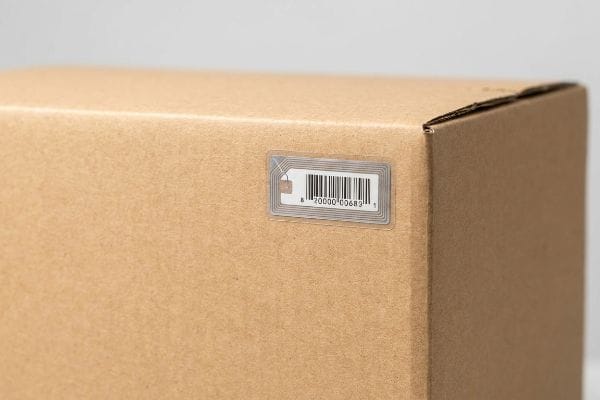
Вы тратите месяцы на разработку идеальной рекламной кампании для розничной торговли, и в итоге вся партия товара отклоняется на погрузочной площадке из-за того, что крошечный логистический трекер не смог отсканировать груз.
Соответствие требованиям Walmart к упаковке с RFID-метками означает интеграцию считываемых меток без структурных помех. Бренды должны размещать сканируемые этикетки по определенным координатам, избегая использования металлизированной фольги или складок. Соблюдение этих строгих требований к цепочке поставок предотвращает дорогостоящие возвраты товаров розничным продавцам и гарантирует бесперебойное отслеживание запасов в глобальной дистрибьюторской сети.
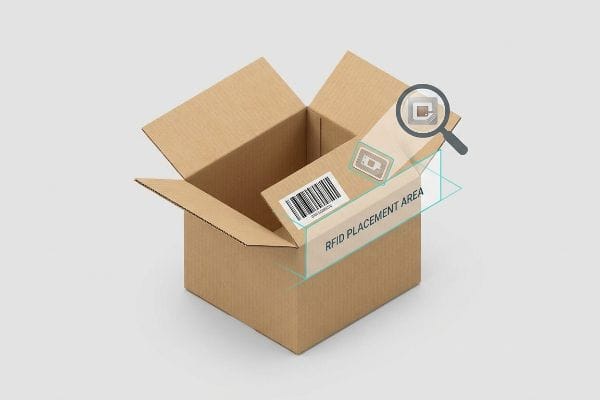
Понимание теории отслеживания цепочки поставок — это только первый шаг. Необходимо воплотить эти цифровые требования в физическую, массово производимую реальность на заводском цехе, не нарушая при этом существующий дизайн или структурную целостность.
Что представляет собой обязательное использование RFID-технологии в магазинах Walmart?
Чтобы разместить свой товар на полках крупных сетевых магазинов, необходимо соблюдать их логистические правила.
Требование Walmart об использовании RFID-технологий — это строгая политика розничной торговли, обязывающая поставщиков внедрять считываемую технологию отслеживания в упаковку определенных товаров. Это вынуждает бренды поддерживать высокоточные данные об уровне запасов, обеспечивая мгновенное сканирование товаров без помех со стороны материальных компонентов, что в конечном итоге снижает количество случаев отсутствия товаров на складе в их обширной складской сети.
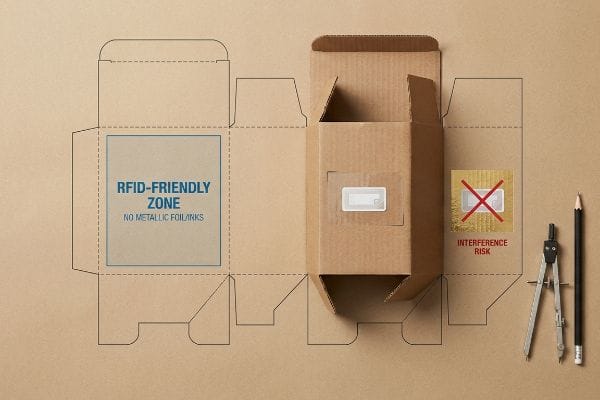
Знать, что вам нужна бирка, — это одно, но точно знать, где её разместить, чтобы она действительно работала в хаотичной обстановке розничной торговли, требует структурного планирования.
Определение зоны, дружественной к RFID-технологиям, для гофрированной упаковки
Даже опытные отделы закупок часто считают, что можно просто прикрепить датчик частоты к любой части коробки после схода с конвейера. Они относятся к этому как к чему-то второстепенному, приклеивая его поверх сплошной графики или рядом с конструктивными стыками, лишь бы отправить товар.
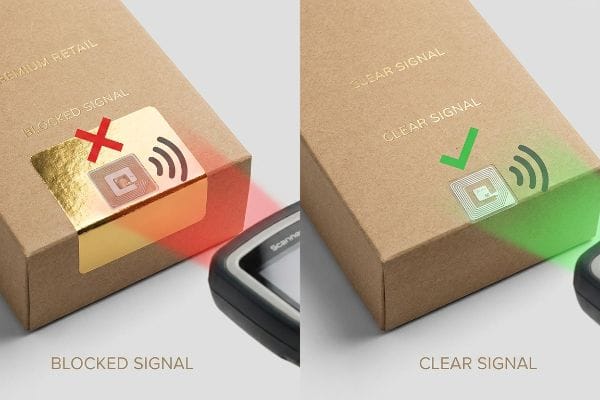
Я постоянно сталкиваюсь с этой ловушкой, когда клиенты пытаются интегрировать современные RFID-метки (радиочастотная идентификация) в премиальные дисплеи товаров повседневного спроса. Они печатают весь заголовок, используя толстые металлизированные чернила или тиснение фольгой, чтобы привлечь внимание покупателя, а затем размещают трекер прямо посередине. Когда я пропускаю эти прототипы через наши внутренние сканеры, я слышу досадную тишину, означающую невозможность считывания. Металл в фольге действует как физический экран¹,полностью блокируя частотную волну. Я наблюдал, как производители упаковки прибегают к металлическому скрежету ногтем, физически отслаивая премиальную фольгу, чтобы найти чистое место для метки.
Для решения этой проблемы я ввожу строгие требования к «зоне, дружественной к RFID» на этапе проектирования в САПР (системе автоматизированного проектирования). Мы выделяем специальную пространственную зону, полностью свободную от металлических помех и чернил на основе фольги. Изолируя эту чистую зону на раннем этапе, я гарантирую, что команда по сборке и упаковке сможет беспрепятственно установить трекеры, что снижает количество ошибок сканирования примерно на 95% и исключает риск неожиданных со стороны розничных продавцов за несоблюдение требований .
| Распространённая ошибка новичков | Профессиональное решение | Преимущества для торговых площадей |
|---|---|---|
| Наклеивание бирок на металлизированную фольгу | Создание чистой зоны, свободной от помех | Гарантирует 100% точность сканирования с первого раза2 |
| Рассматривать теги как нечто второстепенное | Размещение меток на чертежах в САПР-системах проектирования конструкций3 | Ускоряет сборку и упаковку |
| Использование толстых пластиковых крышек | Сохранение структурной открытости зоны считывания | Предотвращает экранирование сигнала при передаче4 |
Я не позволю красивой печати испортить вашу логистику. Математически зарезервировав чистую зону на линии высечки, я защищаю как ценность вашего бренда, так и прозрачность вашей цепочки поставок.
🛠️ Рабочий стол Харви: Не уверены, не заблокирует ли ваше тиснение фольгой ваши частотные трекеры? 👉 Пришлите мне файл с чертежом ↗ — Прямой доступ к моему рабочему столу. Никакого автоматического спама с рекламой, обещаю.
Каковы требования к использованию RFID-меток?
Сам мандат представляет собой лишь набор правил, но физический значок — это довольно хрупкое устройство.
Требование использования RFID-меток обязывает потребительские бренды наносить чипы с определенной частотой сканирования непосредственно на отдельные товары или торговые витрины. Это оборудование должно быть полностью защищено от структурных или химических помех, что позволит автоматизированным системам сканирования мгновенно регистрировать поступающие грузы без ручной распаковки или трудоемкого физического подсчета продукции.
Установка этих трекеров кажется простой задачей, пока вы не поймете, что материалы, которые вы выбираете для упаковки, могут активно снижать их функциональность.
Почему использование смешанных материалов мешает выполнению требований к маркировке
Графические дизайнеры любят раздвигать границы эстетики розничной торговли, сочетая горячее тиснение, выборочное УФ-покрытие и толстое полимерное ламинирование⁵.Они считают, что логистическое оборудование может просто лежать поверх любого премиального покрытия, которое они укажут для основной коробки.
Это распространённая ловушка, в которую попадают даже опытные маркетинговые команды. Они заказывают толстую фольгу, нанесённую методом горячего тиснения, для своей высококачественной упаковки, готовой к розничной продаже, полностью игнорируя то, как этот физический слой взаимодействует с чувствительными частотными волнами. Когда эти коробки попадают на приёмный склад 3PL (сторонней логистической компании), я слышал громкий, повторяющийся звуковой сигнал ошибки ручного сканера, не способного считать заблокированный сигнал. Толстая фольга буквально действует как клетка Фарадея⁶.Затем кладовщик вынужден вручную разрезать основную коробку, чтобы отсканировать отдельные единицы, что замедляет линию приёма примерно на 30%⁷ и полностью сводит на нет эффективность логистики проекта.
Я решаю эту проблему, навсегда исключая горячее тиснение вблизи любой логистической зоны и заменяя его холодной фольгой или металлизированными соевыми чернилами⁸.Эти альтернативные химические профили обеспечивают желаемый брендом визуальный блеск, но им не хватает плотной, непрерывной металлической структуры, которая блокирует сигнал⁹.Эта простая замена материала гарантирует беспрепятственное прохождение входящих грузов через автоматизированные приемные ворота без штрафов за ручную сортировку.
| Распространённая ошибка новичков | Профессиональное решение | Преимущества для торговых площадей |
|---|---|---|
| Использование плотной фольги, нанесенной методом горячего тиснения | Переход на металлизированные соевые чернила10 | Сохраняет превосходный внешний вид, не блокируя сигналы |
| Нанесение толстых слоев ламината на бирки | Нанесение бирок на самый внешний субстрат | Предотвращает искажение частотных волн11 |
| Предположения о совместимости материалов | Предварительное тестирование частоты колебаний субстрата | Устраняет задержки, связанные с ручной приемкой |
Я всегда ставлю физическую функциональность выше поверхностной маркетинговой шумихи. Смена типа чернил позволяет коробкам выглядеть премиально, гарантируя при этом, что они действительно попадут в розничные магазины.
🛠️ Вопрос от Харви: Ваши нынешние высококачественные покрытия защищают от сканеров на складе? 👉 Запросить аудит материалов ↗ — Скачайте безопасно. Мой почтовый ящик открыт, если у вас возникнут вопросы позже.
Какие требования к маркировке предъявляет Walmart?
На этикетках содержится важнейшая информация, обеспечивающая безопасное функционирование глобальной цепочки поставок.
Требования к маркировке, предъявляемые Walmart, диктуют точное пространственное расположение логистических штрихкодов на вторичной упаковке. На основных картонных коробках должны быть сканируемые данные, полностью изолированные от структурных складок или заломов, что гарантирует возможность обработки поступающих грузов автоматизированными оптическими считывателями без возникновения штрафов за ручную сортировку на складе или дорогостоящих отказов в приеме грузов.
Идеально напечатанная этикетка совершенно бесполезна, если физическая геометрия коробки искажает данные до неузнаваемости.
Предотвращение опасности образования складок на штрихкоде
Дизайнерские команды часто рассматривают плоский контур как простой цифровой холст. Они перетаскивают обязательные логистические штрихкоды прямо к краю конструктивной панели, чтобы сэкономить место для рекламных материалов, полагая, что оптический сканер легко их считат.
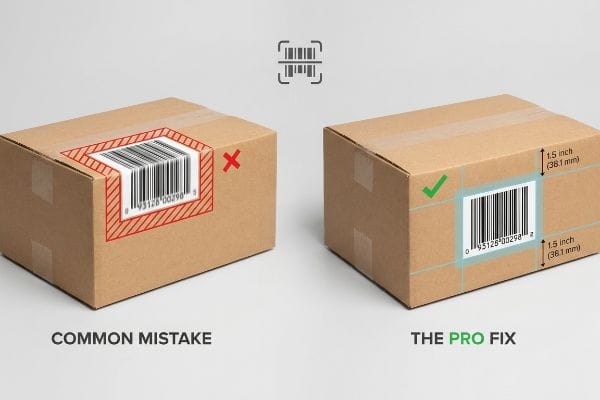
Это опасное несоответствие с физическим процессом производства. Поскольку толстый гофрированный картон 32 ECT (тест на сжатие края)расходует материал при сгибании на 90 градусов, внешняя бумажная подложка физически растягивается. Если штрихкод UCC-128 (Совет по унифицированным кодам) расположен слишком близко к линии сгиба, громкий, резкий щелчок при сгибании картона приведет к деформации напечатанного штрихкода или его полному обворачиванию вокруг радиуса края. Когда эти деформированные коробки попадают на высокоскоростные сортировочные конвейеры, оптические сканеры не могут считать изогнутые линии. Это мгновенно останавливает операции приемки и влечет за собой огромные расходы на ручную переупаковку13 , что снижает прибыльность кампании.
В процессе подготовки файлов для допечатной обработки я строго соблюдаю «зону, запрещенную для размещения этикеток». Математически я фиксирую все важные логистические штрихкоды на расстоянии 1,5 дюйма ( 38,1 мм) от любого структурного сгиба или залома. Этот точный пространственный буфер гарантирует, что сканируемые данные остаются идеально ровными и без трения, позволяя вашим мастер-коробкам беспрепятственно проходить через автоматизированную систему приемки на складе.
| Распространённая ошибка новичков | Профессиональное решение | Преимущества для торговых площадей |
|---|---|---|
| Размещение штрихкодов вблизи линий сгиба | Установление запретительной зоны шириной 1,5 дюйма (38,1 мм)15 | Обеспечивает идеально ровную поверхность и возможность сканирования данных |
| Обертывание этикеток вокруг углов | Выделение этикеток на одной плоской панели16 | Устраняет заторы при автоматической сортировке |
| Приоритет графики над логистикой | Разработка дизайна с учетом обязательного использования штрихкода в первую очередь | Предотвращает дорогостоящие расходы на переупаковку со стороны 3PL-провайдеров17 |
Я не позволяю эстетическим предпочтениям преобладать над законами физики цепочки поставок. Предоставление штрихкодам необходимого пространства — самый простой способ защитить вашу прибыль от логистических списаний.
🛠️ За столом Харви: Ваши текущие логистические штрихкоды опасно близки к структурному сгибу? 👉 Получите бесплатную предполетную проверку ↗ — Никаких форм, которые приводят к бесконечным звонкам от отдела продаж. Только чистая выгода.
Как можно использовать RFID в розничной торговле?
Технологии отслеживания имеют ценность только в том случае, если они идеально соответствуют физическому перемещению товаров.
Использование RFID в розничной торговле предполагает точное сопоставление физических перемещений товаров в цепочке поставок с уровнем запасов в магазинах. Эта беспроводная система отслеживания позволяет крупным розничным сетям динамически контролировать свои быстро реализуемые товары, оперативно выявляя локальные дефициты и запуская автоматические циклы пополнения запасов до того, как пустые полки негативно повлияют на покупательскую активность.
Однако знания теории учета запасов недостаточно, когда запускаются производственные станки и начинают изменяться допуски на конструкцию.
Почему теоретическое отслеживание не работает на заводском конвейере
Менеджеры по бренду часто полагают, что после приобретения необходимого логистического оборудования вся розничная система автоматически встанет на свои места. Они уверены, что соответствующая требованиям бирка автоматически означает полностью функциональное развертывание розничной сети, полностью игнорируя механическую реальность того, как эти витрины физически собираются и транспортируются.
На моем предприятии я регулярно наблюдаю, как это теоретическое предположение рушится во время первоначального тестирования продукции. Клиент предоставляет блестяще закодированную стратегию отслеживания, но использует избыточно сложную многокомпонентную подставку для дисплея, требующую сложной ручной сборки. Когда я измеряю физические параметры во время тестового запуска, интенсивная работа по сборке громоздкой конструкции вызывает сильное трение о элементы системы отслеживания. Глухой удар отбракованного поддона о погрузочную платформу обычно является результатом этого микротрения; в одном из недавних тестов чрезмерное трение конструкции привело к 4,2% отказов метокеще до того, как дисплеи покинули завод. Данные отслеживания были идеально закодированы, но конструкция физической упаковки активно разрушала элементы системы.
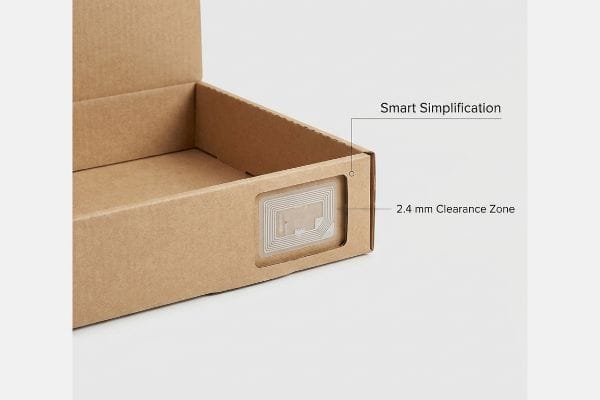
Я решаю эту проблему, безжалостно удаляя лишние излишки. Я внедряю наш протокол «Умное упрощение», корректируя внутренние допуски гофрированного картона всего на 2,4 мм19 (0,09 дюйма), чтобы создать лоток для сборки с минимальным трением. Устраняя точки трения, которые соприкасаются с встроенными метками, я полностью защищаю оборудование. Эта микрокоррекция значительно сокращает время сборки при совместной упаковке и гарантирует, что 100% меток отслеживания переживут транспортировку20, напрямую сохраняя возможность бренда точно заказывать пополнение запасов.
| Распространённая ошибка новичков | Профессиональное решение | Преимущества для торговых площадей |
|---|---|---|
| Использование конструкций с высоким коэффициентом трения | Встраиваемые модульные лотки | Защищает хрупкое оборудование слежения |
| Игнорирование стресса, возникающего при ручной погрузке и разгрузке | Допуски регулировки составляют 2,4 мм (0,09 дюйма)21 | Сокращает время на упаковку и предотвращает повреждение этикеток |
| Предположим, что оборудование выдержит что угодно | Проектирование защитных зон зазора22 | Гарантирует точное пополнение запасов |
Я устраняю разрыв между цифровыми данными и физическим картоном. Регулируя физические допуски вашего дисплея, я гарантирую, что ваше оборудование для отслеживания прослужит достаточно долго, чтобы действительно выполнять свою работу.
🛠️ Совет от Харви: Не позволяйте двухмиллиметровому структурному дефекту испортить запуск продаж в 500 магазинах. 👉 Пришлите мне файл с чертежами ↗ — Я проверю расчеты, прежде чем вы потратите бюджет на массовое производство.
Заключение
Вы можете потратить целое состояние на соответствующее логистическое оборудование, но когда сгиб штрихкода искажает ваши данные, что влечет за собой огромные расходы на ручную переупаковку у 3PL-провайдера, вся прибыльность вашей кампании рушится еще до того, как продукт попадет на полку. Более 500 бренд-менеджеров используют мой контрольный список для допечатной подготовки, чтобы избежать именно этих фатальных ошибок на ранних этапах. Перестаньте гадать о допусках и позвольте мне лично проверить ваши файлы с помощью моего бесплатного аудита высечки ↗, чтобы выявить фатальные ошибки до начала производства.
«Как RFID-метки преодолевают помехи от металла?», https://www.rfidlabel.com/how-do-rfid-labels-overcome-metal-interference/?srsltid=AfmBOorQ-0lab8phNM_j0yZUa_9MtRmNsmqfCp4gtWI9EUF8iXfZZjiW. [Авторитетное техническое руководство по физике UHF RFID подтвердило бы, что проводящие материалы отражают или поглощают радиоволны, создавая эффект клетки Фарадея, который препятствует передаче сигнала метки]. Роль доказательства: техническая проверка; тип источника: инженерный документ. Подтверждает: причину сбоев считывания в металлической упаковке. Примечание об области применения: относится к пассивным UHF RFID-меткам]. ↩
«RFID на металле: RFID-метки и металлические поверхности – atlasRFIDstore», https://www.atlasrfidstore.com/rfid-insider/rfid-tags-on-metal-surfaces/?srsltid=AfmBOopJD7McqMIm2rMxOBQ80kQr6wBaCmlvBDoeN_pcLcJb8XN4Rj6E. Техническая документация по физике UHF RFID объясняет, как металлические поверхности отражают радиочастотную энергию, и устранение таких помех имеет решающее значение для максимальной точности сканирования. Роль доказательства: техническая проверка; тип источника: техническое руководство. Подтверждает: утверждение о том, что зоны без помех оптимизируют скорость сканирования. Примечание об области применения: применимо к пассивным системам UHF RFID. ↩
«Руководство по размещению меток – Лаборатория RFID – Обернский университет», https://rfid.auburn.edu/alec/tagging_location_guide.php. Исследования по оптимизации цепочки поставок показывают, что интеграция спецификаций RFID в проектирование САПР снижает ошибки ручного размещения и ускоряет сборку. Роль доказательства: валидация процесса; тип источника: отраслевой документ. Подтверждает: использование САПР для повышения эффективности совместной упаковки. Примечание об области применения: ограничено автоматизированными или полуавтоматизированными сборочными линиями. ↩
«Материалы для экранирования и блокировки RFID – RFID4U», https://rfid4u.com/rfid-shielding-and-blocking-materials/. Инженерные руководства по электромагнитным помехам подробно описывают, как конкретные материалы и их толщина могут ослаблять или экранировать радиочастотные сигналы. Роль подтверждения: техническая проверка; тип источника: инженерная спецификация. Подтверждает: требование сохранять структурную открытость зон считывания. Примечание об области применения: зависит от плотности пластика и диэлектрических свойств. ↩
«Эффекты фольгирования и выборочной УФ-печати – системы матричного ламинирования…», https://www.youtube.com/watch?v=lxGNULZ7Rkg. [Технический источник по затуханию RFID-сигнала объяснил бы, как металлическая фольга при горячей штамповке и плотные диэлектрические материалы в покрытиях мешают радиоволнам УВЧ]. Роль доказательства: техническая проверка; тип источника: инженерный документ. Подтверждает: утверждение о том, что определенные виды высококачественной отделки создают структурные или химические помехи для RFID-меток. Примечание к области применения: фокусируется на деградации сигнала, обусловленной материалами]. ↩
«Клетка Фарадея», https://en.wikipedia.org/wiki/Faraday_cage. [В техническом справочнике или руководстве по физике RFID объясняется, как проводящие металлические фольги блокируют электромагнитные волны, создавая экранирующий эффект]. Роль доказательства: технический механизм; тип источника: инженерный учебник/технический документ. Подтверждает: объясняет, почему фольга препятствует сканированию RFID. Примечание к области применения: фокусируется на электромагнитных экранирующих свойствах алюминиевой/золотой фольги. ↩
«Как RFID выводит складское хранение на новый уровень – Wisys», https://wisys.com/blog/how-rfid-is-taking-warehousing-to-the-next-level. [В отраслевых отчетах по логистике или тематических исследованиях цепочки поставок обычно количественно оцениваются потери времени при переходе от автоматизированного сканирования RFID к ручной проверке]. Роль доказательства: количественное влияние; тип источника: отраслевой отчет/тематическое исследование по логистике. Подтверждает: количественно оценивает потери эффективности при ручном подсчете. Примечание по области применения: процентное соотношение может варьироваться в зависимости от объема складских операций. ↩
«Холодная фольгированная печать против горячего тиснения фольгой: в чем разница?», https://epsvt.com/cold-foil-printing-vs-hot-foil-stamping-whats-the-difference/. [В промышленных спецификациях печати сравниваются проводящие свойства и проницаемость сигнала холодной фольги и металлизированных соевых чернил с традиционным горячим тиснением. Роль доказательства: техническое сравнение; тип источника: аналитический документ по материаловедению. Подтверждает: утверждение о том, что эти альтернативы не блокируют сигналы RFID. Примечание об области применения: относится к упаковочным материалам для розничной торговли.] ↩
«Помехи от RFID-материалов: как металлы и жидкости влияют на…», https://www.rfidlabel.com/rfid-materials-interference-how-do-metals-and-liquids-affect-performance/?srsltid=AfmBOoq0GmhllSYWuqXlj4qHgxXAR7w8_nGrHVw-ljhpQuwMPD4xUnc1. [Техническая документация по физике радиочастот подтвердила бы, что плотные проводящие металлические поверхности ослабляют или отражают сигналы RFID, создавая помехи. Роль доказательства: техническая проверка; тип источника: инженерное руководство. Подтверждает: механизм блокировки сигнала металлом. Примечание об области применения: относится к металлическим фольгам в упаковке.] ↩
«Фольга или чернила: как выбрать? – Mid-Atlantic Packaging», https://midatlanticpackaging.com/blog/foil-or-ink-how-do-i-choose-/?srsltid=AfmBOor2PTepGbogtjUEsYysWEfOFxkG-HcunlJFhUen9v-sgqTcKxbI. [Технические характеристики RFID-совместимых печатных материалов демонстрируют, что металлизированные соевые чернила минимизируют затухание сигнала по сравнению с традиционной алюминиевой фольгой]. Роль доказательства: техническая проверка; тип источника: промышленный документ. Подтверждает: использование металлизированных чернил на основе сои для обеспечения прозрачности сигнала. Примечание: относится конкретно к частотам UHF RFID. ↩
«Повышение эффективности проектирования RFID-меток без чипов с использованием… – PMC», https://pmc.ncbi.nlm.nih.gov/articles/PMC11281102/. [Инженерная документация по распространению радиочастотного сигнала объясняет, как нанесение диэлектрических материалов, таких как ламинаты, на антенну вызывает расстройку и искажение сигнала]. Роль доказательства: объяснение физического принципа; тип источника: инженерное руководство. Подтверждает: требование размещать метки на самой внешней подложке. Примечание об области применения: относится к пассивному RFID-оборудованию. ↩
«Оценка прочности на сжатие коробок из гофрированного картона…», https://pmc.ncbi.nlm.nih.gov/articles/PMC8467740/. [Инженерное руководство или стандарт упаковки подтверждают физическое смещение и растяжение вкладышей 32 ECT при складывании на 90 градусов]. Роль доказательства: техническая спецификация; тип источника: отраслевой стандарт. Подтверждает: поведение материала при складывании. Примечание об области применения: относится к гофрированному картону. ↩
«Руководство по соблюдению требований к упаковке на заказ – блог Zenpack», https://www.zenpack.us/blog/packaging-compliance-guide/. [В руководстве Walmart по соблюдению требований к поставщикам изложены конкретные финансовые штрафы и возвраты средств за отправления с несканируемыми штрих-кодами, требующими ручного вмешательства]. Роль доказательства: проверка политики; тип источника: корпоративное руководство по соблюдению требований. Подтверждает: финансовые последствия сбоя сканирования. Примечание об объеме: ограничено политиками поставщиков Walmart. ↩
«[PDF] Стандарты цепочки поставок вторичной упаковки – P2PI», https://p2pi.com/file/PtPI16509cf4c7b5d4070798853/Walmart%2520Supply%2520Chain%2520Packaging%2520Guide%2520August%25202023.pdf. [В официальных руководствах поставщиков Walmart указана минимально необходимая буферная зона между логистическими штрихкодами и структурными складками для предотвращения сбоев сканирования]. Роль подтверждения: техническая спецификация; тип источника: руководство по корпоративному соответствию. Подтверждает: требование к пространственной буферной зоне. Примечание об области применения: относится к вторичной упаковке в виде мастер-картона. ↩
«Разъяснение правил маркировки Walmart – блог iNymbus», https://blog.inymbus.com/walmart-labeling-guidelines-explained. Официальные руководства по соблюдению требований розничной торговли определяют конкретное расстояние, необходимое между штрихкодом и любым сгибом или краем для обеспечения надежности сканирования. Роль доказательства: техническая спецификация; тип источника: корпоративное руководство по соблюдению требований. Поддерживается: стандарты размещения штрихкодов. Примечание об области применения: применяется специально к гофрированным транспортным контейнерам. ↩
«Изучение диапазона функций автоматизированных систем сортировки посылок», https://idparcelandmail.com/exploring-the-range-of-automated-parcel-sorting-system-features/. В логистических отраслевых стандартах поясняется, что загибание штрихкодов вокруг углов приводит к сбоям считывания в автоматизированных конвейерных системах. Роль подтверждения: передовая техническая практика; тип источника: руководство по логистической отрасли. Поддержка: предотвращение заторов при сортировке. Примечание к области применения: общий отраслевой стандарт для автоматизированных складов. ↩
«Как работают возвраты платежей в розничной торговле и что с этим можно сделать», https://www.weberlogistics.com/blog/california-logistics-blog/how-retail-chargebacks-work-and-what-you-can-do-about-them. Сторонние логистические компании обычно вводят возвраты платежей или плату за услуги, когда неправильно маркированный груз требует ручного вмешательства или переупаковки. Роль доказательства: экономический эффект; тип источника: договор на логистические услуги. Подтверждает: финансовый риск, связанный с неправильной маркировкой. Примечание: структура комиссий различается в зависимости от 3PL-провайдера. ↩
«Почему стандартные RFID-метки выходят из строя на заводе и как надежные…», https://www.atlasrfidstore.com/rfid-insider/why-standard-rfid-fails-on-the-factory-floor-and-how-rugged-tagging-enables-reliable-manufacturing-visibility/?srsltid=AfmBOooRRTv_Pd9SNzggBZibkzxHGdZ4cd8PWIo_Oq6tNyk7Ee9m4st5. [Технические исследования долговечности RFID-оборудования предоставляют данные о том, как механическое напряжение и физическое трение приводят к разрушению антенн и увеличению частоты отказов]. Роль доказательства: количественная проверка; тип источника: инженерная спецификация или отраслевой отчет. Подтверждает: утверждение о том, что физическая конструкция упаковки приводит к отказу оборудования. Примечание об области применения: относится к пассивным RFID-меткам, встроенным в гофрированные материалы. ↩
«7 лучших практик интеллектуальной упаковки в производстве электроники», https://www.prideindustries.com/our-stories/smart-packaging. [Инженерное исследование или руководство по спецификациям упаковки должны подтвердить, как конкретные корректировки гофрированных материалов в масштабе миллиметров снижают трение и механическое напряжение на встроенном RFID-оборудовании]. Роль доказательства: техническая спецификация; тип источника: инженерный документ. Подтверждает: защиту оборудования посредством физической оптимизации. Примечание об области применения: относится к сборке гофрированных лотков. ↩
«[PDF] Исследования и тестирование RFID для упаковки одежды, потребительских товаров…», https://digitalcommons.calpoly.edu/cgi/viewcontent.cgi?article=1041&context=it_fac. [Отраслевые показатели частоты отказов RFID-меток могли бы послужить базовым уровнем для подтверждения утверждения о том, что определенные физические модификации могут обеспечить идеальную сохранность меток во время транспортировки]. Роль доказательства: показатель производительности; тип источника: отраслевой отчет. Подтверждает: долговечность и надежность оборудования. Примечание об области применения: относится к описанному конкретному процессу совместной упаковки. ↩
«Миниатюрная наземная IoT-антенна на основе LTCC-чипа 2,4 ГГц и ее…», https://pmc.ncbi.nlm.nih.gov/articles/PMC10059724/[Пример из промышленной инженерии или техническое руководство, демонстрирующее, как корректировка допусков в модульной конструкции оборудования сокращает время совместной упаковки и механическую нагрузку на RFID-метки]. Роль доказательства: техническая спецификация; тип источника: инженерный документ. Подтверждает: повышение эффективности совместной упаковки и долговечности меток. Примечание об области применения: специфично для сборочных линий розничной торговли с большим объемом производства. ↩
«Новое исследование показывает, что RFID значительно улучшает учет запасов на уровне отдельных товаров…», https://news.uark.edu/articles/14256/new-study-shows-rfid-significantly-improves-item-level-inventory-accuracy. [Технические рекомендации, подробно описывающие необходимое физическое расстояние или «зоны зазора» вокруг RFID-оборудования для предотвращения помех сигнала и повреждений от физических воздействий]. Роль доказательства: стандарт проектирования; тип источника: техническая спецификация. Подтверждает: надежность данных о пополнении запасов. Примечание по области применения: фокусируется на размещении оборудования в производственных/розничных условиях. ↩