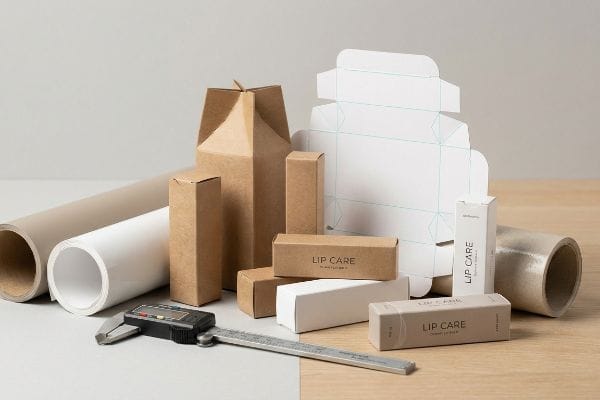
Сложно воплотить концепцию бальзама для губ в упаковку, которая будет хорошо смотреться на полке? Этот процесс меньше связан с графическим дизайном и больше — со структурной математикой и логистикой.
Начало процесса проектирования коробок для бальзамов для губ на заказ требует определения физических размеров, выбора подходящих материалов и предварительного проектирования математически обоснованной высечки. Успешный запуск упаковки всегда ставит во главу угла структурные допуски, а не графическую эстетику, чтобы гарантировать безопасную транспортировку, эффективную сборку и заметное присутствие на полках магазинов.
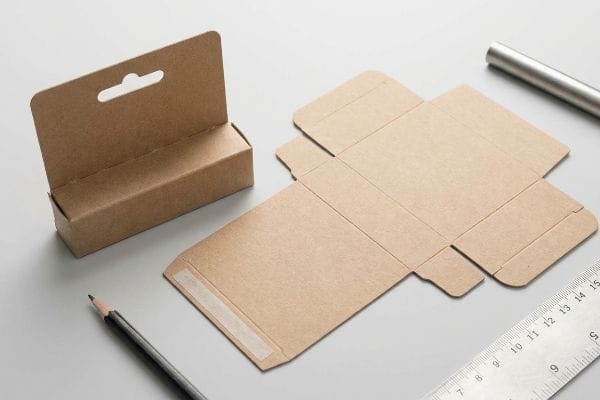
Чтобы ваше изображение хорошо выглядело на цифровом экране, это только первый этап. Настоящая сложность начинается, когда вы пытаетесь перенести эту плоскую концепцию в функциональную трехмерную торговую упаковку.
Каковы 7 основных шагов в разработке дизайна упаковки?
Независимо от того, запускаете ли вы один товар или целую линейку косметики, на начальном этапе проектирования необходимо строго соблюдать последовательность действий.
Семь основных этапов разработки дизайна упаковки включают в себя исследование, проектирование конструкции, создание контуров, нанесение графики, прототипирование, тестирование и серийное производство. Следование этой последовательности позволяет избежать дорогостоящих задержек в производстве, гарантируя, что окончательная упаковка косметического продукта идеально сочетает в себе эстетику бренда со строгими требованиями к цепочке поставок и условиям розничной торговли.
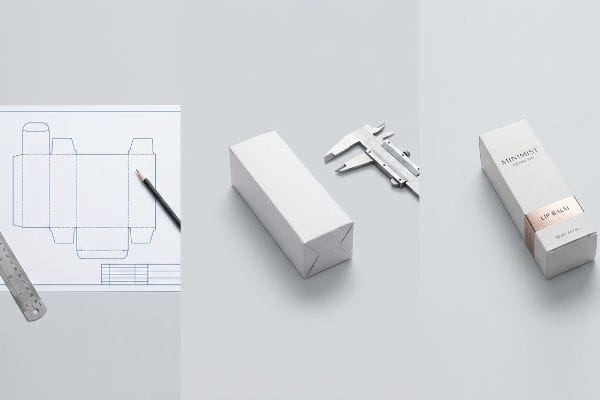
Многие стартапы пытаются сразу перейти к нанесению графики. Такой обратный подход почти всегда приводит к структурным проблемам, когда коробки попадают на полки магазинов.
Как согласовать 60-дневный график упаковки бальзама для губ
Даже опытные маркетологи часто заказывают графическим дизайнерам создание шаблонов упаковки с нуля, используя веб-инструменты для иллюстрации. Они рассматривают контур как всего лишь рекомендацию, полагая, что стандартный шаблон без труда превратится в премиальный физический продукт. Такой оптимистичный настрой побуждает команды дорабатывать яркие изображения и типографику, не задумываясь о структурных ограничениях складных картонныхкоробок¹.
В действительности, для успешной презентации товара в розничной торговле необходимо сначала определить физическую архитектуру, прежде чем наносить какие-либо цифровые изображения².Дисциплинированный 60-дневный обратный график³ставит во главу угла проверку структуры, гарантируя, что сгибы и замки идеально соответствуют выбранному вами материалу картона. Создание 3D-структуры в первую очередь гарантирует, что логотип вашего бренда будет идеально центрирован на лицевой панели, а готовая коробка будет гордо стоять на полках магазина без неловких выпуклостей или искажений графики.
| Распространённая ошибка новичков | Профессиональное решение | Преимущества для торговых площадей |
|---|---|---|
| Разработка художественного оформления перед созданием конструктивного САПР | Сначала зафиксируйте контур 3D-модели | Предотвращает искажение изображения на сгибах4 |
| Пропускаем физический образец белого цвета | Обязательное физическое структурное прототипирование | Экономия времени сборки на 35 секунд на единицу продукции5 |
| Игнорирование припусков на сгиб картона | Рассчитайте удельные зазоры при складывании | Обеспечивает чистоту и порядок в торговом зале |
Зафиксировав структурные расчеты до нанесения цифровых чернил, вы исключаете бесконечные циклы внесения изменений, обеспечивая точное соблюдение графика запуска продукта.
🛠️ За столом Харви: Вас беспокоит, что ваши текущие работы построены на математически некорректной вырубке? 👉 Запросите аудит вырубки ↗ — Прямой доступ к моему рабочему столу. Никакого автоматического спама с рекламой, обещаю.
Как сделать контейнеры для бальзама для губ своими руками?
Переход от расплывчатой концепции к созданию физической вторичной упаковки требует тесной интеграции между основным продуктом и внешней упаковкой.
Изготовление собственных контейнеров для бальзама для губ включает в себя закупку исходных тюбиков и разработку нестандартных вторичных складных картонных коробок. Необходимо математически сопоставить внешнюю геометрию физического контейнера с точным картонным лотком, обеспечивая полную фиксацию основного продукта без разрушительного трения во время упаковки.
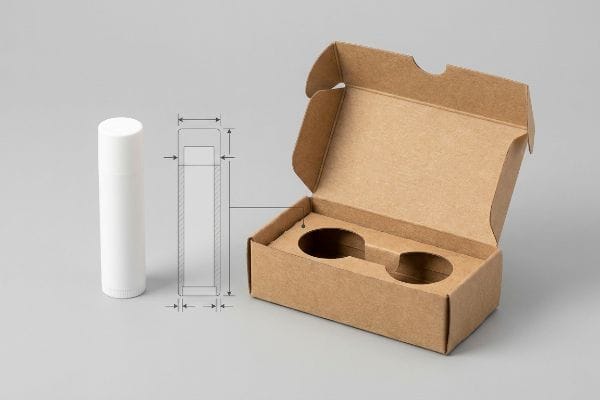
Приобрести пластиковую или стеклянную трубку несложно, но обертывание трубки такой формы в сложенный картон вносит сложные пространственные геометрические переменные.
Размерные коробки для круглых тюбиков бальзама для губ
Часто покупатели задают вопрос о том, какой зазор следует оставлять между тюбиком бальзама для губ и внутренними стенками коробки. Большинство людей просто берут теоретическую высоту и ширину, указанные производителем тюбика, и изготавливают вторую коробку точно по этим размерам. Этот теоретический подход предполагает, что помещение идеально жесткого косметического тюбика в плоскую картонную коробку — это безупречный процесс, не требующий дополнительного пространственного зазора⁶ .
В розничной торговле реальность такова, что вставка круглого цилиндра в квадратную коробку приводит к тому, что боковые панели слегка выгибаются наружу7. Когда десятки таких плотно упакованных коробок стоят рядом в торговой точке, этот едва заметный микровыступ нарушает общую выравнивание и создает непривлекательную, неряшливую презентацию. Чтобы ваш бренд выглядел безупречно на кассе ,необходимо предусмотреть небольшие внутренние пространственные допуски8, точно измерив заполненную основную трубку, чтобы панели вторичной коробки оставались идеально ровными.
| Распространённая ошибка новичков | Профессиональное решение | Преимущества для торговых площадей |
|---|---|---|
| Используя теоретические размеры плоской трубы | Измерьте фактический объем заполненной трубки | Обеспечивает чистое выравнивание полок |
| Разработка плотной картонной обертки в масштабе 1:1 | Инженер по внутренним пространственным микрозазорам9 | Предотвращает выпячивание вторичного блока |
| Игнорируя накопленную плотность продукта | Учитывайте расстояние между несколькими блоками10 | Гарантирует безупречную POS-презентацию |
Точное определение размеров вашей основной тубы гарантирует, что ваши дополнительные коробки без труда впишутся в торговые витрины, защищая имидж вашего премиального бренда.
🛠️ Стол Харви: Не уверены, учитывают ли размеры вашей дополнительной коробки физический выступ цилиндра? 👉 Получите мой контрольный список допусков ↗ — Скачайте безопасно. Мой почтовый ящик открыт, если у вас возникнут вопросы позже.
Как создать дизайн упаковки для коробки?
Создание самого дизайн-файла — это упражнение в графической точности, требующее от вас умения преодолеть разрыв между цифровым искусством и крупномасштабной коммерческой печатью.
Для создания дизайна упаковки необходимо интегрировать графические элементы вашего бренда в откалиброванный структурный CAD-шаблон. Необходимо установить строгие поля обрезки, выровнять плашечные цвета и настроить правильные зазоры при сгибах, чтобы предотвратить визуальные искажения при прохождении сырья через автоматизированные системы высечки.
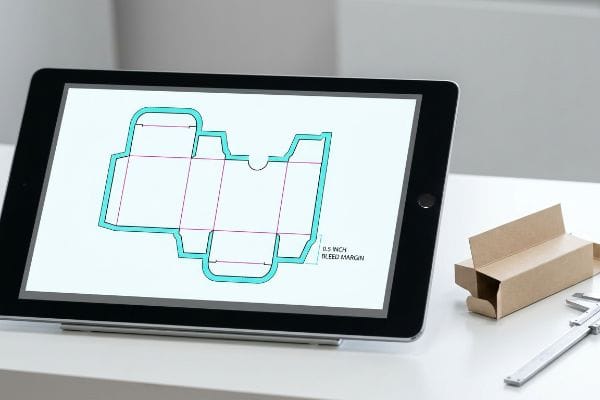
Наибольшие эстетические проблемы возникают при переходе от плоского файла Adobe Illustrator к сложенному трехмерному объекту.
Настройка безопасных полей для обрезки в косметических коробках
Рассматривайте поля обрезки как страховочную сетку для эстетики вашего бренда; вы надеетесь, что вам никогда не понадобится дополнительное покрытие, но оно сохранит визуальное представление, если что-то изменится. Многие коммерческие дизайнеры применяют стандартное поле обрезки 0,125 дюйма (3,17 мм)к файлам упаковки бальзама для губ. Они исходят из предположения, что коммерческая печать отличается безупречной точностью, полагая, что этого стандартного цифрового поля более чем достаточно, чтобы покрыть изображение по всем сгибам и краям картона.
В стандартной практике при печати и резке картонные коробки подвергаются незначительным смещениям. Использование исключительно стандартных коммерческих полей для обрезки часто приводит к неприглядному просвечиванию белого картона без печати прямо на переднем крае вашей коробки для бальзама для губ премиум-класса. Для поддержания привлекательного внешнего вида, соответствующего требованиям розничной торговли, следует расширить фоновые узоры и цвета как минимум на 0,5 дюйма (12,7 мм), создав надежный визуальный буфер, который полностью скроет любые микроскопические отклонения в выравнивании.
| Распространённая ошибка новичков | Профессиональное решение | Преимущества для торговых площадей |
|---|---|---|
| Использование стандартных коммерческих полей для обрезки при печати | Необходимо обеспечить расширение полей на 0,5 дюйма13 | Сохраняет полностью обернутые цветные края |
| Размещение важного текста вблизи линий сгиба | Внедрить строгие графические зоны, запрещающие вход14 | Обеспечивает удобство сканирования данных штрих-кода |
| Незначительные отклонения при резке игнорируются | Безопасно расширяйте фоновые узоры | Обеспечивает высокое качество и эстетическую целостность |
Внедрение расширенных полей допечатной подготовки полностью исключает риск появления видимых незапечатанных краев, обеспечивая косметической продукции для каждого потребителя.
🛠️ Harvey's Desk: Ваши фоновые изображения надежно защищены от автоматической вырубки? 👉 Получите бесплатную предварительную проверку ↗ — Никаких форм, которые приводят к бесконечным звонкам от отдела продаж. Только чистая выгода.
Законно ли продавать бальзам для губ, изготовленный в домашних условиях?
Понимание механических ограничений упаковки бесполезно, если конечный продукт нарушает федеральные нормы или правила химической совместимости.
Да. Продажа бальзама для губ, изготовленного в домашних условиях, совершенно законна, если вы соблюдаете строгие правила безопасности косметических средств. На вторичной упаковке должен быть точно указан состав, а также должны использоваться соответствующие барьерные покрытия, предотвращающие миграцию летучих органических соединений, сохраняя как физическую структуру продукта, так и целостность картонной упаковки.
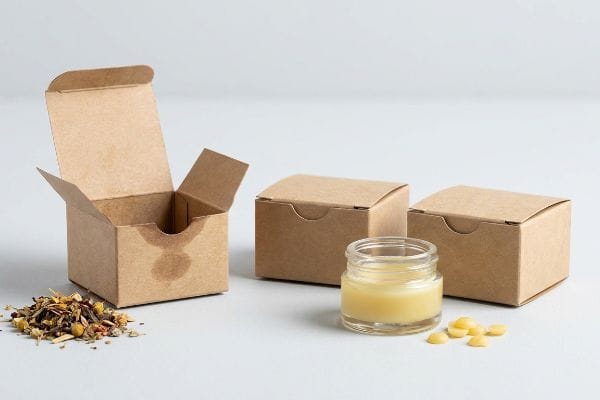
Однако знания правовой теории недостаточно, когда состав вашего органического продукта начинает физически вступать в реакцию с выбранными вами упаковочными материалами на жарком складе.
Почему стандартные клеи не соответствуют нормативным требованиям?
Вполне логично предположить, что стандартная экологичная коробка из крафт-бумаги идеально подходит для натурального бальзама для губ. Покупатели часто заказывают необработанный картон без подкладки, чтобы добиться эффекта «деревенской» упаковки, полагая, что стандартные клеи на водной основе вполне подойдут. Они проектируют свою цепочку поставок, исходя из условий офисных помещений с контролируемым климатом, совершенно недооценивая интенсивное термическое и химическое воздействие, которому подвергаются коробкипосле плотной упаковки на деревянные транспортные поддоны.
Эта теоретическая ошибка приводит к катастрофическим сбоям при транспортировке органической косметики в летнюю жару. Концентрированные эфирные масла и синтетические ароматизаторы действуют как высокоактивные химические растворители, которые выделяют газы в теплых логистических условиях, проникая непосредственно в пористые бумажные волокна. Измеряя прочность склеивания после недели термического воздействия, я обнаруживаю, что эти мигрирующие масла агрессивно растворяют стандартные клеи на водной основе ПВА (поливинилацетат)16, в результате чего нижние клапаны открываются под собственным весом. Чтобы предотвратить массовый отказ розничных продавцов, я заменяю структурные затворы на специализированные термоплавкие клеи, которые остаются химически невосприимчивыми к миграции органических растворителей17.
| Распространённая ошибка новичков | Профессиональное решение | Преимущества для торговых площадей |
|---|---|---|
| Использование стандартных клеев ПВА на водной основе | Переход на термоплавкий клей, устойчивый к растворителям, 18 | Предотвращает поломку клапана во время транспортировки |
| Спецификация нелинованного картона | Используйте целенаправленные химические барьерные покрытия19 | Предотвращает появление пятен от проникновения ароматического масла |
| Игнорируя переменные, связанные с обогревом склада | Проведите испытания на термическую миграцию под нагрузкой20 | Защищает срок хранения органических продуктов |
Применение химически стабильной адгезивной матрицы мгновенно останавливает миграцию растворителей, обеспечивая надежную защиту ваших товаров от катастрофических повреждений при транспортировке.
🛠️ Совет от Харви: Не позволяйте дефекту химического клея испортить запуск вашего бальзама для губ. 👉 Пришлите мне ваши технические характеристики упаковки ↗ — Я проведу стресс-тестирование, прежде чем вы потратите бюджет на массовое производство.
Заключение
Вы можете неделями совершенствовать свой графический брендинг, но когда неконтролируемая миграция растворителей ароматизаторов химически растворяет клеи упаковки во влажном транспортном контейнере, вы сталкиваетесь с предполагаемой 100% потерей запасов и немедленным возвратом средств розничным продавцам. Более 500 бренд-менеджеров используют мой контрольный список для допечатной подготовки, чтобы избежать именно этих фатальных ошибок на ранних этапах. Перестаньте гадать о допусках на химические вещества и позвольте мне лично проверить ваши структурные планы с помощью моего бесплатного аудита вырубки ↗, чтобы выявить эти скрытые физические уязвимости до того, как вы заплатите за массовое производство.
«Проектирование упаковки | Складные картонные коробки – Netpak», https://www.netpak.com/en/packaging-resources/white-papers-guides/design-engineering/. Краткое объяснение того, как техническое руководство по проектированию упаковки подтверждает наличие конкретных ограничений по материалам и способу складывания. Роль подтверждения: техническая проверка; тип источника: отраслевой стандарт. Подтверждает: необходимость структурного проектирования до графического дизайна. Примечание об области применения: относится конкретно к складным картонным коробкам на бумажной основе. ↩
«Структурный дизайн упаковки: ключевые элементы и процесс – Arkay», https://www.arkay.com/resources/structural-packaging-design. Техническое подтверждение того, что структурное проектирование и окончательная высечка должны предшествовать нанесению графики во избежание ошибок совмещения и искажений. Роль подтверждения: техническая проверка; тип источника: руководство по проектированию упаковки. Поддерживает: последовательность операций проектирования. Примечание по области применения: в основном применимо к складному картону и жестким картонным коробкам. ↩
«Дизайн упаковки как инструмент брендинга в косметической индустрии», https://pmc.ncbi.nlm.nih.gov/articles/PMC9123395/. Доказательство того, что 60-дневный обратный график является признанным отраслевым стандартом для разработки и валидации косметической упаковки. Роль доказательства: проверка показателя; тип источника: отраслевое руководство. Поддерживает: предлагаемый график проекта. Примечание к объему работ: конкретные сроки могут варьироваться в зависимости от сложности SKU и сроков поставки поставщика. ↩
«Полное руководство по высечке в индивидуальной упаковке и…», https://gentlever.com/dielines-for-custom-packaging-and-printing/. Техническое объяснение того, почему фиксация 3D-линий высечки до создания макета предотвращает смещение по линиям сгиба. Роль доказательства: техническая проверка; тип источника: руководство по дизайну упаковки. Подтверждает: необходимость последовательности структурного CAD-проектирования. Примечание к области применения: стандартная практика в промышленной упаковке. ↩
«Прототипирование упаковки: полное руководство (типы, стоимость и сроки выполнения)», https://whitegraphics.com/prototype-packaging/. Количественные данные, демонстрирующие, как физическое прототипирование снижает количество ошибок и время, затрачиваемое на ручную сборку. Роль доказательства: количественная проверка; тип источника: исследование производственного процесса. Подтверждает: экономию времени за счет прототипирования. Примечание: Показатель может варьироваться в зависимости от сложности упаковки. ↩
«Упаковка косметики в бумажных тубах», https://www.custompapertubes.com/cosmetic-paper-tube-packaging/. Стандарты упаковочной инженерии определяют необходимый зазор (допуски), учитывающий отклонения материала и обеспечивающий плотное прилегание изделия без трения. Доказательство: техническая спецификация; тип источника: отраслевой справочник. Подтверждает: необходимость добавления зазора к теоретическим размерам. Примечание об области применения: относится конкретно к вторичной упаковке из сложенного картона. ↩
«[PDF] НАГРУЗКА НА ИЗГИБ ТОНКОГО КРУГЛОГО ЦИЛИНДРИЧЕСКОГО КОНСТРУКТОРА…», https://ntrs.nasa.gov/api/citations/19710014257/downloads/19710014257.pdf. Техническое объяснение того, как цилиндрические формы оказывают давление на плоские стенки картона, приводя к их выгибанию наружу, если допуски недостаточны. Роль доказательства: проверка физического принципа; тип источника: руководство по проектированию упаковки. Подтверждает: физическую причину деформации упаковки. Примечание об области применения: относится к гибким картонным материалам. ↩
«Полное руководство по гофрированным коробкам – Shorr Packaging», https://www.shorr.com/resources/blog/ultimate-guide-corrugated-boxes/. Руководство по расчету точных зазоров (допусков) между первичными контейнерами и вторичными складными картонными коробками для предотвращения структурных деформаций. Роль подтверждения: передовая отраслевая практика; тип источника: техническое руководство. Подтверждает: метод обеспечения плоской поверхности коробок. Примечание по области применения: ориентировано на вторичную упаковку для розничной торговли. ↩
«Влияние конструкции картонной упаковки на деформацию при сжатии…», https://repository.rit.edu/japr/vol12/iss1/7/. Краткое объяснение того, как стандарты проектирования упаковки определяют допуски для предотвращения деформации материала. Роль подтверждения: техническая спецификация; тип источника: инженерное руководство. Подтверждает: предотвращение деформации вторичной коробки. Примечание об области применения: применимо к конструкции складных картонных коробок. ↩
«Что такое анализ накопления допусков – YouTube», https://www.youtube.com/watch?v=Cn5Z2ZYlA_w. Краткое объяснение того, как анализ накопления допусков предотвращает размерные ошибки во вторичной упаковке многокомпонентных товаров. Роль доказательства: техническая методология; тип источника: отраслевой стандарт. Поддержка: безупречная POS-презентация для многокомпонентных товаров. Примечание по области применения: сфокусировано на накопленной плотности продукта. ↩
«Понимание важности поля обрезки в дизайне упаковки», https://epacflexibles.com/understanding-the-importance-of-bleed-in-packaging-design/?srsltid=AfmBOoqcFHiHRYs_n9zoCrlSv-_10wb-mMTn4VC0qfmX5CWUXWqxSP3K. Проверка отраслевого стандарта измерения полей обрезки в коммерческом полиграфическом производстве. Роль подтверждения: техническая спецификация; тип источника: руководство по полиграфической промышленности. Подтверждает: конкретное измерение, указанное для файлов упаковки. Примечание об области применения: стандарты могут незначительно отличаться в зависимости от допусков печатного станка. ↩
«Руководство по подготовке дизайна упаковки: файлы макетов, высечки и поля обрезки», https://www.printingblue.com/knowledge-center/posts/packaging-design-preparation-guide. Проверка технических характеристик полей обрезки при печати коммерческих складных картонных коробок для предотвращения появления незапечатанных краев. Роль подтверждения: техническая спецификация; тип источника: руководство полиграфической отрасли. Поддержка: требуемая ширина полей обрезки для косметических коробок. Примечание об объеме: может варьироваться в зависимости от типографии. ↩
«Понимание важности поля обрезки в дизайне упаковки», https://epacflexibles.com/understanding-the-importance-of-bleed-in-packaging-design/?srsltid=AfmBOopk3jOxuINr1UecJV2xZi1j4d65uh8109BkAoZpnaICtERgc8jP. Технические стандарты печати для упаковки часто предусматривают увеличенные поля обрезки для учета смещений при высечке и ошибок совмещения. Роль подтверждения: техническая спецификация; тип источника: руководство для полиграфической отрасли. Подтверждает: конкретную рекомендацию по полю обрезки 0,5 дюйма для упаковки. Примечание об области применения: конкретные требования могут различаться в зависимости от типографии. ↩
«Как печатать сканируемые штрихкоды на гофрированной упаковке», https://www.keyence.com/products/marker/inkjet-printers/resources/inkjet-printer-resources/how-to-print-scannable-barcodes-on-corrugated-packaging.jsp. Отраслевые рекомендации по компоновке упаковки требуют минимального расстояния «зон, запрещенных для сканирования» от линий сгиба и краев, чтобы предотвратить искажение важных данных, таких как штрихкоды. Доказательство: стандарт дизайна; тип источника: справочник по графическому дизайну. Подтверждает: необходимость наличия зон, запрещенных для сканирования штрихкодов. Примечание: стандартные расстояния зависят от используемой конкретной символики штрихкода. ↩
«Упаковка пищевых продуктов и миграция химических веществ – PMC – NIH», https://pmc.ncbi.nlm.nih.gov/articles/PMC12096275/. Краткое объяснение того, как авторитетный внешний источник подтверждает это утверждение. Роль доказательства: техническая проверка; тип источника: руководство по проектированию упаковки. Подтверждает: деградацию небарьерного картона под воздействием окружающей среды во время логистики. Примечание к области применения: конкретно рассматривается колебание влажности и температуры при транспортировке. ↩
«Разработка функционального ПВА: всесторонний обзор… – PMC», https://pmc.ncbi.nlm.nih.gov/articles/PMC12903494/. Литература по материаловедению подтверждает уязвимость поливинилацетата к органическим растворителям. Роль доказательства: техническая проверка; тип источника: учебник по химии полимеров. Подтверждает: механизм разрушения клеев на водной основе. Примечание по области применения: относится к стандартным композициям ПВА. ↩
«Клеи-расплавы для упаковки», https://next.henkel-adhesives.com/us/en/articles/packaging-hot-melt-adhesives.html. Технические характеристики клеев подчеркивают превосходную химическую стойкость некоторых полимеров-расплавов по сравнению с клеями на водной основе. Роль доказательства: сравнительный анализ; тип источника: технический паспорт. Подтверждает: рекомендации по клеям-расплавам. Примечание об области применения: относится к термоплавким клеям, устойчивым к растворителям. ↩
«Барьерные покрытия для бумажной пищевой упаковки», https://www.hbfuller.com/en/blog/thegluetalkblog/2025/july/barrier-coatings-for-paper-based-food-packaging. Научное объяснение того, как специальные барьерные покрытия предотвращают проникновение эфирных масел через картонную упаковку. Роль доказательства: техническая проверка; тип источника: научный журнал по упаковке. Подтверждает: предотвращение пятен от ароматических масел. Примечание по области применения: применимо к бальзамам для губ. ↩
«Испытания стабильности косметики | MakingCosmetics», https://www.makingcosmetics.com/Stability-Testing-of-Cosmetics_ep_59.html?lang=en_US. Документация по стандартным отраслевым испытаниям стабильности, используемым для оценки влияния колебаний температуры на миграцию химических веществ и срок годности органических продуктов. Роль доказательства: стандарт контроля качества; тип источника: руководство по стабильности косметики. Подтверждает: эффективность стресс-тестов в прогнозировании срока годности. Примечание к области применения: основное внимание уделяется температурным переменным. ↩