Розничные покупатели обращают внимание не только на красивую графику; они тщательно изучают ваши POS-системы на предмет потенциальных катастрофических рисков.
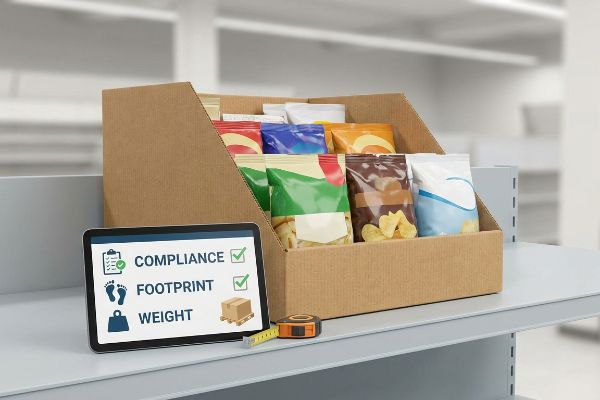
Выбор подходящего демонстрационного стенда (PDQ) требует анализа требований розничных продавцов к соответствию стандартам, доступной площади и плотности веса продукции. Идеально подобранный по размеру гофрированный стенд обеспечивает максимальную видимость в проходах, гарантируя при этом строгое соблюдение глобальных требований безопасности и логистики.
Если ваш физический объект игнорирует законы физики реальных цепочек поставок, даже самая гениальная маркетинговая кампания в конечном итоге заглохнет в карантинной зоне склада.
Каковы стандарты оформления торговых помещений?
Понимание правил работы магазина позволяет избежать прибыльных запусков и дорогостоящих провалов.
Стандарты розничной торговли представляют собой строгие физические и логистические правила, которые соблюдаются крупными розничными сетями для обеспечения безопасной выкладки товаров. Эти требования определяют максимальную высоту поддонов, грузоподъемность, пределы безопасности материалов и допустимую длину проходов между рядами.
Разница между удовлетворительной оценкой за лабораторный отчет и возможностью выживания в розничной торговле — это то, где в большинстве случаев рентабельность снижается.
Заблуждение о статическом и кинетическом транзите ASTM по стандарту ISTA
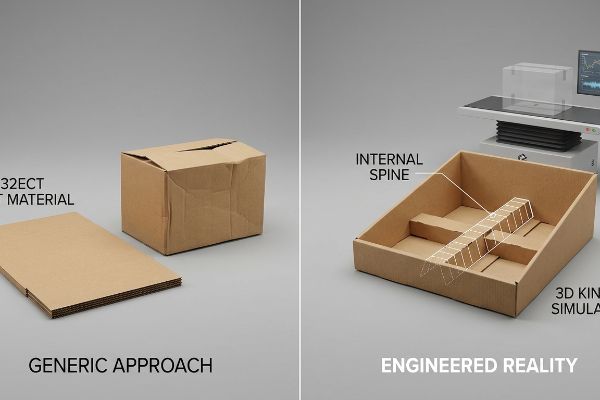
При проведении аудита линий развертки у клиентов я постоянно вижу, как команды по закупкам полагаются исключительно на сертификаты ASTM (Американского общества по испытанию материалов). Они предполагают, что высокое значение 32ECT (испытание на сжатие по краю)1 автоматически гарантирует, что их гофрированные конструкции выдержат транспортировку. Это роковое заблуждение. Знание предельного значения сжатия несжатых бумажных волокон2 совершенно бесполезно, если полностью собранная трехмерная геометрия ломается, деформируется или динамически разрушается под воздействием кинетических логистических нагрузок.
На моем предприятии я регулярно вижу, как покупатели предоставляют упрощенную спецификацию материалов (BOM) в Excel, где теоретическая прочность материала рассматривается как гарантия качества готового изделия. На прошлой неделе клиент одобрил использование картона 32ECT3 для сильно нагруженного лотка для выдачи заказов. Во время наших предпроизводственных испытаний на транспортировку я разместил загруженную коробку на своем стенде для кинетических вибраций. Поскольку в исходной геометрии CAD (системы автоматизированного проектирования) отсутствовали целевые несущие сгибы, многоосевая сила в 187,5 фунтов (85,04 кг) привела к заметному прогибу боковых стенок на 0,42 дюйма (10,66 мм). Чтобы исправить это, я полностью перепроектировал структурную матрицу, интегрировав внутренний двухслойный гофрированный каркас4 для активного поглощения боковых кинетических ударов. Станок для резки Kongsberg CNC (компьютерного числового управления) доказал, что именно это геометрическое усиление толщиной 2,5 мм (0,09 дюйма) идеально выдержало вес. Внедрение этой CAD-системы позволило сократить время сборки и упаковки на 18 секунд на единицу продукции, исключить повреждения при транспортировке и предотвратить дорогостоящие штрафы со стороны розничных продавцов за отказ от товара.
| Метрическая система | Общий подход | Искусственно созданная реальность |
|---|---|---|
| Метод тестирования | Плоский материал | 3D кинетическое моделирование5 |
| Грузоподъемность | Теоретические пределы | Динамическая полезная нагрузка6 |
| Отказ розничного продавца | Высокий риск | Нулевой урон |
Я отказываюсь полагаться на бумагу, которая говорит о прочности коробки. Я подвергаю полностью собранные устройства жестким многоосевым транспортным испытаниям, чтобы гарантировать, что ваш товар действительно выдержит последний отрезок пути.
🛠️ Задание от Харви: Ваши тяжелые подносы на кассе снижают рентабельность доставки еще до того, как товар попадет в магазин? 👉 Получите бесплатный аудит плотности грузоперевозок ↗ — Я лично проверяю каждый документ в течение 24 часов.
Какая планировка лучше всего подходит для продуктовых магазинов?
Освоение работы с продуктовыми рядами требует умения проектировать пространство в стесненных условиях и учитывать суровые погодные условия.
Наилучшая планировка продуктового магазина обычно представляет собой размещение товаров на нескольких паллетах или на ограниченном пространстве торцевых стеллажей. Такие конфигурации торговых площадей позволяют максимально увеличить визуальную привлекательность для покупателей с высокой проходимостью, строго соблюдая ограничения по узким проходам и быстрые циклы пополнения запасов, необходимые в современных супермаркетах.
Однако, проектирование компактного устройства на ярком экране компьютера полностью игнорирует агрессивные климатические условия, которым эти коробки подвергнутся во время морской транспортировки.
Ловушка устойчивости к набуханию от влаги
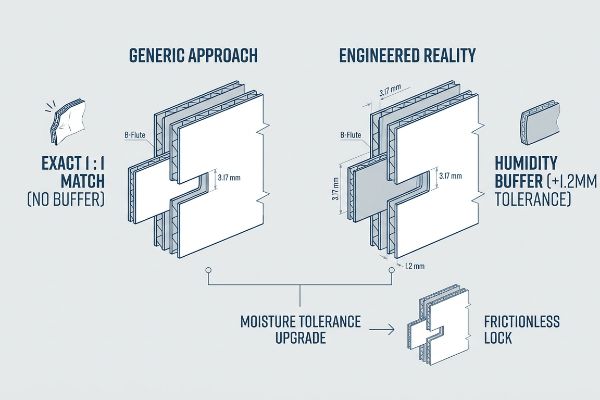
Когда я проверяю чертежи для клиентов, занимающихся выпуском продукции для супермаркетов, я постоянно вижу, как графические дизайнеры рассматривают соединительные пазы как абсолютную, неизменную математику. Они рисуют плоский векторный файл, который идеально соответствует сухому диаметру гофрированного картона, предполагая, что лист толщиной 3,17 мм (0,12 дюйма)без проблем войдет в паз толщиной 3,17 мм (0,12 дюйма). Это полностью игнорирует физическую реальность глобальных грузоперевозок. Когда плоские упаковки находятся в зонах с высокой влажностью, пористый тестовый слой действует как губка, впитывая окружающую влагуи расширяясь далеко за пределы своих первоначальных размеров.
На моем предприятии я регулярно наблюдаю, как подобные теоретические расчеты приводят к значительному трению на сборочной линии. Во время недавней предпроизводственной проверки тяжелого подноса для напитков, при разработке плоской векторной вырубки фактор влажности был проигнорирован. Когда моя команда протестировала сборку после того, как доски находились при относительной влажности 78%, бумажные волокна разбухли на 0,04 дюйма (1,01 мм)⁹. Приемные пазы стали настолько узкими, что наши упаковщики физически сдавливали гофруты и рвали верхний лист, пытаясь сдвинуть детали вместе. Чтобы исправить это, я инициировал модернизацию физической химии. Двадцать лет работы в цехе научили меня заменить стандартный клей ПВА (поливинилацетат) на состав с низким содержанием влаги¹⁰и математически ввести точный буфер влажности толщиной 1,2 мм (0,04 дюйма) непосредственно в структурные файлы. Это физическое вмешательство нейтрализовало расширение бумаги. Благодаря точному расчету допуска на изготовление паза, я обеспечил сокращение времени сборки и упаковки на 35 секунд на единицу продукции, что позволило клиентам значительно сэкономить на ручном труде и предотвратить попадание поврежденных витрин в розничные магазины.
| Метрическая система | Общий подход | Искусственно созданная реальность |
|---|---|---|
| Слоты для штамповки | Точное совпадение 1:1 | Буфер влажности11 |
| Фрикционная сборка | Разрыв высокого риска | Бесфрикционный замок12 |
| Труд по упаковке | Медленно и дорого | Высокоскоростной выход13 |
Я не занимаюсь изготовлением дисплеев для дизайн-студий с контролируемым климатом. Я закладываю в основу химического состава платы допуски на влагостойкость, чтобы запуск вашей продукции в супермаркете оставался физически безупречным.
🛠️ Задание от Харви: Ваша текущая конструкция витрины может порваться под воздействием реальной влажности склада? 👉 Запросите стресс-тест на устойчивость ↗ — 100% конфиденциально. Ваши еще не выпущенные в продажу модели в безопасности со мной.
Как оформление витрин влияет на имидж розничного магазина?
Эффектная визуально витрина позволяет установить высокую цену и мгновенно завоевать доверие потребителей.
Витрины магазинов влияют на имидж розничного магазина, выступая в качестве основной физической точки соприкосновения с потребителем. Безупречная, ярко оформленная витрина мгновенно демонстрирует авторитет бренда и высокое качество продукции, в то время как поврежденная или провисшая витрина немедленно подрывает доверие покупателей и вызывает негативные ассоциации с брендом.
Качественный графический дизайн совершенно бесполезен, если в процессе физического производства картон повреждается микротрещинами еще до того, как он покинет завод.
Феномен растрескивания матрицы складок
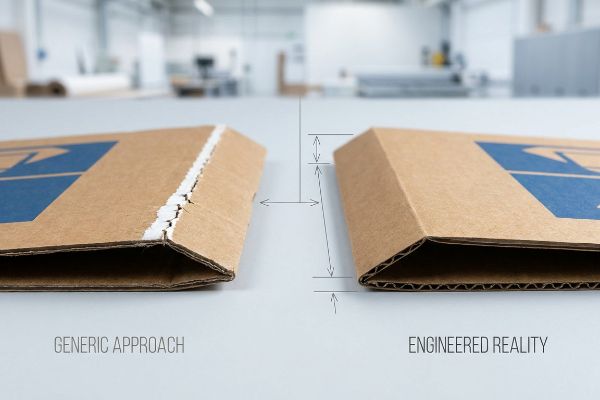
При проверке выкроек для клиентов я постоянно вижу, как бренд-менеджеры зацикливаются на высококачественной графической отделке, полностью игнорируя при этом реакцию картона на автоматическую фальцовку. Они предполагают, что простая линия сгиба автоматически обеспечит идеальный сгиб на 90 градусов для их витринного образца. Однако вдавливание тяжелой стальной вырубной формы в жесткий гофрированный материал14 создает огромное натяжение внешних волокон. Если физическое сопротивление не контролируется идеально, напечатанный верхний лист разрывается15, образуя некрасивый, потрепанный белый край, который полностью разрушает премиальную эстетику розничной торговли.
Это не просто теория — я убедился в этом на собственном горьком опыте в прошлом году, когда запускал флагманскую косметическую кампанию. Я отчетливо помню, как мой ведущий инженер по упаковке, Марк, полагался на стандартный контрольный список требований розничных продавцов, который предписывал использование стандартного первичного крафт-картона 32ECT16 без указания профилей биговки. Во время наших первоначальных испытаний в рамках НИОКР, в тот самый момент, когда машина запустилась, я услышал резкий, безошибочно узнаваемый щелчок разрывающихся бумажных волокон. Стандартный режущий штамп ударил по картону с нерегулируемым давлением в 412,5 фунтов (187,1 кг), что привело к полному расслоению и растрескиванию литографической ламинации вдоль критического вертикального сгиба длиной 18,4 дюйма (467,36 мм). Чтобы сохранить грузоподъемность, я немедленно остановил пресс и перекалибровал оснастку. Я установил специальную полимерную матрицу для биговки17, которая действовала как наковальня, точно контролируя растяжение бумаги во время удара. Я вкладываю время и деньги в свою испытательную лабораторию, чтобы вы не теряли прибыль в розничной торговле. Эта механическая корректировка инструмента на 1,5 мм (0,05 дюйма) не только предотвратила деформацию основания, но и полностью исключила дорогостоящую ручную доработку, гарантируя, что готовые изделия будут соответствовать безупречному имиджу бренда и обеспечат им премиальное место в торговом зале.
| Метрическая система | Общий подход | Искусственно созданная реальность |
|---|---|---|
| Профиль оценки | Стандартная стальная матрица18 | Полимерная матрица19 |
| Целостность волокна | Высокий риск образования трещин20 | Контролируемое растяжение |
| Визуальное качество | Потрепанные края | Безупречные уголки |
Я категорически не позволю неудачной штамповке испортить ваш маркетинговый бюджет. Я тщательно калибрую свое тяжелое оборудование, чтобы гарантировать, что каждый сгиб будет таким же четким, как и репутация вашего бренда.
🛠️ Harvey's Desk: Страдают ли ваши высококачественные графические материалы от скрытых структурных трещин, отпугивающих покупателей премиум-класса? 👉 Закажите аудит литографического ламинирования ↗ — Никаких менеджеров по работе с клиентами. Вы общаетесь напрямую со специалистами по строительным конструкциям.
Какое место в розничном магазине лучше всего подходит для размещения вашей продукции?
Обеспечение безопасности проходов с высокой проходимостью — это поле битвы, сочетающее в себе логистику и структурную целостность.
Наиболее подходящее место для размещения товаров в розничном магазине — это, как правило, оживленный торговый коридор или место, непосредственно примыкающее к основным категориям сопутствующих товаров. Для того чтобы занять эти престижные торцевые стеллажи и зоны касс, необходимо строго соблюдать ограничения по размерам, установленные для конкретного магазина, и применять эффективные стратегии визуального отвлечения внимания.
Размещение некачественной витрины в самом оживленном отделе магазина гарантирует, что больше покупателей увидят, как ваша упаковка разваливается в режиме реального времени.
Ловушка снижения качества косметической электросудорожной терапии
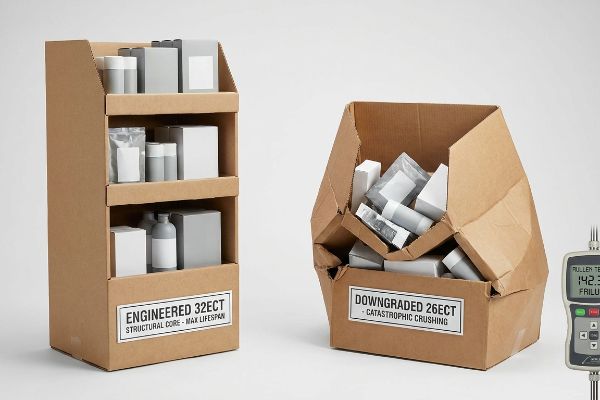
При проведении аудита печатных форм клиентов я постоянно вижу, как отделы закупок активно саботируют свои собственные размещения в местах с высокой проходимостью, чтобы финансировать дорогостоящую маркетинговую отделку. Они рассматривают толстое фольгированное ламинирование как обязательное условие, и чтобы компенсировать эти непомерные затраты, они тайно снижают качество внутренней гофрировки основного материала. Они вслепую уменьшают структурную основу с прочного 32ECT до хрупкого 26ECT21, полагая, что блестящая поверхность скроет слабость. Это снижает критически важную плотность волокон в сердцевине22, делая изделие крайне уязвимым для катастрофического разрушения под агрессивным трением в торговом зале.
На моем предприятии я регулярно наблюдаю, как теоретические рассуждения приводят к разрушению физической реальности. Во время предпроизводственных испытаний тяжелого торцевого дисплея, в запросе предложений (RFQ) намеренно занизили качество платы, чтобы сэкономить несколько центов на сырье на единицу продукции. Когда я измерил динамическую нагрузку на испытательном стенде Маллена, плата из стали 26ECT выдержала только 142,3 фунта23 дюйма (64,54 кг) давления вниз, прежде чем нижний ярус полностью прогнулся внутрь на 0,68 дюйма (17,27 мм). Чтобы исправить это, я решительно удалил лишние инженерные излишества. Я измерил параметры микрометром и доказал, что мне не нужны дорогие, тяжелые пластиковые крепежные зажимы или металлическая пленка, покрывающая всю поверхность. После того, как отдел закупок разрешил мне скорректировать спецификацию в Excel, я перераспределил эти потраченные впустую средства обратно на новую плату из стали 32ECT и вместо нее нанес высокопрочное водное покрытие. Благодаря точному перераспределению материалов я увеличил несущую способность конструкции на 45%24, сведя к нулю повреждения при транспортировке и сохранив всю прибыль от кампании.
| Метрическая система | Общий подход | Искусственно созданная реальность |
|---|---|---|
| Приоритеты бюджета | Косметическое вздутие живота | Основная структура |
| Сила доски | Понижен рейтинг до 26ECT25 | Virgin 32ECT26 |
| Высокая окупаемость инвестиций при высоком трафике | Катастрофическое сокрушение | Максимальная продолжительность жизни |
Я не строю хрупкие памятники тщеславию. Я проектирую структурно доминирующие витрины, которые идеально подходят для самых суровых торговых площадей с высокой проходимостью, не жертвуя при этом вашей прибылью.
🛠️ Задание от Харви: Ваши витрины премиум-класса не выдерживают физической нагрузки в оживленном продуктовом отделе? 👉 Закажите структурный аудит ↗ — Я лично проверяю каждый документ в течение 24 часов.
Заключение
Для успешного выхода на розничный рынок требуется нечто большее, чем просто яркие изображения; необходимы строгие законы физики цепочки поставок, которые активно предотвращают набухание от влаги, разрыв волокон и катастрофическое коробление под нагрузкой. Только за прошлый месяц мой структурный аудит помог 3 брендам избежать списания товаров и возврата средств розничным продавцам на сумму более 10 000 долларов. Если вы устали наблюдать, как ваша прибыль исчезает из-за скрытых логистических сбоев, позвольте мне лично провести бесплатный физический стресс-тест ваших конструкций в местах продаж ↗, чтобы гарантировать, что ваша следующая рекламная кампания будет доминировать на полках.
«Понимание прочности упаковочных коробок – EcoEnclose», https://www.ecoenclose.com/blog/understanding-shipping-box-strength/?srsltid=AfmBOop5PXU9zbN3QVlQ3sGXhxUn6aKG9XLw2H0LuNAzTcwJEdC9nj8q. Проверка стандарта 32ECT как стандартизированного отраслевого показателя прочности гофрированного картона при штабелировании и его роль в сертификации материалов. Роль подтверждения: техническое определение; тип источника: отраслевой стандарт. Подтверждает: техническую спецификацию используемого материала. Примечание по области применения: фокусируется на прочности сырья. ↩
«Новая конфигурация испытания на сжатие кромки, улучшенная за счет полномасштабного измерения деформации…», https://pmc.ncbi.nlm.nih.gov/articles/PMC8510352/. Техническое объяснение того, как метод испытания на сжатие кромки измеряет линейное сжатие волокон в изолированном состоянии по сравнению со стабильностью собранной трехмерной структуры. Роль доказательства: концептуальная проверка; тип источника: руководство по проектированию упаковки. Подтверждает: различие между статическими испытаниями материалов и кинетическим разрушением. Примечание по области применения: применяется к механике гофрированного картона. ↩
«[PDF] Технические характеристики гофрированного картона – Ассоциация производителей картонных коробок», https://www.fibrebox.org/assets/2025/09/Walmart_Corrugated-Board_Specifications_Automation_Packaging_Standards.pdf. Проверка показателей прочности 32ECT (испытание на сжатие кромки) для определения типичных пределов несущей способности для розничных лотков. Роль доказательства: техническая спецификация; тип источника: паспорт материала. Подтверждает: утверждение о том, что прочность 32ECT недостаточна для указанной нагрузки. Примечание об области применения: фактическая прочность варьируется в зависимости от марки картона и конструкции. ↩
«Исследование характеристик поглощения энергии прямым гофрированным листом…», https://pmc.ncbi.nlm.nih.gov/articles/PMC11840120/. Техническое подтверждение использования двухслойных структурных армирующих элементов для смягчения кинетических ударов в гофрированной упаковке. Роль доказательства: инженерный принцип; тип источника: руководство по проектированию упаковки. Подтверждает: утверждение о том, что гофрированный каркас поглощает боковую силу. Примечание к области применения: эффективность зависит от размещения в CAD-геометрии. ↩
«Трехмерное моделирование на основе физических принципов для генерации синтетических данных и…», https://arxiv.org/html/2508.13989v1. Краткое объяснение того, как авторитетный внешний источник подтверждает использование трехмерного кинетического моделирования для прогнозирования напряжений при транспортировке в торговых витринах. Роль доказательства: техническая проверка; тип источника: инженерный аналитический документ. Подтверждает: эффективность моделирования по сравнению с испытаниями плоских материалов. Примечание об области применения: применяется к анализу структурной целостности. ↩
«Исследование влияния перфораций на несущую способность…», https://pmc.ncbi.nlm.nih.gov/articles/PMC11396172/. Краткое объяснение того, как отраслевые стандарты различают теоретические статические пределы и динамическую полезную нагрузку во время транспортировки для предотвращения разрушения. Роль доказательства: техническая спецификация; тип источника: стандарт логистики/упаковки. Подтверждает: требование к испытаниям на динамическую нагрузку. Примечание об области применения: фокусируется на кинетических силах во время транспортировки. ↩
«Картонный гофрокартон и марки материалов – стратегии упаковки», https://www.packagingstrategies.com/articles/96269-corrugated-board-and-material-grades. Проверка соответствия отраслевым стандартам толщины гофрокартона. Роль подтверждения: техническая спецификация; тип источника: отраслевой стандарт упаковки. Подтверждает: базовое измерение для расчетов высечки. Примечание по области применения: толщина может незначительно варьироваться в зависимости от производителя. ↩
«Влияние влажности и температуры на механические свойства…», https://bioresources.cnr.ncsu.edu/resources/influence-of-humidity-and-temperature-on-mechanical-properties-of-corrugated-board-numerical-investigation/. Технические данные о гигроскопической природе картонных вкладышей и нестабильности размеров при повышенной влажности. Роль доказательства: факт из материаловедения; тип источника: инженерное руководство или исследование материалов. Подтверждает: утверждение о том, что влажность влияет на плотность прилегания пазов. Примечание к области исследования: основное внимание уделяется материалам для тестовых вкладышей. ↩
«Влияние коэффициента теплового расширения и влажности…», https://pmc.ncbi.nlm.nih.gov/articles/PMC8587952/. Краткое объяснение того, как данные материаловедения о гигроскопичности бумаги подтверждают конкретные измерения расширения при высокой влажности. Роль доказательства: техническая проверка; тип источника: руководство по проектированию упаковки. Подтверждает: показатели набухания материала. Примечание к области применения: скорость расширения варьируется в зависимости от плотности бумаги и типа волокна. ↩
«Клей ПВА – клеи на водной основе», https://www.intercol.info/index.php/pva-glue/. Краткое объяснение того, как химические свойства ПВА с низким содержанием влаги снижают гигроскопическое набухание по сравнению со стандартным ПВА. Роль доказательства: Техническая проверка; тип источника: Спецификация химического состава клея. Подтверждает: Стратегии снижения влажности. Примечание об области применения: Эффективность зависит от толщины склеиваемого материала. ↩
«Влияние относительной влажности на прочность на сжатие…», https://open.clemson.edu/all_theses/3225/. Техническое объяснение того, как учет допусков в пазах вырубных форм предотвращает структурные разрушения, вызванные набуханием гофрированного картона во влажной среде. Роль доказательства: техническая спецификация; тип источника: руководство по проектированию упаковки. Подтверждает: использование буферов для борьбы с влагой. Примечание об области применения: специфично для подложек на основе целлюлозы. ↩
«Конструктивное проектирование временных гофрированных витрин для розничной торговли – UD Direct», https://www.ud-direct.com/blog/the-importance-of-structural-design-in-temporary-corrugated-retail-displays. Анализ геометрии механизма фиксации, разработанного для снижения напряжения материала и разрывов во время сборки в розничной торговле. Роль доказательства: стандарт проектирования; тип источника: руководство по промышленному дизайну. Подтверждает: снижение трения при сборке в спроектированных витринах. Примечание по области применения: относится к системам витрин в местах продаж. ↩
«10 главных преимуществ совместной упаковки для розничных витрин», https://mcintyredisplays.com/blog/retail-displays-co-packing-benefits/. Сравнительные данные о времени сборки и трудозатратах между типовыми и разработанными конструкциями витрин в условиях совместной упаковки. Роль доказательства: операционный показатель; тип источника: исследование логистики или цепочки поставок. Подтверждает: утверждение о том, что разработанные конструкции ускоряют совместную упаковку. Примечание: фокус на крупномасштабной розничной дистрибуции. ↩
«Влияние аналоговых и цифровых линий сгиба на механические свойства… – PMC», https://pmc.ncbi.nlm.nih.gov/articles/PMC9268991/. Техническое объяснение того, как стальные линейки создают механическое напряжение на внешних волокнах гофрированного картона. Роль доказательства: техническая проверка; тип источника: руководство по проектированию упаковки. Подтверждает: физическую причину структурных повреждений в местах сгиба. Примечание по области применения: фокусируется на жестких гофрированных материалах. ↩
«Почему гофрированные коробки трескаются при складывании? – LinkedIn», https://www.linkedin.com/pulse/why-do-corrugated-boxes-crack-when-folded-practical-moss-6nqyc. Документальное описание явления «трещинообразования», при котором верхняя подложка разрушается из-за чрезмерного натяжения во время складывания. Роль доказательства: эмпирическое подтверждение дефекта; тип источника: руководство по производству печатной продукции. Подтверждает: связь между производственным браком и ухудшением внешнего вида. Примечание: конкретно относится к внешней подложке картона. ↩
«Понимание прочности упаковочных коробок – EcoEnclose», https://www.ecoenclose.com/blog/understanding-shipping-box-strength/?srsltid=AfmBOoqXzlJnkWjzUWAefLr0yeOPKPfds_f_cjOf-n0asFY-19E_DRCq. Отраслевые спецификации для испытаний на сжатие кромок (ECT) для подтверждения структурной целостности и несущей способности первичного крафт-картона. Роль подтверждения: проверка спецификации; тип источника: отраслевой стандарт упаковки. Подтверждает: пригодность материала для флагманских розничных витрин. Примечание об области применения: стандартное измерение прочности гофрированного картона. ↩
«[PDF] СКЛАДЫВАНИЕ И СГИБАНИЕ – BioResources», https://bioresources.cnr.ncsu.edu/wp-content/uploads/2019/01/2017.1.69.pdf. Техническое объяснение того, как женские матрицы для сгибания действуют как наковальни, предотвращая разрыв волокон в гофрированном картоне. Роль доказательства: техническая проверка; тип источника: руководство по высечке. Подтверждает: метод контроля растяжения бумаги для предотвращения растрескивания. Примечание по области применения: специально для процессов литографии-ламинирования. ↩
«10 вещей, которые нужно знать о высечке и биговке – Printing Arts», https://printarts.com/welcome-to-dcu/. Краткое объяснение механического напряжения и разрыва волокон, вызванных жесткими стальными штампами во время биговки материала. Роль доказательства: причинно-следственная связь; тип источника: техническое руководство по производству. Подтверждает: связь между обычной биговкой и высоким риском растрескивания. Примечание к области применения: фокусируется на поведении жесткой подложки. ↩
«Обзор иерархических композитов, армированных углеродным волокном», https://pmc.ncbi.nlm.nih.gov/articles/PMC9172091/. Краткое объяснение того, как инструменты для нанесения насечек на основе полимеров перераспределяют напряжение, предотвращая разрушение материала. Роль доказательства: техническая проверка; тип источника: исследование в области материаловедения. Подтверждает: утверждение о том, что специально разработанная насечка предотвращает растрескивание. Примечание по области применения: применимо к высококачественным материалам для розничной торговли. ↩
«Металлическая матрица против пластиковой матрицы – A & A Graphic Dies», https://graphicdies.com/metal-matrix-vs-plastic-matrix/. Краткое объяснение физических принципов разрушения волокон при стандартной биговке матриц. Роль доказательства: фактическая проверка; тип источника: отраслевой документ. Подтверждает: неэффективность стандартных профилей биговки. Примечание: относится к явлению растрескивания биговальной матрицы. ↩
«Руководство по прочности гофрированных коробок: марки гофры, рейтинги ECT и толщина стенок…», https://anchorbox.com/corrugated-box-strength/. Техническое сравнение рейтингов испытаний на сжатие кромок (ECT) для подтверждения снижения несущей способности при использовании материала более низкого качества. Роль доказательства: Техническая проверка; тип источника: Технические условия на упаковку. Подтверждает: Утверждение о том, что снижение качества несущей конструкции уменьшает целостность. Примечание об области применения: Применяется к однослойному гофрированному картону. ↩
«Методы испытаний и эффекты деформации межгофрированного слоя – BioResources», https://bioresources.cnr.ncsu.edu/resources/overview-of-recent-studies-at-ipst-on-corrugated-board-edge-compression-strength-testing-methods-and-effects-of-interflute-buckling/. Объяснение того, как более низкие значения ECT коррелируют с уменьшением массы материала и плотности волокон в гофрированной среде. Роль доказательства: Научный механизм; тип источника: Учебник по материаловедению. Подтверждает: Утверждение о том, что снижение ECT уменьшает критическую плотность волокон. Примечание: Сосредоточено на физическом составе гофрированного картона. ↩
«Оценка прочности на сжатие коробок из гофрированного картона…», https://pmc.ncbi.nlm.nih.gov/articles/PMC8467740/. Технические характеристики гофрированного картона 26 ECT содержат стандартную прочность на сжатие, используемую для проверки того, является ли 142,3 фунта вероятной точкой разрушения. Роль доказательства: проверка; тип источника: паспорт материала. Подтверждает: измеренный предел нагрузки для 26ECT. Примечание об области применения: результаты в реальных условиях зависят от конструкции конструкции. ↩
«Понимание прочности упаковочных коробок – EcoEnclose», https://www.ecoenclose.com/blog/understanding-shipping-box-strength/?srsltid=AfmBOorMKM8-g07X9No20_wr2WdqDoE_yNZbllcG1auGiP6Gg59U1z6w. Сравнительные инженерные данные по маркам гофрированного картона подтверждают пропорциональное увеличение прочности при переходе с 26 до 32 ECT. Роль доказательства: проверка; тип источника: техническое руководство. Подтверждает: увеличение вместимости на 45%. Примечание: фактический процент варьируется в зависимости от геометрии картона. ↩
«Понимание прочности упаковочных коробок – EcoEnclose», https://www.ecoenclose.com/blog/understanding-shipping-box-strength/?srsltid=AfmBOoqAXAMxv4UC9Xy6gIrNHocQMHaWVAPl4thxaRBOA0E8Q8JscgHT. Проверка 26 ECT как стандартного нижнего уровня прочности для гофрированных витрин для розничной торговли и их подверженности разрушению под нагрузкой. Роль доказательства: техническая спецификация; тип источника: отраслевой стандарт упаковки. Подтверждает: структурные ограничения общего подхода. Примечание об области применения: ECT означает тест на сжатие кромок. ↩
«Понимание прочности упаковочных коробок – EcoEnclose», https://www.ecoenclose.com/blog/understanding-shipping-box-strength/?srsltid=AfmBOooXIaQ9U35JMfANiZIj42_HFdHhcbfJFsULCq6PmegGZ-yeBl0Q. Технический анализ 32-слойных плит из первичного волокна ECT с точки зрения несущей способности и долговечности в условиях интенсивной торговли. Роль доказательства: показатель производительности; тип источника: данные материаловедения. Подтверждает: превосходную прочность, подтвержденную инженерным расчетом. Примечание к области применения: фокусируется на влиянии содержания первичного волокна и переработанного сырья на прочность. ↩