Вы вкладываете весь свой маркетинговый бюджет в запуск нового продукта, а видите его в дешевой, помятой картонной коробке. Это первое впечатление навсегда определяет розничную стоимость вашего товара.
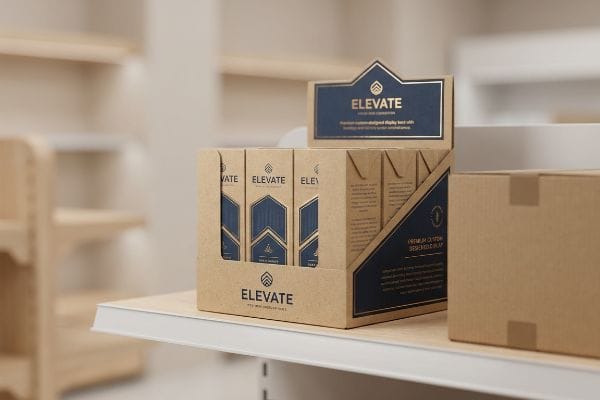
Изготовленные на заказ демонстрационные коробки влияют на восприятие бренда, мгновенно передавая покупателям информацию о качестве продукции, ее прочности и позиционировании на рынке. Улучшение визуального дизайна и повышение прочности материалов предотвращают повреждения при транспортировке, повышают доверие потребителей и четко выделяют ваши товары премиум-класса среди товаров обычных конкурентов в условиях высокой конкуренции на рынке розничной торговли.
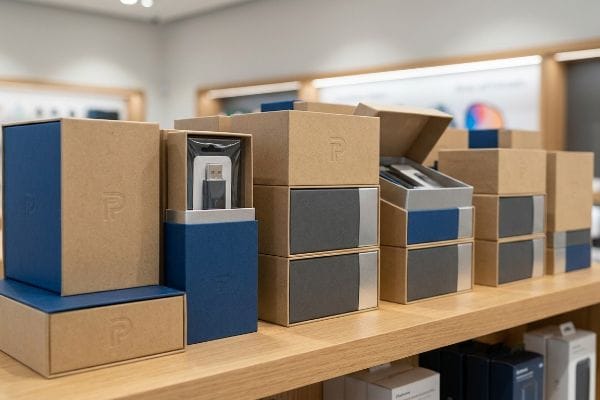
Но понимание психологии маркетинга — это только половина дела; реальность определяется практикой.
В чём преимущества упаковочных коробок, изготовленных на заказ?
Получение заказа на закупку от крупного ритейлера приносит удовлетворение, пока ваша крупная партия товара не развалится в пути, превратив прибыльный запуск в настоящий логистический кошмар.
Преимущества упаковочных коробок, изготовленных на заказ, включают максимальную плотность упаковки при транспортировке, точную прочность на сжатие и полную защиту во время перевозки. Разработка основных картонных коробок специально для стандартных размеров паллет обеспечивает точное выравнивание углов, полностью исключая повреждения при хранении на складе и активно защищая внутренние витрины магазинов до того, как они попадут к потребителям.
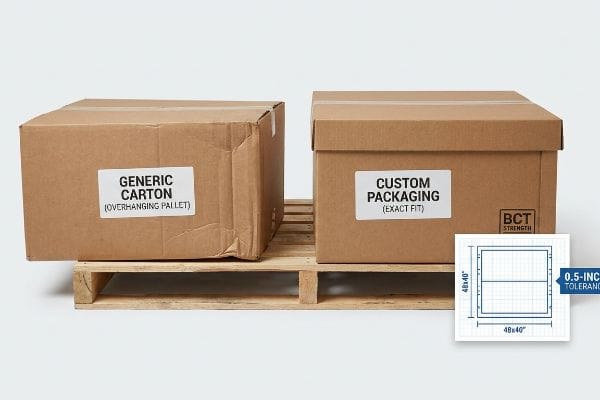
Защитить свой товар на бумаге легко, но в момент включения погрузчика в дело вступают законы физики.
Почему стандартные картонные коробки не проходят проверку на укладку на складе
Закупочные команды часто полностью сосредотачиваются на увеличении внутреннего объема основной коробки, чтобы снизить стоимость доставки единицы товара. Они выбирают прочный гофрированный картон, предполагая, что теоретический показатель сжатияэтого автоматически защитит товар внутри. Такой подход рассматривает коробку изолированно, полностью игнорируя ее взаимодействие со стандартными поддонами GMA (Ассоциации производителей продуктов питания)².
Даже опытные покупатели попадают в эту ловушку, позволяя коробкам выступать за край поддона размером 48×40 дюймов (121,9×101,6 см) всего на долю дюйма. Я постоянно наблюдаю это при проверке поступающих грузов; можно даже услышать слабый, неприятный хруст испытательного слоя, прогибающегося под тяжелыми складскими грузами. Гофрированная коробка получает 60% своей прочности на сжатие (BCT)углы идеально выдерживают нагрузку. Эта простая структурная граница исключает деформацию при транспортировке, снижает количество возвратов нереализуемой продукции и защищает вашу прибыль с каждого контейнера.
| Распространённая ошибка новичков | Профессиональное решение | Преимущества для торговых площадей |
|---|---|---|
| Нависание над настилом поддона | Обеспечение внутреннего допуска в 0,5 дюйма | Нижние ярусы не были повреждены |
| Полагаясь исключительно на качество картона | Выравнивание вертикальных угловых нагрузок | Максимально высокий рейтинг BCT |
| Максимальное использование внутреннего пространства коробки | Проектирование с учетом специфики GMA | Бесперебойная приемка товаров в розничной торговле |
Я не позволю незначительной ошибке в размерах испортить ваш товар. Разработка упаковки, идеально соответствующей транспортировочной платформе, гарантирует, что ваш товар прибудет в том же состоянии, в котором он покинул мой завод.
🛠️ За столом Харви: Ваши упаковочные коробки незаметно теряют прочность на сжатие по краям поддонов? 👉 Запросите аудит загрузки поддонов ↗ — Прямой доступ к моему рабочему месту. Никакого автоматического спама с рекламой, обещаю.
Как упаковка влияет на имидж бренда?
Тщательно разработанный корпоративный бренд абсолютно ничего не значит, если его физическое воплощение в торговом зале выглядит дешево, блекло или явно непрофессионально при резком освещении магазина.
Упаковка влияет на имидж бренда, визуально укрепляя доверие потребителей и мгновенно подтверждая премиальную цену. Высококачественная печать переводит цифровой брендинг в физическую реальность, гарантируя, что яркие логотипы и четкий текст отражают высокий стандарт качества, а не сигнализируют прохожим о дешевом, некачественном товаре.
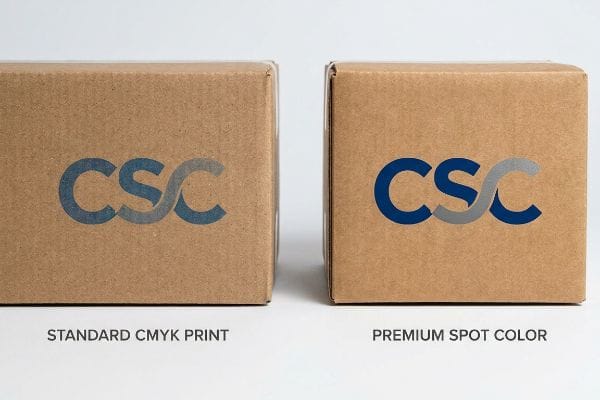
Цифровой файл дизайна может выглядеть безупречно на вашем мониторе, но именно перенос этих пикселей на необработанный картон лишает бренды их премиального статуса.
Оптическая реальность гофрированного печатного клея
Отделы маркетинга часто переводят свои фирменные логотипы в стандартные четырехцветные форматы, полагая, что типография идеально совместит их с цифровыми экранами. Они передают макет поставщику и ожидают, что итоговая презентация будет излучать ту же энергию, что и их веб-сайт. Это фундаментальное непонимание коммерческих печатных материалов часто приводит к большому разочарованию при доставке.
Это распространённая ловушка, в которую попадают даже опытные дизайнеры при печати на пористом тест-лайнере 32ECT (тест на смятие края). Стандартная четырёхцветная печать основана на перекрывающихся крошечных полутоновых точках, и когда эти точки неравномерно проникают в волокна необработанной бумаги⁵,я вижу, как логотипы превращаются в зернистую, блеклую кашу. Вы можете буквально провести голой рукой по незапечатанному картону и почувствовать порошкообразную, тусклую поверхность некачественной печати. Чтобы исправить это, я ввожу протокол заливки плашечными цветами, смешивая точные плашечные краски Pantone⁶для основных элементов бренда. Это обеспечивает плотный, идеально ровный поток пигмента, который гарантирует, что ваш бренд будет выделяться с расстояния шести метров, мгновенно повышая восприятие покупателя и оправдывая вашу высокую цену.
| Распространённая ошибка новичков | Профессиональное решение | Преимущества для торговых площадей |
|---|---|---|
| Использование CMYK для создания сплошных логотипов | Смешивание чернил точно по системе Pantone7 | Премиальный бренд, отличающийся стабильностью качества |
| Печать непосредственно на необработанном картоне | Применение заливки цветом отдельных участков8 | Устраняет зернистость и визуальную нечеткость |
| Доверие к цветам экрана | Физическое согласование спектрофотометра9 | Цвет, соответствующий фирменному цвету, при искусственном освещении |
Я всегда говорю покупателям, что некачественный логотип мгновенно снижает ценность премиального продукта. Контроль химического состава чернил на пористом материале — единственный способ гарантировать, что ваш визуальный стиль сохранится при переходе с экрана на полку магазина.
🛠️ Задание от Харви: Ваш логотип выглядит четким на экране, но странно зернистым и тусклым на ваших нынешних картонных коробках? 👉 Сравните стандарты печати ↗ — Скачайте безопасно. Мой почтовый ящик открыт, если у вас возникнут вопросы позже.
В чём преимущества демонстрационных коробок, изготовленных на заказ?
Хорошо спроектированная торговая точка не просто хранит товары, она активно занимает торговое пространство, стимулирует взаимодействие с покупателями и физически выдерживает хаос интенсивного движения в современных магазинах клубного типа.
Преимущества демонстрационных коробок, изготовленных на заказ, включают максимальную видимость товаров в торговом зале, контролируемое взаимодействие с покупателями и строгое соответствие размерам крупных магазинов. Специально разработанные конструкции надежно удерживают тяжелые товары, а использование специальных инженерных решений позволяет представить продукцию под оптимальным углом обзора без опрокидывания или деформации.
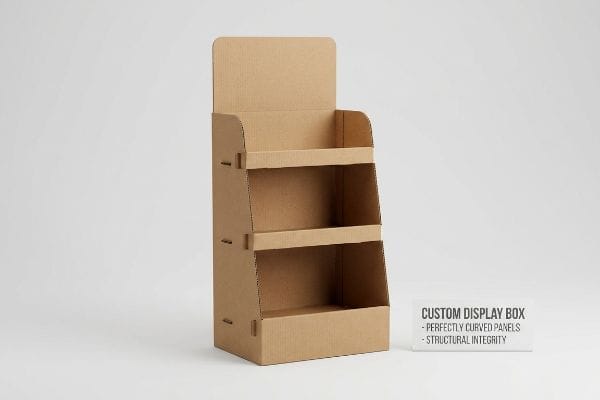
Но знания теории недостаточно, когда запускаются станки и химическая реальность вступает в игру на производственном участке.
Почему разборные витрины деформируются в заводских условиях
Дизайнеры, естественно, предполагают, что приклеивание высококачественного печатного верхнего слоя к жесткому гофрированному картону с гофрированной структурой типа B приведет к получению идеально ровной панели. Они точно рассчитывают размеры в своем программном обеспечении и утверждают чертеж, ожидая, что физический материал будет вести себя точно так же, как их цифровая модель. Это полностью игнорирует активную химию процесса литографии-ламинирования10.
На моем предприятии я регулярно наблюдаю последствия игнорирования производителями стандартных клеев механизмов работы с водорастворимым клеем ПВА (поливинилацетат). Когда этот влажный клей покрывает большую боковую панель размером 60 дюймов (152,4 см), картон агрессивно впитывает влагу; по мере высыхания поверхностное натяжение заставляет всю конструкцию прогибаться внутрь, как огромный картофельный чипс. Вы можете почувствовать резкий, кислый запах высыхающего клея непосредственно перед тем, как картон деформируется на неравномерные 0,35 дюйма (8,8 мм), полностью нарушая выравнивание соединительных пазов. Чтобы противодействовать этому, я ввожу строгий протокол контроля веса отверждаемого материала на линии ламинирования, укладывая влажные картоны под тяжелые прижимные плиты ровно на 24 часа. Благодаря этой механической корректировке я значительно сокращаю время сборки и упаковки, предотвращая дорогостоящую ручную переделку и исключая риск того, что менеджеры магазинов откажут в приемке шатающейся, неправильно выровненной конструкции.
| Распространённая ошибка новичков | Профессиональное решение | Преимущества для торговых площадей |
|---|---|---|
| Игнорируя влажность клея ПВА | Соблюдение 24-часового режима восстановления веса | Идеально ровные вертикальные панели |
| Одностороннее ламинирование | Сбалансированные двухслойные структуры плат | Устраняет деформацию, вызванную поверхностным натяжением |
| Предполагая мгновенную сушку | Заводская сушка при контролируемой температуре окружающей среды | Бесшовная сборка с защелкивающимися выступами |
В работе с влажными клеями и бумажными волокнами я никогда не полагаюсь на надежду. Контроль процесса отверждения ламинирования — вот как я гарантирую, что ваши большие демонстрационные панели останутся идеально ровными и структурно прочными под огромными нагрузками, характерными для розничной торговли.
🛠️ Вопрос от Харви: Знаете ли вы, не торопится ли ваш нынешний поставщик с процессом отверждения ПВА-ламината, рискуя получить деформированные панели при доставке? 👉 Закажите бесплатный аудит спецификации материалов ↗ — Я проведу стресс-тест расчетов, прежде чем вы потратите бюджет на массовое производство.
Заключение
Вы можете выбрать более дешевого поставщика, но когда эти картонные коробки выступают за пределы поддона и прогибаются под тяжелыми складскими грузами, вы рискуете полностью уничтожить нижний ценовой сегмент и спровоцировать немедленный отказ со стороны розничных продавцов, что уничтожит вашу прибыль. Более 500 бренд-менеджеров используют мой контрольный список для допечатной подготовки, чтобы избежать именно этих фатальных ошибок на ранних этапах. Прекратите рисковать, полагаясь на структурную механику, и позвольте мне лично провести бесплатную проверку ваших проектов на соответствие чертежам перед отправкой ↗, чтобы выявить эти скрытые физические дефекты до того, как они попадут в производственный цех.
«Прогнозирование влияния выступающих частей поддона на сжатие коробки…», https://vtechworks.lib.vt.edu/items/a44b58f5-f8a2-4e60-b709-23a013411d58. [Стандарты по проектированию упаковки объясняют, как теоретические показатели сжатия, такие как тест на сжатие кромки (ECT), часто не позволяют предсказать фактическую несущую способность при наличии факторов окружающей среды или смещения поддона]. Роль доказательства: техническая спецификация; тип источника: инженерное руководство. Подтверждает: недостаточность опоры только на показатели сырья. Примечание об области применения: относится к упаковке из гофрированного картона. ↩
«Стандартные размеры поддонов | С таблицей», https://www.kampspallets.com/standard-pallet-sizes-with-chart/. [Официальные стандарты GMA определяют точные размеры и требования к несущей способности поддонов для обеспечения совместимости и стабильности в североамериканской розничной логистике]. Роль подтверждения: отраслевой стандарт; тип источника: регулирующий орган. Подтверждает: необходимость проектирования габаритов коробок в соответствии со стандартами поддонов во избежание их смятия. Примечание об области применения: в основном применимо к североамериканской цепочке поставок. ↩
«Оценка прочности на сжатие коробок из гофрированного картона…», https://pmc.ncbi.nlm.nih.gov/articles/PMC9864211/. [Авторитетное руководство по проектированию упаковки подтвердило бы процент несущей способности, обеспечиваемый вертикальными углами во время испытания коробки на сжатие]. Роль доказательства: техническая спецификация; тип источника: отраслевой стандарт. Подтверждает: утверждение о том, что целостность углов является основным фактором, определяющим прочность конструкции. Примечание об области применения: относится конкретно к стандартным транспортным контейнерам из гофрированного картона. ↩
«Влияние условий производства бумаги на впитывание чернил и наложение цвета…», https://bioresources.cnr.ncsu.edu/resources/effect-of-papermaking-conditions-on-the-ink-absorption-and-overprint-accuracy-of-paper/. [В технических руководствах по печати объясняется, как пористость и состав различных подложек влияют на впитывание чернил и, как следствие, на яркость цвета]. Роль доказательства: техническая спецификация; тип источника: отраслевое руководство. Подтверждает: утверждение о том, что выбор подложки приводит к расхождениям в цвете. Примечание об области применения: относится конкретно к коммерческим печатным материалам. ↩
«Влияние гофрированного картона и деформаций полутоновых точек», https://www.academia.edu/60461055/Print_uniformity_of_corrugated_board_in_flexo_printing_effects_of_corrugated_board_and_halftone_dot_deformations. [В технических руководствах по печати объясняется явление впитывания чернил и увеличения размера точек, когда пористые подложки приводят к растеканию и оседанию полутоновых точек, снижая резкость изображения]. Роль доказательства: Техническая проверка; тип источника: учебник по полиграфической промышленности. Подтверждает: Причина ухудшения качества изображения на необработанных бумажных волокнах. Примечание к области применения: Относится конкретно к негерметизированному гофрированному картону. ↩
«CMYK против плашечных цветов: какой процесс лучше – Prime Line Packaging», https://www.primelinepackaging.com/blog/spot-color-vs-cmyk-understanding-the-differences-and-choosing-the-right-method-for-your-packaging/. [Отраслевые стандарты для коммерческой печати показывают, что предварительно смешанные плашечные цвета обеспечивают более высокую плотность пигмента и однородность по сравнению с полутоновыми CMYK-наложениями на впитывающие материалы]. Роль доказательства: техническое решение; тип источника: руководство по графическим дизайнам. Подтверждает: эффективность плашечных цветов для обеспечения единообразия бренда на пористых поверхностях. Примечание к области применения: относится к визуальному контрасту на гофрированных подложках. ↩
«PMS против CMYK для упаковки: что лучше? – PAX Solutions», https://pax.solutions/corrugated-packaging/pms-vs-cmyk-for-packaging/. [Отраслевые стандарты управления цветом подробно описывают, как плашечные цвета, такие как Pantone, обеспечивают более высокую точность и согласованность на разных носителях по сравнению с изменчивостью процесса печати CMYK]. Роль подтверждения: Техническая проверка; тип источника: Руководство полиграфической отрасли. Подтверждает: Согласованность премиального бренда. Примечание к области применения: В частности, касается воспроизведения логотипа на физической упаковке. ↩
«Различия между триадными и плашечными цветами в упаковке | PackMojo», https://packmojo.com/help/process-colors-vs-spot-colors/?srsltid=AfmBOooJ3rZ7A08Rw7gVIbI0nLZK4IkPDhus5MFa12_pJeUuqjGS87Py. [В технических руководствах по печати поясняется, что нанесение сплошного слоя краски или белой основы предотвращает неравномерное впитывание краски пористым картоном и появление зернистости]. Роль подтверждения: проверка процесса; тип источника: техническая спецификация печати. Поддержка: устранение зернистости и визуального эффекта «грязи». Примечание об области применения: применяется к коричневой крафт-бумаге или необработанному гофрированному картону. ↩
«Сравнительный анализ недорогих портативных спектрофотометров для…», https://pmc.ncbi.nlm.nih.gov/articles/PMC11679304/. [Документация по науке о цвете доказывает, что спектрофотометры обеспечивают объективные измерения отраженного света, обходя неточности RGB-экранов и человеческого восприятия при освещении в торговых помещениях]. Роль доказательства: Научная проверка; тип источника: Исследование в области науки о цвете/Техническое руководство. Подтверждает: Точность цветопередачи, соответствующая бренду. Примечание к области применения: Акцент делается на точности измерения, а не на визуальной оценке. ↩
«Литофилламинированный микрофлюид – MM Group», https://mm.group/packaging/technologies/lamination/. [Авторитетный источник по упаковочной инженерии объяснит, как влага и химическая связь при литофилламинировании создают внутренние напряжения, приводящие к деформации картона]. Роль доказательства: Технический механизм; тип источника: Производственный стандарт или учебник по упаковочной инженерии. Подтверждает: Причину физической деформации печатных дисплеев. Примечание по области применения: Сосредоточено на взаимодействии клеевых агентов и гофрированных волокон. ↩
«Технологический процесс производства и клеи для гофрированного картона», https://patents.google.com/patent/US4824696A/en. [В техническом руководстве по применению клеев или бумаговедению объясняется, как поливинилацетат на водной основе вызывает набухание волокон и последующую усадку, приводящую к деформации картона]. Роль доказательства: Техническая проверка; тип источника: Справочник по материаловедению. Подтверждает: Механизм деформации картона во время сушки. Примечание об области применения: Применяется к пористым целлюлозным материалам. ↩