Вы неделями доводите до совершенства художественное оформление, но если конструкция рекламного стенда выйдет из строя в торговом зале, весь ваш рекламный бюджет отправится прямиком на свалку.
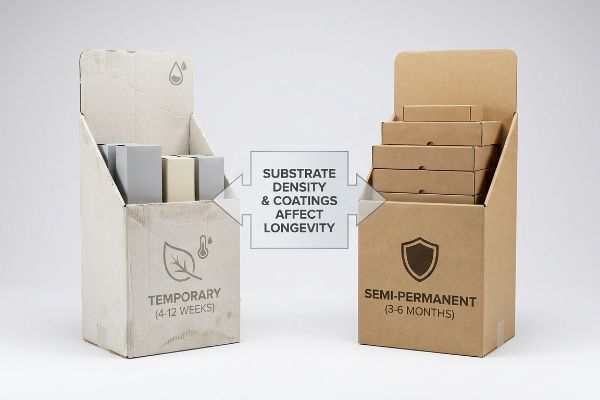
Срок службы картонных рекламных конструкций в местах продаж составляет от четырех недель до шести месяцев, в зависимости от плотности подложки, влажности окружающей среды и нанесенного покрытия. Для временных торговых стендов используются легкие микрофлейты, а для полупостоянных конструкций требуется армирование первичным крафт-бумагой для поддержания структурной целостности в течение длительных сезонных рекламных циклов.
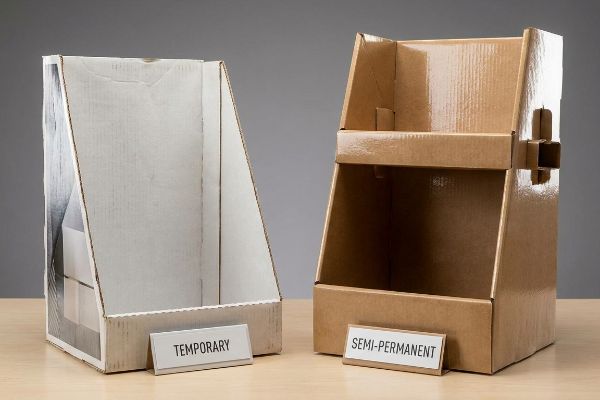
Теория отлично смотрится в электронных таблицах, но давайте рассмотрим механические силы, которые на самом деле определяют, как долго ваши устройства будут выдерживать воздействие реального мира.
Как долго служат картонные коробки?
Стандартные гофрированные упаковочные коробки не являются стационарными хранилищами; это временные механические амортизаторы, предназначенные для конкретных циклов транспортировки.
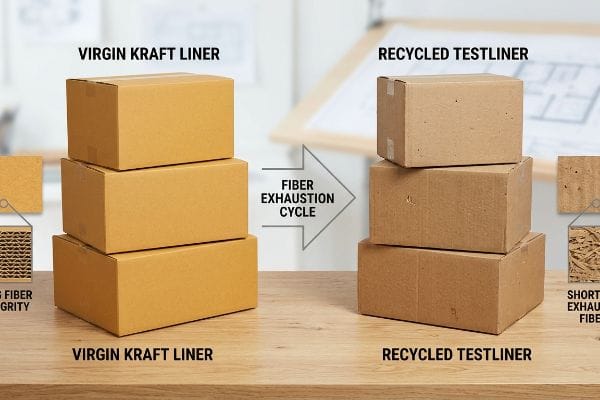
Срок службы картонной коробки строго зависит от износа волокон и воздействия окружающей среды. Транспортировочная коробка из первичного крафт-бумаги легко выдерживает многократные международные перевозки, в то время как переработанный лайнер быстро разрушается под тяжелыми складскими паллетами. Как только бумажные волокна микроскопически укорачиваются, присущая им прочность на сжатие исчезает, ограничивая эффективную долговечность несколькими неделями.
Понять базовый срок службы сырья несложно, но применение этого знания к высокоскоростным цепочкам поставок полностью меняет ситуацию.
Предел исчерпания волокон в розничной логистике
Большинство опытных покупателей, естественно, настаивают на использовании 100% переработанного тестлайнера для достижения корпоративных целей в области устойчивого развития. Кажется логичным ввести обязательное использование максимально экологичных материалов для вторичной упаковки и стандартных розничных транспортных средств. Распространенное предположение состоит в том, что если картон проходит статическое лабораторное испытание на разрыв¹,он будет вести себя идентично свежему материалу в полевых условиях.
Я постоянно вижу, как опытные команды по закупкам попадают в эту ловушку, полагая, что переработанные волокна сохраняют постоянную жесткость. Позвольте мне привести вам эмпирическое правило: целлюлоза бумаги физически укорачивается каждый раз, когда проходит через чан для переработки целлюлозы².Когда вы загружаете тяжелые товары повседневного спроса (CPG) на витрину, изготовленную из отработанных, чрезмерно переработанных волокон, внутренние гофры не обладают достаточным натяжением, чтобы удерживать жесткую арку. Я помню, как продавец пытался пополнить запасы на нижнем ярусе, и я слышал отчетливый, приглушенный хруст гофр, которые просто не выдерживали давления. Боковые стороны выгибались, и им приходилось обматывать все основание неаккуратной прозрачной лентой, чтобы витрина стояла. Введя точное соотношение 30% первичного крафт-материала³непосредственно в несущие стенки, я мгновенно восстановил динамическую прочность на сжатие. Это полностью устранило провисание нижнего яруса, предотвратив отказы со стороны розничных продавцов и при этом удовлетворив строгие требования экологического соответствия.
| Распространённая ошибка новичков | Профессиональное решение | Преимущества для торговых площадей |
|---|---|---|
| Использование 100% переработанного картона для тяжелых грузов | Впрыскивание 30% первичных крафт-волокон4 | Предотвращает разрушение базового уровня |
| Доверять только статическим лабораторным испытаниям на взрывную нагрузку | Введение обязательного использования динамических моделей движения транспорта5 | Устраняет провисание складских поддонов |
| Игнорирование микроскопического укорочения волокон | Использование свежего картона с длинными волокнами6 | Сохраняет жесткую структуру в течение нескольких месяцев |
Я отказываюсь позволить агрессивным квотам на устойчивое развитие разрушить вашу структурную целостность. Сочетание свежих волокон с переработанными материалами гарантирует, что ваши тяжелые торговые витрины выдержат двойную укладку при морской перевозке без риска катастрофического обрушения.
🛠️ За столом Харви: Ваши тяжелые разгрузчики тихонько прогибаются под тяжестью изношенных бумажных волокон? 👉 Запросите аудит конструкционных материалов ↗ — Прямой доступ к моему рабочему месту. Никакого автоматического спама от продавцов, обещаю.
Сколько времени требуется картону для разложения?
Влага — это самый быстрый способ разрушения необработанного картона, превращающий жесткие строительные конструкции в размокшие, непригодные для использования отходы в течение нескольких дней.
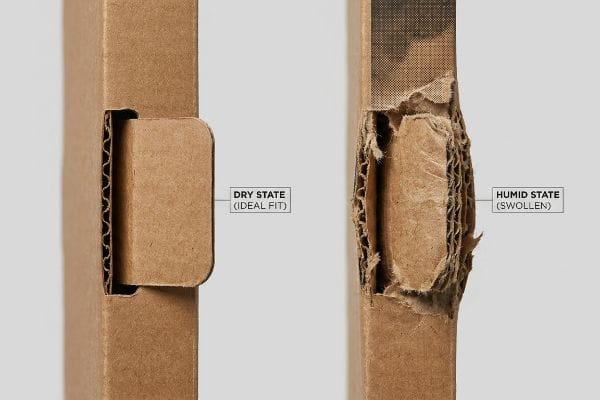
Разрушение картона начинается в течение нескольких часов при прямом контакте с жидкой водой, в то время как высокая влажность вызывает микроскопическое набухание, которое нарушает структурную целостность в течение нескольких недель. Необработанные гофрированные материалы активно поглощают окружающую влагу, сильно размягчая внутренние слои и ускоряя физическое разрушение защитной упаковочной системы.
Очевидно, что вода портит бумагу, но невидимый ущерб, причиняемый влажностью окружающей среды во время транспортировки, является тем, что действительно срывает запуск продукции.
Микронабухающая ловушка для влаги
Часто покупатели задают вопрос о том, как быстро их дисплеи выйдут из строя, если их хранить во влажной среде, например, на складе во Флориде. В дизайн-студиях с контролируемым климатом стандартной практикой является создание чертежей пазов в САПР (системе автоматизированного проектирования), соответствующих абсолютному диаметру выбранного материала7.Они проектируют идеально плотное, без трения соединение, исходя из идеальных условий комнатной температуры.
Это создает огромную слепую зону, когда плоская упаковка перевозится морским транспортом или находится в душном распределительном центре. Пористая тестовая пленка 32ECT (тест на сжатие кромок) действует как губка⁸,впитывая влагу и физически увеличиваясь в толщине. Я стоял на линиях упаковки, где рабочие практически потели, пытаясь втиснуть разбухшие язычки в приемные пазы, которые теперь математически слишком малы. Слышен раздражающий звук разрыва напечатанного верхнего листа, когда расширенные гофры агрессивно цепляются друг за друга. Мое эмпирическое правило — всегда обеспечивать буфер влажности. Я строго проектирую дополнительный зазор в 0,04 дюйма (1,0 мм) непосредственно в приемные пазы всех механизмов блокировки. Это крошечное пространственное смещение компенсирует расширение подложки, гарантируя, что сборочная бригада получит беспроблемную установку без разрывов независимо от погоды, что сэкономит вам огромные затраты на ручной труд.
| Распространённая ошибка новичков | Профессиональное решение | Преимущества для торговых площадей |
|---|---|---|
| Прорезка пазов для точной толщины в сухом состоянии | Добавление буфера влажности толщиной 0,04 дюйма9 | Экономит 25 секунд на сборку10 |
| Игнорируя влажность при морских перевозках | Корректировка допусков САПР с учетом набухания | Предотвращает разрыв печатных верхних листов |
| Насильно затягивая защелки на упаковочной линии | Технические пространственные зазоры смещения | Устраняет необходимость в неаккуратном использовании прозрачной клейкой ленты для ремонта |
Я всегда учитываю расширение при повышенной влажности окружающей среды задолго до того, как лезвия коснутся режущего стола. Точные расчеты бесполезны, если они не учитывают суровые погодные условия глобальной цепочки поставок.
🛠️ Вопрос от Харви: Вы проверили, учитывается ли расширение при хранении в условиях низкой влажности в ваших плоских сборочных листах? 👉 Получите проверку допуска ↗ — Загрузите безопасно. Мой почтовый ящик открыт, если у вас возникнут вопросы позже.
Насколько долговечна мебель из картона?
При правильном проектировании конструкции из бумаги могут выдерживать вес нескольких взрослых человек, полностью опровергая репутацию хрупких стандартных транспортных коробок.
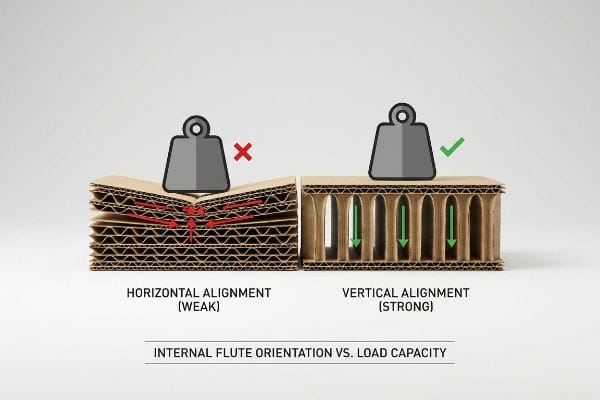
Прочность картонной мебели полностью зависит от вертикального расположения гофрированных элементов и многослойной конструктивной геометрии. Правильно спроектированное двухслойное гофрированное основание легко выдерживает большие динамические нагрузки в течение многих лет в помещении. Однако, если внутренние бумажные арки расположены горизонтально, жесткая конструкция катастрофически деформируется под минимальным весом за считанные секунды.
Создание прочного стула из бумаги кажется волшебством, но секрет заключается исключительно в микроскопическом выравнивании элементов конструкции.
Физика вертикальной ориентации флейты
Обычные графические дизайнеры часто верстают большие печатные панели, не задумываясь о направлении волокон гофрированного картона. Они размещают контуры высечки на печатном листе в той ориентации, которая позволяет сэкономить больше всего сырья. Этот, казалось бы, эффективный подход к верстке является стандартной практикой для легких складных картонных коробок для косметики11.
Но когда вы строите что-то, что должно выдерживать огромный вес, например, прочную торговую витрину или рекламную картонную мебель, игнорирование направления волокон — это фатальная ошибка. Представьте себе пустую алюминиевую банку из-под газировки: если вы встанете на нее идеально ровно, она легко выдержит ваш вес, но если вы ударите по боковой стороне, она мгновенно раздавится. Внутренние арки гофрированной доски B-типа12 ведут себя точно так же. Однажды мой клиент пожаловался, что его премиальные прилавки медленно провисают посередине, как несчастный гамак. Я разобрал конструкцию и увидел, что гофры расположены горизонтально по всей длине, не оказывая никакого вертикального сопротивления. Мое строгое эмпирическое правило — навсегда зафиксировать вертикальное направление волокон для всех несущих панелей в инженерном программном обеспечении. Выравнивая гофры таким образом, чтобы они противодействовали силе тяжести, мы достигаем огромного показателя BCT (Box Compression Test)13, гарантируя, что конструкция безупречно сохранит свою форму на протяжении всего проекта, и устраняя необходимость в дорогостоящих металлических опорных балках.
| Распространённая ошибка новичков | Профессиональное решение | Преимущества для торговых площадей |
|---|---|---|
| Схема укладки для экономии материала | Строение волокон запирающей канавки строго вертикальное14 | Максимально увеличивает грузоподъемность |
| Игнорируя внутреннюю структурную арку | Выравнивание канавок для противодействия гравитации | Предотвращает провисание средней полки15 |
| Переход на металлические опорные балки | Инженерные двухстенные вертикальные хребты16 | Снижает удельный вес и стоимость |
Я разрабатываю каждый структурный файл таким образом, чтобы максимально использовать физические свойства картона. Заставляя подложку работать в соответствии с силой тяжести, а не против неё, можно добиться постоянной стабильности, не увеличивая при этом производственный бюджет.
🛠️ Задание от Харви: Ваши прочные конструкции страдают от неправильного направления волокон древесины? 👉 Запросите проверку чертежей ↗ — Никаких форм, которые приводят к бесконечным звонкам от отдела продаж. Только чистая выгода.
Сколько времени прослужит картон на улице?
Перемещение стандартных бумажных витрин из зоны с кондиционированием воздуха на тротуар — верный путь к быстрому разрушению конструкции.
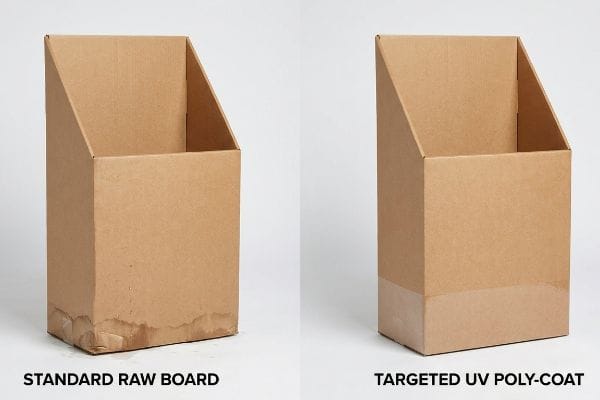
Картон на открытом воздухе прослужит всего несколько часов, после чего влажность окружающей среды и утренняя роса безвозвратно разрушат незапечатанные бумажные волокна. Для наружной розничной торговли стандартные гофрированные материалы необходимо немедленно заменить атмосферостойким гофрированным полипропиленом или прочным полимерным покрытием, чтобы предотвратить быстрое впитывание влаги и разрушение.
Теория отлично смотрится на качественном изображении, но знания теории недостаточно, когда начинают работать механизмы и в дело вступает сама природа.
Почему стандартные подложки выходят из строя в заводских условиях
Удивительно распространенное заблуждение среди амбициозных маркетинговых команд заключается в том, что толстый, премиально выглядящий напольный стенд легко может использоваться и как уличная витрина для распродажи в шатре в выходные дни. Поскольку в кондиционированной дизайн-студии этот материал кажется невероятно жестким, покупатели предполагают, что он сохранит ту же самую жесткость и под открытым небом.
Заставить один дисплей работать в лаборатории — это легко, но вот суровая реальность, когда вы отправляете 500 таких дисплеев в неконтролируемые условия. На моем предприятии я регулярно вижу, как отделы закупок пытаются сэкономить, отправляя стандартные непокрытые 32ECT-плиты в зоны, прилегающие к открытому воздуху, например, в садовые центры. Слепое пятно — это термодинамика. Во время моих предпроизводственных испытаний, когда я подвергаю эти незапечатанные образцы воздействию имитированной утренней росы, необработанный тестовый слой ведет себя как фитиль. Я наблюдал, как макет полезной нагрузки весом 85 кг (187,5 фунтов) с силой прорвал влажные пазы для крючков всего через три часавоздействия влажности, разбрасывая товар повсюду. Я снял показания микрометра и доказал, что нам не нужно переплачивать за прочный пластик, чтобы исправить это. Вместо этого я строго обязал использовать целенаправленное жидкое УФ-стойкое полимерное покрытие18 «Mop Guard» для нижних 4,12 дюймов (104,6 мм) основания. Химически изолировав влагостойкость именно там, где происходит физическое трение влаги, я сохранил экономию на стоимости транспортировки в разобранном виде, полностью исключив риск обрушения основания из-за влаги. Этот целенаправленный химический барьер позволяет клиентам сэкономить около 4500 долларов на материалах, безопасно продлевая срок службы покрытия на открытом воздухе на несколько недель.
| Распространённая ошибка новичков | Профессиональное решение | Преимущества для торговых площадей |
|---|---|---|
| Развертывание необработанного тестового образца на открытом воздухе | Нанесение целенаправленных УФ-полимерных покрытий19 | Предотвращает обрушение нижнего яруса из-за повышенной влажности |
| Полный переход на твердый пластик | Герметизация только 4-дюймовой базовой зоны20 | Сохраняет экономию на доставке товаров в плоской упаковке |
| Игнорируя поглощение утренней росы | Химическая блокировка впитывания воды21 | Предотвращает разрыв крючков для колышков |
Я не позволю факторам окружающей среды разрушить ваш упорный труд на передовой розничной торговли. Стратегическая химическая инженерия защищает ваши уязвимые бумажные волокна от суровых условий, гарантируя, что ваши товары будут выглядеть безупречно еще долго после того, как стандартные коробки превратятся в кашу.
🛠️ Совет от Харви: Не позволяйте двухмиллиметровому структурному дефекту испортить запуск продаж в 500 магазинах. 👉 Пришлите мне файл с чертежами ↗ — Я проверю расчеты, прежде чем вы потратите бюджет на массовое производство.
Заключение
Вы можете выбрать более дешевого поставщика, но когда незапечатанная плата 32ECT обрушится на влажном тротуаре, замедлив линию пополнения запасов примерно на 40%, вы полностью уничтожите прибыль от проекта. Более 500 бренд-менеджеров используют мой контрольный список для допечатной подготовки, чтобы избежать именно этих фатальных ошибок на ранних этапах. Перестаньте гадать о допустимых параметрах окружающей среды и позвольте мне лично проверить ваши структурные файлы с помощью моего бесплатного аудита высечки ↗, чтобы выявить уязвимые места до начала массового производства.
«[PDF] Технические характеристики гофрированного картона – Ассоциация производителей картонных коробок», https://www.fibrebox.org/assets/2025/09/Walmart_Corrugated-Board_Specifications_Automation_Packaging_Standards.pdf. Авторитетный источник, объясняющий, почему статическая прочность на разрыв является недостаточным показателем эксплуатационных характеристик в полевых условиях из-за истощения волокон в переработанных материалах. Роль доказательства: техническое противоречие; тип источника: исследование в области упаковочной инженерии. Подтверждает: неэффективность испытаний на разрыв для прогнозирования долгосрочной прочности. Примечание об области применения: относится только к переработанному испытательному лайнеру. ↩
«Влияние степени измельчения на потенциал переработки бумаги…», https://pmc.ncbi.nlm.nih.gov/articles/PMC8410872/. Авторитетный источник по бумаговедению объясняет механическую и химическую деградацию целлюлозных волокон в процессе переработки. Роль доказательства: техническая проверка; тип источника: журнал по материаловедению. Подтверждает: физический механизм истощения волокон. Примечание по области применения: применимо к стандартным циклам переработки гофрированного картона. ↩
«Прочность на сжатие гофрированной картонной упаковки с…», https://pmc.ncbi.nlm.nih.gov/articles/PMC10054506/. Техническое руководство или стандарт по проектированию упаковки должны подтвердить, как определенные соотношения первичного волокна влияют на прочность на разрыв и нагрузку на сжатие гофрированного картона. Роль доказательства: метрическая проверка; тип источника: справочник упаковочной промышленности. Подтверждает: утверждение о том, что 30%-ное соотношение восстанавливает структурную целостность. Примечание об области применения: эффективность может варьироваться в зависимости от сорта картона и типа гофрирования. ↩
«[PDF] ПЛИТЫ ИЗ ПЕРВОГО И ПЕРЕРАБОТАННОГО МАТЕРИАЛА. Л. Лиза Чжао. Диссертация…», https://vuir.vu.edu.au/18233/1/ZHAO_1993compressed.pdf. Технические данные, сравнивающие прочность на сжатие и несущую способность первичных крафт-волокон со 100% переработанным содержимым. Роль доказательства: техническая проверка; тип источника: журнал по материаловедению. Подтверждает: утверждение о том, что первичные волокна предотвращают смятие основания. Примечание по области применения: специально для применения в розничной торговле с большими нагрузками. ↩
«[PDF] Оценка деформации поддона, возникающей под воздействием вилочного погрузчика…», https://vtechworks.lib.vt.edu/bitstream/handle/10919/105226/Huang_YY_T_2021.pdf. Анализ причин, по которым статические испытания на разрыв не позволяют предсказать провисание поддона в реальных условиях по сравнению с динамическим моделированием. Роль доказательства: проверка методологии; тип источника: исследование в области логистической инженерии. Подтверждает: необходимость динамических испытаний для обеспечения структурной устойчивости. Примечание к области применения: фокусируется на переходе от лабораторных условий к условиям склада. ↩
«Методы испытаний и влияние деформации межслойных гофрированных волокон – BioResources», https://bioresources.cnr.ncsu.edu/resources/overview-of-recent-studies-at-ipst-on-corrugated-board-edge-compression-strength-testing-methods-and-effects-of-interflute-buckling/. Научное объяснение того, как длина целлюлозных волокон влияет на жесткость и долговечность материалов на бумажной основе. Роль доказательства: механистическое объяснение; тип источника: техническое руководство по целлюлозно-бумажной промышленности. Подтверждает: утверждение о том, что плиты с длинными волокнами уменьшают микроскопическое укорачивание волокон. Примечание: относится к жесткости при длительном хранении. ↩
«Как разработать чертежи упаковки, соответствующие требованиям Walmart и Target, для…», https://popdisplay.me/how-to-design-walmart-target-compliant-packaging-dielines-for-dual-market-baby-products-australia-us/. Отраслевые стандарты проектирования структурной упаковки предписывают использование абсолютных измерений штангенциркулем при создании чертежей в САПР для установления базовых допусков. Роль подтверждения: техническая спецификация; тип источника: отраслевое руководство. Подтверждает: стандартные методы проектирования для гофрированных материалов. Примечание к области применения: фокусируется на высокоточных торговых витринах. ↩
«[PDF] Влияние содержания влаги на прочность коробки на сжатие: FBA BCT…», https://renewablebioproducts.gatech.edu/sites/default/files/2025-12/4effects-of-moisture-content-on-box-compression-strength.pdf. Научное подтверждение гигроскопической природы тестлайнера 32ECT и его физического расширения при воздействии влаги. Роль доказательства: фактическая проверка; тип источника: учебник по материаловедению или стандарт упаковочной промышленности. Подтверждает: утверждение о том, что картон 32ECT набухает во влажной среде. Примечание к области применения: относится к необработанным гофрированным материалам. ↩
«[PDF] Хранение и обращение с гофрированными упаковочными материалами», https://www.fibrebox.org/assets/2025/07/B155_TR2-3_Storage_and_Handling_2018_Edition.pdf. Технические рекомендации по упаковке должны указывать рекомендуемый допуск для предотвращения залипания из-за гигроскопического расширения. Роль подтверждения: Техническая проверка; тип источника: Промышленный стандарт упаковки. Подтверждает: значение буфера 0,04 дюйма. Примечание об области применения: значение может варьироваться в зависимости от марки картона и ожидаемой влажности окружающей среды. ↩
«Оптимизация конструкции картонной упаковки из цельного картона – BioResources», https://bioresources.cnr.ncsu.edu/resources/optimization-of-the-solid-cardboard-in-carton-design/. Исследование времени и движений позволило бы количественно оценить сокращение трудозатрат при подгонке компонентов без применения силы. Роль доказательства: проверка производительности; тип источника: исследование в области промышленной инженерии. Подтверждает: повышение эффективности на 25 секунд. Примечание к области применения: результаты зависят от конкретной сложности конструкции упаковки. ↩
«Роскошные складные картонные коробки для косметики: полное руководство…», https://packyourbrand.com/luxury-cosmetic-folding-carton-boxes-guide/. Отраслевые стандарты дизайна упаковки подтверждают, что приоритетом для не несущих конструкций картонных коробок для косметики является максимизация выхода материала. Роль доказательства: базовая практика; тип источника: руководство по проектированию упаковки. Поддерживает: стандартный отраслевой подход к эффективности компоновки. Примечание об области применения: применяется специально к легкой, не несущей нагрузку упаковке. ↩
«Исследование влияния перфорации на несущую способность…», https://pmc.ncbi.nlm.nih.gov/articles/PMC11396172/. Технические характеристики гофрированного картона определяют геометрическую структуру и прочность на сжатие, обеспечиваемые внутренними арками гофрированного картона. Роль доказательства: техническая спецификация; тип источника: производственный стандарт. Подтверждает: физику структурной целостности картона. Примечание об области применения: конкретно относительно размеров гофрированного картона. ↩
«Оценка прочности на сжатие коробок из гофрированного картона для…», https://pmc.ncbi.nlm.nih.gov/articles/PMC9864211/. Стандарты материаловедения и упаковочной промышленности показывают, что вертикальное расположение гофр значительно увеличивает значение испытания на сжатие коробки (BCT). Роль доказательства: техническая проверка; тип источника: промышленный стандарт. Подтверждает: взаимосвязь между ориентацией волокон и несущей способностью. Примечание об области применения: ограничено конструкциями из гофрированного картона. ↩
«Оценка прочности на сжатие коробок из гофрированного картона…», https://pmc.ncbi.nlm.nih.gov/articles/PMC8467740/. Техническая документация по прочности на сжатие гофрированного картона при вертикальной ориентации гофр. Роль источника: техническая спецификация; тип источника: инженерное руководство. Опоры: вертикальное расположение волокон максимизирует несущую способность. Примечание по области применения: применяется к осевым сжимающим нагрузкам. ↩
«10+ способов восстановить провисшие полки – YouTube», https://www.youtube.com/watch?v=1QJqUj4zT0E. Структурный анализ ориентации гофр в зависимости от изгибающих моментов и прогиба в бумажных полках. Роль доказательства: механическое доказательство; тип источника: исследование в области строительной инженерии. Опоры: выравнивание гофр для противодействия силе тяжести предотвращает провисание. Примечание к области применения: основное внимание уделяется поперечным нагрузкам. ↩
«Однослойные и двухслойные гофрированные коробки: в чем разница?», https://www.boxish.in/blogs/post/single-wall-vs-double-wall-corrugated-boxes-whats-the-difference. Сравнительный анализ соотношения прочности к весу и экономической эффективности двухслойных картонных каркасов по сравнению с металлическими усилениями. Роль доказательства: сравнительный анализ; тип источника: производственный отчет. Подтверждает: снижение удельного веса и стоимости. Примечание к области применения: оценивает стоимость материалов на единицу прочности. ↩
«Влияние относительной влажности на прочность на сжатие…», https://open.clemson.edu/all_theses/3225/. Подтверждение того, как быстрое поглощение влаги непокрытым испытательным слоем снижает несущую способность картона 32ECT. Роль доказательства: техническая проверка; тип источника: исследование в области материаловедения или отраслевое испытание упаковки. Подтверждает: хронологию разрушения конструкции под воздействием влажности. Примечание к области применения: относится к незапечатанным гофрированным подложкам. ↩
«Барьерное покрытие EcoShield® для бумаги и гофрокартона», https://www.cortecvci.com/products/vpci-packaging-products/ecoshield-barrier-coating-for-paper-and-corrugated/. Документация об эффективности полимерных покрытий, отверждаемых УФ-излучением, в качестве влагозащитных барьеров для бумажных витрин в розничной торговле. Роль подтверждения: Техническая спецификация; тип источника: Данные по материаловедению или спецификация производителя покрытия. Подтверждает: Предотвращение капиллярного эффекта/капиллярного впитывания у основания. Примечание об области применения: Основное внимание уделяется применению жидкого УФ-излучения. ↩
«Совет о том, как сделать картон водонепроницаемым? – Рынок коробок на заказ», https://customboxesmarket.com/tip-on-how-to-make-cardboard-waterproof/?srsltid=AfmBOop11ECaO5-CWFK8chJldkuzTKaEuFNIU1XyA59Yhr5_XaVNOE7z. Техническая документация по промышленным покрытиям должна подтверждать, что УФ-полимерные покрытия предотвращают проникновение влаги и разрушение структуры бумажных подложек. Роль подтверждения: техническая проверка; тип источника: спецификация промышленного покрытия. Подтверждает: эффективность полимерных покрытий на испытательном стенде. Примечание об области применения: специфично для воздействия окружающей среды. ↩
«Картонные витрины: экономичное решение – Atlas Packaging Inc.», https://atlaspackaginginc.com/cardboard-displays-the-cost-effective-solution/. Руководства по проектированию упаковки должны объяснять, как выборочная герметизация основания обеспечивает структурную целостность при контакте с влагой, позволяя при этом транспортировать упаковку в плоском виде. Роль доказательства: оптимизация логистики; тип источника: руководство по проектированию упаковки. Подтверждает: компромисс между прочностью и стоимостью доставки. Примечание к области применения: основное внимание уделяется герметизации нижней зоны. ↩
«Предотвращение механического разрушения картона, вызванного водой…», https://research.manchester.ac.uk/en/publications/preventing-water-induced-mechanical-deterioration-of-cardboard-by/. Исследования в области материаловедения, посвященные гидрофобной обработке гофрированного картона, должны подтвердить, что блокирование капиллярного капиллярного эффекта предотвращает потерю прочности на разрыв в точках напряжения, таких как крючки для крепления. Роль доказательства: характеристики материала; тип источника: исследование в области химической инженерии. Поддержка: предотвращение разрушения конструкции в местах крепления. Примечание по области применения: применимо к росе и высокой влажности. ↩