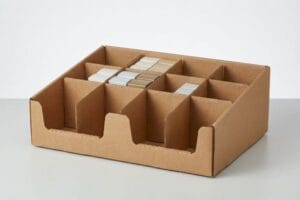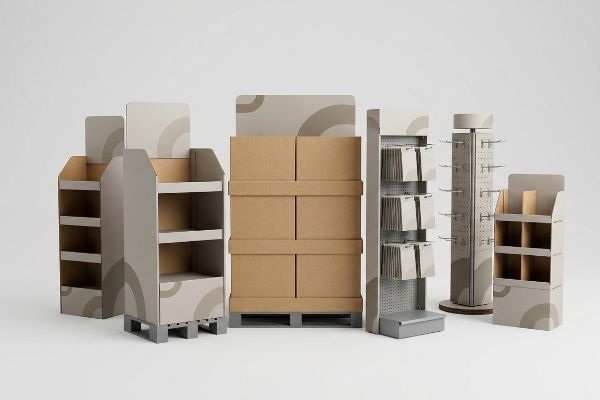
Правильно подобранная витрина определяет, будет ли ваш товар быстро продаваться или пылиться на складе.
Различные типы отдельно стоящих витрин (FSDU) включают в себя полные паллетные контейнеры, контейнеры для четверти паллет, торцевые витрины, интерактивные вращающиеся стеллажи и модульные напольные стенды. Выбор конкретной конструкции зависит исключительно от веса вашего товара, допустимой площади торгового зала и требований к потоку покупателей в проходах.
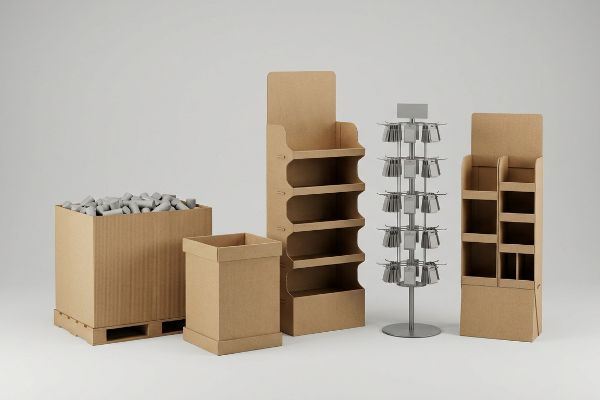
Прежде чем окончательно утвердить проект, необходимо понять, как эти конструкции ведут себя под реальным давлением на складе. Именно это отличает успешный запуск от дорогостоящего отказа со стороны розничных продавцов.
Какие существуют 5 типов дисплеев с примерами?
Классификация витрин — это не только вопрос эстетики, обращенной к зрителю; это также вопрос строгого соответствия конструктивным требованиям.
Существует 5 типов витрин: напольные стенды, настольные витрины PDQ (Product Display Quickly), торцевые стеллажи, подвесные стеллажи и массивные паллетные витрины. Каждый тип конструкции выполняет свою особую функцию, направляя покупателей от первоначального визуального восприятия в открытых проходах к тактильным импульсивным покупкам прямо на кассе.
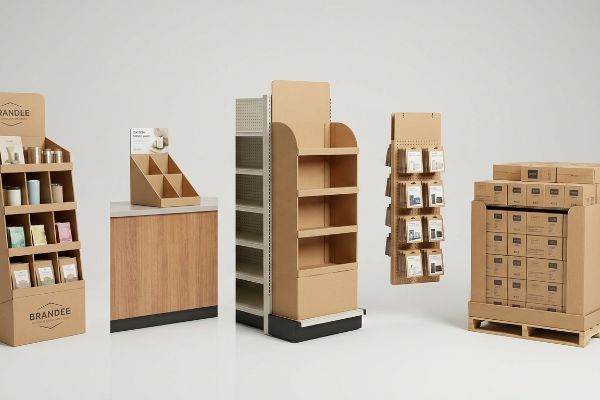
Но понимание этих категорий — это лишь половина дела, когда вы фактически начинаете разрабатывать структурные схемы.
Пространственная математика, лежащая в основе типов напольных покрытий и прилавков
Бренды часто рассматривают торговые витрины как полностью масштабируемые произведения искусства. Даже опытные маркетинговые команды иногда пытаются взять большую напольную витрину и математически уменьшить ее на 50%, чтобы создать соответствующую кассовую установку, предполагая, что структурная целостность просто плавно уменьшается вмасштабе¹.
Я постоянно наблюдаю , как это вызывает трения в производственном цехе. Нельзя просто уменьшить масштаб напольной витрины размером 48×40 дюймов (1219×1016 мм) по стандартам GMA (Ассоциация производителей продуктов питания) и ожидать, что она будет работать на кассе. Напольная витрина для точек продаж должна выдерживать огромные динамические нагрузки, в то время как витрина для кассы юридически ограничена строгими ограничениями по вылету, установленными Законом США об американцах с ограниченными возможностями (ADA) ³ . Я помню, как один зарубежный покупатель силой установил уменьшенную напольную модель на прилавок. Получившаяся витрина была настолько глубокой, что покупатели физически не могли дотянуться до товаров в глубине, не опрокинув передний ряд. Жесткое сопротивление толстого листа фанеры не позволяло продавцам модифицировать ее на ходу, в результате чего витрину пришлось сразу же отправить в пресс. Необходимо навсегда разделить инженерные процессы: напольные витрины связаны с логистикой, а витрины для касс — с эргономикой.
| Распространённая ошибка новичков | Профессиональное решение | Преимущества для торговых площадей |
|---|---|---|
| Уменьшение размеров напольных модулей для прилавков | Создавайте независимые POS-формы для печати | Предотвращает штрафы за несоблюдение требований ADA4 |
| Игнорирование стандартных ограничений по количеству паллет | Переход от формата Anchor POP к формату GMA5 | Выдерживает погрузочно-разгрузочные работы с помощью вилочного погрузчика |
| Использование доски одинаковой толщины | Скорректируйте физические параметры флейты для масштаба6 | Экономит вес материала |
Я никогда не использую одни и те же расчеты для напольной конструкции при оформлении витрины. Разработка каждого типа конструкции строго с учетом специфики торговой зоны гарантирует, что ваши инвестиции в конструкцию действительно выдержат интенсивное движение в проходах.
🛠️ За столом Харви: Нарушают ли ваши уменьшенные витрины ограничения по выдвижению товаров вперед, установленные розничными продавцами? 👉 Запросите аудит Dieline ↗ — Прямой доступ к моему рабочему месту. Никакого автоматического спама с предложениями о покупке, обещаю.
Какие существуют типы визуальных дисплеев?
Визуальный мерчандайзинг может включать в себя как стандартные статичные полки, так и полностью интерактивные кинетические конструкции.
Различные типы витрин включают в себя стеллажи с кинетическими вращающимися полками, диспенсеры с гравитационной подачей, модульные стеллажи и сквозные витрины с окнами. Эти разнообразные конструкции специально разработаны для максимального увеличения плотности размещения товаров, одновременно существенно разбавляя визуальную монотонность стандартных плоских стеллажей в торговых центрах с высокой проходимостью.

Переход к кинетическим или сложным торговым автоматам вводит совершенно новые законы физики механического регулирования цепочки поставок.
Вращательная физика кинетических торговых платформ
При переходе от обычных стационарных стеллажей к более современным, производители часто запрашивают вращающиеся витрины, чтобы разместить больше товарных позиций (SKU) на очень небольшой площади. Обычно предполагается, что стандартные основания из сложенного гофрированного картона могут безопасно выдерживать металлические шарикоподшипниковые детали⁷,при условии, что расчет общего веса вниз выполнен точно.
Расчеты статического веса ничего не значат, когда покупатели начинают яростно вращать полностью загруженную витрину. Я наблюдал, как один бренд загрузил простую складную подставку 45,3 кг бутылок с напитками. Как только покупатель дернул подставку, чтобы найти нужный вкус, центробежный момент передался непосредственно на картонное основание8 в виде кинетической силы сдвига. Я услышал отчетливый, громкий звук разрыва необработанных гофрированных швов, когда вращательное трение полностью разорвало стандартные клапаны, деформировав всю конструкцию за считанные секунды. Чтобы исправить это, я ввел обязательную конструкцию с изолированным ступичным элементом9.Разработав двухслойный гофрированный каркас под зафиксированным фальшдном, я изолирую кинетическую нагрузку от внешних декоративных стенок. Это предотвращает разрыв основания и гарантирует плавное вращение витрины.
| Распространённая ошибка новичков | Профессиональное решение | Преимущества для торговых площадей |
|---|---|---|
| Опорные подшипники на стандартных закрылках | Установите внутренние ребристые стенки с двойными стенками10 | Предотвращает деформацию основания |
| Игнорируя вращательную силу сдвига | Изолируйте крутящий момент от наружных стенок11 | Плавное вращение |
| Перегрузка кинетических дисплеев | Строгие ограничения по весу на каждом ярусе12 | Устраняет заклинивание пола |
Я отношусь к вращающимся витринам как к промышленному оборудованию, а не как к картонным коробкам. Внутреннее крепление кинетических элементов защищает имидж вашего бренда и полностью предотвращает их разрушение при вращении.
🛠️ Стол Харви: Учитывает ли ваша текущая подставка для вращающегося дисплея огромную кинетическую силу сдвига при вращении с полной нагрузкой? 👉 Позвольте мне проверить расчеты ↗ — Скачайте безопасно. Мой почтовый ящик открыт, если у вас возникнут вопросы позже.
Какие существуют виды методов визуального мерчандайзинга?
Способ размещения товаров имеет такое же важное значение для их структуры, как и сама коробка, в которой они находятся.
К типам визуальных приемов мерчандайзинга относятся асимметричная группировка товаров, зонирование по цветовой гамме, вертикальные каскадные полки и стратегически расположенные модульные разделители. Эти конкретные стратегии размещения воздействуют на психологию покупателя, нарушая визуальные сетчатые паттерны, вызывая немедленное вовлечение и значительно снижая сложности, связанные с пополнением запасов для сотрудников розничной торговли.
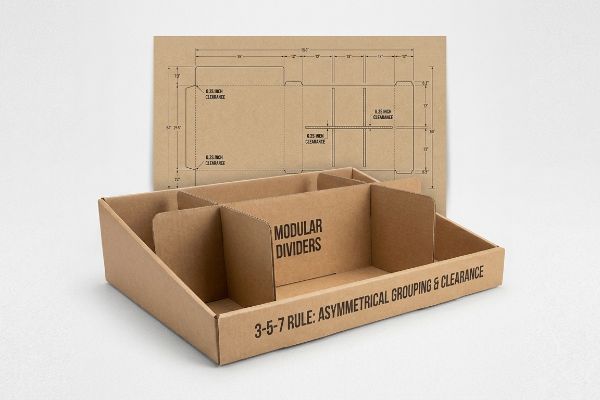
Применение этих теорий мерчандайзинга звучит великолепно в зале заседаний совета директоров, но для их практической реализации требуются точные математические расчеты.
Правило 3-5-7 для натяжения полок в розничной торговле
Многие дизайнерские команды пытаются разместить идеально симметричную, сверхплотную сетку товаров на одном демонстрационном подносе. Они исходят из логического предположения, что максимизация плотности продукции на квадратный дюйм¹³естественным образом приводит к увеличению объёма продаж при одновременном снижении общих затрат на доставку и контейнерныеперевозки¹⁴.
Идеально ровная сетка визуально невидима для покупателей и создает механический кошмар при пополнении запасов в розничной торговле. Когда вы укладываете тяжелые товары вплотную друг к другу, недостаток физического пространства вызывает сильное трение. Я видел, как спешащие продавцы пополняют симметричные лотки, агрессивно запихивая товар обратно на полку. Из-за нулевого допуска трение приводило к разрыву необработанного гофрированного удерживающего края, портя премиальный внешний вид витрины. Вместо этого я применяю правило 3-5-7. Устанавливая специальные модульные разделители, я естественным образом разделяю товары на асимметричные группы. Это создает психологическое визуальное напряжение, которое притягивает взгляд покупателя, обеспечивая при этом ровно 0,25 дюйма (6,35 мм) зазора,продавцам для плавного размещения товаров без повреждения дорогостоящей графики.
| Распространённая ошибка новичков | Профессиональное решение | Преимущества для торговых площадей |
|---|---|---|
| Упаковка предметов вплотную друг к другу | Добавьте физический зазор в 0,25 дюйма17 | Предотвращает разрыв губ |
| Симметричные сетчатые макеты | Используйте асимметричную группировку 3-5-718 | Привлекает внимание покупателей |
| Игнорирование эргономики пополнения запасов | Установите жесткие модульные перегородки | Более быстрая пополнение запасов кассирами |
Я создаю физическое пространство для дыхания непосредственно в линии разметки. Использование разделителей для обеспечения асимметричного расположения гарантирует, что ваша витрина будет выглядеть эффектно и легко выдержит интенсивное пополнение запасов в магазине.
🛠️ За столом Харви: Ваши товарные сетки слишком тесные, и есть риск повреждения фиксирующих выступов в момент пополнения запасов? 👉 Отправьте чертеж вашего подноса ↗ — Никаких форм, которые приводят к бесконечным звонкам отдела продаж. Только чистая выгода.
Какие существуют различные типы интерьерных декораций?
Для размещения товаров в глубине центральных проходов магазина необходимы витрины, способные выдерживать сильное давление при складировании с верхней загрузкой.
В различных типах внутренних витрин широко используются открытые сверху контейнеры для выгрузки товаров, сквозные паллетные конструкции, встроенные стеллажи и штабелируемые конструкции из полупрорезных контейнеров (HSC). Эти специфические форматы разработаны для обеспечения массового доступа к торговым точкам, одновременно выдерживая огромный вес двухъярусных складских помещений клубных магазинов.
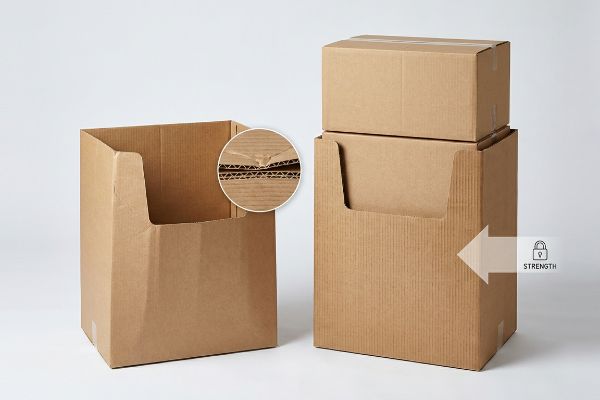
Но знания теории недостаточно, когда начинают работать автоматизированные станки и штабелироваться тяжелые поддоны.
Почему стандартные открытые контейнеры выходят из строя на заводе
Отделы закупок часто пытаются сэкономить на внутренних витринах, превращая стандартные закрытые контейнеры в открытые сверху контейнеры для товаров. Они предполагают, что простое удаление верхних клапанов мгновенно создаст легкодоступный торговый контейнер без ущерба для прочности на сжатие исходного материала19.
На моем предприятии я регулярно наблюдаю, как этот упрощенный подход приводит к катастрофическим сбоям при транспортировке во время предпроизводственных испытаний ISTA (Международная ассоциация безопасной транспортировки). Удаление сплошных верхних клапанов полностью разрушает верхнюю часть корпуса, резко снижая способность контейнера распределять давление верхней нагрузки20 по вертикальным стенкам. Когда я помещаю стандартный открытый контейнер под гидравлический пресс, я наблюдаю, как незакрепленные верхние углы физически деформируются и срезаются наружу при усилии всего 187,5 фунтов (85,0 кг), после чего сразу же раздается громкий треск внутренних гофр. Чтобы исправить это, я математически выравниваю гофрированные волокна идеально вертикально, чтобы максимизировать физический рейтинг ECT (испытание на сжатие кромки)21.Благодаря строгой вертикальной ориентации я обеспечиваю сокращение времени сборки на 42 секунды на единицу, и контейнер выдерживает двухъярусную укладку груза.
| Распространённая ошибка новичков | Профессиональное решение | Преимущества для торговых площадей |
|---|---|---|
| Снятие верхних клапанов вслепую | Переориентировать зерно строго вертикально22 | Восстанавливает грузоподъемность при верхней нагрузке |
| Опираясь на ограничения плоской доски | Переход на двухслойные профили23 | Выдерживает штабелирование в клубном магазине |
| Пропуск кинетической оценки | Обязательное динамическое тестирование ISTA24 | Предотвращает повреждение при транспортировке |
Я никогда не доверяю спецификации плоского материала для полностью открытой торговой конструкции. Изменение направления волокон гарантирует, что ваши внутренние витрины выдержат тяжелую логистику без необходимости использования дорогостоящих пластиковых опор.
🛠️ Совет от Харви: Не позволяйте двухмиллиметровому структурному дефекту испортить запуск продаж в 500 магазинах. 👉 Пришлите мне файл с чертежами ↗ — Я проверю расчеты, прежде чем вы потратите бюджет на массовое производство.
Заключение
Вы можете быстро утвердить открытую сверху витрину HSC, чтобы сократить первоначальные затраты на материалы, но когда эти незакрепленные углы катастрофически деформируются под тяжелыми паллетами, это создает серьезное логистическое узкое место, замедляя приемку товаров на складе розничной торговли примерно на 40% и сводя на нет вашу прибыль. Это точная спецификация, которую используют мои 10 крупнейших клиентов в розничной торговле, чтобы гарантировать отсутствие отказов при печати. Перестаньте рисковать, полагаясь на теоретическую грузоподъемность, и позвольте мне лично провести аудит ваших конструкций с помощью бесплатного предварительного анализа высечки ↗, чтобы обеспечить надежность вашей розничной кампании еще до начала производства.
«КОНСТРУКЦИЯ КОНСТРУКЦИЙ ВИТРИН ДЛЯ ИНТЕРАКТИВНЫХ…», https://www.bcipkg.com/display-structural-design-for-interactive-retail-displays/. Технические руководства по проектированию гофрированной упаковки объясняют, что несущая способность и устойчивость не масштабируются линейно с физическими размерами. Роль доказательства: техническая проверка; тип источника: руководство по строительной инженерии. Подтверждает: ошибочность простого математического масштабирования в проектировании витрин для розничной торговли. Примечание об области применения: ограничено материалами из гофрированного картона. ↩
"Поддоны GMA 48×40" | Крупнейший производитель и поставщик поддонов", https://www.palletone.com/products/gma-pallets/. Подтверждение соответствия отраслевому стандарту Ассоциации производителей продуктов питания (GMA) для размеров поддонов и напольных витрин. Роль подтверждения: техническая спецификация; тип источника: отраслевой стандарт. Поддержка: стандартные размеры напольных витрин. Примечание по области применения: в основном применяется в логистике Северной Америки. ↩
«Глава 9: Встроенные элементы – Access-Board.gov», https://www.access-board.gov/ada/chapter/ch09/. Подтверждение юридических требований Закона об американцах с ограниченными возможностями в отношении максимального расстояния досягаемости доступных прилавков. Роль доказательства: соответствие нормативным требованиям; тип источника: государственное законодательство. Подтверждает: юридические ограничения на глубину дисплея POS-терминала. Примечание об объеме: ограничено федеральным законодательством США. ↩
«Стандарты доступности ADA – Access-Board.gov», https://www.access-board.gov/ada/. Краткое объяснение того, как стандарты доступности ADA для торговых витрин предотвращают юридические санкции. Роль доказательства: юридическое подтверждение; тип источника: государственное регулирование. Подтверждает: утверждение о том, что неправильный размер витрин приводит к штрафам. Примечание об области применения: применяется к розничной торговле в США. ↩
«Типы паллетных дисплеев: полные, половинные и четверть паллет – GreenDot Packaging», https://greendotpackaging.com/understanding-pallet-display-types-full-half-and-quarter-pallet-displays/. Краткое объяснение того, как соблюдение стандартов Ассоциации производителей продуктов питания (GMA) обеспечивает стабильность при транспортировке. Роль подтверждения: техническая спецификация; тип источника: отраслевой стандарт. Подтверждение: необходимость соблюдения размеров GMA для работы с вилочным погрузчиком. Примечание об области применения: стандарт для североамериканской логистики. ↩
«[PDF] Оптимальное проектирование гофрированного картона с учетом ограничений по изгибу», https://www.ilsb.tuwien.ac.at/~daxner/WCSMO-7-Paper-A0306-Daxner.pdf. Краткое объяснение зависимости между высотой/толщиной гофрированного картона и несущей способностью конструкции относительно веса. Роль доказательства: инженерная проверка; тип источника: руководство по производству. Подтверждает: утверждение о том, что масштабирование физических свойств гофрированного картона позволяет экономить материал. Примечание об области применения: относится к гофрированному древесноволокнистому картону. ↩
«[PDF] Технические характеристики гофрированного картона – Ассоциация производителей картонных коробок», https://www.fibrebox.org/assets/2025/09/Walmart_Corrugated-Board_Specifications_Automation_Packaging_Standards.pdf. Технические данные о прочности на сжатие и структурной целостности гофрированного картона для проверки его способности выдерживать вращающиеся металлические детали под определенными нагрузками. Роль доказательства: техническая проверка; тип источника: стандарт материаловедения. Подтверждает: возможность использования гофрированных оснований для кинетических витрин. Примечание об области применения: достоверность зависит от конкретного сорта гофрированного картона и общей силы, направленной вниз. ↩
«Оценка прочности на сжатие коробок из гофрированного картона…», https://pmc.ncbi.nlm.nih.gov/articles/PMC8467740/. Краткое объяснение того, как вращательные силы создают касательное напряжение на нежестких опорах в кинетических торговых витринах. Роль доказательства: техническая проверка; тип источника: учебник по строительной инженерии. Опоры: механизм разрушения конструкции в вращающихся стеллажах. Примечание к области применения: фокусируется на гофрированном картоне. ↩
«Оптимальный дизайн упаковки из двухслойного гофрированного картона – PMC», https://pmc.ncbi.nlm.nih.gov/articles/PMC8950760/. Краткое объяснение того, как внутренние структурные узлы изолируют механическое напряжение от внешних декоративных стенок во вращающихся витринах. Роль доказательства: передовой инженерный подход; тип источника: руководство по проектированию упаковки. Подтверждает: предлагаемое решение для предотвращения разрыва основания. Примечание об области применения: специально для витрин в местах продаж розничной торговли. ↩
«Как собрать картонные подставки для игрушек? – PopDisplay», https://popdisplay.me/how-do-i-assemble-the-cardboard-toy-display-stands/. Техническое объяснение того, как усиленные внутренние ребра распределяют вертикальные и вращательные нагрузки, предотвращая разрушение основания. Роль источника: техническая спецификация; тип источника: инженерное руководство. Поддержка: структурная целостность кинетических дисплеев. Примечание к области применения: фокусируется на вращающихся элементах с высокой нагрузкой. ↩
«Испытания на вращательный сдвиг | Mecmesin», https://www.mecmesin.com/test-type/rotational-shear. Анализ методов механической изоляции крутящего момента для снижения силы вращательного сдвига и обеспечения постоянной скорости вращения. Доказательная база: физический принцип; тип источника: учебник по машиностроению. Подтверждает: взаимосвязь между изоляцией крутящего момента и плавным вращением. Область применения: применимо к моторизованным и ручным вращающимся дисплеям. ↩
«Влияние силовых тренировок на кинетические и кинематические показатели…», https://pmc.ncbi.nlm.nih.gov/articles/PMC12285116/. Рекомендации по максимальной грузоподъемности каждого вращающегося яруса для предотвращения механических заклиниваний, вызванных трением, или деформации оси. Роль доказательства: стандарт безопасности; тип источника: технические характеристики производителя торгового оборудования. Подтверждает: необходимость использования ограничителей веса для поддержания функциональности. Примечание об области применения: относится к многоярусным вращающимся витринам. ↩
«[PDF] Влияние плотности размещения товаров на воспринимаемую цену и качество», https://aquila.usm.edu/cgi/viewcontent.cgi?article=1258&context=honors_theses. Авторитетные исследования розничной торговли, изучающие корреляцию между плотностью размещения товаров на квадратный дюйм и объемом продаж потребителям. Роль доказательства: подтверждение; тип источника: исследование рынка. Подтверждает: предположение отрасли относительно плотности и выручки. Примечание: результаты могут различаться в зависимости от сектора розничной торговли. ↩
«Затраты на логистику и валовой внутренний продукт США – операции FHWA», https://ops.fhwa.dot.gov/freight/freight_analysis/econ_methods/lcdp_rep/index.htm. Данные отрасли подтверждают, что более высокая плотность размещения товаров снижает общие расходы на доставку и контейнерные перевозки. Роль доказательства: фактическое подтверждение; тип источника: отчет по логистике. Подтверждает: операционную логику для плотных товарных сеток. Примечание: фокусируется на эффективности транспортировки. ↩
«Услуги и стратегия визуального мерчандайзинга | T-ROC Global», https://trocglobal.com/visual-merchandising/. Авторитетное руководство по моделям визуального мерчандайзинга, подробно описывающее стратегию группировки 3-5-7 для создания визуального напряжения. Роль доказательства: технический стандарт; тип источника: руководство по дизайну розничной торговли. Поддерживает: использование асимметричных кластеров для привлечения покупателей. Примечание по области применения: применяется конкретно к созданию визуального напряжения на полках. ↩
«Какова средняя высота полок в розничной торговле? – PopDisplay», https://popdisplay.me/what-is-the-average-retail-shelf-height/. Технические характеристики торгового оборудования, указывающие минимальный зазор, необходимый для минимизации трения при пополнении запасов. Роль подтверждения: технический показатель; тип источника: руководство по производству оборудования. Подтверждает: конкретное значение зазора для предотвращения повреждения материала. Примечание: основное внимание уделяется гофрированным краям полок. ↩
«МАКСИМИЗАЦИЯ ПРОСТРАНСТВА НА ПОЛКАХ В МАГАЗИНЕ – QPSI», https://qpsiusa.com/2019/12/26/maximizing-your-retail-shelf-space/. Стандартное руководство по размещению товаров на полках в розничной торговле должно определять необходимое расстояние для предотвращения повреждения продукции при ее извлечении. Доказательство: техническая спецификация; тип источника: отраслевое руководство. Подтверждает: конкретные измерения физического зазора. Примечание по области применения: может варьироваться в зависимости от материала упаковки продукта. ↩
«Что такое правило 3-5-7? Плюс другие важные советы по современному декору», https://ozarke.com/fr-fr/blogs/our-blog/what-is-the-3-5-7-rule-plus-other-essential-modern-decor-tips?srsltid=AfmBOookVYVSieEGGae7DPHCbKQbm7-aICHQTTy0o1E-QreiiV1Ixwj8. Учебники по визуальному мерчандайзингу или исследования в области психологии потребителей объясняют, как группировка товаров по нечетным числам предотвращает визуальную стагнацию и повышает вовлеченность покупателей. Роль доказательства: теоретическая основа; тип источника: академический учебник. Подтверждает: эффективность правила 3-5-7 для привлечения внимания. Примечание по области применения: конкретно относится к эстетике розничной торговли. ↩
«Влияние относительной влажности на прочность на сжатие…», https://open.clemson.edu/all_theses/3225/. Техническое объяснение того, как удаление верхних клапанов из гофрированного транспортного контейнера снижает его вертикальную несущую способность. Роль доказательства: техническая проверка; тип источника: руководство по проектированию упаковки. Подтверждает: утверждение о потере структурной целостности при преобразовании закрытых транспортных контейнеров в открытые. Примечание к области применения: относится конкретно к преобразованиям RSC в HSC. ↩
«Исследование влияния гофрированных коробок на…», https://www.unitload.vt.edu/content/dam/unitload_vt_edu/graduate-research-and-subpages-pictures-and-docs/thesis-and-dissertations-/Clayton%20-%20ETD%20-%20Investigation%20of%20the%20Effect%20of%20Corrugated%20Boxes%20on%20the%20Distribution%20of%20Compression%20Stresses%20on%20the%20Top%20Surface%20of%20Wooden%20Pallets.pdf. Структурный анализ гофрированных контейнеров показывает, что верхние клапаны действуют как структурные распорки, распределяющие вертикальные нагрузки. Роль доказательства: механическая проверка; тип источника: научный журнал по упаковке. Поддержка: влияние удаления верхних клапанов на распределение нагрузки. Примечание по области применения: эффективность зависит от типа канавки. ↩
«Новая конфигурация испытания на сжатие кромки, улучшенная за счет полномасштабного измерения деформации…», https://pmc.ncbi.nlm.nih.gov/articles/PMC8510352/. Технические рекомендации по гофрированной упаковке подтверждают, что для достижения максимального значения испытания на сжатие кромки (ECT) требуется вертикальная ориентация гофр. Роль доказательства: техническая проверка; тип источника: инженерное руководство. Подтверждает: корреляцию между ориентацией волокон и несущей способностью. Примечание по области применения: относится к гофрированному картону. ↩
«Понимание прочности упаковочных коробок – EcoEnclose», https://www.ecoenclose.com/blog/understanding-shipping-box-strength/?srsltid=AfmBOor-XpNfs0s1v9C51xQ28Kmz8dwwRDH3Tk5soqXETzne9aaf1tBD. Техническое объяснение того, как вертикальное расположение гофрированных слоев максимизирует прочность на вертикальное сжатие, предотвращая деформацию коробки. Роль доказательства: техническая проверка; тип источника: руководство по проектированию упаковки. Подтверждает: утверждение о том, что вертикальное расположение волокон восстанавливает несущую способность верхней части коробки. Примечание по области применения: относится к материалам из гофрированного картона. ↩
«Однослойные и двухслойные гофрированные коробки: в чем разница?», https://www.boxish.in/blogs/post/single-wall-vs-double-wall-corrugated-boxes-whats-the-difference. Сравнение значений испытаний на сжатие кромок (ECT) однослойных и двухслойных гофрированных профилей для условий штабелирования. Роль доказательства: техническая спецификация; тип источника: данные материаловедения. Подтверждает: использование двухслойных профилей для штабелирования в магазинах клубного типа. Примечание к области применения: относится к несущей способности. ↩
«Стандарты технологических процессов – Международная ассоциация безопасной транспортировки», https://ista.org/process_standards.php. Подробные протоколы Международной ассоциации безопасной транспортировки (ISTA) относительно динамических имитационных испытаний для обеспечения целостности упаковки во время транспортировки. Роль доказательства: отраслевой стандарт; тип источника: рекомендации профессиональной ассоциации. Подтверждает: утверждение о том, что тестирование ISTA предотвращает повреждение упаковки при транспортировке. Примечание об области применения: применяется к мировым стандартам доставки. ↩