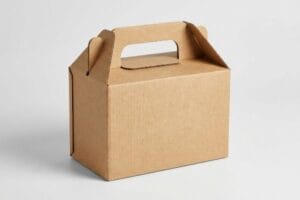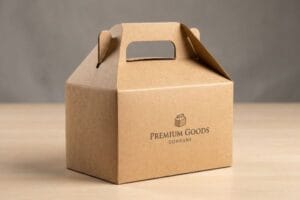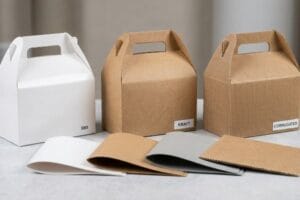
Ваши отправления, изготовленные на заказ, прибывают поврежденными и наносят ущерб репутации вашего бренда? Понимание точного структурного состава вашей упаковки — единственный способ предотвратить серьезные повреждения при транспортировке.
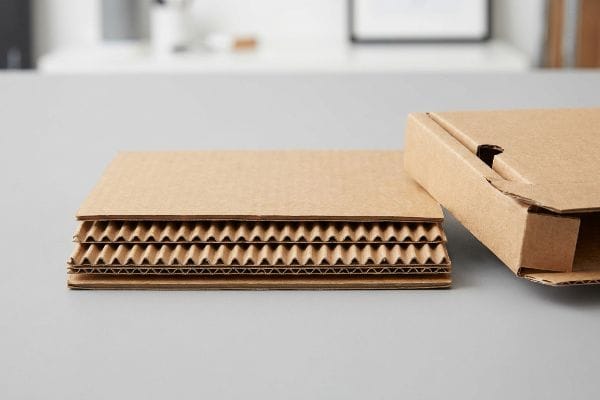
Почтовые коробки изготавливаются из гофрированного картона, состоящего из прочного гофрированного внутреннего листа, расположенного между двумя плоскими внешними слоями картона. Эта точно спроектированная геометрия поглощает кинетические удары при транспортировке, позволяя легким упаковкам для электронной коммерции и розничной торговли выдерживать суровые условия глобальных логистических сетей без необходимости дорогостоящей внешней защитной упаковки или наполнителей.
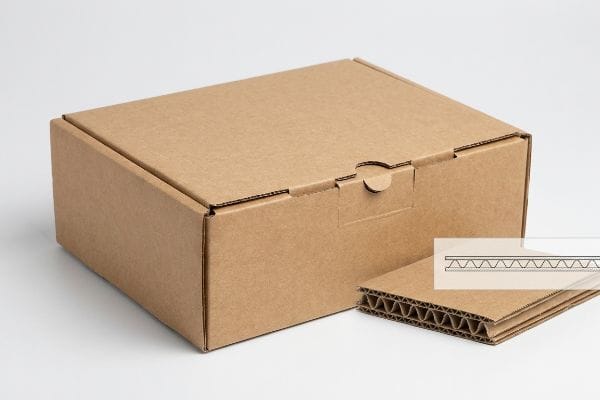
Сырье — это лишь отправная точка. Как только вы поймете физико-химические принципы, в дело вступит суровая реальность заводского производства, призванная сохранить вашу прибыль.
Почему почтовые ящики такие дорогие?
При выборе защитной упаковки обычно выясняется, что первоначальная цена за единицу товара редко отражает полную картину вашего бюджета.
Почтовые коробки стоят дорого, поскольку для их изготовления требуются специализированные системы автоматизированного проектирования (CAD) и специальные штампы из стали. В отличие от стандартных картонных коробок с прорезями, эти самозапирающиеся конструкции требуют точных математических допусков для обеспечения беспрепятственной сборки и выдерживания автоматизированных операций сортировки, создавая премиальный внешний вид при распаковке для ваших клиентов.
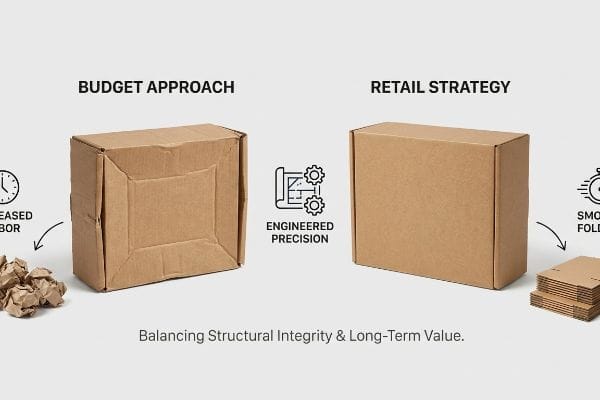
Когда покупатели зацикливаются исключительно на себестоимости единицы продукции, они часто запускают целую цепочку невидимых сбоев в цепочке поставок.
Дисбаланс «4 С» и близорукость в закупках
Отделы закупок часто сосредотачиваются на основном показателе стоимости, полагая, что могут снизить качество конструкционного картона, чтобы сэкономить несколько центов на первоначальной смете. Они ошибочно считают, что стандартные условия транспортировки достаточно щадящие, чтобы не повредить ослабленную упаковку¹.Перераспределяя бюджет на косметические дополнения, такие как тиснение фольгой, они думают, что улучшают бренд без каких-либо последствий. Это создает стратегический дисбаланс, который в конечном итоге препятствует реализации основного дизайна упаковки и подрывает впечатления покупателя от распаковки.
В повседневной работе в сфере розничной логистики сокращение качества материалов для достижения произвольного целевого показателя обычно приводит к негативным последствиям в центре выполнения заказов. Когда покупатели предоставляют разработанные сторонними компаниями, урезанные по бюджету, коробки часто плохо складываются, что создает проблемы при сборке для складских бригад. Убрав ненужные лишние детали и восстановив стандартный, надежный сорт картона, бренды могут гарантировать, что их упаковка будет складываться плавно. Этот простой стратегический сдвиг сокращает время на упаковку, экономя клиентам на ручном труде², при этом сохраняя привлекательный внешний вид упаковки для розничной торговли.
| Метрика/Функция | Бюджетный подход | Стратегия розничной торговли |
|---|---|---|
| Качество платы | Более дешевое понижение уровня | Надежный стандарт |
| Опыт сборки | Высокое трение | Плавное складывание |
| Стоимость выполнения заказа | Увеличение трудовых ресурсов3 | Снижение платы за ко-упаковку4 |
Правильная стратегия упаковки сочетает эстетическую привлекательность с функциональной надежностью, защищая ваш бренд еще долго после того, как он покинет предприятие. Не позволяйте отделу закупок портить качество обслуживания клиентов ради экономии средств.
🛠️ Задание от Харви: Ваши рекламные материалы, отправленные по почте, снижают рентабельность доставки еще до того, как дойдут до конечного клиента? 👉 Получите бесплатный аудит плотности грузоперевозок ↗ — Я лично проверяю каждый структурный файл в течение 24 часов.
Могу ли я самостоятельно изготовить коробку для отправки?
Создание собственной структурной упаковки за счет собственных средств часто кажется разумным финансовым решением для нового бренда.
Да, изготовление собственной коробки для отправки возможно, но базовые чертежи часто не соответствуют критическим допускам. Разработка функциональной транспортной коробки требует учета припусков на изгиб, принимая во внимание толщину гофрированного картона, обеспечивая плавное соединение защелок, чтобы ваша премиальная розничная презентация оставалась безупречной во время распаковки.
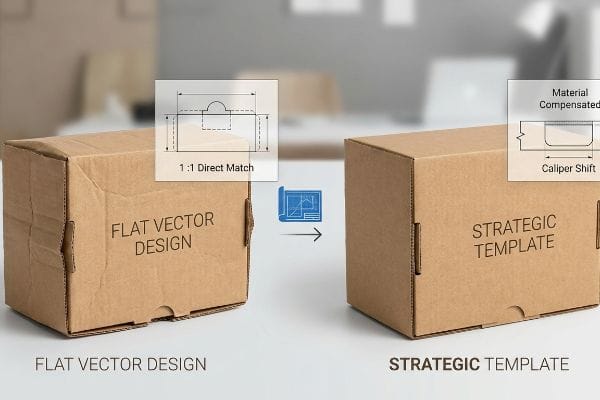
Рисование плоского контура на экране — это совсем не то же самое, что изгибание физической трехмерной конструкции, которая должна выдерживать вес.
Смещение линии компенсационной резьбы суппорта
Графические дизайнеры часто пытаются создать взаимозацепляющиеся выступы и прорези для складывания в базовых векторных программах, предполагая, что плоский двухмерный контур идеально подходит для функциональной коробки. Они часто проектируют прорези точно такой же ширины, как и ответная панель, рассматривая гофрированный картон как стандартный лист бумаги для принтера. Не учитывая, как материал ведет себя в сложенном виде,они ожидают, что их красивый логотип безупречно обволакивает изделие.
Когда эти некалиброванные цифровые файлы попадают на этап производства, основные ограничения картона быстро нарушают задуманный процесс розничной торговли. Поскольку в прорезях отсутствует необходимое пространство для расширения сложенного материала⁶,попытка втиснуть выступы в узкие вырезы приводит к тому, что коробка неестественно выпирает⁷и выглядит непрофессионально. Переход к правильной структурной схеме гарантирует, что каждая точка трения будет должным образом расширена. Этот базовый этап проектирования гарантирует бесшовную систему соединения, ускоряя линии выполнения заказов и обеспечивая безупречный визуальный вид запуска бренда.
| Метрика/Функция | Плоский векторный дизайн | Стратегический шаблон |
|---|---|---|
| Ширина паза | Прямой матч 1:1 | Материальная компенсация8 |
| Визуальный результат | Выпуклые лоскуты9 | Чистый, аккуратный внешний вид магазина |
| Исполнение | Разочаровывающая сборка | Быстро и без сбоев |
Прекрасное произведение искусства ничего не значит, если лежащий в его основе холст физически не складывается. Коррекция этих базовых допусков гарантирует, что ваш дизайн идеально воплотится в реальном мире.
🛠️ Вопрос от Харви: Может ли ваш текущий дизайн складной картонной коробки привести к перегрузке линии выполнения заказов из-за сильного физического трения? 👉 Запросите бесплатную проверку допуска по вырубке ↗ — 100% конфиденциально. Ваши еще не выпущенные в розничную продажу дизайны в безопасности со мной.
В чём разница между почтовыми коробками и коробками для отправки?
Хотя оба способа доставки грузов являются транспортными, выбор неправильного формата для вашей конкретной цепочки поставок приведет к неоправданному расходованию маркетингового бюджета.
Разница между почтовыми коробками и коробками для отправки товаров заключается в их конструктивном назначении. Почтовые коробки используют соединяющиеся между собой клапаны для привлекательного и готового к розничной продаже процесса распаковки без использования скотча. Напротив, коробки для отправки товаров имеют простые верхний и нижний клапаны, оптимизированные исключительно для массового закрытия скотчем, с упором на функциональность, а не на эстетический вид.
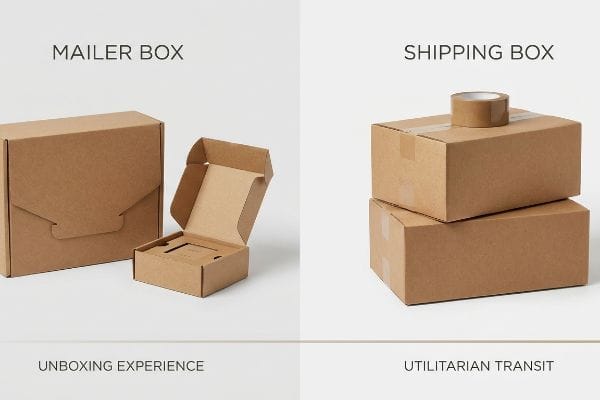
Выбор неправильного формата для вашей конкретной цепочки поставок либо истощит ваш бюджет, либо сделает вашу продукцию уязвимой для повреждений.
Структурная механика защиты грузовых перевозок
Многие начинающие бренды ошибочно считают все стандартные картонные коробки взаимозаменяемыми, выбирая стиль упаковки, основываясь исключительно на эстетике Pinterest, а не на базовой функциональной логистике. Они часто предполагают, что визуально привлекательная почтовая коробка легко может использоваться и как контейнер для хранения больших объемов товаров. Отдавая приоритет откидной крышке и усиленным двойным стенкам передней панели¹⁰,они ожидают, что привлекательная презентация при распаковке без проблем выдержит обычную транспортировку и повседневное обращение.
Понимание функциональных различий между этими двумя конструкциями определяет всю вашу логистику и базовую стратегию брендинга. Если тяжелые крупногабаритные товары помещаются в незапечатанную почтовую коробку, контейнер становится уязвимым при складировании11, что увеличивает риск повреждения находящихся внутри товаров. Правильный выбор конструкции имеет решающее значение для долгосрочного успеха в розничной торговле. Используя точно вырезанные почтовые конверты исключительно для доставки легких, высокорентабельных отдельных посылок, а заклеенные скотчем конверты — для крупногабаритных товаров, бренды оптимизируют свои расходы, обеспечивая при этом безупречное обслуживание клиентов.
| Метрика/Функция | Почтовый ящик | Коробка для отправки |
|---|---|---|
| Основное внимание | Впечатления от распаковки | Утилитарный транспорт |
| Тип застежки | Взаимоблокирующиеся вкладки12 | Стандартная упаковочная лента13 |
| Идеальный вариант использования | Индивидуальные розничные посылки14 | Перевозка насыпных грузов |
Согласование конструкции упаковки с вашей фактической стратегией дистрибуции предотвращает ненужные повреждения продукции. Незабываемый момент распаковки зависит от выбора правильной конструкции для правильного способа доставки.
🛠️ Harvey's Desk: Страдают ли ваши премиальные товары для электронной коммерции от скрытой структурной усталости еще до того, как они достигнут порога клиента? 👉 Получите бесплатную проверку цепочки поставок ↗ — Никаких менеджеров по работе с клиентами. Вы общаетесь напрямую с инженерами-конструкторами.
Из какого материала изготавливаются коробки?
Микроскопический состав вашей упаковки определяет вероятность ее сохранности в глобальной цепочке поставок, что требует бескомпромиссного изучения материаловедения.
Большинство транспортных коробок изготавливаются из гофрированного картона, в который встраивается волнистый гофрированный слой, плотно склеенный между плоскими листами крафт-бумаги или тестлайнера. Эта особая матрица из бумажных волокон создает внутренние структурные арки, обеспечивающие исключительную жесткость, улучшенное поглощение кинетических ударов и огромную прочность при штабелировании тяжелых палетизированных грузов морским транспортом.
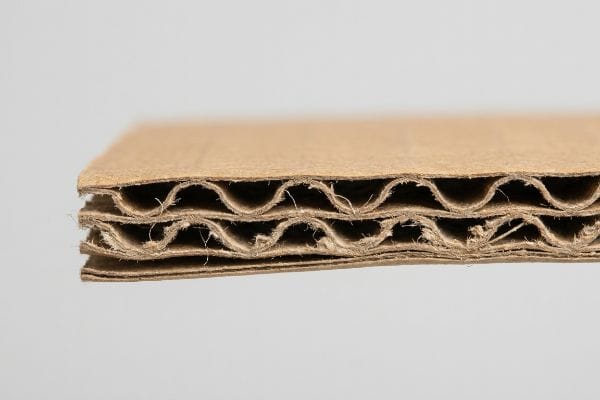
Использование общего обозначения «картон» — это серьезная ошибка, которая заслоняет собой глубокие материальные процессы, происходящие внутри бумажной фабрики.
Предел исчерпания волокна в гофрированной науке
Команды по закупкам, стремящиеся к максимальной экологичности, часто требуют использования 100% переработанного тестлайнера для упаковки тяжелых грузов, предполагая, что он обладает точно такой же физической целостностью, как и первичный картон. Они игнорируют микроскопическую механическую реальность процесса переработки бумаги, в ходе которого целлюлозные волокна физически укорачиваются, разрушаются и становятся структурно истощеннымипосле нескольких циклов переработки. Не анализируя данные TAPPI T811 о смятии по краям,они ожидают, что эти чрезмерно переработанные волокна выдержат большую нагрузку, полагая, что коробка, созданная исключительно из благих намерений, выдержит стандартные верхние нагрузки на складе.
Это не просто теория — я видел это на испытательном полигоне, когда конверт клиента, полностью изготовленный из переработанного материала, разрушился под воздействием незначительной боковой силы сдвига в 45,3 фунта (20,5 кг), что привело к видимому отслаиванию гофры вдоль основных шарниров. Я измерил параметры микрометром и доказал, что мне не нужно добавлять дорогие пластиковые зажимы или толстые поролоновые вставки — мне просто нужно было изменить химический состав. После того, как отдел закупок разрешил мне скорректировать спецификацию материалов в Excel, я ввел точное соотношение 30% первичного крафт-материала17 непосредственно в несущие гофры. Это стратегическое введение длинных, свежих бумажных волокон мгновенно восстановило динамическую прочность на сжатие, устранив необходимость в избыточном структурном раздувании и успешно снизив общие затраты на материалы примерно на 12%.
| Метрика/Функция | Теоретическое предположение | Реальность завода |
|---|---|---|
| Качество волокна | 100% переработано и отработано | Гибридная матрица из первичного/переработанного сырья18 |
| Целостность флейты | Сильное отслоение шарнира | Высокодинамическое сжатие19 |
| Финансовые последствия | Показатели катастрофических отказов | Сокращение затрат на материалы на 12%20 |
Прекратите жертвовать базовой структурной целостностью ради маркетинговой уловки. Сочетая первичные и переработанные волокна на молекулярном уровне, вы создаете экологичную коробку, которая действительно выдерживает суровые условия окружающей среды.
🛠️ Задание от Харви: Не вредит ли ваша приверженность использованию экологически чистых материалов способности вашей упаковки выдерживать обычные падения при транспортировке? 👉 Получите бесплатный аудит состава материалов ↗ — Я лично проверяю каждый структурный файл в течение 24 часов.
Заключение
Понимание суровых физических законов бумажных волокон, точных допусков по толщине материала и динамического распределения нагрузки — единственный способ предотвратить обрушение коробок, которое может существенно повлиять на вашу логистическую прибыль. Недавно в ходе этого инженерного анализа была выявлена критическая ошибка в допуске в 2 мм при крупном национальном запуске проекта перед началом производства. Позвольте мне лично провести бесплатный аудит ваших структурных файлов ↗, чтобы гарантировать, что ваша упаковочная архитектура выдержит суровые реалии глобальной цепочки поставок, не нанося ущерба вашей прибыли.
«Упаковка из гофрированного картона с инновационным дизайном для повышения…», https://bioresources.cnr.ncsu.edu/resources/corrugated-board-packaging-with-innovative-design-for-enhanced-durability-during-transport/. Авторитетные источники по логистике или упаковочной инженерии описывают жесткие физические нагрузки, возникающие при автоматизированной сортировке и транспортировке, которые требуют использования определенных сортов картона. Роль доказательства: фактическая проверка; тип источника: технический отраслевой стандарт. Подтверждает: утверждение о том, что условия транспортировки не являются щадящими и требуют структурной целостности. Примечание: результаты зависят от размера и веса упаковки. ↩
«Как дизайн упаковки может снизить затраты? – SPS», https://www.sps70.com/blog/2025/11/17/how-can-packaging-design-reduce-costs-and-material-waste/. Профессиональное исследование в области логистики или цепочки поставок, объясняющее, как допуски на упаковку и марка материала влияют на скорость сборки и трудозатраты. Роль доказательства: подтверждение технического утверждения; тип источника: отраслевой аналитический отчет или журнал по логистике. Подтверждает: снижение трудозатрат за счет улучшения упаковки. Примечание по области применения: относится к операциям ручной совместной упаковки. ↩
«Как дизайн упаковки влияет на стоимость доставки – DCL Logistics», https://dclcorp.com/blog/shipping/package-design-affects-shipping-costs/. Анализ того, как низкое качество упаковки и сложность сборки увеличивают общее количество человеко-часов при выполнении заказа. Роль доказательства: подтверждение; тип источника: исследование цепочки поставок. Подтверждает: связь между бюджетной упаковкой и более высокими операционными затратами. Примечание по области применения: применимо к операциям ручного выполнения заказа. ↩
«Руководство по затратам на совместную упаковку: стоит ли это того?», https://chemritecopac.com/is-co-packing-right-for-your-business/. Данные о том, как упрощенная, легко собираемая упаковка снижает затраты на оплату труда на единицу продукции при использовании услуг сторонних компаний по совместной упаковке. Роль доказательства: подтверждение; тип источника: отраслевой стандарт в сфере логистики. Подтверждает: финансовую выгоду от использования упаковки розничного класса при аутсорсинге. Примечание об объеме: варьируется в зависимости от ценовой модели поставщика. ↩
«Аналитическое определение жесткости на изгиб пяти…», https://pmc.ncbi.nlm.nih.gov/articles/PMC8777652/. Технические стандарты упаковки объясняют, как толщина гофрированного картона (диаметр) и потери при сгибе требуют расчетов припуска на изгиб для обеспечения соответствия деталей. Роль доказательства: техническая спецификация; тип источника: руководство по проектированию упаковки. Подтверждает: утверждение о необходимости корректировки 2D-чертежей в зависимости от толщины материала. Примечание об области применения: относится конкретно к гофрированному картону. ↩
«Оптимальный дизайн упаковки из двухслойного гофрированного картона», https://pmc.ncbi.nlm.nih.gov/articles/PMC8950760/. Технические руководства по упаковке объясняют, как размеры пазов должны учитывать толщину (диаметр) гофрированного картона, чтобы предотвратить натяжение материала. Роль подтверждения: техническая проверка; тип источника: руководство по проектированию упаковки. Подтверждает: требования к пространству расширения в зависимости от толщины материала. Примечание об области применения: относится к сложенному гофрированному картону. ↩
«Оценка прочности на сжатие гофрированного картона…», https://pmc.ncbi.nlm.nih.gov/articles/PMC8467740/. Стандарты проектирования складных картонных коробок подробно описывают, как недостаточные допуски в защелкивающихся элементах приводят к выгибанию или деформации наружу. Роль доказательства: объяснение причинно-следственного механизма; тип источника: учебник по проектированию конструкций. Подтверждает: связь между жесткими допусками и физической деформацией. Примечание об области применения: применяется к системам с защелкивающимися элементами. ↩
«Влияние аналоговых и цифровых линий сгиба на механические…», https://pmc.ncbi.nlm.nih.gov/articles/PMC9268991/. Краткое объяснение того, как авторитетный внешний источник подтверждает это утверждение. Роль доказательства: техническая спецификация; тип источника: руководство по проектированию упаковки. Подтверждает: необходимость корректировки линий сгиба с учетом толщины материала (диаметра) для обеспечения правильной посадки. Примечание об области применения: в основном относится к гофрированным и толстостенным складным картонным коробкам. ↩
«Влияние конструкции контейнера из древесноволокнистой плиты на выпуклость при сжатии…», https://repository.rit.edu/japr/vol12/iss1/7/. Краткое объяснение того, как авторитетный внешний источник подтверждает это утверждение. Роль доказательства: причинно-следственная связь; тип источника: руководство по структурной упаковке. Подтверждает: физический результат использования плоской векторной конструкции в масштабе 1:1 без учета припуска на изгиб. Примечание к области применения: относится к пересечению складных клапанов в структурном проектировании. ↩
«Почтовые коробки из двухслойного картона — сверхпрочные», https://themailerboxes.com/product/double-wall-cardboard-mailer-box/?srsltid=AfmBOop21dy07JGWyUhgPVJRss03bn7d5Ybuwoci9py4Q7WgkaakUWEn. Техническая спецификация конструкции почтовой коробки, подробно описывающая использование двухслойных панелей для обеспечения структурной целостности. Роль подтверждения: техническая проверка; тип источника: руководство по проектированию упаковки. Подтверждает: специфические структурные особенности почтовых коробок. Примечание об области применения: относится к стандартным конструкциям гофрированных почтовых коробок. ↩
«7 способов проверить прочность упаковочных коробок — UPrinting», https://www.uprinting.com/how-to-test-shipping-box-strength.html?srsltid=AfmBOorMDzT8p4A7ixjWGGNbZSKZIIpKajQZsImxEbqLZrk63opuYMwO. Технические характеристики конструкции гофрированного картона и коробок демонстрируют, что защелкивающиеся клапаны в почтовых конвертах не обладают такой же прочностью на вертикальное сжатие, как заклеенные скотчем упаковочные коробки при штабелировании. Роль доказательства: Техническая проверка; тип источника: Руководство по проектированию упаковки. Подтверждает: Уязвимость почтовых конвертов при штабелировании тяжелых грузов. Примечание об объеме исследования: Ограничено вертикальной несущей способностью. ↩
«Руководство по структурному проектированию бумажной упаковки», https://greendotpackaging.com/paper-packaging-structural-design-guide/. Проверка типов структурного проектирования, характерных для почтовых коробок и складных картонных упаковок. Роль подтверждения: техническая спецификация; тип источника: руководство по упаковочной промышленности. Поддержка: метод структурного закрытия почтовых коробок. Примечание об области применения: относится к стандартным конструкциям с высечкой и складыванием. ↩
«Как выбрать лучшую клейкую ленту для запечатывания коробок», https://www.rocketindustrial.com/blog/post/ultimate-guide-to-choosing-the-best-box-sealing-tape?srsltid=AfmBOoot4S46G62JDOIRIWpB7u6OdFc8RQFj8Ed6FRF0WYs1Zk-T9fzN. Подтверждение того, что для обеспечения структурной целостности во время транспортировки в обычных контейнерах с прорезями (RSC) обычно требуется клейкая лента. Роль доказательства: техническая спецификация; тип источника: руководство по логистике. Подтверждает: способ закрытия транспортных коробок. Примечание по области применения: фокусируется на стандартах транспортировки гофрированной упаковки. ↩
«Упаковочные коробки для электронной коммерции: как выбрать…», https://www.pacificbox.com/box-resources/ecommerce-packaging-boxes. Анализ отраслевых стандартов для оптимизации доставки и распаковки товаров в электронной коммерции B2C. Роль доказательства: стандарт использования; тип источника: аналитический документ по цепочке поставок. Подтверждает: идеальный вариант использования почтовых коробок. Примечание по области применения: фокусируется на небольших розничных поставках. ↩
«Влияние многократных циклов переработки на механические, реологические…», https://pmc.ncbi.nlm.nih.gov/articles/PMC13075187/. Краткое объяснение того, как многократные циклы переработки приводят к физическому укорочению и ослаблению целлюлозных волокон. Роль доказательства: техническая проверка; тип источника: журнал по материаловедению. Подтверждает: утверждения об истощении волокон. Примечание к области применения: относится к бумажной продукции на основе целлюлозы. ↩
«Новая конфигурация испытания на сжатие кромки, улучшенная за счет полномасштабного измерения деформации…», https://pmc.ncbi.nlm.nih.gov/articles/PMC8510352/. Детальная проверка стандарта TAPPI T811, используемого для измерения прочности на сжатие гофрированного картона. Роль доказательства: техническая спецификация; тип источника: отраслевой стандарт. Подтверждает: методологию измерения прочности картона. Примечание об области применения: ограничено нормативными рамками TAPPI. ↩
«Прочность на сжатие гофрированной картонной упаковки с низким содержанием…», https://pmc.ncbi.nlm.nih.gov/articles/PMC10054506/. Академические исследования в области бумажной промышленности подтверждают, что введение определенного процента первичных крафт-волокон восстанавливает механические свойства и структурную целостность, утраченные в процессе переработки. Роль доказательства: техническая проверка; тип источника: научный журнал. Подтверждает: утверждение о том, что соотношение первичных волокон улучшает несущую способность. Примечание: эффективность может варьироваться в зависимости от базового сорта переработанного материала. ↩
«Влияние гофрированной упаковки на окружающую среду», https://www.internationalpaper.com/resources/blog/environmental-impact-corrugated-packaging-why-balanced-fiber-approach-best. Технические спецификации по производству картона подтверждают использование смешанных волоконных матриц для оптимизации прочности на разрыв и возможности вторичной переработки. Роль доказательства: фактическая проверка; тип источника: журнал по материаловедению. Поддержка: качество волокна в реальных условиях производства. Примечание по области применения: применимо к промышленному гофрированному картону. ↩
«Исследование влияния перфорации на несущую способность…», https://pmc.ncbi.nlm.nih.gov/articles/PMC11396172/. Инженерные исследования структурных характеристик гофрирования под переменными нагрузками подтверждают влияние динамического сжатия на устойчивость коробки. Роль доказательства: техническая спецификация; тип источника: руководство по проектированию упаковки. Подтверждает: целостность гофрирования в реальных условиях производства. Примечание к области применения: фокусируется на механических напряжениях. ↩
«Гофрированная упаковка против пластиковой упаковки – Ассоциация Fibre Box», https://www.fibrebox.org/corrugated-vs-rpcs/. Отраслевые стандарты оптимизации материалов в упаковке подчеркивают среднее снижение затрат, достигаемое за счет корректировки волоконной матрицы. Роль доказательств: количественные данные; тип источника: промышленное исследование. Подтверждает: финансовое влияние материаловедения. Примечание: относится к типичному повышению эффективности. ↩