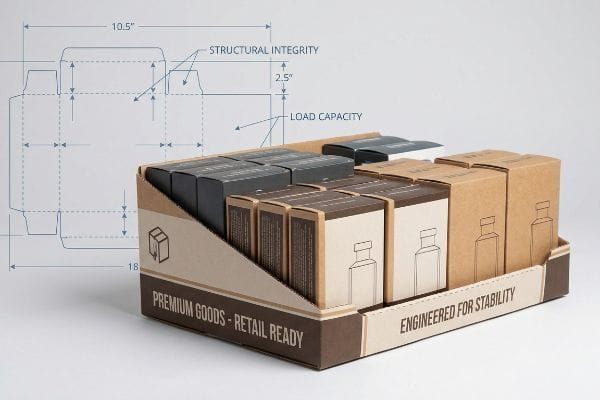
Разработка готового к розничной торговле торгового стенда — это не просто складывание картона; она требует точных инженерных расчетов, чтобы выдержать суровые условия цепочек поставок и занять ценное место в проходах.
Разработка быстрых и надежных торговых конструкций (PDQ – Pretty Darn Quick) требует строгого соблюдения принципов физики конструкций, требований розничных продавцов и точных допусков на графическое оформление. Эти спроектированные картонные конструкции обеспечивают баланс между динамической грузоподъемностью и визуальным эффектом, гарантируя, что продукция выдержит суровые условия транспортировки, и органично вписываясь в различные торговые точки по всему миру.
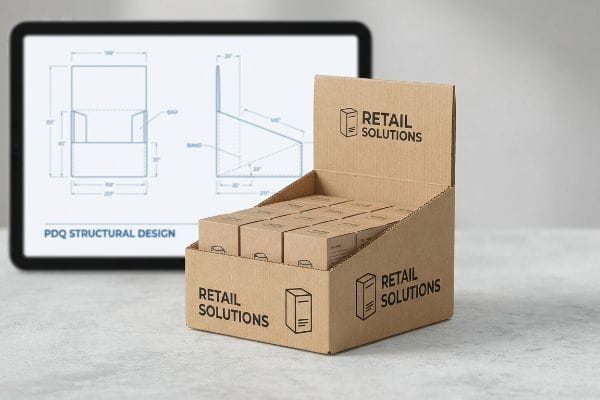
Знание теоретических основ — это хорошее начало, но давайте посмотрим, как эти правила применяются на практике при переходе от цифрового представления к физическому запуску в розничной торговле.
Какие факторы необходимо учитывать при проектировании дисплея?
Прежде чем задумываться о слое с графическим изображением, необходимо рассчитать прочность материала, габаритные ограничения и центр тяжести изделия.
При проектировании витрин необходимо учитывать физические параметры продукта: вес, объем и условия розничной торговли. Инженеры оценивают соотношение площади основания, толщину гофрированного картона и влагостойкость, чтобы гарантировать, что готовая витрина останется в вертикальном положении и сохранит визуальную целостность во время рекламных кампаний с высокой проходимостью, не опрокидываясь.
Если отбросить абсолютные габариты, настоящая проверка происходит, когда покупатели непосредственно взаимодействуют с вашим продавцом на кассе.
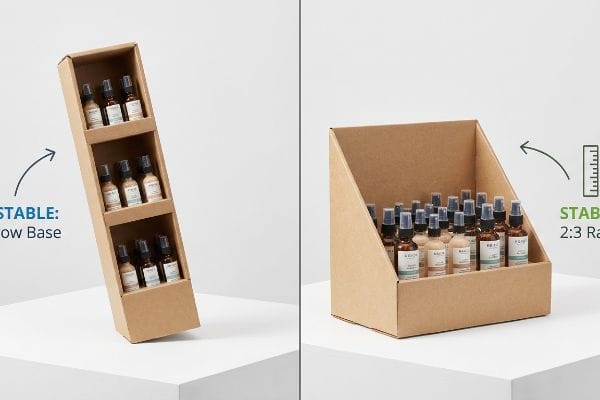
Коэффициент стабильности 2:3 для розничных прилавков
Бренд-команды часто разрабатывают высокие, привлекающие внимание настольные стеллажи, чтобы максимально увеличить рекламное пространство в переполненных кассовых зонах. Они исходят из предположения, что, если основание помещается в стандартные габариты торгового зала¹,то большая внутренняя нагрузка от товаров естественным образом закрепит весьстеллаж².
Предположение о том, что верхняя часть конструкции должна быть массивной, сразу же не работает на оживленной торговой площадке. Я часто вижу, как опытные закупщики упаковки предоставляют файлы САПР (системы автоматизированного проектирования) для высоких лотков для косметики , полностью игнорируя центр тяжести. Когда покупатель натыкается на узкий лоток высотой 45,7 см с основанием глубиной всего 12,7 см, он мгновенно наклоняется вперед, разбрасывая стеклянные флаконы повсюду. Я применяю строгое правило соотношения 2:3 для всех торговых площадок: глубина должна составлять не менее двух третей от общей высоты³.Я буквально толкаю белые физические образцы на своем испытательном столе, чтобы почувствовать сопротивление в точке опрокидывания. Расширяя конструкцию основания до этого соотношения, я полностью исключаю опасность опрокидывания, предотвращая отказы со стороны продавцов и защищая ваш хрупкий товар.
| Распространённая ошибка новичков | Профессиональное решение | Преимущества для торговых площадей |
|---|---|---|
| Узкие основания для высоких модулей | соблюдать соотношение глубины и высоты 2:3. | Полностью исключает опасность опрокидывания вперед |
| Игнорируя центр тяжести | Рассчитайте динамическую полезную нагрузку продукта5 | Предотвращает разбитие стекла на кассе |
| Использование одностенных балок | Складчатые двухстенные конструкции коллекторов6 | Предотвращает скручивание и изгибание волос, которые могут стать слишком тяжелыми сверху |
Я не позволю плохим геометрическим пропорциям испортить запуск вашего продукта. Если ваша витрина кажется шаткой на этапе демонстрации белого образца, значит, центр тяжести расположен неправильно, и перед печатью необходимо немедленно произвести структурную перерасчет.
🛠️ Стол Харви: Не уверены, выдержит ли ваша столешница удар покупателя? 👉 Запросите структурную экспертизу ↗ — Прямой доступ к моему рабочему месту. Никакого автоматического спама с рекламой, обещаю.
Каковы принципы дизайна дисплеев?
Визуальная коммуникация на полках магазинов требует высококонтрастной графики, интуитивно понятной доступности товара и структурного оформления, которое направляет взгляд покупателя непосредственно к вашему основному ценностному предложению.
Принципы дизайна витрин ставят во главу угла структурную устойчивость, максимальную узнаваемость бренда и беспрепятственное взаимодействие с покупателем. Эффективный мерчандайзинг использует стратегический цветовой контраст, эргономичное размещение товаров и четкую иерархию сообщений, чтобы привлечь внимание потребителя в течение трех секунд, обеспечивая успешное преобразование потока посетителей в измеримые продажи.
Отличная визуальная стратегия на мониторе ничего не значит, если заводское оборудование не может воспроизвести задуманный вами фирменный стиль на физических носителях.
Почему цвета на экране мутнеют на гофрированном картоне
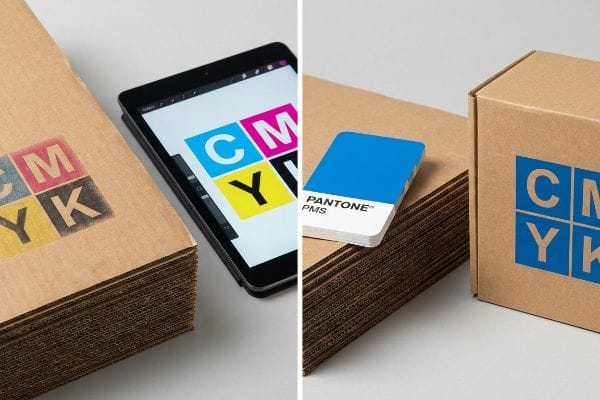
Как правило, маркетинговые команды экспортируют свои яркие логотипы в стандартные форматы, ожидая, что заводские принтеры безупречно воспроизведут изображение, которое они видят на своих офисных мониторах с подсветкой. Они уверены, что стандартная четырехцветная печать идеально воспроизведет их корпоративный стиль на любом материале.
Эти цифровые ожидания рушатся, когда чернила фактически попадают на бумагу. Я постоянно вижу, как клиенты присылают прекрасные файлы, в которых используются крошечные, перекрывающиеся полутоновые точки CMYK (голубой, пурпурный, желтый, черный). Но когда эти влажные точки попадают на пористый, незапечатанный гофрированный тестлайнер7, они впитываются неравномерно и визуально сливаются в зернистую, блеклую кашу. Вы буквально можете почувствовать запах тяжелых, влажных чернил, которые не затвердевают должным образом на картоне. Вместо этого я требую протокол заливки плашечными цветами для всех основных логотипов. Смешивая одну сплошную краску PMS (система подбора цветов Pantone)8 для основного цвета вашего бренда, я полностью исключаю оптическое смешивание. Эта физическая корректировка гарантирует плотный, плавный поток пигмента, максимизируя контраст под резкими флуоресцентными лампами Walmart и обеспечивая читаемость вашего логотипа с расстояния 20 футов (6,0 м).
| Распространённая ошибка новичков | Профессиональное решение | Преимущества для торговых площадей |
|---|---|---|
| Печать логотипов в стандартной цветовой модели CMYK | Используйте сплошные чернила PMS плашечных цветов | Гарантирует высокую узнаваемость бренда |
| Доверие к цветам подсветки экрана | Сравните с образцами тканей в бумажных каталогах | Предотвращает выцветание графики |
| Игнорируя впитывающую способность бумаги | Сначала нанесите белую грунтовку-основу | Предотвращает изменение цвета чернил |
Я никогда не позволяю неоткалиброванному цифровому файлу диктовать результаты физической печати. Я настаиваю на переходе к плашечным цветам, потому что мутный, нечитаемый логотип бренда полностью сводит на нет всю кропотливую работу вашей маркетинговой команды над кампанией.
🛠️ Задание от Харви: Не будут ли цвета вашего бренда выглядеть блеклыми на необработанном картоне? 👉 Пройдите допечатный аудит ↗ — Скачайте безопасно. Мой почтовый ящик открыт, если у вас возникнут вопросы позже.
Что такое PDQ-дисплей?
В современной розничной торговле скорость — это важнейшее качество, поэтому быстро развертываемые мерчендайзеры являются предпочтительным выбором для проведения масштабных рекламных кампаний.
Витрина PDQ — это легкая, готовая к розничной продаже торговая витрина, разработанная для быстрой установки в точке продаж. Эти компактные устройства поставляются в собранном или разобранном виде и оснащены интуитивно понятными механизмами фиксации, позволяющими продавцам быстро и без проблем перекладывать товары из основной коробки на полки или прилавки за считанные секунды.
Концепция подразделения быстрого развертывания проста, но достижение такой бесперебойной скорости на месте требует высокоспециализированного проектирования конструкций.
Ловушка чрезмерно сложных запирающих механизмов
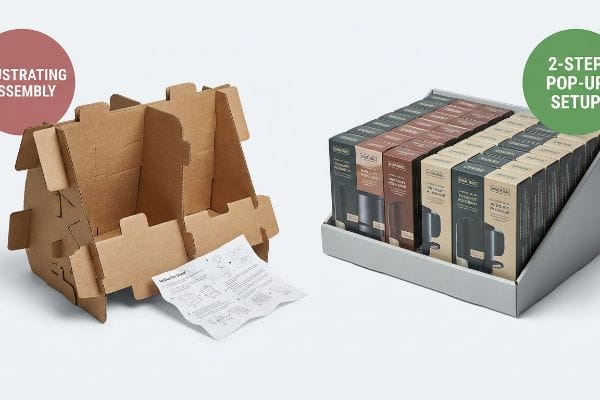
Многие дизайнеры считают, что для создания надежного торгового стенда необходимо добавить чрезмерное количество складок, скрытых прорезей и сложных взаимозамыкающихся стенок. Они подходят к плоской развертке как к сложной головоломке, полагая, что большее количество складок означает лучшую структурную целостность для торгового пространства.
Представьте, что вы пытаетесь собрать мебель из плоских упаковок без инструкции, пока за вами наблюдает очередь недовольных покупателей. Я часто наблюдаю, как расстроенный продавец в магазине 15 минут пытается сдвинуть сложную деталь, в конце концов сдаваясь и рву картон или используя некрасивую прозрачную ленту, которая портит брендинг. Жесткое трение картона 32ECT (тест на прочность кромки)плотном сгибе — это реальная проблема. Я решаю её, разрабатывая стандарт сборки без лишних усилий, используя предварительно склеенные модульные лотки. Сложную склейку я выполняю на своем заводе, поэтому продавцу нужно развернуть изделие всего за два шага. Это значительно сокращает время сборки в магазине, гарантируя, что ваша мебель действительно окажется на полке, а не будет выброшена в мусорное ведро на складе.
| Распространённая ошибка новичков | Профессиональное решение | Преимущества для торговых площадей |
|---|---|---|
| Разработка 10-шаговой схемы складывания оригами | Используйте модульные лотки, предварительно склеенные на заводе | Сокращает время настройки до менее чем 15 секунд10 |
| Предположим, что клерки читают инструкции | Интуитивно понятные всплывающие окна в два этапа | Предотвращает оставление помещений без присмотра в подсобных помещениях |
| Втискивание толстой платы в узкие пазы | Увеличьте зазор между суппортом и линиями резки11 | Предотвращает повреждение витрин продавцами |
Я создаю торговые автоматы для измученных работников розничной торговли, а не программные алгоритмы. Если продавец не может интуитивно собрать ваш автомат менее чем за минуту, я считаю инженерную работу полным провалом.
🛠️ Стол Харви: Не вызовет ли ваша конструкция в разобранном виде раздражение у продавца, и не заставит ли его выбросить? 👉 Воспользуйтесь оптимизацией выкройки ↗ — Никаких форм, которые приводят к бесконечным звонкам отдела продаж. Только чистая выгода.
Каковы принципы планировки и дизайна магазина?
Работа в крупных торговых центрах предполагает планирование своей физической площади с учетом жестких правил организации движения покупателей, требований законодательства о сроках хранения и строгих норм по свободному перемещению товаров по проходам.
Принципы проектирования планировки магазина определяют, как в физических торговых помещениях регулируется поток покупателей, обзорность и доступность товаров. Эти операционные рамки устанавливают строгие правила в отношении ширины проходов, размеров поддонов и ограничений по вылету товаров, обеспечивая безопасную интеграцию рекламных стендов без нарушения требований к соответствию объекта нормативным требованиям или нарушения процесса совершения покупок.
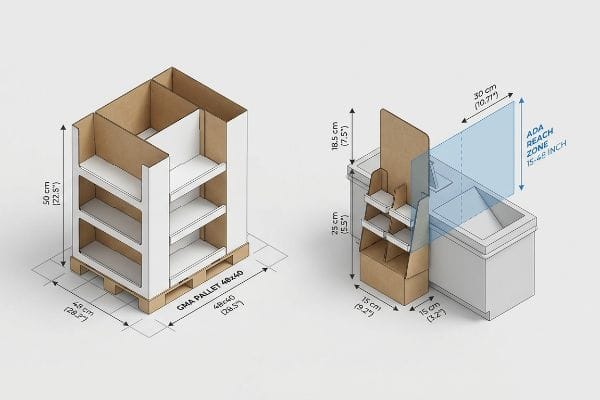
Но знания теории недостаточно, когда оборудование начинает работать и ваши товары фактически попадают на приемный склад розничного продавца.
Почему система определения размеров «под посадку после усадки» не проходит проверки в розничной торговле
Торговые компании и маркетологи часто предлагают масштабируемые рекламные кампании, в которых большой торговый стенд можно просто уменьшить пропорционально на 50%, чтобы использовать его в качестве кассового аппарата. Они рассматривают планировку магазина исключительно как головоломку с пропорциями, предполагая, что один структурный шаблон может динамически изменяться в разных зонах.
На моем предприятии я регулярно наблюдаю, как такое теоретическое масштабирование приводит к массовым нарушениям требований. Просто уменьшить размер витрины невозможно; площадь помещения строго ограничена стандартным поддоном GMA (Ассоциация производителей продуктов питания) размером 48×40 дюймов (121,9×101,6 см), в то время как кассовые прилавки юридически ограничены окном доступа ADA (Закон об американцах с ограниченными возможностями) от 15 до 48 дюймов (38,1–121,9 см). Когда я измеряю эти пропорционально уменьшенные конструкции на испытательном полигоне, я часто обнаруживаю, что полки с основными товарами полностью выходят за пределы разрешенной зоны доступности. Я исправляю это, навсегда разделяя инженерные процессы и пересчитывая конкретный угол наклона для кассовых аппаратов. Рассматривая две зоны магазина как математически изолированные среды, я гарантирую, что клиенты избегут дорогостоящих возвратов средств от строгих управляющих магазинами, которые немедленно отклоняют не соответствующие требованиям кассовые аппараты.
| Распространённая ошибка новичков | Профессиональное решение | Преимущества для торговых площадей |
|---|---|---|
| Взвешивание напольных единиц для прилавков | Раздельное проектирование для отдельных зон | Предотвращает юридические и связанные с доступностью отказы |
| Игнорирование физической доступности | Соответствует требованиям ADA по размерам окон от 15 до 48 дюймов12). | Обеспечивает всем покупателям доступ к товарам |
| Угадывание размеров кассового аппарата | Привязывайте дизайн к конкретным требованиям розничной торговли | Устраняет необходимость возврата средств в связи с космическими конфликтами13 |
Я исключаю неопределенность при размещении мебели в магазине, закрепляя каждый сгиб и разрез в документации розничного продавца. Красивая конструкция ничего не значит, если управляющий магазином физически не может разместить ее в соответствии с планом помещения.
🛠️ Совет от Харви: Не позволяйте двухмиллиметровому структурному дефекту испортить запуск продаж в 500 магазинах. 👉 Пришлите мне файл с чертежами ↗ — Я проверю расчеты, прежде чем вы потратите бюджет на массовое производство.
Заключение
Вы можете полагаться на типовые шаблоны, но когда этот математически некорректный базовый блок нарушает строгие требования доступности для людей с ограниченными возможностями в оживленном торговом зале, это приводит к немедленному отказу в приеме товара на уровне магазина, что сводит на нет всю вашу прибыль от рекламной кампании. Это именно та спецификация, которую используют мои 10 крупнейших клиентов в розничной торговле, чтобы гарантировать отсутствие отказов в приеме печати. Перестаньте рисковать соответствием макета требованиям и позвольте мне лично проверить ваши допуски на соответствие конструкции с помощью моего бесплатного аудита высечки ↗, чтобы выявить фатальные ошибки до начала производства.
«Настольные витрины для розничной торговли с высокой проходимостью: руководство по увеличению продаж», https://www.displaysandholders.com/top-countertop-display-solutions-for-high-traffic-retail-areas?srsltid=AfmBOopujaCkWyebC5CGseM516LMoiFCjh-lnv0smlyCZ5Trprr4UAsq. [Авторитетное отраслевое руководство или справочник по стандартам розничной торговли подтверждает наличие и типичные размеры допустимых площадей для настольных витрин]. Роль доказательства: фактическая проверка; тип источника: отраслевой стандарт. Подтверждает: наличие ограничений по площади. Примечание об области применения: конкретные размеры могут различаться в зависимости от розничной сети. ↩
«Центр тяжести | Физика Ван – Университет Иллинойса», https://van.physics.illinois.edu/ask/listing/74. [Инженерные принципы, касающиеся центра тяжести и статической устойчивости, объясняют, как вес изделия, загружаемого снизу, влияет на точку опрокидывания конструкции]. Роль доказательства: техническая проверка; тип источника: инженерное руководство. Подтверждает: механику устойчивости. Примечание по области применения: эффективность зависит от соотношения высоты и основания. ↩
«Настольные витрины для розничной торговли с высокой проходимостью: руководство по увеличению продаж», https://www.displaysandholders.com/top-countertop-display-solutions-for-high-traffic-retail-areas?srsltid=AfmBOop66nLuE_iUVNHnaVbTy5Fyasdi9vO1J3t_ggskKSKxzx19j1y-. [Техническое руководство по розничной упаковке или строительной инженерии подтверждает необходимые соотношения глубины и высоты для обеспечения устойчивости настольных витрин]. Роль подтверждения: техническая проверка; тип источника: отраслевой стандарт; Подтверждает: соотношение устойчивости 2:3; Примечание об области применения: относится к временным гофрированным витринам для размещения в местах продаж. ↩
«Как выбрать высоту для торгового стенда?», https://popdisplay.me/how-to-choose-your-retail-display-height/. Отраслевые стандарты безопасности или инженерные руководства для торговых стендов подтверждают необходимые соотношения для предотвращения опрокидывания вперед. Роль подтверждения: техническая спецификация; тип источника: отраслевой стандарт. Поддержка: использование соотношения 2:3 для устойчивости. Примечание по области применения: применимо к отдельно стоящим торговым стендам. ↩
"Шкала центра тяжести – Loadstar Sensors", https://www.loadstarsensors.com/solutions/center-of-gravity-scale.html?srsltid=AfmBOopSiQ1LcrkftBoSyJiRf0mFVEyj0ov0jfEZv4NQD2WKxr5abWTW. Инженерные принципы для статических и динамических нагрузок объясняют, как расчет изменяющегося веса изделий предотвращает разрушение конструкции или опрокидывание. Роль доказательства: методология; тип источника: академический текст. Подтверждает: необходимость расчетов полезной нагрузки для обеспечения безопасности. Примечание к области применения: акцент на динамике центра тяжести. ↩
«Оптимальный дизайн упаковки из двухслойного гофрированного картона – PMC», https://pmc.ncbi.nlm.nih.gov/articles/PMC8950760/. Документация по материаловедению гофрированного картона демонстрирует, что двухслойность значительно повышает жесткость конструкции и устойчивость к деформации/скручиванию по сравнению с однослойным картоном. Роль доказательства: характеристики материала; тип источника: технический паспорт. Подтверждает: предотвращение изгиба верхней части упаковки. Примечание об области применения: относится к материалам из гофрированного картона. ↩
«Что такое подбор цвета в печати и как он работает? – Пользовательский…», https://popdisplay.me/what-is-color-matching-in-printing-and-how-does-it-work/. [Технические руководства по пористости подложки объясняют, как незапечатанный гофрированный тестовый лист приводит к растеканию чернил, вызывая потерю деталей в полутоновых точках]. Роль доказательства: техническое объяснение; тип источника: руководство по печати. Подтверждает: почему цифровые файлы не работают на необработанной бумаге. Примечание к области применения: фокусируется на физике немелованной бумаги. ↩
«В чем разница между плашечными цветами (PMS) и CMYK для…», https://blog.fantastapack.com/difference-between-spot-colors-vs.-cmyk-packaging. [Стандарты печати подтверждают, что предварительно смешанные плашечные цвета обеспечивают более высокую плотность и однородность пигмента на абсорбирующих подложках, чем многослойные полутона CMYK]. Роль доказательства: техническая спецификация; тип источника: отраслевой стандарт. Подтверждает: эффективность протокола заливки плашечными цветами. Примечание об области применения: ограничено нанесением непрозрачных пигментов. ↩
«Понимание прочности упаковочной коробки – EcoEnclose», https://www.ecoenclose.com/blog/understanding-shipping-box-strength/?srsltid=AfmBOoojz5hZwy7QXe3AUHxEH6XZkPT03GChgs4mRe1Zmlu6rlOf_FQq. [В отраслевом стандарте для гофрированной упаковки 32 ECT определяется как конкретная мера прочности и жесткости картона при штабелировании]. Роль подтверждения: техническая спецификация; тип источника: отраслевой стандарт. Подтверждает: физические свойства и сопротивление материала демонстрационного картона. Примечание об области применения: конкретно относительно рейтинга 32 ECT. ↩
«Лотки и коробки PDQ – Plus Printers», https://www.plusprinters.com/product/pdq-trays-and-boxes/?srsltid=AfmBOooB6SKTJS8_g_DWQZBMukua9uAD5zO63Gbn8X0y5ZYA0l5-pdjc. [Стандарты операционной эффективности розничной торговли в отрасли подтвердят среднее сокращение времени сборки при использовании предварительно склеенных компонентов по сравнению с ручной гибкой]. Роль доказательства: количественная проверка; тип источника: отраслевой отчет. Подтверждает: эффективность модульных лотков. Примечание: время может варьироваться в зависимости от масштаба дисплея. ↩
«Полное руководство по гофрированным коробкам – Shorr Packaging», https://www.shorr.com/resources/blog/ultimate-guide-corrugated-boxes/. [В руководствах по проектированию упаковки указывается требование учитывать толщину материала, или диаметр, при проектировании пазов для предотвращения напряжения материала]. Роль подтверждения: техническая спецификация; тип источника: справочник по проектированию упаковки. Подтверждает: структурную целостность картонных пазов. Примечание об области применения: применяется специально к гофрированным материалам. ↩
«Глава 3: Рабочие части – Access-Board.gov», https://www.access-board.gov/ada/guides/chapter-3-operable-parts/. [Стандарты ADA по доступному дизайну определяют конкретные диапазоны высоты для беспрепятственного доступа, чтобы обеспечить доступность для людей, использующих инвалидные коляски]. Роль доказательства: техническая спецификация; тип источника: нормативный стандарт. Подтверждает: требования к физической доступности в дизайне розничной торговли. Примечание об области применения: относится к федеральному законодательству США. ↩
«Как работают возвраты платежей в розничной торговле и что с этим можно сделать», https://www.weberlogistics.com/blog/california-logistics-blog/how-retail-chargebacks-work-and-what-you-can-do-about-them. [В руководствах по соблюдению отраслевых стандартов описывается, как розничные поставщики подвергаются штрафам в виде возвратов платежей, когда размеры торгового оборудования нарушают согласованные спецификации по занимаемой площади]. Роль доказательства: операционный показатель; тип источника: отраслевое руководство. Подтверждает: финансовый риск, связанный с неправильными размерами кассы. Примечание об объеме: зависит от конкретного договора с розничным продавцом. ↩