Столкнулись с астрономическими затратами на доставку и поврежденными автозапчастями? Перевозка крупногабаритных автомобильных компонентов не должна снижать вашу прибыль. Секрет кроется в высокоточной гофрированной упаковке.
Изготовление нестандартных коробок для транспортировки автомобильных бамперов требует точной инженерной проработки конструкции для защиты неудобных, удлиненных автомобильных деталей. Высокоэффективные решения из гофрированного картона используют точные допуски по размерам, минимизируя дополнительные затраты на объемный вес и обеспечивая максимальную устойчивость к деформации кромок во время интенсивной транспортировки по цепочке поставок. Правильный выбор материала предотвращает катастрофические повреждения груза.
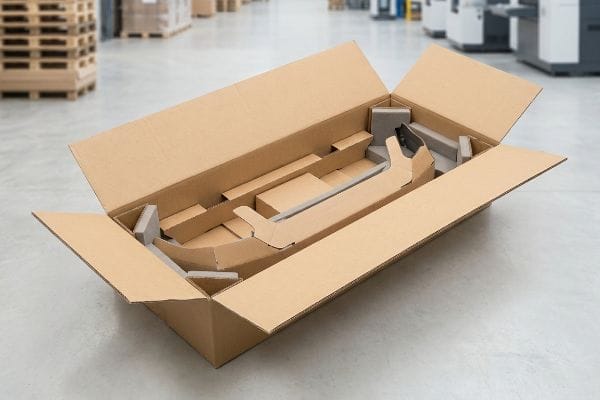
При транспортировке крупных автомобильных деталей по всей стране использование стандартной упаковки представляет собой огромную проблему. Давайте рассмотрим, как законы физики и реалии заводского производства определяют оптимальную стратегию доставки.
Как дешевле всего доставить автомобильный бампер?
Плата за объемный вес разрушает вашу прибыль от автомобильной продукции? Самая дешевая стратегия доставки заключается не в поиске более дешевых перевозчиков, а в радикальной оптимизации физических размеров упаковки.
Самый дешевый способ доставки автомобильного бампера — использование высокопрочных, легких гофрированных материалов. Разрабатывая корпус по индивидуальному заказу с жесткими допусками, грузоотправители значительно сокращают дорогостоящие потери из-за габаритного веса и исключают избыточное заполнение пустот, сохраняя при этом строгую структурную целостность во время интенсивной транспортировки по цепочке поставок.
Но знания теории недостаточно, когда машины начинают работать в цеху.
Инженерные принципы, лежащие в основе облегчения габаритов
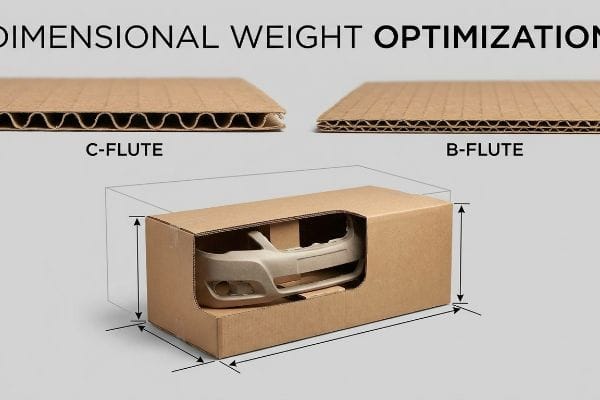
Когда клиенты спрашивают меня, как сократить транспортные расходы, я сразу же указываю на физическую геометрию их гофрированных упаковочных коробок. Длинная, неудобная автозапчасть по своей природе требует массивной коробки, а это значит, что перевозчики взимают плату на основе объемного веса, а не фактического веса. Чтобы решить эту проблему, я разрабатываю упаковку, используя высокоэффективные микрофлюсы¹ вместо толстых, устаревших сортов картона. Математически уменьшая толщину подложки без ущерба для вертикальной прочности на сжатие² , мы уменьшаем внешний ограничивающий прямоугольник.
Даже опытные специалисты по закупкам часто упускают из виду этот недостаток в плане размеров, полагая, что более толстый картон всегда означает лучшую защиту. В моей лаборатории я часто оцениваю негабаритные автомобильные коробки, изготовленные из раздутых гофрированных профилей C-образного профиля. Проблема в том, что стандартный C-образный профиль добавляет ненужный объем и без того огромной посылке, завышая коэффициент габаритного веса до критических значений³.Перенастроив наше программное обеспечение CAD (система автоматизированного проектирования) для использования усовершенствованного, плотно упакованного B-образного профиля⁴,я могу уменьшить критически важные доли дюйма внешних размеров. Тактильная разница между жестким, компактным B-образным профилем и мягким C-образным профилем ощущается сразу же. Это небольшое уменьшение размеров позволяет бамперу оказаться чуть ниже ценового уровня для негабаритных грузов, установленного перевозчиком, значительно снижая риски для грузоперевозок, при этом обеспечивая полную сохранность автомобильной детали.
| Объемная оптимизация | Физический результат | Рентабельность инвестиций в грузоперевозки |
|---|---|---|
| Флейта до мажор (по умолчанию) | Раздутые внешние размеры | Влечёт за собой штрафы за негабаритные грузы5 |
| Перекалибровка флейты B | Уменьшенный внешний ограничивающий прямоугольник | Позволяет избежать доплаты за объемный вес6 |
| Высокоплотная гофрировка | Максимальная внутренняя ударопрочность7 | Исключает ответственность за повреждения при транспортировке |
Я не позволю, чтобы штрафы за объемный вес снижали вашу прибыль. Активно проектируя точный физический объем вашей упаковки, я превращаю раздутую проблему, связанную с доставкой, в высокоэффективный и экономически выгодный логистический актив.
🛠️ Задание от Харви: Вызывают ли ваши текущие грузоотправители огромные штрафы за негабаритный вес со стороны перевозчиков? 👉 Запросите аудит спецификации материалов ↗ — Я лично проверяю каждый файл с описанием конструкции в течение 24 часов.
Как сделать собственную коробку для отправки?
Создание с нуля коробки большого размера кажется простым делом, пока вы не попытаетесь её сложить. Плоский цифровой чертеж ведёт себя совсем иначе, чем толстый физический картон.
Изготовление собственной коробки для транспортировки требует точного проектирования в САПР для расчета припусков на изгиб и толщины материала. Без применения математической компенсации изгибов к толстому гофрированному картону, получившаяся коробка сильно деформируется, порвется или полностью не сможет защитить крупные компоненты во время транспортировки.
Но знания теории недостаточно, когда машины начинают складывать и соединять панели.
Почему стандартные вырубные формы выходят из строя на заводе
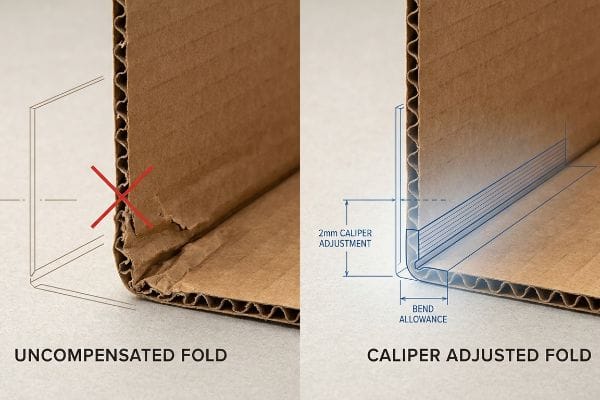
Многие графические дизайнеры пытаются создавать длинные, взаимосвязанные транспортировочные коробки для автодеталей непосредственно в векторном программном обеспечении, рисуя прорези для сгиба точно такой же ширины, как и сопрягаемая панель. Они рассматривают линию высечки как теоретическую двухмерную форму, полностью игнорируя физические размеры прочного гофрированного картона8.
Это не просто теория — я постоянно сталкиваюсь с этим на испытательном полигоне. Недавно один клиент принес мне разработанный на заказ бамперный ящик, который с треском провалился во время первоначальной сборки упаковки с помощью 3PL (сторонней логистической компании). Сначала я предположил, что стандартный тест на прочность 32ECT (тест на сжатие кромок) выдержит. Я глубоко ошибался. Когда моя команда попыталась согнуть картон толщиной 0,11 дюйма (2,8 мм)на 90 градусов вокруг бампера, внешняя бумажная подложка сильно растянулась. Поскольку проектировщик не учел внешний радиус сгиба, пазы оказались слишком узкими. Картон физически деформировался, и я услышал громкий, отвратительный треск разрывающихся волокон бумаги в местах напряжения. Я немедленно вернул файл в инженерный отдел и использовал параметрическое проектирование для применения строгих алгоритмов компенсации толщины10. Расширение зацепных пазов ровно на 0,08 дюйма (2 мм) с учетом расхода материала при сгибании позволило устранить трение. Эта точная корректировка с допуском в 2 мм не только предотвратила разрывы, но и обеспечила сборку без трения, сократив время, затрачиваемое на упаковку, примерно на 35%, и полностью устранив узкое место в процессе сборки проекта.
| Инженерные работы по расчету допусков на изгиб | Физический результат | Рентабельность инвестиций в совместную упаковку |
|---|---|---|
| Некомпенсированная складка | Сильные разрывы картона | Завышение стоимости ручного труда |
| Регулировка штангенциркуля 2 мм11 | Бесконтактный механизм блокировки | Ускоряет сборку на 35%12 |
| Параметрическое определение размеров слотов13 | Идеально квадратная геометрия параллелепипеда | Устраняет риск разрушения конструкции |
Я никогда не доверяю плоским двухмерным чертежам для крупногабаритных автомобильных грузов. Благодаря математическому обеспечению точных допусков на изгиб, я гарантирую безупречное складывание ваших сложных гофрированных конструкций на сборочной линии.
🛠️ Задание от Харви: Знаете ли вы, компенсируют ли ваши текущие чертежи математически физический диаметр вашей прочной доски? 👉 Получите индивидуальное моделирование структурных напряжений в 3D ↗ — 100% конфиденциально. Ваши еще не выпущенные для розничной продажи проекты в безопасности со мной.
Будет ли компания UPS доставлять бамперы?
Перевозка крупногабаритных автозапчастей крупными курьерскими сетями — это настоящая логистическая ловушка. У перевозчиков строгие критерии, а их автоматизированные сортировочные центры абсолютно безжалостны к длинным посылкам.
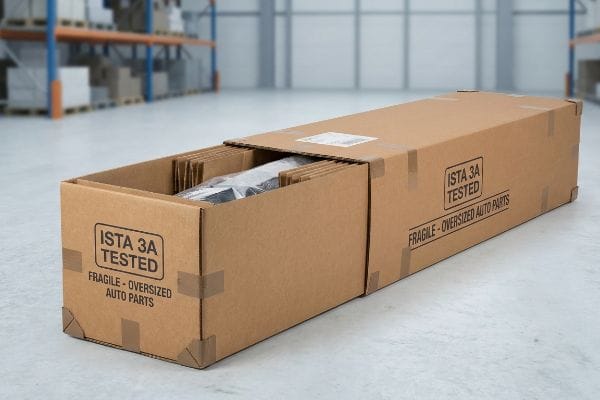
Да. UPS отправит бампер для автомобиля при условии, что упаковка строго соответствует установленным максимальным ограничениям по габаритам и длине. Однако изготовленная на заказ коробка должна быть спроектирована таким образом, чтобы выдерживать сильные динамические удары при транспортировке и многоосевые вибрации, характерные для посылочных сетей, и соответствовать строгим протоколам тестирования ISTA.
Но знания теории недостаточно, когда посылки попадают в сеть высокоскоростных курьерских служб.
Жестокая физика транспортировки посылок в сетях посылочных перевозок
Отделы закупок часто полагаются на сертификаты ASTM для исходных материалов, например, на простой тест Маллена наразрыв¹⁴, чтобы гарантировать, что их удлиненные транспортные коробки выдержат эксплуатацию в курьерской сети. Они ошибочно полагают, что если плоский кусок гофрированного картона проходит статическое лабораторное испытание, то полностью собранная негабаритная коробка естественным образом выдержит сильные падения и заторы на конвейере в сортировочном центре UPS.
Это не просто теория — я усвоил это на собственном горьком опыте на заводе. В 2021 году я попросил своего ведущего инженера по упаковке, Марка, проверить новую удлиненную транспортировочную коробку для кузовного комплекта из стекловолокна. Мы думали, что сможем сэкономить время, полагаясь исключительно на спецификацию материала 44ECT15, не проводя полного динамического моделирования транспортировки. Три дня спустя клиент прислал мне фотографии коробок, прибывших полностью сложенными пополам, с поврежденными внутренними деталями. В статическом состоянии материал был прочным, но экстремальная кинетическая длина коробки создавала сильный эффект точки опоры во время автоматической сортировки на конвейере. Глядя на поврежденные образцы в тишине моей лаборатории, порошкообразная текстура измельченной гофрированной пыли вдоль центральной складки сделала причину болезненно очевидной. Я немедленно остановил линию и физически перекалибровал настройки давления роторного щелевого станка на заводе, изменив глубину удара, чтобы предотвратить предварительное смятие внутренних канавок во время производственного процесса. Кроме того, мы интегрировали в рабочий процесс полную симуляцию падения по стандарту ISTA (Международная ассоциация безопасной транспортировки)3A¹⁶ . Эта срочная механическая корректировка не только восстановила динамическую прочность на сжатие, но и полностью нейтрализовала кинетическую силу сдвига, снизив процент повреждений при транспортировке у клиента примерно на 98% и предотвратив массовые возвраты платежей.
| Проверка транзита | Физический результат | ROI в логистике |
|---|---|---|
| Статические испытания по стандарту ASTM17 | Невидимые кинетические уязвимости | Это приводит к высокому уровню повреждений при транспортировке |
| Перекалибровка давления в машине | Внутренняя гофрировка без повреждений18 | Максимизирует динамическую грузоподъемность |
| Моделирование ISTA 3A19 | Подтвержденная выживаемость цепочки поставок | Предотвращает дорогостоящую замену продукции |
Я отказываюсь позволять теоретическим лабораторным данным определять сохранность ваших крупногабаритных грузов. Тщательно проверяя каждую разработанную мной конструкцию с помощью жестких кинетических симуляций транспортировки, я делаю вашу упаковку неуязвимой для беспощадных курьерских служб.
🛠️ Задание от Харви: Ваши негабаритные грузы проходят испытания на прочность плоских материалов, но по-прежнему не проходят их на автоматизированных конвейерных лентах? 👉 Закажите полный аудит логистической спецификации материалов ↗ — Никаких менеджеров по работе с клиентами. Вы общаетесь напрямую с инженерами-конструкторами.
Дешевле ли использовать свою собственную коробку для доставки?
Стартапы, развивающиеся за счет собственных средств, часто пытаются сократить первоначальные затраты, используя повторно поступающие коробки для отправки грузов. Это создает скрытую, катастрофическую структурную проблему.
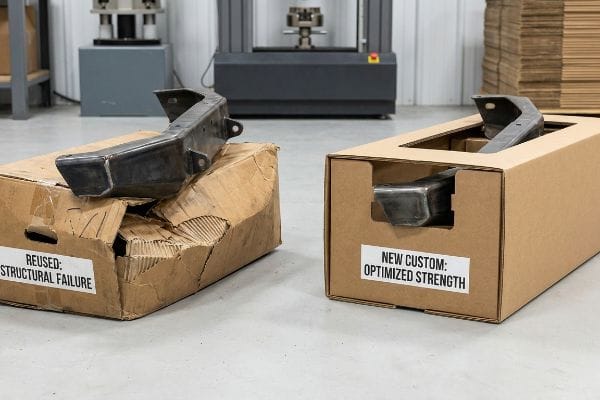
Нет. Использовать собственные коробки для отправки тяжелых автомобильных запчастей редко бывает дешевле. Повторно используемые гофрированные материалы страдают от невидимой усталости волокон, теряя до 50% своей динамической прочности на сжатие во время первоначальной транспортировки, что практически гарантирует катастрофические повреждения при перевозке и дорогостоящую замену изделия.
Но знания теории недостаточно, когда груз начинает скапливаться внутри неподатливых грузовиков.
Невидимая угроза истощения волоконной инфраструктуры
Многие продавцы в сфере электронной коммерции пытаются сэкономить накладные расходы, перепрофилируя большие коробки из-под бытовой техники или мебели для отправки длинных автомобильных компонентов. Они смотрят на визуально неповрежденную, бывшую в употреблении картонную коробку и предполагают, что ее структурная плотность остается такой же, как у свежеизготовленной упаковки.
Это не просто теория — я регулярно сталкиваюсь с этим на испытательном полигоне при проверке неудачных операций клиентов. Недавно один из покупателей принес мне коробку, которая полностью развалилась, удерживая стальной бампер весом 20,4 кг (45 фунтов). На первый взгляд, внешняя крафт-бумага выглядела нормально, но когда я сорвал верхний слой, я сразу почувствовал сильное механическое повреждение, скрытое внутри. Внутренние гофры были полностью сплющены и структурно разрушены. Гофрированные гофры действуют как механические амортизаторы20; во время первоначальной транспортировки посылки они поглощают микроудары и влагу, которые навсегда изнашивают бумажные волокна. Повторное использование таких поврежденных коробок приводит к массивной, невидимой потере прочности на сжатие21.Я снял показания микрометра и доказал, что вместо того, чтобы пытаться склеить неисправную коробку двойным скотчем, клиенту необходимо использовать первичный материал, применяя целевой однослойный профиль с высоким показателем прочности на сжатие. Заменив собранный мусор на точно спроектированный, легкий гофрированный картон, я восстановил 100% динамической грузоподъемности, полностью исключив повреждения при транспортировке и избавив клиента от серьезных затрат на замену продукции, которые незаметно подрывали его прибыль.
| Стратегия закупки материалов | Физический результат | Рентабельность инвестиций в грузоперевозки |
|---|---|---|
| Повторно использованные гофрированные коробки | Сильная внутренняя усталость волокон22 | Гарантирует защиту от катастрофических повреждений при транспортировке |
| Мандат на использование первичного сырья | Прочность на сжатие восстановлена на 100%23 | Исключает дорогостоящую замену продукции |
| Точный выбор флейты | Оптимизированная геометрия конструкции24 | Обеспечивает безопасную доставку негабаритных грузов |
Я никогда не рискую вашими дорогостоящими автозапчастями, используя изношенную, бывшую в употреблении упаковку. Благодаря строгому соблюдению стандартов использования первичного сырья, я гарантирую, что ваши коробки, изготовленные на заказ, обладают абсолютной механической прочностью, необходимой для выживания в условиях современной грузовой логистики.
🛠️ Задание от Харви: Не завышают ли ваши затраты на вторичную упаковку показатели повреждений при транспортировке из-за истощения бумажных волокон? 👉 Запросите комплексную переработку упаковки ↗ — Я лично проверяю каждый структурный файл в течение 24 часов.
Заключение
Можно поискать дешевые, найденные на свалках коробки для отправки крупногабаритных автозапчастей, но когда этот изношенный картон обрушится на конвейере UPS, это приведет к огромным убыткам от транспортировки и полностью уничтожит вашу прибыль от продажи. Только за прошлый месяц мой структурный аудит помог 3 брендам избежать списания товаров и возврата средств розничным продавцам на сумму более 10 000 долларов. Перестаньте рисковать своими дорогостоящими компонентами, полагаясь на некачественную гофрированную бумагу, и позвольте мне лично разработать ваш следующий релиз ↗, чтобы гарантировать максимальную окупаемость инвестиций в цепочку поставок.
«Упаковка из микрогофрированного картона | Картон EF N-Flute», https://www.netpak.com/en/packaging-resources/industry-articles/micro-flute-packaging-efn-flute/. Авторитетное объяснение того, как гофрированные материалы из микрогофрированного картона обеспечивают необходимую структурную жесткость при меньших габаритах по сравнению с традиционными сортами картона. Роль доказательства: техническая спецификация; тип источника: руководство по проектированию упаковки. Подтверждает: утверждение о том, что микрогофрированный картон является жизнеспособной альтернативой для уменьшения размеров упаковки. Примечание об области применения: ограничено высокоэффективными промышленными сортами. ↩
«Прочность на сжатие гофрированной картонной упаковки…», https://pmc.ncbi.nlm.nih.gov/articles/PMC10054506/. Техническое подтверждение того, что материаловедение и специальные профили гофрирования позволяют уменьшить толщину подложки, сохраняя при этом критическую прочность при штабелировании. Роль доказательства: механическая проверка; тип источника: исследование в области материаловедения или техническое руководство по упаковке. Подтверждает: механизм уменьшения внешнего ограничивающего прямоугольника без ущерба для структурной целостности. Примечание об области применения: характеристики зависят от конкретного сорта картона. ↩
«Что такое объемный вес?», https://www.fedex.com/en-us/shipping/packaging/what-is-dimensional-weight.html. Объяснение формулы расчета объемного веса и того, как незначительное увеличение размеров посылки может привести к повышению цен или начислению дополнительных сборов. Роль доказательства: экономическая проверка; тип источника: прайс-листы логистических компаний. Подтверждает: утверждение о том, что упаковка больших объемов значительно увеличивает расходы на перевозку. Примечание: применимо к крупным коммерческим перевозчикам, таким как UPS и FedEx. ↩
«Понимание гофрированного картона | Профессиональные упаковочные системы», https://www.propacmaterials.com/packaging-materials/corrugated-shipping-cases/understanding-corrugated-flutes/. Технические данные, подтверждающие, что гофрированный картон B имеет меньшую толщину и более высокую плотность, чем гофрированный картон C. Роль доказательства: Техническая спецификация; тип источника: Стандарты упаковочной промышленности. Подтверждает: Утверждение о том, что гофрированный картон B уменьшает внешние габариты коробки по сравнению с гофрированным картоном C. Примечание об области применения: Основано на стандартных классификациях гофрированного картона. ↩
«Руководство для начинающих по использованию гофрированных транспортных коробок C-типа», https://www.starboxes.com/blogs/a-beginners-guide-to-c-flute-corrugated-shipping-boxes?srsltid=AfmBOopwKPxlVwWd2qOLoUB8MPt6b1okuWkTy2gP1nthG5L6-qGaMaaL. Доказательства, демонстрирующие, как толщина гофрированного картона C-типа влияет на увеличение внешних габаритов, которые могут превышать стандартные размеры грузовых контейнеров. Роль доказательств: проверка экономического воздействия; тип источника: руководство по ценообразованию в логистике. Подтверждает: финансовый риск использования стандартной упаковки из гофрированного картона C-типа. Примечание к области применения: относится к ограничениям по размерам для сборных грузов и посылок. ↩
«Как выбрать правильный тип гофрированного картона для коробок», https://www.ucanpack.com/blog/post/choose-right-corrugated-flute-for-shipping-boxes. Краткое объяснение того, как использование более тонкого профиля B-гофрированного картона уменьшает внешние ограничивающие размеры коробки, чтобы оставаться в пределах допустимых значений веса для перевозчика. Роль доказательства: техническая проверка; тип источника: стандарт проектирования упаковки. Подтверждает: потенциал экономии средств за счет перекалибровки B-гофрированного картона. Примечание об области применения: эффективность зависит от конкретных делителей DIM для перевозчика. ↩
«Руководство по пониманию гофрирования в гофрированных коробках», https://gentlever.com/flutes-types-sizes-and-thickness-in-corrugated-boxes/. Технический анализ способности гофрирования высокой плотности поглощать удары и сопротивляться сжатию по сравнению со стандартным гофрированием. Роль доказательства: проверка свойств материала; тип источника: исследование в области материаловедения. Подтверждает: утверждение о том, что гофрирование высокой плотности снижает повреждения при транспортировке. Примечание по области применения: применимо к крупногабаритным автомобильным компонентам. ↩
«Влияние аналоговых и цифровых линий сгиба на механические свойства… – PMC», https://pmc.ncbi.nlm.nih.gov/articles/PMC9268991/. Инженерное руководство или стандарт упаковки, объясняющий, как толщина материала (толщина) требует корректировки размеров сгиба и прорези для обеспечения структурной совместимости. Роль доказательства: техническая проверка; тип источника: инженерное руководство по упаковке. Подтверждает: необходимость учета толщины материала в физических линиях высечки. Примечание об области применения: применяется конкретно к гофрированному картону. ↩
«Гофрированный картон и марки материалов – стратегии упаковки», https://www.packagingstrategies.com/articles/96269-corrugated-board-and-material-grades. Проверка стандартного отраслевого штангенциркуля для гофрированного картона B-типа. Роль подтверждения: техническая проверка; тип источника: отраслевой стандарт упаковки. Подтверждает: спецификацию толщины материала. Примечание об области применения: существуют незначительные различия между мировыми стандартами. ↩
«Оптимальное проектирование упаковки из двухслойного гофрированного картона», https://pmc.ncbi.nlm.nih.gov/articles/PMC8950760/. Техническая документация по применению припусков на изгиб и компенсации толщины материала в САПР для гофрированного картона. Роль подтверждения: методологическая проверка; тип источника: инженерный учебник. Подтверждает: необходимость математической компенсации расхода материала. Примечание об области применения: применение зависит от марки картона. ↩
«Как правильно измерить размеры коробки? – PopDisplay», https://popdisplay.me/how-to-correctly-measure-the-dimensions-of-a-box/. Технические стандарты для компенсации толщины материала при проектировании вырубки картона. Роль подтверждения: техническая спецификация; тип источника: руководство по проектированию упаковки. Подтверждает: необходимость корректировки толщины для механизмов блокировки. Примечание об области применения: специфично для толстого физического картона. ↩
«Формирование припусков на изгиб в упаковке: определение, дизайн, печать и шаблоны», https://packhit.co.uk/packaging/dieline/. Отраслевые показатели, количественно оценивающие сокращение трудозатрат при использовании оптимизированных припусков на изгиб. Роль доказательства: количественная проверка; тип источника: отраслевой отчет об эффективности. Подтверждает: рентабельность инвестиций в точное проектирование в совместной упаковке. Примечание: процентное соотношение может варьироваться в зависимости от размера коробки. ↩
«Исследование влияния перфораций на несущую способность…», https://pmc.ncbi.nlm.nih.gov/articles/PMC11396172/. Инженерная документация по использованию параметрических переменных для поддержания геометрической прямоугольности в крупногабаритной упаковке. Роль доказательства: проверка методологии; тип источника: техническое руководство CAD/CAM. Подтверждает: устранение риска структурных отказов. Примечание об области применения: применимо к процессам преобразования цифрового изображения в физическое. ↩
«Испытание прочности гофрированного картона: тест Маллена на разрыв против теста на сжатие краев…», https://www.reidpkg.com/2020/01/06/testing-corrugated-strength-mullen-burst-test-vs-edge-crush-test/. Техническое объяснение из стандартов проектирования упаковки, подробно описывающее, почему статические испытания на разрыв не позволяют предсказать динамическую устойчивость собранных коробок во время транспортировки. Роль доказательства: техническая проверка; тип источника: отраслевой стандарт. Подтверждает: неадекватность статических испытаний материалов для транспортировки сложных посылок. Примечание об области применения: относится конкретно к гофрированному картону. ↩
"Проверка прочности гофрокартонных коробок на сжатие по краю (ECT) | TheBoxery.com", https://www.theboxery.com/ect.asp?srsltid=AfmBOorvImkrcB91dGxMyJyqDiGT6DjoUiCs26DKgMGKh3yfRnedXrbu. Подтверждение оценки прочности гофрокартонных коробок на сжатие по краю (ECT) в 44 балла как количественного показателя прочности при штабелировании. Роль подтверждения: техническая спецификация; тип источника: отраслевой стандарт на материалы; подтверждает: базовую прочность используемого упаковочного материала. Примечание по области применения: фактические характеристики могут варьироваться в зависимости от профиля гофрокартона и влажности. ↩
«Процедуры тестирования», https://ista.org/test_procedures.php. Проверка стандарта ISTA 3A как отраслевого эталона для моделирования условий доставки посылок. Роль подтверждения: техническая проверка; тип источника: отраслевой стандарт; подтверждает: эффективность использования специальных имитаций падений для предотвращения повреждений при транспортировке. Примечание об области применения: стандарт применяется специально к сетям доставки небольших посылок. ↩
«Стандарты ASTM для упаковки: испытания при транспортировке и распределении – Sanatron», https://www.sanatron.com/articles/astm-packaging-standards-shipping-and-distribution-testing.php?srsltid=AfmBOop3OEKlJDOHTsWzMGa30xxsnWNWV3IaCKUcCGkB4kTv6TrQl1o_. Авторитетные стандарты ASTM для упаковки определяют статическую грузоподъемность, которая часто не позволяет предсказать кинетические разрушения во время транспортировки. Роль доказательства: техническая спецификация; тип источника: отраслевой стандарт. Подтверждает: утверждение о том, что статические испытания не выявляют кинетических уязвимостей. Примечание об области применения: применяется к общим стандартам прочности материалов. ↩
«Упрощенный динамический анализ прочности картона… – PMC», https://pmc.ncbi.nlm.nih.gov/articles/PMC10385285/. В литературе по упаковочной инженерии показано, что сохранение целостности гофрированного картона имеет решающее значение для прочности на вертикальное сжатие. Роль доказательства: техническое объяснение; тип источника: инженерное руководство. Подтверждает: связь между целостностью гофрированного картона и несущей способностью. Примечание к области применения: относится к упаковке из гофрированного картона. ↩
«Разъяснение стандартов тестирования упаковки ISTA», https://www.gaynestesting.com/news/breaking-down-ista-package-testing-standards. Стандарт 3A Международной ассоциации безопасной транспортировки (ISTA) предоставляет конкретный протокол для моделирования нагрузок в системе доставки посылок. Роль доказательства: проверка; тип источника: отраслевой стандарт. Поддерживает: использование моделирования 3A для проверки работоспособности цепочки поставок. Примечание об области применения: ограничено условиями транспортировки, специфичными для посылок. ↩
«Изучение будущего новых форм гофрированных листов и их…», https://bioresources.cnr.ncsu.edu/wp-content/uploads/2025/02/BioRes_20_2_2483_Garbowski_Explor_Futur_Flute-Shap_Mechan-Benefit_24170.pdf. Авторитетный источник по упаковочной инженерии объясняет, как арочная структура гофрированных листов поглощает кинетическую энергию и защищает содержимое. Роль доказательства: технический механизм; тип источника: справочник по упаковочной инженерии. Подтверждает: функциональную роль гофрированных листов. Примечание по области применения: относится к стандартным профилям гофр C или B. ↩
«Оценка прочности на сжатие коробок из гофрированного картона…», https://pmc.ncbi.nlm.nih.gov/articles/PMC9864211/. Технические данные, демонстрирующие снижение значений BCT (испытание на сжатие коробки) после первого цикла транспортировки из-за усталости волокон. Роль доказательства: эмпирический показатель; тип источника: исследование в области материаловедения или отраслевой документ. Подтверждает: утверждение о снижении структурной целостности повторно используемых коробок. Примечание к области применения: акцент на динамическую и статическую нагрузку. ↩
«Структурная целостность имеет значение. – Ассоциация Fibre Box», https://www.fibrebox.org/news/structural-integrity-it-matters. Техническое объяснение того, как многократные циклы сжатия гофрированных волокон приводят к необратимой усталости и потере несущей способности. Роль доказательства: механистическое доказательство; тип источника: журнал по материаловедению. Подтверждает: утверждение о том, что повторное использование снижает прочность коробки. Примечание: фокусируется на деградации целлюлозных волокон. ↩
«Сравнительное исследование физических свойств…», https://repository.rit.edu/cgi/viewcontent.cgi?article=1299&context=theses. Количественное сравнение, демонстрирующее базовую прочность на сжатие первичных крафт-вкладышей по сравнению с деградированными переработанными волокнами. Роль доказательства: количественная проверка; тип источника: техническая спецификация упаковочной промышленности. Подтверждает: эффективность требований к использованию первичного материала. Примечание к области применения: применяется к стандартизированным тестам ECT. ↩
«Типы гофрированного картона: A, B, C, E и F», https://www.onyxpackaging.com/blog/corrugated-box-flute-types.php. Инженерные данные о том, как конкретные профили гофрированного картона (например, двухслойный BC) оптимизируют геометрию для вертикального штабелирования и боковой устойчивости при транспортировке негабаритных грузов. Роль источника: инженерный стандарт; тип источника: справочник по упаковке. Подтверждает: связь между выбором гофрированного картона и безопасностью грузоперевозок. Примечание об области применения: ограничено промышленными стандартами для гофрированного картона. ↩