As marcas perdem margem de lucro com o espaço vazio no transporte em caixas genéricas. Se seus produtos chegarem amassados ou fazendo barulho dentro de embalagens grandes demais, você estará destruindo ativamente suas margens de lucro e o valor da sua marca.
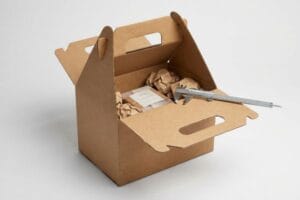
As caixas de envio personalizadas são soluções de embalagem de alta engenharia, projetadas especificamente para se ajustarem com precisão às dimensões de um produto. Ao eliminar o volume espacial vazio, essas embalagens sob medida reduzem drasticamente os custos de frete dimensional, utilizando estruturas de papelão ondulado avançadas para absorver impactos durante o transporte logístico, sem a necessidade de preenchimento interno excessivo.

Ao passar da economia teórica em compras para a dura realidade das esteiras de triagem automatizadas, as embalagens genéricas revelam seu verdadeiro custo.
Quais são os benefícios de usar caixas personalizadas?
Maximizar o impacto da marca exige uma apresentação cuidadosa, e não apenas colocar os produtos em qualquer caixa disponível.
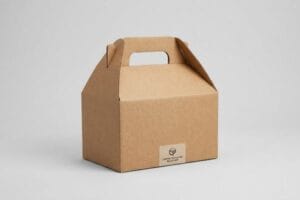
As vantagens de usar caixas personalizadas incluem aprimorar a experiência de desembalagem no varejo e reforçar a identidade da marca. Adaptar a embalagem especificamente ao produto garante uma apresentação premium, aumentando efetivamente a fidelidade do cliente e criando uma primeira impressão memorável durante o processo de entrega no e-commerce.

Uma caixa personalizada não se resume apenas a uma bela apresentação da marca; é um recurso de marketing essencial, concebido para cativar o seu público.
Aprimorando a experiência de desembalagem do cliente
Muitas marcas emergentes presumem que caixas marrons genéricas são uma maneira inteligente de economizar no orçamento, acreditando que o produto dentro da caixa é tudo o que realmente importa para o cliente. Elas se concentram fortemente no marketing digital e no design do site, tratando a entrega física meramente como uma etapa final utilitária. Ao avaliar as opções de embalagem, essas marcas frequentemente veem a impressão personalizada e os encartes sob medida como um luxo desnecessário, em vez de um ponto de contato crucial para construir a fidelidade do cliente e incentivar compras repetidas¹ .
A realidade da estratégia de varejo revela que a caixa de envio é a primeira interação física que um cliente tem com a sua marca, definindo o tom imediato de todo o relacionamento. Quando um cliente recebe uma caixa personalizada com um design elegante que se encaixa perfeitamente no produto, isso eleva instantaneamente o valor percebido do item dentrodela². Essa atenção aos detalhes transforma uma simples entrega em um evento memorável de unboxing, frequentemente incentivando os clientes a compartilharem sua experiência nas redes sociais³.Uma abordagem de embalagem personalizada transforma seus clientes em embaixadores da marca, impulsionando o crescimento orgânico do marketing.
| Métrica / Recurso | Caixa de ações genérica | Embalagens personalizadas para varejo |
|---|---|---|
| Apresentação da marca | caixa marrom esquecível | Arte de marca memorável |
| Valor percebido | Utilitário e barato | Premium e exclusivo4 |
| Compartilhamento social | Raramente fotografado | Altamente instagramável5 |
Uma identidade visual bem pensada cria uma conexão duradoura que uma embalagem simples simplesmente não consegue igualar. Sempre aconselho as marcas a enxergarem suas caixas como outdoors ambulantes, e não apenas como um invólucro descartável de papelão.
🛠️ Mesa do Harvey: Suas caixas de envio superdimensionadas estão comprometendo a qualidade da sua carga e arruinando o retorno sobre o investimento logístico antes mesmo de chegarem ao centro de distribuição? 👉 Solicite sua Auditoria de Densidade de Carga Gratuita ↗ — Analiso pessoalmente cada arquivo estrutural em até 24 horas.
Vale a pena usar caixas de envio personalizadas?
Equilibrar o investimento inicial em embalagens com o crescimento da marca a longo prazo exige uma abordagem de varejo calculada.
Sim. As caixas de envio personalizadas definitivamente justificam o custo inicial, aumentando a satisfação do cliente e reduzindo as taxas de devolução. Ao integrar perfeitamente a arte da marca e um encaixe sob medida, essas caixas especiais evitam que o produto se desloque durante o transporte, garantindo que seus itens cheguem com uma aparência impecável e profissional.
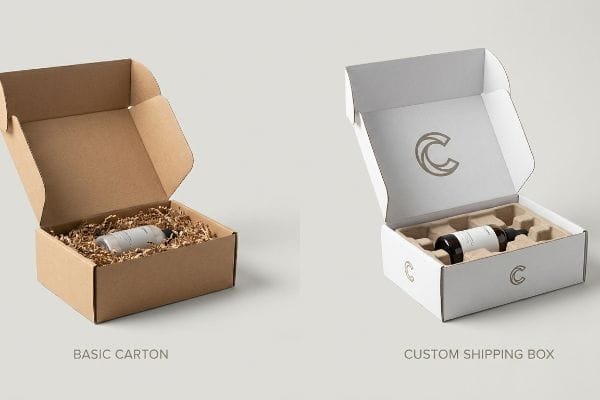
Se você analisar apenas o custo unitário em uma planilha do Excel, inevitavelmente ignorará o valor vitalício de um cliente altamente satisfeito.
O verdadeiro valor da consistência da marca
Muitas vezes, os iniciantes elaboram orçamentos de embalagens que ignoram completamente o valor de marketing de uma presença física coesa da marca.Eles analisam os custos unitários em uma planilha e concluem que a impressão personalizada é um projeto caro e supérfluo. A partir dessa perspectiva limitada, presumem que os clientes simplesmente descartam a embalagem imediatamente, fazendo com que qualquer investimento em tamanhos, cores ou impressão interna personalizados represente um impacto direto em suas margens de lucro iniciais, sem qualquer retorno tangível sobre o investimento.
No entanto, o sucesso da expansão do comércio eletrônico comprova que as caixas de envio personalizadas geram um valor inegável a longo prazo, por meio de uma forte fidelização de clientes. Quando uma caixa personalizada protege o produto com inserções precisas, evita a apresentação decepcionante de itens soltos em meio a plástico bolha. Essa estética profissional conecta perfeitamente a experiência de compra digital à entrega física, tranquilizando o comprador de que ele adquiriu o produto de uma empresa confiável e de alta qualidade. O consequente aumento na confiança do consumidor leva a taxas de recompra significativamente maiorese a menos reclamações ao atendimento ao cliente relacionadas à má apresentação do produto.
| Métrica / Recurso | Caixa básica sem marca | Caixa de envio personalizada |
|---|---|---|
| Ajuste interno | Solto com enchimento genérico | Inserções justas e ajustadas9 |
| Consistência da marca | Desconectado do site | Jornada de varejo coesa10 |
| Confiança do cliente | Linha de base ou duvidoso | Elevado e reconfortado11 |
O custo inicial da personalização é rapidamente compensado pelo valor vitalício de um cliente fiel. Nunca subestime o poder de marketing de uma sequência de entregas cuidadosamente elaborada.
🛠️ Harvey's Desk: Seu design de caixa personalizada atual depende de arquivos vetoriais planos que ignoram completamente a espessura do material, correndo o risco de rasgos catastróficos durante a embalagem em alta velocidade? 👉 Solicite uma Análise Estrutural de Corte e Vinco ↗ — 100% confidencial. Seus designs de varejo ainda não lançados estão seguros comigo.
Para que servem as caixas de correio?
Mais do que simplesmente acondicionar um produto, os envelopes de envio funcionam como o recipiente de apresentação perfeito, projetado exclusivamente para entrega direta ao consumidor.
As caixas de envio são usadas principalmente para transportar com segurança produtos de varejo, kits de assinatura e itens promocionais diretamente aos clientes. Essas estruturas especializadas utilizam abas de encaixe simples para criar uma embalagem limpa e completa que destaca o produto em seu interior, oferecendo uma experiência de desembalagem agradável e sem complicações.
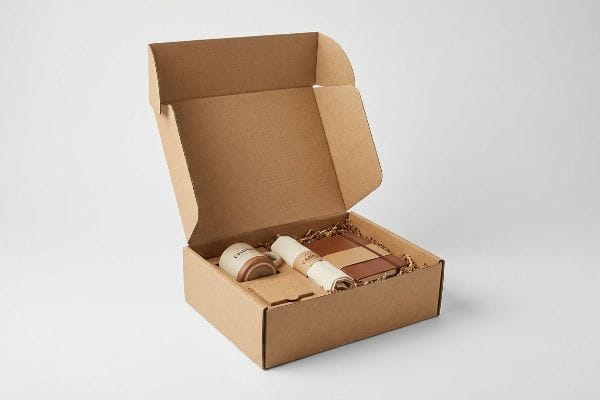
Oferecer uma experiência de varejo premium exige uma estrutura de embalagem intuitiva que se abra sem esforço, sem sacrificar o apelo visual.
Dominando a experiência das caixas de assinatura
Muitos novos empreendedores presumem que uma caixa de envio padrão funciona para todos os tipos de produto, ignorando completamente os requisitos estéticos específicos de um serviço de assinatura ou kit de influenciador. Eles especificam caixas básicas com fendas e as fecham com fita adesiva, pensando que um preço unitário mais baixo justifica o processo de abertura complicado e trabalhoso. Eles acreditam erroneamente que, contanto que os itens cheguem intactos, o estilo estrutural da caixa não tem influência na satisfação geral do cliente ou na taxa de renovação da assinaturamensal.
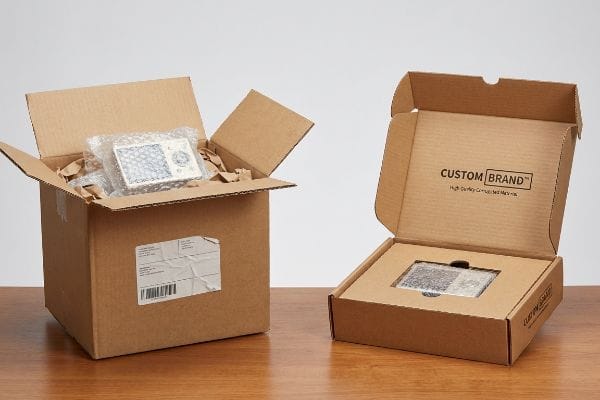
No cenário altamente visual do varejo, as caixas de envio postal se tornaram o padrão definitivo para apresentações premium ao consumidor. Seu design com tampa articulada frontal proporciona uma revelação impactante, exibindo imediatamente o conteúdo organizado com precisão assim que a aba é levantada. Esse estilo estrutural específico elimina a necessidade de estiletes afiados ou fita adesiva para embalagens,oferecendo uma abertura suave e limpa que prioriza a conveniência do usuário. Ao utilizar caixas de envio postal, as marcas garantem que seus kits de assinatura ou conjuntos de presentes selecionados sejam percebidos como uma recompensa premium exclusiva, em vez de um simples envio de estoque.
| Métrica / Recurso | Caixa de papelão com fenda padrão | Mala de envio personalizada com aba frontal |
|---|---|---|
| Método de abertura | Requer tesoura/fita adesiva | Tampa articulada sem complicações14 |
| Estilo de apresentação | Profundo e desorganizado | Revelação panorâmica teatral |
| Melhor caso de uso | Trânsito atacadista em grande escala15 | Kits de venda direta ao consumidor16 |
Uma mala direta com design perfeito transforma uma entrega comum em um evento muito aguardado. Eu sempre recomendo estruturas articuladas quando o objetivo principal é maximizar a satisfação e a fidelização do cliente.
🛠️ Harvey's Desk: Será que linhas de corte de fábrica descalibradas estão causando microfissuras secretas em seus envelopes, comprometendo seriamente a proteção contra impactos laterais antes mesmo do envio? 👉 Solicite uma Análise Gratuita do Perfil de Dobras ↗ — Sem intermediários. Você fala diretamente com engenheiros estruturais.
Enviar envelopes a vácuo é mais barato do que enviar caixas?
A economia do transporte marítimo é ditada pelo volume dimensional e pelo peso morto, mas a redução artificial dos custos no nível de aquisição geralmente acarreta enormes penalidades a jusante.
Depende. Geralmente, os envelopes acolchoados são mais baratos para enviar se substituírem caixas padrão grandes, eliminando o ar dimensional caro. No entanto, se um envelope acolchoado usar material excessivamente grosso ou inserções protetoras redundantes, o aumento do peso volumétrico pode facilmente gerar sobretaxas elevadas das transportadoras e anular a economia inicial no frete.
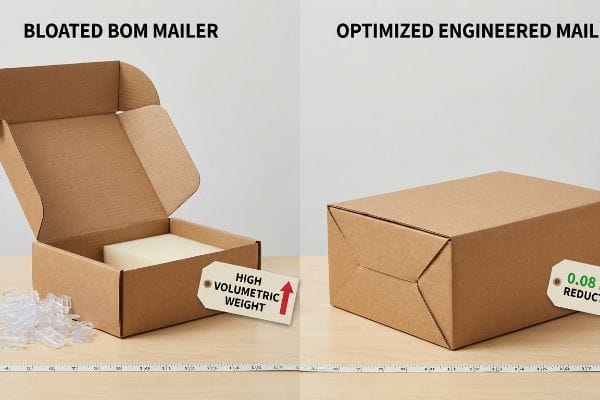
Para obter economias reais em logística, é necessário analisar minuciosamente sua lista de materiais (BOM), eliminando componentes desnecessários sem comprometer a capacidade de carga.
A armadilha da redução da classificação ECT e da otimização da lista de materiais
Uma armadilha sistêmica de grandes proporções ocorre quando o departamento de compras emite uma Solicitação de Cotação (RFQ) que, cegamente, rebaixa o núcleo do ECT17 para economizar uma mera fração de centavo por unidade. Eles presumem erroneamente que podem compensar essa placa enfraquecida injetando clipes de reforço de plástico caros ou blocos de espuma interna inchados18.É uma armadilha comum que pega até mesmo equipes de compras experientes: elas esvaziam a base estrutural bruta e tentam remendar o déficit com acessórios caros e não recicláveis.
Isso não é apenas teoria — vejo isso acontecer na prática quando as marcas tentam reduzir artificialmente os custos do substrato base. Recentemente, um cliente enviou um projeto de embalagem para envio postal onde optaram por um papelão ondulado de 26 ECT, porém frágil, e insistiram em usar presilhas de plástico volumosas para manter as abas fechadas. Durante o condicionamento em laboratório, realizei as medições com micrômetro e comprovei que as presilhas de plástico pesadas estavam rasgando fisicamente a fina parede ondulada, causando uma taxa de falha de 12,8% sob vibração durante o transporte. Assim que a equipe de compras me permitiu ajustar a lista de materiais (BOM) no Excel, o próprio material assumiu o controle. Implementei uma rigorosa correção na cadeia de suprimentos e nas tolerâncias: atualizei a base para um papelão ondulado tipo E de 32 ECT, removi completamente as presilhas de plástico caras e projetei uma trava de papel intertravada no estilo origami com uma tolerância de dobra 0,5 mm mais precisa. Ao remover os acessórios volumosos de materiais mistos e utilizar engenharia de papelão ondulado de alta precisão, reduzi o peso volumétrico de envio em 0,08 libras (0,03 kg) por unidade. Esse microajuste gerou uma economia estimada de 15% nos custos totais de aquisição para o cliente, otimizando, ao mesmo tempo, suas classificações tarifárias junto às transportadoras de forma legal.
| Métrica / Recurso | Mala de correio BOM inchada | Mala de envio otimizada e projetada |
|---|---|---|
| Estratégia de Materiais | Prancha frágil + clipes de plástico | Fechadura rígida de um único material |
| Peso dimensional | Alto volume interno | Redução de peso de 0,08 libras19 |
| Sobrevivência à vibração | 12,8% de falhas no transporte20 | Transporte de carga sem atrito |
Não acredito em remendar papelão frágil com plástico caro. O verdadeiro retorno sobre o investimento em frete vem da otimização matemática da própria fibra do papel e da remoção implacável do peso morto.
🛠️ Mesa do Harvey: Sua equipe de compras está subestimando a resistência das placas e desperdiçando orçamento com clipes de plástico redundantes que aumentam o peso final do envio? 👉 Solicite sua auditoria de lista de materiais ↗ — Analiso pessoalmente cada arquivo estrutural em até 24 horas.
Conclusão
Sobreviver às duras realidades do transporte automatizado exige evitar que cantos amassados e excesso de peso volumétrico comprometam suas margens de lucro. Recentemente, uma revisão de engenharia precisa detectou um erro fatal de tolerância de 2 mm em um grande projeto de implementação nacional, antes mesmo da produção. Se você se recusa a deixar que cortes digitais não calibrados destruam o retorno sobre o investimento (ROI) da sua cadeia de suprimentos, permita-me realizar uma Auditoria de Corte Estrutural gratuita em seus arquivos ↗ para garantir que sua embalagem resista ao mundo real.
"5 maneiras poderosas pelas quais embalagens personalizadas fortalecem a fidelidade à marca", https://www.asibg.com/article-5-powerful-ways-custom-packaging-builds-brand-loyalty/ . Um estudo ou análise de mercado confiável que demonstra a correlação entre experiências com embalagens personalizadas e o aumento da fidelização de clientes. Papel da evidência: dados de apoio; tipo de fonte: relatório do setor. Apoia: a relação entre a experiência de desembalar e a fidelidade à marca. Observação sobre o escopo: aplicável principalmente ao comércio eletrônico direto ao consumidor.
"O impacto dos elementos visuais do design de embalagens em… – PMC", https://pmc.ncbi.nlm.nih.gov/articles/PMC11851823/. Pesquisas em psicologia do consumidor demonstram que o design de embalagens premium está positivamente correlacionado com uma maior percepção de qualidade e valor do produto. Papel da evidência: relação causal; tipo de fonte: periódico acadêmico. Argumenta: o impacto psicológico da embalagem na percepção de valor. Nota de escopo: os efeitos podem variar de acordo com o setor e a faixa de preço do produto .
"O que é uma experiência de unboxing? – Yotpo", https://www.yotpo.com/glossary/what-is-an-unboxing-experience/. Pesquisas de mercado sobre tendências de e-commerce indicam que experiências de unboxing únicas aumentam a probabilidade de os clientes criarem conteúdo gerado pelo usuário (CGU). Papel da evidência: tendência comportamental; tipo de fonte: relatório de pesquisa de mercado. Fundamentos: a relação entre embalagens personalizadas e compartilhamento orgânico em redes sociais. Observação sobre o escopo: observado principalmente nos setores de varejo D2C e de luxo .
"Como a Embalagem do Produto Influencia o Comportamento do Consumidor", https://www.taylor.com/blog/how-product-packaging-influences-consumer-behavior . Breve explicação de como estudos de psicologia do consumidor mostram que embalagens personalizadas aumentam o valor percebido e o prestígio de um produto. Papel da evidência: evidência de apoio; tipo de fonte: estudo acadêmico. Apoia: aumento do valor percebido. Observação sobre o escopo : pode variar de acordo com a categoria do produto.
"Os benefícios do marketing de unboxing em embalagens personalizadas", https://www.taylor.com/blog/the-benefits-of-unboxing-marketing-in-custom-packaging. Breve explicação de como dados de pesquisa de mercado correlacionam embalagens personalizadas com apelo estético a maiores taxas de conteúdo gerado pelo usuário e compartilhamento em mídias sociais. Papel da evidência: evidência empírica; tipo de fonte: relatório do setor. Fundamentos: alegações sobre compartilhamento em mídias sociais. Observação sobre o escopo: aplicável principalmente a plataformas com foco visual, como o Instagram .
"Como o design de embalagens impacta a percepção da marca no varejo online?", https://greatnorthernpackaging.com/2025/02/06/the-impact-of-packaging-design-on-brand-perception-in-online-retail/. Um estudo de referência sobre psicologia do consumidor ou marketing de varejo explica como uma identidade visual consistente aumenta o valor percebido e a fidelidade do cliente. Papel da evidência: suporte teórico; tipo de fonte: estudo de pesquisa de mercado. Apoia: a afirmação de que a presença da marca agrega valor de marketing. Nota de escopo: foco em experiências de unboxing no e-commerce .
"Embalagens e desembalagens personalizadas: maneiras subestimadas de...", https://www.justuno.com/blog/custom-packaging-and-unboxing/. Um relatório de pesquisa de mercado que fornece dados sobre como as embalagens personalizadas aumentam o valor e a fidelização do cliente ao longo do tempo. Papel da evidência: prova quantitativa; tipo de fonte: relatório do setor. Fundamentos: O valor financeiro das embalagens personalizadas. Nota de escopo: Contexto de escalabilidade do comércio eletrônico. ↩
"Mais de 50 estatísticas sobre embalagens de e-commerce para marcas mais inteligentes – Woola", https://www.woola.io/blog/ecommerce-packaging-statistics . Um estudo sobre comportamento do consumidor que demonstra a correlação entre experiências de unboxing de alta qualidade e o aumento da fidelidade do cliente. Papel da evidência: relação causal; tipo de fonte: estudo acadêmico. Apoia: O efeito da confiança na frequência de recompra. Nota de escopo: Aplica-se ao varejo direto ao consumidor.
"Inserções de embalagem personalizadas para melhor atratividade da marca e…", https://www.clearprint.com/custom-packaging-inserts-better-brand-appeal-product-protection/. Documentação técnica sobre engenharia de embalagens explica como inserções cortadas com precisão minimizam o movimento e os danos ao produto em comparação com enchimentos genéricos. Papel da evidência: especificação técnica; tipo de fonte: white paper do setor. Argumentos: a superioridade funcional dos encaixes personalizados. Observação: a eficácia depende da densidade do material .
"Consistência de marca omnicanal em todos os canais digitais…", https://www.rjwave.org/jaafr/papers/JAAFR2601576.pdf. Pesquisas de marketing demonstram que o alinhamento entre a marca online e a experiência física de desembalagem aumenta a lembrança da marca e a percepção de profissionalismo. Papel da evidência: correlação comportamental; tipo de fonte: periódico de marketing com revisão por pares. Apoia: o valor estratégico da consistência da marca. Nota de escopo: os efeitos variam de acordo com o público-alvo .
"Valor Percebido na Embalagem do Produto – Appart_", https://thinkappart.com/packaging/perceived-value-in-product-packaging/ . Estudos de psicologia do consumidor indicam que embalagens de alta qualidade e com a marca da empresa transmitem confiabilidade e legitimidade, reduzindo o arrependimento do comprador. Papel da evidência: dados empíricos; tipo de fonte: relatório de pesquisa de mercado. Fundamentos: a relação entre embalagem e confiança do cliente. Nota sobre o escopo: foco nas impressões da primeira compra.
"12 Ideias de Embalagens para Caixas de Assinatura que Conquistam Clientes – Productiv", https://getproductiv.com/blog/subscription-box-packaging-ideas . Pesquisas de mercado indicam que a qualidade estética e estrutural da embalagem influencia significativamente a percepção e a fidelidade do consumidor em modelos de assinatura. Papel da evidência: suporte factual; tipo de fonte: pesquisa de mercado. Apoia: o impacto da embalagem na satisfação do cliente e nas renovações . Nota de escopo: aplicável a serviços de assinatura direta ao consumidor.
"O que é embalagem sem frustração?", https://www.vistaprint.com/hub/frustration-free-packaging?srsltid=AfmBOoo9DluzhZKn17wcD6XcbmRYTfssGfmftNuzEi1OivWVZAPVRc0m. Breve explicação de como os padrões da indústria de embalagens para design sem frustração comprovam que as embalagens com fecho de encaixe eliminam a necessidade de ferramentas de corte para o consumidor. Papel da evidência: verificação técnica; tipo de fonte: guia da indústria. Fundamentos: a conveniência para o usuário e a utilidade estrutural do design. Observação sobre o escopo: limitado a estilos de embalagens com fecho de encaixe especificamente projetados .
"Quando usar caixas de envio em vez de caixas de envio padrão", https://www.theboxery.com/blog/when-to-use-mailer-boxes-vs-standard-shipping-boxes/?srsltid=AfmBOorL7-Nb3UdJon4TCmuLyu_EwQbvfd8-Z8ItVtlgW8YQbwBVmfSG. Estudos comparativos sobre a usabilidade de embalagens contrastam a abertura sem ferramentas das tampas articuladas das caixas de envio com o fechamento selado com fita adesiva das caixas de envio padrão. Papel da evidência: análise comparativa; tipo de fonte: estudo de UX. Apoia: a alegação de "abertura sem frustração" das tampas das caixas de envio. Nota de escopo: refere-se à experiência de desembalagem do usuário final .
"Caixas RSC para Embalagens a Granel: Especificações e Guia para Atacado", https://gentlever.com/rsc-boxes-for-bulk-packaging/. As normas da indústria de embalagens identificam a Caixa de Papelão com Fendas Regular (RSC) como o principal modelo para remessas no atacado devido à sua resistência estrutural e custo-benefício. Papel da evidência: definição da indústria; tipo de fonte: norma técnica. Aplica-se: o caso de uso ideal para RSCs. Nota de escopo: aplica-se a embalagens de papelão ondulado padrão .
"O que é uma caixa de envio? Guia de comércio eletrônico", https://www.dylign.com/blogs/inside-dylign/what-is-a-mailer-box . Pesquisas sobre design de embalagens indicam que as caixas de envio são otimizadas para entregas D2C (direto ao consumidor) para aprimorar a apresentação da marca e proteger os itens sem excesso de embalagem . Papel da evidência: aplicação técnica; tipo de fonte: guia de design. Fundamentos: adequação das caixas de envio para kits D2C. Nota de escopo: foca na interseção entre logística e marketing.
"Maio: Como a aquisição de embalagens mais inteligente reduz custos…", https://allstarpurchasing.com/may-how-smarter-packaging-procurement-reduces-costs-and-strengthens-your-supply-chain/. Verificação de padrões da indústria referentes às classificações do Teste de Compressão de Borda (ECT) e às compensações financeiras da redução da resistência do papelão. Papel da evidência: verificação factual; tipo de fonte: manual de engenharia de embalagens. Fundamentos: A justificativa econômica e o risco da redução da classificação ECT. Nota de escopo: Focado em especificações de papelão ondulado .
"Classificações ECT Explicadas: O Que Elas Significam para a Sua Embalagem de Papelão Ondulado..." https://epackagesupply.com/blogs/packaging-guide/ect-ratings-explained-what-they-mean-for-your-corrugated-packaging?srsltid=AfmBOoq7bEeYL7IqWaUVm4eEI7K-vcPO4dy028XLF7VdA73u5pLSF35l. Análise técnica comparando a integridade estrutural e o custo unitário de acessórios de reforço versus o aumento da resistência da base. Papel da evidência: comparação técnica; tipo de fonte: periódico de ciência dos materiais ou embalagens. Argumentos que sustentam: a afirmação de que os acessórios são um substituto caro para a integridade estrutural do núcleo. Nota de escopo: específico para caixas de papelão ondulado para transporte .
"Otimização Topológica para Redução de Peso", https://www.m4-engineering.com/optimization/weight-reduction-topology-optimization/ . Verificação da economia de peso específica obtida por meio do design otimizado de embalagens para envio postal em comparação com embalagens padrão volumosas. Papel da evidência: métrica quantitativa; tipo de fonte: estudo de caso de logística. Fundamentos: eficiência de embalagens otimizadas. Nota de escopo: específico para a comparação entre embalagens otimizadas e embalagens volumosas.
"Como a vibração afeta as embalagens durante o transporte", https://www.safeloadtesting.com/en/how-vibration-affects-packaging-during-transport/ . Validação da taxa de falhas associada a embalagens de papelão fino e com clipes de plástico durante testes de vibração no transporte. Papel da evidência: métrica de taxa de falhas; tipo de fonte: relatório de teste de estresse da embalagem. Fundamentos: falha estrutural de embalagens não otimizadas. Nota de escopo: refere-se a danos induzidos por vibração durante o transporte.