Conseguir espaço nas lojas é uma competição brutal. Se o seu produto estiver numa prateleira genérica, ele fica invisível. Você precisa de uma vantagem estrutural para fazer com que os compradores parem e olhem.
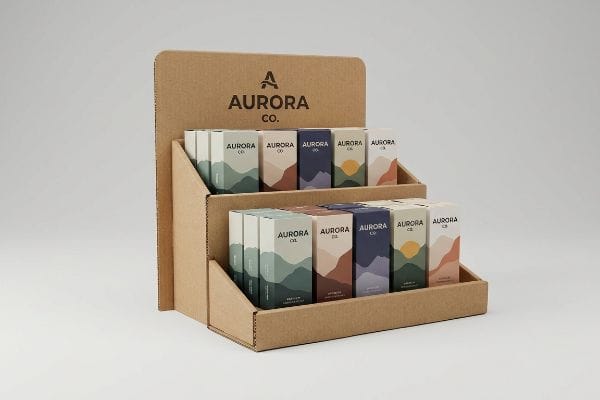
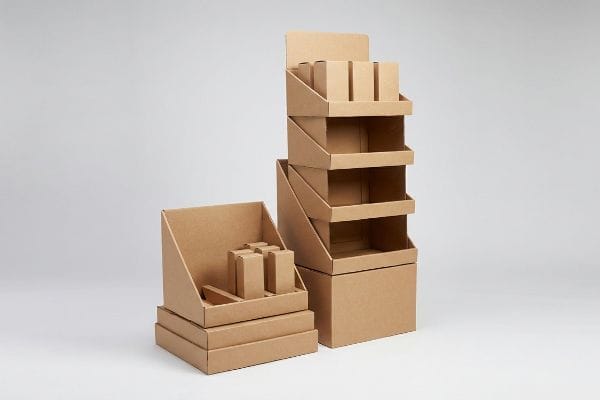
As caixas expositoras de papelão são expositores independentes fabricados com papelão ondulado para armazenar, proteger e promover produtos no varejo. Essas unidades estruturais de ponto de venda (PDV) variam de bandejas de balcão a displays de paletes completos, maximizando a visibilidade da marca e impulsionando as vendas por impulso em corredores de lojas com grande fluxo de pessoas.
Mas saber quais são não basta; você precisa entender como a física subjacente determina se sua campanha terá sucesso ou fracassará.
Quais são os benefícios das caixas de papelão?
A escolha de material ondulado não se resume apenas à impressão de gráficos; trata-se de uma estratégia logística bem calculada. A arquitetura inerente da placa proporciona enormes vantagens mecânicas.
As vantagens das caixas de papelão incluem excepcional integridade estrutural, baixo volume de carga, eficiência no transporte e total reciclabilidade estrutural. Graças aos perfis de ondulação projetados, esses displays absorvem impactos durante o transporte e suportam cargas dinâmicas significativas, mantendo os custos gerais da sua cadeia de suprimentos extremamente baixos.
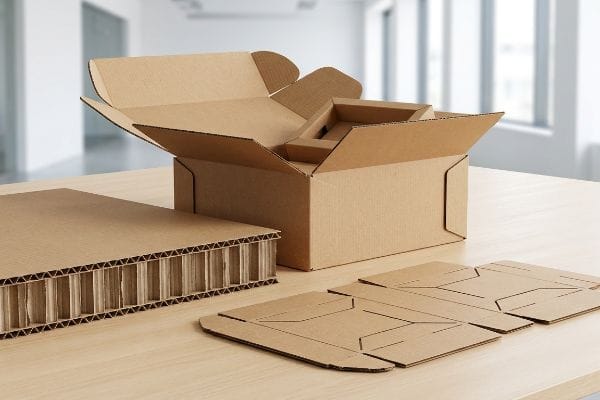
Vamos olhar além da óbvia redução de custos e examinar como esse material se comporta no ponto de venda.
Aproveitando as leis da física das caixas de papelão para alcançar a supremacia no varejo
A maioria dos gerentes de marca vê o material ondulado simplesmente como uma tela barata e descartável para suas obras de arte. Eles presumem que o principal benefício seja apenas o menor custo unitário em comparação com estruturas permanentes de metal ou madeira¹.Por isso, muitas vezes priorizam a chapa mais fina possível, ignorando completamente a engenharia mecânica necessária para manter a estrutura empé² sob o peso do estoque pesado do varejo.
Vejo essa armadilha constantemente quando designers experientes se concentram apenas na parte gráfica da superfície e se esquecem da direção da fibra do papelão ondulado. Eles alinham as ondulações internas do papel horizontalmente para facilitar a dobragem, mas quando um funcionário da loja empilha o estoque naquela prateleira, é possível ouvir o estalo seco e seco do papelão cedendo. A prateleira cede, o expositor inclina e você provoca uma rejeição imediata por parte do varejista. Eu sempre redesenho esses layouts estruturais para forçar uma direção vertical da fibra, aumentando imensamente a capacidade do Teste de Compressão da Caixa (BCT). Essa simples rotação evita o colapso estrutural, garantindo que o expositor sobreviva ao ambiente úmido do armazém e mantenha seu produto perfeitamente vendável na loja.
| Erro comum de iniciantes | A solução profissional | Benefício do piso de vendas |
|---|---|---|
| alinhamento horizontal da flauta | orientação vertical da flauta3 | Impede que as prateleiras cedam |
| Utilizando placas finas de parede simples | Atualização para 32ECT de parede dupla4 | Armazena com segurança itens de varejo pesados |
| Acabamento brilhante nas abas de suporte de carga | Base fosca para maior fricção5 | Impede que as abas deslizem |
Eu nunca permito que um cliente sacrifique as leis da física estrutural em prol de uma dobra um pouco mais fácil. A orientação vertical das ranhuras garante que seu expositor sobreviva ao caos de uma grande loja sem desabar.
🛠️ Mesa do Harvey: Seus expositores estão cedendo sob o peso dos seus produtos? 👉 Solicite uma Avaliação Estrutural de Canelas ↗ — Acesso direto à minha mesa. Zero spam de vendas automatizado, prometo.
Como se chamam os expositores de papelão?
A terminologia da indústria dita como compradores e fábricas se comunicam. Usar o termo errado em um pedido de compra pode alterar drasticamente as dimensões físicas e os requisitos de carga estrutural.
Os displays de papelão são chamados de unidades POP, estruturas POS (Ponto de Venda) ou bandejas PDQ (Pretty Darn Quick). Esses termos da indústria categorizam o local de venda específico, variando de grandes expositores de chão independentes a unidades compactas de balcão próximas ao caixa.
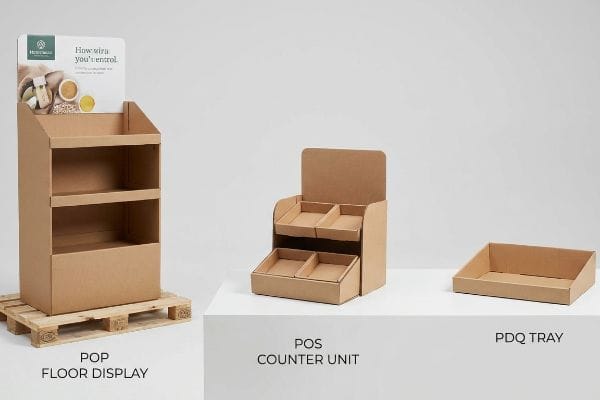
Conhecer o jargão não serve apenas para parecer inteligente; evita falhas logísticas de grande escala antes mesmo do início da produção.
Por que confundir a terminologia de displays de papelão arruína campanhas
Um erro comum ocorre quando as equipes de marketing usam termos como "POP" e "POS" de forma intercambiável em suas fichas técnicas. Elas presumem que uma fábrica pode simplesmente reduzir o tamanho de um projeto de grande unidade de chão para caber ao lado de um caixa. Isso ignora as rigorosas normas legais e de conformidade espacialque ditam como diferentes zonas de varejo operam na América do Norte.
Até mesmo compradores experientes me pedem para transformar seus expositores de meia palete em displays de ponto de venda, simplesmente reduzindo o tamanho em 50%. Quando tentam encaixar essa bandeja reduzida e desproporcional em um balcão de caixa padrão, a base balança instavelmente, produzindo um som oco de papelão contra o laminado. Gerentes de loja detestam instabilidade e jogam a unidade imediatamente na reciclagem, acabando com a visibilidade da sua campanha. Eu sempre separo esses processos: as unidades de chão para ponto de venda são fixadas rigorosamente em paletes GMA (Grocery Manufacturers Association) de 1219 x 1016 mm (48 x 40 polegadas) para corredores de produtos a granel, enquanto as unidades de balcão para ponto de venda são projetadas matematicamente com proporções específicas, evitando custos exorbitantes com estornos por parte dos varejistas.
| Erro comum de iniciantes | A solução profissional | Benefício do piso de vendas |
|---|---|---|
| Unidades de piso reduzidas para balcões | Engenharia de proporções personalizadas para PDV | Impede o tombamento da caixa registradora8 |
| Chamar tudo de "PDQ" | Especificando tipos de exibição exatos | Garante o encaixe perfeito na prateleira |
| Ignorando as regras de alcance do varejista | Projetando dentro dos limites de conformidade da ADA9 | Garantia de aceitação na loja |
Sempre exijo terminologia clara desde o início, porque um módulo de chão e uma bandeja de balcão requerem cálculos estruturais completamente diferentes. Acertar o nome é o primeiro passo para manter o produto nas prateleiras.
🛠️ Mesa do Harvey: Você está reduzindo cegamente os gabaritos dos seus expositores de chão na esperança de que o gerente da loja não perceba a distorção? 👉 Verifique sua terminologia ↗ — Baixe com segurança. Minha caixa de entrada está aberta caso tenha alguma dúvida depois.
Qual a finalidade de uma caixa de papelão?
Além de servir como suporte para obras de arte, a caixa de envio para varejo existe para sobreviver às brutais condições físicas da cadeia de suprimentos global. Sua principal função é absorver a energia cinética catastrófica antes que ela chegue ao seu produto.
A função de uma caixa de papelão é fornecer uma barreira protetora projetada e uma plataforma estruturada para a exposição de produtos. Essas embalagens de papelão ondulado absorvem os impactos do transporte, mantêm uma resistência rigorosa à compressão vertical durante o empilhamento e organizam fisicamente o estoque para uma rápida distribuição sem danos no ponto de venda.
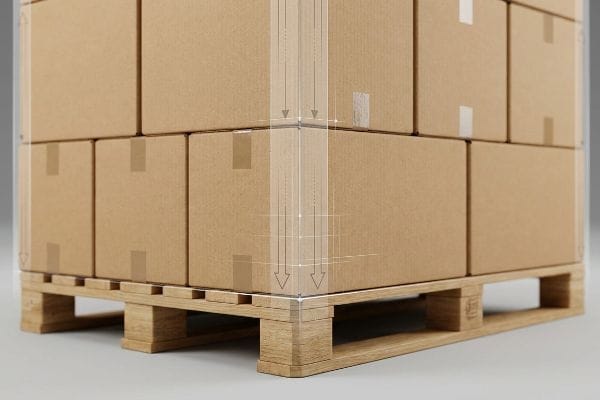
Quando você parar de enxergar o material apenas como papel e começar a vê-lo como um amortecedor projetado, seus índices de danos durante o transporte diminuirão drasticamente.
O propósito oculto da resistência à compressão das caixas de papelão
As equipes de compras frequentemente tentam maximizar a densidade de envio expandindo as dimensões da caixa master ao máximo. Elas pensam que o único propósito da caixa é embalar o maior número possível de unidades dentro dela. Ignoram completamente o fato de que a embalagem externa deve se alinhar perfeitamente com o revestimento padrão de paletes de madeira10 para manter sua integridade estrutural.
É uma armadilha comum que pega até mesmo equipes de compras experientes quando deixam uma caixa master ultrapassar a borda do palete em apenas12,7 mm (meia polegada). Imagine uma mesa com os pés pendurados no tapete; você perde toda a sustentação. Quando a empilhadeira despeja uma carga pesada empilhada duplamente sobre ela, você ouve o estalo agonizante das ondulações do papelão se deformando. Eu reduzo artificialmente a área máxima permitida da caixa em nosso software CAD estrutural para garantir um encaixe perfeito, sem nenhuma saliência. Esse ajuste preciso de tolerância mantém os cantos apoiados, restaurando a resistência à compressão essencial e eliminando completamente os danos durante o transporte marítimo internacional.
| Erro comum de iniciantes | A solução profissional | Benefício do piso de vendas |
|---|---|---|
| Maximizar o tamanho da caixa arbitrariamente | Imposição de caixas delimitadoras sem saliências | Impede o esmagamento do transporte público |
| Ignorando a capacidade de carga nos cantos | Alinhamento dos cantos das caixas com os paletes de madeira | Sobrevive ao empilhamento duplo |
| Baseando-se na espessura pura da placa | Geometria vertical em engenharia | Reduz as taxas de danos à carga |
Vejo empresas desperdiçando dinheiro com matérias-primas mais espessas quando o problema real é o desalinhamento dimensional. Uma caixa com o tamanho perfeito, em um palete, sempre terá um desempenho melhor do que uma caixa reforçada e superdimensionada.
🛠️ Mesa do Harvey: Suas caixas master estão penduradas na borda do palete e comprometendo suas margens de lucro? 👉 Solicite sua Auditoria Logística ↗ — Sem formulários que geram ligações intermináveis de vendas. Apenas valor agregado.
Quais são os benefícios das caixas de exibição personalizadas?
Os modelos genéricos são criados para condições perfeitas de laboratório, mas a cadeia de suprimentos real é caótica. A engenharia personalizada adapta a física exata do material à sua rota de transporte ambiental específica.
As vantagens das caixas expositoras personalizadas incluem encaixe dimensional preciso do produto, impacto direcionado da marca e tolerâncias estruturais ajustadas matematicamente. Ao projetar mecanismos de encaixe específicos e amortecedores de umidade, as unidades personalizadas evitam atrito na montagem e garantem uma instalação sem rasgos em diversas condições climáticas.
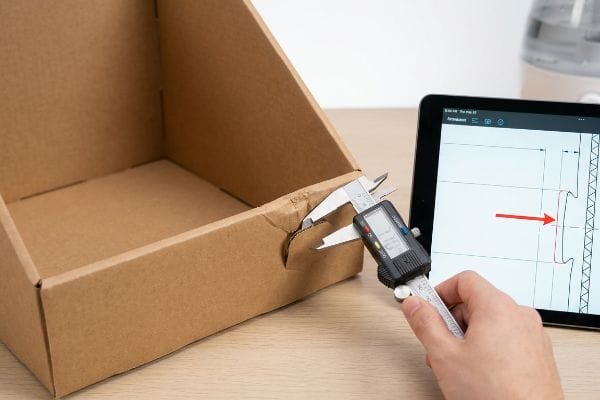
Conseguir que um expositor fique perfeitamente em pé em um escritório com temperatura controlada é fácil, mas eis a dura realidade quando você precisa enviar 500 unidades desmontadas através do oceano…
Por que as caixas de exibição personalizadas padrão falham em ambientes com alta umidade?
As marcas partem do princípio de que, uma vez que um molde personalizado é cortado e testado em um escritório, ele terá o mesmo desempenho nas mãos de um copacker. Elas confiam na espessura absolutamente seca da placa de teste ao configurar suas abas e encaixes. Isso ignora completamente as condições ambientais do transporte de produtos de papel altamente porosospor centros logísticos úmidos.
Na minha empresa, vejo rotineiramente projetos estruturais brilhantes se desfazerem porque o projetista não levou em conta a expansão do papelão devido à umidade. Quando embalagens planas de papelão ondulado padrão ficam armazenadas em um depósito úmido, o revestimento poroso de teste 32ECT age como uma esponja e se expande fisicamente.Já vi montadores lutando com esses materiais inchados, rasgando a folha superior impressa e xingando alto enquanto tentam encaixar uma aba em uma fenda que encolheu apenas 1 mm. Automaticamente, incluo uma margem de segurança específica para umidade em nossos projetos para todo o transporte marítimo, alargando as fendas de recebimento para absorver essa expansão. Ao impor essa tolerância de 1 mm, garanto que o tempo de montagem da embalagem conjunta diminua em cerca de 42 segundos por unidadeeevitando displays rasgados no ponto de venda.
| Erro comum de iniciantes | A solução profissional | Benefício do piso de vendas |
|---|---|---|
| Projetando para calibrador totalmente seco | Projetar uma margem de umidade de 1 mm15 | Elimina abas rasgadas |
| Forçar abas inchadas em ranhuras apertadas | Ampliação das vagas de recebimento de CAD16 | Acelera o tempo de montagem |
| Ignorando os climas de transporte regionais | Ajuste de tolerâncias para frete marítimo17 | Reduz os custos de mão de obra do copacker |
Eu digo a todos os meus clientes que um gabarito de corte sem tolerâncias ambientais é apenas um esboço grosseiro. Adicionar esse microajuste para umidade garante que sua unidade personalizada seja montada corretamente na loja.
🛠️ Mesa do Harvey: Você sabe a taxa exata de expansão por umidade do seu papelão ondulado tipo B antes que a sua empresa terceirizada comece a dobrá-lo? 👉 Envie-me seu arquivo de corte ↗ — Vou testar os cálculos antes que você desperdice seu orçamento com produção em massa.
Conclusão
Você pode escolher um fornecedor genérico para reduzir custos, mas quando aquela placa 32ECT inchada se deforma em um armazém úmido, isso atrasa a linha de montagem em cerca de 30% e elimina completamente a margem de lucro da sua campanha. Esta é a ficha técnica exata que meus 10 principais clientes do varejo usam para garantir zero rejeições de impressão. Pare de arriscar com tolerâncias estruturais e deixe-me pessoalmente analisar seus arquivos com minha Auditoria Prévia de Corte e Vinco gratuita ↗ para detectar erros dimensionais fatais antes do início da produção.
"As Diferenças entre Papelão Ondulado e Papelão Comum | UFP Packaging", https://ufppackaging.com/insights/differences-between-corrugated-and-cardboard. [Relatórios de análise de custos do setor fornecem dados comparativos sobre os custos de materiais e produção de displays de papelão ondulado em comparação com expositores fixos]. Papel da evidência: suporte factual; tipo de fonte: relatório do setor. Argumentos: custo-benefício dos materiais de papelão ondulado. Nota de escopo: As variações de custo dependem do volume de produção e da vida útil do display .
"Investigando o Efeito das Perfurações na Capacidade de Carga…", https://pmc.ncbi.nlm.nih.gov/articles/PMC11396172/. [Normas de engenharia de embalagens e livros didáticos de mecânica estrutural detalham os cálculos necessários para garantir a estabilidade vertical e a capacidade de carga do papelão ondulado]. Papel da evidência: validação técnica; tipo de fonte: manual de engenharia. Fundamenta: a necessidade de especificações de engenharia para estabilidade. Nota de escopo: Concentra-se na compressão axial e nos limites de flambagem .
"Papelão Ondulado – Talkpkg", http://www.talkpkg.com/Learning-Center/Mat-Tech/corrugated/corrugated.htm. A literatura técnica sobre a arquitetura do papelão ondulado confirma que o alinhamento vertical das ondulações maximiza a resistência à compressão axial. Papel da evidência: validação técnica; tipo de fonte: manual de engenharia. Benefícios: prevenção da flacidez das prateleiras. Nota de escopo: Aplica-se especificamente a cenários de carregamento vertical. ↩
"Entendendo a Resistência das Caixas de Envio – EcoEnclose", https://www.ecoenclose.com/blog/understanding-shipping-box-strength/?srsltid=AfmBOooS0lzUV9bbXCynD9xpkTdNuEUe-fvz0g_fzlJH11nQkmKUubjV. A classificação de 32 no Teste de Compressão de Borda (ECT) para papelão de parede dupla fornece uma métrica padronizada para resistência ao empilhamento e capacidade de carga. Papel da evidência: especificação técnica; tipo de fonte: norma da indústria. Suporta: a capacidade de acomodar itens pesados de varejo com segurança. Observação: O desempenho depende da geometria da caixa e da umidade. ↩
"Perguntas frequentes sobre testes de materiais de embalagem – Rhopoint Americas", https://www.rhopointamericas.com/faqs/packaging-material-testing/?srsltid=AfmBOooQrcCGf4lJzR84VYjq_ufXZZBL4U3sy-CK13CLQ55vrIB0KIgl. Dados de ciência dos materiais indicam que acabamentos foscos geralmente apresentam um coeficiente de atrito maior em comparação com revestimentos brilhantes, reduzindo o deslizamento. Papel da evidência: suporte empírico; tipo de fonte: estudo de ciência dos materiais. Apoia: a afirmação de que bases foscas impedem que as abas deslizem. Nota de escopo: Varia de acordo com a química específica do revestimento. ↩
"Melhores Práticas de Merchandising: Conformidade – Vanguard Companies", https://www.vanguardpkg.com/merchandising-best-practices-compliance/. [Um guia regulatório do setor ou um manual de conformidade para o varejo detalharia as restrições espaciais específicas e os requisitos legais para a disposição de produtos nos pontos de venda em lojas da América do Norte]. Papel da evidência: especificação técnica; tipo de fonte: documento regulatório. Apoia: existência de regras de conformidade para zonas de varejo. Nota de escopo: foca nos mercados da América do Norte .
"Palete de madeira tratada termicamente GMA – 48 x 40" H-1260 – ULINE", https://www.uline.com/Product/Detail/H-1260/Pallets/Heat-Treated-Wood-GMA-Pallet-48-x-40. [Uma fonte confiável de logística ou de padrões da indústria confirma que os paletes GMA são padronizados em 48×40 polegadas para frete na América do Norte]. Papel da evidência: especificação técnica; tipo de fonte: padrão da indústria. Suporta: o dimensionamento padronizado das bases de unidades de piso de ponto de venda. Nota de escopo: Específico para os padrões de logística da América do Norte .
"Garantindo Estabilidade e Suporte Estrutural em Displays Temporários", https://www.ud-direct.com/blog/tips-and-tricks-to-ensure-stability-and-structure-support-in-temporary-displays. As normas de engenharia para displays de ponto de venda ditam proporções específicas entre base e altura para manter um centro de gravidade estável. Papel da evidência: Especificação técnica; tipo de fonte: Guia de design industrial. Suporte: O uso de proporções personalizadas para PDV visando a segurança. Nota de escopo: Aplica-se a unidades de papelão autoportantes. ↩
"Normas de Acessibilidade da ADA – Access-Board.gov", https://www.access-board.gov/ada/. As diretrizes governamentais de acessibilidade especificam os requisitos máximos de altura e profundidade para expositores em lojas, a fim de garantir o acesso de pessoas com deficiência. Função da evidência: Requisito legal; tipo de fonte: Regulamentação governamental. Fundamentos: Aceitação da loja com base nas leis de acessibilidade. Nota de escopo: Específico para as normas da ADA dos EUA .
"[PDF] Efeito do deslocamento da caixa paletizada na resistência à compressão de unidades…", https://digitalcommons.calpoly.edu/cgi/viewcontent.cgi?article=1067&context=it_fac. [Normas de engenharia de embalagens detalham como a saliência ou a falta de suporte do palete reduz significativamente a resistência à compressão vertical de caixas de papelão ondulado, removendo o suporte crítico da plataforma do palete]. Papel da evidência: validação técnica; tipo de fonte: norma da indústria de embalagens. Fundamentos: a necessidade de alinhamento preciso entre a caixa e o palete para integridade estrutural. Nota de escopo: aplica-se especificamente a caixas de papelão ondulado empilhadas verticalmente. ↩
"Previsão do Efeito da Saliência do Palete na Compressão da Caixa…", https://vtechworks.lib.vt.edu/items/a44b58f5-f8a2-4e60-b709-23a013411d58. [Fontes confiáveis de engenharia de embalagens demonstram que a saliência do palete remove o suporte crítico dos cantos, levando a uma perda desproporcional na resistência à compressão vertical]. Papel da evidência: verificação técnica; tipo de fonte: norma da indústria ou artigo técnico de engenharia. Fundamentos: a correlação entre a saliência do palete e a falha estrutural. Nota de escopo: foco em papelão ondulado .
"Influência da umidade e da temperatura nas propriedades mecânicas de…", https://bioresources.cnr.ncsu.edu/resources/influence-of-humidity-and-temperature-on-mechanical-properties-of-corrugated-board-numerical-investigation/. [Documentação técnica de engenharia de embalagens ou ciência dos materiais explica como a expansão higroscópica em placas à base de celulose altera as dimensões estruturais quando expostas a diferentes níveis de umidade relativa]. Papel da evidência: validação técnica; tipo de fonte: periódico de ciência dos materiais. Apoia: a afirmação de que a umidade impacta o encaixe das abas intertravadas. Nota de escopo: foco em papelão ondulado e papelão testliner .
"Efeitos da Umidade Relativa na Resistência à Compressão de…", https://open.clemson.edu/all_theses/3225/. [Dados de ciência dos materiais sobre a higroscopicidade do papelão ondulado confirmam que os revestimentos absorvem a umidade atmosférica, levando à expansão dimensional. Papel da evidência: verificação técnica; tipo de fonte: livro didático de engenharia de materiais. Fundamentos: falha estrutural em umidade. Nota de escopo: as taxas de expansão dependem da composição específica do papel e dos revestimentos. ]
"Estimativa da resistência à compressão de caixas de papelão ondulado…", https://pmc.ncbi.nlm.nih.gov/articles/PMC8467740/. [Estudos de tempo e movimento em logística de embalagens correlacionam tolerâncias estruturais precisas com menor atrito na montagem e implantação mais rápida. Papel da evidência: validação quantitativa; tipo de fonte: estudo de engenharia industrial. Apoia: alegações de eficiência de mão de obra. Nota de escopo: a economia de tempo exata varia de acordo com o tamanho e a complexidade da unidade. ]
"Projetando caixas para umidade relativa em ambientes de distribuição…", https://www.packagingstrategies.com/articles/91064-engineering-boxes-for-relative-humidity-in-the-distribution-environment . [Manuais técnicos de embalagens definem as tolerâncias dimensionais específicas necessárias para compensar a expansão do material em ambientes com alta umidade]. Papel da evidência: validação técnica; tipo de fonte: manual de engenharia. Fundamentos: o uso de uma margem de segurança de 1 mm para evitar a ruptura da aba. Nota de escopo: específico para materiais higroscópicos à base de papel.
"Projetando peças de chapa metálica com encaixes e ranhuras – SendCutSend", https://sendcutsend.com/blog/designing-sheet-metal-parts-with-tab-and-slots/?srsltid=AfmBOoqQsHCMKNJeRXpFN1Sb68_vkX9vMgVl5F1jf1KYKI8k1a4vKZmR. [As normas de projeto CAD para embalagens estruturais especificam um aumento na folga para os encaixes, a fim de acomodar a expansão do material sem comprometer a integridade estrutural]. Papel da evidência: validação técnica; tipo de fonte: manual de projeto CAD. Apoia: a eficácia de encaixes mais largos na redução do atrito de montagem. Nota de escopo: aplica-se a métodos de montagem com encaixes e ranhuras. ↩
"Como a Umidade e a Temperatura Afetam as Caixas", https://www.packagingcorp.com/resource-hub/industry-insights/humidity-and-temperature/. [Normas de logística e transporte marítimo documentam a necessidade de maiores tolerâncias para mercadorias transportadas por via marítima devido a flutuações extremas de umidade]. Papel da evidência: verificação factual; tipo de fonte: guia da indústria logística. Fundamentos: a exigência de ajustes climáticos regionais em trânsito. Nota de escopo: foco no transporte marítimo de longa distância. ↩