Você tem um produto incrível pronto para ser lançado, mas se a embalagem não tiver o desempenho esperado nas prateleiras das lojas, todo o seu orçamento de marketing será desperdiçado em mercadoria invisível.
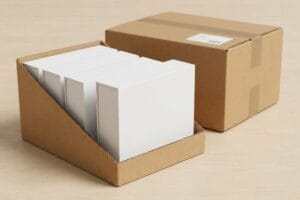
Uma caixa dobrável é uma embalagem leve e personalizável, geralmente feita de papelão ou materiais ondulados finos. Ela é enviada desmontada e se dobra facilmente em um formato tridimensional resistente na linha de embalagem, proporcionando proteção física ao produto e uma vitrine de marketing de alta visibilidade para as prateleiras do varejo.
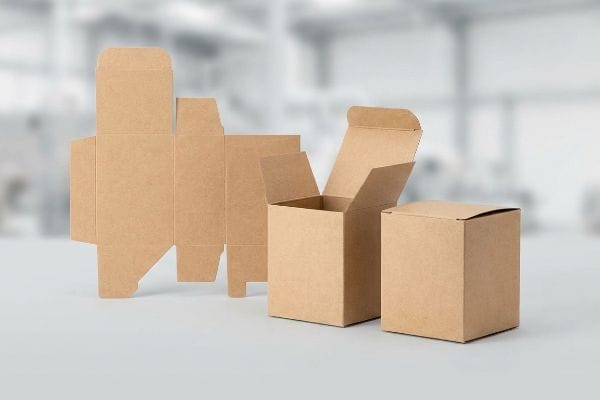
Compreender a teoria por trás dessas estruturas versáteis é um ótimo começo. No entanto, a teoria por si só não protegerá suas margens quando o papelão plano se deparar com a realidade de alta velocidade de uma linha de embalagem física.
O que são caixas dobráveis?
Muitas marcas encaram as embalagens simplesmente como papel dobrado, presumindo que qualquer fornecedor com uma máquina de corte possa produzir uma caixa confiável para o lançamento no varejo.
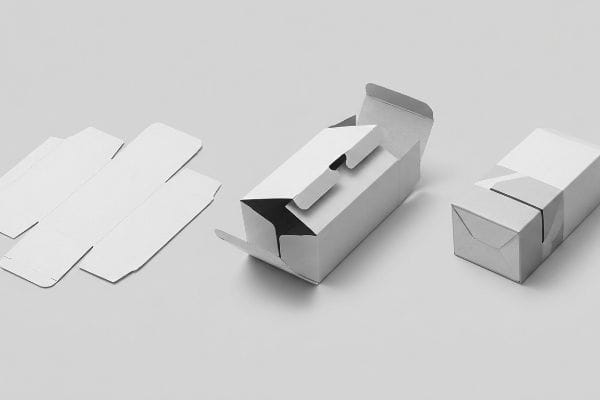
As caixas dobráveis são estruturas de papel projetadas para acondicionar, proteger e comercializar produtos de varejo com eficiência. Em vez de caixas rígidas, elas são fabricadas planas, com vincos precisos e juntas pré-coladas, permitindo uma rápida expansão volumétrica durante o processamento dos pedidos, reduzindo significativamente os custos de logística de transporte e a área de armazenamento em armazém.
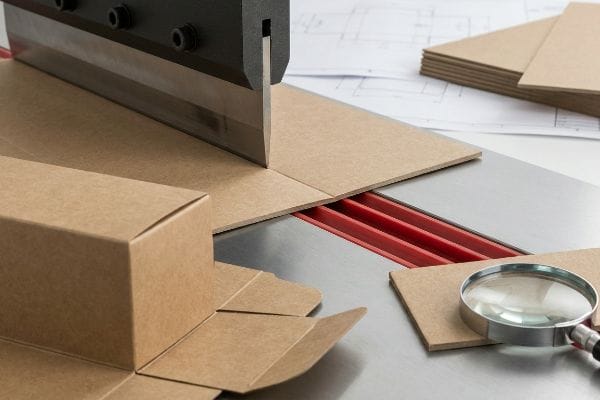
Conseguir que um molde plano seja dobrado de forma limpa, formando um quadrado perfeito, é uma ciência. Se a mecânica estrutural for ignorada, a montagem se transforma em um pesadelo no chão.
A física oculta da dobradura de papelão
Mesmo equipes de design experientes muitas vezes presumem que desenhar uma simples linha de vinco em um modelo digital resulta automaticamente em uma dobra perfeita de 90 graus. Elas tratam placas estruturais de alta resistência como se fossem papel de impressora comum, esperando que o material se dobre sem esforço e sem resistência física.
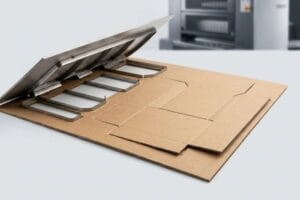
Essa premissa deixa de ser válida durante a produção em massa. Ao pressionar uma matriz de aço contra papelão ondulado espesso, as ondulações internas se deformam, o que pode rachar a folha impressa, especialmente em substratos densos de papel kraft virgem. Já estive em linhas de montagem ouvindo o som nauseante de fibras de papel cru rasgando enquanto um operador tentava forçar uma dobra teimosa, acabando por recorrer a uma fita adesiva transparente e feia apenas para manter a unidade unida. Para solucionar esse problema, utilizo rigorosamente canais de vinco fêmea específicos, montados na placa de corte1.Esse canal de polímero atua como uma bigorna, controlando com precisão como as fibras do papel se esticam quando a matriz de aço as atinge. Isso garante uma dobra limpa, sem microfraturas na superfície, suavizando o atrito na montagem e reduzindo os custos de mão de obra na linha de co-embalagem2 em cerca de 20%.
| Erro comum de iniciantes | A solução profissional | Benefício do piso de vendas |
|---|---|---|
| Baseando-se em pontuações de aço não calibradas | Implantação da matriz de pregas femininas de polímero3 | Previne rachaduras visíveis nos gráficos da marca |
| Ignorando a direção da ondulação do papelão | Alinhando as pontuações com o caminho natural do grão4 | Garante um empilhamento perfeitamente quadrado e sem oscilações |
| Dobrando à força o papel kraft virgem grosso | Pré-esmagamento das flautas nos pontos exatos de dobra5 | Acelera significativamente o tempo de montagem manual |
Recuso-me a executar trabalhos de embalagem sem uma matriz de vinco calibrada, porque rasgar papelão de alta qualidade na linha de produção elimina instantaneamente as margens de lucro do projeto.
🛠️ Mesa do Harvey: Não tem certeza se sua prancha resistente vai quebrar ao ser dobrada na linha de produção? 👉 Solicite uma verificação de tolerância a vincos ↗ — Acesso direto à minha mesa. Zero spam de vendas automatizado, prometo.
O que é uma caixa dobrável?
Um contêiner de sucesso é definido pela facilidade com que ele transita de um estado de armazenamento plano para um expositor de varejo totalmente fechado e capaz de suportar carga.
Uma caixa dobrável é uma embalagem secundária especializada, fabricada com cartão resistente ou papelão ondulado. Ela se transforma estruturalmente de um molde plano recortado em um recipiente geométrico resistente, projetado especificamente para proteger bens de consumo, otimizando a densidade de embalagem na cadeia de suprimentos e aprimorando o apelo visual nas prateleiras.
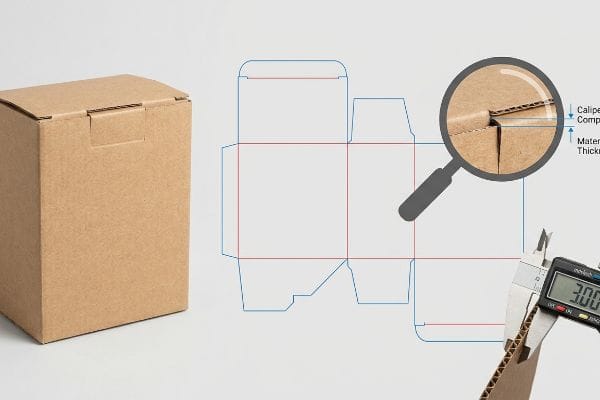
A diferença entre uma caixa genérica e um expositor de alto desempenho reside nos cálculos matemáticos que regem suas articulações físicas.
Por que as dimensões 3D são representadas em uma tela 2D?
Um ponto cego frequente ocorre quando as equipes gráficas criam abas de encaixe e ranhuras dobráveis em softwares de design digital com a mesma largura exata do painel correspondente. Elas tratam o layout plano como realidade absoluta, deixando de levar em conta o espaço físico que o material espesso ocupa ao ser dobrado6.
Não se pode ignorar a espessura física do papelão ondulado dobrado. Quando um painel de 3 mm (0,12 polegadas) de espessura é dobrado a 90 graus, ele consome material ao longo do raio de7 polegadas. Já vi equipes de logística suarem e xingarem, tentando encaixar uma aba de papel grossa em uma fenda cortada muito apertada, fazendo com que toda a estrutura se curvasse para fora sob a pressão. Para eliminar esse atrito, utilizo um software CAD (Desenho Auxiliado por Computador) paramétrico para aplicar automaticamente um algoritmo rigoroso de compensação de espessura a cada dobra e fenda. Ao alargar matematicamente as fendas de encaixe para compensar a tolerância de curvatura específica, garanto que as peças se encaixem perfeitamente, reduzindo o tempo de embalagem e evitando deformações estruturais catastróficas sob cargas pesadas de paletes.
| Erro comum de iniciantes | A solução profissional | Benefício do piso de vendas |
|---|---|---|
| Abas e ranhuras de desenho exatamente do mesmo tamanho | Aplicando compensação matemática de paquímetro8 | Garante a inserção da aba sem atrito |
| Ignorando a espessura do material no espaço 3D | Ajuste da largura da ranhura com base no tamanho da ranhura9 | Impede que os painéis laterais se projetem para fora10 |
| Teste de montagem apenas com papel fino | Prototipagem com placa de nível de produção | Garante o encaixe perfeito para implantação no varejo |
Uma caixa não é apenas papel plano; é geometria ativa. Se seus cálculos não levarem em conta a espessura do papelão, sua equipe de logística pagará o preço em horas desperdiçadas.
🛠️ Mesa do Harvey: Seus slots digitais estão muito apertados para lidar com a espessura física real de uma chapa de papelão ondulado dobrada? 👉 Solicite uma Análise de Compensação de Calibre ↗ — Baixe com segurança. Minha caixa de entrada está aberta caso tenha alguma dúvida posteriormente.
Como fazer uma caixa de papelão dobrável?
O processo de fabricação exige a superação da lacuna entre conceitos digitais vibrantes e a execução mecânica rigorosa de equipamentos industriais pesados.
A fabricação de uma caixa dobrável exige calibração precisa na pré-impressão, corte e vinco do papelão estrutural. O processo de fabricação começa com um desenho geométrico preciso, seguido por impressão litográfica, aplicação de adesivos químicos e vinco do material com matrizes de aço personalizadas para criar linhas de dobra nítidas e confiáveis para a montagem final.
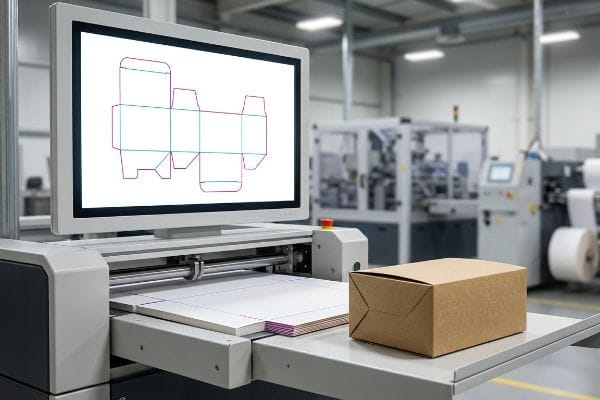
Imprimir a tinta é apenas metade da batalha. Se a máquina de corte não conseguir ler os arquivos de design corretamente, a linha de produção para completamente.
Traduzindo obras de arte digitais em recortes físicos
É uma armadilha bastante comum os compradores enviarem modelos de design usando linhas pretas padrão CMYK (ciano, magenta, amarelo, preto) para indicar onde o display deve ser cortado ou dobrado. Eles presumem que, se conseguem ver as linhas no monitor, a máquina de corte entenderá automaticamente o que fazer.
As mesas de corte CNC (Controle Numérico Computadorizado) automatizadas e as gravadoras a laser para matrizes de corte não leem linhas visuais padrão; elas leem cores especiais específicas atribuídas a traços vetoriais¹².Quando um arquivo usa preto padrão, o software da máquina mescla as linhas de corte diretamente na camada da arte, resultando em uma caixa impressa com contornos pretos visíveis, mas sem nenhum corte físico. Eu realizo uma verificação prévia rigorosa para converter todos os caminhos estruturais em cores especiais mecânicas absolutas¹³,como 100% magenta para os cortes. Isso garante que a estampagem rítmica e precisa da lâmina CNC atinja a placa exatamente onde deveria, mantendo a arte impressa impecável e evitando que erros de impressão dispendiosos comprometam sua campanha de marketing.
| Erro comum de iniciantes | A solução profissional | Benefício do piso de vendas |
|---|---|---|
| Utilizando preto CMYK padrão para linhas de corte | Atribuição de cores pontuais mecânicas absolutas14 | Evita linhas pretas indesejáveis na arte final |
| Fusão de gráficos e caminhos estruturais | Manter as linhas de corte em uma camada separada e bloqueada | Elimina o recorte acidental de imagens |
| Ignorando a calibração da máquina de pré-impressão | Executando software RIP pré-voo automatizado15 | Garante cortes de máquina nítidos e de alta precisão |
Gráficos bonitos não significam nada se a máquina industrial não souber onde a lâmina deve cair. Eu garanto a precisão da mecânica do arquivo antes mesmo de uma única gota de tinta ser despejada.
🛠️ Harvey's Desk: Seu arquivo de arte está escondendo acidentalmente as linhas de corte das máquinas de roteamento automatizadas da fábrica? 👉 Solicite sua auditoria de arquivos de pré-impressão ↗ — Sem formulários que geram ligações intermináveis de vendas. Apenas valor puro.
Para que serve uma caixa dobrável?
A escolha do substrato de base correto determina se sua embalagem suportará o peso com segurança ou se desmoronará de forma constrangedora em condições de alta umidade.
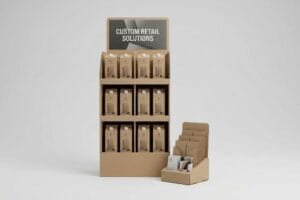
O cartão dobrável é utilizado principalmente como base estrutural para embalagens de varejo e displays de ponto de venda. Ele oferece a resistência à compressão necessária para proteger o conteúdo interno durante o transporte, além de servir como um substrato quimicamente estável e imprimível que suporta perfeitamente gráficos de marketing de marca vibrantes e de alta resolução.
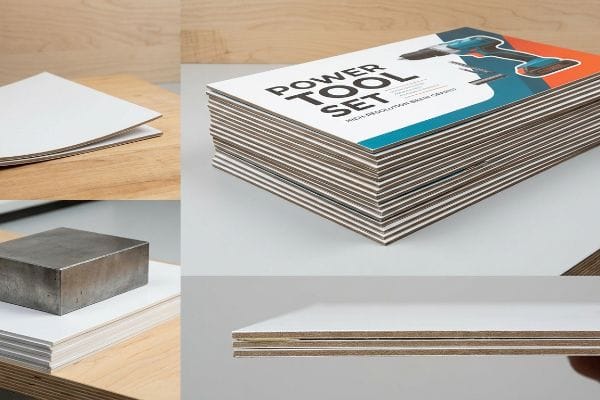
Mas conhecer a teoria da resistência estrutural não basta quando as máquinas de montagem começam a funcionar e as matérias-primas começam a reagir às condições ambientais da fábrica.
Sobrevivendo à lacuna da química de fabricação
As equipes de compras frequentemente presumem que a montagem de uma folha superior impressa de alta qualidade em uma placa rígida de papelão ondulado resultará naturalmente em um cabeçalho de exibição perfeitamente plano. Elas olham para uma amostra de mesa e presumem que aumentar a escala para 1.000 unidades é apenas uma questão de imprimir, ignorando completamente a realidade química volátil da litografia-laminação em grande escala16.
Na minha fábrica, observo rotineiramente as consequências ocultas do adesivo PVA (acetato de polivinila) à base de água durante a produção em massa. Quando essa cola úmida é aplicada em grandes áreas, o revestimento poroso absorve a umidade. À medida que o PVA seca, consigo literalmente sentir o cheiro do adesivo curando e observar as placas planas se curvando lentamente para dentro, como batatas fritas, devido à imensa tensão superficial. Para evitar isso, aplico um protocolo rigoroso de peso de cura, empilhando as placas úmidas sob pressão exata de peso morto por 24 horas para forçar uma cura plana. Para painéis com mais de 121 cm (48 polegadas) de altura, especifico uma estrutura duplex balanceada para neutralizar a força de tração,garantindo que o expositor fique perfeitamente reto, eliminando as frustrações de montagem e as rejeições dos varejistas causadas por displays deformados e inclinados.
| Erro comum de iniciantes | A solução profissional | Benefício do piso de vendas |
|---|---|---|
| Ignorando a tensão superficial do adesivo úmido | Implementar um processo de cura de peso morto de 24 horas19 | Proporciona sinalização profissional e perfeitamente plana |
| Utilizando laminação unilateral desequilibrada | Implementando uma estrutura de placa duplex balanceada20 | Impede que telas altas se inclinem para a frente. |
| Apressando as placas recém-coladas para a embalagem | Implementar cronogramas rigorosos de secagem em temperatura ambiente | Elimina o mofo causado pela umidade retida nas caixas de transporte21 |
Eu monitoro a evaporação da umidade milimetricamente, porque ignorar a tensão química do adesivo é a maneira mais rápida de enviar milhares de displays de varejo.
🛠️ Mesa do Harvey: Você sabe se seu fornecedor atual está distribuindo corretamente a tensão do adesivo nos seus painéis de exibição grandes? 👉 Envie-me seu arquivo de corte ↗ — Vou verificar os cálculos antes que você gaste seu orçamento com produção em massa.
Conclusão
Você pode escolher o fornecedor mais barato disponível, mas quando a umidade descontrolada do PVA deforma seu lote, atrasando a linha de montagem do varejo em cerca de 30%, os estornos resultantes eliminarão completamente a margem de lucro da sua campanha. Esta é a ficha técnica exata que meus 10 principais clientes do varejo usam para garantir zero rejeições de impressão em seus lançamentos em todo o país. Pare de adivinhar as tolerâncias mecânicas invisíveis e deixe-me analisar pessoalmente seus arquivos estruturais com minha Auditoria de Corte e Vinco gratuita ↗ para detectar erros fatais de pré-impressão e químicos antes do início da produção em massa.
"Um breve guia sobre matrizes de vinco – Ultracrease Ltd.", https://www.ultracrease.com/guide-on-crease-matrix/. [As especificações técnicas para equipamentos de corte e vinco descrevem o uso de canais de matriz para garantir vincos precisos e manter a integridade do material]. Papel da evidência: Especificação técnica; tipo de fonte: Manual do fabricante do equipamento. Suporte: O método para evitar rachaduras no material. Nota de escopo: Aplica-se a placas de corte de nível profissional. ↩
"Um Guia Completo para Custos de Co-Packing | ChemRite CoPac", https://chemritecopac.com/is-co-packing-right-for-your-business/. [Estudos de caso industriais sobre eficiência de embalagens demonstram que a redução do atrito na montagem por meio de engenharia de precisão diminui a necessidade de mão de obra manual]. Papel da evidência: Validação quantitativa; tipo de fonte: Artigo técnico do setor. Fundamentos: A eficiência econômica do vinco de precisão. Observação: As porcentagens exatas variam de acordo com a operação. ↩
"Corte e vinco de papelão – Holmen Iggesund", https://www.iggesund.com/insights/paperboard-know-how/paperboard-manual/paperboard-manual-publication/printing-and-converting-performance/die-cutting-and-creasing/. [Normas técnicas de engenharia de embalagens explicam como as matrizes de polímero distribuem a pressão de maneira mais uniforme do que o aço, reduzindo a tensão superficial e prevenindo rachaduras no revestimento do papelão]. Função da evidência: verificação técnica; tipo de fonte: norma da indústria; Suporte: uso de matrizes de polímero para prevenir rachaduras na impressão; Observação sobre o escopo: Aplica-se principalmente a caixas dobráveis de alta gramatura ou revestidas. ↩
"Direção da Fibra: A Base das Embalagens de Papelão – Korpack", https://korpack.com/grain-direction-the-backbone-of-paperboard-packaging/?srsltid=AfmBOorh5VOcHYhkVR3SyBTNN6oL9sYjFi0XIdkKm9B_CJWQkBznflV_. [A literatura de ciência dos materiais sobre fibras de celulose demonstra que a dobra no sentido da fibra reduz a resistência estrutural e evita o arqueamento, garantindo a estabilidade dimensional]. Papel da evidência: verificação do princípio físico; tipo de fonte: manual técnico; Suporte: relação entre o alinhamento da fibra e o esquadro do empilhamento; Nota de escopo: Aplica-se a todos os materiais de papelão à base de celulose. ↩
"Estimativa da resistência ao esmagamento das bordas do papelão ondulado usando…", https://pmc.ncbi.nlm.nih.gov/articles/PMC9961700/ . [Documentos técnicos de fabricação indicam que o pré-esmagamento das ondulações remove bolsas de ar e quebra a rigidez do papelão ondulado, facilitando uma dobragem manual mais rápida]. Papel da evidência: comprovação de otimização de processo; tipo de fonte: documento técnico de fabricação; benefícios: redução do tempo de montagem manual; nota de escopo: específico para papelão ondulado ou materiais ondulados.
"Construções em Papelão: Cálculo da Tolerância à Dobra 1 – YouTube", https://www.youtube.com/watch?v=j1n5ojAbAic. [Um guia confiável sobre design de embalagens estruturais detalharia como a tolerância à dobra e a espessura do material devem ser consideradas nas dimensões da linha de corte para garantir um encaixe adequado]. Papel da evidência: princípio técnico; tipo de fonte: manual de engenharia. Apoia: a afirmação de que layouts planos devem levar em conta o deslocamento tridimensional do material. Nota de escopo: Aplica-se especificamente a substratos como papelão e papelão ondulado .
"Cálculo da Tolerância de Dobra em Prensa Dobradeira: Um Guia Abrangente", https://shop.adhmt.com/press-brake-bend-allowance-calculation/. [Uma fonte confiável em engenharia de embalagens estruturais definiria a física da tolerância de dobra para comprovar que o material é deslocado quando um substrato espesso é dobrado]. Papel da evidência: verificação técnica; tipo de fonte: manual de engenharia. Fundamentos: a necessidade física da compensação da espessura no projeto. Nota de escopo: aplica-se a materiais com espessura diferente de zero, como papelão ondulado. ↩
"Dicas essenciais para o projeto de abas e encaixes na montagem de peças de chapa metálica", https://www.youtube.com/watch?v=DHcrX_ZnByA. [Guias técnicos sobre projeto de embalagens estruturais detalham a aplicação de compensações de tolerância, ou compensação de calibre, para garantir que as abas se encaixem nos encaixes sem atrito excessivo]. Papel da evidência: método técnico; tipo de fonte: manual de projeto estrutural. Suporte: inserção de abas sem atrito. Nota de escopo: refere-se a tolerâncias mecânicas em caixas dobráveis. ↩
"O Guia Definitivo para Caixas de Papelão Ondulado – Shorr Packaging", https://www.shorr.com/resources/blog/ultimate-guide-corrugated-boxes/. [As normas da indústria para papelão ondulado especificam que as dimensões da ranhura devem ser ajustadas de acordo com o perfil da ondulação (por exemplo, ondulação B, ondulação E) para levar em consideração a espessura do material e a tolerância de dobra]. Função da evidência: especificação técnica; tipo de fonte: norma de engenharia de embalagens. Suportes: prevenção de deformação do painel. Nota de escopo: específico para materiais ondulados. ↩
"[PDF] Avaliação de uma tecnologia de redução de protuberâncias para papelão ondulado…", https://repository.rit.edu/cgi/viewcontent.cgi?article=1195&context=japr. [Os princípios da engenharia mecânica relativos ao deslocamento do material explicam que a largura inadequada da ranhura em relação à espessura do material cria tensão interna que faz com que os painéis se curvem ou formem protuberâncias]. Papel da evidência: mecanismo causal; tipo de fonte: livro didático de engenharia. Fundamentos: a necessidade de ajustes baseados na espessura. Nota de escopo: aplica-se a displays de varejo com capacidade de carga. ↩
"Ajuda com corte e vinco – PrintPlanet.com", https://printplanet.com/threads/help-with-die-cut.4430/. [Os padrões de pré-impressão da indústria explicam que as máquinas de corte e vinco exigem cores especiais específicas ou caminhos vetoriais técnicos, em vez de cores de processo CMYK, para identificar as linhas de corte e dobra]. Papel da evidência: especificação técnica; tipo de fonte: guia de pré-impressão. Apoia: a necessidade de marcadores não CMYK para execução mecânica. Nota de escopo: aplica-se a fluxos de trabalho industriais padrão de corte e vinco. ↩
"Como cortar placas básicas em uma máquina de plasma CNC! – YouTube", https://www.youtube.com/watch?v=7c2ECxsMuY0. [Manuais técnicos de sistemas de corte CNC e gravadores de placas a laser especificam que cores especiais são usadas para diferenciar os caminhos de corte da arte final imprimível]. Papel da evidência: especificação técnica; tipo de fonte: manual de hardware. Suporte: Requisito para cores especiais no corte CNC. Observação: O comportamento pode variar de acordo com o fornecedor do software. ↩
"[PDF] Especificações de pré-impressão – Graphic Packaging International", https://www.graphicpkg.com/custom-content/uploads/2023/08/prepress-specifications-Eng.pdf. [Os padrões da indústria para pré-impressão na fabricação de caixas dobráveis determinam que as linhas de corte estruturais devem ser definidas como cores especiais separadas para garantir a interpretação precisa da máquina durante o processo de corte e vinco]. Papel da evidência: padrão da indústria; tipo de fonte: guia de pré-impressão. Fundamentos: Necessidade de cores especiais para trajetórias mecânicas. Observação: A cor específica escolhida pode variar de acordo com a gráfica. ↩
"CMYK vs. Cores Especiais: Qual Processo é o Melhor – Prime Line Packaging", https://www.primelinepackaging.com/blog/spot-color-vs-cmyk-understanding-the-differences-and-choosing-the-right-method-for-your-packaging/. [Um guia padrão da indústria para pré-impressão de embalagens explica por que as cores especiais são designadas como camadas 'não imprimíveis' ou 'técnicas' para evitar a aplicação de tinta nas linhas de corte]. Função da evidência: Verificação técnica; tipo de fonte: Manual da indústria. Argumenta: A necessidade de usar cores especiais para linhas de corte. Nota de escopo: Aplica-se a softwares de embalagem baseados em vetor, como o Adobe Illustrator .
"Capacidades de Corte e Vinco para Embalagens Personalizadas – Royal Paper Box", https://royalpaperbox.com/capabilities/manufacturing/gluing/. [A documentação técnica sobre Processadores de Imagem Raster (RIP) e software de pré-impressão detalhará como essas ferramentas validam a geometria da linha de corte e o resultado para equipamentos CNC ou de corte e vinco]. Função da evidência: Validação do processo; tipo de fonte: Especificação técnica. Suporte: O papel do software RIP na garantia da precisão do corte da máquina. Nota de escopo: Foca na etapa de tradução digital-para-física da pré-impressão .
"Embalagens e displays laminados por litografia | Soluções personalizadas de alto impacto…", https://pmpackaging.com/our-solutions/litho-laminated. A literatura técnica sobre a química dos adesivos e a umidade do substrato explica como a interação do solvente e os processos de cura na litografia-laminação em larga escala podem causar deformação do substrato. Papel da evidência: validação técnica; tipo de fonte: manual de fabricação industrial. Apoia: a afirmação de que a laminação em larga escala introduz volatilidade química. Nota de escopo: aplica-se especificamente a aplicações de adesivos à base de solvente .
"Adesivos à base de água", https://www.henkel-adhesives.com/ma/en/products/industrial-adhesives/water-based-adhesives.html. [A literatura de ciência dos materiais sobre adesivos explica como a absorção de umidade em substratos porosos durante a cura do PVA cria tensão diferencial, levando ao empenamento]. Papel da evidência: validação técnica; tipo de fonte: periódico de ciência dos materiais. Fundamentos: o efeito físico de colas úmidas na planicidade do substrato. Nota de escopo: aplica-se especificamente a adesivos à base de água em placas porosas .
"Como evitar que painéis de madeira se deformem. A maioria das pessoas erra nisso!", https://www.youtube.com/watch?v=QLGepa7A2dA. [Normas de engenharia de embalagens detalham como a sobreposição simétrica de camadas em placas duplex equilibra as tensões internas para evitar a curvatura em displays de grande formato]. Papel da evidência: especificação técnica; tipo de fonte: manual de engenharia da indústria. Fundamentos: o uso de estruturas balanceadas para manter a verticalidade em painéis altos. Nota de escopo: foco em displays de varejo de grande escala. ↩
"Aderência e Secagem: Tempo de Aplicação de Adesivo para Caixas de Transporte Resistentes – LinkedIn", https://www.linkedin.com/pulse/tack-drying-adhesive-timing-strong-shipping-boxes-ricky-fang-vh7mc. [Um manual técnico sobre adesivos industriais especificaria a duração de cura e a pressão de aplicação necessárias para evitar o empenamento do substrato]. Papel da evidência: especificação técnica; tipo de fonte: manual técnico. Suportes: tempo de cura para planicidade. Nota de escopo: Específico para adesivos de alta resistência usados na fabricação de placas. ↩
"Papelão duplex vs. Papelão dobrável: comparação detalhada", https://www.goldenpapergroup.com/blog/duplex-board-vs-folding-box-board-in-depth-comparison.html . [A literatura de ciência dos materiais explica como a laminação simétrica em papelão duplex anula a tensão interna para evitar o enrolamento]. Papel da evidência: princípio técnico; tipo de fonte: livro didático de ciência dos materiais. Fundamentos: estabilidade estrutural. Nota de escopo: Aplica- se a construções de papelão multicamadas.
"Quanto tempo a cola PVA demora para secar em madeira, papel e cartão? | lux-x", https://lux-x.com/en/novosti/skilki-sohne-klej-pva-na-riznih-poverhnyah/. [As normas de controle de qualidade da indústria estabelecem limites para o teor de umidade no cartão a fim de evitar o crescimento de fungos durante o transporte]. Papel da evidência: mitigação de risco factual; tipo de fonte: norma de controle de qualidade. Apoio: prevenção de mofo. Nota de escopo: Depende dos níveis de umidade ambiente durante a secagem. ↩