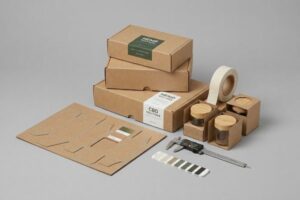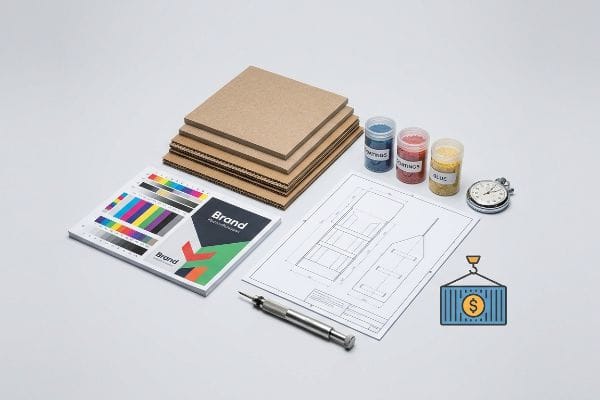
Você lança uma campanha de marketing massiva no varejo, mas custos estruturais ocultos estão corroendo silenciosamente suas margens de lucro. Se a embalagem falhar na loja, todo o seu orçamento de marketing desmorona junto.
Os fatores que afetam os custos dos displays de ponto de venda (PDV) incluem a seleção da matéria-prima, os métodos de impressão litográfica, a complexidade da engenharia estrutural e a otimização da logística. Elementos especializados, como revestimentos resistentes à umidade, ferramentas de corte de precisão e tempo de montagem da embalagem, impactam diretamente o orçamento final de produção.
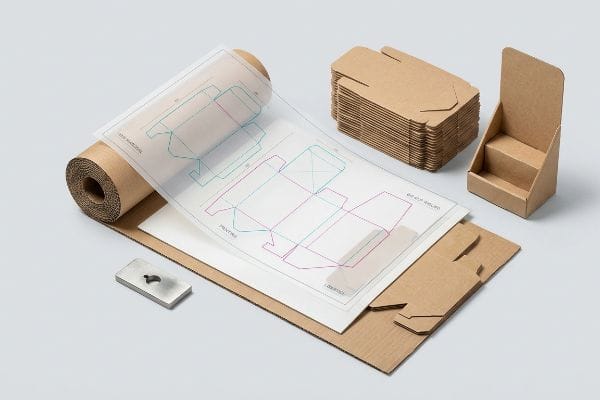
Mas calcular essas despesas teóricas em uma planilha é muito diferente de gerenciar as implacáveis realidades físicas do chão de fábrica.
Que fatores podem afetar o custo de um anúncio impresso?
As agências geralmente presumem que as regras padrão de impressão comercial se aplicam ao papelão ondulado. Elas não percebem que a composição química do papelão bruto altera completamente a realidade financeira da produção de gráficos de alta fidelidade para o varejo.
Os fatores que afetam os custos de anúncios impressos em displays de papelão ondulado incluem o volume de tinta, o tempo de preparação da impressora e a escolha entre a impressão em CMYK (Ciano, Magenta e Amarelo) padrão ou cores especiais Pantone. Gráficos de alta qualidade para o varejo exigem calibração de cores precisa e ferramentas personalizadas para evitar problemas de absorção de tinta.
Mas conhecer a teoria não basta quando a impressora offset de seis cores começa a imprimir em folhas de grande formato.
Por que o padrão CMYK falha na linha de produção?
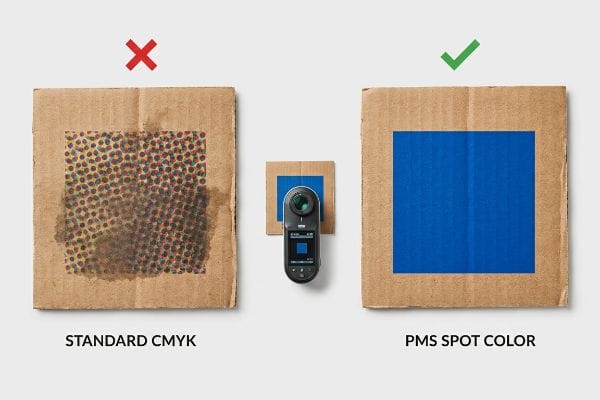
As equipes de marketing frequentemente convertem logotipos corporativos sólidos em formatos digitais padrão, presumindo que a impressão em quadricromia corresponderá perfeitamente aos seus monitores. Elas presumem que a impressão em quatro cores seja a opção mais econômica para campanhas de varejo. No entanto, ao imprimir em papelão ondulado cru e poroso, os pontos de meio-tom sobrepostos padrão são absorvidos de forma irregular pelas fibras do papel¹.Essa mistura óptica falha completamente em placas não seladas²,criando uma aparência turva e desbotada sob a forte iluminação fluorescente do varejo.
Isso não é apenas teoria — lido com isso na prática, quando preciso reproduzir as cores de grandes marcas americanas. Uma agência de branding recentemente lançou um modelo de impressão em processo padrão às pressas, esperando fidelidade de cores impecável dentro de um orçamento apertado. Inicialmente, presumi que nosso revestimento aquoso padrão selaria o testliner 32ECT (Edge Crush Test) o suficiente para manter a estrutura dos pontos. Estava completamente enganado. Após a impressão das primeiras 500 folhas na impressora Heidelberg, verifiquei as leituras do espectrofotômetro; a variação Delta-E estava totalmente fora da especificação devido ao ganho de ponto extremo³.Tive que reformular toda a pré-impressão estrutural. Substituí completamente a mistura óptica de pontos por uma única tinta PMS de cor especialmisturada⁴, contornando totalmente o problema de absorção pelas fibras porosas. Esse ajuste na cor especial não apenas preservou a identidade visual da marca, como também eliminou 15 minutos de tempo de calibração da impressora por tiragem, reduzindo os custos gerais de impressão e economizando para o cliente cerca de 12% em desperdício de tinta.
| Estratégia de tinta | Resultado físico | Retorno financeiro do investimento |
|---|---|---|
| Processo de meio-tom | A tinta penetra nas fibras do papel5 | Aciona estornos de varejistas |
| Pré-revestimento aquoso | Redução leve do ganho de ponto6 | Aumenta o tempo de secagem da produção |
| Cor localizada | Densidade de cor nítida | Reduz o desperdício de tinta em 12%7 |
Recuso-me a deixar que gráficos em tons de cinza desalinhados arruinem o lançamento de um produto premium. Quando elimino as suposições digitais e projeto o processo de impressão levando em consideração a física real do papelão ondulado, sua marca se destaca impecavelmente a seis metros de distância.
🛠️ Mesa do Harvey: Seus materiais gráficos para o varejo estão com aparência desbotada e granulada em papelão ondulado? 👉 Solicite uma Análise de Lista de Materiais ↗ — Analiso pessoalmente cada arquivo estrutural em até 24 horas.
Quais são as desvantagens dos displays de ponto de venda?
As marcas adoram a flexibilidade das estruturas de varejo temporárias, mas raramente antecipam as vulnerabilidades físicas da combinação de papel com adesivos líquidos sob condições climáticas variáveis.
As desvantagens dos displays de ponto de venda (PDV) geralmente incluem extrema suscetibilidade à umidade ambiental, capacidade limitada de carga dinâmica sob peso elevado e vulnerabilidade durante o transporte. Estruturas de papelão ondulado podem perder rapidamente a resistência à compressão ou sofrer deformações superficiais se não forem projetadas com precisão para a umidade específica do armazém e as condições do piso da loja.
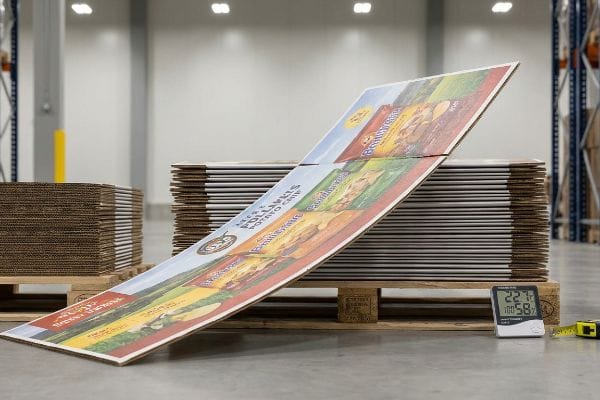
Você pode criar os gráficos mais bonitos do mundo, mas a física não se importa com o seu design depois que a cola toca a placa.
A Química Oculta da Deformação Estrutural
Os clientes presumem que a montagem de uma folha superior impressa de alta qualidade em uma placa rígida de papelão ondulado tipo B resulta em um painel de exibição perfeitamente plano. Eles ignoram a realidade química da litografia -laminação, que depende fortemente de adesivos de PVA (acetato de polivinila) à base de água . Quando a cola úmida é aplicada em grandes áreas, o revestimento de papelão ondulado absorve a umidade . À medida que seca no ar ambiente da fábrica, uma imensa tensão superficial se acumula, ameaçando distorcer toda a estrutura.
Isso não é apenas teoria — lido com isso na área de testes todas as semanas. Recentemente, uma equipe de compras reclamou de um fornecedor anterior cujos enormes painéis laterais de 1524 mm (60 polegadas) chegaram ao armazém da 3PL (Logística Terceirizada) parecendo batatas fritas curvadas. A princípio, presumi que o empilhamento plano padrão em paletes seria suficiente para manter nosso papel kraft virgem plano durante a cura. Estava completamente enganado. Observei os painéis se curvarem visivelmente para dentro em 11,4 mm (0,45 polegadas) durante a noite em nossa câmara climática, sentindo o forte cheiro de umidade evaporando do adesivo. Abandonei o fluxo de trabalho padrão e desenvolvi um protocolo rigoroso de cura com peso morto. Substituí fisicamente o revestimento de face única por uma estrutura de papelão duplex balanceada, adicionando um revestimento traseiro fino para neutralizar quimicamente a tensão superficial do lado oposto. Ao impor esse rigoroso contrapeso de umidade, eliminei completamente a curvatura, garantindo que os displays ficassem perfeitamente aprumados e evitando ao cliente uma taxa de refugo estimada em 30% durante a montagem no ponto de venda.
| Processo de Laminação | Resultado estrutural | Configuração do ROI |
|---|---|---|
| Cura ao ar ambiente | 11,4 mm de curvatura para dentro10 | Falha na montagem do piso de vendas |
| Pilha plana padrão | Tensão superficial moderada | Reduz a velocidade de empacotamento conjunto |
| Revestimento traseiro duplex | Painéis perfeitamente aprumados | Elimina 30% da taxa de refugo11 |
Ao lidar com adesivos úmidos e fibras de papel, não conto com a sorte. Ao equilibrar matematicamente a tensão superficial em ambos os lados da placa, garanto que seus displays resistam ao transporte da minha fábrica até a loja.
🛠️ Harvey's Desk: Seu fornecedor atual de displays calcula a retenção de umidade do adesivo antes do envio para climas úmidos? 👉 Solicite uma Simulação de Tensão Estrutural individual ↗ — 100% confidencial. Seus designs de varejo ainda não lançados estão seguros comigo.
Quais são os fatores que afetam os custos de marketing?
Os orçamentos de marketing frequentemente saem do controle não por causa da compra de mídia, mas devido a ineficiências ocultas no chão de fábrica. Ferramentas mal calibradas danificam os materiais e aumentam o preço unitário.
Os fatores que afetam os custos de marketing no varejo físico incluem taxas ocultas de ferramentas, atrasos na calibração de máquinas e taxas de desperdício de material. Quando os moldes estruturais carecem de precisão, o atrito resultante na fabricação força as fábricas a operarem mais lentamente e a desperdiçarem placas impressas caras, aumentando, em última análise, o orçamento total necessário para sua campanha promocional.
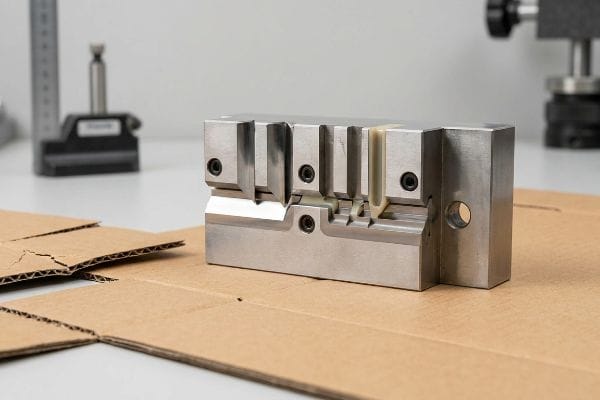
Todo mundo se concentra na taxa de serviço da agência, mas a verdadeira sangria financeira acontece quando a régua de aço bate no papelão.
O atrito de usinagem que infla seu orçamento
Os projetistas presumem que uma simples linha de vinco em um arquivo CAD (Desenho Auxiliado por Computador) cria automaticamente uma dobra perfeita de 90 graus para o copacker. Eles ignoram a força mecânica brutal necessária para perfurar uma matriz de aço em papelão ondulado espesso. Sem o perfilamento adequado da máquina, as ondulações internas se deformam e racham a folha superior impressa12, destruindo a estética e comprometendo a resistência à carga vertical13.
Isso não é apenas teoria — aprendi isso da maneira mais difícil em nossa própria fábrica. Em 2022, pedi ao meu engenheiro-chefe de embalagens, Mark, para produzir uma nova bandeja para lojas de atacado usando um papelão ondulado tipo E de alta rigidez. Pensamos que poderíamos economizar tempo dispensando a matriz de vinco fêmea personalizada e confiando na pressão padrão da matriz. Três horas após o início da produção, ouvi o som seco e nauseante de fibras de papel se quebrando ao saírem da cortadora rotativa. Peguei uma folha e vi rachaduras litográficas enormes ao longo de cada linha de dobra, comprometendo toda a capacidade de 68 kg (150 lb) da pilha. Paramos as máquinas imediatamente. Passei quatro horas diretamente na mesa de corte, substituindo as placas planas por canais de vinco de polímero especializados que funcionavam como uma bigorna de precisão. Ajustei a pressão hidráulica para esticar, em vez de quebrar, as fibras virgens durante o corte. Essa calibração das ferramentas não apenas impediu as rachaduras; Isso permitiu que as peças em branco fossem dobradas sem resistência alguma, reduzindo o tempo de montagem em 18 segundos por unidade e economizando milhares para o cliente em custos ocultos de mão de obra manual.
| Calibração de ferramentas | Resultado físico | Retorno sobre o investimento em mão de obra |
|---|---|---|
| Golpe plano padrão | Litografia severa | Não cumpre os padrões visuais da marca |
| Soco de Alta Pressão | Flautas internas esmagadas | Destrói a capacidade de empilhamento |
| Bigorna de matriz polimérica | Dobra perfeita de 90 graus | Reduz a montagem em 18 segundos |
Detesto ver campanhas de varejo caras fracassarem na mesa de corte por causa de ferramentas mal projetadas. Ao projetar a pressão mecânica exata de impacto, protejo a integridade da sua placa e mantenho seus custos ocultos de marketing totalmente sob controle.
🛠️ Harvey's Desk: Atrasos ocultos na montagem estão consumindo seu orçamento de marketing porque suas placas resistem à dobra? 👉 Solicite uma Otimização de Linha de Corte Gratuita ↗ — Sem gerentes de contas no meio. Você fala diretamente com engenheiros estruturais.
Quanto custa abrir uma loja pop-up?
Financiar um espaço comercial temporário já é caro o suficiente sem ter que arcar com horas extras excessivas de montagem. Quando a estrutura do produto não se encaixa perfeitamente, os custos operacionais disparam.
Os custos de operação de um display temporário dependem muito da mão de obra terceirizada para embalagem, do volume de frete e da eficiência dos materiais estruturais. Se uma unidade de chão temporária apresentar tolerâncias de encaixe inadequadas, o tempo necessário para a montagem manual aumenta drasticamente, obrigando as marcas a pagar taxas extras por hora altíssimas apenas para deixar seus produtos prontos para as prateleiras.
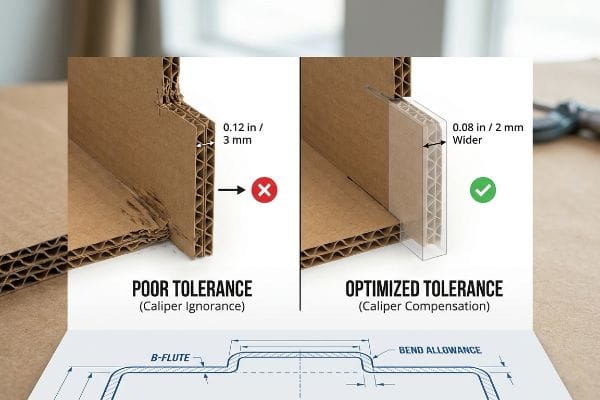
As marcas alocam milhares para o espaço de venda no ponto de venda, mas ignoram completamente os cálculos em nível milimétrico que determinam seus custos com mão de obra.
O Pesadelo da Ignorância na Montagem
Os designers gráficos frequentemente criam abas de encaixe e ranhuras dobráveis exatamente com a mesma largura do painel correspondente. Eles não calculam a espessura física do papelão ondulado dobrado, como uma ondulação B com 3 mm (0,12 polegadas) de espessura¹⁴.Quando um material espesso é dobrado em 90 graus, ele ocupa espaço, o que significa que uma ranhura de encaixe desajustada causará atrito severo.
Isso não é apenas teoria — lido com isso na prática sempre que recebemos arquivos de agências. Recentemente, um cliente me enviou um molde plano para uma enorme unidade pop-up, reclamando que o lote anterior levava 15 minutos para dois funcionários montarem uma única unidade. Arranquei a folha superior do protótipo danificado e senti as ranhuras completamente amassadas onde as abas foram forçadas em encaixes muito estreitos. A princípio, presumi que o material de teste padrão poderia simplesmente ser encaixado à força sem rasgar. Estava completamente enganado. A base quebrou sob uma pressão de 38,7 kg (85,5 lbs) porque as juntas comprometidas falharam sob a BCT (Teste de Compressão de Caixa)15. Fiz as medições com o micrômetro e provei que não precisávamos de clipes de reforço de plástico caros — apenas precisávamos de uma compensação matemática com o paquímetro. Reconstruí completamente a geometria, alargando cada encaixe em exatamente 2 mm (0,08 polegadas) para compensar o raio de dobra externo16. Ao impor essa tolerância extremamente precisa, eliminei o atrito nas juntas, reduzindo o tempo de montagem da embalagem conjunta para apenas 3 minutos e eliminando milhares de dólares em mão de obra desperdiçada do orçamento.
| Engenharia de Tolerância | Resultado físico | Retorno sobre o investimento em logística |
|---|---|---|
| Ranhuras de largura exata | Atrito articular severo | Quadruplica o tempo de montagem17 |
| Reforços de plástico | Força articular artificial | Inflaciona os custos dos materiais da lista de materiais18 |
| Compensação do Calibre | Abas de travamento sem atrito | Reduz drasticamente os custos com mão de obra19 |
Recuso-me a deixar que cálculos imprecisos em milímetros comprometam o orçamento do seu projeto pop-up. Ao otimizar as tolerâncias dos encaixes para a espessura exata da placa, seus displays se encaixam sem esforço, economizando suas margens na linha de montagem.
🛠️ Mesa do Harvey: Seu engenheiro estrutural aplica tolerâncias de curvatura automáticas às suas matrizes para evitar atrito na montagem conjunta? 👉 Faça uma auditoria dos seus cálculos estruturais ↗ — Analiso pessoalmente cada arquivo estrutural em até 24 horas.
Conclusão
Você pode escolher um fornecedor que ignore as consequências químicas do inchaço causado pela umidade, mas quando esse adesivo à base de água deforma seus painéis de exibição como batatas fritas, isso resulta em uma rejeição imediata por parte do varejista, eliminando completamente o seu retorno sobre o investimento promocional. Essa mesma revisão de engenharia detectou recentemente um erro fatal de tolerância de 2 mm em um grande lançamento nacional antes da produção. Pare de desperdiçar seu orçamento de marketing com displays defeituosos e deixe-me projetar pessoalmente seu próximo lançamento ↗ para garantir que suas estruturas de varejo sejam montadas com perfeição e resistam à cadeia de suprimentos.
"[PDF] A VERDADEIRA FONTE DO GANHO DE PONTO? – Coaching em Tecnologia", https://www.tcbvba.be/index_htm_files/21%20The%20Real%20Source%20of%20dot%20gain.pdf. [Um guia completo sobre porosidade do substrato e ganho de ponto explica como fibras não seladas causam absorção irregular de tinta]. Papel da evidência: especificação técnica; tipo de fonte: manual da indústria gráfica. Aplica-se a: problemas de absorção de tinta na impressão em papelão ondulado. Nota de escopo: Limitado a substratos testliner não selados. ↩
"Análise de Falhas em Caixas de Papelão Ondulado – Read Consulting", https://readconsulting.com/cardboard-box-failure/. [Estudos sobre dispersão de luz e saturação de tinta em materiais porosos explicam a perda de fidelidade de cor em papelão não selado]. Papel da evidência: validação técnica; tipo de fonte: periódico de ciência dos materiais. Fundamentos: degradação da qualidade visual em papelão cru. Nota de escopo: Aplica-se a substratos não selados .
"O que é ganho de ponto na impressão? Causas, tipos e como corrigir | PSD", https://www.printingsuppliesdirect.com/blogs/news/what-is-dot-gain-in-printing?srsltid=AfmBOoo5_ks7FRqNPbY_0rx6YfjndFJ-Yc4mzxlB4l4IC0MpJG9TU6Lf. [A literatura da indústria sobre impressão flexográfica e offset explica como substratos ondulados porosos fazem com que a tinta se espalhe, aumentando significativamente o ganho de ponto e alterando a precisão das cores]. Papel da evidência: validação técnica; tipo de fonte: manual da indústria gráfica. Fundamentos: a causa da variação de cor no papelão. Nota de escopo: foca na porosidade do substrato. ↩
"PMS vs CMYK para Embalagens: Qual é a Melhor Opção? – PAX Solutions", https://pax.solutions/corrugated-packaging/pms-vs-cmyk-for-packaging/. [Guias técnicos sobre reprodução de cores confirmam que as cores sólidas Pantone oferecem cobertura mais consistente e evitam os problemas de ganho de ponto inerentes à impressão CMYK em materiais absorventes]. Papel da evidência: verificação de solução técnica; tipo de fonte: norma de gerenciamento de cores. Apoia: a eficácia das cores sólidas em relação ao CMYK para gráficos de varejo de alta fidelidade. Nota de escopo: aplicável a substratos de alta absorção] .
"Efeitos do papelão ondulado e deformações dos pontos de meio-tom", https://www.academia.edu/60461055/Print_uniformity_of_corrugated_board_in_flexo_printing_effects_of_corrugated_board_and_halftone_dot_deformations. [Pesquisa em ciência dos materiais sobre substratos porosos explica a ação capilar que faz com que a tinta de meio-tom penetre nas fibras onduladas não revestidas]. Papel da evidência: comprovação de mecanismo físico; tipo de fonte: periódico de ciência dos materiais. Argumentos: falha no processo de meio-tom em papelão bruto. Nota de escopo: Refere-se especificamente a materiais de papelão ondulado reciclado e não revestido .
"Entendendo o que é revestimento aquoso para caixas impressas", https://www.wecustomboxes.com/blog/what-is-aqueous-coating/ . [Documentação técnica sobre química de impressão explica como pré-revestimentos aquosos selam as fibras porosas do papelão para minimizar a dispersão da tinta e reduzir o ganho de ponto]. Papel da evidência: verificação técnica; tipo de fonte: livro didático sobre impressão. Fundamentos: a eficácia física do pré-revestimento. Observação : Os resultados dependem da viscosidade do revestimento aplicado.
"Taxa de reciclagem de papelão ondulado atinge 93% — dependendo de quem você perguntar", https://www.wastedive.com/news/afpa-recycling-rate-corrugated-box-occ/690649/. [Um estudo comparativo do setor ou um manual de produção gráfica forneceria os dados quantitativos que comprovam a economia de tinta obtida com a impressão em cores especiais em comparação com o uso de meios-tons de processo]. Papel da evidência: validação quantitativa; tipo de fonte: relatório do setor. Apoia: o retorno financeiro sobre o investimento (ROI) das estratégias de cores especiais. Observação sobre o escopo: a porcentagem pode variar de acordo com a área total de cobertura .
"Litho Laminating – Adhesive Manufacturer and Supplier", https://technicaladhesives.com/laminating/litho-laminating/. [As especificações técnicas da indústria para embalagens confirmam que o PVA é o principal adesivo utilizado no processo de litografia-laminação]. Função da evidência: verificação técnica; tipo de fonte: manual industrial. Suportes: composição química do adesivo. Nota de escopo: específico para sistemas à base de água. ↩
"[PDF] Torção do papelão ondulado – causas e soluções – TAPPI.org", https://imisrise.tappi.org/download.aspx?key=92APR097. [Pesquisa em ciência dos materiais sobre fibras celulósicas demonstra como a absorção de umidade dos adesivos leva à instabilidade dimensional e ao empenamento]. Papel da evidência: prova mecanística; tipo de fonte: periódico científico de ciência dos materiais com revisão por pares. Argumentos: causa da distorção estrutural. Nota de escopo: depende da densidade do papelão e do volume de cola. ↩
"Fatores que afetam a estabilidade dimensional de papéis decorativos…", https://bioresources.cnr.ncsu.edu/resources/factors-affecting-the-dimensional-stability-of-decorative-papers-under-moistening/. [Especificações técnicas sobre os efeitos da cura de adesivos em substratos de papelão validam a medição específica da curvatura interna]. Papel da evidência: validação técnica; tipo de fonte: relatório de ciência dos materiais. Suporte: falha do material sob cura em ar ambiente. Nota de escopo: Aplica-se a espessuras padrão de displays de varejo. ↩
"Por que as empresas estão migrando para rótulos sem revestimento – Kite Packaging", https://www.kitepackaging.co.uk/blog/the-hidden-waste-in-packaging-process-why-businesses-are-switching-to-linerless-labels/. [Os benchmarks da indústria para a produção de displays de ponto de venda mostram uma redução significativa no desperdício ao usar revestimentos duplos]. Papel da evidência: validação quantitativa; tipo de fonte: white paper da indústria de manufatura. Argumentos que sustentam: benefício econômico dos revestimentos duplos. Nota de escopo: Com base no volume médio de produção. ↩
"Como prevenir rachaduras no revestimento de papelão ondulado", https://www.linkedin.com/posts/kashif-wattu-81b428124_corrugatorpro-corrugation-linercracking-activity-7383161179524882432-wnCT. [Manuais técnicos sobre embalagens de papelão ondulado explicam como proporções inadequadas entre vincos e linhas de dobra levam ao colapso das ondulações e à falha do revestimento durante a dobragem]. Papel da evidência: verificação técnica; tipo de fonte: manual da indústria. Suporte: causas mecânicas de desperdício de material. Nota de escopo: específico para processamento de papelão ondulado. ↩
"Estimativa da resistência à compressão de caixas de papelão ondulado para uma...", https://pmc.ncbi.nlm.nih.gov/articles/PMC9864211/. [Estudos de engenharia sobre materiais de embalagem demonstram que ondulações danificadas reduzem significativamente o Teste de Compressão de Borda (ECT) e a capacidade de carga vertical geral]. Papel da evidência: validação factual; tipo de fonte: estudo de ciência dos materiais. Apoia: as consequências estruturais de erros de fabricação. Nota de escopo: refere-se à resistência à compressão axial. ↩
"[PDF] Especificações para Papelão Ondulado – Arquivos Nacionais", https://www.archives.gov/files/preservation/storage/pdf/corrugated-board.pdf. [Um guia de especificações técnicas da indústria para embalagens de papelão ondulado define a espessura padrão para material de onda B]. Função da evidência: verificação factual; tipo de fonte: especificação técnica; Suportes: padrões de espessura do material; Nota de escopo: a espessura nominal pode variar ligeiramente de acordo com o fabricante. ↩
"Estimativa da resistência à compressão de papelão ondulado…", https://pmc.ncbi.nlm.nih.gov/articles/PMC8467740/. [As normas da indústria para o Teste de Compressão de Caixa (BCT) estabelecem a metodologia para medir a carga máxima que um recipiente de papelão ondulado pode suportar antes da falha estrutural]. Papel da evidência: definição técnica; tipo de fonte: norma da indústria. Fundamentos: o uso de testes de prensa hidráulica para identificar falhas nas juntas. Nota de escopo: Aplicação geral a materiais de papelão ondulado .
"Guia completo para tolerância dimensional de caixas de papelão ondulado – Upack", https://www.upack.in/blog/post/complete-guide-on-corrugated-box-dimension-tolerance?srsltid=AfmBOor434oqXkx0bVMNjq_8RRITx8w8WBkuNHEU0xjhtmmXgfwTEido. [As diretrizes de engenharia de embalagens especificam a necessidade de tolerâncias de encaixe que levem em conta a espessura do material e o raio da dobra externa para evitar atrito e esmagamento estrutural durante a montagem]. Papel da evidência: especificação técnica; tipo de fonte: manual de engenharia. Fundamentos: a necessidade de compensação matemática de calibre no projeto da matriz de corte. Observação sobre o escopo: as tolerâncias específicas podem variar de acordo com o tamanho da ondulação e a qualidade do material .
"Determinação dos limites de tensão compressiva para juntas apertadas…", https://pmc.ncbi.nlm.nih.gov/articles/PMC11819977/. [Uma análise de engenharia ou estudo da indústria demonstrando como a baixa tolerância de ajuste e o atrito nas juntas aumentam as horas de trabalho durante a montagem]. Papel da evidência: prova quantitativa; tipo de fonte: artigo técnico de engenharia. Fundamentos: a correlação entre a precisão do encaixe e a velocidade de montagem. Nota de escopo: específico para estruturas modulares de varejo. ↩
"Setor de embalagens enfrenta reestruturação de custos", https://www.packaging-gateway.com/news/packaging-sector-faces-structural-cost-reset/. [Uma análise de custos de fabricação detalhando como a adição de componentes de reforço para compensar o encaixe inadequado aumenta o custo total da lista de materiais]. Papel da evidência: validação financeira; tipo de fonte: relatório de custos de fabricação. Argumenta: o custo econômico do uso de reforços em comparação com a engenharia de precisão. Nota de escopo: refere-se a custos indiretos de materiais em displays temporários .
"Como as abas de puxar reduzem os custos de instalação – JBC Technologies", https://www.jbc-tech.com/blog/posts/pull-tabs-reduce-installation-costs/. [Estudos de caso que demonstram a redução de horas de trabalho e custos de mão de obra ao utilizar mecanismos de travamento calibrados com precisão em lojas pop-up]. Papel da evidência: análise de benefícios econômicos; tipo de fonte: relatório de eficiência operacional. Argumentos que sustentam: a relação entre a compensação por calibragem e a redução de gastos operacionais. Nota de escopo: aplicável a ambientes de varejo de implantação rápida .