Lançar uma promoção de varejo de alto impacto exige mais do que gráficos chamativos; exige uma estrutura de mesa projetada para atrair a atenção e, ao mesmo tempo, resistir à dura realidade de ambientes de loja lotados.
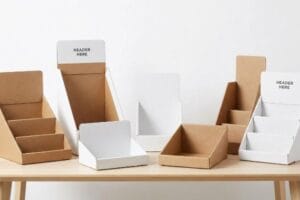
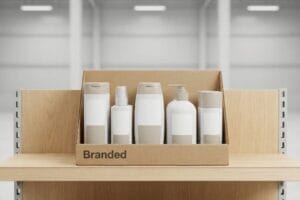
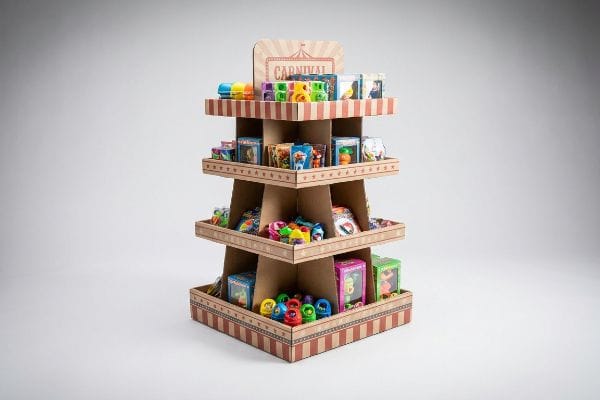
Um expositor de mesa de papelão para brindes de carnaval é um expositor compacto projetado para exibir itens promocionais de alta procura diretamente no ponto de venda. Utilizando estruturas de papelão ondulado em camadas, essas unidades maximizam a visibilidade de pequenos objetos, garantindo ao mesmo tempo o cumprimento das limitações de espaço em balcões de lojas com grande fluxo de pessoas.
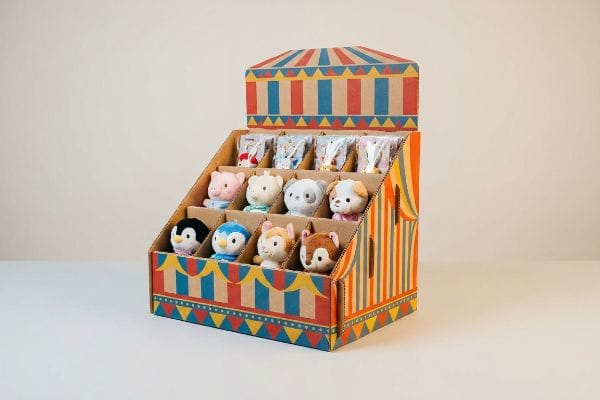
Embora a estética festiva atraia os clientes para o caixa, uma estrutura de papelão mal projetada irá ruir muito antes do fim da promoção. A ponte entre o design criativo e as leis da física da fabricação é o que diferencia um lançamento bem-sucedido de um dispendioso desperdício de materiais.
Quais são alguns bons prêmios de carnaval?
A criação de uma promoção envolvente começa com a seleção dos produtos certos, mas a execução física determina o desempenho real desses itens nas prateleiras.
Bons prêmios para feiras de diversões incluem itens de novidade densos e de alto impulso, como bichos de pelúcia, pequenos eletrônicos e doces embalados. Ao expor esses itens pesados em displays de mesa, os varejistas precisam de bases de papelão ondulado reforçadas, capazes de suportar cargas dinâmicas sem comprometer a integridade estrutural ou o apelo estético da unidade durante campanhas prolongadas.
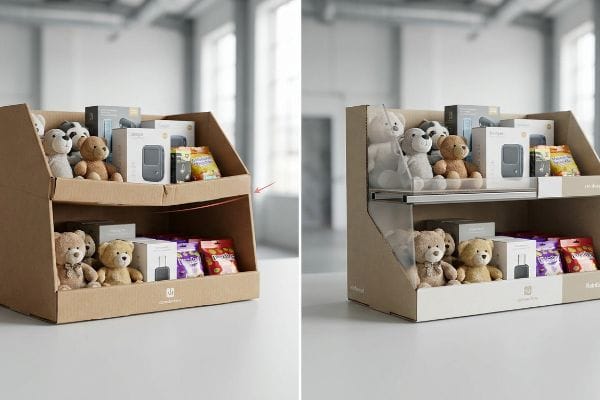
A comercialização desses itens parece simples na tela do computador. No entanto, ao colocar produtos densos em caixas de papelão, as limitações físicas ocultas se revelam rapidamente.
Como evitar que as prateleiras cedam sob o peso de prêmios de parques de diversões
Até mesmo designers veteranos frequentemente ignoram esse ponto cego ao projetar expositores de mesa. Eles projetam uma prateleira padrão de papelão ondulado com 60,9 cm (24 polegadas) de largura¹,presumindo que o material base suporte fileiras de produtos compactados. Quando o protótipo físico é colocado em um escritório com ar-condicionado, o papelão parece perfeitamente estável, levando as equipes de compras a aprovarem a produção sem questionar.
Constantemente vejo essa armadilha de iniciante se desenrolar durante a montagem da prateleira. Um funcionário carrega 6,8 kg de bichos de pelúcia e objetos pesados naquela borda frontal larga e sem reforço. Em poucas horas, o centro da prateleira cede drasticamente, e eu consigo literalmente ouvir o som fraco de fibras de papel cru se rasgando ao ultrapassarem seu limite. Para salvar a prateleira, os funcionários recorrem a camadas de fita adesiva transparente feia e pegajosa nos cantos rasgados, destruindo instantaneamente a imagem premium da marca. A solução é surpreendentemente simples, mas requer intervenção estrutural: integramos uma barra de suporte de metal oculta diretamente sob a borda frontal de retenção, transferindo matematicamente o peso dinâmico para longe da borda vulnerável de papele eliminando completamente a flacidez central.
| Erro comum de iniciantes | A solução profissional | Benefício do piso de vendas |
|---|---|---|
| Apoiando-se em prateleiras largas de papelão ondulado sem suporte | Integração de uma barra de suporte oculta em tubos de aço3 | Impede completamente a flacidez central e o derramamento do produto |
| Ignorando a alta concentração de prêmios pequenos | Cálculo dos limites de peso específicos por nível | Elimina a necessidade de soluções improvisadas e feias com fita adesiva |
| Utilizando placas de parede simples para itens de novidade pesados | Reforço das zonas de suporte de carga para paredes duplas4 | Mantém a apresentação impecável durante toda a campanha |
Campanhas de varejo lucrativas dependem de reforço estrutural para suportar cargas desde o primeiro dia. Projetar para peso estático é um exercício teórico; projetar para a realidade dinâmica do varejo protege suas margens de lucro.
🛠️ Mesa do Harvey: Tem certeza de que a sua prateleira atual suporta itens de novidade densos sem deformar em uma loja úmida? 👉 Faça uma verificação gratuita da tolerância estrutural ↗ — Acesso direto à minha mesa. Zero spam de vendas automatizado, prometo.
Como decorar como se fosse um carnaval?
Um tema festivo depende inteiramente da reprodução de cores vivas e chamativas, mas a transposição de arte digital para materiais de embalagem brutos apresenta obstáculos químicos significativos.
Decorar como um carnaval envolve o uso de elementos visuais de alto contraste, como tendas listradas recortadas e cabeçalhos luminosos. Para reproduzir essa estética vibrante com precisão em papelão ondulado poroso, as marcas precisam migrar da mistura óptica de pontos padrão para a aplicação precisa de tinta em cores especiais, garantindo máxima visibilidade nas prateleiras do varejo.
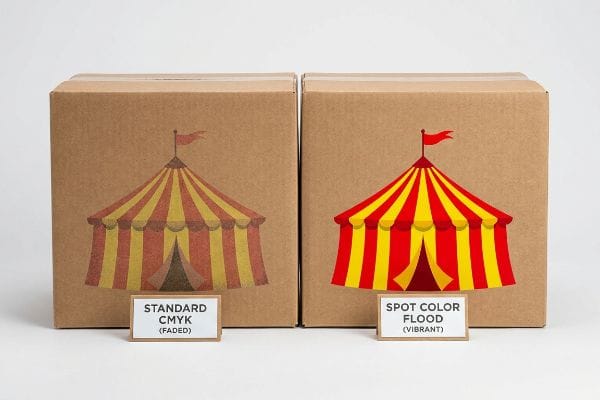
Fazer com que essas cores vibrantes e nostálgicas se destaquem exige mais do que apenas um bom designer gráfico. Exige um profundo conhecimento de como o pigmento líquido interage com a fibra do papel.
A armadilha do CMYK nos gráficos coloridos de carnaval
As equipes de marketing frequentemente enviam artes gráficas belíssimas e vibrantes, com os clássicos vermelhos e amarelos de carnaval. Elas configuram seus arquivos no formato CMYK padrão (Ciano, Magenta, Amarelo, Cores Principais), presumindo que a impressora industrial reproduzirá perfeitamente as cores brilhantes que veem em seus monitores retroiluminados.Elas aprovam as provas digitais e enviam os arquivos diretamente para a fábrica, sem questionar os detalhes da impressão.
Isso causa uma enorme decepção visual quando a imagem é exposta à forte iluminação fluorescente de uma loja. A impressão convencional depende de minúsculos pontos de meio-tom sobrepostos. Quando esses pontos atingem o papelão ondulado cru e poroso, são absorvidos de forma irregular pelas fibras6, e o cheiro de tinta seca logo é acompanhado por uma aparência granulada, desbotada e turva. É uma armadilha comum que pega até mesmo equipes de compras experientes. Minha regra é rígida: para qualquer arte principal de parque de diversões, exijo um Protocolo de Preenchimento com Cores Especiais usando tintas PMS (Pantone Matching System) exatas7.Isso substitui a mistura óptica de pontos por uma aplicação sólida e pré-misturada de pigmento denso, garantindo que a arte permaneça nítida e visualmente impactante a até nove metros de distância.
| Erro comum de iniciantes | A solução profissional | Benefício do piso de vendas |
|---|---|---|
| Impressão de tendas vermelhas sólidas usando arquivos CMYK padrão | Exigir o uso de tinta com cores especiais Pantone (PMS) em abundância8 | Proporciona uma disrupção visual ultrabrilhante e de alto contraste |
| Aprovação de cores baseada estritamente em um monitor digital | Análise de rebaixamentos físicos com um espectrofotômetro9 | Elimina o desbotamento das cores sob iluminação intensa de lojas |
| Permitir que a tinta líquida penetre profundamente na placa porosa | Utilizando revestimentos aquosos de alto brilho e alto teor de sólidos sobre a tinta10 | Protege os gráficos contra arranhões durante o reabastecimento |
A transição da mistura óptica de pontos para a impressão com pigmento sólido é uma etapa obrigatória para a identidade visual da marca. Ela garante matematicamente que seus displays não se perderão em meio ao ruído de fundo do corredor.
🛠️ Mesa do Harvey: Seus vermelhos vibrantes de carnaval vão se transformar em um laranja desbotado e sem vida ao entrarem em contato com o papelão poroso? 👉 Solicite uma auditoria de arquivos de pré-impressão ↗ — Baixe com segurança. Minha caixa de entrada está aberta caso tenha alguma dúvida posteriormente.
Como montar uma barraca de carnaval?
A transição de uma peça plana de papelão para uma unidade de merchandising tridimensional exige uma engenharia estrutural simplificada para evitar grandes gargalos na montagem.
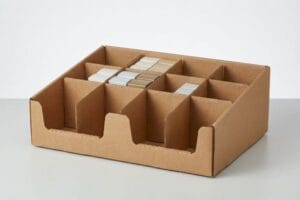
A construção de uma barraca de feira exige o cumprimento rigoroso de princípios simplificados de engenharia estrutural. As marcas geralmente utilizam bandejas modulares de papelão ondulado pré-coladas que transformam embalagens planas em expositores de mesa totalmente funcionais em segundos, eliminando completamente a necessidade de dobragem manual complexa e mitigando efetivamente os custos e atrasos na montagem de embalagens terceirizadas.
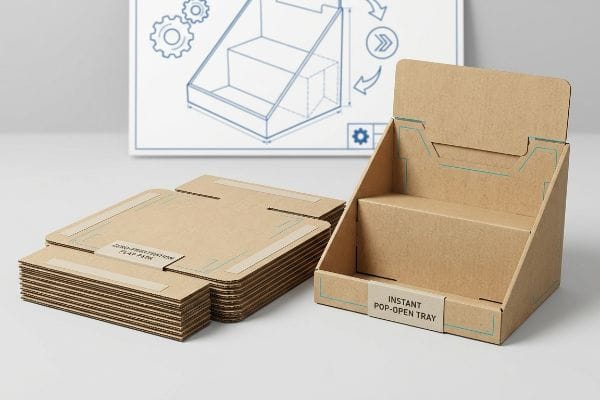
Um design belíssimo é completamente inútil se a empresa de embalagem não conseguir montá-lo de forma eficiente. O custo real de um expositor muitas vezes está embutido no tempo de montagem.
Bandejas modulares pré-coladas para barracas de carnaval instantâneas
As marcas tentam constantemente minimizar seus custos iniciais de ferramental criando matrizes de corte totalmente planas¹¹que exigem uma enorme quantidade de manipulação manual. Elas presumem que economizar alguns centavos em cola de fábrica resultará em uma campanha geral mais barata. As folhas planas chegam à central de embalagem acompanhadas de manuais de instruções complexos e repletos de texto, que se parecem mais com um quebra-cabeça de origami avançado do que com uma estratégia de varejo.
Imagine comprar móveis baratos desmontáveis sem um guia visual; a frustração é instantânea. Presencio esse desastre regularmente durante estudos de tempo na linha de montagem. Quando os trabalhadores são obrigados a sequenciar manualmente vinte abas dobráveis diferentes para criar um único estande de vários níveis, inevitavelmente cometem erros, e a resistência rígida do papelão kraft virgem se manifesta. Eles amassam a ondulação interna, reduzindo a velocidade da linha de montagem em cerca de 30%¹²e eliminando completamente a margem de lucro do projeto. Minha solução elimina completamente esse trabalho manual. Projetamos bandejas modulares pré-coladas "Zero Frustração" diretamente na fábrica. Ao aplicar adesivo PVA (acetato de polivinila) estrategicamente¹³durante a produção, o expositor se abre com um único movimento ao chegar, reduzindo o tempo de montagem de minutos para segundos.
| Erro comum de iniciantes | A solução profissional | Benefício do piso de vendas |
|---|---|---|
| Fornecimento de embalagens planas complexas com dobras no estilo origami | Engenharia de bandejas modulares empilháveis pré-coladas | Reduz drasticamente o tempo de trabalho de montagem em co-embalagem14 |
| Esperar que trabalhadores temporários leiam manuais complexos | Criando projetos estruturais de abertura instantânea | Evita que as abas se rasguem e as ranhuras sejam amassadas durante a montagem15 |
| Em busca do menor custo unitário inicial | Cálculo do custo total da indisponibilidade da linha de produção | Garante que a campanha chegue às lojas dentro do prazo |
Quebra-cabeças de origami complexos não têm lugar em linhas de montagem de varejo de alta velocidade. Eliminar o atrito da dobradura manual é a maneira de realmente proteger o retorno sobre o investimento (ROI) da sua promoção.
🛠️ Harvey's Desk: Seus funcionários vão perder vinte minutos lutando com abas de papelão cruas só para montar seu estande? 👉 Solicite sua Simplificação Estrutural Gratuita ↗ — Sem formulários que geram ligações intermináveis de vendas. Apenas valor puro.
Quais são boas decorações com tema de carnaval?
A execução de grandes elementos visuais temáticos exige uma compreensão de como as matérias-primas se comportam sob estresse ambiental ao longo de longos períodos.
Boas decorações com tema de carnaval utilizam elementos estruturais grandes, como cartões de cabeçalho recortados. No entanto, para evitar que esses elementos visuais expansivos se curvem para trás com o tempo, os engenheiros de displays reforçam a estrutura de papelão com lombadas de parede dupla dobradas, garantindo que a mensagem promocional permaneça perfeitamente rígida durante toda a distribuição no varejo.
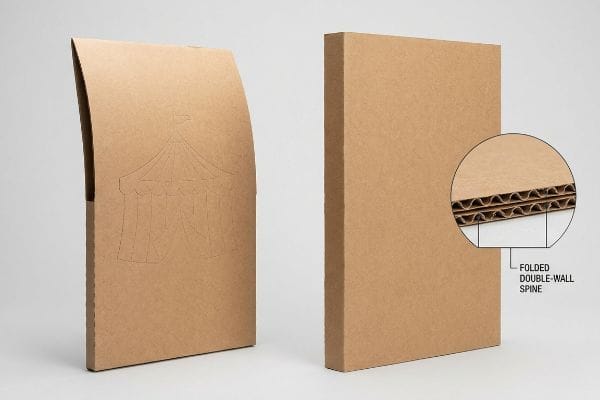
Mas conhecer a teoria não basta quando as máquinas começam a funcionar. O ambiente dentro de uma loja de varejo ataca agressivamente elementos de papelão de grandes dimensões.
Por que os cabeçotes altos da Carnival falham na linha de produção?
As equipes de design adoram desenhar enormes tendas de carnaval e rodas-gigantes recortadas que se elevam acima da unidade principal da mesa. Elas especificam uma placa de papelão ondulado padrão de parede simples, presumindo que, como o cabeçalho não suporta o peso físico do produto, não precisa de reforço estrutural. Essa suposição aparentemente razoável baseia-se puramente na estética visual, ignorando completamente a física do ambiente de longo prazo da colocação na loja .
Fazer um único display ficar em pé em um laboratório é fácil, mas eis a dura realidade quando se envia 500 deles para regiões úmidas. Em minhas instalações, testo rotineiramente esses cabeçalhos superdimensionados em câmaras de climatização. Quando um cabeçalho de parede simples de 50,8 cm (20 polegadas) de altura absorve a umidade ambiente ao longo de três semanas, as fibras de papel se expandem fisicamente em um dos lados.Sem uma força contrária, toda a estrutura se curva agressivamente para trás, assemelhando-se a uma batata frita dobrada e arruinando o impacto visual. Fiz as medições com micrômetro e comprovei que não precisávamos mudar para plásticos rígidos caros. Em vez disso, exigi uma estrutura rigorosa de parede dupla dobrada para qualquer cabeçalho com mais de 35,5 cm (14 polegadas). Dobrando matematicamente a placa ECT de 32 mm sobre si mesmae travando as ondulações perpendicularmente, neutralizamos a tensão superficial. Ao impor esse simples ajuste estrutural, garanto que o tempo de montagem da embalagem conjunta permaneça baixo, ao mesmo tempo que asseguro que a principal mensagem de marketing da marca nunca se deforme sob a umidade do varejo.
| Erro comum de iniciantes | A solução profissional | Benefício do piso de vendas |
|---|---|---|
| Utilizando cabeçalhos de parede simples de grandes dimensões para decoração visual | Exigência de espinhas dorsais estruturais dobradas de parede dupla19 | Impede completamente que o cabeçalho se curve para trás |
| Ignorar a umidade ambiente durante campanhas de longa duração em lojas | Contrariando a expansão da fibra de papel pela umidade20 | Mantém a mensagem promocional principal perfeitamente legível |
| Substituição por materiais plásticos caros para corrigir deformações | Utilizando alinhamento perpendicular de ondulações corrugadas21 | Protege o orçamento, ao mesmo tempo que oferece rigidez de alta qualidade |
Nunca confie na umidade ambiente da loja para proteger seu ativo de marketing mais importante. Uma geometria estrutural rígida é a única defesa verdadeira contra a deterioração ambiental a longo prazo.
🛠️ Mesa do Harvey: Não deixe que uma falha estrutural de 2 milímetros arruine o lançamento em 500 lojas. 👉 Envie-me seu arquivo de corte ↗ — Vou testar os cálculos antes que você desperdice seu orçamento com produção em massa.
Conclusão
Você pode escolher um fornecedor mais barato, mas quando aquele cabeçalho de corte único se curva para trás em um armazém úmido, isso resulta em rejeição imediata por parte do varejista e semanas de retrabalho manual dispendioso. Esta é a especificação exata que meus 10 principais clientes varejistas usam para garantir zero rejeições de impressão. Pare de adivinhar as tolerâncias ambientais e deixe-me pessoalmente analisar seus arquivos estruturais com minha Auditoria Prévia de Corte Gratuita ↗ para detectar erros fatais de empenamento antes que você pague pela produção em massa.
"14 Tipos de Expositores para Varejo | Chicago, IL – Wertheimer Box", https://wertheimerbox.com/types-of-retail-displays/. As especificações de embalagens da indústria fornecem dimensões padrão para expositores de mesa em pontos de venda, a fim de verificar as larguras básicas comuns. Função da evidência: verificação factual; tipo de fonte: manual de normas da indústria. Apoia: a largura de 61 cm (24 polegadas) como uma largura básica típica de design. Observação: as dimensões podem variar de acordo com o varejista ou a categoria do produto .
"DESIGN ESTRUTURAL DE EXPOSITORES PARA VAREJO INTERATIVO…", https://www.bcipkg.com/display-structural-design-for-interactive-retail-displays/ . Explicação técnica de como os reforços estruturais na engenharia de embalagens redistribuem a tensão para evitar falhas por tração e fadiga do material. Papel da evidência: validação técnica; tipo de fonte: manual de engenharia de embalagens. Suportes: a eficácia das barras de suporte metálicas na eliminação da flacidez nas prateleiras. Nota de escopo: aplica-se especificamente a displays de papelão ondulado de alta carga.
"Mais de 10 maneiras de restaurar prateleiras arqueadas – YouTube", https://www.youtube.com/watch?v=1QJqUj4zT0E. Explicação técnica de como o reforço interno de aço reduz a deflexão e evita o arqueamento em expositores de papelão ondulado de grande vão. Papel da evidência: verificação técnica; tipo de fonte: guia de engenharia de expositores. Fundamentos: a eficácia das barras de aço na prevenção do arqueamento central. Nota de escopo: específico para expositores de papelão ondulado para varejo .
"Projeto Ótimo de Embalagens de Papelão Ondulado de Parede Dupla – PMC", https://pmc.ncbi.nlm.nih.gov/articles/PMC8950760/. Dados comparativos sobre o teste de resistência à compressão de borda (ECT) e a resistência ao empilhamento de papelão ondulado de parede dupla versus alternativas de parede simples. Papel da evidência: especificação do material; tipo de fonte: norma da indústria de embalagens. Apoia: o uso de papelão de parede dupla para itens pesados. Nota de escopo: refere-se a zonas estruturais de suporte de carga. ↩
"RGB vs. CMYK: O Guia de 2026 para Cores Perfeitas na Impressão", https://www.jukeboxprint.com/blog/rgb-vs-cmyk-for-print?srsltid=AfmBOoqE2R-kWTKzfQu801k0ShK6VH7P5P559msACL1lQlTziNYfovCL . Fontes confiáveis sobre ciência das cores explicam a diferença fundamental entre o modelo de cores aditivo RGB usado em telas e o modelo subtrativo CMYK usado na impressão. Papel da evidência: verificação técnica; tipo de fonte: manual de teoria das cores. Apoia: a afirmação de que as cores digitais em monitores retroiluminados não podem ser perfeitamente replicadas por meio da impressão CMYK padrão. Nota de escopo: aplica-se a fluxos de trabalho gerais de impressão digital.
"[PDF] 1. Ganho de ponto é o aumento do tamanho dos pontos de meio-tom à medida que a tinta é absorvida...", https://www.coloradomesa.edu/art/documents/student-resources/study-guide-2019.pdf. Textos sobre ciência de embalagens descrevem como a porosidade do papelão ondulado não tratado leva à dispersão descontrolada da tinta e ao ganho de ponto. Papel da evidência: mecanismo físico; tipo de fonte: manual de ciência dos materiais. Argumenta: alegação de que fibras porosas causam visuais turvos. Nota de escopo: refere-se ao testliner de papelão ondulado não revestido. ↩
"PMS vs CMYK para Embalagens: Qual é a Melhor Opção? – PAX Solutions", https://pax.solutions/corrugated-packaging/pms-vs-cmyk-for-packaging/. As normas de impressão indicam que as cores especiais proporcionam maior opacidade e consistência de cor em materiais absorventes em comparação com a mistura de meios-tons. Papel da evidência: especificação técnica; tipo de fonte: norma da indústria gráfica. Argumentos: uso de tintas PMS para visibilidade no varejo. Observação sobre o escopo: especificamente para cores saturadas da marca .
"Entendendo os diferentes espaços de cores – Pantone", https://www.pantone.com/articles/color-fundamentals/understanding-different-color-spaces?srsltid=AfmBOooLYcp_-6OecPGZRaI3RzUeNkeU-e79T-kRm253idmeq_5m1G2m. Os padrões profissionais de impressão explicam por que as tintas PMS (Pantone Matching System) oferecem maior saturação e vivacidade do que as cores do processo CMYK. Papel da evidência: Validação técnica; tipo de fonte: Manual da indústria. Apoia: Uso de cores especiais para criar impacto visual de alto contraste. Nota de escopo: Específico para cores de alta saturação, como o vermelho .
"Espectrofotometria de Alta Precisão no Laboratório Nacional de Física", https://pmc.ncbi.nlm.nih.gov/articles/PMC6716048/ . Guias técnicos sobre colorimetria explicam como os espectrofotômetros medem a luz refletida para garantir a precisão das cores , independentemente do ambiente de visualização. Papel da evidência: Verificação da metodologia; tipo de fonte: Norma científica. Benefícios: Eliminação da discrepância de cores sob iluminação comercial. Observação sobre o escopo: Requer testes físicos de impressão com tinta.
"O que é revestimento aquoso? Benefícios, aplicações e por que é importante…", https://millionpack.com/aqueous-coating/. As especificações de ciência dos materiais descrevem como revestimentos aquosos com alto teor de sólidos criam uma barreira polimérica que aumenta a resistência à abrasão em substratos porosos. Papel da evidência: Comprovação da propriedade do material; tipo de fonte: Ficha técnica da embalagem. Aplicações: Proteção de gráficos contra arranhões. Observação: A eficácia varia de acordo com a espessura do revestimento .
"Planejamento de Embalagem e Logística para Displays de Varejo – Frank Mayer", https://www.frankmayer.com/blog/packaging-and-logistics-planning-for-retail-displays/. Breve explicação de como uma fonte externa confiável corrobora a relação custo-benefício entre os custos iniciais de ferramentas de fabricação e a mão de obra de montagem subsequente. Papel da evidência: verificação técnica; tipo de fonte: análise da indústria de embalagens. Apoia: a afirmação de que designs de embalagens planas reduzem os custos iniciais, mas aumentam a complexidade da montagem. Nota de escopo: específico para engenharia de displays de papelão ondulado .
"Fatores que afetam erros humanos em processos de montagem manual", https://encyclopedia.pub/entry/52672. Verificação de como a deformação do material e os erros de sequenciamento manual em embalagens de papelão ondulado levam a perdas mensuráveis de produtividade. Papel da evidência: suporte quantitativo; tipo de fonte: estudo de tempos e movimentos em engenharia industrial. Fundamentos: o custo dos gargalos na montagem manual. Nota sobre o escopo: a porcentagem específica pode variar de acordo com a complexidade do estande .
"Processo de produção e adesivos para papelão ondulado", https://patents.google.com/patent/US4824696A/en. Confirmação técnica da eficácia do acetato de polivinila como adesivo estrutural para papelão ondulado pré-colado. Papel da evidência: especificação técnica; tipo de fonte: ficha técnica de ciência de materiais. Apoia: a viabilidade do método de fabricação "Zero Frustração". Nota de escopo: concentra-se na resistência da colagem e na flexibilidade do papelão kraft virgem .
"Por que os displays desmontáveis economizam mais do que apenas custos de envio", https://www.samtop.com/flat-pack-retail-displays-cost-benefits/ . Breve explicação de como uma fonte externa confiável apoia essa afirmação. Papel da evidência: suporte quantitativo; tipo de fonte: estudo de caso de logística ou cadeia de suprimentos. Argumentos : eficiência da mão de obra em bandejas modulares. Nota de escopo: aplicável à montagem de displays para varejo.
"Papelão Ondulado para Expositores de Varejo – PopDisplay", https://popdisplay.me/corrugate-flutes-for-retail-displays/. Breve explicação de como uma fonte externa confiável apoia essa afirmação. Papel da evidência: validação técnica; tipo de fonte: manual de engenharia de embalagens. Apoia: estabilidade e durabilidade de designs de movimento único. Nota de escopo: foco nas propriedades do material de papelão ondulado. ↩
"Avaliações do Ciclo de Vida do Papelão Ondulado – Associação Fibre Box", https://www.fibrebox.org/life-cycle-assessments/. Explicação técnica de como as flutuações na umidade e temperatura ambiente em ambientes de varejo fazem com que materiais higroscópicos à base de papel se deformem ou enrolem. Papel da evidência: fundamento técnico; tipo de fonte: manual de engenharia de embalagens. Apoia: a afirmação de que o papelão de parede simples é insuficiente para cabeçalhos altos e sem suporte. Nota de escopo: aplica-se especificamente ao papelão ondulado .
"Influência da umidade e da temperatura nas propriedades mecânicas de…", https://bioresources.cnr.ncsu.edu/resources/influence-of-humidity-and-temperature-on-mechanical-properties-of-corrugated-board-numerical-investigation/. Explicação técnica de como a absorção de umidade causa expansão diferencial nas fibras do papel, levando ao empenamento estrutural. Papel da evidência: mecanismo; tipo de fonte: periódico de ciência dos materiais. Apoia: a causa do enrolamento da borda em regiões úmidas. Nota de escopo: Aplica-se especificamente a materiais de embalagem à base de celulose. ↩
"[PDF] Especificações de Papelão Ondulado – Associação Fibre Box", https://www.fibrebox.org/assets/2025/09/Walmart_Corrugated-Board_Specifications_Automation_Packaging_Standards.pdf. Verificação das propriedades estruturais do papelão 32 ECT (Teste de Compressão de Borda) e o efeito da parede dupla na rigidez. Papel da evidência: especificação técnica; tipo de fonte: manual de engenharia de embalagens. Fundamentos: o uso de papelão 32 ECT para evitar deformações. Nota de escopo: foco em padrões da indústria para resistência à compressão de borda. ↩
"Comparando caixas de parede simples e parede dupla: entendendo as diferenças...", https://arvco.com/articles/comparing-single-wall-and-double-wall-boxes-understanding-the-differences/. Um padrão da indústria para engenharia de embalagens que demonstra como a construção de parede dupla aumenta a resistência à compressão e evita deformações. Papel da evidência: verificação técnica; tipo de fonte: manual de engenharia. Apoia: a afirmação de que as lombadas de parede dupla evitam o enrolamento da parte superior. Nota de escopo: aplica-se a materiais de celulose ondulados .
"[PDF] A INFLUÊNCIA DA GRAMATURA, TEOR DE UMIDADE, FIBRAS…", https://bioresources.cnr.ncsu.edu/wp-content/uploads/2019/04/2009.1.355.pdf. Explicação científica do comportamento higroscópico das fibras de celulose, que causa alterações dimensionais em produtos à base de papel quando expostos à umidade. Papel da evidência: fato científico; tipo de fonte: livro didático de ciência dos materiais. Fundamentos: a relação entre umidade e expansão das fibras. Nota de escopo: foco em fibras à base de celulose. ↩
"Métodos de teste e efeitos da flambagem entre as ondulações – BioResources", https://bioresources.cnr.ncsu.edu/resources/overview-of-recent-studies-at-ipst-on-corrugated-board-edge-compression-strength-testing-methods-and-effects-of-interflute-buckling/. Orientação técnica sobre como orientar as ondulações perpendicularmente ao ponto de tensão maximiza a capacidade de suportar carga vertical e a rigidez. Papel da evidência: especificação técnica; tipo de fonte: guia de fabricação. Apoia: a afirmação de que o alinhamento das ondulações proporciona rigidez. Nota de escopo: específico para papelão ondulado. ↩