Você acabou de desembalar um pedido de roupas de alta qualidade, e a embalagem parece resistente demais para ser descartada. Mas antes de reutilizá-la para envio ou armazenamento de itens pesados, entenda suas limitações.
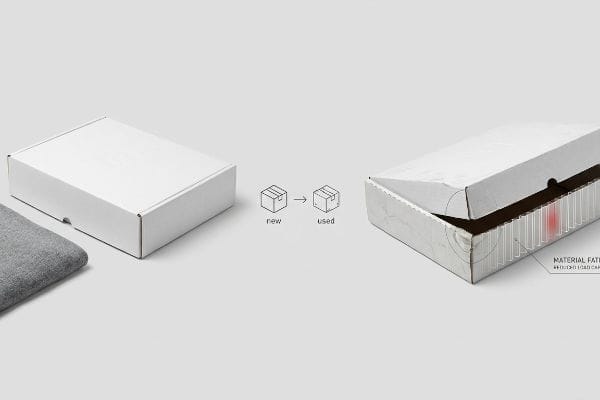
Reutilizar caixas de roupas após a abertura requer compreensão da fadiga do material. Embora o papelão ondulado pareça rígido inicialmente, suas ondulações internas perdem a capacidade de carga dinâmica após o primeiro transporte. Reutilizá-las para envios B2B (Business-to-Business) de alto peso geralmente leva ao colapso estrutural, tornando-as mais adequadas para armazenamento interno de itens leves.
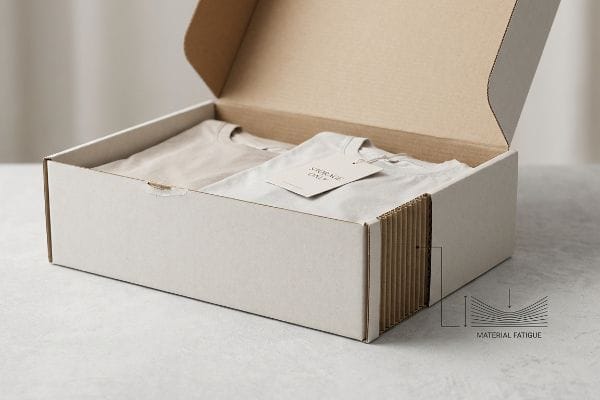
Muitas marcas e consumidores tentam otimizar a logística reciclando essas embalagens atraentes, mas a física não se importa com a estética.
Como reutilizar uma caixa de presente?
Reutilizar uma caixa de presente parece uma maneira inteligente de reduzir os custos com embalagens secundárias, especialmente para startups que estão financiando suas operações de logística com recursos próprios.
Para reutilizar uma caixa de presente com segurança, é fundamental avaliar rigorosamente a fadiga das suas ondulações. As embalagens de envio B2C (Business-to-Consumer) absorvem microimpactos e umidade durante o transporte inicial, desgastando permanentemente as fibras do papel. Reutilizar essas embalagens estruturalmente comprometidas para o transporte de cargas pesadas reduz drasticamente a resistência à compressão e aumenta o risco de danos durante o transporte.
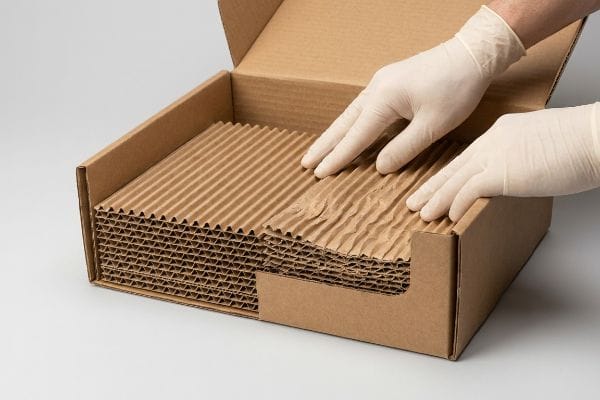
Um revestimento externo impecável pode facilmente ocultar os danos mecânicos invisíveis que se escondem no interior das paredes onduladas.
O custo oculto da reutilização de uma caixa de presente para frete de saída
Os fundadores frequentemente tentam otimizar sua logística reutilizando caixas de e-commerce recebidas para o atendimento de pedidos de varejo B2B. Eles presumem que, se uma caixa parece visualmente intacta, ela mantém sua resistência original de fábrica¹.Isso cria uma falsa economia perigosa, onde a economia inicial de material é rapidamente anulada por falhas posteriores.
Vejo essa armadilha constantemente ao avaliar cargas danificadas. As ondulações do papelão atuam como amortecedores mecânicos e, durante sua primeira viagem como encomenda, absorvem vibrações que causam fadiga permanente nas fibras do papel².Ao apertar uma caixa reutilizada, você pode sentir fisicamente a resistência macia e perdida das ondulações, em vez do estalo seco e firme do papel kraft virgem. Se um funcionário de loja embala mercadorias pesadas nessas caixas desgastadas, causa uma perda enorme e invisível de resistência à compressão³,praticamente garantindo o colapso da camada inferior sob o peso de cargas paletizadas.
| Erro comum de iniciantes | A solução profissional | Benefício do piso de vendas |
|---|---|---|
| Envio de itens pesados em embalagens reutilizadas | Mandato ISTA 6 - Amazon SIOC testou remetentes virgens4 | Elimina completamente os danos durante o transporte |
| Confiar na aparência da caixa visual | Teste a rigidez física das flautas5 | Evita estornos dispendiosos por parte do varejista6 |
| Empilhamento de caixas reutilizadas em paletes | Limite a reutilização a itens de armazenamento leves e que não suportem carga | Impede instantaneamente o esmagamento da camada inferior |
Exijo o uso de material virgem em todas as cargas comerciais de saída. Reutilizar caixas estruturalmente comprometidas é um risco que, em última análise, atrasa a linha de montagem em cerca de 30% devido a rupturas inesperadas durante o transporte.
🛠️ Mesa do Harvey: Não tem certeza se a sua embalagem secundária aguenta o transporte? 👉 Solicite uma Auditoria de Embalagem ↗ — Acesso direto à minha mesa. Zero spam de vendas automatizado, prometo.
Quais são as últimas tendências em caixas de presente?
As experiências de unboxing premium estão evoluindo rapidamente, levando os engenheiros estruturais a buscarem o equilíbrio entre a estética luxuosa e a exigente capacidade de carga física.
As últimas tendências em caixas de presente priorizam tratamentos táteis de superfície, como o baixo-relevo, em detrimento do tradicional relevo externo. Ao pressionar o substrato de papelão para dentro, as ondulações internas são densificadas, formando um bloco sólido. Isso preserva a integridade estrutural, garantindo um teste rigoroso de resistência à compressão de bordas (ECT), e proporciona uma experiência sensorial luxuosa e de alto contraste para o consumidor final.
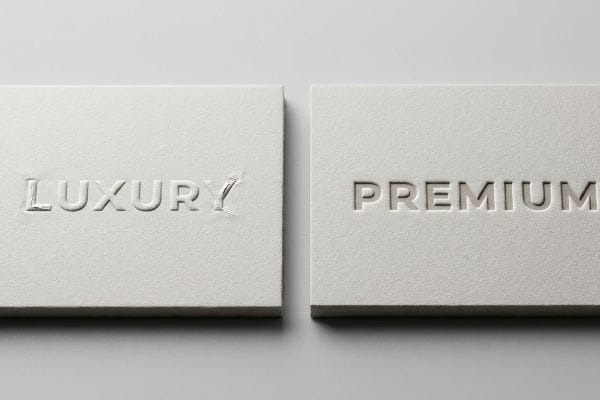
No entanto, seguir essas tendências táteis premium sem entender a física da compressão da placa geralmente leva a desastres estruturais.
Por que o relevo interno supera o relevo externo nas tendências de caixas de presente?
Os designers gráficos frequentemente tratam os efeitos táteis 3D, como relevo e baixo-relevo, como escolhas estéticas intercambiáveis para embalagens premium. Eles presumem que a criação de um logotipo em relevo ou uma textura rebaixada terá exatamente o mesmo impacto na rigidez estrutural do cartão7.
Eis a realidade física que destaco quando os clientes desejam relevo metalizado 3D pesado em painéis estruturais. O relevo externo estica agressivamente o revestimento de papel superior8, afinando as fibras até que se ouça um leve som de rasgo quando a matriz metálica impacta. Isso acarreta o risco de microfraturas sob cargas pesadas de mercadorias. Por outro lado, inverter a ferramenta para realizar o rebaixo direciona a matriz para baixo, comprimindo as ondulações9 sem esgotar a elasticidade do revestimento externo. Esse microajuste preserva a integridade estrutural da placa, evitando que os clientes sofram um colapso catastrófico da caixa, ao mesmo tempo que proporciona uma aparência sofisticada.
| Erro comum de iniciantes | A solução profissional | Benefício do piso de vendas |
|---|---|---|
| Relevo externo nas linhas de vinco | Utilize o relevo interno para logotipos táteis | Preserva a resistência à compressão da caixa bruta10 |
| Tratar todos os efeitos 3D de forma igualitária | Comprima as ranhuras para baixo para densificar a placa11 | Impede microfraturas sob cargas pesadas |
| Esticar demais as fibras do papel | Especifique uma zona de exclusão de relevo | Elimina completamente as rupturas nas linhas de dobra12 |
Durante a fase de projeto CAD (Desenho Auxiliado por Computador), sempre desloco matematicamente as texturas mais profundas para longe das dobras estruturais primárias. Preservar a densidade das fibras é imprescindível para que os cantos da caixa permaneçam intactos para a exposição no ponto de venda.
🛠️ Harvey's Desk: Seus acabamentos táteis premium estão comprometendo a resistência à compressão da sua embalagem? 👉 Solicite uma Análise Estrutural Gratuita ↗ — Baixe com segurança. Minha caixa de entrada está aberta caso tenha alguma dúvida.
Como reutilizar caixas de embalagem?
Armazenar ou organizar embalagens vazias para futura distribuição no varejo é uma estratégia comum para maximizar o espaço de armazenamento no depósito.
Para reutilizar caixas de embalagem de forma eficiente para armazenamento interno, é preciso levar em conta o atrito superficial. Ao encaixar bandejas pré-cheias ou caixas vazias com dimensões idênticas (1:1), o revestimento poroso se encaixa com muita força. Impor uma tolerância geométrica de deslocamento evita essa resistência excessiva e elimina rasgos durante o processo de desembalagem.
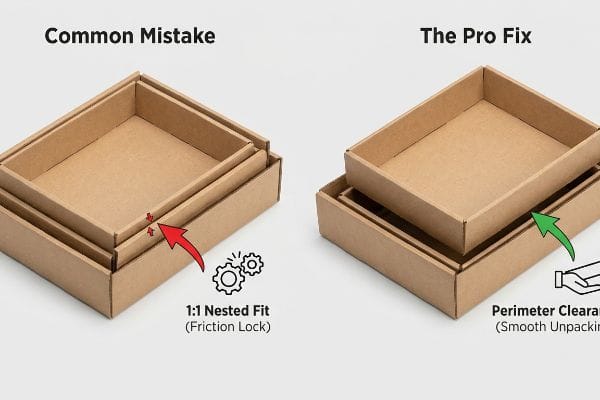
Projetar caixas que se encaixam perfeitamente umas nas outras fica ótimo em uma renderização 3D, mas ignora completamente a natureza abrasiva do papelão bruto.
Superando o atrito superficial ao reutilizar caixas de embalagem
As marcas frequentemente projetam caixas de transporte ou sistemas de armazenamento master para corresponder às dimensões externas exatas de suas bandejas internas, partindo do pressuposto de que um encaixe perfeito proporciona máxima proteção durante o transporteamaneira mais segura de armazenar e reutilizar elementos de embalagem.
É como tentar separar dois baldes de plástico empilhados que se uniram por sucção. Quando um funcionário apressado tenta retirar uma bandeja de 609,6 mm (24 polegadas) de uma caixa de transporte também de 609,6 mm (24 polegadas), as paredes de papelão cru se travam umas contra as outras . É possível ouvir o som alto e áspero das ondulações se encaixando. Essa enorme resistência força o funcionário a puxar com força os painéis frontais, inevitavelmente rasgando a aba de retenção impressa. Eu sempre implemento uma folga mínima de 6,35 mm (0,25 polegadas) no perímetro para evitar esse travamento por fricção.
| Erro comum de iniciantes | A solução profissional | Benefício do piso de vendas |
|---|---|---|
| Projetando dimensões de caixas aninhadas em escala 1:1 | Projete uma tolerância de deslocamento de 0,25 polegadas (6,35 mm)16 | Quebra o sistema de travamento por fricção para desembalar rapidamente |
| Ignorando o atrito da superfície do testliner | Adicione uma margem de segurança perimetral | Impede que os funcionários rasguem as bordas dos expositores |
| Armazenagem excessivamente apertada | Introduzir folgas de ar calculadas no CAD | Reduz o tempo de desembalagem em 35 segundos17 |
Exijo este protocolo de tolerância de deslocamento geométrico para todos os sistemas de embalagens aninhadas. Ao projetar essa margem matemática precisa, garanto uma experiência de desembalagem suave e sem rasgos para a equipe de varejo.
🛠️ Harvey's Desk: Seus vendedores estão destruindo as vitrines só para desembalá-las? 👉 Solicite sua Auditoria de Otimização de Processos ↗ — Sem formulários que geram ligações intermináveis de vendas. Apenas valor puro.
Como reciclar caixas de presente?
As normas de sustentabilidade estão forçando as marcas a repensarem suas estratégias de descarte de resíduos pós-consumo, especialmente no que diz respeito às embalagens de vestuário.
A forma de reciclar caixas de presente depende inteiramente da laminação química aplicada durante a fabricação. Muitas caixas de alta qualidade utilizam bioplásticos de PLA (ácido polilático) que repelem a água durante o processo padrão de repolpação, resultando em rejeições nos centros de reciclagem. A substituição desses filmes por revestimentos aquosos líquidos garante um processamento perfeito e sem atrito em tanques padrão de OCC (caixas de papelão ondulado usadas).
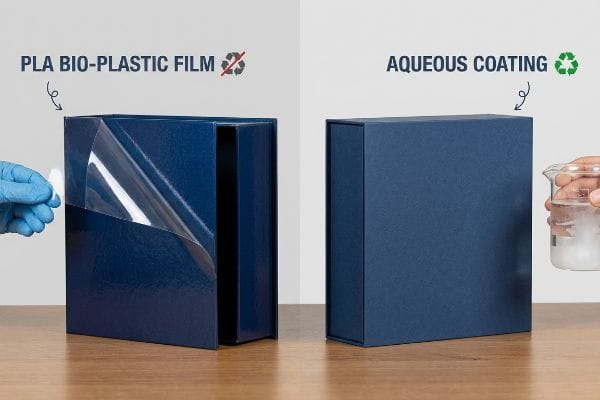
Mas conhecer a teoria não basta quando as máquinas começam a funcionar; as suposições químicas na tela do projetista se traduzem em enormes responsabilidades na instalação de reciclagem local.
Por que a laminação padrão falha no chão de fábrica
Os gestores de marcas frequentemente exigem laminação de bioplástico PLA18, assumindo que este filme à base de milho garante total conformidade ecológica para as suas embalagens de retalho de cartão ondulado. Confiam que, por ser tecnicamente derivado de plantas, o material passará sem problemas pelos fluxos de reciclagem municipais juntamente com os produtos de papel padrão19.
Na minha empresa, observo rotineiramente os efeitos desastrosos dessa suposição. O PLA forma uma película física sólida que repele a água agressivamente. Quando testo os processos padrão de repolpação, o bioplástico se separa teimosamente em um resíduo pesado que adere às paredes do tanque como cola úmida. Quando os centros de reciclagem municipais padrão interceptam essa película de bioplástico durante a triagem, toda a estrutura de papelão ondulado é rejeitada e desviada diretamente para um aterro sanitário.Fiz as medições com o micrômetro e comprovei que não precisávamos de películas plásticas caras para proteger a impressão — bastava um revestimento aquoso líquido direcionado sobre a placa. Como os acabamentos aquosos à base de água se dissolvem sem deixar um resíduo plástico pesado,a embalagem permanece 100% reciclável na coleta seletiva, eliminando completamente uma multa enorme de 15% para o varejista que a recebe.
| Erro comum de iniciantes | A solução profissional | Benefício do piso de vendas |
|---|---|---|
| Exigência de filmes de bioplástico PLA sólido | Aplicar protocolos de revestimento aquoso líquido | Mantém as caixas 100% recicláveis na coleta seletiva22 |
| Supondo que todos os filmes à base de plantas sejam reciclados23 | Use acabamentos à base de água que se dissolvam facilmente | Impede rejeições nos centros de reciclagem municipais |
| Misturar bioplásticos com papel bruto | Manter uma estrutura de papel monomaterial | Elimina as multas por descarte para varejistas a jusante24 |
Em todas as campanhas de varejo com exigências ecológicas, aplico rigorosamente um protocolo de revestimento aquoso líquido sobre filmes sólidos de PLA. Essa é a única maneira de garantir que o material permaneça sem atrito nos tanques padrão de fábricas de papel.
🛠️ Mesa do Harvey: Você sabe se o seu revestimento atual cria uma película sólida que impede a repolpação padrão? 👉 Envie-me seu arquivo de corte ↗ — Vou testar os cálculos antes que você desperdice seu orçamento com produção em massa.
Conclusão
Você pode optar por economizar enviando o estoque B2B em embalagens B2C desgastadas, mas quando essas ondulações fatigadas cedem sob o peso de um palete, o dano resultante provoca estornos imediatos por parte do varejista e elimina a margem do seu projeto. Mais de 500 gerentes de marca usam meu checklist de pré-impressão para evitar exatamente esses erros fatais no estágio inicial. Pare de arriscar sua logística com papelão estruturalmente comprometido e deixe-me analisar pessoalmente suas especificações estruturais por meio da minha Auditoria de Embalagens Gratuita ↗ para detectar falhas por fadiga antes que elas saiam do armazém.
"Estimativa da resistência à compressão de papelão ondulado…", https://pmc.ncbi.nlm.nih.gov/articles/PMC8467740/. Dados técnicos sobre papelão ondulado demonstram que a integridade estrutural e a capacidade de carga diminuem após o transporte inicial, independentemente da condição visual. Papel da evidência: verificação técnica; tipo de fonte: norma de engenharia de embalagens. Fundamentos: A imprecisão de assumir que a integridade visual equivale à resistência de fábrica. Nota de escopo: Refere-se especificamente à fadiga das ondulações .
"Comportamento dinâmico da borda do papelão ondulado danificada por…", https://pubmed.ncbi.nlm.nih.gov/41010207/. Explicação técnica de como o estresse mecânico e as vibrações degradam a estrutura celular das fibras do papelão ondulado durante o transporte. Papel da evidência: mecanismo técnico; tipo de fonte: periódico de ciência dos materiais. Fundamentos: fadiga das fibras do papel. Nota de escopo: aplica-se a embalagens de papelão ondulado de parede simples para envio comercial ao consumidor (B2C) .
"Estimativa da resistência à compressão de caixas de papelão ondulado…", https://pmc.ncbi.nlm.nih.gov/articles/PMC9864211/ . Dados empíricos sobre a redução dos valores do Teste de Compressão de Caixas (BCT) para embalagens de papelão ondulado reutilizadas em comparação com papelão kraft virgem. Papel da evidência: prova quantitativa; tipo de fonte: manual de engenharia de embalagens. Fundamentos: perda de resistência à compressão. Nota de escopo: foca em papelão ondulado reutilizado.
"Procedimentos de Teste", https://ista.org/test_procedures.php. Especificações técnicas da norma ISTA 6-Amazon SIOC para contêineres de transporte e seu impacto na redução de danos. Função da evidência: verificação de norma técnica; tipo de fonte: norma da indústria. Apoia: a exigência de que novos embarcadores atendam a testes de transporte específicos. Nota de escopo: refere-se especificamente aos requisitos de logística da Amazon .
"Embalagens de Papelão Ondulado com Design Inovador para…", https://bioresources.cnr.ncsu.edu/wp-content/uploads/2026/01/BioRes_21_1_2229_Tworzydlo_PSMPGG_Corrugated_Packaging_Design_Durability_Transport_25399.pdf . Explicação científica de como a integridade estrutural e a resistência à compressão vertical das ondulações do papelão ondulado se degradam durante a reutilização. Papel da evidência: validação em ciência dos materiais; tipo de fonte: guia de engenharia de embalagens. Apoia: a necessidade de testar a rigidez das ondulações para garantir a capacidade de suportar carga. Nota de escopo: aplica-se a materiais de papelão ondulado.
"Quais erros de embalagem terceirizada levam o varejista a cobrar taxas...", https://www.industrialpackaging.com/blog/copacker-mistakes-retailer-chargebacks. Documentação das políticas do setor varejista referentes a penalidades financeiras (estornos) para embalagens que não atendem aos padrões de durabilidade ou conformidade. Função da evidência: validação de processos de negócios; tipo de fonte: política de logística do varejo. Fundamentos: a relação entre falhas na embalagem e penalidades financeiras. Observação sobre o escopo: os valores e os gatilhos para estornos variam de acordo com o varejista .
"O que é Relevo e Baixo-relevo em Embalagens", https://pakfactory.com/blog/embossing-and-debossing-packaging?srsltid . Análise técnica de fontes da ciência dos materiais ou engenharia estrutural demonstrando como a deformação da superfície para dentro versus para fora afeta a rigidez e a resistência ao esmagamento do papelão. Papel da evidência: verificação técnica; tipo de fonte: norma da indústria ou periódico de engenharia. Embasamento: a afirmação de que esses processos têm impactos diferentes na rigidez estrutural. Nota de escopo : aplicável a papelão ondulado e papelão de alta gramatura.
"Efeito da pressão de relevo nas propriedades mecânicas e na maciez… – PMC", https://pmc.ncbi.nlm.nih.gov/articles/PMC9228970/. Explicação técnica de como o relevo externo afeta a resistência à tração e a densidade de fibras de revestimentos de papelão. Papel da evidência: mecanismo técnico; tipo de fonte: manual de engenharia de embalagens. Suporte: risco de microfraturas sob carga. Nota de escopo: especificamente para papelão estrutural. ↩
"Embalagens de papelão ondulado com design inovador para…", https://bioresources.cnr.ncsu.edu/resources/corrugated-board-packaging-with-innovative-design-for-enhanced-durability-during-transport/. Validação de engenharia que demonstra que o rebaixo interno preserva a capacidade de carga comprimindo as ondulações em vez de esticar o revestimento externo. Papel da evidência: prova estrutural; tipo de fonte: estudo de ciência dos materiais. Fundamentos: preservação da integridade do papelão. Nota de escopo: aplica-se a substratos de papelão ondulado e canelado. ↩
"Relevo vs. Baixo-relevo: Saiba a diferença e qual usar...", https://www.wecustomboxes.com/blog/embossing-vs-debossing/ . Evidências técnicas de diretrizes de engenharia de embalagens explicando como o baixo-relevo evita o enfraquecimento estrutural causado pelo estiramento externo das fibras. Função da evidência: verificação técnica; tipo de fonte: manual de engenharia. Apoia: a afirmação de que o baixo-relevo mantém a resistência à compressão. Nota de escopo: aplica-se principalmente a papelão ondulado e rígido.
"Visão geral de estudos recentes no IPST sobre bordas de papelão ondulado…", https://bioresources.cnr.ncsu.edu/resources/overview-of-recent-studies-at-ipst-on-corrugated-board-edge-compression-strength-testing-methods-and-effects-of-interflute-buckling/. Dados de ciência dos materiais referentes à densificação das ondulações do papelão ondulado para aumentar a capacidade de carga e prevenir falhas. Papel da evidência: confirmação factual; tipo de fonte: artigo de ciência dos materiais. Apoia: a afirmação de que a compressão das ondulações impede microfraturas. Nota de escopo: específico para engenharia de painéis estruturais. ↩
"O que é uma linha de corte em embalagens? Corte, vinco, sangria e área de segurança", https://hopgiayvpn.com/what-is-a-dieline-in-packaging/. Normas de design de embalagens que detalham o uso de zonas de exclusão para evitar a sobre-extensão das fibras nos pontos de vinco. Papel da evidência: validação de melhores práticas; tipo de fonte: guia de design de embalagens. Argumenta: que as zonas de exclusão evitam o estouro da linha de dobra. Nota de escopo: refere-se a papéis de alta gramatura (GSM) .
"Danos no transporte não são inevitáveis: como embalagens inteligentes...", https://alom.com/packaging-transit-damage/. Análise técnica da teoria de que a eliminação de espaços vazios reduz a movimentação do produto e os danos potenciais durante o transporte. Papel da evidência: validação técnica; tipo de fonte: artigo de pesquisa em logística. Fundamentos: lógica da proteção no transporte. Nota de escopo: compara o preenchimento de espaços vazios com designs de encaixe perfeito .
"Teste de Coeficiente de Atrito", https://unitload.vt.edu/facilities/corrugated-packaging-lab/cof-testing.html. Dados técnicos sobre o coeficiente de atrito para papelão ondulado bruto explicam como as texturas da superfície causam o encaixe durante o aninhamento. Papel da evidência: verificação da propriedade do material; tipo de fonte: artigo técnico. Fundamentos: o fenômeno de travamento das paredes do papelão. Nota de escopo: específico para papelão ondulado sem revestimento. ↩
"O Guia Definitivo para Caixas de Papelão Ondulado", https://www.shorr.com/resources/blog/ultimate-guide-corrugated-boxes/ . As normas de engenharia de embalagens especificam o espaço necessário entre os componentes encaixados para garantir a facilidade de remoção sem danos. Papel da evidência: especificação técnica; tipo de fonte: manual da indústria. Suporta: a folga recomendada de 0,25 polegadas. Observação : o valor pode variar de acordo com a espessura do material.
"Tolerância para a Junta do Fabricante no RSC – AICC Now", https://now.aiccbox.org/tolerance-for-manufacturers-joint-on-rsc/. Breve explicação de como uma fonte externa confiável apoia essa afirmação. Papel da evidência: especificação técnica; tipo de fonte: manual de engenharia. Apoia: a folga dimensional específica necessária para evitar o travamento por fricção em caixas encaixadas. Nota de escopo: aplica-se a materiais de papelão ondulado padrão .
"Cinco maneiras básicas de melhorar a experiência de desembalagem", https://packagingeurope.com/five-basic-ways-to-improve-the-unboxing-experience/4612.article. Breve explicação de como uma fonte externa confiável apoia essa afirmação. Papel da evidência: métrica de desempenho; tipo de fonte: estudo de caso do setor. Apoia: o ganho de eficiência quantificável obtido com a introdução de espaços de ar em embalagens CAD para transporte em lojas. Nota sobre o escopo: baseado em benchmarks de desembalagem em lojas de varejo .
"Uma revisão sobre o potencial do ácido polilático (PLA), um polímero de base biológica... – PMC", https://pmc.ncbi.nlm.nih.gov/articles/PMC11091039/. Verificação de que o ácido polilático (PLA) é um termoplástico derivado do milho, utilizado para laminação de filmes em embalagens. Papel da evidência: definição técnica; tipo de fonte: banco de dados de ciência dos materiais. Suporte: composição do material do filme. Nota de escopo: foco na química de bioplásticos. ↩
"Revestimento à base de água vs. PLA vs. Tigelas de papel revestidas com PE e outros materiais..." https://www.bioleaderpack.com/navigating-2026-plastic-bans-water-based-coating-vs-pla-vs-pe-lined-paper-bowls-cups/. Análise técnica sobre a compatibilidade de revestimentos de PLA com os processos padrão de repolpação de papel na reciclagem municipal. Papel da evidência: verificação técnica; tipo de fonte: relatório da indústria de gestão de resíduos. Fundamentos: a alegação sobre a compatibilidade com o fluxo de reciclagem. Nota de escopo: foca em tanques de papelão ondulado e repolpação. ↩
"Impacto da contaminação por bioplásticos na reciclagem mecânica… – PubMed", https://pubmed.ncbi.nlm.nih.gov/38815529/ . Evidências externas de normas de gestão de resíduos confirmam que bioplásticos não compostáveis, como o PLA, atuam como contaminantes em fluxos de papel, frequentemente levando à rejeição de lotes. Papel da evidência: Validação; tipo de fonte: Norma da indústria/Agência ambiental. Apoio: Impacto do PLA na reciclagem de papelão ondulado. Nota de escopo: Aplica-se a instalações sem triagem especializada de bioplásticos.
"Dispersões aquosas de base biológica à base de PLA insaturado…", https://pmc.ncbi.nlm.nih.gov/articles/PMC12473213/. A documentação técnica sobre revestimentos aquosos demonstra sua solubilidade durante o processo de repolpação, em comparação com a barreira física do filme de PLA. Papel da evidência: Verificação técnica; tipo de fonte: Estudo de ciência dos materiais. Fundamentos: Superioridade dos revestimentos aquosos para reciclagem em coleta seletiva. Nota de escopo: Específico para tanques de repolpação padrão .
"Revestimento de papel reciclável e biodegradável com… – PMC", https://pmc.ncbi.nlm.nih.gov/articles/PMC11948148/. Verificação de que revestimentos aquosos são reconhecidos por instalações municipais de reciclagem como recicláveis na coleta seletiva, enquanto filmes sólidos de PLA frequentemente não são. Papel da evidência: validação técnica; tipo de fonte: norma da indústria de gestão de resíduos. Apoia: a reciclabilidade do papel revestido com água. Nota sobre o escopo: varia de acordo com as capacidades das instalações municipais .
"Reciclagem de resíduos de bioplásticos: Uma revisão – ScienceDirect.com", https://www.sciencedirect.com/science/article/pii/S2542504821000373. Evidências técnicas demonstrando que certos filmes de origem vegetal não se dissolvem ou se separam durante o processo industrial de repolpação. Papel da evidência: contradição técnica; tipo de fonte: pesquisa em ciência dos materiais. Argumenta: o risco do uso de filmes de bioplástico em fluxos de papel. Nota de escopo: específico para mecanismos de polpação industrial .
"O que é contaminação na reciclagem? | Em Nossa Natureza", https://sustainability.uw.edu/blog/recycling-contamination. Documentação de penalidades financeiras ou sobretaxas impostas a entidades comerciais pela introdução de resíduos mistos contaminados nos fluxos de reciclagem. Papel da evidência: justificativa econômica; tipo de fonte: política regulatória de gestão de resíduos. Fundamentos: o incentivo financeiro para embalagens monomateriais. Nota de escopo: dependente de contratos locais de resíduos. ↩