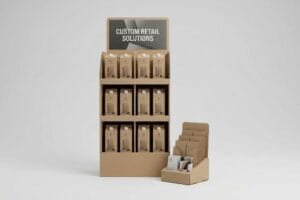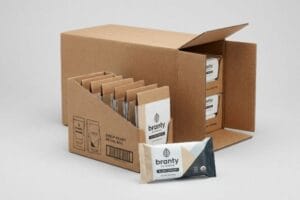
大型量販店では、あなたのブランドが買い物カートを止める時間はたった3秒しかありません。もしあなたの店舗構造が通路に溶け込んでしまえば、あなたの商品は埃をかぶる見えない在庫となってしまうでしょう。.
売上を最大化するには、消費者の衝動買いを促す戦略的な陳列方法が不可欠です。店舗のマーチャンダイザーは、構造設計、正確なグラフィック配置、そしてスムーズな商品アクセスを綿密に計画することで、購買決定に直接影響を与え、競争の激しい小売環境において、売上密度とブランド認知度を大幅に向上させることができます。.
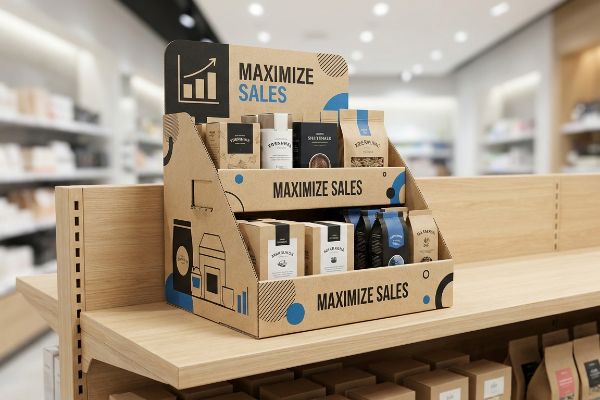
しかし、そうした視覚的なインパクトを生み出すには、単に箱に鮮やかな色を塗るだけでは不十分です。人間の行動、小売業のコンプライアンス、そして構造工学に対する数学的なアプローチが必要であり、受動的な通行人を積極的な購買者へと変える必要があるのです。.
営業における「2-2-2ルール」とは何ですか?
大量の商品を取り扱うには、巨大な小売倉庫における人間の集中力の持続時間という具体的な時間軸を理解する必要がある。.
2-2-2ルールとは、実店舗の陳列担当者が、2秒以内に視覚的な注意を引きつけ、2フィート(約60cm)の距離で消費者の関心を喚起し、2インチ(約5cm)の距離で最終的な触覚的な購買行動を促す必要があるというルールです。この標準化された空間フレームワークにより、競争の激しいグローバルな店舗通路や商業施設の交差点において、一貫したコミュニケーションの階層構造が確保されます。.

この認知的な時間軸を物理的な段ボールに落とし込むことが、ほとんどのブランドキャンペーンが瞬時に成功するか、完全に失敗するかの分かれ目となる。.
空間的関与の連続体
ベテランデザイナーでさえ、バックライト付きコンピューターモニター上にPOP(販売時点)ディスプレイをデザインする際に、この盲点を見落としがちです。非常に詳細でテキストの多いグラフィックは、画面上で拡大すると美しく見えますが、その物理的なディスプレイが明るく照らされた小売店の通路の30フィート(9.14メートル)先に設置されると、複雑なアートワークは判読不能な灰色のぼやけた画像になってしまいます。構造に視覚的な妨害となるような大胆な型抜き形状や大量のPMS(パントンマッチングシステム)スポットカラーインク1が備わっていない場合、急いでいる買い物客はその存在に気づくことすらなく、 2秒の閾値2を完全に超えてしまいます。
この空間的な摩擦は、当然ながら 最後の 2 インチ (50.8 mm) 変換ゾーン3。経験の浅いパッケージングのバイヤーは、より多くの在庫を保持するために深い 棚トレイ が、意図せず前面の保持リップが高くなりすぎてしまいます。これにより、顧客は設計の悪いトレイからぎっしり詰まったボトルを引き出すのに苦労し、ボードの硬い抵抗に指の関節を擦りむいてから立ち去らざるを得なくなります。これを解決するには、 少なくとも 85% の視覚的露出4 と完全な触覚的クリアランスを保証するために、積極的な構造ルールで前面リップを数学的にカットし、販売を維持し、棚の回転率を速める必要があります。
| 初心者によくある間違い | プロフィックス | 小売店舗におけるメリット |
|---|---|---|
| 上部にテキスト中心のグラフィック | 単色スポットカラーの全面印刷と型抜きヘッダー | 9.14メートル(30フィート)離れたところからでも注目を集める5 |
| 高い保持力を持つリップカバー製品 | 製品の視認性を85%削減する設計6 | 最終把持時の摩擦を解消します |
| 単色、長方形の箱型 | 曲線的で非対称なシルエットライン | 標準的な通路盲を解消する7 |
構造的なシルエットは、遠くからでも十分な効果を発揮するように設計する必要があり、そうすることでグラフィックは、近距離での成約にのみ集中できる。.
🛠️ ハーベイのデスク: 保持リップが製品の主要ブランディングを妨げていないかご不明ですか?👉 無料のダイライン監査をご依頼ください↗ — 私のデスクに直接アクセスできます。自動販売スパムは一切ありませんのでご安心ください。
商品販売における80対20の法則とは何ですか?
一度注目を集めたら、最も収益性の高い商品を、人間の体が自然と触れたくなる場所に戦略的に配置する必要があります。.
80対20の法則とは、商業収益の80%が在庫の20%から生み出されるという法則です。マーチャンダイジングの専門家は、この回転率の高い商品群を戦略的に優先し、優れた陳列場所を確保し、棚へのアクセス性を最大限に高め、視覚的なインパクトを強化することで、世界的な小売回転率の向上を図っています。.
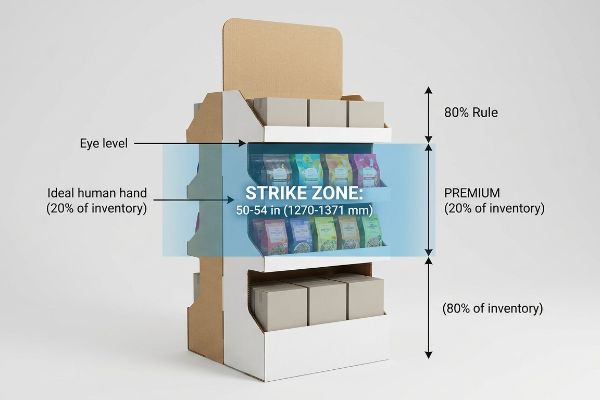
売れ筋商品上位20%を間違った場所に置くと、買い物客は必要以上に苦労することになり、衝動買いの機会を失ってしまう。.
垂直ストライクゾーンを最大限に活用する
経験豊富な調達チームでさえ陥りがちな落とし穴は、 多段式陳列棚 を等しく価値あるものとして扱うことです。彼らは本能的に最も利益率の高いSKU(在庫管理単位)をユニット全体に均等に配置し、顧客が床にかがんだり、無理な姿勢で手を伸ばしたりして一番上の棚に手を伸ばさざるを得ない状況を作り出します。実店舗の小売経済学では、一番下の棚と一番上の段は 事実上見えないデッドゾーン8。これらのエリアに20%の利益率の高い商品を埋めてしまうと、 回転率が人為的に抑制され9 、高価な小売不動産が無駄になります。
実際には、人間のヒートマップを無視すると、売上が伸び悩み、プロモーション予算が無駄になります。クライアントは、ベースを安定させるためだけに、重くて高級な商品を最下段に置くことを主張することがよくありますが、これは実質的に膝の高さにある利益の原動力を隠してしまうことになります。そうではなく、構造エンジニアリングは、隠れた二重壁波形サポートスパイン10でベースを固定し、高級商品を直接50~54インチ(1270~1371 mm)の「ストライクゾーン」 11に持ち上げる必要があります。20 %を自然な目と手の高さに配置することで、摩擦のない取引経路が作られ、重いペイロードを損なうことなく、最大限の物理的関与が確保されます。
| 初心者によくある間違い | プロフィックス | 小売店舗におけるメリット |
|---|---|---|
| 最下層に位置する高利益率商品 | 最上位製品を54インチ(1371mm)のラインまで引き上げる12 | 自然な視線レベルでのエンゲージメントを最大限に高めます |
| 上段の棚に物を詰め込みすぎて見づらい | 内部に隠されたベースウェイト | 重心の高いディスプレイの転倒を防ぎます |
| 対称的な製品分布 | 3-5-7 非対称 SKU 仕切り13 | 視覚的な緊張感を生み出し、視線を引きつける。 |
利益率を守るためには、人間の身体構造や自然な買い物行動に合わせて、段ボールの素材を設計する必要がある。
🛠️ ハーベイのデスク: 利益率の高い商品が、現在のフロアスタンドのデッドゾーンに埋もれていませんか? 👉 空間レイアウトレビューを受けましょう ↗ — 安全にダウンロードしてください。ご質問があれば、後ほどメールでお問い合わせください。
マーチャンダイジングにおける4つのPとは何ですか?
構造設計が製品を推進する中核的なビジネス戦略と矛盾する場合、物理的なキャンペーンを成功裏に展開することはできません。.
4つのPとは、製品、価格、流通、プロモーションのことで、実店舗における販売戦略の基盤を形成します。これらの主要な柱は、構造設計の枠組みを変化する消費者の期待に合致させ、グローバルなサプライチェーンの効率的な運用を確保すると同時に、地域ごとの小売店における認知度、衝動買い、そして販売時点での総収益性を最大化します。.
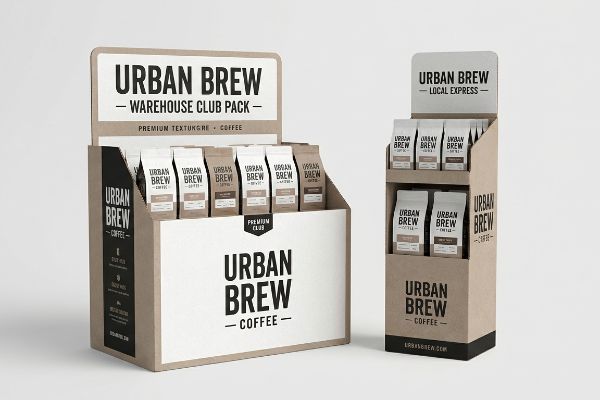
もしディスプレイ構造がこれらの柱のどれか一つでも統合できない場合、キャンペーン全体が費用のかかる物流上の負担となってしまう。.
物理的環境へのアンカー戦略
ブランドは、コアとなる商業フレームワークの「場所」という変数を完全に理解しないまま、大規模な製品発売を試みることがよくあります。マーケティングチームは、単一の普遍的なサイズの フロアディスプレイ が、巨大な大量販売倉庫クラブから狭い街角のコンビニエンスストアまで、あらゆる物理的環境に自然に統合されると考えることがよくあります。この過度に単純化された戦略的アプローチは、貴重なフロアスペースが厳しく規制され、厳密に測定され、 複雑な地域ごとの通路幅の規定によって管理されている14。
実際の運用においては、これらの特定の小売店配置ガイドラインを無視すると、稼働中の販売フロアで即座に運用上の摩擦が生じます。地域店長は、重要な顧客通路を塞いだり、事前に定められたレジクリアランス指標に違反したりする大きすぎる商品陳列ユニットを即座に拒否します15 。このような配置の失敗を体系的に防止するために、戦略的なマーチャンダイザーは、特定の店舗フォーマットに合わせて主要なフットプリント寸法を意図的に調整します16 。物理的な構造を直近の小売環境に合わせて調整することで、厳格な店舗運営基準を完全に遵守しながら、最適な視認性を確保できます。
| 初心者によくある間違い | プロフィックス | 小売店舗におけるメリット |
|---|---|---|
| 1つのユニバーサルディスプレイサイズを展開する | 特定の 地域ごとのフットプリント階層17 | 多様な実店舗形態に対応 |
| 店舗内の人の流れを考慮しない | 厳格なクリアランス基準に準拠18 | 店頭での即時拒否を防ぐ |
| 万人向けのチャネル戦略 | 分数パレットベース形状19 | 狭い通路でも十分なスペースを確保します |
ブランドのビジネスフレームワークを小売業者の物理的な制約に直接マッピングすることで、導入のはるか前から運用上の摩擦を解消できる。.
🛠️ ハーベイのデスク: あなたの「汎用」ディスプレイは、最大の小売店の高さや通路の制限に密かに違反していませんか? 👉 小売店仕様のマッチングを申請してください ↗ — 延々と営業電話がかかってくるようなフォームはありません。純粋な価値だけを提供します。
マーチャンダイジングにおける5つのPとは何ですか?
従来の4つの柱だけではもはや十分ではなく、商品を運ぶ物理的な輸送手段は、商品そのものと同じくらい重要になっている。.
5Pとは、製品、価格、流通、プロモーションに加えてパッケージングを統合し、消費者とのインタラクションを最適化する概念です。この拡張されたフレームワークでは、構造的に設計された筐体を主要なマーケティングツールとして位置づけ、グローバルな物流における耐久性を確保すると同時に、視覚的な訴求力を積極的に高め、競争の激しい実店舗小売市場において商取引の成立を促進します。.
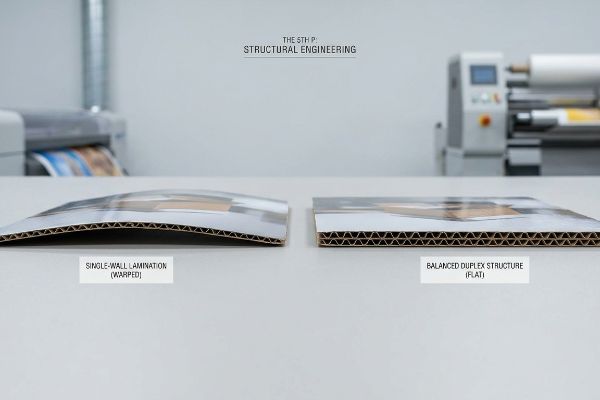
しかし、自動ラミネート機が稼働し、原材料が反応し始めると、5番目の「P」の理論を知っているだけでは十分ではありません。.
工場現場で5番目の「P」を無視すると失敗する理由
製造現場では、調達チームはパッケージを単なる「宣伝」費用として扱い、大量生産における不安定な化学的現実を完全に無視することがよくあります。彼らは、動く広告塔として機能する巨大で光沢のあるリソラミネート加工された側面パネルを要求し、高級なトップシートを厚い段ボール基材に接着すれば、完全に平らで不活性なボードができると思い込んでいます。彼らはパッケージを単なるグラフィックキャンバスとして扱い、 湿った接着剤が多孔質の紙繊維と反応する際に発生する激しい物理的張力に 。
この理論的な無知は、リソラミネーション工程で巨大な60インチ(152.4cm)のサイドパネルに水性PVA(ポリ酢酸ビニル)接着剤を使用する場合に、壊滅的な失敗につながります。PVAが硬化して収縮すると、非常に大きな不均一な表面張力が発生し、標準的なシングルウォール構造では 0.14インチ(3.5mm)の内側への凹状の反り21が生じ、ボードが巨大なポテトチップスのように反ってしまいます。湾曲した壁を持つ正方形のディスプレイを組み立てることはできません。エンジニアは、厳密に バランスの取れたデュプレックスボード構造22、ラミネーション中に非常に特殊な反力バックライナーを追加することで、パネルが完全に平らに乾燥し、組み立て時の摩擦や構造的な歪みを完全に排除することを保証しています。
| 初心者によくある間違い | プロフィックス | 小売店舗におけるメリット |
|---|---|---|
| 大型パネルへの標準的な単層ラミネート加工 | バランスのとれた二重板のカウンターテンション | PVA樹脂の深刻な湿気による反りを防ぎます23 |
| 濡れた接着剤で固めた板を急いで切断する | 24時間デッドウェイト加圧養生プロトコル24 | 自動梱包用のフラットパネルを保証します |
| 原材料が完全に剛性を保つと仮定する | ポリマーの収縮率の計算25 | 組み立て時の摩擦や構造的な歪みを解消します |
パッケージの美観に関する表面的な理解が、重量物のロールアウトの物理的な完全性を損なうようなことがあってはならない。.
🛠️ ハーベイのデスク: 2ミリの構造上の欠陥で500店舗展開を台無しにしないでください。👉 ダイラインファイルをお送りください↗ — 大量生産に予算を浪費する前に、計算をストレステストします。
結論
5番目の「P」の科学的側面は無視できますが、巨大なリソラミネートパネルが深刻なPVA湿気による反りを受けると、表面が壊滅的に反り、共同包装組立ラインの速度が推定30%低下し、小売店からの即時返品につながります。これは、私のトップ10の小売クライアントが印刷不良ゼロを保証するために使用している仕様書です。物理的な公差を推測するのはやめて、大量生産が始まる前に致命的な化学的および寸法エラーを検出するために、私の無料ダイライン監査↗で構造ファイルを個人的にチェックさせてください。
「特色印刷とプロセスカラー印刷の比較 – Pantone」、 https://www.pantone.com/articles/technical/spot-vs-process-color?srsltid=AfmBOopa6uFjyT9DgLpFrQt7lCUe0pSYWmHlHXDWQED_MZKKz3tuQ0_y 。印刷技術規格では、インパクトのある小売店向け看板において、特色がプロセスカラーに比べて彩度が高く、視覚的な一貫性が高い理由を説明しています。証拠の役割:技術仕様書、情報源の種類:印刷業界マニュアル。裏付け:視覚的な妨害要因としての高コントラストインクの有効性。適用範囲に関する注記:物理的なPOPディスプレイの製作に適用されます 。↩
「注意閾値法則|なぜ2秒… – Selfstorming」、 https://www.selfstorming.com/tools/libraries/marketing-laws/attention-threshold。小売心理学またはビジュアルマーチャンダイジングに関する権威ある情報源は、人通りの多い環境で買い物客の注意を引くために必要な具体的な時間枠を検証するでしょう。証拠の役割:指標の検証。情報源の種類:業界標準または学術研究。サポート:視覚的捕捉に関する2 2 2ルールの最初の柱。範囲に関する注記:小売店の店頭でのやり取りに特化 。↩
"[PDF] 該当なし – グラフトン村", https://www.villageofgraftonwi.gov/DocumentCenter/View/11151。2-2-2小売空間フレームワークにおける2インチの戦術的変換段階の確認。証拠の役割:技術仕様書。情報源の種類:小売マーチャンダイジングガイド。サポート:触覚変換のための具体的な距離。範囲に関する注記:小売PDQトレイに焦点を当てる 。↩
「14種類の小売ディスプレイ | イリノイ州シカゴ – Wertheimer Box」、 https://wertheimerbox.com/types-of-retail-displays/。消費者のコンバージョンを最大化するための、店頭陳列可能なパッケージにおける製品視認率に関する業界標準。証拠の役割:定量的指標。情報源の種類:パッケージングエンジニアリングマニュアル。サポート:85%の視認性要件。適用範囲に関する注記:特に小売店の店頭ディスプレイ向け 。↩
「看板を使って小売店の来店客数を増やす21の方法」、 https://screencloud.com/retail/increase-footfall。小売店のビジュアルマーチャンダイジングと看板の視認距離に関する権威ある業界ガイドライン。証拠の役割:事実の検証。情報源の種類:業界標準。サポート:高コントラストの見出しが注目を集める具体的な距離。範囲に関する注記:距離は照明や倉庫の規模によって異なる場合があります 。↩
「小売ディスプレイ基準:効果的な店舗のための完全ガイド…」、 https://www.gopazo.com/blog/retail-display-standards。製品の視認性と構造物の高さの比率に関する小売什器設計の技術仕様。証拠の役割:技術仕様、情報源の種類:小売エンジニアリングガイド。サポート:購入摩擦を排除するための85%の閾値。範囲に関する注記:購入時点のディスプレイ設計に焦点を当てています 。↩
「アクセスしにくい小売ウェブサイトが視覚障害者や弱視の消費者に与える影響」、 https://researchdiscovery.drexel.edu/esploro/outputs/journalArticle/How-inaccessible-retail-websites-affect-blind/991020249065304721。大規模小売環境における消費者行動と「通路盲」の心理学に関する学術研究。エビデンスの役割:概念的サポート。情報源の種類:査読済み研究。サポート:非対称シルエットが視覚パターンを打破する効果。範囲に関する注記:小売における認知知覚に焦点を当てている 。↩
「効果的なディスプレイと顧客の流れのための小売店舗設計」、 https://www.business.qld.gov.au/industries/manufacturing-retail/retail-wholesale/retail-displays。消費者の視線追跡調査により、視線の高さにある「ストライクゾーン」が特定され、極端に垂直な配置では視覚的注意が著しく低下することが確認されました。証拠の役割:行動検証、情報源の種類:市場調査。裏付け:棚のデッドゾーンの存在。範囲に関する注記:結果は製品カテゴリによって異なる場合があります 。↩
「ブランド配置と消費者選択:店内…」、 https://pmc.ncbi.nlm.nih.gov/articles/PMC2741065/。小売業績分析によると、高回転率SKUを主要ゾーンに配置すると、在庫回転率の向上と滞留時間の短縮につながる。証拠の役割:経済的検証。情報源の種類:小売管理ガイド。裏付け:配置と回転率の関連性。適用範囲に関する注記:特に高利益率在庫に適用される 。↩
「インタラクティブ小売向けディスプレイ構造設計…」、 https://www.bcipkg.com/display-structural-design-for-interactive-retail-displays/。包装工学規格は、小売ディスプレイの耐荷重能力を高めるための二重壁段ボール構造の有効性を確認するだろう。証拠の役割:技術仕様書、情報源の種類:包装工学ハンドブック。支持:重い基底荷重を安定させるための構造的方法。適用範囲に関する注記:段ボール材料に特有 。↩
「第2章:顧客のためのディスプレイ高さの選択」、 https://www.creativedisplaysnow.com/guides/understanding-the-retail-customer/chapter-2-how-to-choose-the-right-display-height-for-your-customers/。権威ある小売人間工学またはマーチャンダイジングガイドは、消費者の視認性と到達範囲を最大化するために、「ストライクゾーン」の具体的な高さ範囲を確認します。証拠の役割:技術仕様、情報源の種類:小売設計マニュアル。サポート:高速販売製品の最適な垂直配置。範囲に関する注記:高さは平均的な消費者の身長に基づいて異なる場合があります 。↩
「平均的な小売店の棚の高さ – Great Northern Instore」、 https://www.greatnortherninstore.com/2022/01/choosing-retail-display-height/。権威ある小売デザインまたは人間工学の情報源が、目線の高さでのエンゲージメントのためにこの特定の高さをどのように支持しているかについての簡単な説明。証拠の役割:技術仕様。情報源の種類:小売デザインマニュアル。支持:垂直ストライクゾーンの54インチマークの有効性。範囲に関する注記:平均的な人間の身長の指標は地域によって異なる場合があります 。↩
「ビジュアルマーチャンダイジングサービス&戦略 | T-ROC Global」、 https://trocglobal.com/visual-merchandising/。奇数グループと非対称性に関するビジュアルマーチャンダイジングの原則が視覚的な緊張感を生み出す仕組みについて簡単に説明します。エビデンスの役割:業界標準。情報源の種類:マーチャンダイジングの教科書。サポート:消費者の注意を引くための特定の非対称比率の使用。適用範囲に関する注記:小売業における視覚構成理論に適用されます 。↩
「ADAアクセシブルデザイン基準タイトルIII規則28 CFR…」、 https://www.ada.gov/law-and-regs/design-standards/1991-design-standards/。商業環境における最小通路幅を義務付ける小売業のアクセシビリティ法および防火安全基準(例:ADA基準)の検証。証拠の役割:技術的検証。情報源の種類:規制ガイドライン。裏付け:床面積が特定の法的幅の義務付けの対象となるという主張。範囲に関する注記:コンプライアンスと安全規制に焦点を当てています 。↩
「小売業界のKPIに関する8つの重要な指標 | Tableau」、 https://www.tableau.com/learn/articles/retail-industry-metrics-kpis。小売設計基準では、人の流れとADA(米国障害者法)への準拠を維持するために、レジエリアの最小クリアランス幅が規定されています。証拠の役割:技術仕様、情報源の種類:業界標準。サポート:レジクリアランスに関する特定の指標の使用。範囲に関する注記:基準は地域によって異なる場合があります 。↩
「AG 1091A:正面ゾーンにおける小売商品陳列」、 https://www.seattle.gov/transportation/permits-and-services/permits/applicant-guides/ag-1091a。小売計画ガイドでは、特定の店舗レイアウトと面積に基づいて店頭陳列の寸法を調整するプロセスについて説明しています。証拠の役割:運用上のベストプラクティス。情報源の種類:マーチャンダイジングマニュアル。サポート:店舗フォーマットに合わせた寸法調整。適用範囲に関する注記:物理的な店頭陳列に特化して適用されます 。↩
「小売業のグレートリセット:店舗フォーマットが再考されている理由」、 https://onedoor.com/resource/retail-store-formats/。権威ある外部情報源がこの主張をどのように裏付けているかについての簡単な説明。証拠の役割:技術的検証。情報源の種類:小売管理ガイド。裏付け:店舗面積に合わせてディスプレイサイズを調整することの有効性。適用範囲に関する注記:実店舗の小売環境に適用されます 。↩
「ADA最新情報:中小企業向け入門書」、 https://www.ada.gov/resources/title-iii-primer/。権威ある外部情報源がこの主張をどのように裏付けているかについての簡単な説明。証拠の役割:規制検証。情報源の種類:ADAガイドラインまたは安全基準。裏付け:安全とアクセシビリティのために通路の最小幅を遵守する必要性。範囲に関する注記:コンプライアンスと顧客の流れに焦点を当てています 。↩
「クラブストアディスプレイ:バルク商品向けエンドキャップ、パレットなど」、 https://www.qpack.com/retail-displays/pallet/club-store。権威ある外部情報源がこの主張をどのように裏付けているかについての簡単な説明。証拠の役割:技術仕様。情報源の種類:サプライチェーンまたはマーチャンダイジングマニュアル。裏付け:高密度スペース最適化のための非標準パレットサイズの使用。範囲に関する注記:物理的なハードウェア寸法に関連 。↩
「繊維化、半乾燥プレス、および表面処理の影響…」、 https://pmc.ncbi.nlm.nih.gov/articles/PMC11243852/。接着剤硬化中の紙系基材における水分誘発応力と反りに関する技術的説明。証拠の役割:技術的検証。情報源の種類:包装工学マニュアル。裏付け:物理的張力に関する主張。適用範囲に関する注記:リソラミネーションおよび段ボールに関する 。↩
"[PDF] PVA接着剤 – Wilsonart", https://www.wilsonart.com/media/Technical_Resources/en/Wilsonart%C2%AE%203105%20Cold%20Press%20PVA%20Adhesive%20Technical%20Data.pdf。技術文書または包装エンジニアリング規格は、単層構造におけるPVA接着剤の収縮によって生じる特定の変形測定値を検証します。証拠の役割:技術的検証。情報源の種類:エンジニアリングマニュアル。サポート:特定の構造破壊指標。適用範囲に関する注記:大判リソラミネーションに適用されます 。↩
「デュプレックスボード:その構成と用途の理解」、 https://www.xiaolongpackaging.com/duplex-board-understanding-its-composition-and-applications.html。工業製造ガイドでは、乾燥中の表面張力を中和するために、デュプレックス構造にカウンターテンションライナーを使用することについて説明しています。証拠の役割:プロセス検証。情報源の種類:工業製造ガイド。サポート:パネルの反りを解消するためのエンジニアリングソリューション。適用範囲に関する注記:高級小売ディスプレイ製造における標準的な手法 。↩
「水性接着剤、積層、反り – Woodweb.com」、 https://woodweb.com/knowledge_base/WaterBased_Glue_Lamination_and_Warping.html。ボード製造における接着剤の吸湿と張力調整方法に関する技術文書。証拠の役割:技術的検証。情報源の種類:材料科学ハンドブック。裏付け:PVA反りに対するカウンターテンションの有効性。適用範囲:水性接着剤に適用可能 。↩
「エッジ接着パネル製造における品質管理」、 https://sites.cnr.ncsu.edu/wpe/publications/quality-control-for-edge-glued-panel-manufacturing/。大規模パネル製造における接着剤硬化時間と加圧に関する業界標準ガイドライン。証拠の役割:手順標準、情報源の種類:製造マニュアル。裏付け:構造的平坦性を確保するための24時間枠の必要性。適用範囲に関する注記:周囲の湿度によって変動する場合があります 。↩
「収縮と機械的特性のポストプロセス時間依存性…」、 https://pmc.ncbi.nlm.nih.gov/articles/PMC7793073/。ポリマー材料の線膨張係数と収縮係数に関する工学データ。証拠の役割:理論的証明。情報源の種類:ポリマー化学ジャーナル。サポート:収縮計算と組み立て精度の関係。範囲に関する注記:熱可塑性基板に焦点を当てています 。↩