小売店の床での使用に耐える環境に優しいディスプレイが欲しいけれど、安価な段ボールはすぐに潰れてしまう。構造的な強度を犠牲にすることなく持続可能性の目標を達成する秘訣は、まさに原材料にある。
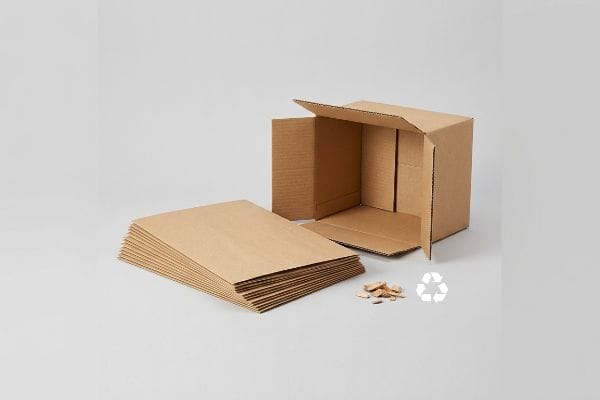
クラフト紙は、木材チップを化学的に加工して多孔質のセルロース繊維にすることで製造される、非常に耐久性と耐引裂性に優れた素材です。その卓越した強度、自然な茶色の美しさ、そして高いリサイクル性により、頑丈な段ボール箱や持続可能な小売用ディスプレイ構造物の製造において、世界中で好まれる基材となっています。.
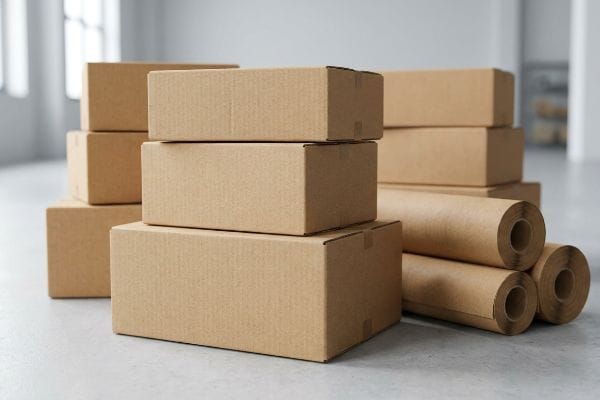
この原材料の物理化学的性質を理解することで、小売店舗向けの設計方法が根本的に変わります。.
クラフト紙包装の利点は何ですか?
ブランドは強度と持続可能性を求めており、この特定の基材は、適切に調達すればその両方を完璧に実現します。.
クラフト紙包装の主な利点としては、優れた引張強度、100%のリサイクル可能性、そして自然な耐引裂性が挙げられます。厳しい環境規制にも適合しながら、重い動荷重にも容易に対応できるため、ブランドはグローバル輸送中の構造的完全性を損なうことなく、使い捨てプラスチックを排除することが可能です。.
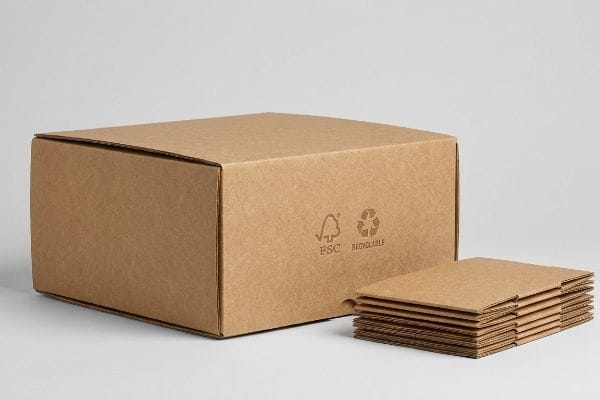
しかし、仕様書上で材料の強度が高いと謳っていても、それが実際のサプライチェーンで必ずしも耐えられるとは限らない。.
FSCの持続可能性における優位性を確保する
マーケティングチームは、意識の高い消費者を満足させるために、POP(店頭販促)ディスプレイに環境に優しいロゴを付けるのが大好きです。多くの企業は、茶色の箱であれば自動的に持続可能なパッケージとして認められると考え、ミニマルな美観を追求して無漂白の汎用段ボールを注文し、小売店の監査に合格することを盲目的に期待しています。.
大型量販店の規制に直面すると、その利点は消え失せます。私は、ブランドが安価で認証を受けていない茶色の段ボールを使用しているのをよく見かけますが、それらは積み込み場で即座に拒否されます。私の施設では、FSC(森林管理協議会)に準拠した、路側回収可能な段ボールを100%使用することを義務付けています。あるクライアントが汎用の混合パルプ段ボールをこっそり使おうとしたことを覚えています。低品質の再生接着剤特有の臭いですぐにバレてしまい、剛性に必要な長いバージン繊維も不足していました。水性PVA(ポリ酢酸ビニル)接着剤を使用した認証済みのバージンクラフトライナーに切り替えたところ、小売店の規制をクリアできただけでなく、ベース圧縮強度も向上し、パレット1枚あたりの出荷個数を増やしてもたわむことがなくなりました。.
| 初心者によくある間違い | プロフィックス | 小売店舗におけるメリット |
|---|---|---|
| 認証されていない一般的な茶色の板紙を使用する | FSC認証を受けたバージンライナーの使用を義務付ける | 小売業者の法令遵守を保証します |
| 接着剤のリサイクル性を無視する | 水性PVA接着剤の使用 | 路側回収による100%リサイクルを保証します |
| 環境ラベルのために強度を犠牲にする | 長繊維パルプを用いたエンジニアリング | 下層部の潰れを防ぎます |
私は、空気を輸送したり、圧力で破損したりするようなディスプレイは作りたくありません。真のサステナビリティとは、最初から構造を正しく設計し、小売店での使用期間全体を通して実際に耐久性を発揮できるようにすることです。.
🛠️ ハーベイのデスク: 現在お使いの茶色のディスプレイは、耐荷重を損なうことなく、小売業者のサステナビリティ監査に合格していますか? 👉 材料監査を依頼する ↗ — 私のデスクに直接アクセスできます。自動販売スパムは一切ありませんのでご安心ください。
クラフト紙包装とは何ですか?
視覚的な美しさだけでなく、素材を支える紙の物理的な科学原理を理解する必要があります。.
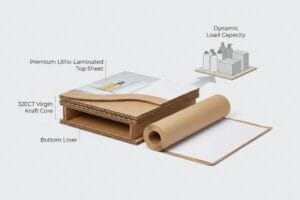
クラフト紙包装は、特殊な化学パルプ化プロセスを用いて原木パルプから作られる、丈夫な構造材料です。主に、破裂強度を最大限に高めるために未再生の長繊維を使用するバージンクラフトと、より軽量な二次包装用途向けに使用済み廃棄物をブレンドしたリサイクルテストライナーに分類されます。.
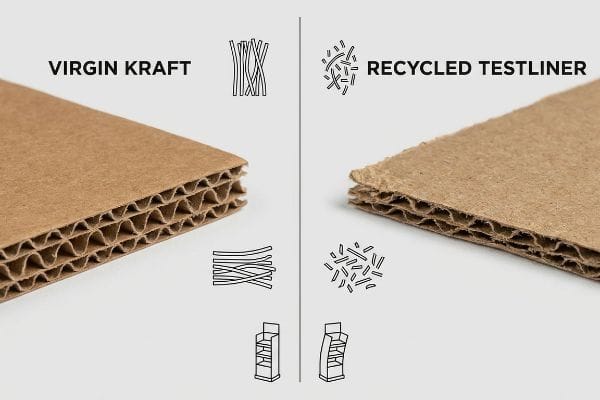
この2つの具体的な評価基準の違いを理解しているかどうかが、あなたのキャンペーンが成功するか失敗するかを左右します。.
ヴァージンクラフト紙と再生紙のテストライナー紙の物理学
調達チームは、コスト削減のために最も安価な再生紙製の試験用ライナーを選択することが多く、茶色の段ボールはすべて負荷がかかった状態で同じように機能すると想定している。彼らは基材を単なる商品として扱い、外側ライナーの繊維長やパルプ組成を問うことなく、標準的なBフルートの段ボールを発注する。.
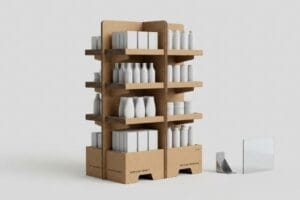
高さ 60 インチ (152.4 cm) の フロアディスプレイ。私は定期的に CAD (コンピュータ支援設計) ファイルをチェックしていますが、設計者が耐荷重壁に弱い再生テストライナーを指定しているケースがあります。昨年、あるバイヤーが安価な再生ボードを使ってディスプレイを無理やり組み立てたところ、ロックタブで短い紙繊維が裂ける鈍い音が聞こえました。 再生繊維は加工中に細かく切断されるため、本質的に強度が劣ります1。私はすぐにベースをバージンクラフト紙のアウターライナーにアップグレードしました。 長く途切れていない繊維は、密度が高く引き裂きに強い表面を提供し2、ユニットあたり 45 秒の組み立て時間を節約し、店舗の床に見苦しい透明な補強テープを貼る必要がなくなりました。
| 初心者によくある間違い | プロフィックス | 小売店舗におけるメリット |
|---|---|---|
| 重荷重には再生ライナーを使用する | バージンクラフト外層の指定3 | 基礎壁の座屈を解消します |
| すべての茶色の板が重量に耐えられると仮定すると | ペイロードに合わせてファイバーの長さを調整する4 | 動荷重を安全に保持します |
| 破れた組み立てタブをテープで固定する | クリーンなロック機構の設計 | 組み立て時間を45秒短縮5 |
私は土台の安定性に関しては決して妥協しません。適切なグレードのパルプにアップグレードすれば、初期費用はわずかですが、店員が誤って蹴ってもディスプレイが歪むことがないという数学的な保証が得られます。.
🛠️ ハーベイのデスク: メーカーが耐久性の高い床材キャンペーンに、強度の低い再生テストライナーをこっそり使用しているのではないかとご心配ですか? 👉 無料の構造レビューを入手 ↗ — 安全にダウンロードしてください。ご質問があれば、後ほどメールでお問い合わせください。
クラフト紙の長所と短所は何ですか?
この基材を評価するということは、計り知れない構造上の利点と、非常に特殊な視覚的な制約を比較検討することを意味する。.
クラフト紙の利点としては、比類のない構造的剛性、高い引裂強度、そして環境に優しい点が挙げられます。主な欠点は、多孔質で暗い表面のため、標準的な印刷インクの発色が鈍くなりがちで、特殊なプリプレス調整を行わない限り、鮮やかな写真のようなCMYKグラフィックを再現することが技術的に困難である点です。.
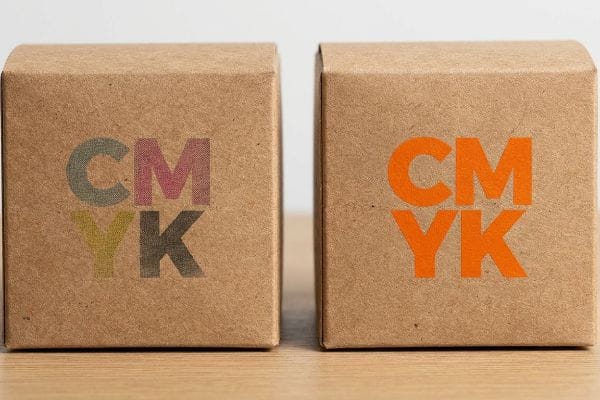
私が最もよく目にする落とし穴は、構造的な欠陥ではなく、グラフィックデザイナーが未加工の茶色の板紙を光沢のある白い写真用紙のように扱ってしまうことだ。.
CMYKハーフトーンの泥沼を克服する
クリエイティブエージェンシーは、美しい多層構造のグラフィックを標準的なCMYKフォーマットでデザインすることが多く、印刷会社がデジタル画面と完全に一致することを当然のことと考えています。彼らは、茶色の生のディスプレイ用にアートファイルを送付しますが、プロセス印刷は小さな重なり合うハーフトーンドットに依存しており、光を適切に反射するために明るい白色の密封面が必要であるという事実を無視しています。.
茶色の紙に標準インクで印刷することを、暗くて乾いたスポンジに水彩絵の具で絵を描くようなものだと考えてください。 多孔質の繊維がインクを不均一に吸収し、光学的ブレンドを破壊します。私は、高級ロゴが強い蛍光灯の下でざらざらして色あせ、濁って見えると、ブランドがパニックになるのを見てきました。私のプリプレス部門では、スポットカラーの塗りつぶしプロトコルを厳格に実施しています。ある 飲料クライアント のオレンジ色のロゴが茶色の背景に溶け込んでしまいました。CMYKビルドを単一の 正確に調合されたPMS(パントンマッチングシステム)スポットカラーインク7変更することで、未加工のボードに濃い顔料の層を塗りつぶしました。これにより、ハーフトーンの粒状感が完全になくなり、ロゴが20フィート(6.09メートル)離れたところからでも視覚的に際立ち、マルチパス印刷のコストを12%削減できました。
| 初心者によくある間違い | プロフィックス | 小売店舗におけるメリット |
|---|---|---|
| 未加工の茶色の板紙にCMYKで印刷8 | パントンの単色スポットカラーを使用する | 遠くからでもロゴが視認できる |
| 光学ドットブレンドに頼る | インクをたっぷりと塗り重ねて9 | ざらついた視覚的な濁りを解消します |
| 表面多孔性を無視する | 白い下地プライマーを塗布する10 | ブランドカラーを忠実に再現 |
生のパルプに直接印刷する際は、複雑なグラデーションは排除します。シンプルで大胆な特色印刷戦略によって、素材の素朴な制約を、コントラストの高い視覚的な武器へと変えます。.
🛠️ ハーベイのデスク: 環境に優しい配送用パッケージで、会社のコーポレートカラーが濁って読めなくなっていませんか? 👉 プリプレスインクガイドを入手 ↗ — 延々と営業電話がかかってくるようなフォームはありません。純粋な価値だけを提供します。
クラフト紙は何に使われますか?
この素材は、現代の小売業における目に見えない基盤であり、重いパレットから 繊細な化粧品。
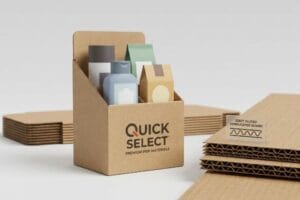
クラフト紙は、主に高強度段ボール輸送箱、耐荷重性小売ディスプレイ、緩衝材、および柔軟な工業用包装材の製造に使用されます。その優れた破裂強度と衝撃吸収性に優れた波型構造により、重量のある消費財をグローバルサプライチェーン全体で安全に輸送・販売するための業界標準となっています。.
しかし、機械が稼働し始め、環境物理学が作用し始めると、理論を知っているだけでは十分ではない。.
高湿度サプライチェーンにおいて、標準的なダイラインが機能しない理由
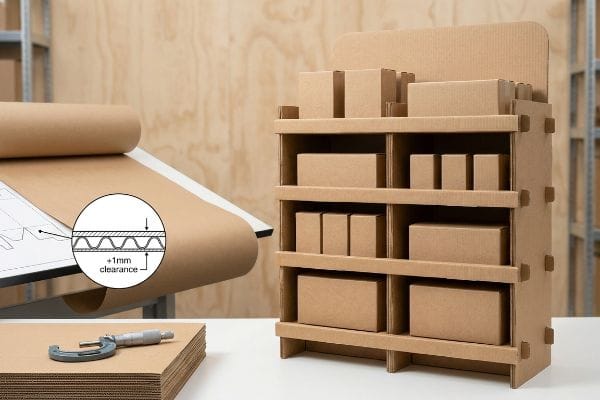
空調管理されたオフィスにいる構造エンジニアは、材料が静止していると仮定して、ボードの絶対乾燥厚さに基づいて梱包スロットの公差を設定することがよくあります。彼らは、 正確に0.125インチ(3.17 mm)幅のタブを 設計します。
これは単なる理論ではありません。長距離の海上輸送からコンテナが到着した際に、テストフロアで実際に起こっているのを目にします。未加工で多孔質の 32 ECT(エッジクラッシュテスト)ライナーは周囲の水分を吸収し、 物理的に膨張します。膨張したボードをマイクロメーターで測定すると、完璧な3.17 mmのスロットが突然、わずか数ミリ狭くなっていることがわかります。共同梱包組立チームは、部品を無理やり押し込むために、フルートを潰し、トップシートを引き裂かざるを得ません。私は、湿度の高い地域へ出荷されるすべての貨物について、切断公差に自動的に湿度バッファを組み込んでいます。受け入れスロットに0.04インチ(1 mm)のクリアランスを数学的に追加することで、共同梱包業者が摩擦のない、引き裂きのない組立を実現し、手作業による遅延を完全に解消することを保証しています。
| 初心者によくある間違い | プロフィックス | 小売店舗におけるメリット |
|---|---|---|
| 乾式ボードのCAD寸法を使用 | 1mmの湿度緩衝材を設計する13 | 組み立てタブの破れを防ぎます |
| 周囲の海洋水分を無視する | 板材の膨張を補正する14 | 店舗レベルでのセットアップを迅速化します |
| 腫れた連結タブを無理やり押し込む | 受信スロットを広げる15 | 共同包装の人件費を削減 |
有機繊維を扱う場合、オフィスでの完璧な計算は信用できません。実際の水分膨張を考慮して調整することで、数百万ドル規模の製品発売が共同包装施設で頓挫する事態を防ぐことができます。.
🛠️ ハーベイのデスク: 2ミリの構造上の欠陥で500店舗展開を台無しにしないでください。👉 ダイラインファイルをお送りください↗ — 大量生産に予算を浪費する前に、計算をストレステストします。
結論
より安価なベンダーを選ぶこともできますが、乾燥した32 ECTボードが湿度の高い倉庫で水分を吸収して膨張すると、タブがきつくなり、大きな摩擦が発生し、組立ラインの速度が推定30%低下し、プロジェクトの利益率が完全に失われてしまいます。500人以上のブランドマネージャーが、このような致命的な初期段階のミスを回避するために、私のプリプレスチェックリストを使用しています。公差を推測するのはやめて、私があなたの構造ファイルを 無料のダイライン監査↗ 、量産前にこれらの致命的なエラーを検出させてください。
「再生繊維材料の品質変化。パート1:影響要因…」、 https://bioresources.cnr.ncsu.edu/resources/changing-quality-of-recycled-fiber-material-part-1-factors-affecting-the-quality-and-an-approach-for-characterisation-of-the-strength-potential/。[製紙に関する材料科学文献では、繰り返しのリサイクルサイクルによってセルロース繊維が機械的に短縮され、繊維間の結合能力と全体的な引張強度が低下する仕組みが説明されている]。証拠の役割:技術仕様書、情報源の種類:材料科学の教科書。裏付け:再生テストライナーの構造的劣性。適用範囲に関する注記:機械パルプ化プロセスに適用される 。↩
「紙と板紙の強度維持の見通し…」、 https://bioresources.cnr.ncsu.edu/resources/prospects-for-maintaining-strength-of-paper-and-paperboard-products-while-using-less-forest-resources-a-review/。[パルプ・製紙技術に関する権威ある情報源は、長繊維バージンクラフトパルプが水素結合と構造的完全性を最大化し、引き裂き抵抗を高めることを確認している]。証拠の役割:技術仕様。情報源の種類:業界標準または査読付きジャーナル。裏付け:バージンクラフトライナーの機械的利点。適用範囲に関する注記:長繊維針葉樹に特化 。↩
「バージン材と再生材の製紙工場、どちらも持続可能性における重要なプレーヤー」、 https://now.aiccbox.org/virgin-vs-recycled-mills-both-key-players-in-sustainability/。[段ボール材料の技術仕様では、バージンクラフト紙の長繊維が、重荷重下での底壁の座屈を防ぐために必要な構造的完全性を提供することが示されています]。証拠の役割:技術検証、情報源の種類:エンジニアリングマニュアル。支持:バージンクラフト紙の構造的優位性。範囲に関する注記:結果はフルートの種類によって異なる場合があります 。↩
「セルロースとリグニン含有量が機械的特性に及ぼす影響…」、 https://pmc.ncbi.nlm.nih.gov/articles/PMC10468331/。[パルプ・製紙科学に関する論文では、バージン繊維が長いほど引張強度と動的荷重に対する耐衝撃性が向上することが説明されている]。証拠の役割:科学的検証。情報源の種類:学術誌。裏付け:繊維長と荷重支持の物理学。範囲に関する注記:クラフトパルプ製造プロセスに特化 。↩
「(PDF)自動テープ包装機による人間工学的リスク低減の分析」、 https://www.researchgate.net/publication/365584740_Analysis_of_the_Reduction_of_Ergonomic_Risks_through_the_Implementation_of_an_Automatic_Tape_Packaging_Machine。[産業効率ベンチマークは、インターロッキングタブと従来の粘着テープの速度を比較した時間と動作のデータを提供します]。証拠の役割:実証的検証。情報源の種類:業界レポート。裏付け:ロック機構による時間短縮の主張。範囲に関する注記:標準的な小売用ボックスの寸法に基づいています 。↩
「製紙条件がインク吸収とオーバープリントに及ぼす影響…」、 https://bioresources.cnr.ncsu.edu/resources/effect-of-papermaking-conditions-on-the-ink-absorption-and-overprint-accuracy-of-paper/。[紙基材に関する技術文書では、クラフト紙の高い多孔性とコーティングの欠如が、インクの浸透の不均一性とドットゲインの増加を引き起こす仕組みについて説明しています]。証拠の役割:技術仕様、情報源の種類:印刷材料科学。裏付け:茶色の紙における画像劣化の機械的原因。適用範囲に関する注記:標準的な非コーティング吸収性インクに適用されます 。↩
「スポットカラーには制限があるのか、またCMYKミックスがスポットカラーミックスと同じように扱われないのはなぜか…」、 https://graphicdesign.stackexchange.com/questions/128049/are-spot-colors-limited-and-why-cmyk-mix-is-not-treated-same-as-spot-color-mix。[印刷業界のガイドでは、不透明なスポットカラーは、半透明のCMYKハーフトーンレイヤーと比較して、暗い基材上で優れたカバー力と色の一貫性を提供するとされています]。証拠の役割:業界標準。情報源の種類:グラフィックアート技術マニュアル。裏付け:クラフト紙の鮮やかさにおいて、スポットカラーがCMYKよりも効果的であること。範囲に関する注記:高不透明顔料の使用を前提としています 。↩
「クラフト紙への白インク印刷:プロセス、課題、そして最良の結果」、 https://packifyme.com/printing-white-on-kraft-paper-process-challenges-and-best-results/。[基材印刷の業界標準では、CMYKプロセスカラーが茶色の紙とうまく混ざらず、濁った色調や色ずれが生じる理由が詳しく説明されています]。証拠の役割:事実の検証。情報源の種類:グラフィックアートの教科書。裏付け:CMYKが未加工の茶色の板紙には最適ではないという主張。範囲に関する注記:色ずれと吸収に焦点を当てています 。↩
「クラフト紙印刷ガイド:カスタムボックスと仕上げ|BrillPack」、 https://brillpack.com/printing-and-finish-on-kraft-paper/。[インク濃度に関する技術文書では、インクの被覆率が高い、またはベタ塗りが、ハーフトーンのドットを通して基材の色が透けて見えるのを防ぐ仕組みについて説明しています]。証拠の役割:技術検証。情報源の種類:印刷仕様書。サポート:ざらつきのある視覚的な濁りを除去する方法。範囲に関する注記:インクの不透明度と彩度に関連します 。↩
「色を正確に印刷する方法 – YouTube」、 https://www.youtube.com/watch?v=ScwjoWh4wDE。[商業印刷に関する権威ある情報源は、白色の下地印刷またはプライマー処理が基材の色のにじみを防ぎ、色の正確性を確保する方法を説明しているはずです]。証拠の役割:技術的検証。情報源の種類:印刷マニュアル。裏付け:ブランドカラーの正確性を確保するためのプライマーの使用。適用範囲に関する注記:吸収性のある茶色の基材に特に適用されます 。↩
「段ボール箱の適切なフルートタイプの選び方」、 https://www.ucanpack.com/blog/post/choose-right-corrugated-flute-for-shipping-boxes。[技術マニュアルまたは包装規格(例:TAPPI)は、Bフルート段ボールのインターロッキングタブの業界標準幅を検証します]。証拠の役割:技術仕様、情報源の種類:業界標準。サポート:段ボール包装設計における特定の寸法の使用。範囲に関する注記:特定の許容誤差は、製造業者または板紙のグレードによって異なる場合があります 。↩
「湿度と温度が…の機械的特性に及ぼす影響」、 https://bioresources.cnr.ncsu.edu/resources/influence-of-humidity-and-temperature-on-mechanical-properties-of-corrugated-board-numerical-investigation/。[権威ある材料科学の情報源または包装業界のハンドブックでは、コーティングされていないクラフトライナーは吸湿性があり、高湿度にさらされると寸法変化を起こすことが確認されています]。証拠の役割:技術的検証。情報源の種類:材料科学ハンドブック。裏付け:湿潤環境における段ボールの物理的劣化と膨潤。適用範囲に関する注記:特にコーティングされていないライナーボードに適用されます 。↩
"[PDF] 圧縮に対する相対湿度の影響… – Clemson OPEN", https://open.clemson.edu/context/all_theses/article/4232/viewcontent/Brown_clemson_0050M_15634.pdf。パッケージのダイラインの技術仕様では、高湿度環境における吸湿膨張を考慮した特定の許容範囲が規定されていることが多い。証拠の役割:技術的検証。情報源の種類:業界パッケージング規格。サポート:精密ダイラインエンジニアリング。適用範囲に関する注記:高湿度環境に特有 。↩
「夏の湿度が段ボール箱に与える影響 – Express Packaging」、 https://www.expresspkg.com/news/how-summer-humidity-affects-cardboard-boxes/。材料科学データによると、クラフト紙のセルロース繊維が海上輸送中に水分を吸収し、寸法不安定や膨張を引き起こす仕組みが説明されています。証拠の役割:因果関係の説明。情報源の種類:材料科学ジャーナル。根拠:水分補償の必要性。範囲に関する注記:海上サプライチェーンに焦点を当てています 。↩
「パッケージングダイライン – 包括的なガイド」、 https://tycoonpackaging.com/packaging-dieline/?srsltid=AfmBOooAa0N-r-obNHF5hqrjeQISpZhyHneW474G1cZJn1FOy_WDXsj5 。パッケージングエンジニアリングガイドラインでは、材料の膨張によるインターロック不良を防ぐために、スロット寸法を大きくすることを推奨しています。エビデンスの役割:ベストプラクティスの検証。ソースの種類:エンジニアリングマニュアル。サポート:運用効率。範囲に関する注記:インターロックタブ設計に関連します 。↩