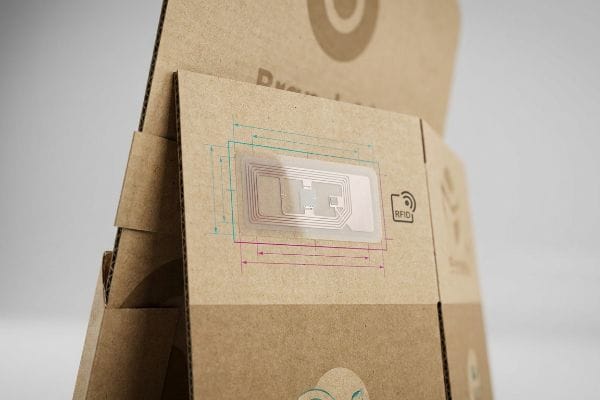
小売店の規定に対応するだけでも大変なのに、荷揚げ場で在庫が拒否されるなんて事態は避けたいものです。もしパッケージが信号伝送を遮断してしまうと、商品が店頭に並ぶ前に巨額のチャージバックが発生する恐れがあります。
ウォルマートのRFIDパッケージングに関する規制では、すべてのサプライヤーに対し、特定の小売商品および補助ディスプレイに無線周波数識別(RFID)タグを埋め込むことを義務付けています。この共通規格により、自動倉庫スキャナーが在庫レベルを即座に追跡できるようになり、在庫切れの発生を大幅に削減し、小売環境全体におけるグローバルサプライチェーンの物流を効率化します。.
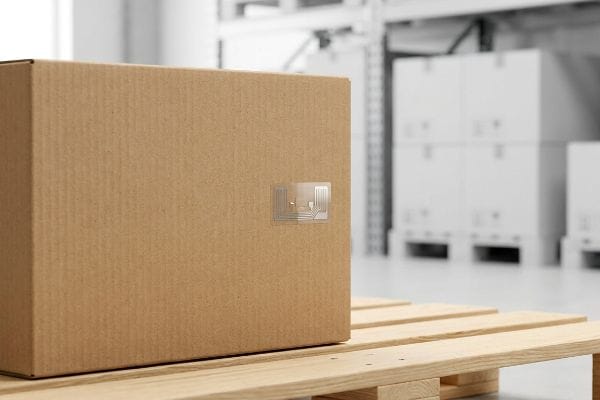
基本的なルールを知っていることと、混雑したパレットからその信号を正確に送信できるようにディスプレイボードを設計することは全く別物であり、そのためには精密さが求められる。.
ウォルマートのRFID義務化とは何ですか?
小売業者は、倉庫から店舗の通路まで、在庫状況を完全に可視化することを強く求めている。.
ウォルマートのRFID義務化は、ブランドサプライヤーに対し、製品および店頭販売用パッケージに電子追跡タグを取り付けることを義務付ける厳格な運用指示です。この方針により、倉庫への入荷時に在庫が自動的に記録され、手作業による在庫数え間違いが大幅に削減され、実店舗ネットワーク全体で非常に正確な在庫レベルが維持されます。.
このデータ要件が、製造現場で実際に物理的な箱を作る方法をどのように変えるのか、ご説明しましょう。.
任務の誤解がもたらす隠れたコスト
ほとんどのブランドマネージャーは、この指示は単に、出荷直前に既存のカートンデザインに予め印刷されたステッカーを貼るだけだと考えている。彼らは仕様書を委託包装業者に渡し、構造レイアウトを確認することなく、最終組み立て段階でのスムーズな統合を期待する。.
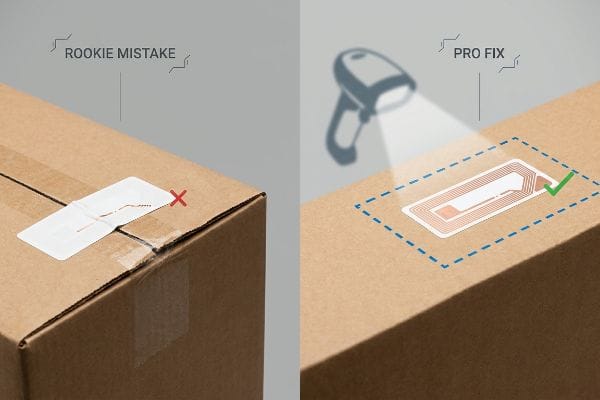
ベテランデザイナーが電子タグを後回しにして、分厚い折り目や厚い留め具の上に直接貼り付けているのをよく見かけます。昨年、大規模な ホリデーシーズンの展開作業 、あるクライアントのチームは組み立てを急いでいたため、折り畳まれたBフルートの角の凹凸のある表面に直接追跡ステッカーを押し付けていました。
親指で端をなぞると、ステッカーの中にある微細な銅製のアンテナが、硬い未加工の紙ボードにパチンと当たった感触がありました。この小さな構造的な亀裂によって信号が瞬時に途絶え、自動ドックスキャナーは在庫をゼロと読み取ってしまいました。400個のパレットを物理的に積み下ろし、手作業でラベルを貼り直さなければならず、出荷ラインの速度が推定25%低下し、予備費も使い果たしてしまいました。
| 初心者によくある間違い | プロフィックス | 小売店舗におけるメリット |
|---|---|---|
| 構造的な折り目の上にタグを配置する | 高さ4インチ(101.6mm)の平坦な立ち入り禁止区域を設けることを義務付ける | スキャナー読み取り率100%を保証します |
| 表面の質感は無視する | 滑らかでシワのない上まぶたのライナーに塗布してください。 | アンテナ内部の微小亀裂を防止します |
| 急いで手動アプリケーションを適用する | 標準化されたテンプレートガイドを使用する | 高額なドック拒否によるチャージバックを解消します |
印刷開始前に、必ずCAD(コンピュータ支援設計)のダイライン上に専用の平坦な配置領域を確保します。梱包済みの パレット 悪夢のような作業なので、リスクを完全に排除するように設計しています。
🛠️ ハーベイのデスク: 現在のタグの配置が高張力折り目と重なっているかどうかわからない? 👉 ダイライン監査をリクエスト ↗ — 私のデスクに直接アクセスできます。自動販売スパムは一切ありませんのでご安心ください。
小売流通センターを通過する電波にとって、繊維への浸透は一般的に容易である。.
はい。RFIDタグは、一般的な綿、ポリエステル、ウールなどの生地が無線周波数を遮断しないため、衣類越しでも容易に読み取ることができます。自動追跡システムを使用すれば、マスターカートンを開けることなく、衣料品のパレット全体を瞬時にスキャンできるため、グローバルなアパレルおよび小売サプライチェーンにおける在庫管理が非常に効率的かつシームレスになります。.
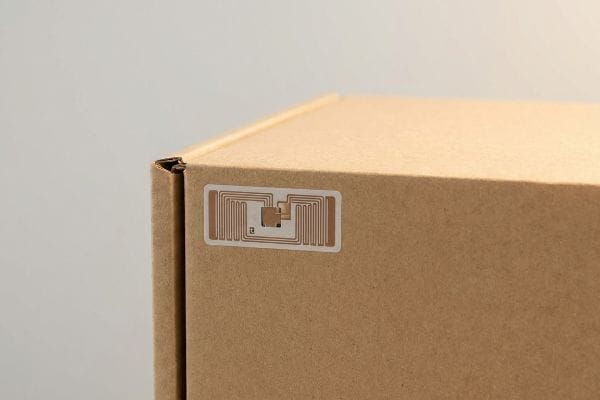
しかし、箱の内側の布地はスキャナーにはほとんど見えないのに対し、外側に塗った化粧インクは文字通りレンガの壁を作り出すことができる。.
プレミアムインクが信号を損なう理由
高級アパレルや化粧品を発売するブランドは、店頭の強い照明の下でも目立つように、重厚な金属箔押し加工を要求することが多い。彼らは、特定の高級仕上げが電波の伝送を妨害することに気づかずに、最終的なデザインを完成させる3 。
無線周波数を、窓を通ろうとする懐中電灯の光に例えて考えてみてください。透明なガラスなら問題なく通りますが、鏡だと光がそのまま跳ね返ってしまいます。マーケティングチームが、義務付けられたタグゾーンのすぐ隣に、大きなホットスタンプの銀色のロゴを付けると主張して、このことが常に失敗するのを私は見てきました。
以前、あるクライアントの美しく厚みのある箔押しディスプレイが、テストフロアで信号を完全に遮断してしまうのを目撃しました 金属層がファラデーケージ5、伝送を妨害していたためです。キャンペーンを救うため、私は その厚手の箔をメタリックな大豆インク6、高密度の金属バリアを取り除きながら高級感のある光沢を維持しました。結果として、高額な全面的な再印刷を回避することができました。
| 初心者によくある間違い | プロフィックス | 小売店舗におけるメリット |
|---|---|---|
| タグゾーン付近でのホットスタンプ | メタリック大豆インクに切り替える7 | ディスプレイを通して信号の完全性を維持する |
| 箱全体をアルミホイルで覆う | インクフリーの透過窓を指定する8 | パレットの迅速なスキャンを保証します |
| 空箱のみをテストします | スキャナーを使用して、完全に梱包されたディスプレイをテストします。 | 実際の小売環境の機能を再現 |
私は、追跡ステッカーの周囲に干渉のない領域を厳密に設定し、その周辺から重金属や高密度の箔類をすべて取り除きます。ディスプレイは、販売店のソフトウェアと完全に通信できる必要があります。.
🛠️ ハーベイのデスク: 高級メタリック仕上げが、あなたの在庫データを密かに混乱させていませんか? 👉 アートワークレビューを依頼する ↗ — 安全にダウンロードしてください。後で質問があれば、いつでもご連絡ください。
追跡対象は、盗難リスクの高い電子機器や高級品にとどまらず、急速に拡大している。.
ウォルマートは、衣料品、玩具、電子機器、スポーツ用品、家庭用品など、膨大な数の製品にRFIDタグを取り付けています。この拡大し続ける対応品目リストにより、多様な消費財が流通ネットワーク全体で即座に追跡可能となり、管理者は手作業による目視検査に頼ることなく、正確な在庫レベルを維持できるようになります。.
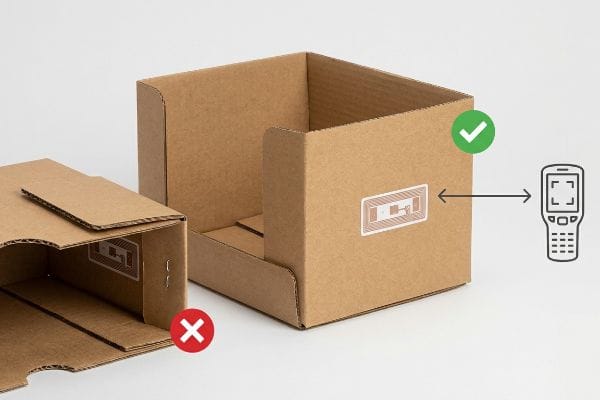
どの製品を追跡する必要があるかを把握するのは簡単だが、それらのラベルを二次的な販売時点情報管理(POS)ユニットに構造的に統合する段階で、ほとんどのキャンペーンが頓挫してしまう。.
タグ統合の空間幾何学
ジュニアデザイナーは、マーケティンググラフィックが完成した後にアートワークファイルに残った空白の白いスペースにトラッキングステッカーを無理やり押し込むことがよくあります。彼らはタグを、 専用の物理的な許可が必要な機能的な物流ハードウェア9。
タグを貼ることは、防犯カメラを吊るすようなものです。柱の後ろに設置すると、部屋の様子が見えなくなります。私はよく、必要なステッカー貼付箇所が、分厚いプラスチック製のクリップや厚手の波型ロックタブの真下に記載されている平らなファイルを受け取ります。
ライン作業員がディスプレイを折り畳むと、厚みのある32ECT(エッジクラッシュテスト)の厚紙がアンテナを完全に覆い、高密度のセルロース繊維層11の下で信号が減衰します。私はすぐにターゲットゾーンを通路に面した一番外側のフラットパネルに再配置し、顧客が配送センターで深刻な受け取り遅延や手作業による再梱包費用を負担することを防ぎます。
| 初心者によくある間違い | プロフィックス | 小売店舗におけるメリット |
|---|---|---|
| 折り畳んだフラップの下にタグを隠す | タグを一番外側の平らなパネルに移動 | ドライブバイスキャンを即座に実行可能 |
| 金属製のジョイントクリップの近くに置く | 金属との隙間を2インチ(50.8mm)確保する12 | 信号の反射やデッドゾーンを防ぎます |
| 最適な場所を推測する | 厳格な小売業者データベース仕様に従う | 高額なコンプライアンス違反によるチャージバックをなくします13 |
私はマーケティング用のグラフィックデザインに機能的なロジスティクスを左右されることを拒否します。まずトラッキングゾーンを設計し、色やロゴを適用する前に、それが遮るもののない平面上に堂々と配置されるようにします。.
🛠️ ハーベイのデスク: 追跡ステッカーが誤って3層の段ボールの下に埋もれていませんか? 👉 構造検証を受ける ↗ — 延々と営業電話がかかってくるようなフォームはありません。純粋な価値だけを提供します。
ウォルマートのラベル表示に関する要件は何ですか?
グローバルサプライチェーンを円滑に進めるため、マスターカートンの隅々まで厳密な仕様に基づいて管理されています。.
ウォルマートのラベル要件では、すべての物流バーコードと追跡センサーについて、正確な配置、特定のサイズ、そして遮るもののない読み取りやすさが厳しく求められています。サプライヤーはマスターカートン上の厳密な空間座標を遵守し、高速仕分け作業中に自動コンベアシステムが手動介入なしにデータをスムーズにスキャンできるようにする必要があります。.
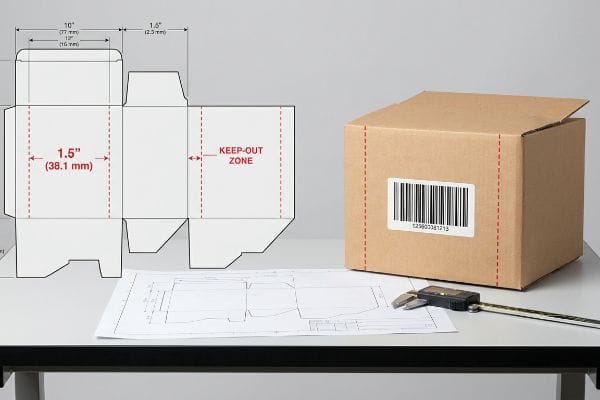
しかし、理論を知っているだけでは、機械が動き出し、紙が折り畳まれ始めると、十分ではない。.
工場現場で標準ラベルが機能しない理由
調達チームは、完全に準拠した高解像度のバーコードや追跡ステッカーのPDFを生成すれば、サプライチェーンの実行がスムーズに行われると想定しがちです。彼らはデジタルレンダリングを盲信し、 基材の物理的な厚みによって、グラフィックが3次元の箱になったときに激しく歪むことを ます。
私の施設では、デザインが美しい物流ラベルが折り畳まれたカートンの端に巻き付いてしまうのをよく見かけます。これは、デザイナーが板紙の厚みを考慮しなかったためです。厚みのあるCフルート板紙を90度折り畳むと、 外側の紙ライナーが物理的に約0.18インチ(4.57 mm)伸び、印刷されたバーコード線が角の半径を超えて激しく引っ張られます。
光学スキャナーラインを使ってテストしたところ、バーコードが折り目を越えて歪むと、リーダーが即座に拒否コードを返すことがわかりました。そこで、構造的な折り目線から16インチ離れた場所に、1.5インチ(38.1mm)の厳密な禁止区域を設けることでこの問題を解決しました。ラベルを完全に平らに保つことで、共同梱包ラインが手作業によるデータ入力のために停止することがなくなり、クライアントは3PL(サードパーティロジスティクス)の再梱包費用を大幅に削減し、利益率を確保できます。
| 初心者によくある間違い | プロフィックス | 小売店舗におけるメリット |
|---|---|---|
| スコアラインの近くにラベルを貼る | 1.5インチ(38.1mm)の立ち入り禁止区域を設ける | 完全に平坦でスキャン可能なデータを保証します |
| 紙板の伸縮を無視する | CADで正確な曲げ代を計算する | 角の部分でのバーコードの歪みを防ぎます |
| フラットなデジタルPDFに依存する | 物理的な3Dスキャン検証を実行する | 3PLの手作業による再作業ペナルティを排除する |
公差をミリメートル単位の分数で測定するのは、高速倉庫スキャナーが誤作動を起こすのに必要な歪みがまさにその程度だからです。精密なラベル貼付は、純粋に数学的な分野なのです。.
🛠️ ハーベイのデスク: 2ミリの構造上の欠陥で500店舗展開を台無しにしないでください。👉 ダイラインファイルをお送りください↗ — 大量生産に予算を浪費する前に、計算をストレステストします。
結論
市場で最も安価な印刷済みボードを調達することはできますが、トラッキングラベルがCフルートの角で激しく歪み、自動倉庫スキャナーが認識できなくなると、小売業者から高額な返品手数料を請求され、プロジェクト全体の利益が瞬時に失われてしまいます。これは、私のトップ10の小売クライアントが印刷不良ゼロを保証するために使用している仕様書です。スキャナーの許容範囲を推測するのはやめて、製造に1セントも費やす前に、私の 無料ダイライン事前チェック↗ 、コンプライアンスを確保しましょう。
"[PDF] 低コスト銀インクRFIDタグアンテナ", https://people.ece.uw.edu/nikitin_pavel/papers/APS_2005.pdf。[受動型UHF RFIDタグの技術仕様では、エネルギーハーベスティングを容易にするためにアンテナに銅またはアルミニウムを使用することが確認されている]。証拠の役割:技術仕様、情報源の種類:ハードウェアマニュアル。裏付け:材料構成。範囲に関する注記:受動型タグ設計に限定 。↩
「人道支援におけるRFIDを用いた倉庫効率の改善…」、 https://www.sciencedirect.com/science/article/abs/pii/S136655451730618X。[物流パフォーマンスレポートは、自動化されたRFIDシステムが故障し、手動によるオーバーライドが必要になった場合に発生するスループットの低下を定量化している]。エビデンスの役割:運用指標、情報源の種類:サプライチェーン分析。裏付け:スループット損失。範囲に関する注記:数値は、大量配送センターの典型的な値である 。↩
「表面形状がRFIDタグの効率に与える影響…」、 https://scholarworks.wmich.edu/masters_theses/4833/。電磁気学に関する権威ある工学文献では、導電性金属表面が電波を反射または吸収し、信号減衰を引き起こす仕組みが説明されています。証拠の役割:技術的検証。情報源の種類:技術仕様。裏付け:金属仕上げがRFID信号を遮断するという主張。適用範囲に関する注記:金属箔などの導電性材料に特に適用されます 。↩
「PVC RFIDカード:プレミアムホットスタンピング技術… – Newbega」、 https://www.newbega.com/pvc-rfid-cards-premium-hot-stamping-craft-technical-advantages。[電磁干渉に関する技術文献では、ホットスタンピングに使用されるような導電性金属箔がUHF電波を反射および減衰させる仕組みが説明されている]。証拠の役割:技術的検証。情報源の種類:エンジニアリングホワイトペーパー。裏付け:金属製ロゴがRFIDタグの読み取りを妨害するという主張。範囲に関する注記:UHF RFID周波数に特化 。↩
「ファラデーケージ – Wikipedia」、 https://en.wikipedia.org/wiki/Faraday_cage。[導電性金属層が電磁場を遮断するファラデーケージを形成し、RFIDタグをリーダーから効果的に遮蔽する仕組みについての科学的説明]。証拠の役割:技術的検証。情報源の種類:物理学の教科書または電磁気理論のマニュアル。裏付け:金属箔による信号遮断のメカニズム。適用範囲に関する注記:導電性材料に特に適用される。] ↩
「メタリックインク vs 箔押し – YouTube」、 https://www.youtube.com/watch?v=KmJWbHEt5bc。[固体箔層は高い導電性を持ち、RFを遮断するのに対し、メタリックインクには信号の透過を可能にする分散粒子が含まれていることが多いことを示す技術比較]。証拠の役割:比較性能。情報源の種類:材料科学研究またはRFID業界のホワイトペーパー。支持するもの:箔の透明な代替品としてのメタリックインクの使用。範囲に関する注記:有効性はインク顔料の密度によって異なります。] ↩
「箔押しかインク押しか、どちらを選べばいいの? – Mid-Atlantic Packaging」、 https://midatlanticpackaging.com/blog/foil-or-ink-how-do-i-choose-/?srsltid=AfmBOoqFnoMCninwZWW-rn4kz5z_Uwe-C5ebrFhSMEFhhCoMgdg9Nn5p 。RFID干渉に関する技術文書では、特定の金属大豆インク配合が従来の箔押しホットスタンピングと比較して信号減衰を低減するかどうかを検証します。証拠の役割:技術検証。情報源の種類:工業印刷仕様。裏付け:信号の完全性を維持するためにインクの種類を変更することの有効性。範囲に関する注記:UHF RFID周波数に特化 。↩
「箔ロールのより優れた高速包装プロセス – SICK」、 https://www.sick.com/be/nl/better-and-faster-packaging-processes-for-foil-rolls/w/blog-better-and-faster-packaging-processes-for-foil-rolls。RFID包装のエンジニアリング規格では、表面が金属箔でコーティングされている場合、信号伝搬には非導電性ゾーンが必要であることが示されています。証拠の役割:技術検証。情報源の種類:RFID包装ガイド。サポート:パレットの高速スキャンに必要な送信ウィンドウ。適用範囲に関する注記:金属箔に適用されます 。↩
"[PDF]無線周波数識別(RFID)のセキュリティ確保に関するガイドライン…", https://nvlpubs.nist.gov/nistpubs/legacy/sp/nistspecialpublication800-98.pdf。[RFID展開に関する権威ある技術ガイドでは、信号の減衰や干渉を防ぐために、金属表面や他のタグからの最小クリアランスを規定しています]。証拠の役割:技術仕様、情報源の種類:業界標準。裏付け:RFIDタグには意図的な空間計画が必要であるという主張。範囲に関する注記:必要なクリアランスは周波数とタグの種類によって異なります 。↩
「ウォルマートのRFID義務化について知っておくべきことすべて:2025年…」、 https://www.creativedisplaysnow.com/walmart-rfid-packaging/。[小売業者のコンプライアンスガイドラインでは、サプライチェーン全体で一貫性と読み取り精度を確保するために、RFIDタグの配置場所の正確な座標またはゾーンが指定されているのが一般的です]。証拠の役割:事実の検証。情報源の種類:ベンダーのコンプライアンスマニュアル。裏付け:RFIDタグの配置場所が正式にマッピングされているという主張。範囲に関する注記:実装の詳細は、製品カテゴリとサプライヤーによって異なる場合があります。] ↩
「隠れたリスク:セルロース断熱材の水分について」、 https://www.youtube.com/watch?v=XygD8oIpz3A。[RF伝搬に関する技術資料では、高密度セルロース繊維がUHF RFID信号に及ぼす減衰効果を定量化している]。証拠の役割:技術検証、情報源の種類:エンジニアリングマニュアル。支持:厚紙による信号減衰。範囲に関する注記:結果はタグの周波数と材料の水分によって異なる場合があります 。↩
「RFIDの基礎知識|RFIDアイテムの材質とRFID読み取り範囲の関係」、 https://www.atlasrfidstore.com/rfid-insider/rfid-basics-how-rfid-item-material-correlates-to-rfid-read-range/?srsltid=AfmBOooKAabpYOHB4T6TXqPsjdWFqXf3yjIIo29vfAqrtG2q1u81xSE3 。[UHF RFIDタグの技術仕様では、同調ずれや信号干渉を防ぐために導電性物質から必要な最小距離が規定されています]。証拠の役割:技術仕様、情報源の種類:技術マニュアル。サポート:信号の信頼性。適用範囲に関する注記:受動型UHF RFIDタグに特有 。↩
「小売業におけるチャージバックの仕組みと対処法」、 https://www.weberlogistics.com/blog/california-logistics-blog/how-retail-chargebacks-work-and-what-you-can-do-about-them。[小売業者のベンダーコンプライアンスマニュアルには、RFIDタグの誤った配置に対してサプライヤーに課される金銭的ペナルティとチャージバックの概要が記載されています]。証拠の役割:業界ポリシー、情報源の種類:企業コンプライアンス文書。サポート:財務リスク軽減。範囲に関する注記:小売業者との契約内容によって異なります 。↩
「境界厚さが歪みに及ぼす影響… – PubMed」、 https://pubmed.ncbi.nlm.nih.gov/8933434/。[包装工学規格またはISOバーコード仕様では、段ボール箱の基材の厚さと表面の不規則性が印刷されたバーコードの物理的な変形を引き起こす仕組みが説明されています]。証拠の役割:技術的検証。情報源の種類:業界標準。裏付け:3Dアプリケーションがデジタルバーコードの完全性に及ぼす影響。範囲に関する注記:特に非平面基材に関するものです 。↩
「段ボール箱の圧縮強度の推定…」、 https://pmc.ncbi.nlm.nih.gov/articles/PMC8467740/。[包装工学マニュアルまたは段ボール規格では、90度折り曲げ時のCフルートキャリパーに基づく外側ライナーの線膨張率を規定している]。証拠の役割:技術的検証。情報源の種類:工業工学規格。裏付け:ラベル配置マージンの正当化。範囲に関する注記:正確な値は紙のグレードによって若干異なる場合があります 。↩
"[PDF] 二次包装サプライチェーン標準 – P2PI", https://p2pi.com/file/PtPI16509cf4c7b5d4070798853/Walmart%2520Supply%2520Chain%2520Packaging%2520Guide%2520August%25202023.pdf。[企業の出荷仕様または自動スキャンガイドラインは、バーコードの読み取り可能性を確保するために折り目から必要な最小距離を具体的に検証します]。証拠の役割:技術仕様、ソースの種類:サプライヤーマニュアル。サポート:ラベル配置要件。範囲に関する注記:自動コンベアシステムに特有 。↩