実際に投稿されるインフルエンサー向けメールの作成に苦労していませんか?開封動画の出来が悪いと、カメラが回る前から製品が無駄になり、ブランドイメージが損なわれてしまいます。.
PRパッケージの作成には、インパクトのあるインフルエンサーによる開封体験を念頭に、特注の構造パッケージを設計・製造することが含まれます。このプロセスでは、ブランドの美観が輸送中に損なわれず、記憶に残る高級感のあるパッケージを実現するために、段ボール素材の精密な選定、精緻な型抜き、高度なリソグラフィー印刷が不可欠です。.
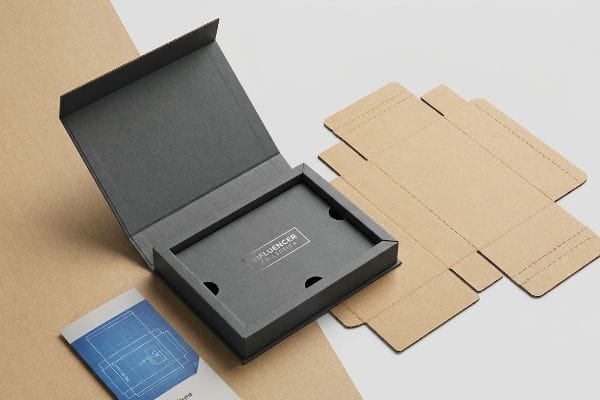
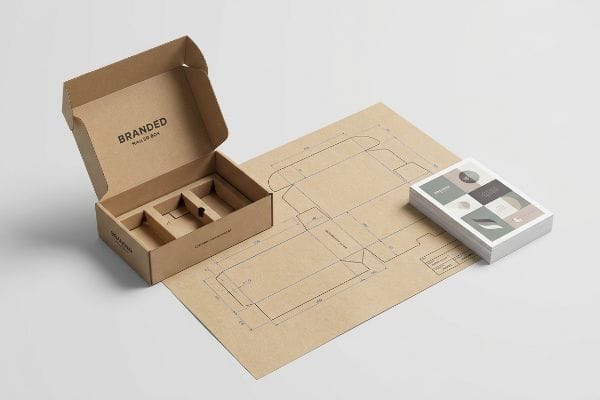
私の工場がどのようにしてこれらの郵送物を設計し、カメラ映えする完璧なブランドイメージを実現しているのか、詳しくご説明しましょう。.
PR パッケージを作成するには?
インフルエンサーボックスの物理的な構造を構築するには、単に見た目の良いグラフィックだけでは不十分で、精密な機械工学技術が求められる。.
PRパッケージを構造的に作成するには、段ボール基材の正確な曲げ許容値を計算する必要があります。グラフィックデザイナーはしばしば段ボールの厚みを無視するため、組み立て時に連結タブが破れたり反ったりする原因となります。CAD(コンピュータ支援設計)による厚み補正を適用することで、摩擦のない折り畳みと、到着時に完璧な直角で高級感のある仕上がりを実現できます。.
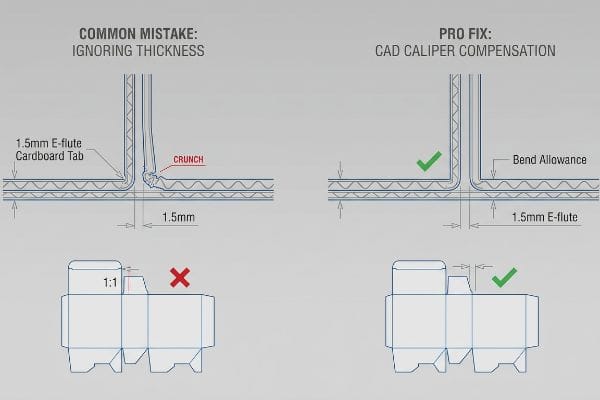
設計図はモニター上では完璧に見えるが、段ボールは実際には異なる挙動を示す。.
PRパッケージデザインにおける厚みの落とし穴
ブランドチームは、汎用のダイラインテンプレートをダウンロードして、Adobe Illustratorで直接アートワークを適用することから始めることがよくあります。タブの幅が15mm(0.59インチ)であれば、受け入れスロットも正確に15mm(0.59インチ)になるはずだと想定しています。このデジタル優先の考え方は、 段ボール包装の物理的な現実を1。
エンジニアとして、私はこれを毎日目にします。ジュニアデザイナーが Eフルートボードです。あなたもきっと経験したことがあるでしょう。きつすぎるスロットに段ボールのタブを無理やり押し込もうとして、生の段ボールが親指の下で潰れる不快な音を聞いたことがあるはずです。結局、PRパッケージをまとめるためだけに透明テープを使うことになり、ブランドイメージがたちまち損なわれてしまいます。私たちは、 折り目の外側の半径を考慮してスロットを数学的に広げる2。
| 初心者によくある間違い | プロフィックス | 小売店舗におけるメリット |
|---|---|---|
| タブとスロットの幅の比率は1:1です。 | CADキャリパー補正を適用する | 紙の破れを防ぎます |
| Eフルートの厚さを無視する | 1.5mmの曲げ代を追加する | 直角で高品質な角を保証します |
| 壊れたロックタブをテープで固定する | 摩擦のない機械式ロック | インフルエンサーの開封動画を高速化 |
私は、曲げ許容範囲のストレステストを事前に行わずに、クライアントのデジタルファイルを裁断台に渡すことは決してありません。適切なスロット計算を行うことで、フルフィルメントチームの梱包作業が迅速化され、インフルエンサーはスムーズで高級感のある開封体験を得ることができます。.
🛠️ ハーベイのデスク: 折り曲げようとするとロックタブが破れてしまいますか? フラットダイラインファイルをお送りください。印刷前に粘着摩擦箇所を特定します。 👉 無料のダイライン監査を受ける ↗ — 私のデスクに直接アクセスできます。自動販売スパムは一切ありませんのでご安心ください。
PR パッケージはどうやって入手できますか?
高品質な郵送物を調達するには、インフルエンサーのカメラが印刷上のあらゆる欠陥を浮き彫りにすることを理解している製造パートナーを見つける必要がある。.
PRパッケージの製造を依頼するには、高精度なリソグラフィー印刷と構造設計を専門とする工場を選定する必要があります。カラーマネジメントの手順や素材の仕様を明確に伝え、標準的なデジタルモックアップにとどまらず、実際の箱が強い照明下でもブランドの高級感を正確に反映するようにしなければなりません。.
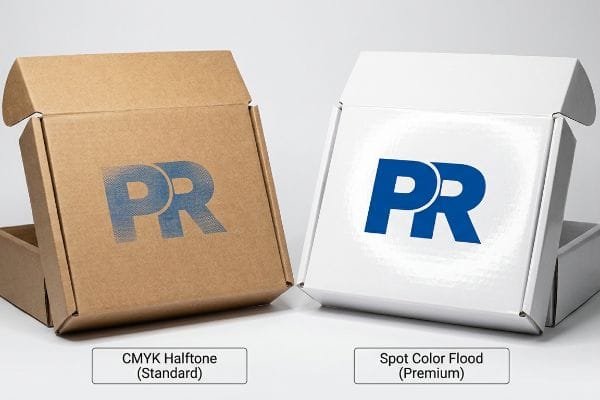
箱の調達は簡単だが、工場に自社ブランドの美観に合った製品を作らせることが、ほとんどのキャンペーンが頓挫する原因となる。.
PRパッケージにおけるハーフトーンのにじみを防ぐ方法
購入者からよく聞かれる質問の一つに、サンプルボックスがデジタルPDFと比べて色褪せて見えるのはなぜかというものがあります。ほとんどの工場では、光学ブレンドによって 未密封の段ボール。
実際には、 CMYK ドットは生のテストライナー3。ブランド マネージャーがサンプル ボックスを開けて、ざらざらして色あせたロゴを指でこすって、リング ライトの下で見栄えが悪いことに気づくのをよく目にします。インフルエンサーは、その安っぽく濁った質感にすぐに気付きます。鮮明さを保証するには、印刷業者と「スポット カラー フラッド プロトコル」を厳密に伝える必要があります。 光学的な CMYK ブレンドを正確な PMS4 (パントン マッチング システム) インクに置き換えることで、カメラで映える濃密で完璧に滑らかな顔料のフラッドが保証されます。
| 初心者によくある間違い | プロフィックス | 小売店舗におけるメリット |
|---|---|---|
| しっかりとしたロゴにはCMYKを使用する | スポットカラーフラッドを義務付ける | 色褪せたブランドカラーを防ぎます |
| 多孔質テストライナーへの印刷 | 高級トップシートを指定してください | ハーフトーンの粒状感を排除 |
| 工場出荷時のインク制限を無視する | 飛行前のカラー通信 | 鮮明なカメラ映像を保証します |
高級メール便にCMYKハーフトーンを使ってブランドの主要カラーを印刷することは断固拒否します。ロゴが開封動画で濁って見えないようにするには、ボード全体を真の特色で塗りつぶす以外に方法はありません。.
🛠️ ハーベイのデスク: あなたの現在の工場が、ブランドカラーのコスト削減のために密かにCMYKハーフトーンを使用しているかどうかご存知ですか? 👉 インク仕様を確認してください ↗ — 安全にダウンロードしてください。後で質問があれば、私の受信箱は開いています。
PR パッケージの書き方は?
カスタムメール用のデジタルファイルを実際に準備する作業は、箱が実際にカットされるか、それともただ台無しになるかを左右する技術的なプロセスです。.
PRパッケージファイルを作成する際には、CNC(コンピュータ数値制御)マシンがパスを読み取れるように、ベクターダイラインを正確なスポットカラーで構造化する必要があります。カットラインに標準の黒インクを使用するとプリプレスで不具合が発生しますが、特定のスポットレイヤーを割り当てることで、構造的な折り目と印刷されたアートワーク間の機械的分離が確実に行われます。.
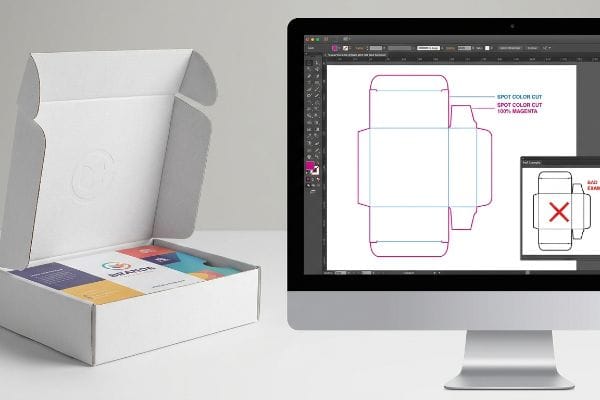
工場の裁断台が物理的に指示を読み取ることができなければ、どんなに美しいデザインでも意味がありません。.
PRパッケージの機械的言語
マーケティングチームが、箱を折り曲げたり切断したりする場所を示すために単純な黒線を描いてアートワークファイルを作成することは非常に一般的です。彼らはダイラインを視覚的な図面のように扱い、自動切断テーブルには 標準的なCMYKストロークを解釈する5。
ロボットにレシピを与えるのに、ロボットが理解できない言語で書くようなものだと考えてください。経験則として、 構造線にはプロセスブラックを絶対に使用しないでください6。私は、オペレーターがこれらの欠陥のあるファイルで「印刷」ボタンを押すのを見てきましたが、その結果、醜い黒い輪郭が全体に印刷された美しい箱ができあがりましたが、物理的なカットは全くありませんでした。折りたたみ式のPRパッケージの代わりに、平らで役に立たない段ボールのシートを受け取ったときの苛立ちはよくわかります。機械ソフトウェアが刃をどこに落とすかを正確に認識できるように、カットには絶対 スポットカラー7(例えば、カットには 100% マゼンタ) を使用して、これらの線を作成する必要があります。
| 初心者によくある間違い | プロフィックス | 小売店舗におけるメリット |
|---|---|---|
| CMYK黒でカットラインを描く | 100%マゼンタの特色を使用してください8 | 印刷された輪郭線が見えるのを防ぎます |
| アートワークとダイラインの融合 | 構造層を分離する9 | 機械切断時の誤差を解消します |
| マシンRIPロジックを無視する | 飛行前ベクターパスチェック10 | 清潔で折りたたみ可能な箱を保証します |
私は、不適切に記述されたファイルを何時間もかけて修正し、構造的なパスを機械的なスポットカラーに分解しています。CNC加工機が作業を行う間、印刷されたアートワークを完璧な状態に保つ唯一の方法は、デジタル言語を最初から正しく理解することです。.
🛠️ ハーベイのデスク: デザイナーが工場の機械に合わせてカットラインを正しく設定したかご不明ですか? 👉 ファイルをチェックさせてください ↗ — 延々と営業電話がかかってくるようなフォームはありません。純粋な価値だけを提供します。
PRパッケージングを始めるには?
大規模なインフルエンサーキャンペーンを展開するには、完璧なデジタルモックアップから脱却し、大規模なサプライチェーンにおける物理的な変動要因に正面から向き合う必要がある。.
PR用パッケージングを始めるにあたっては、湿度や物流といった実際の環境要因に対する材料のストレステストが不可欠です。量産開始前に、構造スロットに特定の吸湿膨張許容値を設計として組み込むことで、輸送中の気候変動によって段ボール原紙が反ったり、膨張したり、あるいは致命的な破損を起こしたりしないようにする必要があります。.
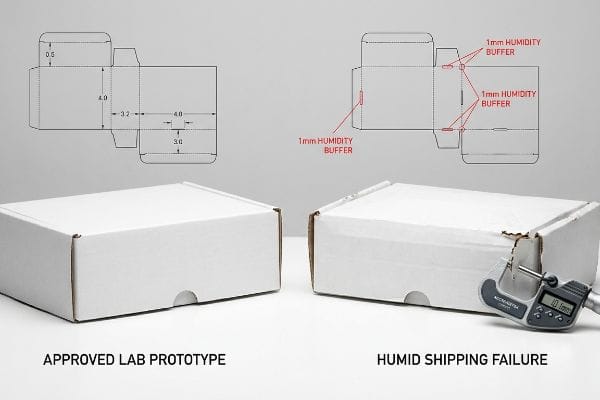
しかし、理論を知っているだけでは、機械が稼働し始め、荷物が湿気の多い積み込み場に置かれたときには十分ではない。.
標準的な段ボールが工場現場で失敗する理由
ブランドチームは、空調管理されたオフィスで、真っ白なサンプルのPRボックスを承認することがよくあります。その際、1つのプロトタイプが残りの5,000個のユニットの挙動を正確に決定づけると考えます。彼らは、密閉され摩擦のない連結トレイを承認しますが、多孔質の紙繊維が管理されたラボ環境から出た後にどのように反応するかは考慮しません。
これは単なる理論ではありません。クライアントの「完璧な」インサートデザインが突然詰まってしまうという現象を、テスト現場で実際に目にしています。 私の施設が PRパッケージのフラットパックを湿度の高い環境で出荷すると、32ECT(エッジクラッシュテスト)テストライナーが周囲の湿気を吸収し、物理的に 最大0.04インチ(1.01 mm)膨張します12。共同梱包チームが膨張したボードを組み立てようとすると、部品を無理やり押し込もうとするだけで、フルートが潰れ、高級トップシートが破れてしまうのを目撃しました。マイクロメーターの測定値を取り出して、箱全体を再設計する必要はないことを証明しました。必要なのは、CADソフトウェアの受信スロットに1mm(0.04インチ)の湿度バッファを数学的に追加することだけでした。この微調整を徹底することで、 組み立て時間を1ユニットあたり25秒短縮し13、箱の破れを完全になくし、クライアントの無駄なフルフィルメント作業時間を数千ドル節約しています。
| 初心者によくある間違い | プロフィックス | 小売店舗におけるメリット |
|---|---|---|
| 実験室で乾燥させたプロトタイプの承認 | 1mmの湿度緩衝材を設計する14 | 共同包装業者が箱を破るのを防ぎます |
| 周囲の湿気による膨張を無視する | CADスロット公差を調整する | 組み立て時間を25秒短縮15 |
| きつく腫れた挿入物を無理やり押し込む | パラメトリッククリアランス計算を使用する | 開封時のプレゼンテーションを完璧な状態に保ちます |
温度管理された試作品によって量産工程が左右されるのは断じて許せない。金型ラインに数学的な湿度緩衝機能を組み込むことこそ、倉庫の天候に関わらず、摩擦のない組み立てを保証する唯一の方法だ。.
🛠️ ハーベイのデスク: 1ミリの構造上の欠陥で大規模なインフルエンサー展開を台無しにしないでください。👉 ダイラインファイルをお送りください↗ — 大量生産に予算を浪費する前に、計算をストレステストします。
結論
湿気による膨張を無視する安価なサプライヤーを選ぶこともできますが、湿度の高い倉庫で32ECT段ボールが膨張すると、大きな摩擦が発生し、フルフィルメント組立ラインの速度が推定30%低下し、キャンペーンの利益率が完全に失われてしまいます。これは、私のトップ10の小売クライアントが印刷不良ゼロを保証するために使用している仕様書そのものです。材料の許容誤差を推測するのはやめて、私の 無料ダイライン監査↗ 、箱が裁断台に届く前に致命的なエラーを見つけましょう。
「板金部品組立におけるタブとスロット設計のコツ」、 https://www.youtube.com/watch?v=DHcrX_ZnByA。[権威ある包装エンジニアリングガイドでは、材料の厚さ(キャリパー)によってクリアランス公差が必要となり、ボードの圧縮と折り畳みを考慮してスロットはタブよりも大きくなければならないことが説明されています]。証拠の役割:技術的検証、情報源の種類:エンジニアリングマニュアル。裏付け:1:1のデジタル寸法が段ボールの物理的な組立では機能しないという主張。範囲に関する注記:折り畳みに基づくインターロック機構を特に指しています] 。↩
「段ボール構造:曲げ代数の計算 1 – YouTube」、 https://www.youtube.com/watch?v=j1n5ojAbAic 。[折り畳み基材の機械工学原理では、材料の外側曲げ半径に合わせてスロット寸法を調整する必要があります。証拠の役割:技術的方法論、情報源の種類:工学教科書。裏付け:数学的調整によって材料の潰れを防ぐという主張。適用範囲に関する注記:厚みが折り畳み半径のかなりの割合を占める基材に関連します。] ↩
「インク吸収と乾燥ガイド | Holmen Board & Paper」、 https://www.holmen.com/en/board-and-paper/insights/paper-academy/ink-absorption-and-drying-on-paperboard/。[印刷技術ガイドでは、非コートテストライナーの多孔質性により、プロセスカラーのインクのにじみや吸収ムラが生じる仕組みを説明しています]。証拠の役割:技術的検証、情報源の種類:印刷業界マニュアル。裏付け:原材料がCMYK印刷の視覚的劣化を引き起こすという主張。適用範囲に関する注記:特に非コート再生ライナーボードに適用されます 。↩
「特色印刷とプロセスカラー印刷の比較 – Pantone」、 https://www.pantone.com/articles/technical/spot-vs-process-color?srsltid=AfmBOoq7iAYliXGRVgh1-XwEtn6xcrpDmJ2cimtoNza5xMHqRglUPjPy。[カラーマネジメント規格では、Pantone Matching System (PMS) インクは4色プロセスブレンドよりも高い顔料濃度と色の一貫性を提供することが示されています]。証拠の役割:プロセス検証、情報源の種類:カラーマネジメント規格。サポート:高忠実度ブランディングにおける特色の推奨。範囲に関する注記:ベタ塗りに焦点を当てています 。↩
「スポットカラー(PMS)とCMYKの違いとは…」、 https://blog.fantastapack.com/difference-between-spot-colors-vs.-cmyk-packaging。[デジタルカッティングシステムの技術マニュアルでは、CNCマシンは標準のCMYK値ではなく、名前付きのスポットカラーを使用して構造パスを識別すると規定されています]。証拠の役割:技術検証。情報源の種類:業界標準。裏付け:機械的分離にスポットカラーを使用する必要性。適用範囲に関する注記:自動プロッターおよびカッターハードウェアに適用されます 。↩
「スポットカラー vs. プロセスカラー – Seattle Printworks」、 https://seattleprintworks.com/prepress/how-to-build-professional-files-with-spot-colors/ 。[業界標準のプリプレスマニュアルでは、プロセスブラックはCNC機械によって印刷インクとして解釈され、切断ではなく印刷が行われると規定されています]。証拠の役割:技術仕様、情報源の種類:業界マニュアル。根拠:機械的な経路にCMYKブラックを使用しない必要性。適用範囲に関する注記:ベクターベースのプロッターとCNCルーターに適用されます。↩
「Adobe Illustrator – カットラインに使用するカラースウォッチはどれですか?」、 https://graphicdesign.stackexchange.com/questions/83118/what-color-swatch-to-use-for-cut-lines。[カッティングプロッターの技術文書では、指定されたスポットカラーが、カット、スコアリング、折り目付けなどの特定のツールアクションにどのようにマッピングされるかを説明しています]。証拠の役割:技術仕様、ソースの種類:ソフトウェアドキュメント。サポート:構造パスとアートワークの機械的分離。範囲に関する注記:具体的な色の選択はオペレーターによって異なる場合がありますが、スポットチャンネルの使用は普遍的な標準です 。↩
「ダイライン用アートファイル設定の総合ガイド」、 https://deltaprintgroup.com/comprehensive-guide-to-setting-up-art-files-for-dielines/。[業界の技術ガイドまたは印刷マニュアルでは、ダイラインに特色を使用することで、印刷業者がカッティングパスをCMYK印刷レイヤーから分離し、最終カット時の印刷されたアウトラインを防ぐことができると説明されています]。証拠の役割:技術標準、ソースの種類:業界マニュアル。サポート:ダイラインへの特色の使用。範囲に関する注記:オフセット印刷およびデジタル印刷ワークフローにおける一般的な慣行。] ↩
「ダイラインとは何か?パッケージングと印刷のためのダイラインの作成方法」、 https://www.wecustomboxes.com/blog/what-is-a-dieline-how-to-make-it-for-packaging-and-printing/。[プロット機およびCNC切断機の技術文書では、構造ベクトルパスをグラフィックアートワークから分離することで、機械がアートワークを切断パスとして誤って解釈するのを防ぐことができると規定されています]。証拠の役割:技術要件。ソースの種類:ソフトウェアマニュアル。サポート:パッケージングにおけるレイヤー分離の必要性。適用範囲に関する注記:ベクトルベースの切断ソフトウェアに適用されます。] ↩
「InDesignファイルのプリフライトとパッケージング – ASK Designブログ」、 https://www.askdesign.biz/blog/2018/02/preflighting-and-packaging-indesign-files/。[印刷制作ガイドでは、プリフライトは、ベクターパスが閉じられており、ラスターイメージプロセッサ(RIP)用に適切にフォーマットされていることを検証し、正確な折り畳みを保証するための重要なプロセスであると説明されています]。証拠の役割:技術プロセス、ソースの種類:印刷制作ガイド。サポート:パッケージングにおけるプリフライトの役割。範囲に関する注記:多重折り構造設計にとって重要。] ↩
「プレス成形パラメータが…の寸法安定性に及ぼす影響」、 https://bioresources.cnr.ncsu.edu/resources/effects-of-press-forming-parameters-on-the-dimensional-stability-of-paperboard-trays/。[権威ある材料科学の情報源によると、板紙のセルロース繊維は吸湿性があり、空気中の水分を吸収して体積膨張と反りを引き起こす。証拠の役割:技術的説明、情報源の種類:材料工学の教科書。裏付け:紙繊維は制御された環境外では特性が変化するという前提。適用範囲に関する注記:セルロース系段ボール材料に特に適用される。] ↩
「段ボール箱の強度ガイド:フルート等級、ECT評価、壁厚…」、 https://anchorbox.com/corrugated-box-strength/。[段ボールの材料科学データは、高湿度にさらされた際の特定の寸法膨張率を示しています]。証拠の役割:技術仕様、情報源の種類:材料科学ジャーナル。裏付け:水分誘発膨潤測定。範囲に関する注記:膨張率は、繊維組成と相対湿度レベルによって異なります 。↩
「公差スタック解析とは何か、そしてなぜ重要なのか?」、 https://teampipeline.us/what-is-tolerance-stack-analysis-and-why-is-it-important/。[包装組立効率に関する産業工学研究では、材料の結合と摩擦を低減することで、手作業のサイクルタイムが大幅に短縮されることが示されている]。証拠の役割:パフォーマンス指標、情報源の種類:産業工学レポート。裏付け:CAD調整による効率向上。範囲に関する注記:時間短縮は、特定のパッケージ設計の複雑さによって異なる 。↩
「湿度と温度が…の機械的特性に及ぼす影響」、 https://bioresources.cnr.ncsu.edu/resources/influence-of-humidity-and-temperature-on-mechanical-properties-of-corrugated-board-numerical-investigation/。[段ボール材料の膨張に関する技術ガイドラインでは、大量組立時の構造的破断を防ぐための湿度緩衝材の具体的な測定値が示されています]。証拠の役割:技術仕様書、情報源の種類:包装工学マニュアル。裏付け:水分管理のための1mm緩衝材の使用。適用範囲に関する注記:特に高湿度の倉庫環境に適用されます 。↩
「製品エンジニアリングにおける公差解析の重要性 – Sigmetrix」、 https://www.sigmetrix.com/blog/why-is-tolerance-analysis-important-in-product-engineering。[産業効率研究では、材料の膨張に合わせてCADスロット公差を最適化することで、手作業による組立時間の短縮が定量化されています]。証拠の役割:定量的指標、情報源の種類:製造事例研究。裏付け:CAD公差の調整による効率向上。範囲に関する注記:結果は組立ラインの自動化レベルによって異なります 。↩