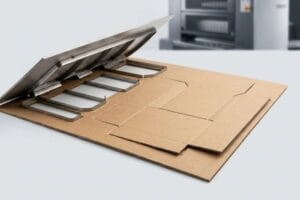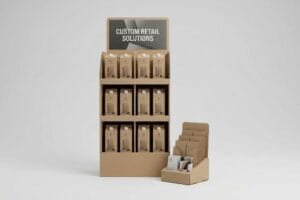
小売店の棚スペースは戦場であり、スピードこそが最大の武器だ。商品の開梱に時間がかかりすぎると、売上を生み出すどころか、バックルームに眠ったままになってしまう。.
PDQディスプレイは、小売店の商品補充を迅速化するために設計された、コンパクトで棚にすぐに設置できる陳列ユニットです。軽量の段ボールで作られたこれらのプレロードトレイは、マスターカートンから直接店舗の通路へスムーズに移動できます。この合理化されたアプローチにより、作業の手間を最小限に抑え、ブランドの認知度を最大限に高め、大型量販店の標準的な棚寸法に厳密に準拠します。.
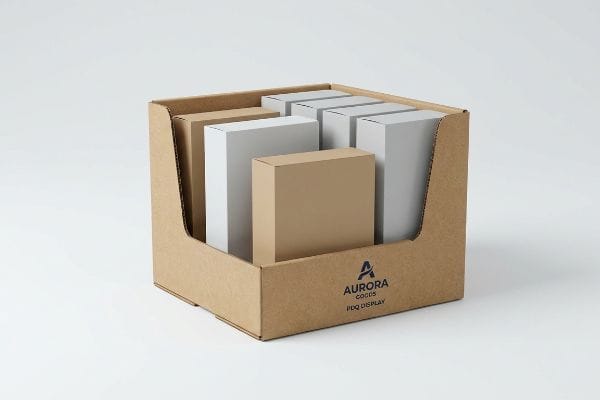
基本的な定義を知ることは出発点に過ぎません。これらのユニットの背後にある物理的な仕組みを理解することが、実際に製品を店頭に並べるための鍵となります。.
PDQディスプレイとは何ですか?
この構造フォーマットを明確に理解することが、大量販売における小売店展開を成功させるための第一歩です。これは単なる箱ではなく、綿密に設計された展開システムなのです。.
PDQディスプレイは、あらかじめ商品を陳列した専用の販売用トレイで、店員は個々の商品の補充作業を完全に省略できます。一体型の取り外し可能なカバーやモジュール式の段ボール製ベースを使用することで、標準的な輸送用コンテナを瞬時に、小売店の棚に直接設置できる、消費者の目を引く商品陳列棚へと変身させます。.

輸送用ボックスからマーケティングツールへの構造的な転換が、それらの製造方法のすべてを決定づける。.
真のPDQディスプレイトレイの仕組み
ほとんどの調達チームは、これらのユニットを標準的な折りたたみ式カートンとして扱い、構造レイアウトは後回しにしています。彼らは、型抜きされたトレイであれば、製品が自然に収まり、輸送に耐えられると想定しています。この過度に単純化されたアプローチでは、 これらのユニットが受ける物理的なストレスを無視しています 。
ベテランデザイナーでさえ、内部仕切りを過剰に設計してしまうという落とし穴に陥りがちで、結果として バラバラの段ボール片になってしまいます。忙しい金曜日の夜に、慌てた在庫係がこれらの複雑な仕切りを組み立てようとすると、大きな摩擦が生じ、 組み立てラインの速度が推定で30%低下します2。私は店員が10分間も格闘し、最終的に諦めて製品を醜い茶色の輸送箱に入れたままにしているのを見てきました。このボトルネックを解消するために、私はあらかじめ接着されたモジュール式トレイを使用した「ゼロフラストレーション」基準を義務付けています。 工場の現場、自動ロック式の底が所定の位置に収まる大きな満足のいく音がして、設計が機能していることが証明されます。この微調整により、不要な手作業が排除され、キャンペーンが意図どおりに展開されることが保証されます。
| 初心者によくある間違い | プロフィックス | 小売店舗におけるメリット |
|---|---|---|
| 複雑な複数部品からなる、仕切り板を設計する。. | あらかじめ接着されたモジュール式ロックトレイを導入する。. | 組み立て時間を1ユニットあたり45秒短縮3. |
| 複雑なタブの折り畳み作業を倉庫スタッフに任せている。. | 自動組み立て式基礎構造物の工学4. | 誤った設置や商品の破損を防ぎます。. |
| 標準的な、接着されていない折り目線を使用します。. | 製造工程中に機械接着式アンカーポイントを追加する5. | 全店舗において、構造上の完全な均一性を保証します。. |
トレイの開閉が困難だからといって、せっかくの優良なフロア設置機会を逃してはなりません。組み立て工程における摩擦を排除することで、投資対効果を直接的に守ることができます。.
🛠️ ハーベイのデスク: 現在お使いのディスプレイファイルは、小売店スタッフをイライラさせるような複雑な手動ロックタブに頼っていませんか? 👉 ダイラインファイルを私に送ってください ↗ — 私のデスクに直接アクセスできます。自動販売スパムは一切ありませんのでご安心ください。
PDQとは何の略ですか?
その名称自体が、物流における責務を定めている。物理的なユニットがその頭文字にふさわしい役割を果たさなければ、現場での主要な目的を達成できないことになる。.
PDQとは「Pretty Darn Quick(かなり迅速)」の略で、小売店での即時展開を前提に設計されたパッケージを指します。この業界分類は、究極の運用目標であるフロア作業の最小化を象徴しています。ブランド各社は、これらの最適化されたパッケージを活用することで、商品をより早く店頭に並べ、集客力の高いプロモーション期間中の在庫切れを防止しています。.
しかし、単に設計が迅速だと言うだけでは、圧力下でも魔法のように完璧に組み立てられるわけではない。.
なぜ「かなり速い」ことが構造設計を左右するのか
多くのマーケティング部門は、詳細で文字の多い取扱説明書を提供すれば、ディスプレイの構造的な複雑さによる問題点を解消できると考えています。彼らは、分厚い冊子を添えて組み立て式の製品を出荷し、小売店の従業員が複数の複雑な手順を注意深く読んで実行することを期待しています。しかし、これは理想的なシナリオに基づいたものであり、繁忙期である 年末年始の陳列変更。
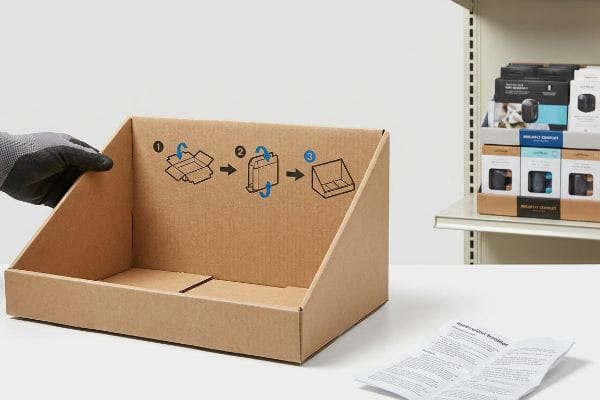
実際には、店員には組み立て説明書をじっくり読む時間はありません。複雑な組み立て式家具に説明書が必要な場合、作業員が本来の留め具を理解できず、余った透明テープがせっかくの高級グラフィックに無造作に巻き付けられ、ベタベタとした見苦しい仕上がりになってしまうことがよくあります。そこで私は、IKEAスタイルの組み立てガイドをEフルートボードの隠れたフラップに直接印刷することで、この混乱を解消しました。太字で分かりやすいピクトグラムを用いることで、言語の壁に関係なく、誰でも10秒以内にディスプレイを組み立てられるようにしました。この視覚的なアプローチにより、印刷された説明書は不要になり、部品表(BOM)のコストを削減しながら、クリエイティブチームが思い描いた通りのディスプレイが完成します。
| 初心者によくある間違い | プロフィックス | 小売店舗におけるメリット |
|---|---|---|
| 厚手の紙製説明書(文字がびっしり詰まっている)も含まれる。. | 隠れたフラップに視覚的なグラフィックを直接印刷する。. | 迅速なセットアップ時に言語の壁を取り除きます。. |
| 組み立て手順を別の紙の挿入物に記載して隠す。. | 高速動画にリンクする大型QRコードを統合する。. | 瞬時に、スムーズな視覚的ガイダンスを提供します。. |
| 店員の限られた接客時間を無視する。. | 3ステップ未満で組み立てられる構造を設計する。. | 製品が実際に小売店の棚に並ぶことを保証する。. |
小売店の業務効率を低下させる要素はすべて排除することが、業務の成功に不可欠です。説明書を読むのにトレイを折りたたむよりも時間がかかるようでは、そのデザインは機能的に欠陥があります。.
🛠️ ハーベイのデスク: 組み立て前にゴミ箱行きになるような、バラバラの説明書を同梱していませんか? 👉 ファイルレイアウトを確認してください ↗ — 安全にダウンロードしてください。後で質問があれば、いつでもご連絡ください。
パッケージの PDQ は何の略ですか?
この概念をサプライチェーンのハードウェアに直接適用すると、用語はマーケティングから本格的な構造工学へと変化する。.
パッケージングにおいて、PDQとは、輸送時の保護と店頭什器としての二重機能を備えた構造設計を意味します。このカテゴリーでは、精密に設計されたミシン目加工と、簡単に取り外せるフードが重要な役割を果たします。輸送用容器と陳列トレイを一体化した単一素材のユニットにすることで、ブランドはコストのかかる再梱包工程を完全に排除できます。.
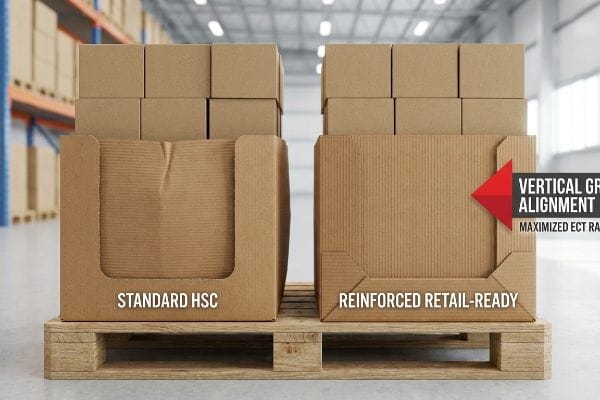
輸送用コンテナと小売店用ディスプレイを一体化させると、見栄えと耐久性の間で危険な矛盾が生じる。.
売れる配送ボックス:小売店向けパッケージ
コスト削減の一般的な手法として、標準的なRSC(レギュラー・スロット・コンテナ)をHSC(ハーフ・スロット・コンテナ)に交換し、開口部のある小売用コンテナを即座に作成するという方法があります。調達チームは、上部のフラップを取り外せば、輸送用コンテナを簡単にディスプレイ容器に変換でき、同時に紙板の使用量も削減できると考えています。彼らは、パレット積載時の物理的な特性を考慮せずに、表面積に基づいてコスト削減額を計算しています。.
経験豊富なバイヤーでさえ、この構造上の落とし穴にはまり、段ボール箱の強度は上部のフラップが角を直角に保つことによって大きく左右されることを忘れてしまいます。上部の囲いを取り外してオープンなトレイにすると、360度全方向の安定性が失われます。私の施設では、支えのない段ボールの角が1,200ポンド(544.3kg)の静荷重でゆっくりと、しかし確実に崩れ落ちるのを目の当たりにしてきました。この脆弱性に対処するため、私はECT(エッジクラッシュテスト)評価を最大化するために、段ボールの木目を厳密に垂直に揃えることを義務付けています。フルートを完全にまっすぐに立てるように再配置することで、高価なプラスチック補強材を追加することなく失われた圧縮強度を回復し、海上輸送中の製品の壊滅的な潰れを防ぎます。.
| 初心者によくある間違い | プロフィックス | 小売店舗におけるメリット |
|---|---|---|
| 開口部のある容器に、標準的な水平方向の溝を使用する。. | ECTを最大化するために、波状の木目を垂直に揃える8. | 重いパレットを載せた際の最下段のたわみを防ぎます。. |
| 内積が上側の荷重を支えるものと仮定する。. | ベーストレイ9に二重壁プロファイルを指定する。 | 物理的な商品を圧縮による損傷から保護します。. |
| HSCの構造的な弱点を無視する。. | 数学的に計算された許容誤差補強材10を追加する。 | 貨物損害賠償請求額を大幅に削減します。. |
パッケージは、店頭に並ぶ前に倉庫での保管に耐えられるよう、綿密に設計されていなければならない。どんなに素晴らしいグラフィックデザインでも、出荷ドックで箱が潰れてしまっては、全く意味がない。.
🛠️ ハーベイのデスク: 現在お使いのオープントップパッケージは、重いパレット荷重で底部が大きく崩壊する危険性はありませんか? 👉 構造レビューをご依頼ください ↗ — 延々と営業電話がかかってくるようなフォームはありません。純粋な価値をご提供します。
ウォルマートにおける PDQ とはどういう意味ですか?
大型量販店という環境に足を踏み入れると、ルールはすべて変わります。もはや消費者のためだけにデザインするのではなく、企業のためにデザインすることになるのです。.
ウォルマートでは、PDQとは、ベンダーの厳格な商品陳列仕様を完全に遵守することを意味します。同社は、これらのトレイについて、正確な寸法制限、特定の構造強度、最適化されたラベル配置を義務付けています。これらの標準化された物理的基準を満たさない場合、倉庫での即時拒否、高額な再梱包費用、そして販促スペースの損失につながります。.
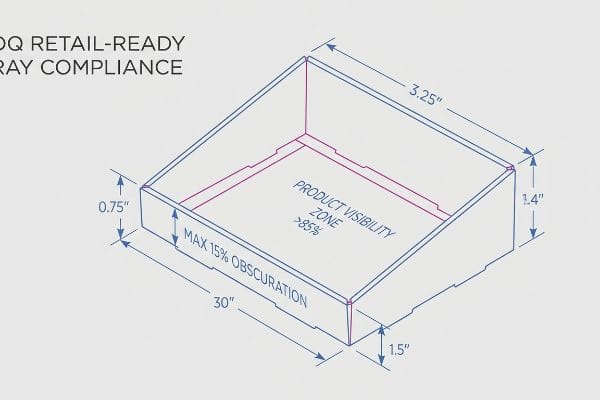 85%)最大15%の遮蔽率。
しかし、理論を知っているだけでは十分ではない。機械が稼働し始め、小売店の監査担当者が巻尺を取り出すと、話は別だ。.
「製品優先」のコンプライアンス監査を乗り切る
多くのグラフィックデザイナーは 陳列トレイ を巨大なブランドロゴや宣伝文を掲載する絶好の場所と見なしています。彼らは、小売業者が積極的なマーケティングを高く評価してくれるだろうという前提で、視覚的なインパクトを最大化するために、背が高く威圧的な前面パネルをデザインします。この美的前提は、 大手小売チェーンが強制する厳格な購買基準に11。
これは単なる理論ではありません。クライアントが提出した型抜き線が実際の製品を完全に覆い隠してしまう場合、テスト現場で実際にこのようなことが起こるのを目にします。大手小売店は「製品優先」のルールを厳格に適用し、 前面の縁が主要製品の15%以上を覆い隠さないように 。私は常にこの盲点に気付き、32ECTバージンクラフトボードの硬い抵抗を感じながら、過度に伸びた型抜きエッジを親指でなぞると、小売店が即座に拒否するだろうと分かります。私は容赦なくその前面パネルを切り詰め、BCT(ボックス圧縮テスト)を再計算して、短い壁でも重量を支えられることを確認します。この厳格な幾何学的準拠を適用することで、配送センターでコンテナ全体がフラグ付けされるのを防ぎ、キャンペーンの利益率を完全に消し去ってしまうような壊滅的な再梱包ペナルティを回避することができます。
| 初心者によくある間違い | プロフィックス | 小売店舗におけるメリット |
|---|---|---|
| ロゴスペースを最大限に活用するために、フロントリップを高くデザインする。. | 「85%の製品視認性」の幾何学的ルール13。 | 厳格な ベンダーコンプライアンス監査に 即座に合格します。 |
| 大型量販店の許容寸法を推測する。. | ダイラインを中央集約型小売業者データベースに紐付ける14. | 倉庫での返品遅延のリスクを排除します。. |
| 前面の壁を低くすると、強度を犠牲にすることになる。. | 荷重分散のために側壁角度を再設計する15. | 視覚的な仕様を満たしながら、積み重ね時の強度も維持します。. |
小売業における物理的および構造的な適合性に関するガイドラインは、一切の妥協を許しません。ミリ単位の厳密な物理的仕様を満たすことで、ディスプレイが配送センターでの輸送に耐えられることが保証されます。.
🛠️ ハーベイのデスク: 現在のフロントリップの寸法が、大手量販店の85%の視認性要件に違反していないかご存知ですか? 👉 ダイラインファイルをお送りください ↗ — 大量生産に予算を無駄にする前に、計算をストレステストします。
結論
構造物理学を無視するベンダーを選ぶこともできますが、輸送中に上部が開いたトレイが崩壊し、深刻な底面の歪みが発生して小売店が即座に返品し、高額な手作業による再加工が必要になった場合、当初の節約効果は消えてしまいます。500人以上のブランドマネージャーが、このような致命的な初期段階のミスを回避するために、私のプリプレスチェックリストを使用しています。コンプライアンス許容範囲を推測するのはやめて、量産前に構造上のエラーを検出するために、私の無料ダイライン監査↗であなたのファイルを直接チェックさせてください。
「PDQディスプレイ完全ガイド:定義、種類、設計…」、 https://www.hedarack.com/blogs-detail/pdq-display。[権威ある包装工学文献では、PDQディスプレイが輸送から小売への移行中に受ける特定の圧縮応力と振動応力が特定されています]。証拠の役割:技術的検証。情報源の種類:エンジニアリングホワイトペーパー。裏付け:標準的な折りたたみ式カートンよりも特殊な構造設計が必要であること。適用範囲に関する注記:段ボール材料に特化して適用されます 。↩
「パッケージが小売ディスプレイプログラムの成功をどのように左右するか」、 https://www.frankmayer.com/blog/how-packaging-shapes-retail-display-program-success/。[小売業の労働生産性とマーチャンダイジング展開時間に関する業界データは、複雑な組み立てに伴う効率損失の推定を裏付けるだろう]。証拠の役割:定量的検証、情報源の種類:小売業務調査。裏付け:小売展開における組み立て摩擦の運用コスト。範囲に関する注記:割合は小売業種と製品サイズによって異なる場合があります 。↩
「迅速なセットアップと小売業へのインパクトを追求した段ボール製PDQディスプレイ」、 https://www.abbottaction.com/packaging/corrugated-pdq-displays/。[業界ベンチマークまたは包装効率調査により、バラバラの仕切りではなく、あらかじめ接着されたモジュール式トレイを使用することで達成される具体的な時間短縮が検証されるでしょう]。証拠の役割:定量的指標、情報源の種類:業界レポート。サポート:モジュール式トレイの運用効率。範囲に関する注記:大量小売組立シナリオに基づいています 。↩
「段ボール製PDQディスプレイとは?|使用方法とメリット」、 https://www.creativedisplaysnow.com/pdq-displays-lightning-quick-displays/。[技術的なパッケージングガイドラインでは、自動組み立て機構が店舗展開時の設置エラーと製品損傷を最小限に抑える方法を詳しく説明しています]。証拠の役割:技術検証、情報源の種類:パッケージングエンジニアリングマニュアル。サポート:組み立てエラーの削減。適用範囲に関する注記:店頭ディスプレイエンジニアリングに適用されます 。↩
「建築基準ガイド03-10:接着アンカー – Portland.gov」、 https://www.portland.gov/ppd/codes-rules-and-guides/bcg-03-10-adhesive-anchors。[小売ディスプレイの製造基準では、機械接着が手作業による折り畳みと比較して、いかに一貫した構造的完全性を確保するかを説明しています]。証拠の役割:技術仕様、情報源の種類:製造基準。支持対象:店舗間の構造的均一性。適用範囲に関する注記:工業規模の生産に特化 。↩
「Eフルート段ボールガイド:その利点と使用時期」、 https://www.accbox.com/blog/a-guide-to-e-flute-corrugated-what-its-good-for-and-when-to-use-it/。[段ボールのグレードに関する技術データは、PDQユニットにおける高品質印刷と構造的完全性のためにEフルートが利用される理由を説明しています]。証拠の役割:技術仕様。情報源の種類:包装業界標準。サポート:材料の適合性。適用範囲に関する注記:段ボールに特化 。↩
「PDQディスプレイ完全ガイド:定義、種類、デザインのヒント」、 https://www.cardboard-display-stand.com/news/the-complete-guide-to-pdq-displays-definition-85172113.html。[小売包装の業界ベンチマークでは、視覚的な組み立て手順がテキストベースのマニュアルと比較してセットアップ時間を大幅に短縮することが示されています]。証拠の役割:定量的検証。情報源の種類:物流ケーススタディ。サポート:展開速度。範囲に関する注記:パフォーマンスはディスプレイの複雑さによって異なります 。↩
「全視野ひずみで強化された新しいエッジクラッシュテスト構成…」、 https://pmc.ncbi.nlm.nih.gov/articles/PMC8510352/。[技術的な包装マニュアルでは、フルートを垂直に揃えることでエッジクラッシュテスト(ECT)値を最適化し、垂直荷重下での構造的破損を防ぐ方法が説明されています]。証拠の役割:技術仕様書、情報源の種類:エンジニアリングマニュアル。サポート:オープントップビンの構造的完全性。適用範囲に関する注記:段ボールに特化して適用されます 。↩
「段ボール箱の種類 – Morrisette Packaging」、 https://morrisette.com/types-of-corrugated-boxes/。[段ボール包装の業界標準では、二重壁構造は単層構造に比べて優れた圧縮耐性を示すことが実証されています]。証拠の役割:技術仕様、情報源の種類:業界標準。サポート:圧縮損傷の防止。適用範囲に関する注記:単層構造の厚さとの比較 。↩
「よりスマートな輸送管理が貨物の損傷をどのように軽減するか…」、 https://www.packaging-labelling.com/articles/how-smarter-transportation-management-reduces。[物流および包装工学の研究によると、輸送ケースの補強を計算することで、構造的破損とそれに伴う貨物クレームを大幅に軽減できることが示されています]。証拠の役割:事実に基づく主張。情報源の種類:物流研究。裏付け:貨物損傷の軽減。範囲に関する注記:有効性は、使用される特定の荷重計算に依存します 。↩
「ウォルマートのPDQディスプレイトレイの基準をご存知ですか?」、 https://www.holidaypac.com/blog/PDQ-display-tray.html。[小売業者のベンダーマニュアルとコンプライアンスガイドでは、製品の視認性とアクセス性を確保するために、PDQトレイの前面リップの最大高さを規定しています]。証拠の役割:技術仕様、情報源の種類:企業コンプライアンスマニュアル。裏付け:ディスプレイの厳格な購買性指標の存在。範囲に関する注記:大型小売店環境に焦点を当てています 。↩
「PDQパッケージング:ブランド認知度と小売効率の向上」、 https://innorhino.com/blog/about-business/pdq-packaging-brand-visibility?srsltid=AfmBOoq144W-zoa6vODtpNmd9HsBhPYlW8IdUsLWm1AD7TsU9TLs9F1e。[小売業者ベンダーマニュアルでは、消費者の視認性を確保するために、PDQディスプレイ内の主要製品の正確な視認性要件を規定しています]。証拠の役割:仕様検証、ソースタイプ:ベンダーコンプライアンスガイド。サポート:「製品優先」コンプライアンス指標。範囲に関する注記:要件は小売業者によって若干異なる場合があります 。↩
「POPディスプレイスタンドとは? – カスタム段ボール&波形段ボール…」、 https://popdisplay.me/what-is-a-pop-display-stand/。[小売業者のコンプライアンスマニュアルまたはPDQディスプレイの業界標準では、監査に合格するために必要な製品の視認性の特定の割合が検証されています]。証拠の役割:技術仕様。情報源の種類:業界ハンドブック。サポート:前面の縁の高さを最小限に抑えるという要件。範囲に関する注記:具体的な割合は、個々の小売業者のガイドラインによって異なる場合があります 。↩
「小売業におけるPDQパッケージングの理解」、 https://www.linkedin.com/pulse/understanding-pdq-packaging-retail-moss-tvthc。[ベンダーポータルのドキュメントは、大型量販店向けの承認済みダイラインと寸法仕様を含む集中型データベースの存在を確認している]。証拠の役割:プロセス検証。ソースタイプ:技術文書。サポート:倉庫での拒否を回避する方法。範囲に関する注記:特にB2Bベンダー管理システムを指す 。↩
「(PDF)段ボール箱の積み重ね強度 – Academia.edu」、 https://www.academia.edu/106038454/Stacking_Strength_of_Corrugated_Boxes。[段ボール材料の構造工学原理では、壁の角度を調整することで垂直方向の耐荷重能力を最適化する方法が説明されています]。証拠の役割:技術原理、情報源の種類:工学教科書。支持事項:前面壁を下げながら積み重ね強度を維持する能力。適用範囲に関する注記:段ボールの構造設計に適用されます 。↩