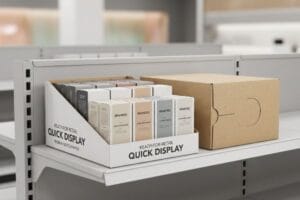
小売店の陳列棚が組み立てられずにバックルームに放置されていると、利益がどんどん減っていきます。設計の不十分なPDQスタンドは、単なる販売機会の損失にとどまらず、目に見えない業務上のボトルネックにもなり得るのです。.
PDQ(Product Displayed Quickly:迅速陳列)スタンドは、迅速な棚への設置と消費者の即時的な関心喚起を目的とした、コンパクトで小売店向けの陳列什器です。軽量な段ボール構造により複雑な組み立てが不要となり、店員は消費者向け包装商品を輸送用カートンから直接、瞬時に店頭に陳列できます。.
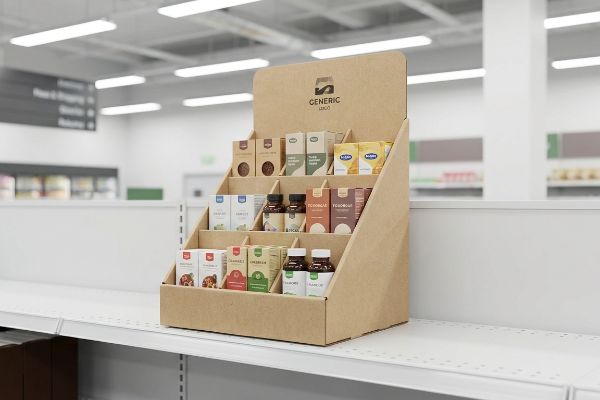
しかし、これらの略語の意味を知っていても、500店舗展開計画が自重で崩壊するのを防ぐことはできません。では、これらの店舗が大型小売店の厳しい物理的環境の中で実際にどのように生き残っているのかを見ていきましょう。.
ディスプレイにおけるPDQとは何ですか?
文字通りの意味は誰もが知っているが、商業的な定義を理解するには、買い物客の心理や空間的な制約についてより深く考察する必要がある。.
小売店向けディスプレイにおけるPDQスタンドとは、「迅速に商品を表示できる」という意味で、視認性の高い、組み立て済みの商品陳列什器として機能します。その主な機能は、店頭での最適な陳列場所を確保し、小売店スタッフによる追加の陳列作業を必要とせずに、最適な視角で商品を陳列することで、衝動買いを促進することです。.
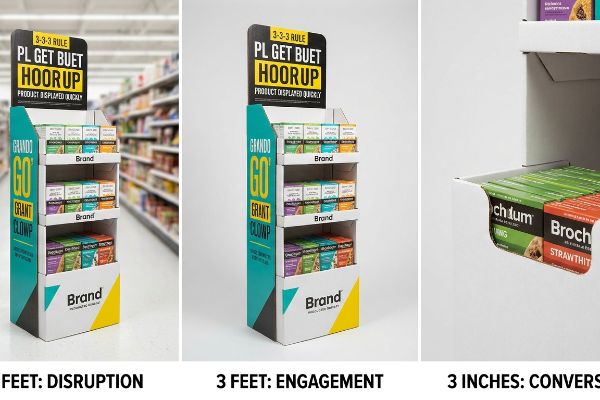
そのコンセプトを物理的な構造物に落とし込むには、茶色の箱に鮮やかなロゴを印刷するだけでは不十分だ。.
効果的なPDQスタンドの背後にある3-3-3ルール
若手デザインチームは、バックライト付きデジタルモニターで間近に見ることを前提に小売店のディスプレイを設計することが多く、買い物客が混雑した店内通路をどのように移動するかという現実を無視してしまう。彼らは、すっきりとしたレイアウトと標準的な企業ブランディングがあれば、自然と客足がレジカウンターに引き寄せられると考えているのだ。.
自信満々で平面のアートワークを見つめているのは分かりますが、私のクライアントの80%は、初めてファイルを提出する際にまさにこの間違いを犯します。彼らは 小売店のエンゲージメントの3-3-3ルール1無視しているのです。POP(販売時点情報管理)ディスプレイが30フィート離れたところから通路を視覚的に遮り、3フィート離れたところから顧客の注意を引きつけ、3インチ離れたところから触覚的なコンバージョンを促さなければ、それは見えなくなってしまいます。私は店員が視覚的に平坦で文字ばかりのディスプレイをレジのすぐそばに置いているのを見てきましたが、急いでいる買い物客は段ボールの滑らかで光沢のある表面をちらりと見るだけで通り過ぎてしまいます。30フィート離れたところからでも目を引くためには、大胆な型抜きヘッダーと高コントラストのスポットカラーの全面印刷が必要です。そうでなければ、高価な背景ノイズにお金を払っているだけです。
| 初心者によくある間違い | プロフィックス | 小売店舗におけるメリット |
|---|---|---|
| テキスト中心のマーケティングコピー | 単一の型抜きされた焦点 | 30フィート先からでも注目を集める2 |
| CMYKハーフトーンロゴ | PMSスポットカラーフラッド3 | ブランドの認知度を最大化する |
| 深いフロント保持リップ | 視界85%を確保するためのカットリップ4 | 3インチのインパルス変換を駆動します |
私はあらゆるプロジェクトにおいて、二次的なマーケティングコピーを排除し、代わりに3D構造的な焦点を意図的に設けるようにしています。そうすることで、わずか3秒という短い時間の中で心理的なトリガーが確実に作動し、無駄な空間を収益を生み出す有効な手段へと変えることができるのです。.
🛠️ ハーベイのデスク: あなたの現在のアートワークが、30フィート離れたところからでも衝動買いを誘発するかどうか確信が持てませんか? 👉 無料のダイライン監査を受けましょう ↗ — 私のデスクに直接アクセスできます。自動販売スパムは一切ありませんのでご安心ください。
ディスプレイスタンドにはどのような種類がありますか?
大量の段ボールユニットを発注する前に、構造上の設置面積が小売業者の厳格な規制基準に適合していることを確認する必要があります。.
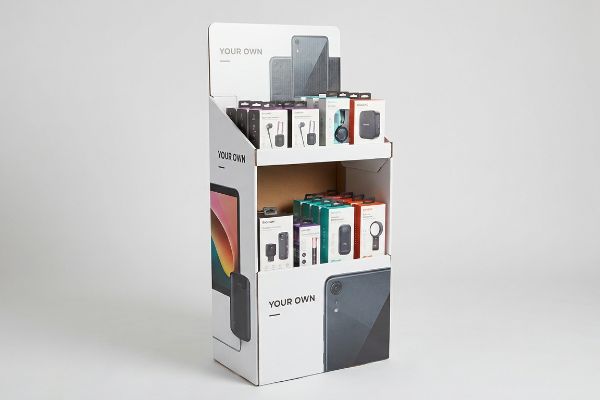
ディスプレイスタンドには、大型フロア型陳列台、パレット型ディスプレイ、カウンター型POS(販売時点情報管理)ユニット、サイドキック、棚置きトレイなど、さまざまな種類があります。それぞれのフォーマットは、店舗内の特定の空間ゾーンに対応し、小売店の寸法および重量に関するガイドラインを厳守しながら、商品の密度を最大限に高めるように設計されています。.
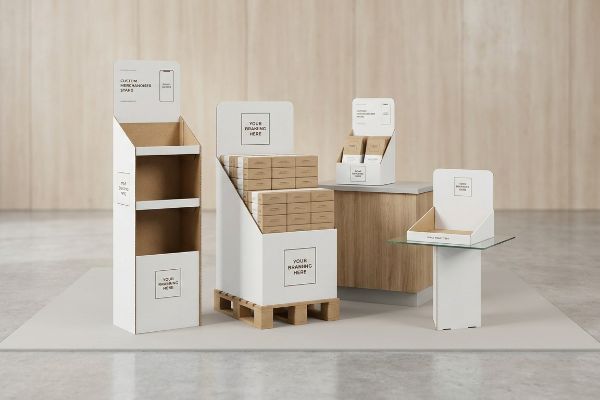
間違ったフォーマットを選択すると、見た目が不自然になるだけでなく、受取ドックで即座にコンプライアンス違反として拒否される原因となります。.
ディスプレイタイプにおけるADAとGMAの制約
商社は、大型のフロアディスプレイをカウンターユニットとして使用できる50%縮小できる拡張可能な設計を頻繁に提案します。彼らは、北米のこれら2つの別々の小売ゾーンを規定する厳格な法的および物流上の規則を無視しています。
経験豊富な調達チームでさえ陥るよくある落とし穴は、シュリンク・トゥ・フィット方式が新しいスチールルールダイのコスト削減につながると考えることです。しかし、フロア型とカウンター型は根本的に異なる機械です。フロア型は、 48×40インチ(1219×1016 mm)のGMAパレット制限6 。カウンター型ユニットは、ADA(米国障害者法)の 15~48インチ(381~1219 mm)前方到達範囲7に準拠する必要があります。私は、縮小されたフロアディスプレイによって、高い レジカウンターその結果、店長が不適合なユニット全体をOCC(古い段ボール)リサイクルビンに直接投げ込むという大きな音を立てることになったでしょう。
| 初心者によくある間違い | プロフィックス | 小売店舗におけるメリット |
|---|---|---|
| カウンター用の床面積を縮小する | POS/POPエンジニアリングを分離 | 店長による拒否を防ぐ |
| パレットの突出制限を無視する | 0.5インチ(12.7mm)の安全マージン8 | 輸送中の圧迫を防ぎます |
| レジ棚の高さが高い | 厳密な15~48インチ(381~1219mm)ゾーン9 | 合法的なショッピングアクセスを保証します |
私は、フロア型とカウンター型のエンジニアリングパイプラインを恒久的に分離しています。キャンペーンを適切な空間マトリックスに厳密にマッピングすることで、 販売店のコンプライアンス 監査を通過できるようにします。
🛠️ ハーベイのデスク: あなたの店頭ディスプレイは、大型量販店のリーチ規制に意図せず違反していませんか? 👉 こちらで仕様をご確認ください ↗ — 安全にダウンロードしてください。ご質問があれば、後ほどメールでお問い合わせください。
PDQという略語は何の略ですか?
その名前自体がスピードを約束しているが、小売業におけるスピードは、目に見えない構造設計に完全に依存している。.
PDQという略語は「Pretty Darn Quick(かなり速い)」の頭文字をとったもので、その物流における中核的な目的を的確に表しています。現代の小売業界の用語で言えば、PDQはあらかじめ梱包され、すぐに店頭に並べられる段ボール容器のことで、工具やテープ、複雑な折り畳み作業は一切不要です。そのため、店舗スタッフは30秒以内に商品を陳列できます。.

「クイック」という言葉は役員会議室で口にするのは非常に簡単だが、それを一枚の平らな板紙に刻み込むのは驚くほど難しい。.
非常に迅速な組み立てを実現する
ブランド側は、平らに梱包された型抜きボードを小売店に送るだけで、組み立てが簡単という評判を得られると考えることが多い。工場での接着剤コストを削減するために複雑な折り紙のような折り方パターンに頼り、ピーク時の営業時間中に最低賃金の店員が構造エンジニアのように働くことを期待している。
組み立て説明書なしで組み立て家具を組み立てるようなものだと考えてください。すぐにイライラしてしまうのは当然です。ベテランデザイナーでさえ、複雑な連結タブを描く際にこの盲点を見落としがちです。私がこれらの接着されていない折り紙デザインをコングスベルグCシリーズカッターでテストすると、厚さ 32ECTのバージンクラフトボード11 、タブをスムーズにはめ込むことができません。テスターがロックを無理やり押し込もうとすると、生の紙板が破れる音が頻繁に聞こえ、その結果、ヘッダーが破れ、ぐらつくベースは醜い透明テープで固定する必要があります。解決策は、複雑な作業を工場に戻して、文字通り流れるような動作でパチッと開く接着済みのモジュール式トレイを使用することです。
| 初心者によくある間違い | プロフィックス | 小売店舗におけるメリット |
|---|---|---|
| 複雑な折り紙の折り方パターン | 工場で接着済みのクラッシュボトム | 組み立て時間を10秒未満に短縮 |
| 無印の連結タブ | 番号付きの視覚的手がかり | 店員の不満を解消する |
| 小売店スタッフのテープに頼る | 摩擦嵌合式ロックパネル | 高級ブランドイメージを維持する |
私は複雑な折りたたみパズルを大型量販店に出荷することを拒否します。組み立てが簡単で、あらかじめ接着済みの標準仕様を義務付けることで、商品がバックルームからスムーズに店頭に並ぶことを保証します。.
🛠️ ハーベイのデスク: 現在のディスプレイは、イライラした店員が複雑な紙製のロックを組み立てるのを頼りにしていませんか? 👉 構造レビューを依頼する ↗ — 延々と営業電話がかかってくるようなフォームはありません。純粋な価値だけを提供します。
PDQ トレイは何の略ですか?
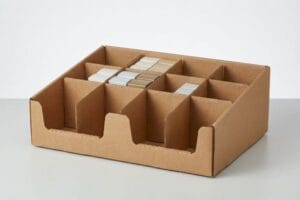
店頭陳列用トレイは小売マーケティングの主力商品だが、その機能的なシンプルさは非常に見かけ倒しである。.
PDQトレイとは「Product Displayed Quickly(迅速に陳列できる商品)」トレイの略で、小売店の棚に陳列するために特別に設計された、上部が開いた段ボール箱のことです。これらのトレイは、共同包装施設で商品があらかじめ詰められており、前面の保持リップが低く、背面パネルが高いため、視認性を最大限に高め、積み重ねた商品を安定させることができます。.
しかし、自動組立機が高速で稼働し始めると、理論を知っているだけでは決して十分ではない。.
工場現場で標準トレイが故障する理由
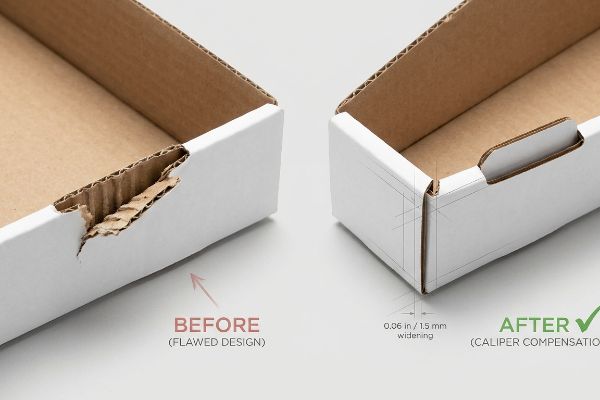
グラフィックデザイナーは、デジタルソフトウェア上で、嵌合パネルと全く同じ幅の連結タブや折り畳みスロットを作成することがよくあります。彼らはトレイを理論上の平面物体として扱い、折り畳まれた 段ボール が形状に合わせて曲がる際の物理的な厚みを全く考慮に入れていません。
私の施設では、美しく印刷されたファイルが、最初の試作段階で完全に失敗するケースを日常的に目にします。これはシステム上の落とし穴です。デザイナーが、ボードを90度折り曲げたときの材料の厚みの消費を考慮せずに、標準的なEフルートのスロットを描いてしまうのです。私のチームが物理的な組み立てをテストすると、受け入れスロットが数学的に狭すぎることが判明します。オペレーターは部品を無理やり押し込まなければならず、内部のフルートが潰れ、重要な前面の縁の部分でリソラミネートされたトップシートが破れてしまいます。私は、パラメトリックCAD(コンピュータ支援設計)ソフトウェアを使用して、厳密な厚み補正アルゴリズムを自動的に適用し、 スロットを正確に0.06インチ(1.5 mm)12だけ 曲げ半径を吸収することでこの問題を解決しています。この微細な公差を厳守することで、 共同梱包の組み立て時間をトレイ1枚あたり最大25秒短縮し13、顧客の人件費を数千ドル節約し、破れて販売できないディスプレイが店頭に並ぶのを防いでいます。
| 初心者によくある間違い | プロフィックス | 小売店舗におけるメリット |
|---|---|---|
| 2Dにおけるスロットとタブの比率は1:1 | キャリパー補正の適用14 | 破れたリソグラフィ層を阻止します |
| 板の折り目の厚さを無視する | 正確な曲げ代を追加する15 | 摩擦のない共同包装機アセンブリ |
| 機械的な接合部を無理やり締め付ける | 0.06インチ(1.5mm)のスロット幅拡大16 | 材料の強度を維持する |
印刷版を一枚も作成する前に、正確な曲げ代を盛り込むために、平面データを完全に再構築します。単にアートワークを印刷するだけでなく、重い製品負荷がかかった状態でもトレイが完全に直角に収まるように、数学的に計算して保証します。.
🛠️ ハーベイのデスク: 2ミリの構造上の欠陥で500店舗展開を台無しにしないでください。👉 ダイラインファイルをお送りください↗ — 大量生産に予算を浪費する前に、計算をストレステストします。
結論
より安価なベンダーを選ぶこともできますが、スロットがきつすぎて折り目が崩れ、ディスプレイ トレイのリソラミネートが破れてしまうと、大きな摩擦が生じ、組立ラインの速度が推定 30% 低下し、プロジェクトの利益率が完全に失われてしまいます。これは、私のトップ 10 社の小売クライアントが印刷不良ゼロを保証するために使用している仕様書です。構造曲げ公差を推測するのはやめて、量産開始前に致命的な摩擦点を見つけるために、私がお客様のフラット ファイルを無料でダイライン プレフライト監査 ↗でチェックさせてください。
「カスタムストアディスプレイにおける3の法則の重要性」、 https://mcintyredisplays.com/blog/custom-store-displays/。[ビジュアルマーチャンダイジングの業界標準では、3-3-3ルールは、30フィートの距離で顧客を引き付け、3フィートの距離で関心を引きつけ、3インチの距離でコンバージョンに導く戦略として定義されています]。証拠の役割:技術的定義、情報源の種類:小売マーケティングガイド。サポート:効果的なPOPディスプレイデザインのフレームワーク。適用範囲に関する注記:適用方法は店舗レイアウトによって異なる場合があります 。↩
「件名 120-3-3 …に関する規則および規制 – GA R&R」、 https://rules.sos.ga.gov/gac/120-3-3。[権威ある小売マーチャンダイジングガイドでは、買い物客の関心を引くためには、主要な焦点が30フィートから見える必要があるとされています]。証拠の役割:指標の検証。情報源の種類:業界標準。裏付け:視認距離の主張。適用範囲に関する注記:交通量の多い小売環境に特化 。↩
「パッケージ印刷におけるCMYKと特色」、 https://meyers.com/meyers-blog/cmyk-vs-spot-colors-in-packaging-printing-what-cpg-brands-need-to-know/ 。[印刷技術仕様によると、段ボール素材では、Pantone Matching System (PMS) の特色の方がCMYKハーフトーンよりも彩度が高く、ブランドの一貫性が高いとされています]。証拠の役割:技術検証、情報源の種類:印刷制作マニュアル。サポート:ブランド視認性の最適化。適用範囲に関する注記:オフセット印刷とフレキソ印刷に適用されます 。↩
「小売におけるPDQパッケージングの理解 – LinkedIn」、 https://www.linkedin.com/pulse/understanding-pdq-packaging-retail-moss-tvthc。[小売デザイン研究によると、前面の保持リップの高さを低くすると、製品の可視表面積が約85%増加します]。証拠の役割:定量的検証、情報源の種類:マーチャンダイジング調査。サポート:空間的制約の利点。範囲に関する注記:製品の寸法によって異なります 。↩
「ADAアクセシビリティ基準 – Access-Board.gov」、 https://www.access-board.gov/ada/。[米国障害者法(ADA)やGMA基準などの規制枠組みでは、床置き型ディスプレイとカウンター型ディスプレイで異なる、特定のクリアランスと配置規則が義務付けられています]。証拠の役割:検証;情報源の種類:規制ガイドライン。裏付け:小売ゾーンが分かれているとは、法的/物流上の制約が異なるという主張。適用範囲に関する注記:特に北米の小売環境に適用されます。] ↩
「48×40インチ GMAパレット | 最大手パレットメーカー&サプライヤー」、 https://www.palletone.com/products/gma-pallets/。食料品製造業者協会(GMA)の業界文書は、48×40インチのパレット寸法が物流標準であることを検証しています。証拠の役割:技術仕様、情報源の種類:業界標準。サポート:フロアディスプレイのサイズ制限。適用範囲注記:北米物流の標準 。↩
「第3章:操作可能な部分 – Access-Board.gov」、 https://www.access-board.gov/ada/guides/chapter-3-operable-parts/。ADAアクセシブルデザイン基準では、使いやすさを確保するために、アクセシブル要素の許容高さと到達範囲を規定しています。証拠の役割:規制要件、情報源の種類:政府規制。サポート:カウンタートップディスプレイの配置。範囲に関する注記:米国連邦法に特有 。↩
"[PDF] 箱とパレットの積載に関する一般要件", https://www.snapon.com/Snap-on-Files/Suppliers/Packaging-and-Labeling-Guidelines/StandardforPalletandUnitLoads.pdf。[業界の輸送および小売コンプライアンス基準では、輸送中の製品の潰れを防ぐための安全マージンが規定されています]。証拠の役割:技術仕様、情報源の種類:業界ガイドライン。サポート:パレットのオーバーハング制限。範囲に関する注記:仕様は小売業者によって若干異なる場合があります] 。↩
「ADAアクセシブルデザイン基準タイトルIII規則…」、 https://www.ada.gov/law-and-regs/design-standards/1991-design-standards/。[アメリカ障害者法(ADA)は、車椅子を使用する人々のアクセシビリティを確保するために、特定の到達範囲制限を定めています]。証拠の役割:法的要件、情報源の種類:政府規制。サポート:合法的な買い物アクセス。適用範囲に関する注記:米国のアクセシビリティ法に適用されます] 。↩
「折りたたみ箱の卸売価格と小売価格の比較」、 https://www.myboxprinting.com/blog/wholesale-vs-retail-packaging-cost-of-folding-boxes/ 。[段ボール包装エンジニアリングに関する業界ガイドは、フラットパックディスプレイにおいて接着剤ではなくインターロッキングタブを使用することの費用対効果分析を検証するだろう]。証拠の役割:技術的検証、情報源の種類:業界標準、裏付け:製造コスト削減のために折りたたみの複雑さが利用されているという主張。範囲に関する注記:小売PDQおよびPOPディスプレイに焦点を当てている。↩
"[PDF] 段ボール仕様書 – ファイバーボックス協会", https://www.fibrebox.org/assets/2025/09/Walmart_Corrugated-Board_Specifications_Automation_Packaging_Standards.pdf。[段ボール包装の業界標準では、エッジクラッシュテスト(ECT)評価と32ECTバージンクラフトボードの物理的特性が定義されています]。証拠の役割:技術仕様書、情報源の種類:業界標準。裏付け:小売ディスプレイ構築に使用される材料特性。適用範囲に関する注記:ECT評価は、ボード強度の標準化された測定値です 。↩
「段ボール箱究極ガイド – Shorr Packaging」、 https://www.shorr.com/resources/blog/ultimate-guide-corrugated-boxes/。[Eフルート段ボールの技術包装規格では、90度折り曲げ時の材料厚みを考慮するために必要な許容差の追加が規定されています]。証拠の役割:技術仕様書、情報源の種類:包装エンジニアリングマニュアル。サポート:曲げ半径のスロット幅調整。適用範囲に関する注記:Eフルート段ボールのキャリパーに特有 。↩
「製造における製品梱包設計に関する留意事項 | Maple …」、 https://www.maplesourcing.com/reminders-for-product-packing-design-for-manufacturing.html?page=3 。[小売ディスプレイの手動組み立てに関する工業工学データは、材料の干渉を排除することで達成される時間短縮を定量化する。]。証拠の役割:パフォーマンス指標。情報源の種類:運用効率調査。裏付け:微細公差の適用による生産性向上。範囲に関する注記:時間短縮は、トレイの容量と複雑さによって異なる場合があります 。↩
「LithoFlute リソラミネート加工重量カートン」、 https://www.graphicpkg.com/products/lithoflute-litho-laminated-heavyweight-cartons/。[技術的なパッケージングガイドでは、材料の厚さに合わせて設計寸法を調整する方法、つまりキャリパー補正によって、リソラミネート加工された板紙の表面張力と破れを防ぐ方法が詳しく説明されています]。証拠の役割:技術的検証。情報源の種類:パッケージングエンジニアリングマニュアル。サポート:リソラミネートの破れを防ぐ方法。適用範囲に関する注記:ラミネート加工された基材に特有。] ↩
"[PDF] 段ボールの曲げ剛性", https://www.fpl.fs.usda.gov/documnts/pdf1992/luo92a.pdf。[折りたたみ式カートンおよび段ボール製ディスプレイの業界標準では、折り畳み時の材料の圧縮と膨張を考慮して曲げ代を計算することが規定されています]。証拠の役割:標準実施方法の確認。情報源の種類:工業デザインハンドブック。根拠:摩擦のない組み立てのための曲げ代の必要性。適用範囲に関する注記:板材の等級とフルートの種類によって異なります。] ↩
「ケース組立機および梱包機のRSC公差 – AICC Now」、 https://now.aiccbox.org/rsc-tolerances-for-case-erectors-and-packers/。[小売向けパッケージの製造仕様では、通常、材料にストレスをかけずに機械的接合部が適合するように、約1.5mmの公差が推奨されています]。証拠の役割:メートル法の検証。情報源の種類:製造仕様書。サポート:材料強度を維持するための特定の測定。範囲に関する注記:材料のGSMによって異なる場合があります。] ↩