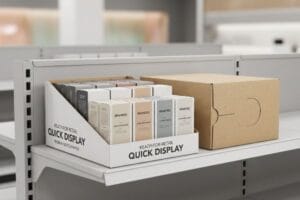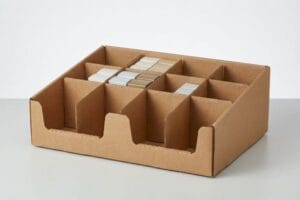
小売店のフロアを歩いていると、 PDQトレイと間違った商品を組み合わせたためにマーケティング予算を無駄にしているブランドを数え切れないほど目にします。成功は偶然ではなく、構造的な幾何学なのです。
PDQ(商品陳列迅速化)トレイに最適な商品は、小型軽量で衝動買いを誘う商品です。化粧品、小型電子機器、包装済みスナックなどがぴったり収まります。これらのコンパクトな小売ソリューションは、レジ周りの混雑を解消し、商品の視認性を最大限に高めながら、カウンターの設置面積を最小限に抑えます。.

しかし、 段ボール箱 に詰めるのは、単なるマーケティング上の判断ではなく、技術的なリスクでもある。
商品を展示するのに最適な方法は何ですか?
小売スペースを確保することは戦いの半分に過ぎません。商品の陳列方法こそが、生き残りを左右するのです。.
商品を効果的に陳列するには、視認性と空間的な訴求力を最大限に高めることが重要です。3-3-3ルールに基づいて商品を配置することで、POP(販売時点情報管理)ユニットは30フィート離れた場所からでも注目を集め、3フィートの距離で買い物客の関心を引きつけ、3インチの距離で最終的な触覚的な購買行動へと導きます。.
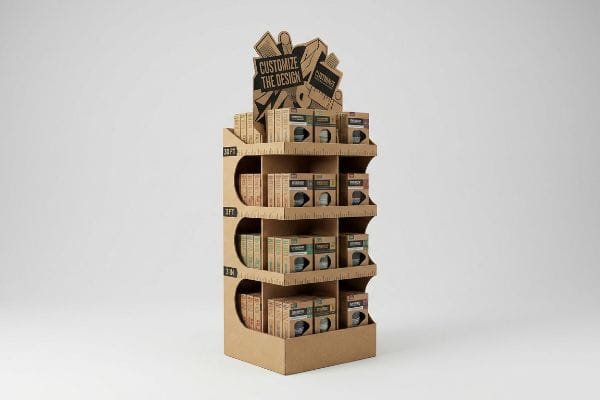
これらの距離の閾値を理解することで、グラフィックデザインにとらわれず、構造的な角度にのみ焦点を当てる必要が生じる。.
3-3-3空間交戦ルールの背後にある構造力学
小売店の陳列棚を設計するには、視線と人間工学に基づいた設計を考慮する必要があります。私は陳列棚を平面の看板として扱うのではなく、三次元の漏斗として設計しました。型抜きされたヘッダーを操作することで、 歩行者用の30フィートのネットを形成¹し、前面の保持リップを物理的に切り詰めて、 一次包装の85%を露出させます²。これにより、消費者の手がスムーズに商品に触れる経路が生まれます。
構造設計チームと金型ラインを確認する際、ADA(米国障害者法)に基づく前方到達制限をCAD(コンピュータ支援設計)ソフトウェアに直接数学的にマッピングします。 最適なストライクゾーンは、床面から15~48インチ(381~1219mm)の範囲に厳密に限定されます。 この垂直方向の範囲外に重くて利益率の高い商品を配置すると、触覚による操作性が大幅に低下します。この厳密な垂直方向の形状を適用することで、商品が見やすいだけでなく、レジでのスキャンを迅速に行えるよう人間工学的に適切な位置に配置されることを保証します。
| メトリック/フィーチャー | 一般的なアプローチ | 人工現実 |
|---|---|---|
| 30フィートのフック | 標準的な角型ヘッダー | 攻撃的な型抜き形状 |
| 3フィートのエンゲージメント | 平らな印刷棚 | 50インチのストライクゾーン4 |
| 3インチ変換 | 高いフロントリップ | 85%の視認性低下5 |
私はすべてのユニットにおいて、この3層構造の空間設計を厳格に適用しています。視覚的な刺激と人間工学に基づいた設計を組み合わせることで、店員に頼ることなく、来店客を確実に売上につなげるディスプレイを実現します。.
🛠️ ハーベイのデスク: 現在お使いのフロアディスプレイは、人間工学的に適切な位置から外れており、触覚によるコンバージョン率を静かに低下させていませんか? 👉 無料の視線分析をお試しください ↗ — すべての構造ファイルを24時間以内に私が直接確認します。
ディスプレイにはどのような5つの種類がありますか?
小売什器の分類は、単に美観の問題ではなく、大型量販店のコンプライアンス基準を厳守することにも関わる。.
ディスプレイの種類は、フロアユニット、カウンタートップトレイ、パレットモジュール、棚用ビン、吊り下げクリップの5種類です。それぞれの構造形式は、異なる小売ゾーンに対応しており、世界中の厳格な店舗物流および通路クリアランス規制に準拠するために、正確な設置面積が求められます。.

デザイナーたちは、これら5つのカテゴリーにわたって変化する拡張性の高いコンセプトを提案したがるが、小売物流の物理法則はそれほど寛容ではない。.
ADA対GMA空間独裁
クライアントのダイラインを監査する際、代理店が48×40インチ(1219×1016 mm)のフロアユニット6を50%縮小して、即席のカウンタートップPOS (販売時点情報管理)モジュールを作成しようとしているのを常に目にします。彼らは、より小さなスケールがレジデスクで自動的に機能すると考えています。彼らは、北米の小売業におけるこれらの別々の物理的ゾーン7を規定する厳格な法的および物流上の規則を完全に無視しています。
これは単なる理論ではありません。縮小したファイルを評価する際に、テスト現場で実際に起こっていることです。デザイナーはアートワークを数学的に縮小しますが、紙の厚みは縮まないことを忘れています。ミニチュアスケールでBフルート段ボールを折り曲げようとすると、 厚さが0.11インチ(2.79 mm)8 であるため、連結タブがたわんで破れてしまいます。私の施設では、縮小してフィットさせることを拒否しています。エンジニアリングパイプラインを恒久的に分離しています。フロアマーチャンダイザーは、動的負荷に対するGMA(食料品製造業者協会)のパレット制限に厳密に固定されていますが、POSファイルは、 15~48インチ(381~1219 mm)のADA準拠ウィンドウ9。この厳格な空間パイプラインを適用し、スロットの許容値を再計算することで、共同梱包の組み立て時間をユニットあたり42秒短縮し、顧客の労働コストを推定15%削減し、小売 業者の拒否による チャージバックを完全に排除しています。
| 表示カテゴリ | 空間的制約 | 工場パイプライン |
|---|---|---|
| 床/パレット | 48×40 GMA境界10 | 高動負荷 |
| カウンタートップ/POS | ADAの到達限界11 | 再計算されたキャリパー |
| サイドキック/パワーバー | 最大幅14インチ12 | 汎用Sクリップ |
私の現場チームは、デザインがシームレスに拡張できるとは決して考えません。ディスプレイの種類ごとに独自の構造プロファイルを設計することで、工場での組み立てと厳しい小売店での検査の両方でキャンペーンが成功することを保証します。
🛠️ ハーベイのデスク: 縮小版カウンタートップのダイラインで、共同包装ラインでのタブの座屈や組み立て時の摩擦がひどくなっていませんか? 👉 構造ダイライン監査を依頼する ↗ — 100%機密保持。未発表の小売デザインは私にお任せください。
「PDQディスプレイボックス」とはどういう意味ですか?
迅速に展開できるトレイも、小売店での使用期間のほとんどをレジカウンターの上で倒れた状態で過ごすようでは、全く役に立たない。.
PDQディスプレイボックスとは、Product Display Quick(商品陳列迅速化)の略で、店頭や棚に素早く設置できるよう設計された、小売店向けのパッケージです。あらかじめ商品が詰められた軽量の陳列ボックスは、組み立て済みの状態で届くため、店員は配送用の梱包材を剥がすだけで、すぐに衝動買い商品を販売できます。.
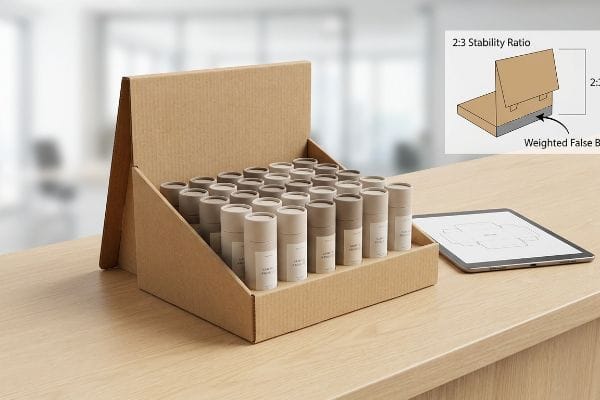
しかし、トレイを素早く開けられるように設計すると、顧客が使い始めると危険なほど重心が高くなり、不安定な構造になってしまうことが多い。.
2:3のカウンタートップ安定性比率の失敗
送られてくる構造ファイルを分析していると、マーケティングスペースを最大限に活用するために、レジカウンターに背の高い看板のようなヘッダーを要求するブランドをよく見かけます。彼らは、重力が小売カウンターでもデジタルレンダリング画面と同じように作用すると考えています。消費者が重くて中身が減ったカートンから商品を勢いよく引き出すときに生じる物理的な転倒点を完全に無視しているのです。
これは単なる理論ではありません。昨年、ある化粧品ブランドの巨大なバックパネルコンセプトをテストした際に、私は身をもってこのことを学びました。特に覚えているのは、主任パッケージエンジニアのマークが、12ポンド(5.44kg)のガラス瓶を積んだ試作品で手動摩擦テストを行っていた時のことです。一般的なチェックリストでは、ヘッダーの高さは問題ないとされていました。しかし、マークが買い物客とのやり取りをシミュレートするために前面の2本の瓶を取り外した途端、重心が激しく移動し、ユニット全体が後ろに反り返り、Eフルートのロックタブが大きな音を立てて折れてしまいました。これを修正するために、私たちはすぐにコングスベルグCNC(コンピュータ数値制御)切断テーブル上で、奥行き対高さ比2:3のプロトコル14を義務付けました。隠蔽式の延長イーゼルバックを設計し、偽底を追加することで、小売店が承認した設置面積を拡大することなく、ベースを機械的に固定しました。私はテストラボで時間とお金を費やしていますが、それはあなたが小売フロアで利益を失わないようにするためです。この構造的な安定化は、転倒の危険性をなくしただけでなく、ブランドの小売承認プロセスを迅速化し、キャンペーンのライフサイクル全体で製品の破損交換費用を推定12%削減しました。
| メトリック/フィーチャー | 一般的なアプローチ | 人工現実 |
|---|---|---|
| 垂直高さ | 制限なしヘッダー | 2:3の安定性比16 |
| 基本メカニズム | 平らなスロット付き底 | 拡張可能なイーゼルバック17 |
| ロードセンター | 重心が上向き | 重り付き偽底18 |
私は、野心的なマーケティンググラフィックが物理法則の基本を損なうことを断固として拒否します。重心を数学的に固定することで、レジのトレイが常に直立し、プロフェッショナルで収益性の高い状態を保つことを保証します。.
🛠️ ハーベイのデスク: 現在のカウンターディスプレイのデザインは、実際の小売現場での摩擦によって転倒する危険性がありますか? 👉 無料の比率計算ツールをリクエストしてください ↗ — 中間のアカウントマネージャーはいません。構造エンジニアと直接話せます。
商品の販売促進のために、レジカウンター付近に一般的に設置されるPOSディスプレイの種類はどのようなものですか?
レジ周りのスペースはどの店舗でも最も競争の激しい場所であり、高級感がありながらも過酷な使用にも耐えうる構造が求められる。.
レジカウンター付近によく設置されるPOSディスプレイは、PDQトレイと呼ばれるコンパクトな卓上型陳列ケースです。これらの省スペース型ユニットは、高利益率の商品を決済時の消費者の最終視線上に直接配置することで、衝動買いを最大限に促します。.

しかし、これらの小型陳列ケースに高級感のある化粧仕上げを施すと、重い商品を支えるために必要な構造的な強度そのものが損なわれてしまうことが多い。.
内向きデボス圧縮プロトコル
私の施設では、調達チームが高級レジトレイに3Dエンボス加工を強く要求するのをよく見かけます。彼らは、外側の触覚的な特徴が即座に高級感を演出すると考えているのです。彼らは、物理的な質感は無害な美的アップグレードだと考えています。しかし、 外側のエンボス加工はテストライナーの繊維19、 主要な耐荷重パネル20。
これは単なる理論ではありません。実際に、高耐久性の化粧品トレイに触覚的なロゴが必要な場合、テスト現場でこのような現象を目にします。見積依頼書には、高級ブランドのガイドラインに合わせるために、外側にエンボス加工を施すようにと指示されています。デジタルノギスで該当箇所を測定すると、引き伸ばされた紙繊維は、局所的なBCT 21 (ボックス圧縮試験)強度が22%低下していることがわかります。18.5ポンド(8.39kg)の重さの口紅を積み重ねると、薄くなった折り目に微細な亀裂が生じます。私はすぐにマイクロメーターの測定値を取り出し、高価な硬質プラスチックにダウングレードする必要はないことを証明しました。必要なのは金型を反転させることだけです。金属金型を押し下げて内側にデボス加工を施すことで、内部の溝を物理的に高密度化して固いブロックにし、厳格な32 ECT 22 (エッジクラッシュ試験)の基準を維持します。調達チームが製造指示の変更を許可してくれた後は、材料自体が大きな役割を果たしてくれました。この微調整により、高級感のある美観を維持しつつ構造的な寿命を延ばし、輸送中の損傷を完全に解消するとともに、高額な交換用輸送業者にかかる費用を数千ドル節約することができた。
| メトリック/フィーチャー | 一般的なアプローチ | 人工現実 |
|---|---|---|
| 触覚効果 | 外向きのエンボス加工 | 内側の型押し |
| ファイバー インパクト | 引き伸ばされて薄くなった | 高密度化された溝加工 |
| 耐荷重 | 重度のBCT損失 | 保存された32 ECT |
私は表面的なマーケティングのために、ベースロード容量を犠牲にすることは決してありません。波形フルートを戦略的に高密度化することで、構造的な耐久性を損なうことなく、高級感のあるブランドイメージを実現します。.
🛠️ ハーベイのデスク: 化粧エンボス加工の依頼が、重いレジ用トレイの垂直圧縮強度を密かに損なっている可能性はありませんか? 👉 フルート密度監査を受けましょう ↗ — 24時間以内にすべての構造ファイルを私が個人的に確認します。
結論
レジでの衝動買いを確実にするには、構造幾何学をマスターし、重心が高く転倒する危険性を防止し、商品の積載による圧迫から紙繊維密度を維持することが不可欠です。このエンジニアリングレビューにより、先日、大規模な全国展開において、生産前に致命的な2mmの公差誤差が発見されました。次回の小売キャンペーンを開始する前に、ぜひ私に構造ファイルを厳密な 貨物密度監査↗ 弱点を数学的に排除し、コンテナの投資対効果(ROI)を最大化します。
「件名 120-3-3 …に関する規則および規制 – GA R&R」、 https://rules.sos.ga.gov/gac/120-3-3。[小売店の店頭販促(POP)デザインに関する業界標準では、ディスプレイが効果を発揮するために買い物客の注意を引く必要がある距離が定義されています]。証拠の役割:技術仕様、情報源の種類:小売デザインマニュアル。サポート:3-3-3ルールの30フィート段階。範囲に関する注記:効果は店舗の照明と通路幅によって異なる場合があります 。↩
「店頭ディスプレイで小売店の視認性を高める方法」、 https://www.industrialpackaging.com/blog/increased-retail-visibility。[人間工学とビジュアルマーチャンダイジングの研究により、消費者の摩擦を軽減し、触覚によるコンバージョン率を高めるために必要な製品視認率の指標が提供されています]。エビデンスの役割:指標、ソースの種類:マーチャンダイジング調査。サポート:フロント保持リップの設計仕様。適用範囲に関する注記:適用性は製品パッケージの物理的寸法によって異なります 。↩
「ADAアクセシブルデザイン基準タイトルIII規則28 CFR…」、 https://www.ada.gov/law-and-regs/design-standards/1991-design-standards/。[ADAアクセシビリティ基準のリーチ範囲に関する権威ある情報源は、障害物のない前方リーチの具体的な高さ測定値を検証します]。証拠の役割:技術的検証。情報源の種類:規制ガイドライン。サポート:小売店のディスプレイの物理的アクセシビリティ要件。範囲に関する注記:特に車椅子からの前方リーチに関係します 。↩
「ストライクゾーン|用語集 – MLB.com」、 https://www.mlb.com/glossary/rules/strike-zone。[店頭ディスプレイデザインの業界標準では、消費者のインタラクションに最適な高さをストライクゾーンと規定しています]。証拠の役割:技術仕様、情報源の種類:小売デザインマニュアル。裏付け:3フィートエンゲージメントルールの構造力学。適用範囲に関する注記:平均的な成人の目の高さと手の届く範囲に特化 。↩
「棚の視認性の未来:小売科学と新興技術がどのように…」、 https://www.inuru.com/post/shelf-visibility-future-retail-2030。[ビジュアルマーチャンダイジングに関する定量的研究では、前面の縁の高さを低くして視認性を高めると、製品のコンバージョン率が向上することが示されています]。エビデンスの役割:パフォーマンス指標、情報源の種類:消費者行動調査。裏付け:3インチコンバージョン最適化の主張。範囲に関する注記:有効性は製品の寸法によって異なる場合があります 。↩
「標準パレットサイズ ― 48×40 GMA およびその他の一般的な寸法 6 種」、 https://www.wearewarp.com/standard-pallet-sizes。[GMA または小売什器ガイドラインの業界標準では、48×40 インチの設置面積が床置き型ディスプレイユニットの標準として確認されています]。証拠の役割:技術仕様、情報源の種類:業界標準。サポート:標準床置きユニット寸法。範囲に関する注記:主に北米の小売標準 。↩
「ADAアクセシブルデザイン基準」、 https://www.ada.gov/law-and-regs/design-standards/。[ADAアクセシビリティガイドラインとGMAロジスティクス基準は、安全性と動線を確保するために、小売什器の具体的なクリアランスと配置を規定しています]。証拠の役割:規制遵守。情報源の種類:法律/業界規制。サポート:POSディスプレイのゾーニング要件。範囲に関する注記:北米の小売法に焦点を当てています 。↩
「段ボールと材料グレード – フルート – Packaging Strategies」、 https://www.packagingstrategies.com/articles/96269-corrugated-board-and-material-grades。[業界の包装規格では、Bフルート段ボールの公称厚さを約0.125インチと定義しており、0.11インチが一般的な商業仕様です]。証拠の役割:技術仕様、情報源の種類:包装業界ハンドブック。サポート:Bフルート段ボールの材料厚さ。範囲に関する注記:厚さは製造業者および材料グレードによって若干異なる場合があります 。↩
「ADAアクセシビリティ基準 – Access-Board.gov」、 https://www.access-board.gov/ada/。[米国障害者法(ADA)のアクセシブルデザイン基準では、アクセシビリティを確保するために、操作可能な部品の到達可能範囲と突出物の高さ制限が規定されています]。証拠の役割:規制基準、情報源の種類:政府規制。サポート:販売時点情報管理(POS)ディスプレイの空間的制約。範囲に関する注記:要素が突出物か機能的なインターフェースかによって、具体的な高さ要件は異なります 。↩
「48インチ×40インチ GMAパレット|最大手パレットメーカー&サプライヤー」、 https://www.meridianpkg.com/feeds/category/gma-pallets。[食料品製造業者協会による権威ある業界標準では、48×40インチの設置面積が大型小売店向けの普遍的なパレットサイズであることが確認されています]。証拠の役割:事実の検証、情報源の種類:業界標準、裏付け:フロアディスプレイの空間的制約。適用範囲に関する注記:主に北米の物流に適用されます 。↩
「第3章:操作可能な部分 – Access-Board.gov」、 https://www.access-board.gov/ada/guides/chapter-3-operable-parts/。[米国障害者法(ADA)ガイドラインでは、包括性を確保するために、アクセス可能なサービスカウンターの最大および最小到達範囲を規定しています]。証拠の役割:規制遵守。情報源の種類:政府規制。サポート:POSディスプレイの空間的制約。範囲に関する注記:米国の法的義務に特有 。↩
「カスタム段ボール製サイドキックディスプレイ、パワーウィングディスプレイ、エンドキャップ…」、 https://grandfly.com/cardboard-display/sidekick-powerwing-display/。[小売店の什器コンプライアンスマニュアルには、安全な避難経路と通路の確保のためにサイドキックディスプレイに許容される最大幅が記載されています]。証拠の役割:技術仕様、情報源の種類:業界マニュアル、サポート:サイドキック/パワーバーディスプレイの空間的制約。範囲に関する注記:寸法は、小売業者の特定の要件によって若干異なる場合があります 。↩
「小売ディスプレイのパッケージングと物流計画 – Frank Mayer」、 https://www.frankmayer.com/blog/packaging-and-logistics-planning-for-retail-displays/。[構造パッケージング工学の情報源では、中身が減ったカートンが重心を上方に移動させ、消費者とのやり取りの際にトルクと転倒リスクが増加する仕組みが説明されています]。証拠の役割:技術的検証。情報源の種類:エンジニアリングマニュアルまたは業界標準。裏付け:重心の高いディスプレイの構造的不安定性。範囲に関する注記:軽量の小売向けパッケージングに特化] 。↩
「人通りの多い小売店向けカウンタートップディスプレイ:売上向上ガイド」、 https://www.displaysandholders.com/top-countertop-display-solutions-for-high-traffic-retail-areas?srsltid=AfmBOooicBgG_2xLLHNq9hIc6APlKs55D_3sbHjxW0I2QX9gbGso4zDx 。[包装工学規格では、重心を維持し、小売店用ディスプレイの転倒を防ぐために、特定の奥行き対高さ比が規定されています]。証拠の役割:技術仕様書、情報源の種類:工業デザインマニュアル。支持:安定性のための構造要件。適用範囲に関する注記:軽量カウンタートップユニットに特化 。↩
「インパクトのある小売ディスプレイの7つの特徴 – Smurfit Westrock」、 https://www.smurfitwestrock.com/blog/7-features-of-a-high-impact-retail-display。[小売物流のケーススタディでは、ディスプレイの安定性を向上させることで、製品の破損とそれに伴う交換コストを削減できることが示されています]。エビデンスの役割:指標の検証。情報源の種類:サプライチェーン分析。サポート:安定化の経済的影響。範囲に関する注記:推定パーセンテージは製品カテゴリによって異なる場合があります 。↩
「小売業におけるPDQパッケージングの理解 – LinkedIn」、 https://www.linkedin.com/pulse/understanding-pdq-packaging-retail-moss-tvthc。[パッケージングエンジニアリング規格または小売ディスプレイガイドラインで、カウンターの転倒防止のための業界ベンチマークが2:3であるかどうかを確認します]。証拠の役割:技術仕様、情報源の種類:パッケージングエンジニアリングマニュアル。サポート:安定性のための最適な垂直高さ。範囲に関する注記:カウンタートップPDQディスプレイに特化 。↩
「カスタムPDQディスプレイボックスを卸売価格で購入 – 送料無料」、 https://www.kwickpackaging.com/pdq-display-boxes/?srsltid=AfmBOoqrYwtzvvQ19BIEjnQ0rCq0ieBTD8sNJVzZnC2ZQNEbewIZahtp 。[店頭ディスプレイ設計に関する技術文書では、拡張イーゼルバックが設置面積を拡大して高層ディスプレイを安定させる方法を説明しています]。証拠の役割:設計機能。情報源の種類:小売ディスプレイ製造ガイド。サポート:安定性のためのベースメカニズム。範囲に関する注記:転倒防止の構造に焦点を当てています 。↩
「Walmart PDQ ディスプレイ標準ガイド | PDF | リサイクル – Scribd」、 https://www.scribd.com/document/867784645/%E6%B2%83%E5%B0%94%E7%8E%9B%E5%B1%95%E6%9E%B6%E8%A6%81%E6%B1%82。[工業デザインの資料では、重心の高い小売ディスプレイの重心を下げるために、重り付きのベースまたは偽底を使用することが説明されています]。証拠の役割:技術的解決策。情報源の種類:工業デザインの教科書。サポート:荷重中心管理。適用範囲に関する注記:高ヘッダー小売ディスプレイに適用可能 。↩
「エンボス加工圧力による機械的特性および柔軟性への影響…」、 https://pmc.ncbi.nlm.nih.gov/articles/PMC9228970/。[材料科学または包装工学の文献では、エンボス加工中の機械的変形によって紙繊維が引き伸ばされ、それによってテストライナーの密度と構造的完全性が低下することが説明されている]。証拠の役割:技術的検証。情報源の種類:材料科学ジャーナル。裏付け:エンボス加工によって繊維が細くなるという主張。適用範囲に関する注記:特にPOSディスプレイで使用される段ボール製テストライナー材料に関するものである 。↩
「段ボール箱の圧縮強度の推定…」、 https://pmc.ncbi.nlm.nih.gov/articles/PMC8467740/。[段ボールの構造工学データにより、エンボス加工中の外側ライナーの薄化によって引き起こされる圧縮強度と耐荷重能力の低下を定量化できる]。証拠の役割:構造検証。情報源の種類:包装業界の技術ホワイトペーパー。支持:エンボス加工がパネル強度を損なうという主張。範囲に関する注記:垂直方向の耐荷重能力に焦点を当てている 。↩
「段ボール箱の圧縮強度推定…」、 https://pmc.ncbi.nlm.nih.gov/articles/PMC9864211/ 。[段ボール包装に関する技術論文では、外向きエンボス加工中の繊維の伸長が箱圧縮試験(BCT)強度を低下させる仕組みを分析している] 。証拠の役割:技術仕様書、情報源の種類:包装工学研究。裏付け:エンボス加工が構造的完全性を低下させるという主張。範囲に関する注記:高密度紙ベースのディスプレイに特化。↩
「包装におけるエンボス加工とデボス加工とは? – CPP Boxes」、 https://www.cppboxes.com/Embossing-and-Debossing-in-Packaging/?srsltid=AfmBOopoo6JDNo0adZL6nzdRwaRySn7VWyS8nbUhOWomvdKUuS_YvYcH 。[産業用包装規格では、圧縮デボス加工が材料密度を高めることでエッジクラッシュテスト(ECT)評価を維持する方法が詳述されています]。証拠の役割:機械的証明。情報源の種類:材料科学マニュアル。裏付け:エンボス加工に対する内向きデボス加工の構造的利点。適用範囲に関する注記:32のECT評価規格に焦点を当てています 。↩