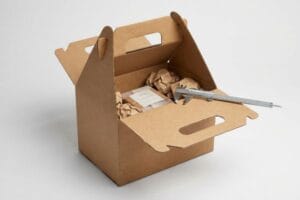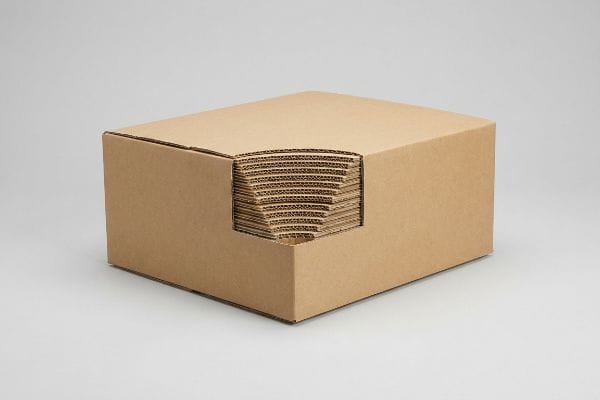
高額な運送費請求書を前に、梱包が適切かどうか不安に思っているかもしれません。輸送中の損傷を防ぐための第一歩は、主要な梱包材を理解することです。.
段ボール箱は、溝付きの厚紙を何層にも重ねて作られた高性能な輸送用容器です。単層のチップボードとは異なり、この構造は内側のアーチ状の溝を利用して衝撃を吸収し、重い垂直荷重にも耐えることができます。複雑な小売サプライチェーンネットワーク全体で消費財を保護するための世界標準として、今もなお広く用いられています。.

しかし、教科書的な定義を知っているだけでは、高湿度の倉庫でパレットが崩壊するのを防ぐことはできません。組み立てラインで実際に重要なことは何かを見ていきましょう。.
段ボール箱と波形段ボール箱の違いは何ですか?
小売店での展開において、間違った基材を選ぶことは、棚の陳列失敗という壊滅的な事態を招く近道となる。.
段ボール箱と波形段ボール箱の違いは、構造的な形状にあります。段ボールは、シリアル箱などに使われる、平らで溝のない厚手の紙パルプです。一方、波形段ボールは、ライナーの間に波状の溝が入った内部構造を持ち、重量貨物輸送時の動的な衝撃を分散させるように設計されています。.
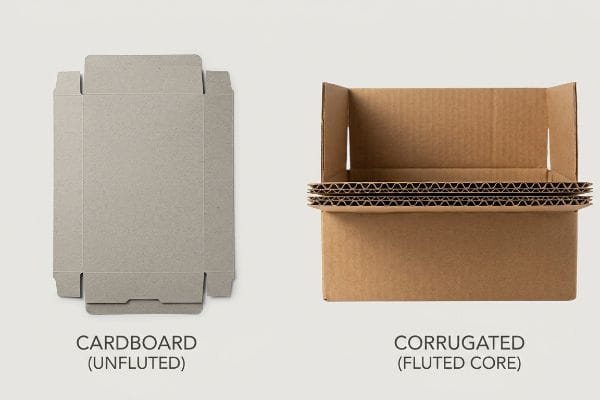
これら2つの素材を混同することは日常的に起こっているが、間違えるとサプライチェーンに大きな摩擦が生じる。.
溝のない基質トラップ
調達チームは、原材料費を削減するために、軽量のソリッドチップボード設計をより重量のある小売向けトレイに拡大しようとすることがよくあります。彼らは、厚手のソリッドボードの密度が高く頑丈な感触が、動的耐荷重1に直接つながると考えています。これは、パッケージング費用を最適化しようとする経験豊富な調達チームでさえ陥るよくある落とし穴です。
私はよく、ブランドが缶飲料40ポンド(18.1kg)を平らな段ボールトレイに入れて出荷しようとしているのを目にします。波状のアーチ構造がないため、平らな段ボールには運動衝撃を分散させる機械的な仕組みが全くありません2。先月、倉庫チームが波状構造のないトレイに商品を積み込もうとしているのを見ましたが、生のチップボードの鋭い摩擦によって缶に押し付けられ、保持リップが破れて中身がこぼれてしまいました。マイクロフルート加工を施した段ボール3に切り替える必要があります。この段ボールは、内部のアーチ状の形状を利用して運動エネルギーを安全に吸収し、材料費を増やすことなく完全に直角な構造を維持します。
| 初心者によくある間違い | プロフィックス | 小売店舗におけるメリット |
|---|---|---|
| トレイ用の厚手のパーティクルボードの大型化 | マイクロフルートEフルートボードの仕様4 | 下段ディスプレイの破損を防ぎます |
| 密度が構造強度に等しいと仮定する | 内部にアーチ状の溝加工を施す5 | 運動エネルギーによる輸送時の衝撃を安全に分散します |
| 材料摩擦限界を無視する | 滑らかなクラフト紙の外側ライナーを使用 | 補充時間を15秒短縮します6 |
私は溝のない無垢材の板材で重い荷物を載せることは決してしません。溝加工を施した板材に切り替えることで、トレーが常に完璧な直角で届くことが保証され、高額な小売店からのチャージバックを防ぎ、収益を守ることができます。.
🛠️ ハーベイのデスク: 現在お使いのトレイは、全国展開に必要な構造的な強度を備えていないのではないかとご心配ですか? 👉 材料監査をご依頼ください ↗ — 私のデスクに直接アクセスできます。自動販売スパムメールは一切送信しませんのでご安心ください。
段ボール箱が段ボール製である理由とは?
それは単に3枚の紙を貼り合わせるという単純な話ではなく、材料の幾何学に関する厳密な科学なのです。.
段ボール箱は、フルートと呼ばれる内側のアーチ状の紙層を2枚の平らなライナーボードの間に挟み込むことで、波型になります。この特殊な製造工程により、連続した剛性の高い柱状構造が形成されます。これらの微細なアーチ構造が、予測不可能な倉庫環境における多段パレット積載に耐えるために必要な、重要な垂直方向の圧縮強度を提供します。.
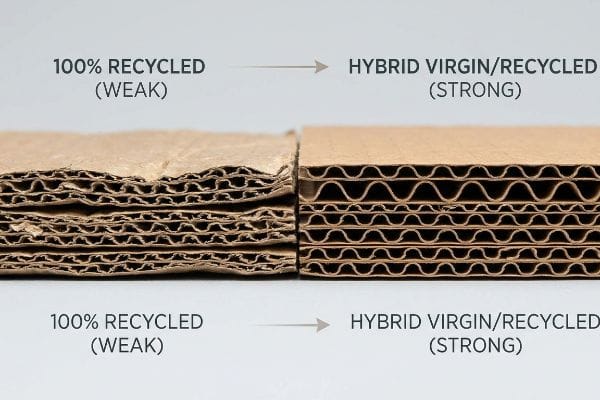
段ボールの強度はフルート(溝)によって決まるが、その強度が実際にどれくらい持続するかは、段ボール製造機に投入する原材料によって決まる。.
繊維枯渇限界
厳しいサステナビリティ目標を目指すブランドは、耐久性の高い小売ディスプレイに100%リサイクルされたテストライナーを要求することが多い7。彼らは、リサイクルされたボードは新品の材料と全く同じ物理的完全性を持っていると信じており8 、溝付きの形状だけで必要な重量を支えることができると考えている。
購入者には見えないのは、紙の再生パルプ化プロセスの微細な機械的現実です。セルロース繊維は、数回の再生サイクル後に物理的に短くなり、消耗します。私は完全に再生されたボードに対してECT(エッジクラッシュテスト)評価を実施しましたが、短い繊維は、応力下でフルート形状を維持する剛性が単純に不足しています。テストテーブルで完全に再生されたベース層がわずか150ポンド(68kg)のトップロードで崩壊したときの、独特の空洞の潰れる音を鮮明に覚えています。荷重を支えるフルートに正確に30%の比率のバージンクラフト材料10を直接注入することで、二段積みの海上輸送に耐えるために必要な動的圧縮強度を瞬時に回復できます。
| 初心者によくある間違い | プロフィックス | 小売店舗におけるメリット |
|---|---|---|
| 100%リサイクルされた厚手の板材を要求 | 30%のバージンクラフト繊維を注入11 | パレットの壊滅的な崩壊を防ぎます |
| 微細な繊維の長さを無視する | 長繊維耐荷重フルートの調達12 | 8週間以上にわたりディスプレイの剛性を維持します |
| フルートの形状のみに依存する | 高強度クラフトライナーへのアップグレード13 | 完璧な多段積み重ねを保証します |
私は、大型包装資材を扱うすべての業者に対し、ハイブリッド素材の使用を厳格に義務付けています。再生紙のライナーとバージンクラフト紙のフルートを組み合わせることで、キャンペーンの耐久性を損なうことなく、持続可能性に関する指標を確実に達成できます。.
🛠️ ハーベイのデスク: 現在のサプライヤーが、圧力に耐えられないような使い古しの再生繊維を使用しているかどうかご不明ですか? 👉 材料ベースラインレビューを入手しましょう ↗ — 安全にダウンロードしてください。ご質問があれば、後ほどメールでお問い合わせください。
段ボール箱のサイズを測る方法は?
平らな紙を測るのは簡単だが、立体的な折り畳み構造を測るには、厳密な数学的補正が必要となる。.
段ボール箱のサイズを測るには、内寸(長さ×幅×奥行き)を計測する必要があります。厚みのある波型素材は90度折り畳むと物理的に空間を占有するため、外寸だけでは使用可能な容積を正確に反映できません。製品が箱の壁を破ることなく収まるように、必ず内側の折り目から内側の折り目までを計測してください。.
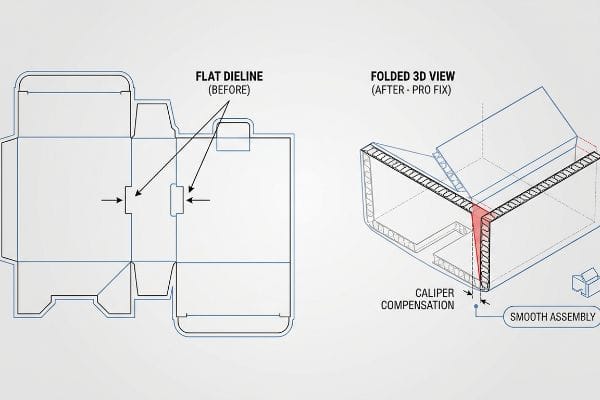
内部容積を正しく把握することが第一歩だが、それらの寸法を平面の金型線に落とし込む際に、構造上の不具合のほとんどが発生する。.
キャリパー補正ダイラインシフト
グラフィックデザイナーは、 全く同じ幅14の 。彼らは、まるで完全に平らで無限に薄いガラス板に描いているかのように箱の寸法を設計し、ボードの物理的な厚みを完全に無視します。
厚いゴムマットを曲げることを考えてみてください。内側は圧縮されますが、外側は伸びて材料を消費します。 厚さ 0.12 インチ (3 mm) の B フルート パネル15 が 90 度折り曲げられると、 物理的にボードの厚み16 が。以前、スロットに曲げ代が全くないディスプレイを組み立てようと汗だくになっているイライラした共同梱包業者を見たことがあります。抵抗が強すぎてタブをハンマーで叩き込むしかなく、印刷されたトップシートが完全に破れてしまいました。私はすぐにこれらの平らなスロットを CAD (コンピュータ支援設計) で再構築し、特定のパラメトリック厚み補正アルゴリズムを注入して受け側の隙間を広げ、摩擦のない組み立てを実現し、共同梱包の作業時間を約 25% 削減しました。
| 初心者によくある間違い | プロフィックス | 小売店舗におけるメリット |
|---|---|---|
| スロットとタブの比率を1:1で描画する | パラメトリック曲げ許容値の追加17 | 印刷された上部シートの破れを解消します |
| 板厚(ノギス)は無視する | 折り曲げ半径に合わせてスロットを広げる18 | 組み立て時間を大幅に短縮 |
| きついタブを手動で押し込む | 摩擦のない滑り台を設計する | 作業員の疲労とテープの使用を防止します |
最終寸法を設定する前に、必ず物理的な折り曲げ半径を計算します。ダイラインの公差を数学的に補正することで、ディスプレイがスムーズに組み立てられ、店頭の棚に完璧に直角に収まるようになります。.
🛠️ ハーベイのデスク: 倉庫作業員から、ディスプレイの組み立てが非常に難しいという苦情が出ていませんか? 👉 無料のダイライン監査を申し込む ↗ — 延々と営業電話がかかってくるようなフォームはありません。純粋な価値だけを提供します。
段ボール箱とは何ですか?
これは単なる茶色の輸送箱ではありません。お客様の利益を守るために設計された、能動的な機械システムです。.
段ボール箱とは、物流における衝撃を動的に吸収するように設計された、高度な包装システムのことです。物理的な構成要素にとどまらず、グローバルな小売サプライチェーンにおける激しい振動、回転落下、圧縮力から、壊れやすい商品を厳重に保護する役割を果たします。.
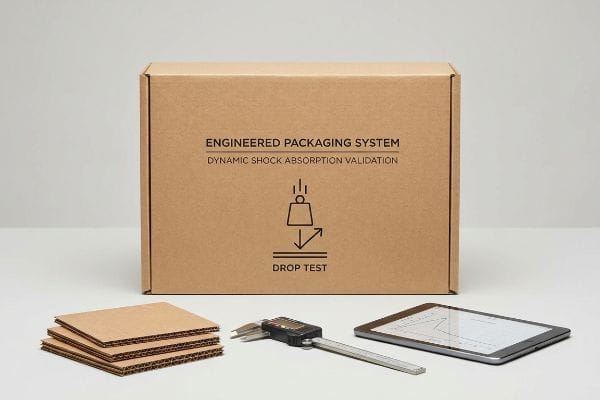
しかし、理論を知っているだけでは機械が稼働し始めると不十分であり、静的な実験室評価に頼っていると、深刻なサプライチェーンリスクを見落としてしまう可能性がある。.
工場現場で標準材料評価が機能しない理由
調達チームは、これらの構造を、標準的な破裂強度や圧縮強度の評価に大きく依存し、平らな材料特性評価のみに基づいて承認することが多い。彼らは、原材料のテストに合格すれば、全国流通に適した構造的に健全で無敵の3D小売ボックスが自動的に保証されると誤って考えている。
これは単なる理論ではありません。私は、検証のために満載の輸送業者が到着した際に、テスト現場で実際にこのようなことが起こるのを目にしています。 の形状が、運動的な取り扱いによって動的にせん断または湾曲する場合、平らな32ECTボード ても全く役に立ちません。最近行われた ISTA(国際安全輸送協会)の落下試験シーケンス21、理論上の高強度ボックスが、内部形状が150ポンド(68kg)の回転エッジ衝撃を分散できなかったために、壊滅的な角の破裂を起こすのを目撃しました。私はマイクロメーターの測定値を取得し、より厚いボードは必要なく、厳格な2段階の連続テストプロトコルが必要だったことを証明しました。0.5インチ(12.7mm)のゼロオーバーハングルールを適用し、振動テーブルで完全に組み立てられたシステムを検証することで、構造上の死角をなくし、小売業者の即時拒否を防ぎ、莫大な再梱包費用を節約しました。
| 初心者によくある間違い | プロフィックス | 小売店舗におけるメリット |
|---|---|---|
| 平坦な原材料テストに依存する | 完全な動的輸送テストを義務付ける | 高額な小売業者へのチャージバックを防ぎます22 |
| 理論上の箱の強度を信頼する | 運動学的落下と振動のシミュレーション23 | 輸送中の隠れた損傷を防ぎます |
| 動的コーナー障害を無視する | 張り出しのないベースを設計する24 | 安全な多層貨物輸送を保証します |
私は、一枚の平らな材料シートが大規模な小売展開の成否を左右することを断固として拒否します。組み立てられた運動学的形状を数学的に検証することで、理論上の強度と現実世界のサプライチェーンの存続との間のギャップを埋めることができます。.
🛠️ ハーベイのデスク: 2ミリの構造上の欠陥で500店舗展開を台無しにしないでください。👉 ダイラインファイルをお送りください↗ — 大量生産に予算を浪費する前に、計算をストレステストします。
結論
安価な材料ベンダーを選ぶこともできますが、検証されていない箱が68kgの衝撃で崩壊すると、在庫が破壊され、小売店から即座に返品されることになります。この2段階の動的検証プロトコルは、私のトップ10の小売クライアントが印刷不良ゼロを保証するために使用している仕様書そのものです。静的なラボの限界を推測するのはやめて、私があなたのファイルを 無料のダイライン事前監査↗ 、量産開始前に致命的な幾何学的エラーを検出させてください。
「段ボール包装の簡略化された動的強度解析…」、 https://pmc.ncbi.nlm.nih.gov/articles/PMC10385285/。包装材料に関する権威ある情報源は、波型基材と固体基材における材料の剛性と衝撃吸収能力(動的耐荷重)の構造的な違いを説明するだろう。証拠の役割:技術的検証。情報源の種類:包装工学マニュアル。支持:固体板紙の剛性は、輸送中の耐荷重能力の十分な指標とはならないという主張。適用範囲に関する注記:特に輸送および小売ディスプレイ基材に関して 。↩
「…による段ボールの波状構造の評価 – PMC」、 https://pmc.ncbi.nlm.nih.gov/articles/PMC10126572/。溝のない媒体が固体ボード基材における運動エネルギーの散逸をどのように妨げるかを説明する工学的分析。証拠の役割:技術的検証。情報源の種類:材料科学文献。支持:重量物の輸送における溝のないボードの構造的劣位性。範囲に関する注記:動的荷重の影響に特化 。↩
"[PDF] 板紙包装の機械的特性の調査…", https://repository.rit.edu/cgi/viewcontent.cgi?article=1066&context=japr。マイクロフルート形状の圧縮強度とエネルギー吸収能力を詳述した技術仕様。証拠の役割:性能検証。情報源の種類:包装工学規格。支持事項:荷重下での構造維持におけるマイクロフルートの適合性。適用範囲に関する注記:ソリッドチップボードとの比較 。↩
「段ボール箱の圧縮強度の推定…」、 https://pmc.ncbi.nlm.nih.gov/articles/PMC8467740/。ディスプレイにおける構造的破損を防ぐため、Eフルート段ボールと厚手のチップボードの垂直耐荷重能力を検証する。証拠の役割:技術仕様書、情報源の種類:包装工学マニュアル。裏付け:マイクロフルート加工による破裂防止効果。範囲に関する注記:垂直圧縮強度に焦点を当てる 。↩
"[PDF] 輸送中の衝撃エネルギーを分散させるための革新的な設計を施した段ボール包装…", https://bioresources.cnr.ncsu.edu/wp-content/uploads/2026/01/BioRes_21_1_2229_Tworzydlo_PSMPGG_Corrugated_Packaging_Design_Durability_Transport_25399.pdf。段ボール材料のフルート形状が輸送中の衝撃エネルギーをどのように分散させるかについての技術的な説明。証拠の役割:構造解析。情報源の種類:材料科学ジャーナル。裏付け:フルートが輸送中の運動衝撃を軽減するという主張。適用範囲に関する注記:段ボール構造に適用 。↩
"[PDF] 模擬クラフト基材が消費者の注意に与える影響…", https://repository.rit.edu/cgi/viewcontent.cgi?article=1017&context=japr。滑らかなクラフトライナーによる材料摩擦の減少による補充時間の短縮を定量化した実証データまたは時間動作研究。証拠の役割:パフォーマンス指標。情報源の種類:物流または小売効率研究。裏付け:具体的な時間短縮の主張。範囲に関する注記:効率向上は製品の重量と容量によって異なる場合があります 。↩
「インタラクティブ小売向けディスプレイ構造設計…」、 https://www.bcipkg.com/display-structural-design-for-interactive-retail-displays/。製紙工場の技術仕様書は、商業用ディスプレイにおける100%リサイクルテストライナーの特性と一般的な用途を検証しています。証拠の役割:事実検証。情報源の種類:業界データシート。裏付け:100%リサイクルテストライナーの技術的な存在と使用。範囲に関する注記:テストライナーグレードに限定 。↩
「再生繊維材料の品質変化。パート1:影響を与える要因…」、 https://bioresources.cnr.ncsu.edu/resources/changing-quality-of-recycled-fiber-material-part-1-factors-affecting-the-quality-and-an-approach-for-characterisation-of-the-strength-potential/。再生パルプとバージンパルプの繊維長と結合強度の比較分析は、構造的完全性の違いに関する実証的証拠を提供する。証拠の役割:技術的比較。情報源の種類:材料科学研究。裏付け:再生材料と新規材料の物理的完全性の比較。範囲に関する注記:耐荷重能力に焦点を当てている 。↩
"[PDF] 製紙とリサイクルの過程でセルロース繊維に何が起こるのか…", https://bioresources.cnr.ncsu.edu/BioRes_02/BioRes_02_4_739_788_Hubbe_VR_Recycling_Cellulosic_Fibers_Review.pdf。繰り返しパルプ化と機械的処理によってセルロース繊維が短くなり、結合力が低下する仕組みを科学的に説明。証拠の役割:技術的検証。情報源の種類:学術誌。裏付け:繊維枯渇の機械的現実。範囲に関する注記:効果はパルプ化方法によって異なる場合がある 。↩
「段ボール包装の環境影響」、 https://www.internationalpaper.com/resources/blog/environmental-impact-corrugated-packaging-why-balanced-fiber-approach-best。再生段ボールの垂直圧縮強度を回復するために必要なバージンクラフト繊維の最適割合に関するエンジニアリングデータ。証拠の役割:技術仕様書、情報源の種類:業界ハンドブック。裏付け:特定の混合比率が耐荷重能力を回復するという主張。範囲に関する注記:比率は必要なエッジクラッシュテスト(ECT)値によって異なります 。↩
「輸送中の耐久性を高める革新的なデザインの段ボール包装」、 https://bioresources.cnr.ncsu.edu/resources/corrugated-board-packaging-with-innovative-design-for-enhanced-durability-during-transport/。バージンファイバーが圧縮強度を高め、重量のある段ボールの構造的破損を防ぐ仕組みに関する技術的な説明。エビデンスの役割:技術的検証。情報源の種類:材料科学ジャーナル。裏付け:パレットの崩壊を防ぐ上での繊維純度の役割。範囲に関する注記:高荷重の産業用包装に焦点を当てている 。↩
"[PDF] 段ボール箱が木製パレットの圧縮応力分布に及ぼす影響の調査", https://www.unitload.vt.edu/content/dam/unitload_vt_edu/graduate-research-and-subpages-pictures-and-docs/thesis-and-dissertations-/Clayton%20-%20ETD%20-%20Investigation%20of%20the%20Effect%20of%20Corrugated%20Boxes%20on%20the%20Distribution%20of%20Compression%20Stresses%20on%20the%20Top%20Surface%20of%20Wooden%20Pallets.pdf。 長繊維セルロースが段ボールのフルーティングの長期的な構造剛性をどのように向上させるかを詳述した技術仕様。 証拠の役割: 技術仕様; 情報源の種類: 包装工学ハンドブック。支持事項:繊維長とディスプレイの耐久性の相関関係。適用範囲に関する注記:小売ディスプレイの寿命に特化したもの 。↩
"[PDF] リサイクル材の物理的特性の比較検討…", https://repository.rit.edu/cgi/viewcontent.cgi?article=1299&context=theses。ライナーグレードと多段積みにおける箱圧縮試験(BCT)値への影響に関する業界ガイドライン。証拠の役割:業界標準。情報源の種類:包装メーカーの技術シート。支持事項:垂直荷重安定性のための高強度ライナーの使用。適用範囲に関する注記:積み重ね強度指標に関連する 。↩
「段ボール箱究極ガイド – Shorr Packaging」、 https://www.shorr.com/resources/blog/ultimate-guide-corrugated-boxes/。プロの包装エンジニアリングガイドでは、タブアンドスロット設計において材料の厚みに対するクリアランスを確保しないというよくある誤りについて説明しています。証拠の役割:技術的検証。情報源の種類:包装設計マニュアル。裏付け:嵌合パネルの厚み補正の必要性。適用範囲に関する注記:特に厚肉段ボール材料に関して 。↩
「段ボールと材料グレード – Packaging Strategies」、 https://www.packagingstrategies.com/articles/96269-corrugated-board-and-material-grades。Bフルート段ボール材料の業界標準キャリパーの検証。証拠の役割:技術仕様、情報源の種類:業界標準。サポート:材料寸法の精度。範囲に関する注記:厚みは製造業者によって若干異なる場合があります 。↩
「5層構造の曲げ剛性の解析的決定…」、 https://pmc.ncbi.nlm.nih.gov/articles/PMC8777652/。材料の厚さが折り目の寸法にどのように影響し、曲げ代が必要になるかについての技術的な説明。証拠の役割:機械的原理。情報源の種類:包装工学マニュアル。裏付け:ダイライン補正の必要性。適用範囲に関する注記:特に90度の折り目に適用される 。↩
"[PDF] 段ボール仕様書 – ファイバーボックス協会", https://www.fibrebox.org/assets/2025/09/Walmart_Corrugated-Board_Specifications_Automation_Packaging_Standards.pdf。段ボール包装のエンジニアリングガイドラインでは、曲げ代を計算することで材料の応力やライナーの破れを防ぐ方法が説明されています。証拠の役割:技術的検証。情報源の種類:包装工学の教科書。サポート:印刷シートを保護するためのパラメトリック代の使用。範囲に関する注記:結果は紙の坪量(GSM)によって異なる場合があります 。↩
"[PDF] 折り目加工と折り畳み – BioResources", https://bioresources.cnr.ncsu.edu/wp-content/uploads/2019/01/2017.1.69.pdf。キャリパー補正に関する技術仕様書は、折り畳み半径に対応するためにスロットを広げると、折り畳み時の機械的抵抗が減少することを証明しています。証拠の役割:プロセス最適化。情報源の種類:製造仕様書。サポート:半径補正による組み立て時間の短縮。適用範囲に関する注記:二重壁またはそれ以上の厚さの板材に特有 。↩
「段ボール箱強度ガイド:フルート等級、ECT定格、壁厚…」、 https://anchorbox.com/corrugated-box-strength/。TAPPIなどの組織の技術規格は、材料調達で使用される破裂(マレン)試験と圧縮(ECT)試験の仕様を提供します。証拠の役割:技術的定義、情報源の種類:業界標準。サポート:品質保証のための基材レベルの試験に対する業界の一般的な依存。範囲に関する注記:材料特性と完成した箱の強度との区別に焦点を当てています 。↩
「32 ECT 段ボール箱仕様:究極ガイド – Lansbox」、 https://lansbox.com/32-ect-corrugated-box-specs/。段ボールの積層強度を決定するために使用されるエッジクラッシュテスト(ECT)の技術的定義と標準測定値。証拠の役割:技術仕様。情報源の種類:材料科学マニュアル。サポート:材料圧縮限界を測定するための標準。適用範囲に関する注記:組み立てられた3D構造ではなく、平らな板に適用されます 。↩
「試験手順 – 国際安全輸送協会」、 https://ista.org/test_procedures.php。国際安全輸送協会による、輸送時のストレスをシミュレートするための標準化された落下試験方法を規定する権威あるガイドライン。証拠の役割:検証;情報源の種類:業界標準。サポート:包装検証のための正式な落下シーケンスの使用。適用範囲に関する注記:製品の種類に応じて、さまざまな試験シリーズ(例:1A、3A)をカバーします 。↩
「大型量販店向け小売包装試験 – Intertek」、 https://www.intertek.com/performance-testing/packaging/retail-compliance/。動的輸送試験により、製品の到着時の完全性を確保することで、小売業者からの罰金が軽減されることを検証します。証拠の役割:検証。情報源の種類:業界ホワイトペーパー。サポート:厳格な試験と物流コスト削減の相関関係。範囲に関する注記:小売サプライチェーン物流に焦点を当てています 。↩
「グローバルな流通における落下・振動試験方法の有効性の分析…」、 https://www.hcltech.com/white-papers/analyzing-the-efficiency-of-drop-and-vibration-test-methods-in-global-distribution-testing-standards-for-packaging-systems。運動シミュレーションが、理論的な強度計算では見逃される潜在的な構造的欠陥をどのように特定するかを示す技術文書。証拠の役割:技術的証明。情報源の種類:エンジニアリングマニュアル。支持事項:静的評価に対する動的シミュレーションの有効性。範囲に関する注記:段ボールの性能に限定 。↩
"[PDF] パレット積みボックスのオフセットがユニット化された…の圧縮強度に及ぼす影響", https://digitalcommons.calpoly.edu/cgi/viewcontent.cgi?article=1067&context=it_fac。パレット積み貨物において、底部の張り出しをなくすことで角の崩壊を防ぎ、積み重ね強度を高める方法を説明する工学規格。証拠の役割:技術仕様書。情報源の種類:包装規格。支持対象:多段積み貨物の安定性。適用範囲に関する注記:高密度パレット輸送に適用 。↩