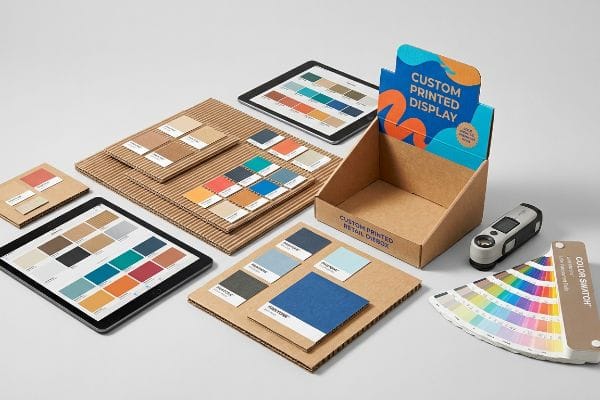
小売店での展開に最適な色を選ぶことは、単にブランドイメージの問題にとどまらず、店頭での存在感や消費者の関心を左右する構造的かつ心理的な決定でもある。.
ディスプレイの色選びは、視覚心理学と印刷上の制約を両立させることが重要です。適切な配色を選ぶことで、消費者の注目度、ブランド認知度、そして商業照明下での素材の性能に直接影響を与えます。高コントラストな配色と精密なカラーマッチングシステムを組み合わせることで、競争が激しく混雑した小売環境においても、商品陳列を際立たせることができます。.
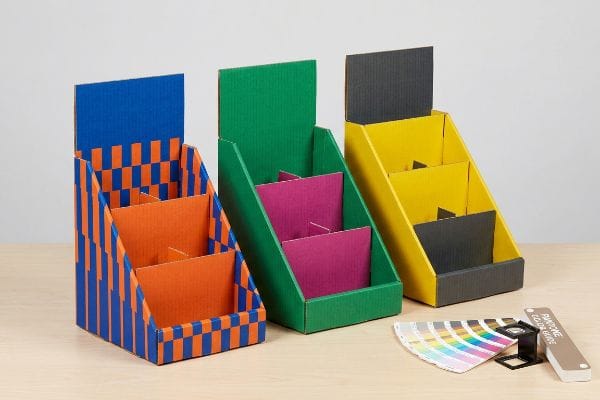
型抜き線を最終決定する前に、デジタルパレットを段ボール原紙に転写する際の物理的な現実についてご説明しましょう。.
小売店に最適な色は何ですか?
多くのデザイナーは万能な色合いを求めるが、実際には顔料が未処理の紙基材とどのように反応するかによって大きく左右される。.
店舗に最適な色は、高コントラストのスポットカラー印刷によって決まります。汎用的なデジタルカラーに頼るのではなく、効果的な小売空間では、視覚的なノイズを排除する高密度な顔料を多用します。高品質な基材に印刷された鮮やかでソリッドな色調は、より早く注目を集め、厳しい商業照明条件下でもブランドイメージを維持します。.
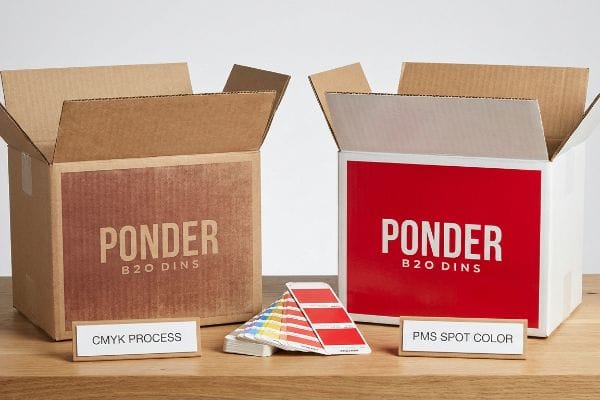
デジタルモックアップは一旦置いておいて、工場現場でインクが実際にどのように乾燥するのかを見ていきましょう。.
なぜCMYK(シアン、マゼンタ、イエロー、キー/ブラック)泥の遺跡小売カラーなのか
ほとんどのクリエイティブチームは、まず自社のブランドロゴを標準的な印刷フォーマットに変換することから始めます。彼らは、4色印刷が高価なオフィスモニターに映る鮮やかな色合いと完璧に一致すると考えています。これは光沢のあるパンフレットでは一般的な手法ですが、 店頭に並べる際の印刷物。
印刷サンプルを見てイライラしているのはよく分かります。というのも、私のクライアントの80%は、鮮やかな赤いロゴが最初の印刷で汚れた茶色のシミになってしまうからです。問題は、未密封のテストライナーでのハーフトーンドットのブレンドです。小さなドットが未加工の繊維に不均一に吸収されてしまうのです。私はプリプレス段階で、デザイナーがプロセスインクを使ってベタ塗りの背景を印刷しようとするという、初心者によくある落とし穴を何度も見てきました。その結果、濁った色あせたような仕上がりになり、触るとざらざらして粉っぽい感じになります。そこで私は、デジタルドットの代わりに、正確に調合された単一のPMS(パントンマッチングシステム)インクバケツを使用する厳格なスポットカラーフラッドプロトコルを徹底しています。これにより、ボード全体に高密度の顔料が物理的に浸透し、粒状感を完全に排除し、609.6cm離れたところからでもブランドが際立つようにすることで、印刷品質の悪さによる小売店での拒否リスクを大幅に軽減します。.
| 初心者によくある間違い | プロフィックス | 小売店舗におけるメリット |
|---|---|---|
| ロゴ印刷中(CMYK) | PMSスポットインクで溢れる1 | 20フィート先から鮮明な視界 |
| 紙の多孔性を無視する | 密封された白いトップライナーを使用2 | 濁った色や色あせを防ぎます |
| モニター画面に頼る | 実際のインク見本と一致するもの3 | 小売店でのチャージバックをなくす |
私は、クライアントがぼやけたプロセスロゴを量産に出すことを決して許しません。ヘッダーに鮮やかなスポットインクをたっぷり使うことで、メイン通路からあなたの商品陳列台へと買い物客の目を引くのに必要なコントラストが保証されます。.
🛠️ ハーベイのデスク: ブランドカラーが未加工の厚紙に映えるか不安ですか?👉 無料ファイル監査をリクエスト ↗ — 私のデスクに直接アクセスできます。自動販売スパムは一切ありませんのでご安心ください。
小売業に関連付けられている色は何ですか?
特定の色合いは瞬時に購入者の認識を促すが、異なる大陸間でその正確な識別可能な色合いを維持することは、非常に大きな物流上の課題となる。.
小売店の環境を連想させる色としては、一般的に、活気に満ちた赤、安心感を与える青、そして高級感のある黒などが挙げられます。これらの独特な色合いは、特定の心理的な購買行動を促します。しかし、正確な視覚的連想を維持するには、分光光度計による標準化された測定が必要であり、製造ロットや多様な包装材料に関わらず、企業カラーの視覚的な一貫性を確保しなければなりません。.
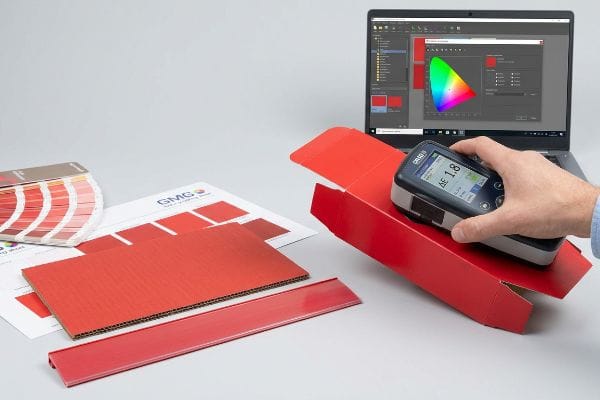
完璧な「買ってほしい赤」の色合いを選ぶことはできるが、それをPDFから 実際のパレット 段階で問題が生じる。
Delta-E色差の落とし穴
調達チームが単一のデジタルファイルを3つの異なるグローバルサプライヤーに送信することは、ごく普通のことです。彼らは、象徴的なブランドの赤色が、折りたたみ式カートン、 フロアマーチャンダイザー、プラスチック製の棚ストリップ全体で完全に一致することを期待しています。これは すべての機械がデジタルデータを同一に読み取ることを4。
しかし、500店舗の展開を管理する場合、理論を知っているだけでは十分ではありません。私はこのような頭痛の種を常に目にします。ブランドマネージャーが容器を開けて、段ボールのベースが濃いマルーン色なのに、ヘッダーカードが鮮やかなピンク色であることに気づくのです。私はGMGカラープルーフシステムと分光光度計を使用してこの差異をテストし、乾燥インクの正確なDelta-E許容値を測定します。物理的な光の反射を測定せずに、単に16進コードを印刷業者にメールで送信すると、安っぽく見えるフランケンシュタインのようなディスプレイができあがります。2.0 5未満の厳格なDelta-E制限を適用することで、すべての基材で正確な顔料化学を固定し、大規模なブランディングの失敗を防ぎ、部品の不一致によって共同包装組立ラインが停止することを防ぎます。
| 初心者によくある間違い | プロフィックス | 小売店舗におけるメリット |
|---|---|---|
| RGB 16進数コードを送信しています | Delta-E許容誤差の適用6 | 統一されたブランドプレゼンテーション |
| 画面上で校正を承認する | 分光光度計スキャンを使用して7 | 部品の不一致を防ぎます |
| 基質の種類を無視する | GMGカラープロファイルマッチング8 | スムーズな複数ベンダー導入 |
厳密な光学許容範囲から外れたロットはすべて却下します。全国規模のキャンペーンにおいてブランド価値を守る唯一の方法は、科学的な測定によって正確な小売用色合いを確保することです。.
🛠️ ハーベイのデスク: 現在お使いのフロアディスプレイは、メインパッケージの色と完全に一致していますか? 👉 無料のカラーマッチングレビューを入手 ↗ — 安全にダウンロードしてください。ご質問があれば、後ほどメールでお問い合わせください。
小売業における色彩理論とは何ですか?
コントラストと調和を用いて買い物客の目を引くのは、ほんの第一歩に過ぎません。それらの色の表面仕上げが、製品の実際の物理的な安定性を左右するのです。.
小売業における色彩理論は、対照的な色合いと戦略的な表面仕上げを用いて、買い物客の注意を誘導します。この視覚的な階層構造は、マットな背景に鮮やかなアクセントカラーを用いることで成り立っています。これらの視覚要素を戦略的にバランスよく配置することで、消費者の動線をコントロールすると同時に、商品陳列棚の中でブランド価値や価格をさりげなく伝えることができます。.
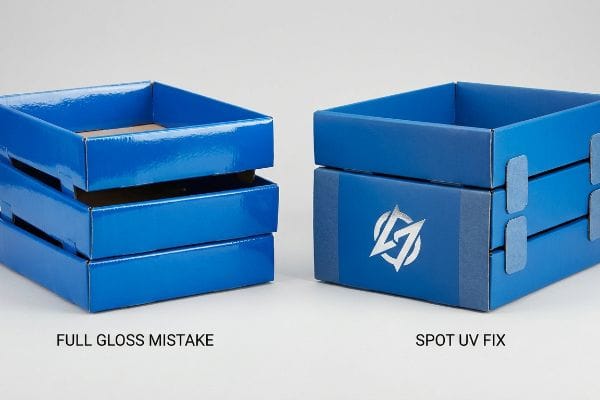
デジタルレイアウトから物理的な組み立てに移行すると、色のコーティング方法によってすべてが変わります。.
フルグロスコーティングの摩擦による大惨事
デザイナーは、鮮やかな色を際立たせるために、厚く全面を覆う光沢のあるUV(紫外線)コーティングを施すことを好みます。彼らは、光沢のある仕上がりが段ボールをより高級感のあるものに見せ、輸送中のインクの擦れを防ぐと考えているのです。.
光沢のある箱を1つ机の上で見栄え良くするのは簡単ですが、店員が トレイを積み重ねよ。私は、 完全にUVコーティングされた連結タブが滑りやすくなり、 摩擦係数を完全に失ってしまうため、共同包装業者がイライラして汗をかいているのを見てきました。滑らかなガラスのような表面により、重い段が物理的に滑り落ち、ロックタブが壊れる大きな「パチッ」という音は私が嫌いな音です。これを解決するために、私はスポットUVプロトコルを厳密に設計しました。ブランド用の特定の色のロゴのみを光沢仕上げにし、構造タブとベース部分は未加工のマット仕上げのままにします。この精密な調整により、構造摩擦が完全に回復し、 組み立て時間を約25%短縮し、 50ポンド(22.6kg)のユニット全体が通路で崩れるのを防ぎます。
| 初心者によくある間違い | プロフィックス | 小売店舗におけるメリット |
|---|---|---|
| 全パネルにUVグロス加工を施しています | ロゴ部分のみスポットUV加工 | 安全で安定した積み重ね11 |
| コーティングされた連結タブ | 関節部分を未加工/マットな状態にする | 共同包装機の組み立て速度向上12 |
| グリップ力を犠牲にして輝きを追求 | コントラストを際立たせるための光沢 | スライド式トレイを止めます13 |
私はいつもクライアントに、塗料やコーティングは構造的な要素であることを伝えています。段ボールが固定される部分には高い摩擦力が必要で、買い物客の視線が集まる部分にだけ高い光沢が必要なのです。.
🛠️ ハーベイのデスク: 頑丈なコーティングが原因で、配送中にトレイが滑っていませんか? 👉 無料の構造監査をお申し込みください ↗ — 延々と営業電話がかかってくるようなフォームはありません。純粋な価値だけを提供します。
顧客を引き付けるのに最適な色は何ですか?
混雑した売り場で目立つために、多くのブランドはメタリックカラーを採用する。しかし、生の紙に真のメタリックな光沢を出すのは、化学的な難題だ。.
顧客を惹きつけるのに最適な色は、一般的にシルバーやゴールドといったインパクトのあるメタリックなアクセントカラーです。これらの反射性の高い色は高級感を演出し、周囲の光を瞬時に捉えます。真のメタリックな輝きを実現するには、印刷業者は反射顔料が多孔質の紙に染み込むのを防ぐ特殊な下地プライマーを使用する必要があります。.
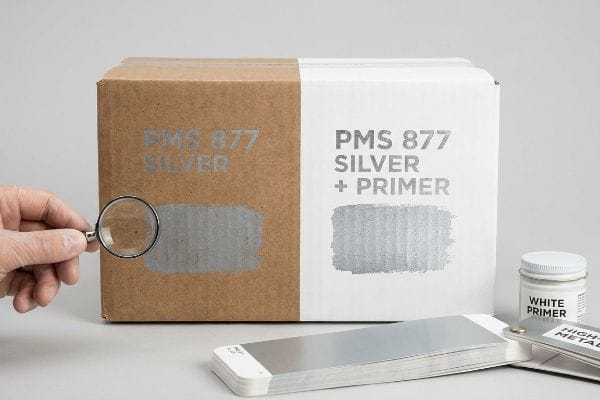
完璧なメタリックな輝きを実現するには、カタログから銀色の見本を選ぶだけでは不十分です。.
PMS 877 銀汚染トラップ
テクノロジーや美容ブランドでは、段ボール製の輸送箱14に高級感のある未来的な外観を与えるために、PMS 877 シルバーを選択するのが一般的なアプローチです。メタリックインクは標準的なシアンやマゼンタと全く同じように振る舞うと想定して、印刷用のファイルを送ります。
これは、経験豊富な調達チームでさえ陥る、痛ましい初心者の落とし穴です。メタリックインクには実際の金属片が含まれており、それを濃い茶色や灰色の再生紙に直接印刷すると、多孔質の繊維がバインダーを吸収し、くすんだチョークのような灰色の汚れが残ります。私はこれらの失敗した印刷物を指でなぞって、紙からざらざらした酸化した金属粉が剥がれ落ちるのを感じました。顧客を惹きつける輝きを保証するために、銀色のインクを印刷する前に、厳格なホワイトベースプライマーの手順を徹底しています。不透明で密閉された白いベースを最初に敷くことで、メタリックフレークがその上にきれいに乗り、最大限の光を反射し、高価な箔押しを必要とせずに店頭での存在感を高めます。.
| 初心者によくある間違い | プロフィックス | 小売店舗におけるメリット |
|---|---|---|
| 未加工の板に銀を印刷する | 白色下地プライマーを塗布する15 | 輝く金属光沢 |
| 標準的なインクバインダーを使用する | 高粘度メタリックインク16 | 粉っぽい汚れを防ぎます |
| ホイルスタンプへの過剰支出 | プライマー裏打ちPMSシルバー17 | 高級感のある外観、低価格 |
メタリックデザインが印刷で失敗に終わることは断じて許しません。インクの重ね方を適切に設計することで、商品に高級感のある輝きを与え、通行人の足を瞬時に引きつけます。.
🛠️ ハーベイのデスク: 現在お使いの配送用パッケージのメタリックなアクセントがくすんで灰色っぽく見えていませんか? 👉 印刷方法の見直しを依頼する ↗ — 私のデスクに直接アクセスできます。自動販売スパムは一切ありませんのでご安心ください。
買い物を刺激する色は何ですか?
鮮やかな黄色やオレンジ色は衝動買いを促すことが証明されている。しかし、携帯電話の画面でこうした刺激的な色を目にすると、身体に深刻な悪影響を及ぼす可能性がある。.
購買意欲を刺激する色には、オレンジ、赤、黄色といった鮮やかな暖色系があり、これらは購買意欲を高める効果があります。こうした刺激的な色合いを選ぶには、標準的な照明条件下での実地検証が不可欠です。正確な実地評価を行うことで、デジタルデザインから店頭まで、意図した心理的効果が完璧に反映されることが保証されます。.
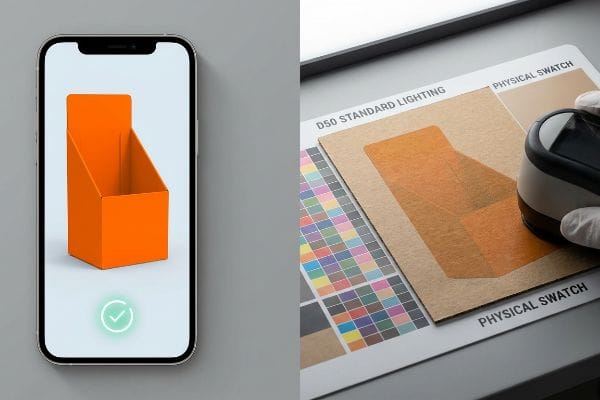
しかし、理論を知っているだけでは、機械が稼働し始め、パレットが積み込み場に到着したときには十分ではない。.
スマートフォンの自動修正カモフラージュ機能の失敗
プロジェクトを急ぐ際の一般的な手順は、バイヤーが海外のベンダーから送られてきたスマートフォンの写真18で試作品を確認することです。OLEDスクリーンに映し出された鮮やかなオレンジ色のプルーフを見て、それが自分のイメージと一致すると判断し、すぐに量産を承認します。
私の施設では、まさにこの盲点による悲惨な結果を日常的に目にしています。スマートフォンのカメラはAI自動補正機能を使用して彩度を人工的に高め、濁った汚れた黄色を鮮やかで購買意欲を刺激するネオンカラーのように見せてしまいます。しかし、制御されたD50照明ブースで印刷機から出てきた実際の印刷済みボードを測定すると、現実は全く異なります。実際の色は、下にある32ECTバージンクラフトライナー19によって大きく着色されていることが多いのです。この問題を解決するために、私は物理的な見本スキャン手順を厳格に実施し、物理的な校正刷りを翌日配送で受け取り、バックライト付きスクリーンではなく標準的な5000Kの小売店照明20の下で確認することを義務付けています。デジタルによる色の歪みを排除することで、販促用什器が意図したとおりに見えるようにし、小売店が即座に拒否してプロジェクトの利益率を完全に失うような事態を防ぎます。
| 初心者によくある間違い | プロフィックス | 小売店舗におけるメリット |
|---|---|---|
| 写真による校正承認 | フィジカルD50ライトのレビュー | 真の色再現 |
| OLEDスクリーンのバイアスを無視する | 分光光度計のデータログ | 視覚的な驚きを排除する |
| 小売店の照明を推測する | 5000Kの標準化テスト | 衝動買い指標を保護します |
WhatsAppの写真に添えられた親指を立てた絵文字を色の承認とは決して認めません。壊滅的な視覚的失敗を防ぐ唯一の方法は、実際に照明を調整した状態で写真を確認することです。.
🛠️ ハーベイのデスク: 2ミリの構造上の欠陥で500店舗展開を台無しにしないでください。👉 ダイラインファイルをお送りください↗ — 大量生産に予算を浪費する前に、計算をストレステストします。
結論
スマートフォンの承認に依存する安価なベンダーを選ぶこともできますが、それらのディスプレイにDelta-E値の不一致があると、致命的な視覚的欠陥が発生し、小売店で即座に拒否されることになります。これは、私のトップ10の小売クライアントが印刷拒否ゼロを保証するために使用している仕様書です。インクの化学組成を推測するのはやめて、私の 無料ダイラインプリフライト監査↗ 、印刷前に致命的な色変換エラーを検出してください。
「CMYK vs. スポットカラー:どちらのプロセスが最適か | Prime Line Packaging」、 https://www.primelinepackaging.com/blog/cmyk-spot-color/。[権威ある印刷ガイドでは、Pantone Matching System (PMS) スポットカラーがCMYKプロセスブレンドよりも高い彩度と一貫性を提供し、遠距離視認性を向上させる理由が説明されています]。証拠の役割:技術的検証。情報源の種類:印刷業界のマニュアル。裏付け:ブランド視認性におけるスポットインクの優位性。適用範囲に関する注記:主に高コントラストのロゴに適用されます 。↩
「2種類の生分解性コーティングが…に及ぼす影響の比較」、 https://bioresources.cnr.ncsu.edu/resources/comparison-of-the-effects-of-two-biodegradable-coatings-on-the-characteristics-of-white-top-linerboard-used-in-packaging-food-materials-in-cold-environments/。[紙基材に関する技術文書では、密封されたライナーがインクの紙繊維への浸透を防ぎ、過剰な吸収による「濁った」外観を防ぐことが確認されています]。証拠の役割:技術的検証。情報源の種類:材料科学または製紙ガイド。サポート:色の鮮やかさにおける基材の役割。範囲に関する注記:インクと紙の多孔性の相互作用に焦点を当てています 。↩
「モニターの色精度解説:デルタE、色域など – KTC」、 https://us.ktcplay.com/blogs/technology-hub/monitor-color-accuracy-explained?srsltid=AfmBOopnSG2uP1eTYQcR6mwC1Ey_j2srkALiy447Tne0yyVoTUs9fyVo 。[カラーマネジメントの業界標準では、RGBモニターの近似値は実際のインク顔料とは異なること、そして物理的なプルーフがコストのかかる生産エラーを回避するための標準であることが検証されています]。証拠の役割:プロセス検証。ソースの種類:カラーマネジメント標準。サポート:小売店のチャージバックをなくすための物理的な見本の必要性。範囲に関する注記:ブランドの一貫性を保つための一般的な業界慣行 。↩
「デジタル印刷の方が色の一貫性が高いのはなぜか? – Nosco」、 https://www.nosco.com/news/why-is-color-more-consistent-with-digital-printing/。[カラーマネジメントに関する権威ある文献では、異なるラスターイメージプロセッサ(RIP)やハードウェアのキャリブレーションがデジタルカラー値の解釈にばらつきを生じさせる仕組みが詳しく説明されています]。証拠の役割:技術的検証。情報源の種類:業界標準。裏付け:デジタルファイルは様々な機器間で同一に処理されないという主張。適用範囲に関する注記:商業印刷およびカラー再現ワークフローに特化 。↩
「品質管理ソフトウェアで色の一貫性をマスターする – X-Rite」、 https://www.xrite.com/blog/mastering-color-consistency-with-quality-control-software。[測色に関する技術ガイドとISO規格では、知覚可能な色差のデルタE閾値が定義されており、通常、2.0未満の値が商用ブランディングにおいて視覚的に許容できる値として挙げられています]。証拠の役割:技術仕様、情報源の種類:業界標準。支持事項:視覚的な一貫性を確保するために2.0のデルタE制限を使用すること。範囲に関する注記:閾値は、使用される特定の色空間(例:CIELAB)によって異なる場合があります 。↩
「デルタEとは何か?そして、なぜ色の正確性にとって重要なのか?」、 https://www.viewsonic.com/library/creative-work/what-is-delta-e-and-why-is-it-important-for-color-accuracy/。[測色に関する権威ある情報源は、デルタE値が2つの色の知覚される違いを定量化し、厳格なブランド統一性を維持する方法を説明するでしょう]。証拠の役割:技術仕様。情報源の種類:業界標準。サポート:統一されたブランド表現のためのデルタEの使用。範囲に関する注記:色差の数学的デルタE式に焦点を当てています 。↩
「印刷・包装における測色計/分光光度計とは?」、 https://www.linshangtech.com/tech/colorimeter-spectrophotometer-in-printing-packaging-tech1524.html。[色測定ツールに関する技術文書では、分光光度計がスクリーンプルーフの主観的なばらつきを排除するために客観的なスペクトルデータを提供する方法について説明しています]。証拠の役割:ツールの検証。情報源の種類:技術マニュアル。サポート:不一致コンポーネントの防止。範囲に関する注記:客観的なスペクトル測定とRGBスクリーン近似値を比較します 。↩
「カラーマネジメント製品」、 https://gmgcolor.com/products。[GMG Colorのソフトウェア仕様では、標準化されたカラープロファイルが、多様なベンダーや基材間で色の一貫性をどのように確保するかを詳しく説明しています]。エビデンスの役割:ツールの有効性。ソースの種類:ソフトウェアドキュメント。サポート:スムーズなマルチベンダー展開。スコープに関する注記:GMGのカラーマネジメントワークフローに特化 。↩
「滑り係数|紙の物理的特性試験 – Smithers」、 https://www.smithers.com/industries/packaging/manufacturers-and-users/packaging-materials-testing/paper-testing-surface-properties/paper-slip-coefficient。[材料科学に関する技術文書では、非多孔性UVコーティングが板紙基材の摩擦係数を低下させ、構造的不安定性につながる仕組みを説明しています]。証拠の役割:技術的検証、情報源の種類:材料科学研究。裏付け:光沢仕上げが構造的グリップを損なうという主張。適用範囲に関する注記:セルロース系包装材料に限定 。↩
「正確な表面仕上げ測定が製品寿命を向上させる方法…」、 https://www.qualitymag.com/articles/98054-how-accurate-surface-finish-measurement-improves-product-life-and-performance。[包装工学における業界ベンチマークまたは運用事例研究では、組立工程から表面の滑りを除去することで得られる時間短縮効果を定量化しています]。証拠の役割:定量的検証。情報源の種類:工業工学レポート。裏付け:スポットUVプロトコルによる効率向上。範囲に関する注記:結果はディスプレイの複雑さによって異なる場合があります 。↩
「UVコーティングの究極ガイド:利点、種類、用途」、 https://www.epackprinting.com/support/the-ultimate-guide-to-uv-coating-benefits-and-applications/。[材料科学の権威ある情報源は、完全なUV光沢が表面間の摩擦係数を低下させる一方、限定的なスポットUVは安定性のために高い表面グリップを維持することを実証するだろう]。証拠の役割:技術的検証;情報源の種類:材料科学ジャーナル;裏付け:光沢を制限することで積み重ね安定性が向上するという主張。範囲に関する注記:結果は下地の基材によって異なる場合があります。] ↩
「パッケージが小売ディスプレイプログラムの成功をどのように左右するか」、 https://www.frankmayer.com/blog/how-packaging-shapes-retail-display-program-success/。[共同包装効率に関する工業工学データによると、インターロッキングジョイントのコーティングは抵抗を増加させたり滑りを引き起こしたりして、未加工の端と比較して手作業による組み立てを遅くする。]。証拠の役割:プロセス検証。情報源の種類:製造ベストプラクティスマニュアル。裏付け:未加工のジョイントの方が組み立てが速くなるという主張。適用範囲に関する注記:特に折りたたみ式カートンと段ボール製の小売ユニットに適用される。] ↩
「マット仕上げと光沢仕上げ:パッケージングに最適なのはどちら?」、 https://oxopackaging.com/blog/matte-vs-gloss.html?srsltid=AfmBOopt9Xr3M-WeUo8O4kfUHGwU_KiL1KPWn-1vBHm2mQOdrG7PEuzZ。[表面仕上げの技術仕様では、高光沢UVコーティングは静止摩擦係数を低下させ、目標とする光沢仕上げやマット仕上げと比較してトレイの不安定性につながることが確認されています]。証拠の役割:技術検証、情報源の種類:表面工学研究、裏付け:光沢を下げることでトレイの滑りを防ぐという主張。適用範囲に関する注記:主に水平接触面に適用される。] ↩
「カスタムパッケージ用パントンメタリックインク印刷ガイド – BrillPack」、 https://brillpack.com/pantone-metallic-colors-and-metallic-ink-printing/。[業界レポートまたはパッケージデザインガイドでは、プレミアム品質を伝えるために、テクノロジーおよび美容製品のパッケージでPMS 877シルバーが広く使用されていることが確認されています]。証拠の役割:裏付け。情報源の種類:業界標準。サポート:ブランドカラートレンド。適用範囲に関する注記:段ボール製の配送資材に適用されます 。↩
「ブラック&ホワイトインクジェット印刷用プライマー – Red River Paper」、 https://www.redrivercatalog.com/rr/black-white-printing-primer.html?srsltid=AfmBOop4-2E4o8gNfHhpzUsmterQDHhWeeQwIMTeM_1E3lfB1NjT51Z5 。商業印刷の技術ガイドでは、白色プライマーが基材への吸収を防ぎ、メタリックインクの反射特性を最大化する仕組みについて説明しています。証拠の役割:技術的検証。情報源の種類:印刷業界のマニュアル。裏付け:鮮やかなメタリック反射のためのプライマーの使用。適用範囲に関する注記:特に未加工の板紙基材向け 。↩
「グラファイト画のにじみを防ぐ5つのヒント」、 https://www.youtube.com/watch?v=SLijWZKYz2w。インクの化学仕様では、高粘度バインダーが顔料の密着性を向上させ、表面の擦れやチョーキングのリスクを軽減する方法が詳しく説明されています。証拠の役割:技術仕様、情報源の種類:インクメーカーのデータシート。サポート:チョーキングによるにじみの防止。適用範囲に関する注記:メタリックインクの配合に限定 。↩
「金箔印刷 vs パントンメタリックインク vs 箔紙 vs … – YouTube」、 https://www.youtube.com/watch?v=pTRPX9oH5u0。包装コスト分析では、ホットフォイルスタンピングとプライマー上に塗布された高不透明度銀インクの単位あたりのコストを比較しています。証拠の役割:経済比較。情報源の種類:包装コスト分析。裏付け:箔押しの低コスト代替手段。範囲に関する注記:有効性は生産量によって異なります 。↩
「試作サンプル注文条件:完全ガイド – Techpacker」、 https://techpacker.com/blog/manufacturing/pre-production-sample-order-terms-a-complete-guide/。サプライチェーン品質保証に関する業界ガイドでは、海外製造における迅速なサンプル承認のためのデジタル画像の使用の普及状況とリスクについて解説しています。証拠の役割:裏付け。情報源の種類:業界レポート。サポート対象:急ぎのプロジェクトにおける調達リスク。範囲に関する注記:グローバルソーシングの状況に限定 。↩
「クラフト紙箱と白箱で印刷色の見え方が異なるのはなぜか – Upack」、 https://www.upack.in/blog/post/why-do-printed-colors-look-different-on-kraft-vs-white-boxes?srsltid=AfmBOooRWTe5780JHQXgh-fdJnRJr1Tiif4tj3-6u80dn2mCMge2pNi9 。[段ボール包装に関する技術マニュアルでは、クラフトライナーの固有の茶色が最終的な印刷インクの色をどのように変化させるかが説明されています]。証拠の役割:技術仕様、情報源の種類:業界ハンドブック。サポート:クラフト基材でデジタルプレビューが失敗する理由。適用範囲に関する注記:32ECTグレードの段ボールに特化 。↩
「商業施設や店舗に最適な色温度を選択する…」、 https://www.ikioledlighting.com/blogs/cct_led_lights。[商業照明の業界標準では、小売店での色精度を確保するために、相関色温度(CCT)5000Kが指定されています]。証拠の役割:技術標準、ソースの種類:照明エンジニアリングガイド。サポート:5000Kの物理的検証の要件。適用範囲に関する注記:一般的な小売環境に適用されます 。↩