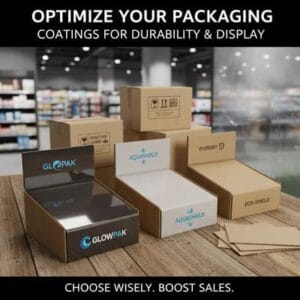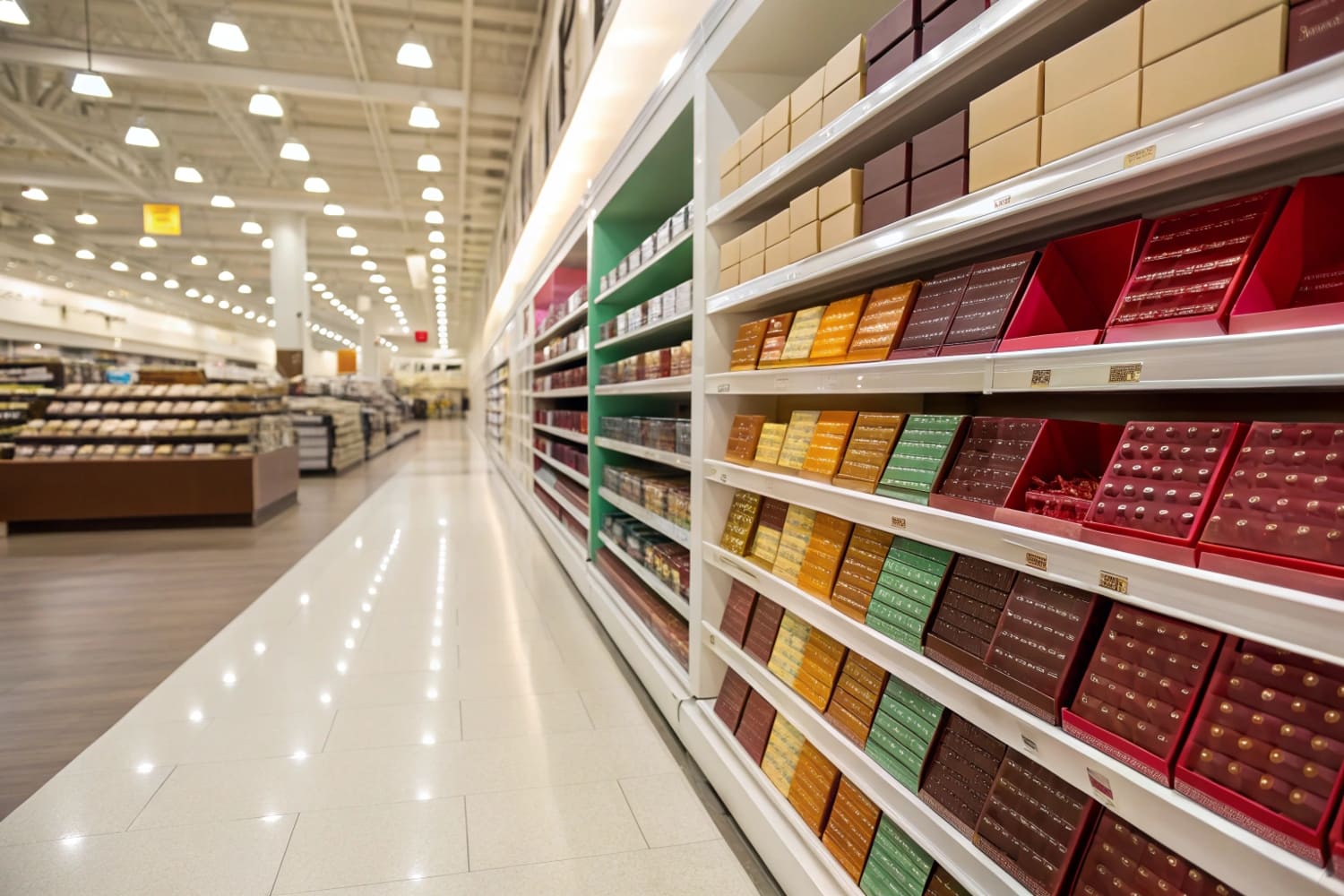
店内の通路は混雑し、買い物客は素早く動きます。私は段ボールディスプレイ工場を経営しており、厳しい予算と納期に直面しています。小売店向けのパッケージは、棚スペースを確保し、利益を守るのに役立ちます。.
小売向けパッケージとは、最小限の労力で出荷、開封、販売できるケースやディスプレイを意味します。棚への商品補充を迅速化し、棚上でのインパクトを高め、商品を保護し、廃棄物を削減し、販促効果を高めます。店舗運営のコストと時間を削減しながら、売上を向上させるため、重要な役割を担っています。.
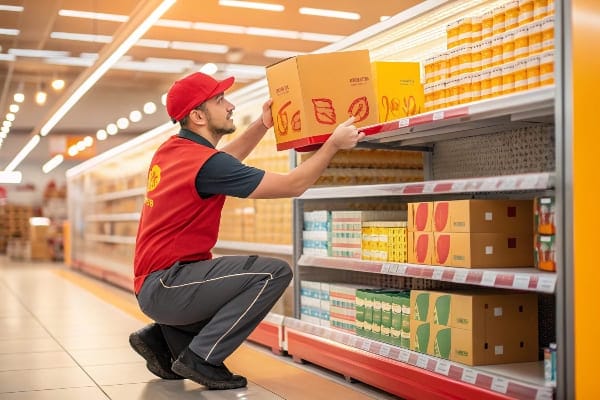
答えはシンプルかつ実践的なものに絞ってお伝えします。私の工場で何がうまく機能しているか、小売業者が何を求めているか、そしてあなたのようなバイヤーが発売日に間に合うために何が必要か、などについてお伝えします。.
小売業においてパッケージングが重要なのはなぜですか?
私は毎月店舗を巡回しています。価格、種類、メリットをすぐに見分けられないために、買い物客が商品を見送ってしまうのをよく見かけます。広告やデモよりも、透明で丈夫なパッケージが、その問題を解決します。.
パッケージは、注目を集め、信頼を築き、購入の意思決定の場で商品を販売するため、非常に重要です。優れたパッケージは、商品の損傷を軽減し、棚の作業効率を高め、在庫を豊富に保ちます。そして、利益とブランドを守ることにも繋がります。.
小売業者が測定するもの
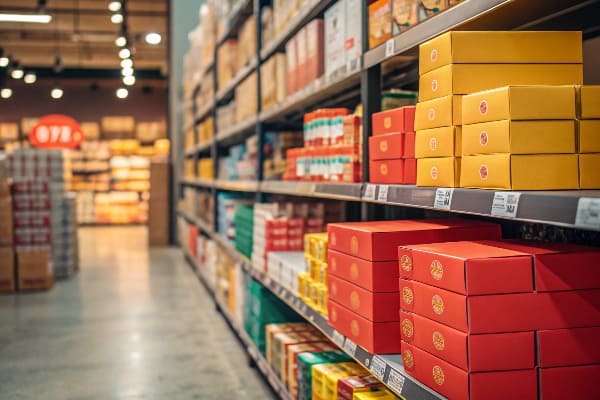
小売チームは、私たちの仕事をシンプルな基準で評価します。私は、自分が気に入ったものではなく、彼らが追跡しているものに焦点を当てています。北米の市場は成熟しており、実行に厳格です。ヨーロッパでは規則により持続可能性1 、材料とインクが重要になります。アジア太平洋地域では成長が速いため、スピードと拡張性が最も重要になります。私のディスプレイとカートンは、これらの目標のバランスをとっています。迅速なフェーシングの変更、丈夫な角、簡単に開けられること、明確なコードを考慮して設計します。また、関税、運賃、エネルギーコストについても計画します。私のチームは、再注文で繰り返されるきれいな色を印刷します。強度をテストし、輸送テストを実行し、外層を保護します。フラットパック設計2、店舗チームが迅速にセットアップできるように明確な組み立てマークを追加します。
| メートル法(店頭) | それが意味するもの | なぜそれが重要なのか |
|---|---|---|
| 在庫状況3 | 商品の在庫あり | 売上は停滞しない |
| 棚作業時間 | 在庫または顔まで数分 | 小売業者のコスト削減 |
| ダメージ率 | 輸送中または保管中に紛失したユニット | マージンを保護する |
| 見つけやすさ4 | 買い物客は商品をすぐに見つけられる | リフト変換 |
| 廃棄物量 | 残った段ボールとフィルム | エコ目標を満たす |
「小売対応」とはどういう意味ですか?
梱包材やディスプレイが届き、数秒で開けられ、まるでミニ棚のように見える場合、「小売準備完了」と表現します。スタッフはナイフや追加のトレイ、再梱包を必要としません。.
「小売対応」とは、外側のパック自体が棚やディスプレイになることを意味します。つまり、開けるのが速く、買い物が簡単で、リサイクルが簡単で、2メートル離れたところからでもはっきりと読み取れます。.

私が実践している「5R」チェックリスト
流行語は変わっても、私のチェックリストは変わりません。まず、パックはすぐに開けられる必要があります。切り取り線は 1 回目で機能する必要があります。2 番目に、読み取り可能5 で。主要なテキストとバーコードがスキャンされてきれいに表示される必要があります。3 番目に、認識可能である必要があります。カラー ブロックとロゴは、ブランドのデジタル ルックと一致している必要があります。4 番目に、手の届く範囲である必要があります。買い物客は片手でユニットをつかむ必要があります。5 番目に、リサイクル可能である必要があります。ヨーロッパの規則と米国の小売業者のスコアカードを満たすために、段ボールと水性インクを選択します。スピードが重要な場合は、少量生産にはデジタル印刷を使用し、規模に応じてオフセット印刷に切り替えます。このフローにより、日付が保持され、再注文間で色の一貫性が保たれます。
| 「R」 | 私がチェックするもの | 典型的な証明 |
|---|---|---|
| 準備ができて | 10秒以内に開く | ライブオープニングテスト |
| 読みやすい6 | 価格、サイズ、バーコード | 2メートルの判読性チェック |
| 認識できる | ブランドブロック、クレーム | カラー見本一致 |
| 到達可能 | SKUへの手動アクセス | 手袋をつけたグラブテスト |
| リサイクル可能7 | モノマテリアルボード、インク | ベンダー証明書 |
すぐに販売できるパッケージの利点は何ですか?
棚にそのまま並べられるデザインは、店舗の負担を軽減してくれるので気に入っています。ナイフを使う手間も、散らかりも、角の潰れも少なくなります。クライアントも、発売がスムーズになり、陳列が長く新品のように見えるので気に入っています。.
棚にそのまま置いて使えるパッケージは、労力を節約し、商品を保護し、補充を迅速化し、ブランドイメージを向上させます。また、適切に設計すれば、廃棄物を削減し、追加コストをかけずに持続可能性の目標達成をサポートします。.
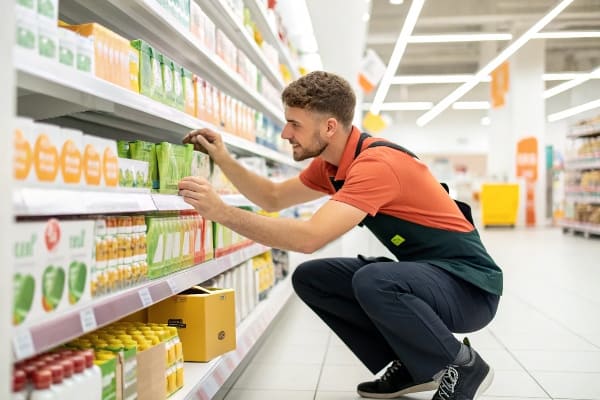
1週間で実感できるメリット
簡単な話をしましょう。大型小売店のハンティングボックスの発売を、カウンターディスプレイとパレットトレイでサポートしました。バイヤーは厳しい納期を要求していました。私のチームは、折りたたみ式のコーナーロックと大きな「ここから開けてください」の矢印が付いたフラットパックトレイを使用しました。店舗チームは各ユニットを1分以内に設置しました。最後のユニットが売れるまでトレイがガードとして機能したため、損傷は減少しました。同じダイラインで再注文を繰り返したため、色とフィット感は安定していました。アジア太平洋地域では同じ構造を採用していますが、需要が急増するため、より迅速に拡張しています。ヨーロッパでは、環境規則を満たすためにインクとコーティングを調整しています。地域間では、eコマースの出荷テスト8。1つのデザインで、店舗、クラブ、直接販売チャネルに供給できます。これにより、金型が削減され、輸送量も削減され、予測も簡素化されます。ブランドは棚の整理整頓、店舗からの問い合わせの減少、そして毎週の売上の安定化を実現しています。
| 利点 | どのように現れるか | 誰が得をするのか |
|---|---|---|
| より速いセットアップ9 | カットやテーピングの削減 | 店舗チーム |
| 棚の上でより良い | 大胆なフロント、整然としたフェイシング | 買い物客 |
| ダメージ軽減10 | より丈夫なエッジ、ぴったりフィット | ブランドマージン |
| 無駄を減らす | モノマテリアル、フラットパック | 持続可能性をリードする |
| 再注文が簡単 | 同じダイライン、繰り返し印刷 | サプライチェーン |
小売用パッケージとは何ですか?
小売パッケージとは、店舗で商品を保護し、提示し、販売するための包括的なシステムであると定義しています。それはパレットから始まり、買い物客の手に届きます。.
小売用パッケージは、一次包装、二次包装、およびディスプレイ システムを組み合わせたもので、製品を保護し、価値を迅速に伝え、実際の小売環境での在庫管理とリサイクルを容易にします。.
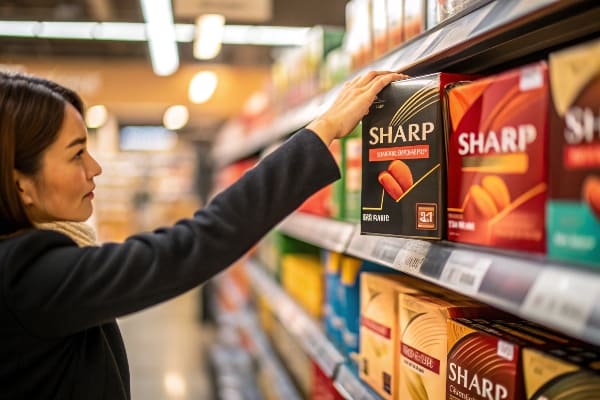
連携するレベル
私は外側から内側へと構築します。パレットディスプレイ11 は輸送に耐え、初日からきれいに見える必要があります。棚トレイは素早く開き、形状を維持する必要があります。内側のカートンは、明確な主張、シンプルなアイコン、誠実な写真で伝える必要があります。印刷がずれる場合は、色が一致するまでカーブとインクの制限を調整します。強度が低い場合は、フルートグレードを変更するか、隠れたサポートブリッジを追加します。米国とカナダでは、クラブストアの PDQ サイズで計画します。ヨーロッパでは、規則で許可されていない限り、プラスチック製の窓は使用しません。アジア太平洋地域では、デジタル印刷12。このシステムビューにより、さまざまな小売規則を満たしながらコストを安定させることができます。また、規模拡大時に予期しない事態が発生するのを回避できます。
| レベル | 目的 | 典型的な選択肢 |
|---|---|---|
| パレット/ディスプレイ | 発送 + 販売 | パレットスカート、コーナーポスト13 |
| セカンダリ/トレイ | ストック+フェイス | 棚トレイ、引き剥がし可能な蓋 |
| プライマリ/ユニット | 情報提供 + 保護 | カートン、ラップ、ハングタブ |
| 印刷 | 通信する | 水性インク、デジタル、少量生産向け14 |
| 材料 | 強さ + エコ | 段ボール、板紙 |
OEM パッケージと小売パッケージの違いは何ですか?
この混同をよく見かけます。OEMパッケージは製品を工場から工場へ輸送しますが、小売パッケージは製品を棚から消費者へ輸送します。.
OEMパッケージは輸送中の部品を保護し、コストと効率性を重視します。小売パッケージは製品の販売を促進し、ブランドをサポートし、棚の陳列を迅速化し、店舗内および持続可能性に関する規則を満たします。.
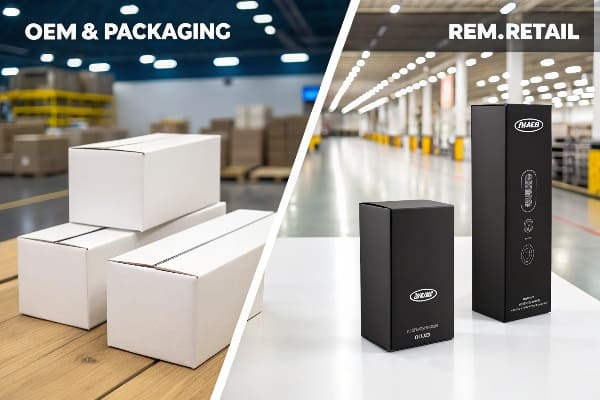
比較して違いを確認する
狩猟ブランドの立ち上げをサポートする場合、OEM ボックスは高密度フォームを使用したシンプルな段ボール箱になることがあります。これはテストや長距離輸送でクロスボウを保護します。棚に並べると見栄えが悪くなる可能性があります。小売用パック15は、印刷、主張、QR コード、および買い物客の接触に耐える丈夫な縁が追加されます。クラブのデモやスポーツ用品ラックですぐに開けられます。また、小売店の表示規則、盗難防止のニーズ、およびリサイクル目標も満たしています。ダイ ラインをロックし、強度テスト16、再注文間で色を合わせます。初回スキャンでスキャンされるバーコードを同梱します。可能な限り、材料は単一素材にします。また、関税、貨物クラス、およびパレット パターンについても計画します。このようにして、製品は安全に到着し、見栄えがよく、すぐに販売されます。
| 側面 | OEMパッケージ17 | 小売パッケージ18 |
|---|---|---|
| 主な目標 | B2B輸送中の保護 | 店舗で集客とコンバージョンを実現 |
| 見て | シンプルでミニマルなプリント | ブランド化された大胆なパネル |
| オープニング | 棚に最適化されていない | 切り取り線、工具不要 |
| 材料ミックス | フォーム、フィルム、混合 | 単一素材、リサイクル可能 |
| ラベル | 基本コード | UPC/EAN、クレーム、アイコン |
| テスト | ドロップ/輸送のみ | 棚の取り扱いと買い物客の利用 |
| コスト重視 | 荷送業者あたりの最低価格 | 販売単価のベスト |
結論
小売向けパッケージは、物流をマーチャンダイジングへと転換します。商品を保護し、作業をスピードアップし、売上を伸ばすのに役立ちます。デザイン、印刷、そして構造が調和していれば、発売日は確実に間に合い、リピート販売もスムーズに進みます。.
このリソースを調べることで、小売パッケージ戦略を強化できる持続可能な実践についての洞察が得られます。. ↩
このリンクでは、フラットパック設計によって廃棄物を最小限に抑え、パッケージングソリューションの効率を向上させる方法について説明します。. ↩
棚の在庫状況を把握することで、小売業者は在庫レベルを最適化し、販売実績を向上させることができます。. ↩
見つけやすさを調査することで、買い物客の体験を向上させ、コンバージョン率を高める戦略が明らかになります。. ↩
このリソースは、明確で効果的なパッケージ デザインを作成するためのベスト プラクティスを理解するのに役立ちます。. ↩
このリソースは、視認性と顧客エンゲージメントを高めるためのラベル デザインのベスト プラクティスを理解するのに役立ちます。. ↩
この関連性を探ることで、リサイクル可能な素材の環境的利点と持続可能性についての洞察が得られます。. ↩
電子商取引の配送テストを理解することで、物流を最適化し、顧客満足度を向上させることができます。. ↩
このリンクを調べると、セットアップを高速化することで小売の効率とチームの生産性をいかに向上できるかについての洞察が得られます。. ↩
このリソースでは、ブランド マージンと全体的な収益性を維持する上で、ダメージを少なくすることの重要性について説明します。. ↩
このリンクを参照して、製品の視認性と売上を向上させる効果的なパレット ディスプレイを作成するための効果的な戦略を学んでください。. ↩
デジタル印刷テクノロジーが、品質を維持しながらパッケージング プロセスを合理化し、コストを削減する方法をご覧ください。. ↩
パレット スカートとコーナー ポストが配送効率と製品のプレゼンテーションをどのように向上させるかを理解するには、このリンクを参照してください。. ↩
持続可能性や小ロットでのコスト効率など、水性インクとデジタル印刷の利点をご確認ください。. ↩
この関連性を調査することで、小売用パッケージが製品の認知度と消費者の魅力をどのように高めるかについての洞察が得られます。. ↩
このリソースでは、梱包が配送や取り扱いに耐えられるよう保証する効果的な方法について説明します。. ↩
OEM パッケージングが B2B 輸送中の製品保護をどのように強化できるかを理解するには、このリンクを参照してください。. ↩
顧客を引き付け、売上を伸ばす小売パッケージの重要な要素を学びます。. ↩