小売スペースを確保するには、厳格なサステナビリティ基準への準拠が不可欠です。構造性能と環境配慮型取り組みのバランスを取ることは、単なるマーケティング戦略ではなく、絶対的なエンジニアリング上の義務です。.
はい。環境に配慮したパレットディスプレイには、完全にリサイクル可能な構造が求められます。プラスチック製の金具を段ボール製のロックタブに置き換え、認証済みの板紙を使用することで、ブランドは大幅な耐荷重を実現できます。これにより、世界の小売リサイクル基準に完全に準拠することが可能になります。.
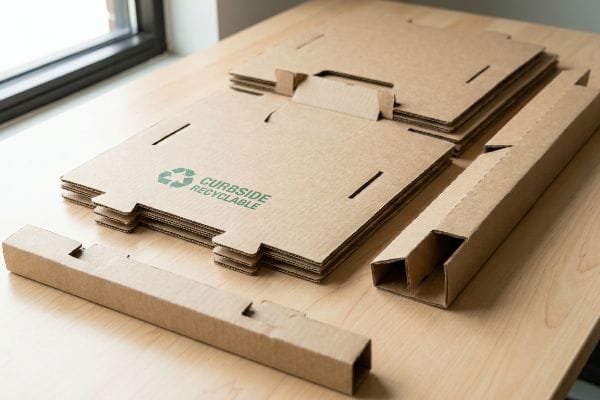
しかし、PowerPointのプレゼンテーションでディスプレイが「環境に優しい」と主張することと、それが高湿度のサプライチェーンに耐えられることを証明することは全く別物だ。.
木製パレットが環境に優しいとされる理由の一つは何ですか?
再利用性はサプライチェーンの持続可能性の根幹です。適切に構築された単一の基盤は、廃棄されるまでにグローバルな貨物輸送システムを数十回も循環することができます。.
木製パレットが環境に非常に優しいとされる理由の一つは、その継続的な修理可能性です。破損した木製板は、ユニット全体を廃棄するのではなく、個別に交換できます。さらに、FSC認証林から調達されたこれらの木製ベースは、炭素吸収源として機能し、ライフサイクルの終わりには自然のマルチング材へと生分解されます。.
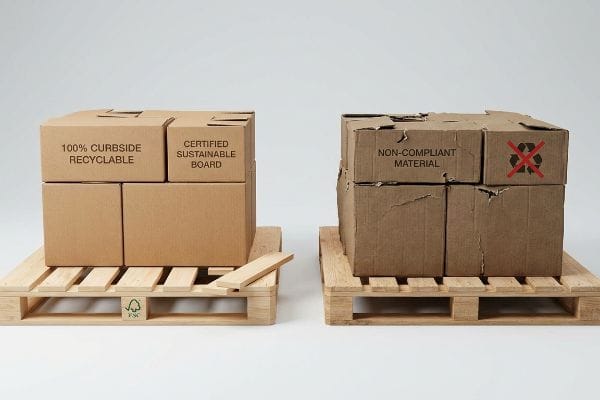
基本素材を理解することは第一歩に過ぎません。その上に巨大な段ボール製の陳列ケースを設置すると、全く新しい環境上の摩擦点が生じます。.
路側リサイクルの乖離
多くのブランドチームは、持続可能な木材ベースに段ボールユニットを置くだけで、キャンペーン全体が自動的に「グリーン」になると考えています。彼らは、森林認証を確認せずに標準的な 段ボールを 、環境に優しい基盤と、認証されていない 混合廃棄物を含む紙を意図せず組み合わせてしまうことがあります。これは、厳格な小売大手に提案する際に、コンプライアンス上の大きな問題を引き起こします。
経験豊富な調達チームでさえ、コスト削減を試みている際に、この盲点を見落としがちです。部品表(BOM)をじっと見つめてわずかなコスト削減を試みているのは分かりますが、認証済みのバージンクラフト紙を未検証のテストライナー紙の代わりに使うのは落とし穴です。先日、共同梱包チームが未検証の脆いテストライナー紙のヘッダーを折り畳もうとしているのを見ましたが、折り目に沿って生の板紙がパキッと音を立てて破れるのがすぐに分かりました。これを解決するには、最初の仕様書で、厳格な調達基準に準拠した100%リサイクル可能な段ボールを必ず指定してください。そうすることで、紙繊維が折り畳むのに必要な水分量と弾力性を正確に備え、ディスプレイを完全に環境に配慮した構造的なものに保つことができます。.
| 初心者によくある間違い | プロフィックス | 小売店舗におけるメリット |
|---|---|---|
| 検証されていない安価なテストライナーを使用する | 持続可能なボード認証を取得 | 組み立て時の破れを防ぎます |
| 使用済み製品の廃棄を無視する | 100%路側リサイクル可能仕様 | 小売業者の廃棄手数料をなくす3 |
| 段ボールはすべて緑色だと仮定する | 持続可能な森林管理用紙を指定してください。 | 厳格な小売業者監査に合格4 |
未認証の素材によって全国展開が危うくなるような事態は断じて許しません。認証済みの紙を厳格に使用することで、ディスプレイが物理的なサプライチェーンを無事に乗り越え、小売バイヤーが求めるあらゆるサステナビリティ要件を容易に満たすことができます。.
🛠️ ハーベイのデスク: 現在お使いの段ボールの仕様が、大型量販店のサステナビリティ基準を満たしているかご不明ですか? 👉 材料監査をご依頼ください ↗ — 私のデスクに直接アクセスできます。自動販売スパムメールは一切送信しませんのでご安心ください。
製品をより環境に優しいものにするには、どのような設計が必要だろうか?
真のサステナビリティは、後付けで緑色のインクで付け加えるものではなく、最初のCAD(コンピュータ支援設計)製図セッションから、金型設計に直接組み込まれるものです。.
環境に配慮した製品設計には、厳格な単一素材使用の原則が不可欠です。エンジニアは、プラスチックと金属の混合部品を排除し、巧妙な折り紙のような波型ロックに置き換えています。この高度に最適化された構造設計により、店舗スタッフが複雑な部品を分解する必要なく、製品全体をスムーズにリサイクルすることが可能になります。.
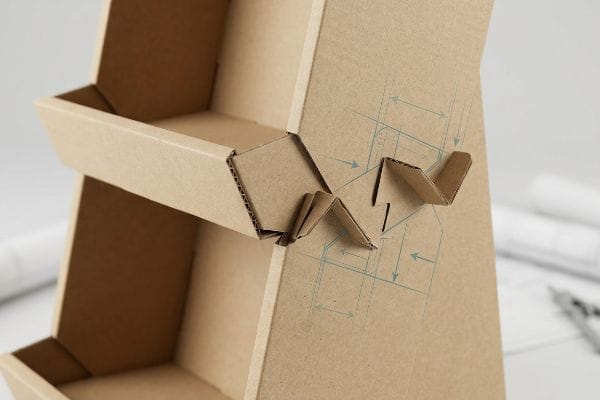
コンピューター画面上ではプラスチックを排除するのは理にかなっているように思えるが、高強度クリップを紙に置き換えるには、正確な数学的計算が必要となる。.
プラスチッククリップへの依存
業界の標準的な慣行では、重い多段式ディスプレイを固定するために、安価なプラスチック製ジョイントやPVC(ポリ塩化ビニル)クリップ5に頼っています。デザイナーがこれを使用するのは、プラスチックは普遍的に強度が高く、実装に構造計算が不要だからです。しかし、これは店舗レベルでは異素材混在の悪夢を生み出します。忙しい小売店員は、リサイクルボックスに入れるためにプラスチックと段ボールを20分かけて分別することを拒否するからです。
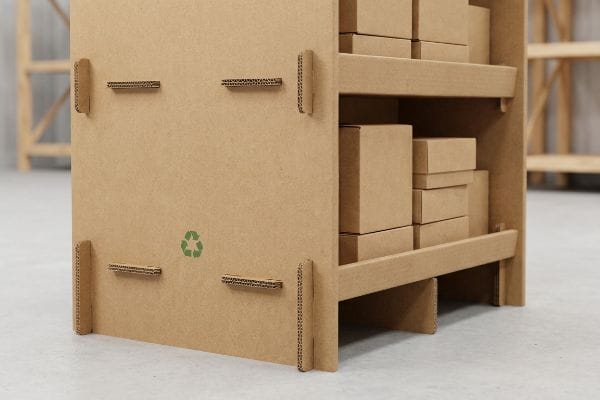
これは、迅速な承認を求めるベテランデザイナーでさえ陥るよくある落とし穴です。ブランドが美しいキャンペーンを出荷したものの、イライラした店員がプラスチッククリップを乱暴に引きちぎり、部品がきつく挟まれすぎていたために波型の側面パネルが破れてしまうのを見てきました。動的強度を犠牲にすることなくこれを解決するために、私は折り紙スタイルの紙製ロックをダイラインに直接設計します。フルート プロファイル、満足のいくしっかりとした摩擦嵌合でスライドする、相互に連結するオス/メスの紙タブを作成できます。これにより、 プラスチック製のハードウェアが一切不要になり、同時に大きな耐荷重6を。
| 初心者によくある間違い | プロフィックス | 小売店舗におけるメリット |
|---|---|---|
| プラスチック製の棚クリップを使用する | 折り紙風の紙製錠前 | 100%リサイクル可能な単一素材7 |
| 異なる材料を過剰に接着する | 摩擦嵌合式構造タブ8 | 事務員の分解時間を節約します |
| 曲げ代を無視する | 正確なフルートキャリパーを計算する9 | 工具不要でシームレスに組み立て可能 |
私はプラスチックを一切使用しない設計を採用しました。巧妙な紙の形状によって単一素材構造を実現することで、共同梱包時間を大幅に短縮し、最終製品が完全にリサイクル可能であることを保証します。.
🛠️ ハーベイのデスク: 現在お使いのフロアディスプレイには、リサイクルできないプラスチック製のクリップが隠れていて、小売業者への罰則の対象になっていませんか? 👉 組み立て仕様書を確認してください ↗ — 安全にダウンロードしてください。ご質問があれば、後ほどメールでお問い合わせください。
パレットは生分解性ですか?
自然は未処理の物質を完璧に処理するが、サプライチェーンの危険から保護するために工業用化学物質を加えた途端、環境に優しいという方程式は危険なほど複雑になる。.
場合によります。標準的な木製パレットと未処理の段ボールベースは完全に生分解性です。しかし、パレットディスプレイが耐湿性を高めるために固体PLAバイオプラスチックでラミネート加工されている場合、OCCの再生パルプ化処理中に水をはじきます。そのため、通常の自治体リサイクルセンターでは自然分解が妨げられ、多くの場合、ユニット全体が埋立地に送られます。.
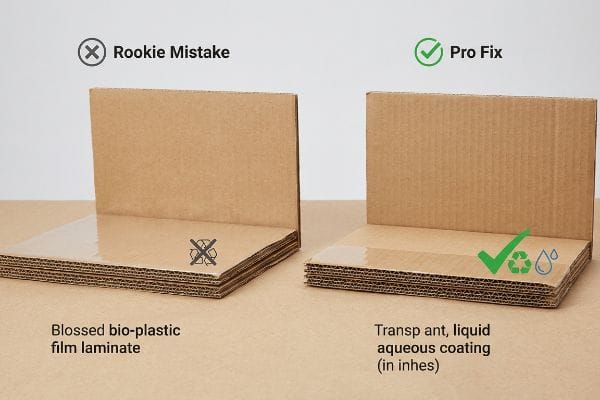
この化学物質の地雷原をうまく切り抜けるには、製紙工場が実際にどのように廃棄物を処理しているかを理解する必要がある。.
バイオプラスチック堆肥化の落とし穴
ブランド各社は、トウモロコシ由来のフィルム10が環境に優しいライフサイクルを保証するという前提のもと、段ボールベースにPLA(ポリ乳酸)ラミネートを常に要求している。彼らは、ディスプレイの底面にバイオプラスチックの薄い層を適用することで、環境に完全に安全でありながら、吸湿の問題11を解決できると考えている。
これは、正しいことをしようとしているマーケティング チームにとって大きな盲点です。厳しい現実として、標準的な自治体のリサイクル センターではバイオ プラスチック12を分解できません。バイオ プラスチックは、標準的な OCC (古い段ボール容器) 再生パルプ槽13内の水をはじく、非常に抵抗力のある滑らかな表面を作り出し、べたべたした、台無しになったパルプを残します。経験則として、プラスチックのように感じたら、製紙工場はそれを拒否します。固体のフィルムの代わりに、ディスプレイの下部 2 インチ (50.8 mm) に液体水性コーティング プロトコルを義務付けています。この水性仕上げは、重いプラスチック残留物を残さずにシームレスに溶解する液体ポリマー マトリックスとして機能し、濡れた食料品店の床から保護しながら、ユニットを 100% 路側でリサイクル可能にします。
| 初心者によくある間違い | プロフィックス | 小売店舗におけるメリット |
|---|---|---|
| 固体バイオプラスチック積層材の使用 | 水性コーティングに切り替える | 100%の再生可能性を保証します14 |
| バイオフィルムが容易にリサイクルされると仮定すると、15 | 地域の廃棄物処理能力を確認する | 埋立地への廃棄物転用を防ぐ |
| 生の紙を露出させる | コートの底部は2インチ(50.8mm)です。16 | 床モップの水による損傷を防ぎます |
私は、グリーンウォッシングによってキャンペーンの実際のリサイクル性を損なうことを許しません。固形バイオプラスチックを高度な水性化学技術に置き換えることで、下流のリサイクルプロセスを損なうことなく、必要な防湿性を提供します。.
🛠️ ハーベイのデスク: 環境に優しいコーティングが、実はディスプレイをそのまま埋立地に送っているのではないかと心配ですか? 👉 コーティングの化学組成を確認しましょう ↗ — 延々と営業電話がかかってくるようなフォームはありません。純粋な価値だけを提供します。
ディスプレイ対応パレットとは何ですか?
販売開始までのスピードこそが、小売業界における究極の指標です。もし商品陳列担当者が倉庫で2時間もの複雑な手作業を必要とするなら、店長は間違いなくその担当者を配置しないでしょう。.
ディスプレイ対応パレットとは、組み立て済みで商品が満載された小売用陳列什器で、木製または段ボール製の台座に直接載せて出荷されます。この最適化された形状により、店舗スタッフは配送トラックから売り場までユニットを簡単に転がすことができ、手作業による倉庫での設置作業を完全に排除し、通路スペースを最大限に活用できます。.
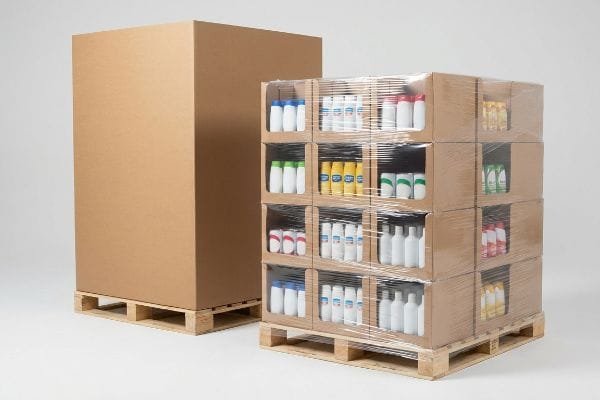
しかし、理論を知っているだけでは、機械が稼働し始め、貨物の寸法が関係してくると、十分とは言えません。.
工場現場で標準パレット形状が失敗する理由
調達チームは、視覚的なインパクトと商品の積載量を最大化するために、通常、実物大の48×40インチ(121.9×101.6cm)のフロア型陳列什器を設計する。彼らは、GMA(食料品製造業者協会)の木製台座を独占することを中心にキャンペーン全体を構築し、大型小売店が喜んで交差点の特等スペースを提供してくれることを期待している。.
私の施設では、現代の店舗通路における厳密な分数計算を無視したために、ブランドが小売店から大量に拒否されるケースを日常的に目にしています。 クラブストア、フルサイズのベースでは許容できないボトルネックが発生することがわかります。幅48インチ(121.9cm)の一体型のユニットを出荷すると、設置時に角が外側に広がり、68インチ(172.7cm)のクリアランスが危険となり、通過するショッピングカートに激しく接触します。この問題を解決するために、私はバルクマーチャンダイザーを厳密に分数寸法で設計しています。 ハーフパレットは48×20インチ(121.9×50.8cm)24 ×20インチ(60.9×50.8cm)です。構造ソフトウェアでこの正確な幾何学的分割を適用することで、4つの異なるプロモーションキャンペーンが1つのマスターパレットを完全に共有できるようにしています。この正確な許容範囲の調整により、無駄な輸送スペースが大幅に削減され、 出荷貨物コストが推定20%削減され、 店舗マネージャーが縮小されたフットプリントを自信を持って承認することが保証されます。
| 初心者によくある間違い | プロフィックス | 小売店舗におけるメリット |
|---|---|---|
| フルピッチングサイズ 48×40インチ (121.9×101.6 cm)19 ユニット | 分数基数幾何学を使用する | 通路の優先スペースを確保 |
| 回転通路清掃を無視する | 正確な対角線上の設置面積を計算する | ショッピングカートの衝突を防ぎます |
| 容器の容量を無駄にしている | ベースを24×20インチ(60.9×50.8cm)の20個の区画に分割する | 輸送コストを大幅に削減します |
私は、過剰な自己満足的な指標が小売業のコンプライアンスを損なうことを断固として拒否します。厳格な小数点以下の境界を設定することで、かさばるマーチャンダイザーを、バイヤーが喜んで店頭に並べたくなるような、機敏で陳列準備の整った資産へと変革します。.
🛠️ ハーベイのデスク: 人通りの多い通路に設置した現在のフロアディスプレイの正確な対角クリアランス半径をご存知ですか? 👉 ダイラインファイルをお送りください ↗ — 大量生産に予算を無駄にする前に、計算をストレステストします。
結論
安価なバイオプラスチックラミネートに賭けることもできますが、その硬いフィルムが原因でリサイクルセンターがディスプレイを拒否し、小売業者のサステナビリティペナルティが発生し、利益率の約25%が失われるとしたら、グリーンラベルは何の意味もありません。これは、私のトップ10の小売クライアントが印刷拒否ゼロを保証するために使用している仕様書です。環境コンプライアンスについて推測するのはやめて、大量生産前に致命的なリサイクルエラーを発見するために、私の 無料マテリアル事前監査↗ ください。
「紙と包装|森林管理協議会」、 https://fsc.org/en/businesses/paper-packaging。[FSCやPEFCなどの団体による業界標準では、非認証段ボールは、トレーサビリティ検証なしに複数の供給源から製造されている可能性があることが確認できます]。証拠の役割:事実検証、供給源の種類:業界標準、裏付け:非認証紙材料を使用するリスク、適用範囲に関する注記:グローバルサプライチェーンの変動性に適用されます 。↩
「クラフト紙 vs テストライナー:コストとパフォーマンスに関する戦略ガイド」、 https://packagemanufacturer.com/kraft-paper-vs-testliner/。持続可能な板紙認証の技術基準は、未認証のテストライナーと比較して、材料の品質と引裂抵抗性が高いことと相関関係にあることが多い。証拠の役割:技術仕様、情報源の種類:材料科学ジャーナル。サポート:認証による品質向上。範囲に関する注記:板紙のグレードに特化 。↩
「路側回収可能な包装材 – 簡単ガイド」、 https://www.ecoenclose.com/curbside-recyclable-packaging?srsltid=AfmBOopq1NhsLlabDPMpNF1LSq1PKAwt_IQzYf7pEv6SxIf0-_Wd_exc 。廃棄物管理コストに関する業界分析によると、路側回収可能なリサイクル可能な素材は、小売業者の廃棄処分手数料を削減または免除することが確認されています。証拠の役割:経済的影響。情報源の種類:廃棄物管理レポート。裏付け:リサイクル可能性による経済的利益。範囲に関する注記:地域のリサイクルインフラに依存する 。↩
「持続可能な紙ベースの包装:消費者の視点」、 https://pmc.ncbi.nlm.nih.gov/articles/PMC8151435/。主要なグローバル小売業者の持続可能性ガイドラインは、持続可能な森林認証が環境コンプライアンス監査に合格するための前提条件であることを確認しています。証拠の役割:コンプライアンス基準。情報源の種類:企業方針。サポート:持続可能な紙による監査の成功。適用範囲に関する注記:主に大規模小売チェーンに適用されます 。↩
「段式ディスプレイ棚 – WOW Packaging Display」、 https://www.wowpopdisplay.com/pop-displays/structure/tiered-display/ 。[業界製造ガイドまたは包装工学規格では、多段式段ボールディスプレイの安定化にPVCクリップが広く使用されていることが確認されています] 。証拠の役割:事実確認。情報源の種類:業界専門誌。裏付け:POPディスプレイにおける現在の材料使用状況。範囲に関する注記:一時的な小売ディスプレイの構築に限定。↩
「段ボール箱究極ガイド – Shorr Packaging」、 https://www.shorr.com/resources/blog/ultimate-guide-corrugated-boxes/。[単一素材パッケージの構造解析研究では、インターロッキング紙形状が、混合素材ファスナーに匹敵する高い耐荷重能力を達成できることが示されています]。証拠の役割:性能検証。情報源の種類:学術研究。支持するもの:単一素材義務化の有効性。範囲に関する注記:耐荷重能力はライナーボードのGSMに依存します 。↩
「単一素材パッケージ:リサイクルプロセスの簡素化」、 https://www.berlinpackaging.com/insights/sustainability/mono-material-packaging-simplifies-the-recycling-process?srsltid=AfmBOoo2_3xIIs-pDngPLmzdJEUg-JJo_qGoXUwEIZVg5OUcDFqaKHSs。[持続可能性基準または業界ホワイトペーパーでは、プラスチッククリップを紙製ロックに置き換えることで単一素材の流れが生まれ、リサイクル率が大幅に向上することが検証される]。証拠の役割:技術的検証。情報源の種類:持続可能性基準。サポート:単一素材の持続可能性。適用範囲に関する注記:使用されている紙が堆肥化可能またはリサイクル可能であることが認証されている場合にのみ有効 。↩
「強度を支える柱:パッケージデザインにおける構造的完全性の確保」、 https://www.adamslitho.com/new-blog-1/the-pillars-of-strength-ensuring-structural-integrity-in-your-packaging-design。[持続可能なパッケージングのための技術設計ガイドでは、摩擦嵌合タブが化学接着剤を必要とせずに構造的安定性を提供できることを示しています]。証拠の役割:技術検証、情報源の種類:設計ガイド。サポート:混合材料汚染物質の削減。範囲に関する注記:構造的完全性は材料の圧縮強度に依存します 。↩
「段ボールの曲げ剛性」、 https://www.fpl.fs.usda.gov/documnts/pdf1992/luo92a.pdf 。[包装エンジニアリングマニュアルでは、正確な構造折り畳みのための適切な曲げ許容値を決定するには、正確なフルートキャリパーを計算する必要があると規定されています]。証拠の役割:技術仕様書、情報源の種類:エンジニアリングマニュアル。サポート:精密組立要件。適用範囲に関する注記:特定のフルートグレード(例:A、B、またはEフルート)によって異なります。↩
「キャッサバデンプンからPLAを誘導するプロセスを理解する」、 https://www.vp-packaging.com/substrate-materials/compostable-film-materials/bopla-film/understanding-the-process-of-deriving-pla-from-cassava-starch/。[バイオポリマーに関する技術文献によると、ポリ乳酸(PLA)は通常、植物デンプンの発酵によって製造され、最も一般的にはトウモロコシ由来である。証拠の役割:事実の検証。情報源の種類:材料科学ハンドブック。裏付け:PLAの化学的起源。範囲に関する注記:サトウキビなどの他の原料も使用できる。] ↩
「紙および段ボール包装用バリアコーティング」、 https://global.humanchem.com/resources/barrier-coating-for-paper-and-corrugated-board-packaging.html。[包装工学データによると、PLAラミネートは疎水性バリアを提供し、段ボールセルロース繊維への水蒸気の透過性を低減します。証拠の役割:技術的検証。情報源の種類:包装業界の研究。サポート:ディスプレイにおけるPLAの機能的応用。範囲に関する注記:バリア効率はフィルムの厚さによって異なります。] ↩
「ポリ乳酸(PLA)のライフサイクルアセスメント…」、 https://pmc.ncbi.nlm.nih.gov/articles/PMC8199738/。[都市固形廃棄物に関する権威ある報告書では、バイオプラスチックは標準的なリサイクルセンターでは見られない工業グレードの堆肥化温度と条件を必要とすることが一般的に明記されている]。証拠の役割:事実の検証。情報源の種類:政府の廃棄物管理報告書。裏付け:都市センターではバイオプラスチックを処理できないこと。適用範囲に関する注記:PLAおよびその他の工業用バイオプラスチックに適用される 。↩
「バイオプラスチックの包括的分析:ライフサイクルアセスメント、廃棄物…」、 https://pmc.ncbi.nlm.nih.gov/articles/PMC11401513/。[紙リサイクルに関する技術文書では、OCCリパルプ化プロセス中に疎水性フィルムとバイオプラスチックが水の浸透を防ぐバリアを形成する仕組みについて説明しています]。証拠の役割:技術的説明、情報源の種類:工業用包装研究。裏付け:バイオプラスチックが段ボールリサイクルに及ぼす影響。範囲に関する注記:特にリパルプ化段階に関連する 。↩
「機能化されたリサイクル可能で生分解性の紙コーティング…」、 https://pmc.ncbi.nlm.nih.gov/articles/PMC11948148/。[紙リサイクル基準に関する権威ある情報源は、水性コーティングがプラスチックラミネートとは異なり、繊維の完全な回収を可能にすることを検証するだろう]。証拠の役割:技術的検証。情報源の種類:業界標準。裏付け:水性コーティングが完全なパルプ化を可能にするという主張。範囲に関する注記:特定のコーティング化学によって異なる場合がある 。↩
「生分解性プラスチックを効果的で化学的に…として再定義する」、 https://www.sciencedirect.com/science/article/pii/S2095809926000743。[廃棄物管理に関する環境報告書は、バイオフィルムの分解性と実際の自治体のリサイクル能力との間のギャップを示し、多くの場合、埋め立て処分につながる]。証拠の役割:ファクトチェック。情報源の種類:廃棄物管理報告書。支持:バイオフィルムの地域能力を確認する必要性。範囲に関する注記:地域差が大きい] 。↩
「紙製パッケージのバリア性能が20倍向上」、 https://www.packagingdigest.com/sustainability/paper-packaging-gets-20x-better-barrier。[パッケージングエンジニアリングガイドラインでは、2インチの保護バリアが濡れた床から未加工の段ボールへの水分の浸透を防ぐことが検証されています]。証拠の役割:技術仕様、情報源の種類:エンジニアリングマニュアル。裏付け:特定のコーティング高さが水害を防ぐ効果。範囲に関する注記:標準的なモップの高さと毛細管現象に基づく] 。↩
「プールウッドハーフパレット – カナダ 48 x 20インチ – CHEP」、 https://www.chep.com/ca/en/product/pooled-wood-half-pallet-canada-48-x-20-inch。[物流および倉庫管理マニュアルでは、小売流通におけるスペース最適化のために使用される標準的な分割パレット寸法が定義されています]。証拠の役割:検証。情報源の種類:技術仕様。サポート:分割パレットの寸法規格。範囲に関する注記:北米GMAパレット規格に基づいています 。↩
「パレット選択が積載量利用に果たす重要な役割 – PalletOne Inc.」、 https://www.palletone.com/the-crucial-role-of-pallet-selection-in-cube-utilization/。[サプライチェーン効率レポートによると、パレット積載量の最適化と航空輸送スペースの削減により、輸送コストを大幅に削減できることが示されています]。エビデンスの役割:定量的サポート、情報源の種類:業界レポート。サポート:コスト削減指標。範囲に関する注記:割合は出荷量と運送業者によって異なります 。↩
「熱処理済み木製GMAパレット – 48 x 40インチ」H-1260 – ULINE、 https://www.uline.com/Product/Detail/H-1260/Pallets/Heat-Treated-Wood-GMA-Pallet-48-x-40。[食料品製造業者協会(GMA)の業界標準により、これらの寸法は北米の輸送用パレットの標準であることが確認されています]。証拠の役割:技術仕様、情報源の種類:業界標準。サポート:標準パレットサイズ。範囲に関する注記:北米の物流に特化 。↩
「貨物輸送における標準パレット寸法の理解 – FleetWorks | AI」、 https://www.fleetworks.ai/resources/pallet-dimensions-standard。[物流および貨物輸送最適化マニュアルでは、ハーフパレットや24×20インチなどの分数モジュールを利用することで、コンテナの容積利用率が向上し、輸送コストが削減されることを示しています]。エビデンスの役割:技術仕様、ソースの種類:物流ガイド。サポート:輸送コスト削減。適用範囲に関する注記:コンテナ輸送の最適化に適用されます 。↩