小売店の通路は、売り場面積を巡る熾烈な戦いの場です。もしあなたのブランドが縮小する売り場面積に適応できなければ、細分化された販売戦略を理解している競合他社に淘汰されてしまうでしょう。.
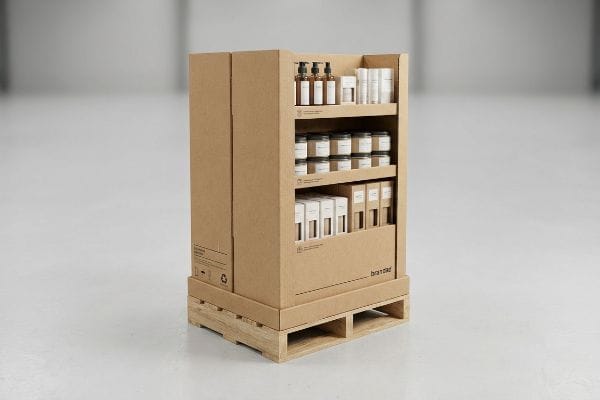
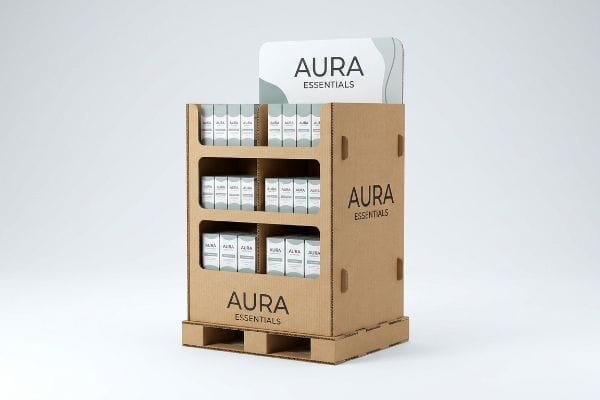
クォーターパレットディスプレイは、標準的なGMA(食料品製造業者協会)の出荷用パレットのちょうど4分の1を占めるように設計された、構造的な段ボール製陳列什器です。これらのコンパクトな什器は、24インチ×20インチ(60.96cm×50.8cm)のサイズで、複数の異なるブランドキャンペーンを単一のプラットフォーム上でシームレスに共有できます。.
この縮小されたフットプリントを使いこなすには、標準的なCAD(コンピュータ支援設計)ファイルを縮小するだけでは不十分で、物理的な小売ロジックにおいて絶対的な精度が求められる。.
クォーターパレットディスプレイとは何ですか?
大型小売店は、人通りの多い交差点を厳しく制限している。こうした優良エリアを確保するには、店舗の限られた空間条件を完璧に尊重するモジュール式のアプローチが必要となる。.
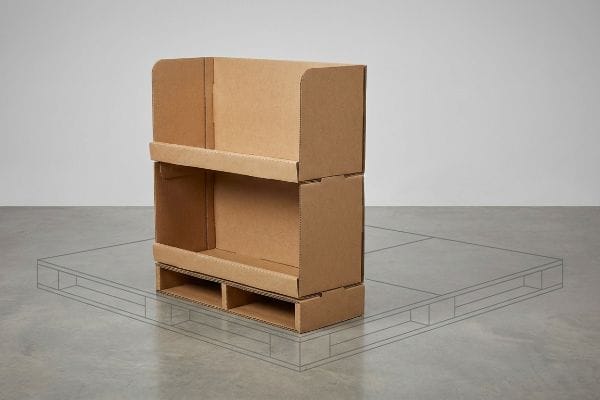
クォーターパレットディスプレイは、24インチ×20インチ(609.6mm×508mm)の設置面積に収まるように設計された、数学的に分割された陳列什器です。この分割された形状により、通路のクリアランスゾーンを超えることなく、最大4つの異なる販促活動が1つのメイン出荷プラットフォーム上で共存できることが保証されます。.
この正確な寸法縮小こそが、厳格な床面安全基準に違反することなく、一等地にある店舗スペースを確保するための鍵となる。.
分数パレット形状の工学力学
この構造を理解するには、 標準的な48インチ×40インチ(121.9cm×101.6cm)の配送プラットフォーム1を 、完璧な4象限のグリッドに分割したものを想像してみてください。25セント硬貨サイズのユニットは、これらの象限のうち1つだけを占めます。この構造により、通路の広大なスペース全体を必要とする代わりに、購入者は頑丈な構造的完全性を維持しながら、製品の容積を縮小することができます。
私はこれらの分割されたユニットを、空間的な荷重分布という観点から厳密に評価します。設置面積を部分的に設計する場合、 重心はフルサイズのモデルと比べて大きく移動します。 段ボールの垂直方向の支柱は、隣接するディスプレイに横方向の支持を頼ることなく、上部の重量を独立して支えるように設計する必要があります。 内部のBフルート壁を正確に補強すること 、構造柱が運動エネルギーを安全に木製ベースに伝達し、補充中の危険な転倒事故を防ぐことができます。
| メトリック/フィーチャー | モノリシックなアプローチ | エンジニアードフラクショナル |
|---|---|---|
| フットプリントユーティリティ | 100%プラットフォームを要求する | 25%象限を使用4 |
| 小売業者の承認 | サイズが小さいという理由で拒否されることが多い | 高い受容率 |
| 負荷独立性 | 広い土台に頼る | 自立型脊椎5 |
私は、設置面積が小さいからといって構造が弱いとクライアントに思わせることは決してありません。動的荷重配分を再調整することで、非常に限られた小売スペース内で最大限の垂直強度を実現します。.
🛠️ ハーベイのデスク: 重いレジ用トレイが、店舗に到着する前から配送ROIを低下させていませんか? 👉 無料の貨物密度監査をリクエストしてください ↗ — 24時間以内にすべての構造ファイルを個人的に確認します。
パレットの利点は何ですか?
仮設 の段ボール製ディスプレイ 、物流面で大きなメリットが得られます。これにより、恒久的な金属製ハードウェアに伴う高額な輸送コストを完全に排除できます。
パレットの利点としては、グローバルな貨物輸送密度の最適化、迅速な小売店展開、そしてサプライチェーンコストの大幅な削減が挙げられます。木製ベースに取り付けられた平積みの段ボール構造を利用することで、ブランドは組み立て済みの金属製什器を輸送する際に発生する、容積重量による輸送コストの大幅な増加を回避できます。.
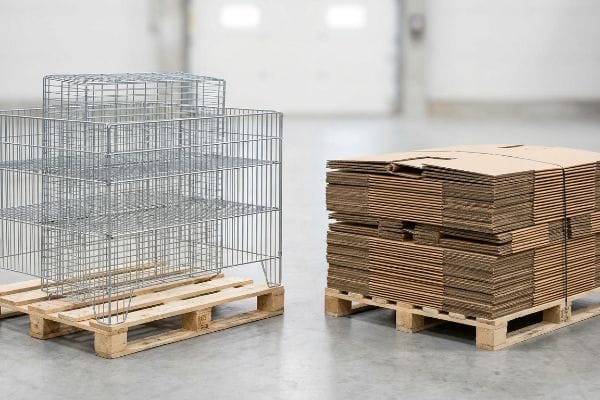
この数量的なレバレッジを理解することで、収益性の高いグローバルキャンペーンと、海外コンテナ料金によって収益が圧迫されるキャンペーンを区別することができる。.
「恒久的なハードウェア」に対する運送手数料
クライアントの調達戦略を監査する際、ブランドが短期的な季節展開に恒久的な溶接金属製FSDU (自立型ディスプレイユニット)を安易に選択しているケースをよく目にします。彼らは、頑丈なスチール製であれば自動的に高い投資収益率が保証されると考えているようです。しかし、彼らが考慮に入れていないのは、恒久的な金属製のハードウェアは折り畳むことができないため、完全に組み立てられた状態で海を越えて輸送しなければならないという厳しい物流上の現実です。
私の施設では最近、いわゆる「デッドエア」を移動させるためだけに莫大な運賃プレミアムを支払っているバイヤーを評価しました。彼らの常設ワイヤーラックでは、1つの40HQコンテナに組み立て済みのユニットを248個しか積むことができませんでした。私はすぐに介入し、彼らの資材戦略を高ECT(エッジクラッシュテスト)エンジニアリング段ボールのフラットパックに切り替えました。現場での20年の経験から、仮設構造物は、内部のフルートが垂直に揃っていれば、標準的な12週間の小売期間7に十分耐えられることを知っていました。この切り替えを行うことで、同じコンテナに1,482個のフラットパックユニットを収めることができました。これにより、常設ハードウェアの約300%の運賃ペナルティが解消され、大型量販店の承認に必要な高耐久性を維持しながら、入荷輸送コストを大幅に削減することができました。
| 物流指標 | 恒久的な金属製固定具 | エンジニアード波形 |
|---|---|---|
| 40HQ密度 | 約250台(組み立て済み)9 | 約1,500個(組み立て式)10 |
| 輸送コストへの影響 | 死んだ空気を輸送する方が得策だ | 体積を最大化する |
| キャンペーン適合性 | 8週間かけて過剰設計 | 寿命が完全に一致 |
私は、ブランドが海外物流にプロモーション予算を浪費することを断固として拒否します。頑丈なフラットパック構造に移行することで、無駄になっていたコンテナスペースを瞬時に純粋な利益へと変えることができます。.
🛠️ ハーベイのデスク: 現在のカウンターディスプレイのデザインは、実際の小売現場での摩擦によって倒れる危険性がありますか? 👉 構造設計図監査を依頼する ↗ — 100%機密保持。未発表の小売デザインは私にお任せください。
4方向エントリーパレットとは何ですか?
産業物流には、汎用性の高い搬送ソリューションが不可欠です。段ボール製陳列ケースが倉庫のラックシステムをどれだけ安全に通過できるかは、輸送用ベースの物理的な設計によって決まります。.
4方向進入式パレットは、フォークリフトが4方向すべてからフォークを挿入できる物流プラットフォームです。この多方向からのアクセスにより、倉庫内の仕分け作業が迅速化され、トレーラーへの積載パターンが最適化され、高速貨物輸送時の物理的な損傷が大幅に軽減されます。.
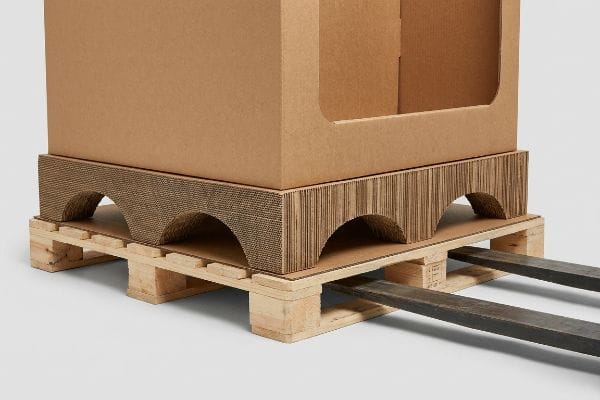
この全方向からのアクセスは物流を迅速化する一方で、これらの基地の内部デッキ構造は、 段ボール製の展示物 。
パレットデッキのたわみに関する工学力学
このプラットフォームを理解するには、その基本的な構造を見てみましょう。4方向システムで 、戦略的に配置された木製ブロックまたは深く切り込みの入ったストリンガー11 、重機が通過できるクリアランス空間を作り出します。これらの空間は優れた機動性を提供しますが、必然的に、波形ディスプレイベースが接触する上部の木製デッキボード全体に広い物理的な隙間が生じます。
私は、店頭販売ユニットの安定性を、これらの特定の木製隙間をどのように埋めるかに基づいて計算します。あらかじめ充填された波形ベースがスロット付き4方向デッキの上に置かれると、商品の巨大な下向きの点荷重は、抵抗が最も少ない経路、つまり板の間の空隙を自然に探します。これに対抗するために、 波板の向き12を、波形アーチがストリンガーの空隙をまっすぐに横切るようにします。メイン構造の下に剛性のあるスリップシートを設計することで、 ペイロードを木製プラットフォーム13、フォークリフトのユニバーサルアクセスを損なうことなく、最下段の変形を完全に排除します。
| 構造的指標 | 標準配置 | ソリッドデッキプロトコル |
|---|---|---|
| 重量配分 | 木の隙間に垂れ下がる | 均一な表面張力 |
| ベースフルートの方向 | 多くの場合、並行して走る | 垂直に |
| 機器へのアクセス | 4方向からの進入路は維持されています。 | 4方向からの進入路は維持されています。 |
私は、デッキボードのあらゆる不均一性を解消するために、段ボール製のベースを厳密に設計しています。紙と木材の物理的な接合部を制御することこそが、完全に正方形の陳列ユニットを保証する唯一の方法です。.
🛠️ ハーベイのデスク: 重いレジ用トレイが、商品が店舗に到着する前から配送ROIを低下させていませんか? 👉 無料の空間荷重解析を入手 ↗ — 中間のアカウントマネージャーは不要です。構造エンジニアと直接お話しいただけます。
4方向パレットとブロックパレットの違いは何ですか?
ベースの種類を選ぶことで、動的耐荷重能力が根本的に変わります。木製プラットフォームの幾何学的形状が、積み重ねた箱の最終的な圧縮耐性を左右するのです。.
4方向パレットとブロックパレットの違いは、構造的な支持方法にあります。ブロックパレットは、角と中央に頑丈な木製ブロックを使用しているため、あらゆる方向からの搬入が可能ですが、従来の4方向ストリンガーパレットは、切り欠きのあるサイドビームを使用しているため、特殊な荷役機器の使用が制限される場合があります。.
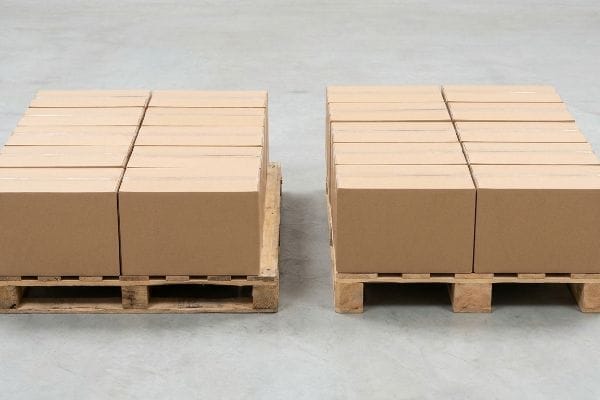
どの基本スタイルを選んだとしても、外側の段ボールの角と木製の縁との寸法的な正確な位置合わせが、荷物が輸送中に無事に届くかどうかを左右します。.
外周アライメントの圧縮力学
違いを分析するには、システムを統一された耐荷重柱として捉える必要があります。ブロック構造は通常、 48インチ×40インチ(121.9cm×101.6cm)の非常に均一なGMA外周14、 9つの頑丈なコーナーとセンターポイント15。ストリンガーベースは機能的ですが、切り欠きのある木製ランナーのために、コーナーでわずかな寸法のばらつきが生じることがよくあります。
私は、使用するベースの種類に関わらず、すべてのマスターカートンの型抜き線を、物理的なエッジに厳密に数学的に合わせます。段ボール箱は、BCT(箱圧縮試験)強度の最大60%を、4つの角の厳密な垂直方向の配置から直接得ています。マスターカートンがブロックやストリンガーのエッジからわずか数ミリでもはみ出している場合、これらの構造的な角には全く荷重がかからず、倉庫全体の重量が支えられていない中央パネルに偏ってしまいます。CADでゼロオーバーハング境界ボックスプロトコルを使用することで、木製の外周の内側で、許容される最大カートン面積を正確に0.5インチ(12.7mm)縮小します。この正確な幾何学的オフセットにより、二段積みの海上輸送中に材料の理論上の強度が完全に発揮されることが保証されます。.
| パフォーマンスメトリック | はみ出したカートン | ゼロオーバーハング境界 |
|---|---|---|
| コーナーサポート | 荷重0%16 | 木材に100%関与 |
| BCTの効率性 | 筋力が60%低下する17 | 理論上の最大限界 |
| 移動中のサバイバル | 中央パネルの座屈 | 完璧な垂直スタッキング |
木製ベースの寸法にわずかなばらつきがあっても、大量の段ボールを積載した貨物の安全性が損なわれることは断じて許しません。厳密な幾何学的オフセットを適用することで、輸送中の安定性を数学的に確保するのです。.
🛠️ ハーベイのデスク: マスターカートンは、隠れた寸法オーバーハングのために、BCT強度を密かに失っていませんか? 👉 ゼロオーバーハングダイライン監査を依頼してください↗ — 24時間以内にすべての構造ファイルを私が個人的に確認します。
結論
1/4パレットディスプレイで通路の優良スペースを確保するには、綿密に計算された分数形状、積極的な貨物密度最適化、そして木製デッキのたわみに対する厳格な対策が必要です。このエンジニアリングレビューにより、先日、大規模な全国展開において、生産前に致命的な2mmの公差誤差が発見されました。次回のキャンペーンが空間ロジックの不備で頓挫する前に、ぜひ私にお任せください。 無料の分数ベース監査↗ 、完璧なバランスと高い投資収益率(ROI)を実現した小売業での成功をお約束します。
「標準パレットサイズ|チャート付き」、 https://www.kampspallets.com/standard-pallet-sizes-with-chart/。48×40インチの寸法が北米の輸送用パレットの業界標準(GMA規格)であることを検証します。証拠の役割:事実確認、情報源の種類:業界標準、サポート:パレットの分割計算の基準測定値。適用範囲に関する注記:北米の物流基準に適用されます 。↩
"[PDF] 混合パレットスタッキングの指標", https://tsapps.nist.gov/publication/get_pdf.cfm?pub_id=906742。物理学と工学原理は、設置面積を小さくすると重心が変化し、転倒リスクが増加する仕組みを説明しています。証拠の役割:理論的原理。情報源の種類:構造工学マニュアル。サポート:独立した横方向サポートの必要性。適用範囲に関する注記:非対称荷重分布に適用されます 。↩
"[PDF] 段ボール仕様書 – ファイバーボックス協会", https://www.fibrebox.org/assets/2025/09/Walmart_Corrugated-Board_Specifications_Automation_Packaging_Standards.pdf。段ボールフルート仕様書に関する技術文書は、Bフルートの垂直圧縮に対する耐荷重特性を確認しています。証拠の役割:技術仕様書、情報源の種類:包装工学ハンドブック。サポート:分割ディスプレイの構造的完全性。範囲注記:段ボール材料の強度に焦点を当てています 。↩
「パレットディスプレイの種類:フル、ハーフ、クォーター – GreenDot Packaging」、 https://greendotpackaging.com/understanding-pallet-display-types-full-half-and-quarter-pallet-displays/。標準プラットフォームと比較した、分割パレットディスプレイにおける設置面積削減の技術的検証。証拠の役割:技術仕様、情報源の種類:業界標準。サポート:象限ベースの設置面積の効率性。範囲に関する注記:標準の48×40パレット分割に焦点を当てています 。↩
「パレット設計システム入門」、 https://woodpackglobal.org/page/PalletDesignSystem。幅広のベースを必要としない、分割型ディスプレイの耐荷重機構を説明するエンジニアリング文書。証拠の役割:構造検証。情報源の種類:エンジニアリングマニュアル。裏付け:耐荷重独立性の主張。適用範囲に関する注記:モジュール式ディスプレイアーキテクチャに適用されます 。↩
「小売ディスプレイのパッケージングと物流計画 – Frank Mayer」、 https://www.frankmayer.com/blog/packaging-and-logistics-planning-for-retail-displays/。権威ある輸送ガイドラインと貨物物流データによると、溶接済みの金属製什器は折りたたみ機能がないため、容積重量が増加する。証拠の役割:技術検証。情報源の種類:物流ホワイトペーパー。裏付け:恒久的なハードウェアの輸送効率の悪さ。適用範囲に関する注記:非モジュール式の溶接設計に適用される 。↩
「ウィスコンシン州の段ボール製小売ディスプレイ – Quality Packaging Inc」、 https://www.qpack.com/retail-displays/corrugated。段ボール製ディスプレイの耐久性に関する業界標準と、一時的なPOP資材の一般的な小売ライフサイクル。証拠の役割:検証。情報源の種類:物流または小売業界のレポート。裏付け:12週間の耐久性に関する主張。範囲に関する注記:材料グレードによって異なります 。↩
「段ボール箱の圧縮強度の推定…」、 https://pmc.ncbi.nlm.nih.gov/articles/PMC8467740/。段ボールの圧縮強度を最適化する垂直フルートの向きに関する技術的な説明。証拠の役割:技術的検証。情報源の種類:材料科学または包装工学ガイド。支持するもの:垂直方向の配置が構造的な耐久性を保証するという主張。範囲に関する注記:特にエッジクラッシュテスト(ECT)の原理に関連する 。↩
「小売業界における40フィートハイキューブコンテナのサイズ」、 https://onsitestorage.com/40-feet-high-cube-container-size-in-retail-industry/?srsltid=AfmBOor0jHg9h5y0-IFjDYGAnHjkrznGQ_jatLri6Aw88aQ26izPMIt6 。40HQコンテナ内の組み立て済み金属製什器の標準的なユニット数を検証する業界物流データ。証拠の役割:ベンチマーク、情報源の種類:物流マニュアル。サポート:固定ハードウェアの密度が低い。範囲に関する注記:什器のサイズによって異なります 。↩
「40フィートコンテナの寸法:サイズ、重量などの正確な仕様…」、 https://www.mobilemodularcontainers.com/blog/40-ft-container-dimensions。標準的な輸送コンテナ内の組み立て済みユニットとフラットパック段ボールの密度を比較した物流ベンチマーク。証拠の役割:ベンチマーク、情報源の種類:輸送データ。裏付け:段ボール材料の体積効率の向上。範囲に関する注記:標準的な表示寸法を前提としています 。↩
「ブロックパレットとストリンガーパレット:その違いとは?」、 https://naturespackaging.org/block-and-stringer-pallets-what-makes-them-different/。パレットエンジニアリングにおいて4方向からのアクセスを可能にするために使用される特定の構造コンポーネントの技術的検証。証拠の役割:技術仕様書。情報源の種類:工業製造ガイド。サポート:4方向パレットの基本構造。適用範囲に関する注記:標準的な木製パレット設計に適用可能 。↩
「フルート間座屈の試験方法と影響 – BioResources」、 https://bioresources.cnr.ncsu.edu/resources/overview-of-recent-studies-at-ipst-on-corrugated-board-edge-compression-strength-testing-methods-and-effects-of-interflute-buckling/。段ボール包装工学に関する技術文書では、フルートの向きが垂直圧縮強度と構造安定性にどのように影響するかを説明しています。証拠の役割:技術仕様書、情報源の種類:工学ハンドブック。裏付け:垂直フルートが空隙を跨いでたるみを防ぐという主張。適用範囲に関する注記:特に段ボールの力学に適用されます 。↩
「4ウェイパレット vs. 2ウェイパレット:パレットタイプの選び方 – iGPS」、 https://igps.net/the-4-way-vs-the-2-way-pallet-how-to-choose-a-pallet-type/。物流およびマテリアルハンドリングの標準では、スリップシートが荷重分散の表面積を増加させ、パレットデッキへの集中荷重を軽減する方法が説明されています。証拠の役割:運用検証。情報源の種類:業界標準。裏付け:剛性スリップシートが最下段の変形を解消するという主張。適用範囲に関する注記:有効性はスリップシートの材料密度によって異なります 。↩
「48×40インチ GMAパレット | 最大手パレットメーカー&サプライヤー」、 https://www.palletone.com/products/gma-pallets/。北米パレットの標準化された食料品製造業者協会(GMA)寸法の確認。証拠の役割:技術仕様、情報源の種類:業界標準。サポート:標準パレットサイズ。適用範囲に関する注記:北米市場に特化して適用されます 。↩
"[PDF] パレットの仕様", https://cdn.ymaws.com/woodpackglobal.org/resource/collection/E8AADDDE-7CBA-4298-8341-C7F29D0C14FF/Costco-PALLETS-PurposeBuilt.pdf。標準ブロックパレット設計におけるサポートブロックの典型的な数と配置の検証。証拠の役割:構造仕様、情報源の種類:エンジニアリングマニュアル。サポート:耐荷重能力と配分。範囲に関する注記:標準ブロックパレットの構成は製造元によって異なる場合があります 。↩
「パレットはどれくらいの荷重に耐えられるか?」、 https://unitload.vt.edu/education/white-papers/5-wp-load-carrying-capacity-of-pallets.html。カートンの角がパレット支持部材と揃わない場合に垂直方向の荷重伝達が起こらないことを説明したマテリアルハンドリングガイドライン。証拠の役割:事実の主張。情報源の種類:物流標準。支持:角支持部材の破損メカニズム。範囲に関する注記:荷重支持点の幾何学的ずれに焦点を当てています 。↩
「パレットの張り出しが箱の圧縮強度に及ぼす影響の予測モデリング」、 https://vtechworks.lib.vt.edu/items/d6fb70fe-bf11-40d2-a44c-3ba7918d06e3。カートンがパレットの端からはみ出した場合の箱圧縮試験(BCT)値の低下に関する技術文書。証拠の役割:技術仕様書、情報源の種類:エンジニアリングマニュアル。裏付け:周囲支持の欠如による構造強度損失の定量化。適用範囲に関する注記:標準的な段ボールの強度損失に適用されます 。↩