玩具メーカーは、持続可能性と小売店での耐久性のバランスを取るのに苦労することが多い。プラスチックの使用をやめたい一方で、大型店舗の床でパレットが崩れるような事態は避けたい。
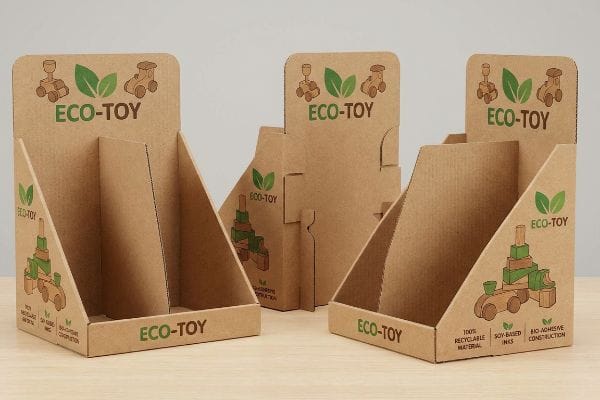
はい。おもちゃの陳列台には環境に優しい選択肢があり、100%リサイクル可能な段ボールを使用しています。バイオベースの接着剤、大豆インク、そして一体型の構造を採用することで、ブランドは使い捨てプラスチックを排除しつつ、大型小売店の環境に求められる厳格な構造的完全性を維持することができます。.
プラスチックを多用した包装材から持続可能な紙製包装材への移行は、単なる環境上の選択ではなく、今日の大手小売業者にとって厳格な要件となっています。それでは、これらの包装材をどのように設計・製造しているのか、詳しくご説明しましょう。.
おもちゃに使われる環境に優しい素材にはどのようなものがありますか?
適切な基材を選ぶことは、あらゆる環境に配慮した小売キャンペーンの基盤となります。間違ったボードを選んでしまうと、印刷が始まる前に環境に優しいというアピールは失敗に終わってしまいます。.
おもちゃに使用される環境に優しい素材には、FSC(森林管理協議会)認証を受けたバージン段ボールやCCNB(クレイコーティングニュースバック)などがあります。これらの素材は天然の木材繊維を使用し、大豆由来のインクで印刷されているため、有害な重金属の流出がなく、家庭ごみとして完全にリサイクル可能です。.
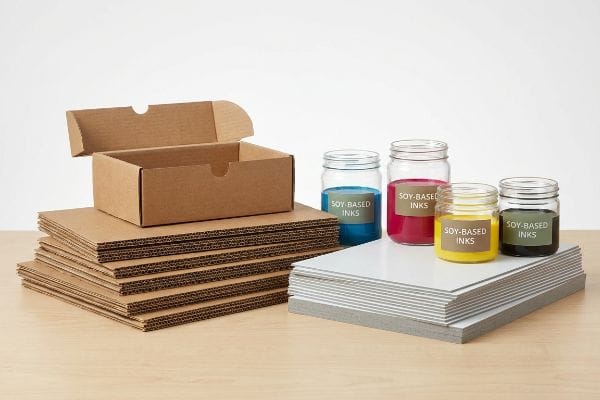
材料を知ることは戦いの半分に過ぎない。生産ラインでそれらを正しく適用することこそ、真のエンジニアリングが求められるところだ。.
持続可能な玩具ディスプレイの現実
多くのデザイナーは、茶色の段ボールは本質的に持続可能なものだと考えています。彼らは、最大40ポンド(18.1kg)の荷物を扱う大型商品陳列台に、環境に良いことをしていると思い込んで、基本的な再生紙のテストライナーを指定することがよくあります。しかし、標準的な再生紙は、人通りの多い小売環境に必要な構造的な剛性が不足していることがよくあります。
こうしたサステナブルな玩具用什器を設計する際、ブランド側から未漂白のクラフト紙に標準的なCMYK(シアン、マゼンタ、イエロー、キー/ブラック)インクを使用するよう依頼されることがよくあります。以前、あるクライアントが多孔質の再生紙に鮮やかな赤色のグラフィックを無理やり印刷しようとしたのを見たことがあります。インクの吸収が不均一になり、濁って色あせたロゴになり、かすかに濡れた新聞紙のような匂いがしました。この問題を解決しつつ環境に配慮するため、私はCPSIA(消費者製品安全改善法)に準拠した大豆インクと水性ニスを使用した、赤ちゃんにも安全なインク基準を設けています。これにより、鮮やかな発色と物理的な安全性が保証され、小売店での拒否を防ぎ、高額な再印刷費用を節約できます。
| 初心者によくある間違い | プロフィックス | 小売店舗におけるメリット |
|---|---|---|
| 弱い再生板紙を指定する | FSC認証バージンクラフト紙へのアップグレード4 | 荷重がかかった際のパレットの崩壊を防ぎます |
| 石油系インクの使用 | CPSIA準拠の大豆インクを使用した印刷5 | お子様の安全を確保し、鮮やかな色彩を実現します。 |
| 有毒な紫外線コーティングを施す | 水性塗料の使用6 | 路側回収によるリサイクル可能性を100%維持します |
私は環境に配慮した製品を作るためだけに、素材の品質を妥協することはありません。持続可能で高性能なクラフトボードのみを使用することで、お客様のディスプレイが倉庫での保管に耐え、同時にブランドの環境への取り組みにも完全に合致することを保証します。.
🛠️ ハーベイのデスク: 現在お使いのディスプレイ資材がリサイクル可能かどうかご心配ですか? 👉 資材監査をご依頼ください ↗ — 私のデスクに直接アクセスできます。自動販売スパムは一切ありませんのでご安心ください。
環境に優しいおもちゃを作るにはどうすればいいですか?
環境に配慮した製品を作るということは、構造全体の組み立て方を見直すことを意味します。紙製のディスプレイが、隠れたプラスチック部品の袋に頼っているようでは、持続可能性を謳うことはできません。.
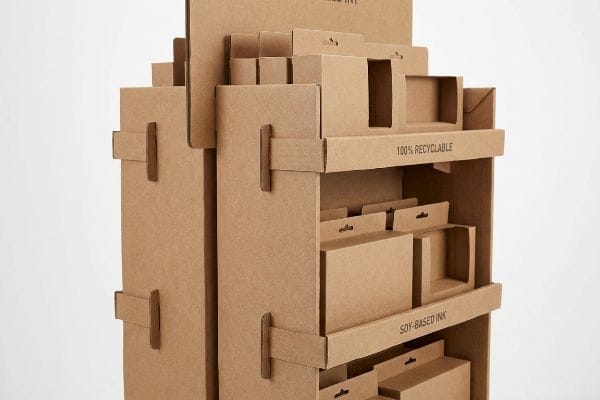
環境に優しいおもちゃを作るには、厳格な単一素材アプローチが不可欠です。メーカーは、プラスチック製のクリップを廃止し、折り紙のような紙製の留め具を採用することでこれを実現しています。これにより、製品のパッケージから構造ベースに至るまで、製品全体をスムーズにリサイクルでき、消費者が複数の素材を分別する必要がなくなります。.
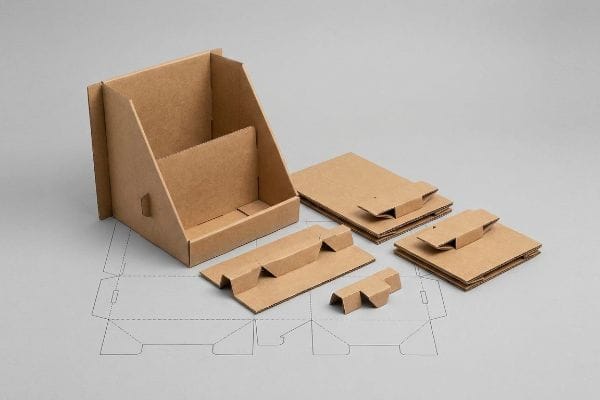
プラスチック製の部品を取り除くことで、私たちは折り畳まれた紙の物理法則に完全に頼らざるを得なくなる。.
単一素材の原則をマスターする
経験豊富な調達チームでさえ、耐荷重棚を補強するためにプラスチック製のSクリップやPVC(ポリ塩化ビニル)製のジョイント7に頼ることがよくあります。彼らは、紙だけでは重い箱入りのアクションフィギュアやボードゲームの重量を支えられないと考えています。
80%のクライアントが安全のためにプラスチッククリップを使いたがるので、この段ボール構造を見て途方に暮れているのは分かります。最近、店員が15分間も汗だくになりながら、設計の悪い紙製の棚に金属製のサポートバーを押し込んでいるのを見ました。結局、ブランドイメージを完全に台無しにする醜い透明テープに頼らざるを得ませんでした。私は、複数の素材を組み合わせる代わりに、折り紙のような連結タブをダイラインに直接設計します。厚い段ボール層が互いにロックされると、満足のいく「パチン」という音が聞こえ、剛性のある単一素材の構造が作られ、 共同梱包の組み立てが推定25%スピードアップします8。
| 初心者によくある間違い | プロフィックス | 小売店舗におけるメリット |
|---|---|---|
| プラスチック製の棚クリップに頼る | 折り紙風の紙製錠前を設計する9 | 混合材料廃棄物をなくす |
| 金属製の支持棒を使用する | 二重壁波形背表紙の設計10 | 店舗レベルでの組み立てを簡素化します |
| 端をプラスチックテープで固定する | 連動する摩擦タブを利用する11 | ブランドイメージを視覚的に損なわない |
安価なプラスチック製のハードウェアが持続可能なキャンペーンを損なうことは断じて許しません。インテリジェントな紙同士のロック機構を設計することで、不要な部品を排除し、材料費を削減すると同時に、小売店にとってスムーズなセットアップ体験を実現します。.
🛠️ ハーベイのデスク: 紙棚がたわんでしまうからまだプラスチッククリップを使っていますか? 👉 構造アップグレードをお試しください ↗ — 安全にダウンロードしてください。ご質問があれば、後でメッセージを送ってください。
おもちゃをより持続可能なものにするにはどうすればよいでしょうか?
真の持続可能性は、製品の寿命が尽きた時にこそ実現します。リサイクル施設があなたの製品を拒否すれば、環境に配慮したマーケティング活動はすべて無駄になってしまいます。.
玩具の持続可能性を高めるには、PLA(ポリ乳酸)などの隠れたバイオプラスチック積層材を排除することが重要です。従来の製紙工場の廃液槽を汚染するフィルムの代わりに、エンジニアは液体水性コーティングを施します。これにより、印刷されたグラフィックを保護しながら、標準的な都市再生パルプ化プロセス中に構造全体がスムーズに溶解することを保証します。.
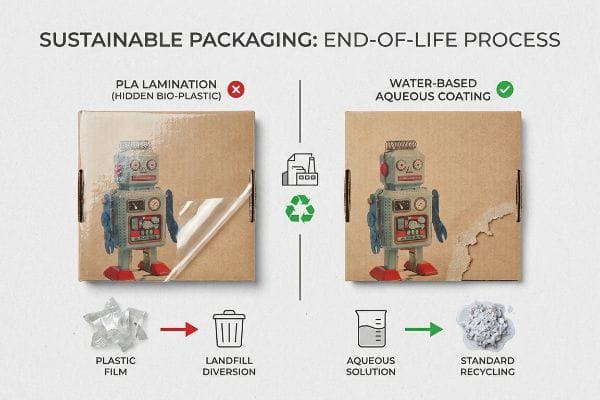
選択するコーティングによって、ディスプレイがリサイクルされるか、そのまま埋め立て地に送られるかが決まります。.
バイオプラスチックに潜む危険性
ブランド各社は、トウモロコシ由来のPLAバイオプラスチックラミネート加工を義務付けることが多い。これは、このフィルム12が完全な環境コンプライアンスを保証すると考えているためである。玩具のパッケージに薄いバイオプラスチック層を貼ることで、環境に安全なままインクを保護できると彼らは考えている。
PLAはレインコートのようなものだと考えてください。水をはじきますが、同時に内部のあらゆるものを閉じ込めてしまいます。私は、クライアントがこのフィルムを指定するのをよく見かけますが、それが OCC(古段ボール)の再生パルプ化プロセス13ません。PLAラミネートシートを破ろうとすると、破れる前にプラスチックフィルムが伸びる頑固なゴムのような抵抗を感じるでしょう。代わりに、私は液体水性コーティングプロトコルを義務付けています。この 水性仕上げは、重い残留物を残さずにシームレスに溶解し14、特別な堆肥化要件をなくし、ディスプレイが高額な廃棄物転用料金を引き起こすことを防ぎます。
| 初心者によくある間違い | プロフィックス | 小売店舗におけるメリット |
|---|---|---|
| PLAバイオプラスチックフィルムの義務化15 | 水性塗料の塗布 | 路側回収による100%リサイクルを保証します16 |
| 石油系UVグロスを使用する | 環境に優しいニスへの切り替え | 埋立地への廃棄物転用に対する罰則を回避する |
| 使用済み製品の廃棄を無視する | 標準的なOCC再生パルプ化のための設計17 | ブランドのサステナビリティに関する主張を保護する |
私は、隠れたプラスチックが 環境保護の取り組み。液体水性塗料のみを使用することで、鮮やかな店舗用グラフィックを保護しつつ、製品全体が標準的なリサイクルセンターで容易に分解されることを保証します。
🛠️ ハーベイのデスク: 隠れたラミネート加工がリサイクル可能なパッケージを密かに汚染していませんか? 👉 コーティング分析を依頼する ↗ — 延々と続く営業電話につながるフォームはありません。純粋な価値だけを提供します。
環境に優しいおもちゃで遊ぶことには、どのようなメリットがありますか?
環境に配慮した製品を宣伝することは、ブランドにとって大きな好影響をもたらします。消費者は責任あるパッケージを積極的に求めるようになり、結果としてレジでの購入率向上につながります。.
環境に優しいおもちゃの利点としては、子供の安全性の向上と環境負荷の低減が挙げられます。小売業者にとって、これらの持続可能な製品を、硬質PET(ポリエチレンテレフタレート)フィルムの代わりに木材パルプセルロースを使用したクラフト紙製の窓付きボックスに陳列することは、ブランド価値を高め、有害なプラスチックのガス放出を完全に排除することにつながります。.
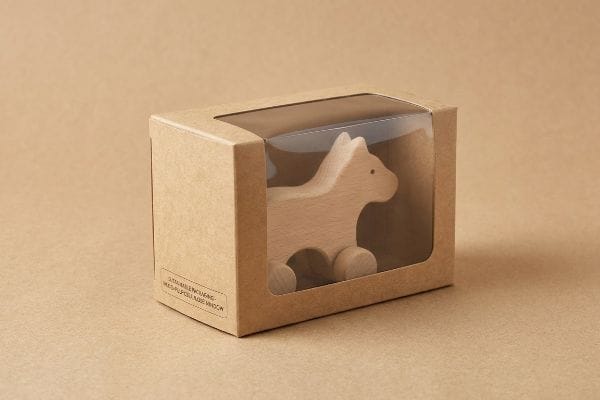
しかし、理論を知っているだけでは、機械が実際に稼働し始めると十分ではない。.
工場現場で標準的な窓用プランターボックスが故障する理由
一見合理的だが実際には危険な思い込みは、透明な窓なら何でも 環境に優しいクラフトボックス18。デザイナーは、消費者が中の玩具を視覚的に確認できるように、標準的な硬質PETフィルムを指定することが多い。
実験室でディスプレイを1台立てるのは簡単ですが、500台を輸送するとなると、厳しい現実が待っています。私の 施設、異素材の表面張力による影響を日常的に目にしています。硬質プラスチック板と多孔質のクラフト紙板は、温度変化によって膨張率が全く異なるため、硬質接着剤で接合すると激しく反ってしまいます。デジタルノギスでたわみを測定すると、標準的な箱が最大0.14インチ(3.5mm)内側に反り、棚に並べると見栄えの悪いぐらつく積み重ねになってしまいます。そこで、測定値を分析し、硬質プラスチックは不要であることを証明しました。高弾性で耐候性に優れた接着剤と木材パルプセルロースを用いた柔軟な窓パッチ工法を採用しています。このように素材の調和を徹底することで、輸送中の大きな損傷を防ぎ、売れない在庫による損失を大幅に削減しています。
| 初心者によくある間違い | プロフィックス | 小売店舗におけるメリット |
|---|---|---|
| 硬質PETをクラフト紙に接着する | 木材パルプセルロース窓の使用19 | 表面張力による歪みを解消します |
| 硬質の標準接着剤を使用する | 伸縮性のある窓用パッチ接着剤を塗布する20 | 箱を棚に完全に平らに保管できます |
| 倉庫の湿度を無視する | 湿気膨張に対する設計21 | 輸送中の在庫の損傷を防ぎます |
私は、それらが組み立てラインに到達する前に、相性の悪い材料を取り除きます。紙と窓用フィルムの膨張率を正確に一致させることで、サプライチェーンの状況に関わらず、常に完璧な形状を保つパッケージを設計します。.
🛠️ ハーベイのデスク: 現在お使いのウィンドウボックスが輸送中の湿度85%にどのように反応するかご存知ですか? 👉 ダイラインファイルをお送りください ↗ — 大量生産に予算を無駄にする前に、計算をストレステストします。
結論
環境に配慮したキャンペーンでは、より安価なベンダーを選ぶこともできますが、湿度の高い倉庫で硬質PETウィンドウが多孔質のクラフトボードに反り返ると、深刻なベース座屈が発生し、小売店からの即時拒否と数週間にわたる高額な手作業による再加工につながります。これは、私のトップ10の小売クライアントが印刷拒否ゼロを保証するために使用している仕様書そのものです。材料の物理特性を推測するのはやめて、私があなたの構造ファイルを 無料のダイライン監査↗ 、生産前に致命的な張力エラーを検出させてください。
「クラフト紙 vs テストライナー:コストとパフォーマンスに関する戦略ガイド」、 https://packagemanufacturer.com/kraft-paper-vs-testliner/。[店頭ディスプレイの業界ベンチマークは、再生テストライナー基材の標準的な最大耐荷重を定義します]。証拠の役割:事実の検証。情報源の種類:業界仕様。裏付け:40ポンドの耐荷重ベンチマーク。範囲に関する注記:耐荷重は、特定のボードグレードと厚さによって異なります 。↩
「板紙包装ガイド:種類、用途、ベストプラクティス」、 https://gentlever.com/paperboard-explained-for-packaging/。[包装工学における比較研究では、バージン繊維は再生繊維よりも高い引張強度と圧縮強度を提供することが実証されている]。証拠の役割:技術的検証。情報源の種類:材料科学の教科書。裏付け:再生板紙は構造的剛性が低いという主張。範囲に関する注記:段ボールの比較に限定 。↩
「FR Doc E9-20589 – Regulations.gov」、 https://downloads.regulations.gov/CPSC-2009-0002-0002/content.htm。権威ある規制機関または安全認証機関が、子供向け製品におけるインクのCPSIA準拠に必要な特定の毒性および鉛含有量の制限を確認する。証拠の役割:検証;情報源の種類:規制機関。サポート:材料の物理的安全性および規制遵守。適用範囲に関する注記:特に米国の消費者安全法に適用される 。↩
「紙と包装|森林管理協議会」、 https://fsc.org/en/businesses/paper-packaging。[技術的な包装基準では、バージンクラフト繊維は再生繊維に比べて優れた構造的完全性と破裂強度を提供し、重荷重下での崩壊を防ぐことが実証されています]。証拠の役割:技術的検証;情報源の種類:業界標準;支持:バージンクラフトの構造的優位性;適用範囲に関する注記:耐荷重は板紙の等級と厚さによって異なります 。↩
「消費者製品安全改善法(CPSIA)|CPSC.gov」、 https://www.cpsc.gov/Regulations-Laws–Standards/Statutes/The-Consumer-Product-Safety-Improvement-Act。[消費者製品安全改善法(CPSIA)は、子供向け製品に使用される材料中の鉛とフタル酸エステルの厳格な制限を義務付けており、大豆インクはこれを満たすように配合されています]。証拠の役割:規制遵守;情報源の種類:政府規制;支持:子供向け大豆インクの安全性;範囲に関する注記:遵守は特定のインク配合によって異なります 。↩
「持続可能性への影響に関する考察:板紙コーティング – Zenpack」、 https://www.zenpack.us/blog/paperboard-coatings-sustainability-impact/。[リサイクル業界のガイドラインによると、水性コーティングはパルプ化工程で容易に除去でき、材料は路側回収可能な状態を維持します]。証拠の役割:技術的検証、情報源の種類:リサイクルガイドライン、裏付け:水性仕上げのリサイクル可能性、範囲に関する注記:リサイクル可能性は、地方自治体の施設の能力によって異なる場合があります 。↩
「プラスチック製段ボールディスプレイブラケットクリップ – 100個入り」、 https://www.harrisonproducts.com/products/plastic-corrugated-display-bracket-clips-pack-of-100/?srsltid=AfmBOoox4-KFa63df4jSVKIFdLO_eJKyb_2NCfKeRtDKH3v5gyU2nPKI 。[店頭ディスプレイ製造に関する業界ガイドでは、構造補強のためにプラスチック製SクリップとPVCジョイナーの使用について記載されている]。証拠の役割:事実確認。情報源の種類:製造マニュアル。裏付け:業界におけるリサイクル不可能な材料への一般的な依存。適用範囲に関する注記:特に耐荷重段ボール製固定具について言及している 。↩
「持続可能性の形成:マルチマテリアルからモノマテリアルへの移行…」、 https://www.packagingtechtoday.com/featureds/shaping-sustainability-the-shift-from-multi-material-to-mono-material-packaging/。[持続可能な包装工学に関する信頼できる情報源は、混合材料ファスナーとモノマテリアルインターロッキングタブの組み立て時間に関する比較データを提供するでしょう]。証拠の役割:定量的検証。情報源の種類:業界ホワイトペーパーまたは技術レポート。支持するもの:モノマテリアルアプローチの効率向上。範囲に関する注記:実際のパーセンテージ向上は、特定の製品の複雑さによって異なります 。↩
「折り紙式小売ディスプレイ – 特許取得済みのフラットパックPOSソリューション」、 https://www.brandedretailsolutions.com/。[持続可能な包装に関する信頼できる情報源は、折り畳み技術がプラスチック製の留め具を置き換えて単一素材を確保する方法を説明するだろう]。証拠の役割:技術的検証。情報源の種類:工業デザインマニュアル。サポート:混合素材廃棄物の削減。範囲に関する注記:紙ベースのディスプレイに特化 。↩
「積層段ボールの強度オプション:単層 vs. 二重層…」、 https://ufppackaging.com/insights/layered-corrugated-strength-options。[段ボールの強度に関する工学的データは、二重層構造が金属製支持材に代わる十分な耐荷重能力を提供することを示している]。証拠の役割:技術仕様、情報源の種類:材料科学ジャーナル。支持:単一材料ディスプレイの構造的実現可能性。範囲に関する注記:玩具製品の重量に依存する 。↩
「環境に優しい粘着テープ:実行可能な代替品か?」、 https://diapkg.com/blog/eco-friendly-adhesive-tapes-are-they-a-viable-alternative/。[包装業界の標準規格では、摩擦を利用したロック機構は、リサイクル不可能な接着剤を必要とせずに確実な組み立てを可能にすると検証されています]。証拠の役割:技術的検証。情報源の種類:包装業界のホワイトペーパー。支持事項:プラスチックテープの使用回避。適用範囲に関する注記:精密な型抜きが必要 。↩
「PLAとは何か|ポリ乳酸の総合ガイド」、 https://www.goodstartpackaging.com/guide-to-pla-polylactic-acid/?srsltid=AfmBOoo1M1GMxmtPLPxh5Lmv3MzJqyi2ffn_sXAyK1HcVcTikScBgovg。[信頼できる情報源によれば、ポリ乳酸(PLA)は、通常、トウモロコシデンプンやその他の再生可能な植物資源から合成されるバイオプラスチックです。証拠の役割:事実の検証。情報源の種類:材料科学ジャーナル。裏付け:PLAの化学的起源。範囲に関する注記:一部のPLAはサトウキビやその他のデンプンから作られています。] ↩
「パルプ調製および製紙工程がOCC繊維の特性に及ぼす影響」、 https://bioresources.cnr.ncsu.edu/resources/effects-of-pulp-preparation-and-papermaking-processes-on-the-properties-of-occ-fibers/。[紙リサイクルに関する業界ガイドでは、PLAのような疎水性バイオプラスチックフィルムがOCC再生パルプ化工程に必要な水分補給と繊維分離を阻害する仕組みが詳しく説明されています]。証拠の役割:技術的検証。情報源の種類:業界標準。裏付け:PLAがリサイクルを阻害するという主張。適用範囲に関する注記:段ボール加工に特化 。↩
「ソフトタッチラミネート加工 vs 水性コーティング – リジッドボックス」、 https://customrigidboxes.io/blog/soft-touch-lamination-vs-aqueous-coating/。[水性コーティングに関する技術文書は、再生パルプ化の際に残留物や再生パルプを汚染する「粘着物」を生成せずに分解する能力を確認しています]。証拠の役割:プロセス検証。情報源の種類:技術データシート。裏付け:PLAに対する水性コーティングの有効性。範囲注記:水性仕上げ材を指します 。↩
「バイオプラスチック汚染が…の機械的リサイクルに及ぼす影響」、 https://pubmed.ncbi.nlm.nih.gov/38815529/。[環境研究およびリサイクル施設の報告書によれば、PLAバイオプラスチックは従来のPETリサイクルの流れを汚染するため、一般的に路側施設では拒否されることが示されている]。証拠の役割:事実に基づく証明。情報源の種類:学術研究/業界報告書。根拠:PLAが路側回収を重視した持続可能性にとってなぜ誤りとみなされるのか。範囲に関する注記:工業用堆肥化ではなく、機械的リサイクルについて言及している 。↩
「不飽和PLAをベースとしたバイオベース水性分散液… – PMC」、 https://pmc.ncbi.nlm.nih.gov/articles/PMC12473213/。[廃棄物管理機関の技術ガイドラインでは、水性コーティングは標準的な紙リサイクル工程と互換性があることが検証されています。これは、汚染を引き起こすことが多いPLAフィルムとは異なります]。証拠の役割:技術的検証。情報源の種類:廃棄物管理基準。裏付け:水性コーティングのリサイクル可能性。適用範囲に関する注記:有効性は、コーティングの厚さや現地の施設の能力によって異なる場合があります 。↩
"[PDF] SPCガイド:紙製包装材がリサイクル可能かどうかを知る方法", https://sustainablepackaging.org/wp-content/uploads/2023/01/SPC_Paper-Pkg-Report_FINAL.pdf。[使用済み段ボール(OCC)の業界標準では、包装材を標準的な再生パルプ化機械で正常に処理するために必要な特定の材料要件が定義されています]。証拠の役割:技術仕様、情報源の種類:業界標準。サポート:使用済みOCCの再生パルプ化による廃棄の技術的実現可能性。適用範囲に関する注記:特に繊維系包装材に適用されます 。↩
"[PDF] リサイクル性に関する設計ガイドライン – Better Buildings Solution Center", https://betterbuildingssolutioncenter.energy.gov/sites/default/files/tools/designguidanceforrecyclability.pdf。[権威ある持続可能な設計ガイドでは、リサイクル不可能なプラスチック製の窓を厚紙に接着すると、包装材の堆肥化やリサイクルを妨げる汚染が生じる理由を説明しています]。証拠の役割:技術的検証。情報源の種類:環境基準。裏付け:エコ包装材に互換性のない材料を混ぜることは問題であるという主張。範囲に関する注記:使用済み製品の処理と材料の適合性に焦点を当てています。] ↩
「スマート…向け常温高密度化ポリマーフリー透明木材フィルム」、 https://pmc.ncbi.nlm.nih.gov/articles/PMC10709124/。[クラフト紙基材上のセルロース系フィルムとPETフィルムの技術的比較により、表面張力のばらつきとそれに伴う反りの低減が検証されるだろう]。エビデンスの役割:技術的検証;情報源の種類:材料科学ジャーナル。裏付け:セルロース窓の利点。範囲に関する注記:クラフト紙基材に特有 。↩
「ガラス産業向け接着剤およびシーラント|HB Fuller」、 https://www.hbfuller.com/en/markets/glass。[窓付き包装における接着剤の弾性に関する業界標準は、柔軟な接着が基材の反りを防ぎ、平面性を維持する方法を示しています]。証拠の役割:技術仕様、情報源の種類:包装エンジニアリングガイド。サポート:弾性接着剤の利点。適用範囲に関する注記:窓付き小売用ボックスに適用可能 。↩
「輸送中の損傷は避けられないものではない:スマートパッケージングの活用法…」、 https://alom.com/packaging-transit-damage/。[紙ベースのパッケージの吸湿特性に関する研究は、湿度の高い環境での座屈を防ぐために膨張許容範囲が必要であることを説明しています]。証拠の役割:技術的検証。情報源の種類:物流またはパッケージングのホワイトペーパー。サポート:水分工学の利点。範囲に関する注記:倉庫および輸送条件に焦点を当てています 。↩