क्या आप अपने बजट को बिगाड़े बिना अपने रिटेल पैकेजिंग को आकर्षक बनाने के लिए संघर्ष कर रहे हैं? जानिए कैसे एक रणनीतिक कोटिंग आपके ब्रांड की भौतिक उपस्थिति को तुरंत बेहतर बना सकती है।.
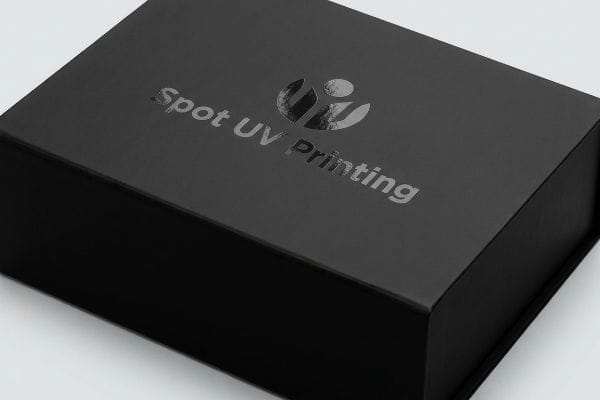
स्पॉट यूवी (पराबैंगनी) प्रिंटिंग एक विशेष व्यावसायिक फिनिशिंग प्रक्रिया है जिसमें एक पारदर्शी तरल पॉलीमर को प्रिंट किए गए सब्सट्रेट के विशिष्ट क्षेत्रों पर लगाया जाता है और यूवी प्रकाश का उपयोग करके तुरंत सुखाया जाता है। यह लक्षित तकनीक आकर्षक दृश्य कंट्रास्ट उत्पन्न करती है, जिससे एक प्रीमियम चमकदार बनावट मिलती है जो ब्रांड के महत्वपूर्ण तत्वों को उजागर करती है।.
इस तकनीक को समझना सौंदर्यशास्त्र से कहीं अधिक महत्वपूर्ण है; यह सीधे तौर पर इस बात पर प्रभाव डालता है कि उपभोक्ता गलियारे में आपके उत्पाद के साथ शारीरिक रूप से कैसे बातचीत करते हैं और वितरण के दौरान वे फिनिश कैसे बरकरार रहते हैं।.
यूवी और स्पॉट यूवी में क्या अंतर है?
खरीदार अक्सर इन दोनों फिनिश को लेकर भ्रमित हो जाते हैं, यह मानकर कि कोई भी पराबैंगनी प्रक्रिया कारखाने में बिल्कुल समान दृश्य और संरचनात्मक परिणाम प्रदान करती है।.
यूवी और स्पॉट यूवी के बीच का अंतर पूरी तरह से कवरेज क्षेत्र में निहित है। पारंपरिक यूवी कोटिंग पूरे पेपरबोर्ड की सतह को एक सुरक्षात्मक चमकदार परत से ढक देती है। इसके विपरीत, स्पॉट यूवी चमकदार फिनिश को विशिष्ट डिज़ाइन तत्वों तक ही सीमित रखती है, जिससे एक सपाट मैट पृष्ठभूमि के विपरीत गतिशील कंट्रास्ट उत्पन्न होता है।.
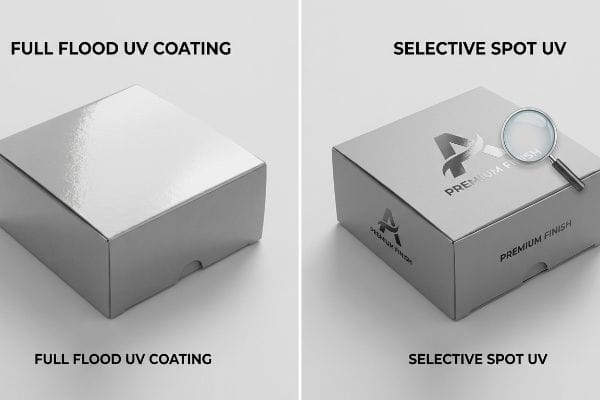
आपकी अंतिम पैकेजिंग डाईलाइन को डिजाइन करने से पहले, पूर्ण बाढ़ अनुप्रयोग और चयनात्मक इलाज के बीच अंतर करना मूलभूत है।.
तरल बहुलकीकरण की आवरण यांत्रिकी
इस अंतर को समझने के लिए, मानक पराबैंगनी फिनिशिंग को एक सुरक्षात्मक संरचनात्मक आवरण के रूप में सोचें। जब हम पूरी तरह से तरल पदार्थ का छिड़काव करते हैं, तो मशीनरी पूरी कच्ची शीट1, जिससे स्याही के सभी छिद्र बंद हो जाते हैं। हालांकि, चयनात्मक प्रक्रिया एक सटीक सर्जिकल उपकरण की तरह व्यवहार करती है, जो तरल को केवल वहीं जमा करती है जहां वेक्टर आर्टवर्क की आवश्यकता होती है2।
यह विशिष्ट अनुप्रयोग , तरल पॉलिमर को प्राप्त करने वाले कागज के रेशों को सटीक रूप से निर्धारित करने के लिए उच्च स्तर पर कैलिब्रेटेड प्रीप्रेस मास्क 3 पर निर्भर करता है। चूंकि विशिष्ट चमक को दृश्य रूप से अलग दिखने के लिए एक विपरीत बनावट की आवश्यकता होती है, इसलिए इसे पूरी तरह से भिन्न आधार फिनिश के साथ जोड़ा जाना चाहिए, आमतौर पर एक सॉफ्ट-टच या मैट लेमिनेशन 4। शीट की सतह पर यह जानबूझकर किया गया रासायनिक पृथक्करण एक नाटकीय प्रकाश परावर्तन उत्पन्न करता है जो उपभोक्ता का ध्यान 30 फीट (9.1 मीटर) दूर से आकर्षित करता है। संपूर्ण सतह पर लगाने के बजाय चुनिंदा अनुप्रयोग का उपयोग करके, हम महत्वपूर्ण ब्रांड टचपॉइंट्स पर स्पर्शनीय जुड़ाव को अधिकतम करते हुए कुल कोटिंग की मात्रा को कम करते हैं।
| विशेषता तत्व | पूर्ण बाढ़ कोटिंग | चयनात्मक स्थान अनुप्रयोग |
|---|---|---|
| सतही आवरण | शीट की 100% सुरक्षा5 | केवल लक्षित वेक्टर क्षेत्रों में6 |
| दृश्य प्रभाव | एकसमान उच्च चमक | अत्यंत विपरीत बनावट7 |
| पॉलिमर वॉल्यूम | उच्च सामग्री उपयोग | अनुकूलित लक्षित खपत |
चुनिंदा चमक एक सोची-समझी ऑप्टिकल रणनीति है, न कि महज़ दिखावटी सुधार। इन परावर्तक क्षेत्रों को सीमित करने से यह सुनिश्चित होता है कि आपका मुख्य लोगो कठोर खुदरा प्रकाश व्यवस्था में ग्राहकों की आंखों को चकाचौंध किए बिना प्रभावी ढंग से ध्यान आकर्षित करे।.
🛠️ हार्वे का डेस्क: क्या आप यह तय करने में असमंजस में हैं कि कौन सा फ़िनिश आपके ब्रांड की शेल्फ़ पर सबसे ज़्यादा प्रभाव डालेगा और साथ ही ज़्यादा खर्च भी नहीं करेगा? 👉 मुफ़्त कोटिंग तुलना ऑडिट का अनुरोध करें ↗ — मैं हर संरचनात्मक फ़ाइल की व्यक्तिगत रूप से 24 घंटों के भीतर समीक्षा करता हूँ।
स्पॉट यूवी कैसा दिखता है?
जब इसे सही ढंग से किया जाता है, तो यह फिनिश एक अचूक ऑप्टिकल भ्रम पैदा करती है, जिससे सपाट ग्राफिक्स ऐसे दिखाई देते हैं मानो वे सतह से भौतिक रूप से उभरे हुए हों।.
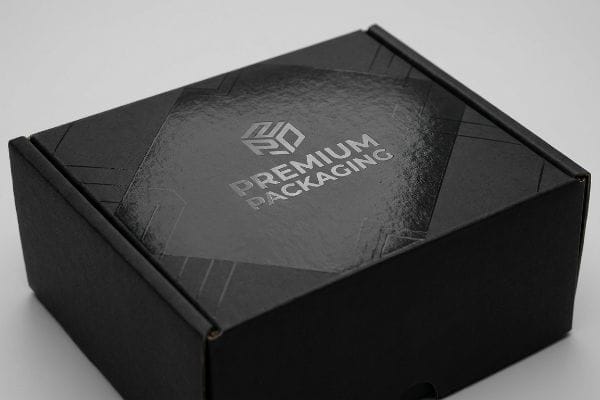
स्पॉट यूवी एक अत्यधिक परावर्तक, चमकदार और थोड़ी उभरी हुई परत की तरह दिखता है जो विशिष्ट मुद्रित ग्राफिक्स के ठीक ऊपर स्थित होती है। जब प्रकाश पैकेजिंग पर पड़ता है, तो ये लक्षित चमकदार क्षेत्र आसपास की फीकी मैट सतह से बिल्कुल अलग दिखते हैं, जिससे एक विशिष्ट स्पर्शनीय अंतर पैदा होता है जो ध्यान आकर्षित करता है।.
हालांकि डिजिटल प्रस्तुति में यह अत्यधिक विरोधाभास अविश्वसनीय लगता है, लेकिन भौतिक उत्पादन में इसे प्राप्त करने के लिए गंभीर संरचनात्मक घर्षण संबंधी खतरों से निपटना पड़ता है।.
खुदरा लॉजिस्टिक्स में पूर्ण-चमकदार घर्षण का खतरा
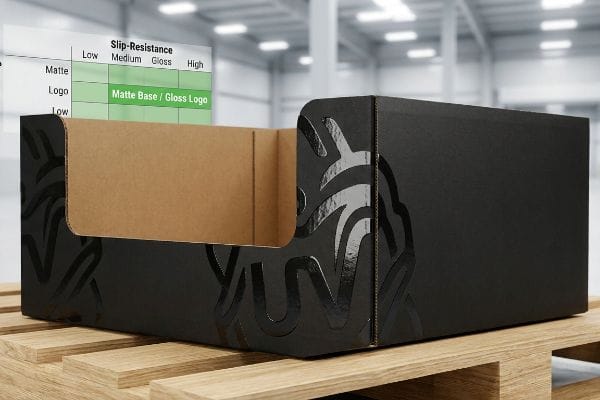
जब मैं ग्राहकों की सीएडी (कंप्यूटर-एडेड डिज़ाइन) फ़ाइलों का ऑडिट करता हूँ, तो मुझे अक्सर ग्राफ़िक डिज़ाइनर अपने खुदरा बिक्री के लिए तैयार ट्रे के पूरे निचले हिस्से पर चमकदार फ़िनिश की मांग करते हुए दिखाई देते हैं ताकि वे प्रीमियम दिखें। वे पैलेट को स्थिर रूप से ढेर करने के लिए आवश्यक घर्षण गुणांक को पूरी तरह से अनदेखा कर देते हैं। चमकदार पॉलिमर एक अविश्वसनीय रूप से चिकनी, घर्षण रहित सतह बनाता है जो भारी सामान रखे जाने पर बर्फ की तरह व्यवहार करती है ।
मेरी सुविधा में, मैं अक्सर देखता हूँ कि ये अत्यधिक चमकदार सतहें बुनियादी परिवहन सिमुलेशन के दौरान बुरी तरह विफल हो जाती हैं। जब कोई फोर्कलिफ्ट अचानक रुकती है, तो चमकदार यूवी-कोटेड मास्टर कार्टन लकड़ी के पैलेट से फिसलकर नीचे गिर जाते हैं। इस समस्या को हल करने के लिए, मैं एक सख्त सामग्री उन्नयन और बनावट पृथक्करण प्रोटोकॉल लागू करता हूँ। मैं भार वहन करने वाले पैनलों से चमक हटा देता हूँ और उच्च घर्षण वाली मैट पीपी (पॉलीप्रोपाइलीन) लेमिनेशन9 , केवल सामने वाले लोगो के लिए चुनिंदा चमक का उपयोग करता हूँ। इस बदलाव के बाद जब मैं गतिज फिसलन प्रतिरोध को मापता हूँ, तो फिसलन कोण खतरनाक 14 डिग्री से सुधरकर अत्यधिक स्थिर 28 डिग्री हो जाता है। यह लक्षित भौतिक समायोजन परिवहन के दौरान फिसलन को पूरी तरह से समाप्त कर देता है, जिससे ग्राहकों को क्षतिग्रस्त माल में अनुमानित 12% की बचत होती है10 और अंतर्राष्ट्रीय माल ढुलाई के दौरान विनाशकारी भार गिरने से बचाव होता है।
| बेस फिनिश | गतिज घर्षण | लॉजिस्टिक्स वास्तविकता |
|---|---|---|
| फुल ग्लॉस बेस | फिसलने का अत्यधिक खतरा | सार्वजनिक परिवहन के दौरान गंभीर दुर्घटना का खतरा11 |
| कच्चा नालीदार | मध्यम घर्षण | घटिया प्रीमियम सौंदर्यशास्त्र |
| मैट बेस / ग्लॉस लोगो | उच्च फिसलन प्रतिरोध12 | घर्षण रहित पैलेट स्टैकिंग |
कॉस्मेटिक डिज़ाइन संबंधी विकल्पों से माल की स्थिरता से कभी समझौता नहीं होना चाहिए। इस चिकने पॉलिमर को केवल गैर-भार वहन करने वाले विपणन क्षेत्रों तक सीमित रखने से वैश्विक परिवहन की कठोर परिस्थितियों का सामना करते हुए प्रीमियम दृश्य प्रभाव की गारंटी मिलती है।.
🛠️ हार्वे का डेस्क: क्या आपके मौजूदा डिस्प्ले पैलेट से फिसल रहे हैं और परिवहन के दौरान क्षतिग्रस्त माल की दर बढ़ा रहे हैं? 👉 काइनेटिक फ्रिक्शन असेसमेंट करवाएं ↗ — 100% गोपनीय। आपके अप्रकाशित रिटेल डिज़ाइन मेरे पास सुरक्षित हैं।
यूवी स्पॉट का क्या मतलब है?
सेलेक्टिव ग्लॉस की बुनियादी परिभाषा से परे, इस शब्द का वास्तविक अर्थ समझने के लिए पर्दे के पीछे होने वाले गहन यांत्रिक प्रीप्रेस संरेखण को देखना आवश्यक है।.
स्पॉट यूवी का अर्थ है एक विशेष प्रिंटिंग स्क्रीन का उपयोग करके शीट पर पूर्व-निर्धारित सटीक निर्देशांकों पर पराबैंगनी-उपचारित तरल को जमा करना। इस यांत्रिक प्रक्रिया में पूर्ण गणितीय संरेखण की आवश्यकता होती है, जिसका अर्थ है कि स्पष्ट कोटिंग को नीचे छपे हुए ग्राफिक्स के साथ पूरी तरह से संरेखित होना चाहिए ताकि चमक में कोई विचलन न हो।.
"परफेक्ट रजिस्ट्रेशन" की वह अवधारणा कागज पर तो सरल लगती है, लेकिन सक्रिय उत्पादन लाइन पर यह सबसे कठिन यांत्रिक चुनौतियों में से एक है।.
उच्च-श्यानता पंजीकरण बहाव जाल
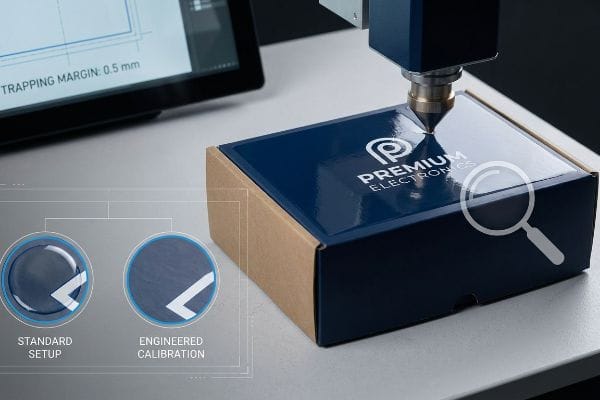
जब प्रिंटिंग उपकरण प्रति घंटे हजारों शीट की गति से काम करते हैं, तो ग्रिपर 13 से गुजरते समय भौतिक पेपरबोर्ड में सूक्ष्म बदलाव होते हैं । यदि पारदर्शी पॉलिमर परत अंतर्निहित लोगो से एक मिलीमीटर के अंश से भी चूक जाती है, तो परिणामी छाया प्रभाव बेहद सस्ता दिखता है और बड़े खुदरा खरीदारों के सामने आपके ब्रांड को तुरंत शौकिया के रूप में चिह्नित कर देता है।
यह सिर्फ़ सिद्धांत नहीं है—मैंने पिछले साल एक उच्च-स्तरीय इलेक्ट्रॉनिक्स मर्चेंडाइज़र का प्रोटोटाइप बनाते समय इसका कड़वा अनुभव किया। 2023 में, मैंने अपने प्रमुख पैकेजिंग इंजीनियर, मार्क से, चयनात्मक चमक के लिए मानक स्क्रीन प्रिंटिंग मेश का उपयोग करके 250 इकाइयों का एक परीक्षण बैच चलाने के लिए कहा। मुझे अच्छी तरह याद है कि मैं बेल्ट के अंत में खड़ा था और शीट खींचते समय हवा में उड़ती हुई डाई-कटिंग की धूल को महसूस कर रहा था। साफ़ तरल पॉलीमर नीचे की टाइपोग्राफी से ठीक 0.03 इंच (0.76 मिमी) हट गया था, जिससे एक भयानक दोहरी दृष्टि का प्रभाव पैदा हो गया था। मानक चिपचिपाहट वाली स्याही स्क्वीजी के दबाव में खिसक रही थी। मैंने तुरंत लाइन रोक दी और पूरी टूलिंग को फिर से कैलिब्रेट किया। हमने मानक स्क्रीन बदल दीं, पॉलीमर की चिपचिपाहट 18% बढ़ा दी, और यांत्रिक बहाव को अवशोषित करने के लिए प्रीप्रेस फ़ाइलों 14 में सीधे 0.5 मिमी (0.019 इंच) का गणितीय ट्रैपिंग वक्र बनाया। मैं अपनी टेस्टिंग लैब में समय और पैसा लगाता हूँ ताकि आपको रिटेल स्टोर में नुकसान न हो। इस प्रीप्रेस कैलिब्रेशन ने रजिस्ट्रेशन ड्रिफ्ट को पूरी तरह से खत्म कर दिया, जिससे विज़ुअल क्लैरिटी बेदाग बनी रही और क्लाइंट को तकनीकी मामलों के जानकार रिटेलर्स द्वारा होने वाली घोर अस्वीकृति से बचाया जा सका ।
| प्रीप्रेस वेरिएबल | मानक सेटअप | इंजीनियर अंशांकन |
|---|---|---|
| ट्रैपिंग मार्जिन | शून्य सहनशीलता रेखा | 0.5 मिमी ओवरलैप बफर15 |
| स्याही की चिपचिपाहट | मानक प्रवाह दर | 18% अधिक मोटा पॉलिमर16 |
| दृश्य आउटपुट | चमक में उल्लेखनीय विचलन | पूरी तरह से संरेखित प्रतिबिंब |
सेलेक्टिव कोटिंग्स के लिए एक मैथमेटिकल प्रीप्रेस ट्रैपिंग बफर तैयार करना अनिवार्य है। मैकेनिकल शिफ्ट को दूर करने और यह सुनिश्चित करने का यही एकमात्र भौतिक तरीका है कि आपका चमकदार लोगो हर यूनिट पर त्रुटिहीन रूप से अंकित हो।.
🛠️ हार्वे का डेस्क: क्या आपके प्रीमियम पैकेजिंग ग्राफिक्स में खराब रजिस्ट्रेशन और घटिया दिखने वाली ग्लॉस ड्रिफ्ट की समस्या है? 👉 मुफ़्त प्रीप्रेस फ़ाइल ऑडिट का दावा करें ↗ — कोई अकाउंट मैनेजर बीच में नहीं। आप सीधे स्ट्रक्चरल इंजीनियरों से बात कर सकते हैं।
स्पॉट यूवी और रेज़्ड फ़ॉइल में क्या अंतर है?
लग्जरी अनबॉक्सिंग अनुभव प्रदान करने का लक्ष्य रखने वाले ब्रांड अक्सर एक मोटी पारदर्शी पॉलिमर परत लगाने या भौतिक धात्विक परत को चिपकाने के बीच चयन करने में संघर्ष करते हैं।.
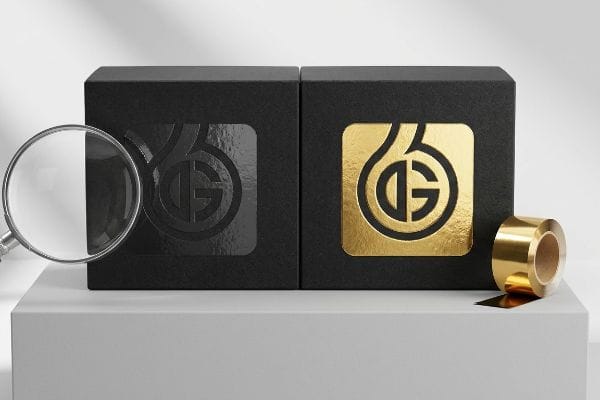
स्पॉट यूवी और रेज़्ड फ़ॉइल में अंतर सामग्री और बनावट दोनों में होता है। स्पॉट यूवी में एक पारदर्शी, चमकदार तरल पॉलीमर लगाया जाता है जो सतह की बनावट को थोड़ा उभार देता है और नीचे की स्याही को दिखाता है। वहीं, रेज़्ड फ़ॉइल में पॉलीमर बेस पर एक अपारदर्शी धात्विक परत चढ़ाई जाती है, जो स्याही को पूरी तरह से परावर्तक धातु से ढक देती है।.
इन दो प्रीमियम स्पर्शनीय फिनिश में से किसी एक को चुनने के लिए यह समझना आवश्यक है कि प्रत्येक सामग्री अंतर्निहित पेपरबोर्ड फाइबर के साथ भौतिक रूप से कैसे परस्पर क्रिया करती है।.
स्पर्शनीय परिष्करण की संरचनात्मक गतिशीलता
यांत्रिक अंतर को समझने के लिए, हमें अनुप्रयोग अनुक्रम पर ध्यान देना होगा। स्पष्ट पॉलिमर अनुप्रयोग एक आवर्धक लेंस17, जिसके लिए अंतर्निहित ग्राफ़िक को वास्तविक रंग डेटा धारण करना आवश्यक होता है, जबकि फ़िनिश केवल प्रकाश परावर्तन को परिवर्तित करती है। इसके विपरीत, उभरी हुई धात्विक प्रक्रिया सब्सट्रेट को भौतिक रूप से पूरी तरह से अवरुद्ध कर देती है18, जिससे एक अत्यधिक आक्रामक धात्विक परत बन जाती है जो स्वयं केंद्र बिंदु बन जाती है, और ठोस चांदी, सोना या होलोग्राफिक स्पेक्ट्रम को प्रतिबिंबित करती है।
दोनों तकनीकें पैकेज उठाते समय उपभोक्ता को स्पर्श का अनुभव कराने के लिए भौतिक उभार बनाने पर निर्भर करती हैं। पारदर्शी तरल विधि प्रकाश में तुरंत सूख जाती है19, जिससे एक कठोर, सुरक्षात्मक बूंद बन जाती है जो कागज के साथ उचित रूप से लचीली होती है। हालांकि, धात्विक विधि में अक्सर धातु की पन्नी की परत को आधार पॉलिमर से स्थायी रूप से जोड़ने के लिए गर्मी या द्वितीयक चिपकने वाले पदार्थ की आवश्यकता होती है, जिससे कार्टन पर एक अधिक कठोर स्थानीय क्षेत्र बन जाता है। इस कठोरता का अर्थ है कि हमें महत्वपूर्ण तह रेखाओं के संबंध में इन फिनिशों की स्थिति का सावधानीपूर्वक निर्धारण करना होगा। यदि हम भारी धातु तत्वों को सीधे संरचनात्मक क्रीज पर रखते हैं, तो स्वचालित तह के दौरान कठोर फिल्म टूट सकती है20, जबकि पारदर्शी पॉलिमर थोड़ी अधिक यांत्रिक लोच प्रदान करता है। सक्रिय तनाव बिंदुओं से दूर इन सजावटी क्षेत्रों का सटीक निर्धारण करके, हम उच्च स्तरीय स्पर्श अनुभव प्रदान करते हुए संरचनात्मक अखंडता को बनाए रखते हैं।
| विशेषता | चयनात्मक तरल बहुलक | उभरी हुई धात्विक पन्नी |
|---|---|---|
| सामग्री की संरचना | साफ़ पराबैंगनी तरल21 | अपारदर्शी धात्विक फिल्म22 |
| रंग स्रोत | अंतर्निहित स्याही को बड़ा करके दिखाता है | यह अपना रंग स्वयं प्रदान करता है |
| यांत्रिक लचीलापन | उच्च लोचदार सहनशीलता | कठोर, दरार पड़ने की संभावना23 |
स्पर्शनीय सतहों को महज दृश्य कला के बजाय संरचनात्मक घटकों के रूप में मानें। पारदर्शी तरल पदार्थों और कठोर धातुओं की विशिष्ट सामग्री लचीलेपन में महारत हासिल करने से आपके प्रीमियम कार्टन असेंबली लाइन पर टूटने से बचेंगे।.
🛠️ हार्वे का डेस्क: क्या आपको चिंता है कि आपके कस्टम बॉक्स को मोड़ने पर भारी धातु या पॉलिमर फिनिश में दरार आ सकती है? 👉 स्पर्शनीय तनाव-बिंदु विश्लेषण का अनुरोध करें ↗ — मैं 24 घंटों के भीतर प्रत्येक संरचनात्मक फ़ाइल की व्यक्तिगत रूप से समीक्षा करता हूँ।
निष्कर्ष
रिटेल पैकेजिंग की जटिल भौतिकी में महारत हासिल करने का मतलब है, चमकदार सतहों को पैलेट से फिसलने से रोकने का सटीक तरीका जानना और पॉलीमर रजिस्ट्रेशन ड्रिफ्ट को ठीक करने के लिए प्रीप्रेस ट्रैपिंग मार्जिन को सही ढंग से इंजीनियर करना। हाल ही में, एक बड़े राष्ट्रीय स्तर पर लॉन्च से पहले, इसी इंजीनियरिंग समीक्षा में 2 मिमी की घातक टॉलरेंस त्रुटि पकड़ी गई। इससे पहले कि आप दिखने में त्रुटिपूर्ण अभियान पर हजारों का जोखिम उठाएं, मुझे व्यक्तिगत रूप से अपनी संरचनात्मक फाइलों को मेरे निःशुल्क विज़ुअल और फ्रिक्शन टॉलरेंस ऑडिट ↗ ताकि यह सुनिश्चित हो सके कि आपकी प्रीमियम फिनिश वैश्विक आपूर्ति श्रृंखला में सुरक्षित रहे।
"यूवी कोटिंग की संपूर्ण मार्गदर्शिका: लाभ, प्रकार और उपयोग", https://www.epackprinting.com/support/the-ultimate-guide-to-uv-coating-benefits-and-applications/। यूवी कोटिंग प्रक्रियाओं पर तकनीकी दस्तावेज़ यह सत्यापित करता है कि फ्लड कोटिंग संपूर्ण सब्सट्रेट को कवर करके एक सुरक्षात्मक परत प्रदान करती है। साक्ष्य भूमिका: तकनीकी सत्यापन; स्रोत प्रकार: मुद्रण उद्योग पुस्तिका। समर्थन: पूर्ण-फ्लड यूवी कवरेज की प्रकृति। कार्यक्षेत्र संबंधी टिप्पणी: मानक ऑफसेट यूवी कोटिंग पर लागू होता है। ↩
"स्पॉट यूवी प्रिंटिंग गाइड: पैकेजिंग के लिए कोटिंग और फिनिशिंग - जेंटलीवर", https://gentlever.com/spot-uv-for-custom-packaging/। प्रिंटिंग विनिर्देश पुष्टि करते हैं कि सटीक प्लेसमेंट के लिए वेक्टर-परिभाषित ज़ोन के आधार पर स्पॉट यूवी को विशेष रूप से लगाया जाता है। साक्ष्य भूमिका: तकनीकी सत्यापन; स्रोत प्रकार: ग्राफिक डिज़ाइन/प्रिंट मैनुअल। समर्थन: वेक्टर आर्टवर्क और स्पॉट यूवी प्लेसमेंट के बीच संबंध। स्कोप नोट: डिजिटल या ऑफसेट स्पॉट वार्निश वर्कफ़्लो के लिए विशिष्ट। ↩
"पैकेजिंग में स्पॉट यूवी प्रिंटिंग: प्रक्रिया, अनुप्रयोग और लाभ", https://packhit.com/packaging/finishes/coating/spot-uv/। यूवी कोटिंग में तरल पॉलीमर अनुप्रयोग को अलग करने के लिए प्रीप्रेस मास्क या स्पॉट वार्निश प्लेट का उपयोग कैसे किया जाता है, इसका संक्षिप्त विवरण। साक्ष्य भूमिका: तकनीकी सत्यापन; स्रोत प्रकार: प्रिंटिंग उद्योग मैनुअल। सहायक: चयनात्मक यूवी अनुप्रयोग की प्रक्रिया। कार्यक्षेत्र नोट: ऑफसेट और डिजिटल यूवी प्रक्रियाओं पर लागू। ↩
"मैट बनाम ग्लॉस लेमिनेशन: कौन सा फ़िनिश आपकी पैकेजिंग को बेहतर बनाता है?", https://quadlabels.com/blog/matte-vs-gloss-lamination-which-finish-enhances-your-packaging/। यह सत्यापित किया गया है कि उच्च दृश्य और स्पर्शनीय कंट्रास्ट प्राप्त करने के लिए स्पॉट यूवी को मानक रूप से मैट या सॉफ्ट-टच फ़िनिश पर लगाया जाता है। साक्ष्य की भूमिका: उद्योग मानक; स्रोत प्रकार: व्यावसायिक मुद्रण मार्गदर्शिका। समर्थन: स्पॉट यूवी की प्रभावशीलता के लिए विपरीत बनावटों की आवश्यकता। स्कोप नोट: सामान्य वाणिज्यिक पैकेजिंग मानकों पर केंद्रित। ↩
"प्रिंटिंग में फ्लड कोट क्या है? – फॉर्मैक्स प्रिंटिंग", https://www.formaxprinting.com/blog/printing-lingo-what-is-a-flood-coat। प्रिंटिंग उद्योग मानकों से पुष्टि कि फ्लड यूवी कोटिंग सुरक्षा के लिए संपूर्ण सतह को कवर करती है। साक्ष्य भूमिका: तथ्यात्मक सत्यापन; स्रोत प्रकार: तकनीकी मैनुअल। समर्थन: पूर्ण फ्लड कोटिंग द्वारा सतह का पूर्ण आवरण। कार्यक्षेत्र नोट: मानक तरल यूवी कोटिंग्स पर लागू होता है। ↩
"स्पॉट यूवी कोटिंग की व्याख्या: प्रक्रिया, लाभ और सर्वोत्तम अनुप्रयोग", https://www.qinprinting.com/spot-uv/। वेक्टर फ़ाइलों का उपयोग करके विशिष्ट लेपित क्षेत्रों को परिभाषित करते हुए स्पॉट यूवी को कैसे लागू किया जाता है, इसका तकनीकी विवरण। साक्ष्य भूमिका: तकनीकी विनिर्देश; स्रोत प्रकार: मुद्रण मार्गदर्शिका। सहायक: चयनात्मक स्पॉट अनुप्रयोग की सटीकता। कार्यक्षेत्र संबंधी टिप्पणी: डिजिटल/ऑफसेट संरेखण पर केंद्रित। ↩
"स्पॉट यूवी प्रिंटिंग की व्याख्या: तकनीकें, अनुप्रयोग और लाभ", https://www.epackprinting.com/support/what-is-spot-uv/। उपचारित यूवी पॉलिमर और बिना लेपित सब्सट्रेट के बीच दृश्य कंट्रास्ट का विश्लेषण। साक्ष्य भूमिका: तकनीकी विवरण; स्रोत प्रकार: डिज़ाइन मैनुअल। सहायक: स्पॉट यूवी का सौंदर्यपूर्ण परिणाम। कार्यक्षेत्र संबंधी टिप्पणी: सब्सट्रेट की फिनिश पर निर्भर करता है। ↩
"उच्च घर्षण गुणांक वाले घिसाव-प्रतिरोधी कोटिंग्स का उत्पादन...", https://pmc.ncbi.nlm.nih.gov/articles/PMC6747828/। कार्डबोर्ड सब्सट्रेट पर हाई-ग्लॉस पॉलीमर कोटिंग्स के उपयोग से घर्षण गुणांक में कमी के संबंध में वैज्ञानिक प्रमाण। प्रमाण की भूमिका: तकनीकी सत्यापन; स्रोत प्रकार: सामग्री विज्ञान अध्ययन या लॉजिस्टिक्स इंजीनियरिंग गाइड। समर्थन: इस दावे का कि हाई-ग्लॉस फिनिश स्टैक्ड माल में फिसलने का जोखिम बढ़ाती है। कार्यक्षेत्र नोट: पैलेटाइज्ड रिटेल पैकेजिंग पर लागू होता है। ↩
"स्पॉट यूवी क्या है? – पॉपडिस्प्ले", https://popdisplay.me/what-is-spot-uv/। एक आधिकारिक बाहरी स्रोत इस दावे का समर्थन कैसे करता है, इसका संक्षिप्त विवरण। साक्ष्य की भूमिका: तकनीकी विनिर्देश; स्रोत का प्रकार: सामग्री विज्ञान डेटाशीट। समर्थन: ग्लॉस फिनिश की तुलना में मैट पीपी का उपयोग करके सतह के घर्षण को बढ़ाना। स्कोप नोट: घर्षण गुणांक पॉलीप्रोपाइलीन ग्रेड और बनावट के अनुसार भिन्न होते हैं। ↩
"पैलेटाइज्ड कार्गो की स्थिरता का गतिशील परीक्षण विधि द्वारा अध्ययन...", https://pmc.ncbi.nlm.nih.gov/articles/PMC8348108/। एक आधिकारिक बाहरी स्रोत इस दावे का समर्थन कैसे करता है, इसका संक्षिप्त विवरण। साक्ष्य की भूमिका: मात्रात्मक सत्यापन; स्रोत का प्रकार: आपूर्ति श्रृंखला लॉजिस्टिक्स रिपोर्ट। समर्थन: बढ़ी हुई लोड स्थिरता और कम माल ढुलाई हानि के बीच सहसंबंध। स्कोप नोट: प्रतिशत उद्योग-विशिष्ट अनुमान को दर्शाता है। ↩
"पैलेट की कमज़ोर स्थिरता के क्या नुकसान हैं? – लिंडम पैकेजिंग", https://www.lindumpackaging.com/resources/what-are-the-costs-of-poor-pallet-stability/। इसमें बताया गया है कि कैसे कम घर्षण वाली चमकदार सतहें पैकेजों के बीच पकड़ को कम कर देती हैं, जिससे लोड खिसक जाता है और वे गिर जाते हैं। साक्ष्य की भूमिका: कारण संबंध; स्रोत का प्रकार: लॉजिस्टिक्स इंजीनियरिंग गाइड। समर्थन: पूरी तरह चमकदार सतहों के परिवहन जोखिम। कार्यक्षेत्र संबंधी टिप्पणी: उच्च-स्तर वाले खुदरा लॉजिस्टिक्स पर लागू होता है। ↩
"पैकेजिंग सामग्री परीक्षण संबंधी अक्सर पूछे जाने वाले प्रश्न - रोपोइंट अमेरिका", https://www.rhopointamericas.com/faqs/packaging-material-testing/?srsltid=AfmBOorDxlQtK-DalFXd0iYl2Us3oE4Umfiv-H9ob2wqm6jm8YdhFdTu। तकनीकी डेटा दर्शाता है कि मैट कोटिंग्स, ग्लॉस फिनिश की तुलना में घर्षण गुणांक को बढ़ाती हैं। साक्ष्य की भूमिका: तकनीकी सत्यापन; स्रोत प्रकार: सामग्री विज्ञान अध्ययन। समर्थन: स्थिरता के लिए मैट बेस का लाभ। कार्यक्षेत्र संबंधी टिप्पणी: सब्सट्रेट सतह घर्षण से संबंधित। ↩
"फोर कलर रजिस्ट्रेशन ड्रिफ्ट | PrintPlanet.com", https://printplanet.com/threads/four-color-registration-drift.265895/। प्रेस रजिस्ट्रेशन पर तकनीकी दस्तावेज़ बताता है कि ग्रिपर के भीतर पेपरबोर्ड की गति से मिसअलाइनमेंट कैसे होता है। साक्ष्य भूमिका: तकनीकी व्याख्या; स्रोत प्रकार: प्रिंटिंग उद्योग मैनुअल। समर्थन: स्पॉट यूवी अनुप्रयोगों में रजिस्ट्रेशन ड्रिफ्ट का भौतिक कारण। कार्यक्षेत्र नोट: मुख्य रूप से हाई-स्पीड शीट-फेड प्रेसों पर लागू होता है। ↩
"[PDF] प्रीप्रेस विनिर्देश – ग्राफिक पैकेजिंग इंटरनेशनल", https://www.graphicpkg.com/custom-content/uploads/2023/08/prepress-specifications-Eng.pdf। इसमें बताया गया है कि प्रीप्रेस सॉफ़्टवेयर में यांत्रिक पंजीकरण त्रुटियों को दूर करने के लिए स्याही या कोटिंग क्षेत्रों के जानबूझकर ओवरलैपिंग (ट्रैपिंग) का उपयोग कैसे किया जाता है। साक्ष्य की भूमिका: तकनीकी सत्यापन; स्रोत प्रकार: मुद्रण उद्योग मैनुअल। समर्थन: यांत्रिक बहाव को अवशोषित करने के लिए ट्रैपिंग का उपयोग। कार्यक्षेत्र नोट: उच्च परिशुद्धता स्पॉट फ़िनिश में मानक प्रक्रिया। ↩
"स्पॉट यूवी प्रिंटिंग का उपयोग क्यों करें? – पॉपडिस्प्ले", https://popdisplay.me/why-use-spot-uv-printing/। यूवी स्पॉट अनुप्रयोगों में पंजीकरण विचलन की भरपाई के लिए उपयोग किए जाने वाले उद्योग-मानक ट्रैपिंग मार्जिन का सत्यापन। साक्ष्य भूमिका: तकनीकी विनिर्देश; स्रोत प्रकार: प्रिंटिंग मैनुअल। सहायक: इंजीनियर कैलिब्रेशन बफ़र्स के लिए उपयोग किया जाने वाला विशिष्ट माप। कार्यक्षेत्र नोट: उच्च-परिशुद्धता प्रीप्रेस सेटअप पर लागू होता है। ↩
"स्पॉट यूवी प्रिंटिंग क्या है? – पॉपडिस्प्ले", https://popdisplay.me/what-is-spot-uv-printing/। स्याही के फैलाव और बहाव को रोकने के लिए पॉलिमर-आधारित यूवी कोटिंग्स में चिपचिपाहट में वृद्धि का तकनीकी सत्यापन। साक्ष्य की भूमिका: मात्रात्मक माप; स्रोत प्रकार: रासायनिक डेटाशीट या तकनीकी प्रिंटिंग गाइड। समर्थन: यह दावा कि पॉलिमर घनत्व में वृद्धि से संरेखण में सुधार होता है। कार्यक्षेत्र संबंधी टिप्पणी: उच्च-चिपचिपाहट अंशांकन के लिए विशिष्ट। ↩
"(PDF) व्युत्क्रमण से प्राप्त प्रकाशीय रूप से खुरदरी कोटिंग के प्रकाशीय गुणधर्म...", https://www.researchgate.net/publication/6318794_Optical_properties_of_an_optically_rough_coating_from_inversion_of_diffuse_reflectance_measurements। पारदर्शी यूवी पॉलिमर प्रकाश अपवर्तन और अंतर्निहित प्रिंट परतों की दृश्यता को कैसे प्रभावित करते हैं, इसका तकनीकी विवरण। साक्ष्य भूमिका: तकनीकी विनिर्देश; स्रोत प्रकार: मुद्रण उद्योग मार्गदर्शिका। सहायक: यूवी पॉलिमर की प्रकाशीय अंतःक्रिया। कार्यक्षेत्र नोट: स्पष्ट स्पॉट यूवी अनुप्रयोग के लिए विशिष्ट। ↩
"फ़ॉइल स्टैम्पिंग अवलोकन — विलासिता की भाषा का निर्माण", https://newlifepack.com/en/foil-stamping-overview-crafting-the-language-of-luxury/। यह पुष्टि करता है कि उभरी हुई फ़ॉइल एक अपारदर्शी धात्विक परत जमा करती है जो नीचे की सतह को अदृश्य कर देती है। साक्ष्य भूमिका: तकनीकी विनिर्देश; स्रोत प्रकार: पैकेजिंग निर्माण मैनुअल। समर्थन: उभरी हुई फ़ॉइल की अपारदर्शिता। कार्यक्षेत्र नोट: मानक धात्विक और होलोग्राफिक फ़ॉइल पर लागू होता है। ↩
"यूवी कोटिंग – विकिपीडिया", https://en.wikipedia.org/wiki/UV_coating। फोटोकेमिकल पॉलीमराइजेशन प्रक्रिया की तकनीकी व्याख्या जो यूवी कोटिंग्स को तुरंत सूखने में सक्षम बनाती है। साक्ष्य भूमिका: तथ्यात्मक सत्यापन; स्रोत प्रकार: औद्योगिक मुद्रण मार्गदर्शिका। सहायक: तुरंत सूखने के गुण। कार्यक्षेत्र नोट: यूवी-क्योर करने योग्य रेजिन पर लागू होता है। ↩
"फ़ॉइल स्टैम्पिंग डिज़ाइन टिप्स – बॉक्सकार प्रेस", https://www.boxcarpress.com/designing-for-foil-stamping/। संरचनात्मक सिलवटों पर रखे जाने पर कठोर धात्विक फिल्मों की यांत्रिक विफलता और दरार पड़ने से संबंधित तकनीकी दस्तावेज़। साक्ष्य भूमिका: तकनीकी सत्यापन; स्रोत प्रकार: पैकेजिंग इंजीनियरिंग मैनुअल। सहायक: फ़ॉइल टूटने का जोखिम। कार्यक्षेत्र नोट: स्वचालित फोल्डिंग प्रक्रियाओं के लिए विशिष्ट। ↩
"जलीय कोटिंग बनाम यूवी कोटिंग: अंतर को समझना", https://www.colorvisionprinting.com/blog/aqueous-coating-vs-uv-coating-understanding-the-differences। चयनात्मक कोटिंग में प्रयुक्त यूवी-क्योर करने योग्य पॉलिमर की रासायनिक संरचना की तकनीकी पुष्टि। साक्ष्य की भूमिका: तकनीकी परिभाषा; स्रोत प्रकार: सामग्री विज्ञान डेटाशीट। सहायक: चयनात्मक तरल पॉलिमर की सामग्री संरचना। कार्यक्षेत्र संबंधी टिप्पणी: विशेष रूप से यूवी-क्योर किए गए रेजिन के लिए। ↩
"हॉट फ़ॉइल स्टैम्पिंग बनाम मेटैलिक फ़ॉइल लेबल - स्टार लेबल प्रोडक्ट्स", https://www.starlabel.com/blog/hot-foil-stamping-vs-metallic-foil-labels/। तकनीकी सत्यापन कि उभरी हुई फ़ॉइल में एक भौतिक अपारदर्शी धात्विक परत होती है। साक्ष्य भूमिका: सामग्री विनिर्देश; स्रोत प्रकार: मुद्रण उद्योग मैनुअल। सहायक: उभरी हुई धात्विक फ़ॉइल की सामग्री संरचना। कार्यक्षेत्र नोट: मानक हॉट-स्टैम्पिंग फ़ॉइल पर लागू। ↩
"फ़ॉइलिंग या स्पॉट यूवी? आपकी पैकेजिंग के लिए कौन सा सही है? फ़ॉइलिंग...", https://www.instagram.com/reel/DJIIWOzhwB4/?hl=en। पॉलिमर कोटिंग्स की तुलना में धात्विक फ़ॉइल की तन्यता शक्ति और लचीलेपन का तुलनात्मक विश्लेषण। साक्ष्य भूमिका: प्रदर्शन मीट्रिक; स्रोत प्रकार: तकनीकी गुणवत्ता नियंत्रण मार्गदर्शिका। सहायक: उभरी हुई धात्विक फ़ॉइल का यांत्रिक लचीलापन। स्कोप नोट: संवेदनशीलता फ़ॉइल की मोटाई के अनुसार बदलती रहती है। ↩