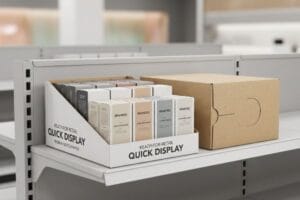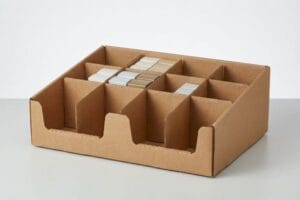
किसी रिटेल स्टोर में घुसते ही शायद आपका ध्यान बड़े-बड़े डिस्प्ले कैप्स पर न जाए, लेकिन आंखों के ठीक सामने लटका हुआ वो छोटा सा डिस्प्ले? असली आवेगपूर्ण खरीदारी वहीं होती है।.
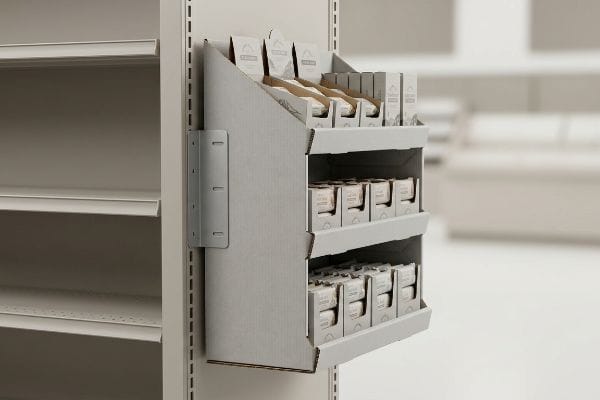
साइडकिक डिस्प्ले एक कॉम्पैक्ट, लटकाने वाली मर्चेंडाइजिंग यूनिट है जिसे खुदरा दुकानों की मानक शेल्फ या एंडकैप्स पर रणनीतिक रूप से लगाया जाता है ताकि ग्राहकों को तुरंत खरीदारी करने के लिए प्रेरित किया जा सके। ये आसानी से दिखाई देने वाले सेकेंडरी प्लेसमेंट यूनिवर्सल मेटल ब्रैकेट का उपयोग करते हैं, जिससे ब्रांड मुख्य गलियारे की कीमती जगह का उपयोग किए बिना हल्के उपभोक्ता पैकेज्ड सामानों की क्रॉस-सेलिंग कर सकते हैं।.
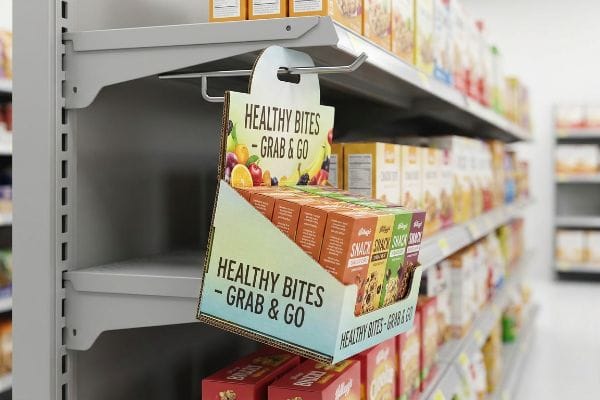
लेकिन बुनियादी अवधारणा को समझना तो बस शुरुआत है। आइए विस्तार से समझते हैं कि ये उपकरण वास्तव में भीड़भाड़ वाले स्टोर के वातावरण में कैसे टिके रहते हैं।.
साइडकिक डिस्प्ले क्या है?
इस फिक्स्चर को समझने की शुरुआत भौतिक खुदरा ज्यामिति से होती है, न कि केवल ग्राफिक डिजाइन से।.
साइडकिक डिस्प्ले को परिभाषित करने के लिए, इसके सटीक स्थानिक उपयोग को समझना आवश्यक है। यह एक ऊर्ध्वाधर, नालीदार शीट से बना शेल्फ है जिसे एस-क्लिप के माध्यम से लटकाया जा सकता है। मानकीकृत मॉडल की ऊंचाई 48 इंच (121.9 सेमी) और चौड़ाई 14 इंच (35.5 सेमी) होती है, जिससे यह सुनिश्चित होता है कि यह विभिन्न बड़े रिटेल स्टोरों के गलियारों में आसानी से फिट हो जाए।.
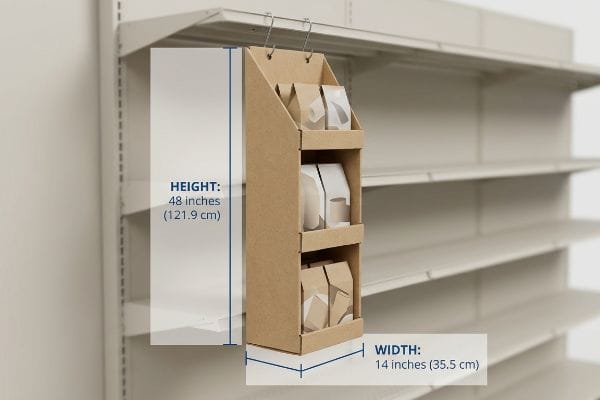
भौतिक उपस्थिति को सही ढंग से स्थापित करना ही वह जगह है जहां अधिकांश नवोदित खिलाड़ियों का अभियान तुरंत पटरी से उतर जाता है।.
साइडकिक डिस्प्ले के लिए 48×14 का सार्वभौमिक नियम
कई ग्राफिक डिज़ाइनर इन हैंगिंग यूनिट्स को खाली कैनवास की तरह इस्तेमाल करते हैं और बड़े आकार के प्रोडक्ट ब्लिस्टर के लिए कस्टम चौड़ाई डिज़ाइन करते हैं। उनका मानना है कि अगर वे खुद हैंगिंग हार्डवेयर उपलब्ध कराएंगे, तो स्टोर मैनेजर गोंडोला रैक पर इसके लिए जगह ढूंढ ही लेंगे।.
मैंने यह गलती अक्सर देखी है जब कोई ब्रांड 18 इंच (45.7 सेमी) चौड़ी यूनिट को मानक खुदरा दुकानों में फिट करने की कोशिश करता है। एक बार मैंने एक दुकानदार को देखा जो शारीरिक रूप से संघर्ष कर रहा था, पसीना बहा रहा था, और एक बड़े आकार के नालीदार बैक पैनल को दो मौजूदा धातु के तार वाले रैक के बीच जबरदस्ती फिट करने की कोशिश कर रहा था। कच्चे पेपरबोर्ड के स्टील शेल्फ के किनारे से रगड़ खाने से यूनिट इतनी खराब हो गई कि उसमें कोई उत्पाद रखने से पहले ही वह बेकार हो गई। यदि आप उद्योग के सख्त 48×14 इंच (121.9×35.5 सेमी) मानक1, तो आपकी यूनिट मुख्य गलियारे में रखे सामान से टकराएगी, जिससे खुदरा विक्रेता तुरंत उसे अस्वीकार कर देगा और आपको महंगी मैन्युअल मरम्मत करानी पड़ेगी।
| नौसिखियों की आम गलती | प्रो फिक्स | रिटेल-फ्लोर लाभ |
|---|---|---|
| हैंगिंग यूनिट्स के लिए कस्टम, ओवरसाइज़्ड चौड़ाई बनाना।. | 14 इंच (35.5 सेमी) के सख्त मानक पदचिह्न को लागू करें 2 . | सभी दुकानों में स्वीकार्यता की गारंटी देता है।. |
| मापने वाले रैक के बिना पूरी तरह से सामान्य एस-क्लिप पर निर्भर रहना।. | डाईलाइन बनाने से पहले गोंडोला पेगबोर्ड की दूरी को पहले से माप लें।. | फर्श पर इंस्टॉलेशन के दौरान होने वाले घर्षण को खत्म करता है।. |
| गलियारे की ऊर्ध्वाधर ऊंचाई की सीमाओं को अनदेखा करना।. | अधिकतम ऊंचाई को 48 इंच (121.9 सेमी) तक लॉक करें 3 . | यह मुख्य शेल्फ साइनेज को अवरुद्ध होने से रोकता है।. |
मैं किसी भी ग्राहक को तब तक कलाकृति को अंतिम रूप देने नहीं देता जब तक कि मैंने गणितीय रूप से डाईलाइन को इन सटीक सार्वभौमिक आयामों के अनुरूप निर्धारित नहीं कर लिया हो, जिससे स्टोर स्तर पर अस्वीकृति का जोखिम पूरी तरह से समाप्त हो जाता है।.
🛠️ हार्वे का डेस्क: क्या आप सुनिश्चित नहीं हैं कि आपका हैंगिंग यूनिट स्टैंडर्ड बिग-बॉक्स पेगबोर्ड स्पेसिंग के अनुरूप है या नहीं? 👉 मुफ़्त डाइलाइन रिव्यू प्राप्त करें ↗ — मेरे डेस्क तक सीधी पहुँच। मैं वादा करता हूँ, कोई स्वचालित बिक्री स्पैम नहीं होगा।
साइडकिक और एंडकैप में क्या अंतर है?
खरीदार अक्सर इन दोनों प्रारूपों को लेकर भ्रमित हो जाते हैं क्योंकि वे स्टोर में बिल्कुल समान स्थान घेरते हैं।.
साइडकिक और एंडकैप के बीच मुख्य अंतर संरचनात्मक प्रभुत्व और चौड़ाई की सीमाओं में निहित है। एंडकैप एक विशाल, ज़मीन पर खड़ा होने वाला उपकरण होता है जो पूरे गलियारे को ढक लेता है, जबकि अपेक्षाकृत छोटा साइडकिक आमतौर पर उसी एंडकैप के किनारे से लटका रहता है ताकि पूरक और आकर्षक वस्तुएं पेश की जा सकें।.
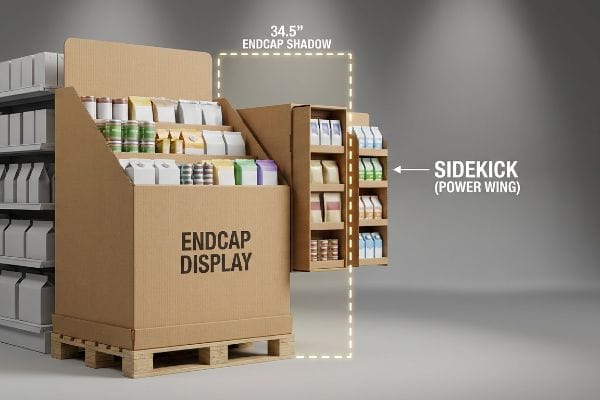
यह स्थानिक पदानुक्रम बिल्कुल निर्धारित करता है कि आपको अपने नालीदार बोर्ड को कैसे इंजीनियर करना चाहिए।.
स्थानिक बाधाएँ और 34.5 इंच की एंडकैप सीमा
ब्रांड अक्सर एंडकैप स्ट्रक्चरल फाइल को छोटा करके और यह मानकर कि इसे केवल चिपकाकर एक लटकने वाले सहायक उपकरण के रूप में इस्तेमाल किया जा सकता है, पैसे बचाने की कोशिश करते हैं । वे भूल जाते हैं कि एक एंडकैप अपना भारी गतिशील भार सीधे लकड़ी के जीएमए (ग्रोसरी मैन्युफैक्चरर्स एसोसिएशन) पैलेट 4 पर टिकाता है , जबकि एक लटकने वाली इकाई पूरी तरह से ऊर्ध्वाधर कतरनी शक्ति 5 पर निर्भर करती है ।
आमतौर पर दुर्घटना तब होती है जब कोई बहुत बड़ा हैंगिंग यूनिट मुख्य यातायात मार्ग से टकरा जाता है। मेरे एक ग्राहक ने 20 इंच (50.8 सेमी) चौड़े यूनिट को मानक 34.5 इंच (87.6 सेमी) के एंडकैप।शॉपिंग कार्ट के बार-बार उभरे हुए किनारे से टकराने की तेज़, खोखली आवाज़ सुनाई देती थी, जिससे अंततः माउंटिंग होल नालीदार टेस्टलाइनर में से फट जाते थे। हैंगिंग फुटप्रिंट को मुख्य एंडकैप की प्राकृतिक छाया के भीतर सुरक्षित रूप से रखकर, मैं यह सुनिश्चित करता हूँ कि आप गलियारे में रुकावट न डालें, जिससे संरचनात्मक क्षति से बचा जा सके और आपका क्रॉस-मर्चेंडाइजिंग अभियान सफल हो सके।
| नौसिखियों की आम गलती | प्रो फिक्स | रिटेल-फ्लोर लाभ |
|---|---|---|
| एक फ्लोर डिस्प्ले फाइल को हैंगिंग यूनिट के लिए छोटा करना । | ऊर्ध्वाधर भार के लिए एक अद्वितीय सीएडी (कंप्यूटर-एडेड डिजाइन) फाइल तैयार करें।. | बैक पैनल के कतरन से होने वाली विफलता को रोकता है।. |
| डिस्प्ले को मुख्य गलियारे में बाहर निकलने की अनुमति देना।. | प्रोफ़ाइल को 34.5 इंच (87.6 सेमी) के एंडकैप शैडो के अंदर रखें।. | शॉपिंग कार्ट के टकराने से होने वाले नुकसान को रोकता है।. |
| छोटे हैंगिंग यूनिट्स के लिए मोटी डबल-वॉल बोर्ड का उपयोग करना।. | लटकने से होने वाले तनाव को कम करने के लिए हल्के वजन वाली ई-बांसुरी का प्रयोग करें।. | उत्पाद की क्षमता को सुरक्षित रूप से बढ़ाता है।. |
मैं फर्श पर लगने वाली इकाइयों और लटकने वाली इकाइयों के लिए संरचनात्मक इंजीनियरिंग पाइपलाइनों को हमेशा अलग रखता हूं क्योंकि गुरुत्वाकर्षण और शॉपिंग कार्ट की आवाजाही उन्हें पूरी तरह से अलग-अलग तरीकों से नुकसान पहुंचाती है।.
🛠️ हार्वे का डेस्क: क्या आपके सेकेंडरी प्लेसमेंट मुख्य कार्ट ट्रैफिक लेन में अजीब तरह से उभरे हुए हैं? 👉 संरचनात्मक जाँच का अनुरोध करें ↗ — सुरक्षित रूप से डाउनलोड करें। बाद में कोई प्रश्न होने पर मेरा इनबॉक्स खुला है।
वॉलमार्ट में साइडकिक क्या होता है?
दुनिया के सबसे बड़े रिटेलर से अपने हैंगिंग फिक्स्चर को अप्रूव कराने के लिए उनकी बेहद सख्त इनबाउंड सप्लाई चेन से गुजरना जरूरी है।.
वॉलमार्ट में साइडकिक एक अत्यधिक विनियमित क्रॉस-मर्चेंडाइजिंग यूनिट है जिसे वितरण नेटवर्क में प्रवेश करने से पहले सख्त विक्रेता अनुपालन दिशानिर्देशों का पालन करना होता है। इन हैंगिंग डिस्प्ले की मास्टर कार्टन पर यूसीसी-128 लेबल की उचित स्थिति के लिए गहन जांच की जाती है ताकि भारी रीपैकिंग शुल्क और स्वचालित छँटाई प्रणाली द्वारा अस्वीकृति से बचा जा सके।.
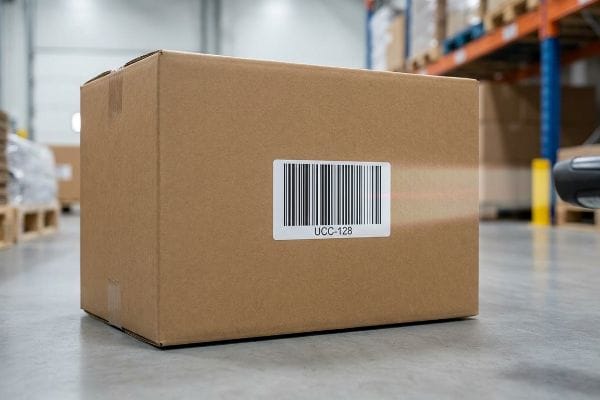
अगर वितरण केंद्र पर ही मास्टर कार्टन खराब हो जाता है तो खूबसूरत कलाकृति का कोई मतलब नहीं रह जाता।.
वॉलमार्ट वितरण केंद्र चेकपॉइंट से बच निकलना
मार्केटिंग टीमें अपनी सारी ऊर्जा चमकदार कोटिंग और उत्पाद की व्यवस्था पर केंद्रित कर देती हैं, और यूनिट की सुरक्षा करने वाले सादे भूरे रंग के नालीदार शिपिंग बॉक्स को पूरी तरह से अनदेखा कर देती हैं। वे मान लेते हैं कि किसी भी मजबूत गत्ते से फिक्स्चर को वितरण नेटवर्क में सुरक्षित रूप से पहुँचाना संभव है।.
मास्टर कार्टन को सीमा पर अपने पासपोर्ट की तरह समझें; अगर स्टैम्प गलत जगह पर लगा है, तो आपको देश से निकाल दिया जाएगा। मैंने देखा है कि ग्राहक अपने UCC-128 बारकोड को सीधे शिपर बॉक्स के मुड़े हुए किनारों पर प्रिंट कर देते हैं। पारदर्शी पैकिंग टेप की रगड़ से बारकोड विकृत हो जाता है, जिसका मतलब है कि वितरण केंद्र 7 पर स्वचालित स्कैनर तुरंत पैलेट को पेनल्टी लेन में भेज देते हैं। प्रीप्रेस चरण में ही बारकोड को एक सपाट, अबाधित पैनल पर सटीक रूप से स्थापित करके, मैं यह सुनिश्चित करता हूँ कि आपकी इकाइयाँ बिना किसी रुकावट के इनबाउंड रिसीविंग से गुजरें, जिससे आप खुदरा रीपैकिंग के भारी जुर्माने से बच सकें ।
| नौसिखियों की आम गलती | प्रो फिक्स | रिटेल-फ्लोर लाभ |
|---|---|---|
| वितरण केंद्र के बारकोड पर टेप लगाना।. | एंकर यूसीसी-128 लेबल9 को समतल, टेप-मुक्त क्षेत्रों में लगाएं। | स्वचालित स्कैनर द्वारा अस्वीकृति से बचाता है।. |
| पहले से भरे हुए यूनिटों के लिए कमजोर मास्टर कार्टन का उपयोग करना।. | आईएसटीए 3ए परीक्षित शिपर बॉक्स 10 निर्दिष्ट करें । | परिवहन के दौरान होने वाली टूट-फूट और शुल्क वापसी की समस्या को समाप्त करता है।. |
| स्टोर-स्तर के अनबॉक्सिंग अनुभव को नजरअंदाज करते हुए।. | स्पष्ट, टेक्स्ट-रहित दृश्य अनपैकिंग आइकन जोड़ें।. | फ्लोर मर्चेंडाइजिंग के अनुपालन में तेजी लाता है।. |
मैं शिपिंग कार्टन इंजीनियरिंग को खुदरा बिक्री के लिए तैयार संरचना के समान ही प्राथमिकता देता हूं, क्योंकि वितरण केंद्र स्कैन में देरी से बाजार में उत्पाद पहुंचाने की गति धीमी हो जाती है।.
🛠️ हार्वे का डेस्क: क्या आप अपने अगले लॉन्च के दौरान अप्रत्याशित रूप से बड़े-बड़े कंप्लायंस चार्जबैक से डरे हुए हैं? 👉 अपना कंप्लायंस ऑडिट करवाएं ↗ — कोई फॉर्म नहीं जो अंतहीन सेल्स कॉल को ट्रिगर करें। बस शुद्ध मूल्य।
मर्चेंडाइजिंग में साइडकिक क्या होता है?
मर्चेंडाइजिंग का मतलब सिर्फ उत्पादों को प्रदर्शित करना नहीं है; इसका मतलब है खरीदार की स्वाभाविक दृष्टि रेखा को बाधित करना।.
मर्चेंडाइजिंग में, साइडकिक एक रणनीतिक व्यवधान उपकरण है जिसे ग्राहक की दृष्टि रेखा के ठीक सामने रखा जाता है। यह मानव ऊंचाई के हीट मैप का लाभ उठाते हुए, 50 से 54 इंच (127 से 137.1 सेमी) के स्ट्राइक ज़ोन में लटका रहता है ताकि प्राथमिक श्रेणी के उत्पादों के साथ-साथ अनियोजित आवेगपूर्ण खरीदारी को अधिकतम किया जा सके।.

लेकिन केवल किसी डिब्बे को आंखों के स्तर पर लटकाने से बिक्री की गति में अचानक उछाल की गारंटी नहीं मिलती।.
54-इंच स्ट्राइक ज़ोन के लिए इंजीनियरिंग
ब्रांड अक्सर अपने संरचनात्मक इंजीनियरों को शेल्फ की संख्या को अधिकतम करने के लिए कहते हैं, एक ही लटकने वाली इकाई में पांच या छह छोटी अलमारियों को ठूंस देते हैं। वे एर्गोनोमिक वास्तविकता को अनदेखा करते हैं कि खरीदार शायद ही कभी किसी द्वितीयक स्थान का निरीक्षण करने के लिए झुकते हैं11।
अगर आप भारी और प्रीमियम उत्पादों को हैंगिंग यूनिट के सबसे निचले हिस्से में रखते हैं, तो वे लगभग अदृश्य हो जाते हैं। मैंने एक स्टोर क्लर्क को खराब डिज़ाइन वाली यूनिट में सामान भरते हुए देखा, जो अंधेरे और तंग निचले शेल्फ में सामान ठूंसने की कोशिश करते हुए कराह रहा था, जो फर्श से मुश्किल से 30 इंच (76.2 सेमी) ऊपर था। तंग नालीदार किनारे से उत्पाद के रगड़ने से यह साबित हो गया कि शेल्फ जल्दी से सामान निकालने के लिए बिल्कुल बेकार था। सबसे भारी सामान को एर्गोनोमिक स्ट्राइक ज़ोन12 और शेल्फ की ऊंचाई बढ़ाकर, मैं अधिकतम दृश्यता की गारंटी देता हूं, जिससे आपकी बिक्री दर में नाटकीय रूप से वृद्धि होगी।
| नौसिखियों की आम गलती | प्रो फिक्स | रिटेल-फ्लोर लाभ |
|---|---|---|
| एक ही यूनिट में बहुत सारी अलमारियां ठूंस देना।. | 54 इंच (137.1 सेमी) नेत्र स्तर 13 को प्राथमिकता देने के लिए स्तरों को सीमित करें । | इससे उत्पाद के प्रति ग्राहकों की रुचि में काफी वृद्धि होती है।. |
| प्रीमियम उत्पादों को सबसे निचले शेल्फ पर दबा देना।. | उच्च मार्जिन वाली वस्तुओं को केंद्रीय स्ट्राइक ज़ोन14। | आवेगपूर्ण खरीदारी की गति को बढ़ाता है।. |
| शेल्फ के किनारों को इतना ऊंचा बनाना कि सामान सुरक्षित न रह सके।. | लिप को इस तरह से डिज़ाइन करें कि उत्पाद 85% तक दिखाई दे।15. | इससे खरीदारों को पैकेजिंग पर लिखी जानकारी तुरंत पढ़ने की सुविधा मिलती है।. |
मैं हमेशा प्रत्येक शेल्फ स्तर के दृश्य घर्षण गुणांक की गणना करता हूं, यह सुनिश्चित करते हुए कि आपके प्रीमियम उत्पाद कभी भी कमर के स्तर से नीचे छाया में न दबें।.
🛠️ हार्वे का डेस्क: क्या आपके डेस्क के निचले हिस्से में अंधेरा छाया क्षेत्र है जिससे सामान दिखाई नहीं देता? 👉 एक स्ट्रक्चरल CAD मॉकअप प्राप्त करें ↗ — मेरे डेस्क तक सीधी पहुँच। मैं वादा करता हूँ, कोई स्वचालित बिक्री संदेश नहीं।
एक सहायक की भूमिका क्या होती है?
महज सौंदर्यशास्त्र से परे, ये लटकने वाले उपकरण खुदरा विक्रेताओं के लिए एक बहुत ही विशिष्ट गणितीय समस्या को हल करने के लिए मौजूद हैं।.
साइडकिक का प्राथमिक उद्देश्य प्रीमियम फ्लोर स्पेस का उपयोग किए बिना तत्काल बिक्री में वृद्धि करना है। तीन सेकंड के दृश्य व्यवधान का लाभ उठाकर, ये इकाइयाँ ब्रांडों को उच्च मार्जिन वाले एक्सेसरीज़ को मुख्य उत्पादों के ठीक बगल में प्रदर्शित करने की अनुमति देती हैं, जिससे प्रति ग्राहक कुल खरीदारी का आकार काफी बढ़ जाता है।.
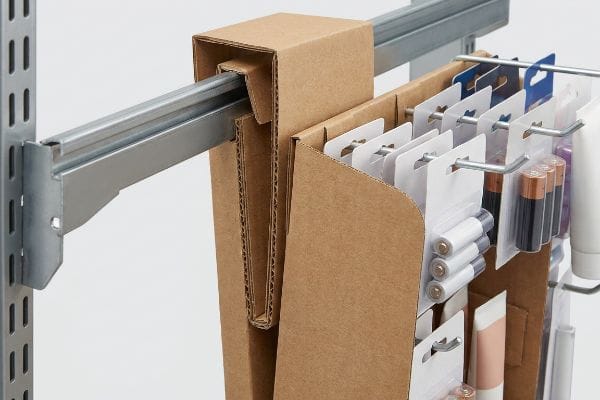
किसी श्रेणी के खरीदार को इस निवेश पर लाभ साबित करने के लिए केवल एक सुंदर प्रस्तुति से काम नहीं चलता; इसके लिए संरचनात्मक विश्वसनीयता की आवश्यकता होती है।.
तीन सेकंड में बिक्री में ज़बरदस्त उछाल लाना
कई खरीद प्रबंधक यह मान लेते हैं कि चूंकि ये इकाइयां छोटी हैं, इसलिए वे उत्पादों को रखने के लिए सस्ते, सिंगल-वॉल कार्डबोर्ड का उपयोग कर सकते हैं। वे कई सप्ताहों के अभियान के दौरान बैटरी या सौंदर्य प्रसाधन जैसी सघन रूप से पैक की गई वस्तुओं के संचयी वजन की गणना करने में विफल रहते हैं।
किसी कैटेगरी के खरीदार से हैंगिंग स्पेस मांगना मुफ्त किराया मांगने जैसा है; आपको यह साबित करना होगा कि ढांचा टूटेगा नहीं। मैंने देखा है कि सस्ते, हल्के बैक पैनल 15 पाउंड (6.8 किलोग्राम) के भार के नीचे ही मुड़ जाते हैं, जिससे भयानक कागज़ के टूटने की आवाज़ आती है और माउंटिंग होल ऊपरी हेडर को फाड़ देते हैं। आप सचमुच देख सकते थे कि यूनिट मेटल गोंडोला से खतरनाक तरीके से लटक रही थी। हैंगिंग स्पाइन को डबल-लेयर नालीदार बोर्ड से मजबूत करके, जिससे ECT (एज क्रश टेस्ट) वैल्यू17है, मैं गणितीय रूप से टूटने के जोखिम को खत्म कर देता हूं, यह सुनिश्चित करते हुए कि आपका अभियान पूरे प्रमोशनल साइकिल में चले और आपको वादा किया गया ROI मिले।
| नौसिखियों की आम गलती | प्रो फिक्स | रिटेल-फ्लोर लाभ |
|---|---|---|
| भारी वस्तुओं को रखने के लिए सिंगल-वॉल बोर्ड का उपयोग करना।. | बैक पैनल को डबल-वॉल टेस्टलाइनर में अपग्रेड करें18. | माउंटिंग होल को फटने से रोकता है।. |
| सौंदर्य प्रसाधनों/बैटरी के कुल वजन को नजरअंदाज करते हुए।. | डाईलाइन काटने से पहले डायनेमिक लोड लिमिट की गणना करें।19. | यह सुनिश्चित करता है कि यूनिट पूरे अभियान में सुरक्षित रहे।. |
| हेडर पर कम कंट्रास्ट वाले ग्राफिक्स प्रिंट करना।. | दूरी दृश्यता को अधिकतम करने के लिए स्पॉट कलर फ्लड लाइट का उपयोग करें 20 . | यह ग्राहकों का ध्यान मात्र 3 सेकंड में आकर्षित कर लेता है।. |
मैं लटकती हुई रीढ़ की हड्डी को कमज़ोर तरीके से डिज़ाइन करने से इनकार करता हूँ, क्योंकि गलियारे के बीच में ढह गई इकाई उस विशिष्ट खुदरा खरीदार के साथ आपके ब्रांड की साख को हमेशा के लिए नष्ट कर देती है।.
🛠️ हार्वे का डेस्क: क्या आपको चिंता है कि आपके भारी सामान के भार से आपका मौजूदा बैक पैनल फट सकता है? 👉 डाइलाइन स्ट्रेस टेस्ट का अनुरोध करें ↗ — सुरक्षित रूप से डाउनलोड करें। बाद में कोई प्रश्न होने पर मेरा इनबॉक्स खुला है।
साइड कैप डिस्प्ले क्या है?
इन्हें कभी-कभी साइड कैप या पावर विंग्स भी कहा जाता है, नाम भले ही बदल जाए लेकिन स्वचालित विनिर्माण एक समान ही रहते हैं।
साइड कैप डिस्प्ले, साइडकिक के लिए इस्तेमाल होने वाला एक वैकल्पिक उद्योग शब्द है, जो लंबवत लटकने वाले क्रॉस-मर्चेंडाइजिंग फिक्स्चर के समान कार्य करता है। चाहे जो भी शब्दावली इस्तेमाल की जाए, इन इकाइयों को गोंडोला एंडकैप्स पर मजबूती से टिकाने और भारी उत्पाद भार को बिना फटे संभालने के लिए सटीक संरचनात्मक इंजीनियरिंग की आवश्यकता होती है।.
लेकिन जब मशीनें चलने लगती हैं और कागज मुड़ने लगता है, तो केवल सिद्धांत जानना ही पर्याप्त नहीं होता।.
मानक साइड कैप डाइलाइन कारखाने में ही क्यों विफल हो जाती हैं?
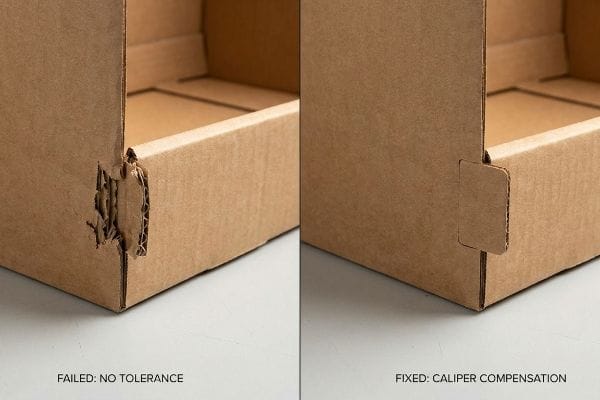
ग्राफिक डिज़ाइनर अक्सर इलस्ट्रेटर में इंटरलॉकिंग टैब और फोल्डिंग स्लॉट को ठीक उसी चौड़ाई में बनाते हैं जिस चौड़ाई में पैनल को जोड़ा जाता है। वे मान लेते हैं कि 2 इंच (50.8 मिमी) का टैब आसानी से 2 इंच (50.8 मिमी) के स्लॉट में फिट हो जाता है, और इस बात को पूरी तरह से नज़रअंदाज़ कर देते हैं कि 90 डिग्री के कठोर कोण पर मोड़ने पर नालीदार बोर्ड की भौतिक मोटाई कितनी होती है।.
मेरी सुविधा में, मैं अक्सर देखता हूँ कि फ्लैट फाइलें बिना किसी यांत्रिक मोड़ के माप के प्रस्तुत की जाती हैं। जब मैं परीक्षण तल पर नालीदार बोर्ड को मापता हूँ, तो उसका भौतिक 3 मिमी (0.11 इंच) कैलिपर मोड़ने पर सामग्री की खपत करता है।यदि स्लॉट को कृत्रिम रूप से चौड़ा नहीं किया जाता है, तो सह-पैकिंग असेंबली टीम को भागों को एक साथ जोड़ने के लिए खांचों को ज़ोर से दबाना पड़ता है। घर्षण के कारण कठोर कागज के रेशे फटने से लिथो-लैमिनेटेड ऊपरी शीट के फटने की तेज़, कष्टदायक आवाज़ आप सचमुच सुन सकते हैं। स्वचालित कैलिपर क्षतिपूर्ति एल्गोरिदमप्रत्येक स्लॉट में 1.5 मिमी (0.05 इंच) की सटीक क्लीयरेंस जोड़ता हूँ, जिससे घर्षण रहित असेंबली सुनिश्चित होती है और सह-पैकिंग समय में प्रति यूनिट लगभग 20 सेकंड की कमी आती है और सौंदर्य संबंधी टूटन पूरी तरह से समाप्त हो जाती है।
| नौसिखियों की आम गलती | प्रो फिक्स | रिटेल-फ्लोर लाभ |
|---|---|---|
| ड्राइंग स्लॉट का आकार लॉकिंग टैब के आकार के बिल्कुल बराबर होता है।. | CAD फ़ाइल 23 में स्वचालित कैलिपर क्षतिपूर्ति लागू करें । | असेंबली के दौरान कच्चे कागज के फटने से बचाता है।. |
| असेंबली कर्मचारियों को बोर्ड फ्लूट्स को कुचलने के लिए मजबूर करना।. | बोर्ड ग्रेड 24 के आधार पर विशिष्ट मिलीमीटर क्लीयरेंस जोड़ें । | मैनुअल को-पैकिंग में लगने वाले श्रम समय में भारी कमी आती है।. |
| फ्लैट ग्राफिक डिजाइन को भौतिक ज्यामिति पर हावी होने देना।. | सभी फ्लैट फाइलों को संरचनात्मक पूर्व-उड़ान परीक्षण25। | यह सुनिश्चित करता है कि अंतिम डिस्प्ले बिल्कुल वर्गाकार हो।. |
मैं प्रत्येक हैंगिंग यूनिट पर इस पैरामीट्रिक डाईलाइन शिफ्ट को अनिवार्य करता हूं, क्योंकि फैक्ट्री लाइन पर एक टाइट लॉकिंग टैब से जूझना आपके श्रम मार्जिन और आपके ब्रांड की गुणवत्ता दोनों को बर्बाद कर देता है।.
🛠️ हार्वे की सलाह: 2 मिलीमीटर की संरचनात्मक खामी को 500 स्टोरों में अपना कारोबार ठप न करने दें। 👉 मुझे अपनी डाइलाइन फ़ाइल भेजें ↗ — बड़े पैमाने पर उत्पादन पर बजट बर्बाद करने से पहले मैं गणितीय गणनाओं की गहन जांच कर लूंगा।
निष्कर्ष
आप ऐसे सप्लायर को चुन सकते हैं जो डाईलाइन टॉलरेंस में कमी करता हो, लेकिन जब वह फ्लैट फाइल नालीदार कैलिपर की मोटाई को अनदेखा करती है और असेंबली के दौरान ऊपरी शीट में भयंकर टूट-फूट का कारण बनती है, तो आपको भारी घर्षण का सामना करना पड़ेगा जिससे आपकी को-पैकिंग लाइन की गति लगभग 30% तक धीमी हो जाएगी। 500 से अधिक ब्रांड मैनेजर इन शुरुआती चरण की घातक गलतियों से बचने के लिए मेरी प्रीप्रेस चेकलिस्ट का उपयोग करते हैं। बेंड अलाउंस का अनुमान लगाना बंद करें और मुझे अपने फ्लैट फाइलों का व्यक्तिगत रूप से ऑडिट करने दें, मेरी निःशुल्क स्ट्रक्चरल सीएडी समीक्षा ↗ , ताकि विनिर्माण क्षेत्र में पहुंचने से पहले ही इन छिपे हुए घर्षण बिंदुओं को पकड़ा जा सके।
"कस्टम कार्डबोर्ड साइडकिक डिस्प्ले, पॉवरविंग डिस्प्ले, एंडकैप ...", https://grandfly.com/cardboard-display/sidekick-powerwing-display/। [एक रिटेल फिक्स्चर निर्माण गाइड या बड़े स्टोर विक्रेता मैनुअल इन विशिष्ट आयामों को साइडकिक इकाइयों के लिए सार्वभौमिक आवश्यकता के रूप में सत्यापित करेगा]। साक्ष्य भूमिका: तकनीकी विनिर्देश; स्रोत प्रकार: उद्योग मानक मैनुअल। समर्थन: साइडकिक डिस्प्ले के लिए मानक आयाम। कार्यक्षेत्र नोट: मुख्य रूप से उत्तरी अमेरिकी खुदरा परिवेशों पर लागू। ↩
"रिटेल डिस्प्ले के 14 प्रकार | शिकागो, आईएल - वर्थाइमर बॉक्स", https://wertheimerbox.com/types-of-retail-displays/। [पॉइंट-ऑफ-परचेस रिटेल फिक्स्चर के लिए उद्योग मानक विभिन्न गोंडोला शेल्विंग सिस्टम में अनुकूलता सुनिश्चित करने के लिए 14 इंच की चौड़ाई निर्दिष्ट करते हैं]। साक्ष्य भूमिका: तकनीकी विनिर्देश; स्रोत प्रकार: खुदरा उद्योग मार्गदर्शिका। समर्थन: सार्वभौमिक फुटप्रिंट आयाम। कार्यक्षेत्र नोट: मानक अमेरिकी खुदरा वातावरण पर लागू होता है। ↩
"साइडकिक डिस्प्ले क्या है? उपयोग, प्रकार और कस्टम डिज़ाइन...", https://www.wowpopdisplay.com/resources/what-is-a-sidekick-display-uses-types-amp-custom-design-tips.html। [रिटेल फिक्स्चर दिशानिर्देश आमतौर पर दृश्यता बनाए रखने और शेल्फ साइनेज को अवरुद्ध करने से बचने के लिए साइडकिक की ऊंचाई को 48 इंच तक सीमित करते हैं]। साक्ष्य भूमिका: तकनीकी विनिर्देश; स्रोत प्रकार: रिटेल फिक्स्चर मैनुअल। समर्थन: ऊर्ध्वाधर ऊंचाई प्रतिबंध। स्कोप नोट: हैंगिंग यूनिट्स के लिए सार्वभौमिक नियम को संदर्भित करता है। ↩
"क्लब स्टोर डिस्प्ले: थोक माल के लिए एंडकैप, पैलेट और अन्य सामग्री", https://www.qpack.com/retail-displays/pallet/club-store। उद्योग लॉजिस्टिक्स मानक इस बात की पुष्टि करते हैं कि GMA पैलेट भारी, फर्श पर रखे जाने वाले खुदरा डिस्प्ले के लिए स्थिरता और परिवहन क्षमता सुनिश्चित करने हेतु सर्वमान्य आधार हैं। साक्ष्य भूमिका: तकनीकी विनिर्देश; स्रोत प्रकार: उद्योग मानक। आधार: एंडकैप डिस्प्ले का संरचनात्मक आधार। कार्यक्षेत्र संबंधी टिप्पणी: मुख्यतः उत्तरी अमेरिकी खुदरा क्षेत्र पर लागू। ↩
"ऊर्ध्वाधर भार के प्रभाव का प्रायोगिक अध्ययन...", https://ascelibrary.org/doi/10.1061/%28ASCE%290733-9445%282005%29131%3A7%281104%29। यांत्रिक अभियांत्रिकी सिद्धांत बताते हैं कि लटके हुए उपकरण आधार पर संपीडन भार के बजाय लटकते बिंदुओं पर अपरूपण तनाव के माध्यम से भार स्थानांतरित करते हैं। साक्ष्य की भूमिका: तकनीकी सिद्धांत; स्रोत प्रकार: अभियांत्रिकी संदर्भ। समर्थन: फर्श इकाइयों को छोटा करते समय संरचनात्मक विफलता का जोखिम। कार्यक्षेत्र संबंधी टिप्पणी: स्थैतिक भार-वहन विश्लेषण पर लागू होता है। ↩
"क्या एंडकैप डिस्प्ले के आकार पर कोई सीमाएँ हैं? – पॉपडिस्प्ले", https://popdisplay.me/are-there-any-size-limitations-for-endcap-displays/। [पॉइंट-ऑफ-परचेज़ डिस्प्ले के लिए उद्योग की तकनीकी विशिष्टताएँ मानक एंडकैप फिक्स्चर के लिए उपयोग की जाने वाली सामान्य चौड़ाई की पुष्टि करेंगी]। साक्ष्य भूमिका: तकनीकी सत्यापन; स्रोत प्रकार: उद्योग मानक मैनुअल। समर्थन: प्राथमिक डिस्प्ले की विशिष्ट स्थानिक बाधा। स्कोप नोट: खुदरा श्रृंखला के अनुसार आयाम थोड़े भिन्न हो सकते हैं। ↩
"GS1 रिटेल लेबलिंग: वॉलमार्ट, टारगेट और अन्य के लिए आवश्यकताएँ", https://getproductiv.com/gs1-labeling-retail। एक आधिकारिक विक्रेता अनुपालन मैनुअल में यह विस्तार से बताया जाएगा कि स्वचालित स्कैनिंग सिस्टम किस प्रकार गैर-अनुपालन वाले मास्टर कार्टन की पहचान करते हैं और उन्हें दंड क्षेत्रों में भेजते हैं। साक्ष्य की भूमिका: तकनीकी सत्यापन; स्रोत प्रकार: कॉर्पोरेट अनुपालन मार्गदर्शिका। समर्थन: स्वचालित छँटाई अस्वीकरण की परिचालन वास्तविकता। कार्यक्षेत्र संबंधी टिप्पणी: विशिष्ट DC हार्डवेयर स्थान के अनुसार भिन्न हो सकता है। ↩
"वॉलमार्ट सप्लायर कंप्लायंस गाइड – वेयरहाउसकोट", https://www.warehousequote.com/resources/walmart-supplier-compliance-guide। वॉलमार्ट के आधिकारिक सप्लायर दिशानिर्देशों में लेबलिंग त्रुटियों के कारण शिपमेंट की मैन्युअल रीपैकिंग की आवश्यकता होने पर विक्रेताओं पर लागू होने वाले वित्तीय शुल्क वापसी का उल्लेख है। साक्ष्य की भूमिका: वित्तीय सत्यापन; स्रोत प्रकार: विक्रेता समझौता। समर्थन: अनुपालन न करने पर मौद्रिक दंड का अस्तित्व। कार्यक्षेत्र संबंधी टिप्पणी: शुल्क संरचना अनुबंध के अनुसार भिन्न हो सकती है। ↩
"टारगेट यूसीसी128 लेबल में महारत हासिल करना - जी10 फुलफिलमेंट", https://g10fulfillment.com/blog/target-ucc128-label-requirements। [एक विश्वसनीय लॉजिस्टिक्स स्रोत इस बात की पुष्टि करेगा कि यूसीसी-128 शिपिंग कंटेनर बारकोड का मानक है और टेप के कारण स्कैनर काम करना बंद कर देता है]। साक्ष्य की भूमिका: तकनीकी विनिर्देश; स्रोत प्रकार: लॉजिस्टिक्स मैनुअल। समर्थन: बारकोड अनुपालन। कार्यक्षेत्र संबंधी टिप्पणी: केवल आने वाले खुदरा शिपमेंट के लिए। ↩
"बिग-बॉक्स अनुपालन के लिए खुदरा पैकेजिंग परीक्षण - इंटरटेक", https://www.intertek.com/performance-testing/packaging/retail-compliance/। [ISTA के उद्योग पैकेजिंग मानक यह सत्यापित करेंगे कि 3A परीक्षण प्रोटोकॉल यह सुनिश्चित करता है कि शिपिंग कंटेनर परिवहन के दौरान होने वाले दबाव को सहन कर सकें और कुचलने से बच सकें]। साक्ष्य की भूमिका: तकनीकी विनिर्देश; स्रोत प्रकार: उद्योग मानक। सहायक: शिपिंग स्थायित्व और शुल्क वापसी की रोकथाम। कार्यक्षेत्र संबंधी टिप्पणी: पहले से भरे हुए डिस्प्ले यूनिट पर लागू होता है। ↩
"ब्रांड प्लेसमेंट और उपभोक्ता विकल्प: एक इन-स्टोर …", https://pmc.ncbi.nlm.nih.gov/articles/PMC2741065/। [खुदरा एर्गोनॉमिक्स या उपभोक्ता मनोविज्ञान पर एक प्रामाणिक स्रोत इस बात पर अनुभवजन्य डेटा प्रदान करेगा कि उत्पाद की ऊंचाई और झुकने में लगने वाला शारीरिक प्रयास खरीदार की सहभागिता से कैसे संबंधित है]। साक्ष्य की भूमिका: तथ्यात्मक समर्थन; स्रोत का प्रकार: उद्योग श्वेतपत्र या अकादमिक अध्ययन। समर्थन करता है: यह दावा कि द्वितीयक डिस्प्ले प्रभावी होने के लिए आंखों के स्तर पर स्थित होने चाहिए। स्कोप नोट: प्राथमिक शेल्फ खरीदारी के बजाय आवेग/द्वितीयक प्लेसमेंट के लिए विशिष्ट। ↩
"खुदरा क्षेत्र में एर्गोनॉमिक्स: पीक सीज़न की तैयारी", https://www.wsps.ca/resource-hub/ergonomics/safety-connection-ergonomics-within-the-retail-sector-preparing-for-peak-season। [खुदरा उपभोक्ता व्यवहार और विज़ुअल हीट मैप्स पर किए गए अध्ययन इस दावे का समर्थन करते हैं कि प्राथमिक दृष्टि क्षेत्र में रखे गए उत्पादों की बिक्री दर अधिक होती है।] साक्ष्य की भूमिका: तकनीकी सत्यापन; स्रोत प्रकार: खुदरा विश्लेषण अध्ययन। समर्थन: एर्गोनॉमिक प्लेसमेंट और बिक्री गति के बीच सहसंबंध। स्कोप नोट: प्रभाव खरीदार की जनसांख्यिकी के आधार पर भिन्न हो सकते हैं। ↩
"प्रभावी प्रदर्शन और ग्राहक प्रवाह के लिए खुदरा परिसर डिजाइन", https://www.business.qld.gov.au/industries/manufacturing-retail/retail-wholesale/retail-displays। [दृश्य मर्चेंडाइजिंग के लिए उद्योग मानक 54 इंच के निशान को औसत वयस्क नेत्र स्तर के रूप में पहचानते हैं, जो उत्पाद दृश्यता के लिए इष्टतम 'स्ट्राइक ज़ोन' बनाता है।] साक्ष्य भूमिका: तकनीकी विनिर्देश; स्रोत प्रकार: उद्योग मानक। समर्थन: स्तर प्लेसमेंट की प्राथमिकता। स्कोप नोट: औसत ऊंचाई क्षेत्रीय जनसांख्यिकीय आंकड़ों के अनुसार भिन्न हो सकती है।] ↩
"विज़ुअल मर्चेंडाइजिंग की मूल बातें - मौववर्क्स", https://www.mauveworx.com/blog/the-basics-of-visual-merchandising। [उपभोक्ता मनोविज्ञान और हीट-मैपिंग अध्ययनों से पता चलता है कि डिस्प्ले के केंद्रीय क्षैतिज बैंड में रखे गए उत्पादों में उच्च सहभागिता और बिक्री रूपांतरण होता है।] साक्ष्य की भूमिका: तथ्यात्मक दावा; स्रोत प्रकार: उपभोक्ता व्यवहार अध्ययन। समर्थन: उच्च मार्जिन वाले SKU प्लेसमेंट की रणनीति। स्कोप नोट: प्रभावशीलता उत्पाद श्रेणी पर निर्भर करती है।] ↩
"खुदरा विक्रेता उत्पादों को आंखों के स्तर पर क्यों रखते हैं? – पॉपडिस्प्ले", https://popdisplay.me/why-do-retailers-place-products-at-eye-level/। [खुदरा डिज़ाइन दिशानिर्देश यह सुनिश्चित करने के लिए शेल्फ लिप की अधिकतम ऊंचाई निर्दिष्ट करते हैं कि उत्पाद पैकेजिंग का न्यूनतम प्रतिशत उपभोक्ता को दिखाई दे।] साक्ष्य भूमिका: तकनीकी मीट्रिक; स्रोत प्रकार: डिज़ाइन मैनुअल। समर्थन: शेल्फ लिप की ऊंचाई के लिए तकनीकी समाधान। कार्यक्षेत्र नोट: विशेष रूप से पॉइंट-ऑफ-परचेज़ डिस्प्ले पर लागू होता है। ↩
"अस्थायी खुदरा प्रदर्शन भार वहन क्षमताएँ – यूडी डायरेक्ट", https://www.ud-direct.com/blog/temporary-retail-display-load-bearing-capabilities। [पैकेजिंग इंजीनियरिंग और सामग्री विज्ञान के प्रामाणिक स्रोत इस बात की पुष्टि करते हैं कि सिंगल-वॉल नालीदार कार्डबोर्ड की विशिष्ट भार सीमाएँ होती हैं, जो समय के साथ सघन, भारी-भारी वस्तुओं द्वारा अक्सर पार हो जाती हैं]। साक्ष्य की भूमिका: तकनीकी सत्यापन; स्रोत प्रकार: पैकेजिंग इंजीनियरिंग मैनुअल। समर्थन: साइडकिक डिस्प्ले में प्रबलित सामग्रियों की आवश्यकता। स्कोप नोट: भार सीमाएँ कार्डबोर्ड के विशिष्ट फ्लूट आकार और ग्रेड पर निर्भर करती हैं। ↩
"बहुस्तरीय नालीदार कार्डबोर्ड की किनारों की कुचलने की प्रतिरोधकता का सरलीकृत मॉडलिंग...", https://pmc.ncbi.nlm.nih.gov/articles/PMC9821909/। [तकनीकी पैकेजिंग मानक यह निर्धारित करते हैं कि नालीदार कार्डबोर्ड में लाइनर या खांचों की संख्या बढ़ाने से एज क्रश टेस्ट (ECT) मान सीधे तौर पर कैसे बढ़ता है, जिससे ऊर्ध्वाधर भार वहन क्षमता में वृद्धि होती है]। साक्ष्य भूमिका: तकनीकी सत्यापन; स्रोत प्रकार: पैकेजिंग इंजीनियरिंग मैनुअल। समर्थन: यह दावा कि दोहरी परत संरचनात्मक टूट-फूट को रोकती है। स्कोप नोट: ECT में सटीक वृद्धि उपयोग किए गए कागज के ग्रेड पर निर्भर करती है। ↩
"स्तरित नालीदार कार्डबोर्ड की मजबूती के विकल्प: एकल-दीवार बनाम दोहरी-दीवार ...", https://ufppackaging.com/insights/layered-corrugated-strength-options। [नालीदार कार्डबोर्ड ग्रेड पर तकनीकी दस्तावेज़ इस बात की पुष्टि करते हैं कि एकल-दीवार की तुलना में दोहरी-दीवार टेस्टलाइनर माउंटिंग बिंदुओं के लिए बेहतर पंचर और फटने का प्रतिरोध प्रदान करता है]। साक्ष्य की भूमिका: तकनीकी विनिर्देश; स्रोत प्रकार: सामग्री विज्ञान मैनुअल। समर्थन: लटकने वाले फिक्स्चर की संरचनात्मक अखंडता। कार्यक्षेत्र नोट: नालीदार बोर्ड ग्रेड पर केंद्रित। ↩
"घूमने वाले डिस्प्ले रैक की भार वहन क्षमता क्या है? – PopDisplay", https://popdisplay.me/what-is-the-weight-capacity-of-the-rotating-display-racks/। [प्वाइंट-ऑफ-परचेज़ डिस्प्ले के लिए इंजीनियरिंग दिशानिर्देश उपभोक्ता के साथ बातचीत के दौरान विफलता को रोकने के लिए गतिशील भार की गणना की आवश्यकता निर्दिष्ट करते हैं]। साक्ष्य भूमिका: उद्योग की सर्वोत्तम प्रथा; स्रोत प्रकार: पैकेजिंग इंजीनियरिंग गाइड। समर्थन: इकाई की दीर्घायु और सुरक्षा। कार्यक्षेत्र नोट: भार वहन करने वाले खुदरा उपकरणों पर लागू होता है। ↩
"सीएमआईके बनाम स्पॉट कलर: कौन सी प्रक्रिया बेहतर है - प्राइम लाइन पैकेजिंग", https://www.primelinepackaging.com/blog/spot-color-vs-cmyk-understanding-the-differences-and-choosing-the-right-method-for-your-packaging/। [विज़ुअल मर्चेंडाइजिंग और रंग सिद्धांत के अध्ययन दर्शाते हैं कि स्पॉट कलर उच्च संतृप्ति और कंट्रास्ट प्रदान करते हैं, जिससे खरीदारों के लिए लंबी दूरी से पहचान में सुधार होता है]। साक्ष्य भूमिका: अनुभवजन्य विपणन डेटा; स्रोत प्रकार: विज़ुअल मर्चेंडाइजिंग अध्ययन। समर्थन: तीन सेकंड की ध्यान अवधि। स्कोप नोट: खुदरा पर्यावरणीय ग्राफिक्स से संबंधित है। ↩
"फ्री शीट मेटल बेंड अलाउंस कैलकुलेटर | FIRGELLI इंजीनियरिंग", https://www.firgelliauto.com/blogs/engineering-calculators/sheet-metal-bend-allowance-calculator?srsltid=AfmBOoqelWIdeOcsvhllarvpg7wp0GysASpFHIw4GgJ4Wzt-dRE2KuUs. [नालीदार बोर्ड डिज़ाइन के लिए तकनीकी मानक यह निर्दिष्ट करते हैं कि सामग्री कैलिपर किस प्रकार एक बेंड अलाउंस बनाता है जो मोड़ने के दौरान लंबाई को कम करता है]। साक्ष्य भूमिका: तकनीकी सत्यापन; स्रोत प्रकार: पैकेजिंग इंजीनियरिंग मैनुअल। समर्थन: यह दावा कि बोर्ड की मोटाई मुड़े हुए भागों के फिट को प्रभावित करती है। स्कोप नोट: फ्लूट प्रकार के अनुसार भिन्न होता है। ↩
"CAD सॉफ़्टवेयर के साथ पैकेजिंग डिज़ाइन: एक चरण-दर-चरण मार्गदर्शिका – एस्को", https://www.esko.com/en/blog/packaging-design-with-cad-software। [उद्योग CAD सॉफ़्टवेयर दस्तावेज़ीकरण असेंबली तनाव को रोकने के लिए सामग्री कैलिपर के आधार पर स्लॉट की चौड़ाई को स्वचालित रूप से समायोजित करने के लिए एल्गोरिदम के उपयोग का वर्णन करता है]। साक्ष्य भूमिका: तकनीकी सत्यापन; स्रोत प्रकार: सॉफ़्टवेयर विनिर्देश। समर्थन: असेंबली घर्षण को समाप्त करने के लिए सॉफ़्टवेयर-आधारित क्षतिपूर्ति का उपयोग। कार्यक्षेत्र नोट: उन्नत पैकेजिंग डिज़ाइन टूल पर लागू। ↩
"नए पैरामीट्रिक बॉक्स डिज़ाइन के लाभ – पैकमैज", https://www.packmage.com/Cad/Document/466-B_Advantages_of__v3_0। [एक तकनीकी पैकेजिंग डिज़ाइन मैनुअल बताता है कि CAD में सामग्री की मोटाई (कैलिपर) को ध्यान में रखने से असेंबली के दौरान स्लॉट की विफलता और सामग्री के फटने से कैसे बचा जा सकता है]। साक्ष्य भूमिका: तकनीकी विनिर्देश; स्रोत प्रकार: उद्योग मैनुअल। सहायक: कच्चे कागज के फटने की रोकथाम। कार्यक्षेत्र नोट: नालीदार कार्डबोर्ड डिज़ाइन पर लागू। ↩
"केस इरेक्टर और पैकर के लिए आरएससी टॉलरेंस - एआईसीसी नाउ", https://now.aiccbox.org/rsc-tolerances-for-case-erectors-and-packers/। [नालीदार सामग्रियों के लिए इंजीनियरिंग मानक, बिना कुचले उचित फिट सुनिश्चित करने के लिए फ्लूट के आकार और बोर्ड ग्रेड के आधार पर विशिष्ट क्लीयरेंस टॉलरेंस परिभाषित करते हैं]। साक्ष्य भूमिका: तकनीकी विनिर्देश; स्रोत प्रकार: इंजीनियरिंग मानक। समर्थन: मैनुअल को-पैकिंग श्रम में कमी। कार्यक्षेत्र संबंधी टिप्पणी: बोर्ड सामग्री और फ्लूट प्रकार के अनुसार भिन्न होता है। ↩
"पैकेजिंग में डाइलाइन: निर्माण, भूमिका, उपयोग और लाभ – Packhit.com", https://packhit.com/packaging/dieline/। [पेशेवर प्रिंट और पैकेजिंग वर्कफ़्लो संरचनात्मक अखंडता सुनिश्चित करने के लिए 2D ग्राफ़िक लेआउट को 3D फ़ोल्ड ज्यामिति के साथ संरेखित करने हेतु संरचनात्मक प्री-फ़्लाइटिंग का उपयोग करते हैं]। साक्ष्य भूमिका: प्रक्रिया सत्यापन; स्रोत प्रकार: पेशेवर वर्कफ़्लो गाइड। सहायक: यह सुनिश्चित करना कि अंतिम डिस्प्ले सही ढंग से प्रदर्शित हो। कार्यक्षेत्र संबंधी टिप्पणी: फ्लैट-टू-फॉर्म रूपांतरण प्रक्रिया के लिए विशिष्ट। ↩