आप रिटेल प्लेसमेंट में भारी निवेश करते हैं, लेकिन आपके उत्पाद भीड़भाड़ वाली अलमारियों में खो जाते हैं। एक ऐसा डिस्प्ले बनाना जो वास्तव में ग्राहकों को आकर्षित करे, उसके लिए केवल आकर्षक कलाकृति से कहीं अधिक की आवश्यकता होती है।.
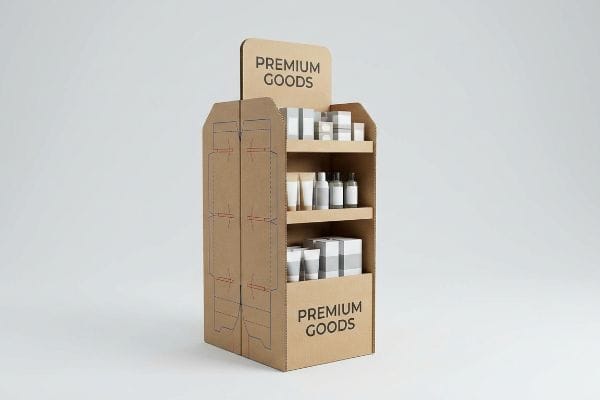
बिक्री बढ़ाने वाले कस्टम डिस्प्ले बनाने के लिए रणनीतिक इंजीनियरिंग की आवश्यकता होती है ताकि ग्राहकों का ध्यान आकर्षित किया जा सके और संरचनात्मक स्थिरता सुनिश्चित की जा सके। इस प्रक्रिया में स्ट्रक्चरल डाईलाइन इंजीनियरिंग, ग्राफिक प्री-प्रेस कैलिब्रेशन, नालीदार बोर्डों पर लिथो-लेमिनेशन और खुदरा विक्रेताओं के आयामों का कड़ाई से पालन शामिल है ताकि उत्पाद की उच्च दृश्यता और त्वरित खरीदारी सुनिश्चित की जा सके।.
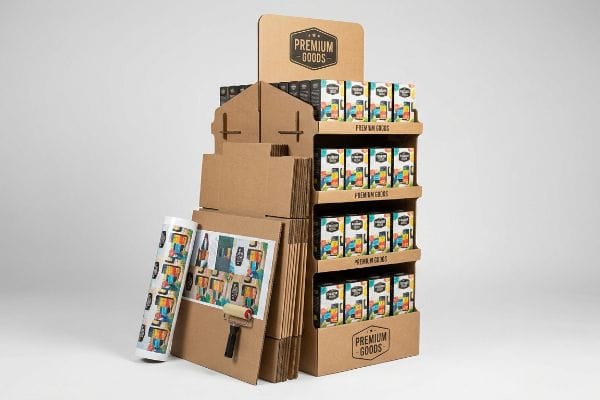
यदि आप केवल ग्राफिक्स पर ध्यान केंद्रित करते हैं, तो यूनिट के स्टोर में पहुंचने के बाद विनाशकारी विफलताओं का खतरा रहता है।.
बिक्री के लिए उत्पादों को कैसे प्रदर्शित करें?
सामान को शेल्फ पर यूं ही ढेर लगा देना, भीड़ में घुलमिल जाने का एक अचूक तरीका है।.
बिक्री के लिए उत्पादों को प्रभावी ढंग से प्रदर्शित करने के लिए, उच्च लाभ वाले उत्पादों को सुविधाजनक स्थान पर रखना आवश्यक है। यह रणनीति ग्राहकों की नज़र और पहुँच को अधिकतम करती है, जिससे यह सुनिश्चित होता है कि सामान आसानी से उपलब्ध रहे और साथ ही गलियारे की सफ़ाई और संरचनात्मक भार वितरण के लिए सार्वभौमिक खुदरा अनुपालन मानकों का पालन भी हो।.
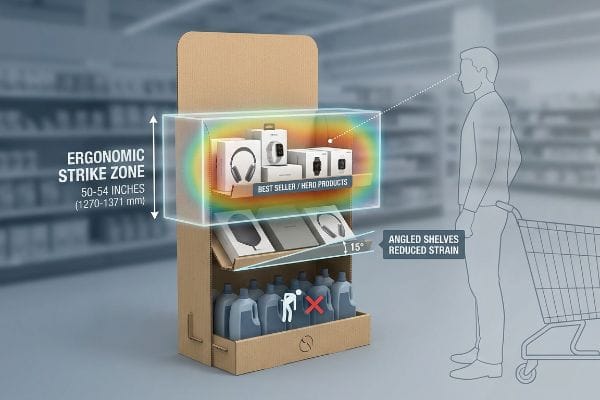
किसी खरीदार के सामने अपना उत्पाद रखना तो आधी लड़ाई है; उसे ठीक कहाँ रखना है, यही रूपांतरण दर निर्धारित करता है।.
एर्गोनॉमिक स्ट्राइक ज़ोन को अनुकूलित करना
कई ब्रांड टीमें ऊंचे, एकसमान फर्श यूनिट डिज़ाइन करती हैं , यह मानकर कि नालीदार कार्डबोर्ड का हर इंच बिक्री के लिए समान रूप से महत्वपूर्ण है। वे अक्सर अपने सबसे अधिक लाभ वाले उत्पादों को बेतरतीब ढंग से या फर्श के बहुत करीब रख देते हैं, जिससे खरीदार को झुकना पड़ता है। यह मानक दृष्टिकोण इस बात की अनदेखी करता है कि कोई व्यक्ति शॉपिंग कार्ट के साथ रिटेल गलियारे में कैसे चलता है ।
बिक्री के लिए उत्पादों को प्रदर्शित करने का मुख्य उद्देश्य खरीदार के लिए शारीरिक परेशानी को कम करना है। अनुभवी डिज़ाइनर भी अक्सर इस कमी को नज़रअंदाज़ कर देते हैं और डिस्प्ले को एक सपाट बिलबोर्ड की तरह इस्तेमाल करते हैं। मैं अक्सर देखता हूँ कि टीमें भारी तरल बोतलों को सबसे नीचे वाली ट्रे पर जबरदस्ती रखने की कोशिश करती हैं। जब मैं स्टोर क्लर्कों को इन बोतलों को खोलते हुए देखता हूँ, तो मुझे गत्ते के घिसटने की धीमी आवाज़ सुनाई देती है, क्योंकि भारी बेस ज़मीन पर घिसटता है, और ग्राहक बस आगे बढ़ जाते हैं क्योंकि नीचे झुकना उनके लिए बहुत मेहनत का काम होता है। मैं हमेशा एक सख्त हीट मैप का पालन करता हूँ: अपने मुख्य उत्पादों को 50 से 54 इंच (1270 से 1371 मिमी) की दूरीपर । इस सरल बदलाव से ग्राहकों को झुकने की ज़रूरत नहीं पड़ती, उनकी नज़रें सीधे उन पर पड़ती हैं और वे तुरंत उन्हें खरीद लेते हैं।
| नौसिखियों की आम गलती | प्रो फिक्स | रिटेल-फ्लोर लाभ |
|---|---|---|
| प्रमुख उत्पादों को टखने के स्तर पर रखना | 50-54 इंच (1371 मिमी) के स्ट्राइक ज़ोन को निशाना बनाएं3 | तत्काल आवेगपूर्ण पकड़ को बढ़ाता है |
| शेल्फों के बीच ऊपर से नीचे तक एकसमान दूरी | नीचे की अलमारियों को 15 डिग्री ऊपर की ओर झुकाना4 | खरीदारी के दौरान शारीरिक तनाव को कम करता है |
| ऊँची किनारों के पीछे वस्तुओं को छिपाना | सामने के रिटेनिंग लिप को 85% दृश्यता तक काटें5 | लेबल को स्पष्ट रूप से पढ़ना सुनिश्चित करता है |
मैं किसी भी कलाकृति को लगाने से पहले मुख्य उत्पाद को इस उपयुक्त ऊर्ध्वाधर स्थान पर मजबूती से प्रदर्शित करता हूँ। यदि आपका प्रमुख उत्पाद छाती की ऊँचाई पर ठीक से प्रदर्शित नहीं होता है, तो आप ग्राहकों को उसे अनदेखा करने के लिए प्रेरित कर रहे हैं।.
🛠️ हार्वे का डेस्क: क्या आप सुनिश्चित नहीं हैं कि आपकी शेल्फिंग लेआउट बड़े स्टोरों के दृश्यता क्षेत्रों के अनुरूप है या नहीं? 👉 मुझे अपनी डाइलाइन फ़ाइल भेजें ↗ — सीधे मेरे डेस्क तक पहुंच। मैं वादा करता हूं, कोई स्वचालित बिक्री स्पैम नहीं होगा।
व्यापारिक वस्तुओं के व्यापार में तीन का नियम क्या है?
खरीदारी करने वाले लोग गलियारे में चलते समय अलग-अलग शारीरिक चरणों में दृश्य जानकारी को संसाधित करते हैं।.
मर्चेंडाइजिंग में तीन का नियम एक भौतिक डिस्प्ले को इस तरह से संरचित करने का निर्देश देता है कि उपभोक्ताओं को तीन अलग-अलग स्थानिक दूरियों पर आकर्षित किया जा सके: तीस फीट (9.14 मीटर) पर दृश्य व्यवधान, तीन फीट (0.91 मीटर) पर विशिष्ट जुड़ाव और तीन इंच (76.2 मिमी) पर स्पर्श रूपांतरण, जिससे खरीदारी के लिए एक निरंतर मार्ग सुनिश्चित हो सके।.
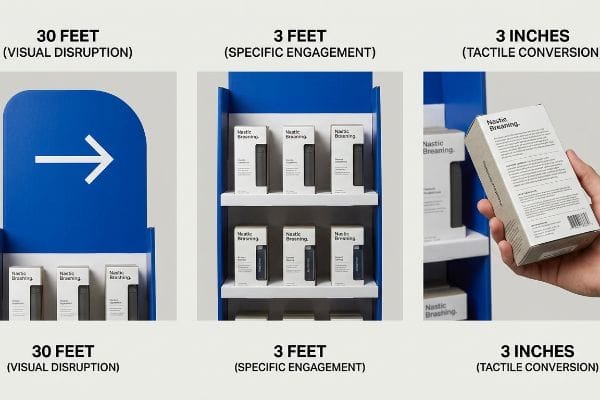
इस स्थानिक तर्क को लागू करने से आपका अभियान किसी विशाल गोदाम क्लब के दृश्य शोर में गुम होने से भौतिक रूप से बच जाता है ।
स्थानिक सहभागिता निरंतरता का अभिनिर्माण
मार्केटिंग टीमें अक्सर बैकलाइट वाली कंप्यूटर स्क्रीन पर ही अपने 3D रेंडरिंग की समीक्षा करती हैं, बारीक टेक्स्ट पढ़ने के लिए ज़ूम इन करती हैं। वे क्लोज-अप परिप्रेक्ष्य के आधार पर आर्टवर्क को मंजूरी देते हैं, यह मानते हुए कि खुदरा ग्राहक भी ठीक वैसा ही करेगा। यह सतही मूल्यांकन भौतिक वातावरण को पूरी तरह से अनदेखा करता है जहाँ डिस्प्ले को कठोर फ्लोरोसेंट प्रकाश और दर्जनों प्रतिस्पर्धी ब्रांडों से मुकाबला करना पड़ता है ।
मर्चेंडाइजिंग में तीन के नियम को समझने का मतलब है कि आपको दूरी के हिसाब से डिज़ाइन करना होगा, न कि सिर्फ़ बारीकियों के हिसाब से। एक आम गलती जो अनुभवी प्रोक्योरमेंट टीमों को भी फंसा लेती है, वह है मुख्य हेडर पर छोटी-छोटी फ़ीचर लिस्ट चिपका देना। एक बार मैंने एक खूबसूरत फ़्लैट-पैक यूनिट का रिव्यू किया जो कागज़ पर तो एकदम सही लग रही थी, लेकिन जब मैंने उसकी कठोर लिथो-लैमिनेटेड ऊपरी शीट पर हाथ फेरा, तो मुझे पता चल गया कि दूर से छोटा फ़ॉन्ट बिल्कुल भी पढ़ा नहीं जा सकेगा। ग्राहक उसके पास जाने की हिम्मत भी नहीं करेगा। मैंने क्लाइंट को सलाह दी कि वे टेक्स्ट को एक बड़े, डाई-कट स्ट्रक्चरल शेप और एक ही पैंटोन फ़्लड कलर से बदल दें ताकि 30 फ़ीट (9.14 मीटर) की विज़ुअल पुल7दिखे, और बारीक टेक्स्ट को सिर्फ़ 3 इंच (76.2 मिमी) के ज़ोन8 जहाँ फिजिकल प्रोडक्ट रखा होता है।
| नौसिखियों की आम गलती | प्रो फिक्स | रिटेल-फ्लोर लाभ |
|---|---|---|
| शीर्ष शीर्षकों पर छोटा पाठ | बड़े आकार के डाई-कट डिज़ाइन और ठोस रंग | यह 30 फीट (9.14 मीटर) की दूरी से यातायात खींचता है।9 |
| बीच की अलमारियां अव्यवस्थित हैं | एर्गोनोमिक उत्पाद रिक्ति | 3 फुट (0.91 मीटर) की बातचीत को सरल बनाता है10 |
| बॉक्स पर कुछ विवरण गायब हैं | भारी-भरकम सामग्री को खुदरा पैकेज में स्थानांतरित करना | 3 इंच (76.2 मिमी) रूपांतरण को संचालित करता है11 |
मैं संरचनात्मक तत्वों को इस तरह से डिज़ाइन करता हूँ कि ग्राहक के एक भी शब्द पढ़ने से पहले ही स्टोर के हर कोने से ध्यान आकर्षित हो जाए। उत्पाद बेचने से पहले आपको विज़ुअल रूप से पूरे गलियारे पर अपना दबदबा बनाना होगा।.
🛠️ हार्वे का डेस्क: क्या आपके स्ट्रक्चरल हेडर इतने आकर्षक हैं कि तीस फीट दूर से भी ट्रैफिक आकर्षित कर सकें? 👉 स्ट्रक्चरल असेसमेंट का अनुरोध करें ↗ — सुरक्षित रूप से डाउनलोड करें। बाद में कोई प्रश्न होने पर मेरा इनबॉक्स खुला है।
बिक्री बढ़ाने और लोगों का ध्यान आकर्षित करने के लिए स्टॉक और प्रचार सामग्री को कैसे प्रदर्शित किया जाए?
अपने रिटेल पैकेजिंग पर ब्रांड रिसर्च के हर पहलू को डाल देने से स्पष्टता नहीं, बल्कि अव्यवस्था पैदा होती है।.
स्टॉक और प्रचार सामग्री को प्रभावी ढंग से प्रदर्शित करने के लिए जटिल ब्रांड संदेशों को एक विशिष्ट, उच्च-विपरीत केंद्र बिंदु में समाहित करना आवश्यक है। यह वस्तुनिष्ठ अलगाव संज्ञानात्मक अतिभार को कम करता है, संरचनात्मक कटआउट और केंद्रित रंग क्षेत्रों का उपयोग करके तत्काल उपभोक्ता मनोविज्ञान को सक्रिय करता है और कठोर खुदरा वातावरण में आवेगपूर्ण बिक्री सुनिश्चित करता है।.
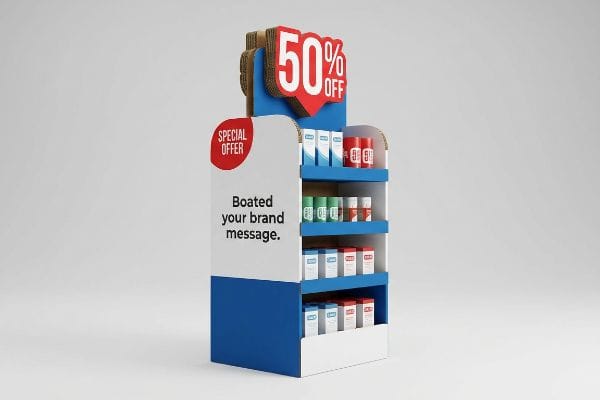
अव्यवस्थित प्रस्तुति उन ग्राहकों को शारीरिक रूप से विचलित करती है जो अपनी साप्ताहिक किराने की खरीदारी के दौरान जल्दबाजी में होते हैं।.
उद्देश्य-पृथक रणनीति
ब्रांड मैनेजर अक्सर डिस्प्ले के साइड पैनल और हेडर को अपने पूरे सीज़नल कैंपेन ब्रीफ के लिए एक खुले कैनवास की तरह इस्तेमाल करके अपने निवेश को अधिकतम करने की कोशिश करते हैं। वे उपभोक्ता व्यवहार प्रोफाइल, उपयोग के उदाहरण और जटिल क्रॉस-प्रमोशनल विवरण सूचीबद्ध करते हैं। एक साथ सात अलग-अलग मार्केटिंग उद्देश्यों को संप्रेषित करने के प्रयास में, भौतिक इकाई टेक्स्ट की एक घनी दीवार बन जाती है।
स्टॉक और प्रचार सामग्री प्रदर्शित करने का तरीका तय करते समय, आपको ब्रोशर की बजाय हाईवे बिलबोर्ड के बारे में सोचना चाहिए। खरीदारों द्वारा बुलेट पॉइंट्स से भरी हुई आर्टवर्क फाइलें भेजना बेहद आम बात है, जो हर मोड़ पर फैली होती हैं। मुझे याद है, नए लैमिनेटेड हेडर पर सूख रहे गीले पीवीए (पॉलीविनाइल एसीटेट) गोंद की गंध आ रही थी , और तब मुझे एहसास हुआ कि टेक्स्ट के घने पैराग्राफों ने मुख्य प्रचार प्रस्ताव को पूरी तरह से अदृश्य कर दिया था। ध्यान आकर्षित करने और बिक्री बढ़ाने के लिए, मैं एक उद्देश्य-अलगाव नियम लागू करता हूँ: गौण पाठ को हटा दें और एक विशाल 3 डी उभरे हुए तत्व का उपयोग करके एक प्राथमिक खरीद अवसर को लक्षित करें।
| नौसिखियों की आम गलती | प्रो फिक्स | रिटेल-फ्लोर लाभ |
|---|---|---|
| हेडर पर लंबे पैराग्राफ प्रिंट करना | एक ही, उच्च-विपरीत दृश्य संकेत का उपयोग करें | संज्ञानात्मक अतिभार को रोकता है14 |
| संरचनात्मक तहों के चारों ओर पाठ लपेटना | महत्वपूर्ण संदेशों को सपाट सतहों वाले पैनलों पर ही रखें। | पठनीय संदेश सुनिश्चित करता है |
| प्रचार के रंगों में परस्पर विरोधी | एक ठोस पीएमएस स्पॉट रंग वाला एंकर | दृश्य पहचान को गति देता है15 |
मैंने प्राथमिक संरचना पैनलों से गौण संदेशों को बेरहमी से हटा दिया ताकि मुख्य मूल्य प्रस्ताव तुरंत समझ में आ जाए। अगर जल्दबाजी में खरीदारी करने वाले ग्राहक को पढ़ना पड़े, तो समझिए कि आपने बिक्री खो दी है।.
🛠️ हार्वे का डेस्क: क्या अव्यवस्थित ग्राफ़िक लेआउट के कारण आपके ब्रांड का संदेश खो रहा है? 👉 प्रीप्रेस आर्टवर्क चेक करवाएं ↗ — ऐसे फ़ॉर्म नहीं जो अंतहीन सेल्स कॉल को ट्रिगर करें। बस शुद्ध मूल्य।
विजुअल मर्चेंडाइजिंग के माध्यम से बिक्री कैसे बढ़ाएं?
औद्योगिक मुद्रण की भौतिक सीमाओं का सामना करने पर उच्च स्तरीय दृश्य तकनीकें अक्सर बुरी तरह विफल हो जाती हैं।.
दृश्य सामग्री के माध्यम से बिक्री बढ़ाने के लिए प्रीमियम लेमिनेशन में रंग की सटीकता बनाए रखने हेतु सटीक प्रीप्रेस कैलिब्रेशन की आवश्यकता होती है। भौतिक रसायन मुद्रित पिगमेंट को बदल देता है, जिसके लिए ब्रांड पहचान को संरक्षित रखने और यह सुनिश्चित करने के लिए कि स्पर्शनीय फिनिश उच्च-कंट्रास्ट खुदरा दृश्यता को प्रभावित न करे, स्पेक्ट्रोफोटोमीटर स्कैन और गणितीय स्याही घनत्व समायोजन की आवश्यकता होती है।.
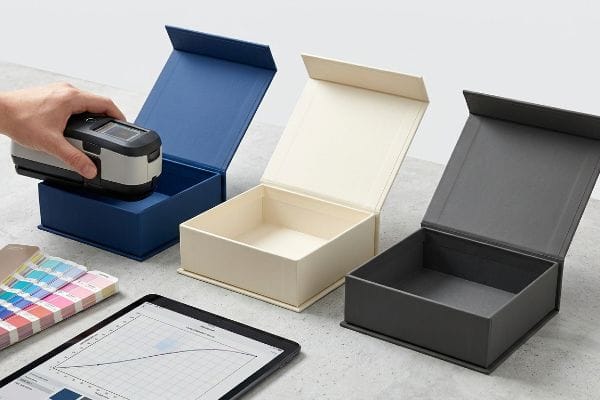
लेकिन जब प्रिंटिंग प्रेस चलने लगते हैं और रासायनिक प्रतिक्रियाएं शुरू हो जाती हैं, तो केवल सिद्धांत का ज्ञान होना पर्याप्त नहीं होता है।.
मानक रंग प्रोफाइल कारखाने में विफल क्यों हो जाते हैं?
खरीददार अक्सर सॉफ्ट टच थर्मल लेमिनेशन जैसी लग्जरी कॉस्मेटिक फिनिश को एक आसान सौंदर्य सुधार मान लेते हैं। वे सोचते हैं कि इस प्रीमियम फिल्म को लगाने से उनके मूल ब्रांड के रंग दिखने में अप्रभावित रहेंगे। वे अपने मॉनिटर पर चमकदार डिजिटल प्रूफ को मंजूरी दे देते हैं, जबकि उन्हें नालीदार बोर्ड पर फिल्म को चिपकाने के लिए आवश्यक सूक्ष्म भौतिक रसायन विज्ञान की जानकारी बिल्कुल नहीं होती।
मेरी सुविधा में , मैं अक्सर देखता हूँ कि यह सैद्धांतिक धारणा परीक्षण के दौरान ही किसी ब्रांड की दृश्य विपणन रणनीति को पूरी तरह से नष्ट कर देती है। वास्तविकता यह है कि सॉफ्ट टच फिल्म 17 की द्वि-अक्षीय रूप से उन्मुख बहुलक संरचना प्रकाश-अवशोषक निर्वात के रूप में कार्य करती है। फिल्म लगाने के बाद जब मैं D50 प्रकाश व्यवस्था के अंतर्गत मानक CMYK (सियान, मैजेंटा, येलो, की/ब्लैक) प्रिंट को मापता हूँ, तो स्पेक्ट्रोफोटोमीटर 4.8% का भारी कालापन 18 दर्शाता है , जिससे तुरंत डेल्टा-ई अनुपालन में विफलताएँ उत्पन्न होती हैं। इसे ठीक करने के लिए, मैं एक गणितीय प्रीप्रेस कटबैक वक्र का उपयोग करता हूँ, प्लेटों को जलाने से पहले ही कच्चे स्याही प्रोफाइल में 11.5% सियान बूस्ट मिला देता हूँ। स्पर्शनीय फिल्म के प्रकाश अवशोषण की भरपाई करके, मैं यह सुनिश्चित करता हूँ कि अंतिम लैमिनेटेड डिस्प्ले पूरी तरह से जीवंत बना रहे, जिससे ग्राहकों को बेकार सामग्री में अनुमानित $4,500 की बचत होती है और राष्ट्रीय स्तर पर लॉन्च के दौरान ब्रांड की व्यापक असंगति को रोका जा सकता है।
| नौसिखियों की आम गलती | प्रो फिक्स | रिटेल-फ्लोर लाभ |
|---|---|---|
| बिना लेमिनेटेड प्रूफ पर रंगों को मंजूरी देना | भौतिक लैमिनेटेड ड्रॉ-डाउन की स्कैनिंग19 | शेल्फ पर रंग की सटीकता की गारंटी देता है |
| फिल्म द्वारा प्रकाश के अवशोषण को अनदेखा करना | प्रीप्रेस स्याही घनत्व कटबैक वक्र20 | ब्रांड लोगो को धुंधला होने से बचाता है |
| यह मानते हुए कि सभी फिल्में पारदर्शी हैं | विशिष्ट सॉफ्ट-टच पॉलिमर का परीक्षण21 | उच्च कंट्रास्ट दृश्यता सुनिश्चित करता है |
प्रीमियम लेमिनेशन की बात हो तो मैं कभी भी सपाट डिजिटल फ़ाइल पर भरोसा नहीं करता। मैं प्रीप्रेस सॉफ़्टवेयर को पॉलीमर के साथ गणितीय रूप से काम करने के लिए बाध्य करता हूँ, जिससे यह सुनिश्चित होता है कि अंतिम दृश्य प्रभाव वास्तव में खुदरा बिक्री को बढ़ाए।.
🛠️ हार्वे की सलाह: 2 मिलीमीटर की संरचनात्मक खामी को 500 स्टोरों में अपना कारोबार ठप न करने दें। 👉 मुझे अपनी डाइलाइन फ़ाइल भेजें ↗ — बड़े पैमाने पर उत्पादन पर बजट बर्बाद करने से पहले मैं गणितीय गणनाओं की गहन जांच कर लूंगा।
निष्कर्ष
आप चाहें तो सस्ता वेंडर चुन सकते हैं, लेकिन जब लाइट-एब्जॉर्बिंग सॉफ्ट टच लैमिनेशन आपके ब्रांड के रंगों को लगभग 5% तक गहरा कर देता है, तो इससे डेल्टा-ई कंप्लायंस में गंभीर खामियां आ जाएंगी और महंगे रीप्रिंट्स के कारण प्रोजेक्ट का प्रॉफिट मार्जिन पूरी तरह खत्म हो जाएगा। मेरे टॉप 10 रिटेल क्लाइंट्स प्रिंट रिजेक्शन को रोकने के लिए इसी स्पेसिफिकेशन शीट का इस्तेमाल करते हैं। प्रीप्रेस केमिस्ट्री के बारे में अंदाजे लगाना बंद करें और मुझे पर्सनली आपकी फाइलों को अपने फ्री कलर प्रोफाइल ऑडिट ↗ ताकि मास प्रोडक्शन शुरू होने से पहले ही लैमिनेशन की गंभीर गलतियां पकड़ी जा सकें।
"जब सामान गलियारों में भर जाता है और खरीदारी की गाड़ियाँ ग्राहकों को घेर लेती हैं", https://pmc.ncbi.nlm.nih.gov/articles/PMC13102192/। मानव कारकों और एर्गोनॉमिक्स पर प्रामाणिक अध्ययन खरीदारी की गाड़ियों का उपयोग करते समय शेल्फ के साथ बातचीत करने वाले वयस्कों के लिए इष्टतम पहुँच और नेत्र-स्तर क्षेत्रों पर डेटा प्रदान करते हैं। साक्ष्य की भूमिका: तकनीकी सत्यापन; स्रोत प्रकार: एर्गोनॉमिक्स अध्ययन। समर्थन करता है: यह दावा कि जैव यांत्रिकी खरीदारी व्यवहार को प्रभावित करती है। कार्यक्षेत्र संबंधी टिप्पणी: सामान्यतः औसत वयस्क ऊँचाई पर लागू होता है। ↩
"रिटेल डिस्प्ले के 14 प्रकार | शिकागो, आईएल - वर्थाइमर बॉक्स", https://wertheimerbox.com/types-of-retail-displays/। [रिटेल डिज़ाइन मानक और एर्गोनॉमिक अनुसंधान अधिकतम दृश्य प्रभाव और पहुंच के लिए ऊर्ध्वाधर सीमा निर्दिष्ट करते हैं]। साक्ष्य भूमिका: तकनीकी विनिर्देश; स्रोत प्रकार: उद्योग मानक। समर्थन: उत्पाद प्लेसमेंट के लिए इष्टतम ऊंचाई। स्कोप नोट: लक्षित उपभोक्ता जनसांख्यिकी के आधार पर ऊंचाई भिन्न हो सकती है। ↩
"[PDF] खुदरा किराना स्टोरों के लिए दिशानिर्देश – एर्गोनॉमिक्स … – OSHA", https://www.osha.gov/sites/default/files/publications/OSHA3192.pdf। [विज़ुअल मर्चेंडाइजिंग या खुदरा एर्गोनॉमिक्स पर एक आधिकारिक स्रोत उच्च दृश्यता वाले उत्पाद प्लेसमेंट के लिए इष्टतम ऊर्ध्वाधर क्षेत्र पर डेटा प्रदान करता है]। साक्ष्य भूमिका: तकनीकी विनिर्देश; स्रोत प्रकार: उद्योग मानक। समर्थन: आवेगपूर्ण पकड़ के लिए ऊंचाई। कार्यक्षेत्र नोट: औसत लक्षित जनसांख्यिकीय ऊंचाई के आधार पर भिन्न हो सकता है। ↩
"खुदरा विक्रेता उत्पादों को आंखों के स्तर पर क्यों रखते हैं? – पॉपडिस्प्ले", https://popdisplay.me/why-do-retailers-place-products-at-eye-level/। [मानव कारक इंजीनियरिंग अध्ययनों से पता चलता है कि निचली अलमारियों को थोड़ा ऊपर की ओर झुकाने से खरीदारों की पीठ पर पड़ने वाला तनाव कम होता है और दृष्टि में सुधार होता है]। साक्ष्य की भूमिका: एर्गोनॉमिक अनुशंसा; स्रोत प्रकार: एर्गोनॉमिक अध्ययन। समर्थन: खरीदारों के शारीरिक तनाव में कमी। कार्यक्षेत्र संबंधी टिप्पणी: मुख्य रूप से सबसे निचले स्तर की अलमारियों पर लागू। ↩
"रिटेल शेल्फ की औसत ऊंचाई कितनी होती है? – पॉपडिस्प्ले", https://popdisplay.me/what-is-the-average-retail-shelf-height/। [विज़ुअल मर्चेंडाइजिंग दिशानिर्देश शेल्फ लिप की ऊंचाई और लेबल पठनीयता के लिए आवश्यक उत्पाद दृश्यता के प्रतिशत के बीच संबंध को मात्रात्मक रूप से दर्शाते हैं]। साक्ष्य भूमिका: डिज़ाइन मीट्रिक; स्रोत प्रकार: रिटेल डिज़ाइन गाइड। समर्थन: स्पष्ट लेबल पठन। स्कोप नोट: दृश्यता प्रतिशत विशिष्ट पैकेजिंग आयामों पर निर्भर हो सकता है। ↩
"गर्म/ठंडी सफेद रोशनी का दृश्य बोध और मनोदशा पर प्रभाव...", https://pmc.ncbi.nlm.nih.gov/articles/PMC8481791/। [दृश्य मर्चेंडाइजिंग पर साहित्य बताता है कि खुदरा दुकानों में परिवेशी प्रकाश और पर्यावरणीय शोर भौतिक प्रदर्शनों की दृश्यता और कथित कंट्रास्ट में कैसे बाधा डालते हैं]। साक्ष्य की भूमिका: तकनीकी औचित्य; स्रोत प्रकार: उद्योग नियमावली। समर्थन करता है: इस दावे का कि भौतिक वातावरण दृश्यता संबंधी ऐसी चुनौतियाँ पेश करते हैं जो डिजिटल समीक्षाओं में मौजूद नहीं होतीं। कार्यक्षेत्र संबंधी टिप्पणी: पारंपरिक ईंट-और-मोर्टार खुदरा दुकानों से संबंधित है। ↩
"विज़ुअल मर्चेंडाइजिंग में तीन का नियम क्या है?", https://proportionlondon.com/blog/what-is-the-rule-of-three/। [खुदरा स्थानिक डिज़ाइन पर एक प्रामाणिक मार्गदर्शिका पुष्टि करती है कि खरीदार की सहभागिता का पहला चरण लगभग 30 फीट की दूरी पर होता है]। साक्ष्य की भूमिका: तथ्यात्मक सत्यापन; स्रोत प्रकार: खुदरा डिज़ाइन हैंडबुक। समर्थन: प्रारंभिक दृश्य व्यवधान के लिए आवश्यक दूरी। कार्यक्षेत्र संबंधी टिप्पणी: मानक खुदरा गलियारे की चौड़ाई पर लागू। ↩
"रिटेल डिस्प्ले में तीन का नियम - द सौवेनियर कलेक्शन", https://thesouvenircollection.com/blog/the-rule-of-three-in-retail-displays/। [खरीदारी के स्थान पर होने वाली परस्पर क्रिया पर किए गए शोध में तीन इंच के उस क्षेत्र को निर्दिष्ट किया गया है जहाँ स्पर्श संबंधी जुड़ाव और सूक्ष्म विवरण का अध्ययन होता है]। साक्ष्य की भूमिका: तथ्यात्मक सत्यापन; स्रोत प्रकार: उपभोक्ता व्यवहार अध्ययन। समर्थन: स्पर्श संबंधी रूपांतरण के लिए दूरी। कार्यक्षेत्र संबंधी टिप्पणी: भौतिक उत्पाद परस्पर क्रिया तक सीमित। ↩
"साइनबोर्ड का उपयोग करके रिटेल में ग्राहकों की आवाजाही बढ़ाने के 21 तरीके", https://screencloud.com/retail/increase-footfall। [रिटेल विज़ुअल मर्चेंडाइजिंग पर एक प्रामाणिक स्रोत उस विशिष्ट दूरी की पुष्टि करेगा जिस पर उच्च-कंट्रास्ट साइनबोर्ड स्टोर के वातावरण में ग्राहकों को प्रभावी ढंग से आकर्षित करता है]। साक्ष्य की भूमिका: तथ्यात्मक सत्यापन; स्रोत का प्रकार: उद्योग डिज़ाइन मानक। समर्थन: बड़े डाई-कट आकार और ठोस रंगों की प्रभावशीलता। स्कोप नोट: गलियारे की चौड़ाई के आधार पर दूरियाँ भिन्न हो सकती हैं। ↩
"(PDF) स्टोर के भीतर यात्रा दूरी के प्रभाव का अनुमान लगाना...", https://www.researchgate.net/publication/265426977_Estimating_the_Effect_of_In-Store_Travel_Distance_on_Unplanned_Spending_Applications_to_Store_Layout_and_Mobile_Promotion_Strategies। [खुदरा एर्गोनॉमिक्स और खरीदार व्यवहार पर शोध आमतौर पर 3-फुट क्षेत्र को उत्पाद मूल्यांकन और बातचीत के लिए महत्वपूर्ण स्थान के रूप में परिभाषित करता है]। साक्ष्य भूमिका: तकनीकी विनिर्देश; स्रोत प्रकार: एर्गोनॉमिक अध्ययन। समर्थन: एर्गोनॉमिक उत्पाद रिक्ति का लाभ। कार्यक्षेत्र नोट: खरीदारी के 'चयन' चरण के लिए विशिष्ट। ↩
"छोटे व्यवसायों के लिए उत्पाद पैकेजिंग डिज़ाइन गाइड", https://www.vistaprint.com/hub/ultimate-guide-to-product-packaging-design?srsltid=AfmBOooow3MP1CREFf1osk1dh2y8wTTzGmJ5-Xf1uyPTh4VA0X35UUd5। [विपणन और पैकेजिंग डिज़ाइन मानक उस निकटवर्ती दूरी को दर्शाते हैं जहाँ विस्तृत पाठ अंतिम खरीद निर्णय का प्राथमिक चालक बन जाता है]। साक्ष्य की भूमिका: तकनीकी मापदंड; स्रोत प्रकार: पैकेजिंग डिज़ाइन मैनुअल। समर्थन: खुदरा पैकेज पर भारी पाठ्य सामग्री को स्थानांतरित करने की रणनीति। कार्यक्षेत्र संबंधी टिप्पणी: अंतिम निर्णय बिंदु पर लागू होता है। ↩
"पीवीए ग्लू - जल आधारित चिपकने वाले पदार्थ", https://www.intercol.info/index.php/pva-glue/। [खुदरा डिस्प्ले के लिए तकनीकी विनिर्माण दिशानिर्देश लैमिनेटेड हेडर की असेंबली के दौरान सब्सट्रेट को जोड़ने के लिए पॉलीविनाइल एसीटेट (पीवीए) के उपयोग की पुष्टि करेंगे]। साक्ष्य भूमिका: तकनीकी विनिर्देश; स्रोत प्रकार: औद्योगिक विनिर्माण दिशानिर्देश। सहायक: खुदरा हेडर की सामग्री संरचना। कार्यक्षेत्र नोट: प्रिंट फिनिशिंग में सामान्य चिपकने वाले पदार्थों के अनुप्रयोगों पर केंद्रित है। ↩
"आँखों की गति का उपयोग करके उपभोक्ता ध्यान और उत्तेजना का आकलन ...", https://pmc.ncbi.nlm.nih.gov/articles/PMC8380820/। [दृश्य विपणन और संज्ञानात्मक मनोविज्ञान में अनुसंधान इंगित करता है कि 3डी संरचनात्मक तत्वों के माध्यम से दृश्य स्पष्टता बढ़ाने से संज्ञानात्मक भार कम होता है और उपभोक्ता आकर्षण बढ़ता है]। साक्ष्य भूमिका: मनोवैज्ञानिक सिद्धांत; स्रोत प्रकार: विपणन अनुसंधान पत्र। समर्थन: आवेगपूर्ण बिक्री के लिए संरचनात्मक फोकल पॉइंट्स की प्रभावशीलता। कार्यक्षेत्र नोट: प्रभावशीलता उत्पाद श्रेणी के अनुसार भिन्न हो सकती है। ↩
"[PDF] संज्ञानात्मक भार सिद्धांत", https://www.mcw.edu/-/media/MCW/Education/Academic-Affairs/OEI/Faculty-Quick-Guides/Cognitive-Load-Theory.pdf। [संज्ञानात्मक मनोविज्ञान और UX डिज़ाइन में अनुसंधान इस दावे का समर्थन करता है कि पैकेजिंग पर पाठ की सघनता कम करने से उपभोक्ताओं के लिए सूचना का अत्यधिक बोझ कम होता है]। साक्ष्य की भूमिका: तथ्यात्मक समर्थन; स्रोत प्रकार: अकादमिक पत्रिका। समर्थन: न्यूनतम शीर्षकों और संज्ञानात्मक प्रसंस्करण के बीच संबंध। कार्यक्षेत्र संबंधी टिप्पणी: उपभोक्ता मनोविज्ञान पर केंद्रित। ↩
"रंग ब्रांड पहचान को 80% तक बढ़ाता है": इस अध्ययन की वास्तविक सामग्री...", https://www.insights4print.ceo/2019/02/color-increases-brand-recognition-by-80-the-real-contents-of-the-loyola-study-revealed/। [दृश्य धारणा पर किए गए विपणन अध्ययन यह दर्शाते हैं कि कैसे एक विशिष्ट, सुसंगत पीएमएस स्पॉट रंग भीड़भाड़ वाले खुदरा वातावरण में ब्रांड की तेजी से पहचान करने में सहायक होता है।] साक्ष्य की भूमिका: तथ्यात्मक समर्थन; स्रोत प्रकार: उद्योग अध्ययन या विपणन पाठ्यपुस्तक। समर्थन: ब्रांड स्मरण के लिए रंग एंकरिंग की प्रभावकारिता। कार्यक्षेत्र संबंधी टिप्पणी: दृश्य पहचान रणनीतियों तक सीमित। ↩
"लचीली पैकेजिंग के लिए लेमिनेटिंग चिपकने वाले पदार्थ | PDF – Scribd", https://www.scribd.com/document/493727446/laminationadhesives4flexibleandpaperpkg-191217022320. [सामग्री विज्ञान या पैकेजिंग इंजीनियरिंग स्रोत मुद्रित सब्सट्रेट पर थर्मल लेमिनेशन बॉन्डिंग में शामिल सतह ऊर्जा और पॉलिमर आसंजन प्रक्रियाओं की व्याख्या करेगा]। साक्ष्य भूमिका: तकनीकी सत्यापन; स्रोत प्रकार: उद्योग इंजीनियरिंग मैनुअल या सामग्री विज्ञान पत्रिका। समर्थन: यह दावा कि बॉन्डिंग प्रक्रियाएं जटिल हैं और अंतर्निहित प्रिंट को प्रभावित करती हैं। कार्यक्षेत्र नोट: विशेष रूप से नालीदार बोर्ड पर थर्मल लेमिनेशन पर लागू होता है। ↩
"द्विअक्षीय रूप से उन्मुख फिल्म आकृति विज्ञान पर ऊष्मा उपचार का प्रभाव...", https://pmc.ncbi.nlm.nih.gov/articles/PMC12174661/। [पॉलिमर प्रकाशिकी पर अकादमिक स्रोत यह समझाते हैं कि सॉफ्ट-टच फिल्मों में पॉलिमर का संरचनात्मक अभिविन्यास प्रकाश प्रकीर्णन और अवशोषण को कैसे प्रभावित करता है]। साक्ष्य की भूमिका: तकनीकी व्याख्या; स्रोत प्रकार: सामग्री विज्ञान पत्रिका। समर्थन: वर्णक के गहरे होने का भौतिक कारण। कार्यक्षेत्र संबंधी टिप्पणी: द्विअक्षीय रूप से उन्मुख पॉलीप्रोपाइलीन (बीओपीपी) और समान सब्सट्रेट पर लागू होता है। ↩
"[PDF] विभिन्न उपकरणों में रंग अंतर का मूल्यांकन", https://open.clemson.edu/cgi/viewcontent.cgi?article=2808&context=all_theses। [औद्योगिक रंग प्रबंधन मानक सॉफ्ट-टच लेमिनेशन के परिणामस्वरूप होने वाली विशिष्ट चमक (L*) में कमी और डेल्टा-E विचलन को प्रलेखित करेंगे]। साक्ष्य भूमिका: मीट्रिक सत्यापन; स्रोत प्रकार: मुद्रण उद्योग तकनीकी मैनुअल। समर्थन: रंग सटीकता पर मात्रात्मक प्रभाव। स्कोप नोट: फिल्म की मोटाई और वर्णक भार के आधार पर मान भिन्न हो सकते हैं। ↩
"बेहतर इंक ड्रॉडाउन बनाने की एक डिजिटल प्रक्रिया", https://www.pffc-online.com/news/16490-a-digital-process-to-create-better-ink-drawdowns। [औद्योगिक प्रिंट उत्पादन पर एक प्रामाणिक स्रोत यह समझाएगा कि लेमिनेशन परतों के कारण होने वाले रंग परिवर्तन को ध्यान में रखने के लिए लेमिनेटेड ड्रॉडाउन को स्कैन करना क्यों आवश्यक है]। साक्ष्य की भूमिका: तकनीकी सत्यापन; स्रोत का प्रकार: उद्योग पुस्तिका। समर्थन: रंग सटीकता के लिए भौतिक प्रमाणों की आवश्यकता। कार्यक्षेत्र संबंधी टिप्पणी: विशेष रूप से लेमिनेटेड फिनिश के लिए। ↩
"प्रिंट शब्दावली – चैंप प्रिंटिंग कंपनी इंक. | पिट्सबर्ग, पेंसिल्वेनिया", https://champprinting.com/resources/print-glossary/। [प्रीप्रेस वर्कफ़्लो पर तकनीकी दस्तावेज़ यह बताता है कि ब्रांड लोगो की स्पष्टता बनाए रखने के लिए फ़िल्मों में प्रकाश अवशोषण की भरपाई स्याही घनत्व कटबैक वक्र कैसे करते हैं]। साक्ष्य भूमिका: तकनीकी सत्यापन; स्रोत प्रकार: मुद्रण तकनीकी मैनुअल। सहायक: फ़िल्मों पर रंग धुंधलापन रोकने की विधि। कार्यक्षेत्र नोट: पारदर्शी या रंगीन फ़िल्मों पर लागू होता है। ↩
"सॉफ्ट टच कोटिंग | प्रिंटिंग और फिनिशिंग तकनीकें – सोर्सफुल", https://www.sourceful.com/explore/printing-types-and-finishes/soft-touch-coating। [सामग्री विज्ञान डेटा इस बात की पुष्टि करता है कि सॉफ्ट-टच पॉलीमर कोटिंग्स की पारदर्शिता और प्रकाश विसरण में भिन्नता होती है, जो मुद्रित ग्राफिक्स के कंट्रास्ट को सीधे प्रभावित करती है]। साक्ष्य की भूमिका: सामग्री विनिर्देश; स्रोत प्रकार: पॉलीमर विज्ञान पत्रिका। समर्थन: उच्च-कंट्रास्ट दृश्यता के लिए विशिष्ट सामग्रियों के परीक्षण की आवश्यकता। कार्यक्षेत्र नोट: सॉफ्ट-टच फिनिश पर केंद्रित। ↩