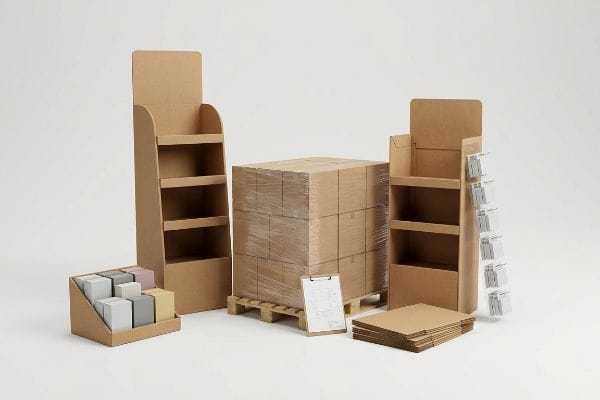
रिटेल बजट के बारे में अंदाजे लगाना बंद करें। अगर आप ऐसा डिस्प्ले चाहते हैं जो गोदाम के कठिन वातावरण में भी टिका रहे और गलियारे में सबसे अलग दिखे, तो आपको संरचनात्मक रूप से यह समझना होगा कि आप किस चीज के लिए भुगतान कर रहे हैं।.
पॉइंट ऑफ़ परचेज़ (POP) डिस्प्ले के मुख्य प्रकारों में फ्लोर स्टैंडिंग यूनिट, काउंटरटॉप ट्रे, पैलेट डिस्प्ले, शेल्फ मर्चेंडाइज़र और हैंग टैब शामिल हैं। सामग्री के चुनाव, संरचनात्मक जटिलता, प्रिंट फिनिश और उत्पादन मात्रा के आधार पर लागत में काफी अंतर होता है, जो आपके निवेश पर अंतिम रिटर्न और रिटेल शेल्फ पर आपके प्रदर्शन को काफी हद तक प्रभावित करता है।.
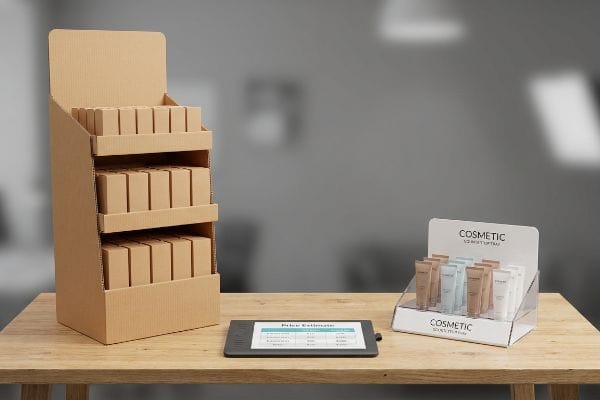
लेकिन जब डाई-कटिंग मशीनें चलने लगती हैं और भारी कंटेनर के दरवाजे जोर से बंद हो जाते हैं, तो सैद्धांतिक श्रेणियों को जानना ही पर्याप्त नहीं होता है।.
डिस्प्ले यूनिट के विभिन्न प्रकार क्या हैं?
बड़े फ्लोर मर्चेंडाइजर और कॉम्पैक्ट रजिस्टर यूनिट के बीच चयन करना आपके पूरे रिटेल स्पेस को निर्धारित करता है।
विभिन्न प्रकार की डिस्प्ले यूनिट्स में फ्लोर-स्टैंडिंग डिस्प्ले, काउंटरटॉप यूनिट्स, एंड-कैप्स, पावर विंग्स और पैलेट डिस्प्ले शामिल हैं। प्रत्येक प्रकार की डिस्प्ले यूनिट रिटेल वातावरण में एक विशिष्ट स्थानिक कार्य करती है, जिसे विशेष रूप से विभिन्न ट्रैफिक ज़ोन में उपभोक्ताओं का ध्यान आकर्षित करने के लिए डिज़ाइन किया गया है, साथ ही भार वहन क्षमता और आकार संबंधी सख्त सीमाओं का भी पालन करती है।.
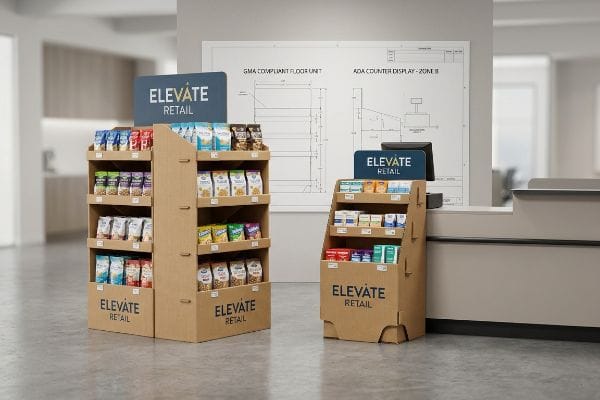
लेकिन जब मशीनें चलना शुरू हो जाती हैं और स्टोर मैनेजर फर्श के सटीक क्षेत्रफल का निरीक्षण करना शुरू कर देते हैं, तो सैद्धांतिक श्रेणियों को जानना ही पर्याप्त नहीं होता है।.
पीओएस इंजीनियरिंग में "सिकुड़कर फिट करने" का जाल
व्यापारिक कंपनियाँ अक्सर एक ऐसी स्केलेबल डिज़ाइन रणनीति पेश करती हैं जिसमें एक बड़ी फ्लोर यूनिट को आसानी से 50% तक छोटा करके काउंटरटॉप पीओएस (पॉइंट ऑफ सेल) डिस्प्ले के रूप में इस्तेमाल किया जा सकता है। वे मान लेते हैं कि स्थानिक ज्यामिति सभी स्टोर गलियारों में एक समान होती है। यह उत्तरी अमेरिकी खुदरा चैनलों में इन दो पूरी तरह से अलग-अलग ज़ोन 1 को निर्धारित करने वाले सख्त कानूनी और लॉजिस्टिकल नियमों की पूरी तरह से अनदेखी करता है।
यह धारणा खुदरा बिक्री के दौरान गंभीर समस्याएँ पैदा करती है। जब ब्रांड प्रबंधक चेकआउट काउंटर पर गोदाम के पैलेट के छोटे आकार के डिज़ाइन का उपयोग करने का प्रयास करते हैं , तो वे अक्सर बुनियादी स्टोर आवश्यकताओं का उल्लंघन करते हैं। काउंटरटॉप संस्करण ADA (अमेरिकन्स विद डिसेबिलिटीज एक्ट) की आगे की पहुँच सीमा 2 से अधिक हो सकता है, जबकि फर्श पर रखा संस्करण मानक GMA (ग्रोसरी मैन्युफैक्चरर्स एसोसिएशन) के आधार आयामों 3 के अनुरूप नहीं हो सकता है । सामान्य पैमाने पर डिज़ाइन बनाने के बजाय, सफल ब्रांड अपनी डिज़ाइन रणनीतियों को शुरुआत में ही अलग कर लेते हैं। फर्श पर आने-जाने वाले लोगों और चेकआउट ज़ोन के लिए स्पष्ट सीमाएँ निर्धारित करके, वे यह सुनिश्चित करते हैं कि उनके डिस्प्ले स्टोर प्रबंधकों को परेशान किए बिना ग्राहक के अनुभव में स्वाभाविक रूप से फिट हो जाएँ।
| अनुपालन रक्षा | रणनीतिक परिणाम | लॉजिस्टिक्स आरओआई |
|---|---|---|
| जीएमए और एडीए का पृथक्करण4 | विशिष्ट क्षेत्र अनुकूलन | स्टोर द्वारा अस्वीकृति को समाप्त करता है |
| सटीक पदचिह्न | गलियारे की बेहतर व्यवस्था | दृश्य प्रभाव को अधिकतम करता है |
| पहुँच सीमा योजना5 | एडीए के अनुरूप पदचिह्न | खुदरा विक्रेताओं की स्वीकृति प्रक्रिया को गति देता है |
सटीक ज्यामिति और विशिष्ट ज़ोन रणनीतियाँ आपके ब्रांड की प्रतिष्ठा की रक्षा करती हैं, आपके परिचालन बजट को बरकरार रखती हैं और साथ ही महंगे खुदरा विक्रेता अस्वीकृतियों को रोकती हैं।.
🛠️ हार्वे का डेस्क: क्या आपके मौजूदा फ्लोर और काउंटर डिस्प्ले विशिष्ट GMA और ADA स्थानिक मैट्रिक्स सीमाओं के अनुरूप डिज़ाइन किए गए हैं, या आप अनुपालन संबंधी जुर्माने का जोखिम उठा रहे हैं? 👉 मुफ़्त स्ट्रक्चरल BOM ऑडिट का अनुरोध करें ↗ — मैं 24 घंटों के भीतर हर स्ट्रक्चरल फ़ाइल की व्यक्तिगत रूप से समीक्षा करता हूँ।
पॉप-अप की कीमत आमतौर पर कितनी होती है?
किसी रिटेल अभियान के लिए बजट बनाते समय शुरुआती यूनिट मूल्य उद्धरण से आगे देखना आवश्यक है।.
पॉप-अप डिस्प्ले की कीमत आमतौर पर साधारण अस्थायी नालीदार मॉडल के लिए कुछ डॉलर से लेकर स्थायी मिश्रित सामग्री संरचनाओं के लिए सैकड़ों डॉलर तक होती है। अंतिम खर्च संरचनात्मक इंजीनियरिंग आवश्यकताओं, कच्चे माल के चयन, प्रिंट फिनिशिंग विधियों और आपके विशिष्ट खुदरा वितरण के लिए ऑर्डर की गई कुल उत्पादन मात्रा पर काफी हद तक निर्भर करता है।.
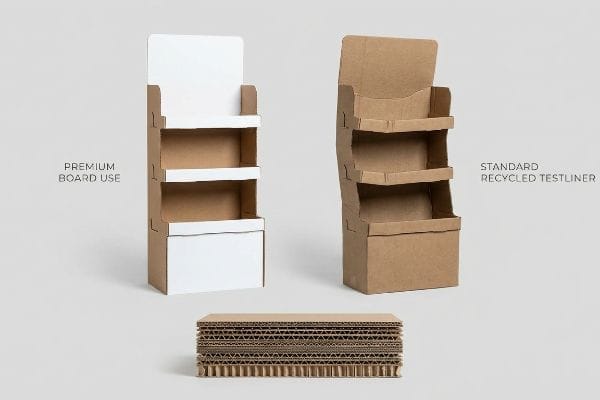
लेकिन जब भौतिक प्रोटोटाइप पर्यावरणीय परीक्षण कक्ष में पहुंचते हैं, तो एक सामान्य स्प्रेडशीट उद्धरण पर भरोसा करना बेहद खतरनाक हो जाता है।.
"टेस्टलाइनर" डाउनग्रेड की छिपी हुई लागत
खरीददार अक्सर यह मान लेते हैं कि आपूर्तिकर्ताओं को प्रीमियम सबस्ट्रेट्स के स्थान पर मानक पुनर्चक्रित टेस्टलाइनर का उपयोग करने की अनुमति देकर वे पैकेजिंग लागत में भारी कटौती कर सकते हैं। उनका मानना है कि जब तक मुद्रित ग्राफिक देखने में ठीक लगता है, तब तक अंतर्निहित कागज की गुणवत्ता एक अदृश्य कारक है। यह लंबी दूरी के समुद्री माल ढुलाई6 और उच्च आर्द्रता वाली खुदरा आपूर्ति श्रृंखलाओं की कठोर भौतिक मांगों को अनदेखा करता है।
कुछ पैसे बचाने के चक्कर में गलत सामग्री का चुनाव करना मौसमी प्रचार। जब सामान्य पुनर्चक्रित बोर्ड एक सामान्य वितरण केंद्र में लगातार होने वाली टूट-फूट और नमी के उतार-चढ़ाव का सामना करते हैं, तो डिस्प्ले की संरचनात्मक मजबूती में भारी गिरावट आती है।खुदरा विक्रेता उम्मीद करते हैं कि ये पॉप-अप यूनिट हफ्तों तक स्थिर और बिल्कुल नए जैसे दिखें। उच्च घनत्व वाली प्रीमियम सामग्री का उपयोग करने से यह सुनिश्चित होता है कि डिस्प्ले अपने जीवंत ग्राफिक्स और मजबूत आकार को बनाए रखे। बेहतर सामग्री में किया गया रणनीतिक निवेश यह सुनिश्चित करता है कि आपका ब्रांड अंतिम उपभोक्ता के सामने पूरी तरह से प्रस्तुत हो।
| सामग्री चयन | रणनीतिक परिणाम | अभियान आरओआई |
|---|---|---|
| प्रीमियम बोर्ड का उपयोग | बेहतर दृश्य कठोरता9 | अभियान की अवधि बढ़ाता है |
| उच्च घनत्व वाली नाली10 | ऊर्ध्वाधर समर्थन में वृद्धि | स्टैकेबिलिटी को सुरक्षित रूप से बढ़ाता है11 |
| उचित अंशांकन | विश्वसनीय खुदरा उपस्थिति | ब्रांड की प्रतिष्ठा की रक्षा करता है |
कम कीमत के लिए सामग्री की गुणवत्ता से समझौता करना एक खतरनाक जुआ है जो आपके अभियान के दृश्य प्रभाव और समग्र खुदरा सफलता से समझौता करता है।.
🛠️ हार्वे का डेस्क: क्या आपको अपने वर्तमान आपूर्तिकर्ता द्वारा उपयोग किए जा रहे नालीदार बोर्ड की सटीक फाइबर संरचना और नमी सहनशीलता के बारे में जानकारी है? 👉 मुफ़्त मटेरियल स्ट्रेस सिमुलेशन प्राप्त करें ↗ — 100% गोपनीय। आपके अप्रकाशित खुदरा डिज़ाइन मेरे पास सुरक्षित हैं।
विंडो डिस्प्ले के विभिन्न प्रकार क्या हैं?
खुदरा दुकानों के अंतिम छोरों को संरचनात्मक घटाव में महारत हासिल करना आवश्यक है।
विभिन्न प्रकार के विंडो डिस्प्ले में शॉप-थ्रू संरचनाएं, पारदर्शी ब्लिस्टर कार्ड, डाई-कट रिवील पैनल और ओपन-फेस्ड काउंटर यूनिट शामिल हैं। ये प्रारूप ठोस भौतिक अवरोधों को रणनीतिक रूप से हटाते हैं, खाली स्थान और संरचनात्मक पारगम्यता का उपयोग करके खुदरा शेल्फ पर आवश्यक भार वहन क्षमता को बनाए रखते हुए उत्पाद की प्रत्यक्ष दृश्यता को बढ़ाते हैं।.
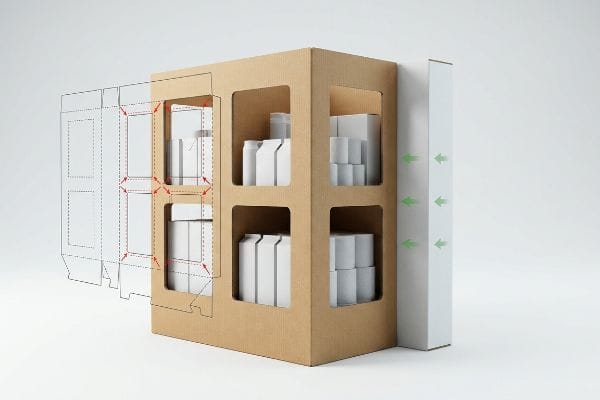
लेकिन किसी भार वहन करने वाली संरचना में विशालकाय दृश्य छेद खोदने से भारी यांत्रिक कमजोरी पैदा हो जाती है जब स्टील के रूल डाई बोर्ड से टकराते हैं।.
डाई-कट पारगम्यता के कारण फ्लूट का पतन क्यों होता है?
ब्रांड टीमें शॉप-थ्रू विंडो डिस्प्ले को बहुत पसंद करती हैं क्योंकि ये ग्राहकों को उत्पादों को 360 डिग्री से देखने की सुविधा देते हैं। डिज़ाइनर अक्सर अपनी CAD फ़ाइलों में बड़े-बड़े कटआउट बनाते हैं, यह मानकर कि बचे हुए पतले नालीदार खंभे आसानी से आवश्यक ऊपरी भार वहन कर लेंगे। वे भूल जाते हैं कि सामग्री हटाने से मूल रूप से पूरी इकाई की ऊर्ध्वाधर BCT (बॉक्स कम्प्रेशन टेस्ट) क्षमता नष्ट हो जाती है ।
व्यापक संरचनात्मक रणनीति को समायोजित किए बिना डिस्प्ले में बड़े दृश्य छिद्र बनाना एक आम व्यापारिक गलती है। जब कोई ब्रांड केवल विंडो के आकार को अधिकतम करने पर ध्यान केंद्रित करता है, तो व्यस्त खरीदारी के घंटों के दौरान शेष संरचना इन्वेंट्री को संभालने में संघर्ष करती है। शॉप-थ्रू डिज़ाइन को सफलतापूर्वक लागू करने के लिए, खुदरा विक्रेताओं को सौंदर्यपूर्ण दृश्यता और रणनीतिक सुदृढ़ीकरण के बीच संतुलन बनाना होगा। सहायक स्तंभों की आवश्यक चौड़ाई की सावधानीपूर्वक गणना करकेऔर डिस्प्ले के कोनों को पूरी तरह से सुदृढ़ करके, ब्रांड गलियारे की प्रस्तुति की मूलभूत स्थिरता का त्याग किए बिना वांछित 360-डिग्री उत्पाद दृश्यता प्राप्त कर सकते हैं।
| प्रदर्शन रणनीति | रणनीतिक परिणाम | मर्चेंडाइजिंग आरओआई |
|---|---|---|
| संतुलित कटआउट | संरचना की मजबूती बरकरार रखी गई | गलियारे में झुकने से रोकता है15 |
| विंडो अनुकूलन | उत्पाद की उच्च दृश्यता | इससे आवेगपूर्ण खरीदारी को बढ़ावा मिलता है16 |
| किनारा सुदृढ़ीकरण | डिस्प्ले के कोनों को स्थिर करता है17 | 360 डिग्री का दृश्य सुनिश्चित करता है |
वास्तविक व्यापारिक सफलता के लिए उत्पाद की व्यापक दृश्यता और पूरी इकाई में सुनियोजित, योजनाबद्ध संरचनात्मक सुदृढ़ीकरण के बीच संतुलन बनाए रखना आवश्यक है।.
🛠️ हार्वे का डेस्क: क्या आपके शॉप-थ्रू डिस्प्ले कटआउट डाई-कटिंग प्रक्रिया के दौरान आपकी वर्टिकल बीसीटी (स्ट्रक्चरल कंडक्टिव स्ट्रेस टेस्ट) की मजबूती को गुपचुप तरीके से कम कर रहे हैं? 👉 अपना 3डी स्ट्रक्चरल स्ट्रेस टेस्ट करवाएं ↗ — बीच में कोई अकाउंट मैनेजर नहीं। आप सीधे स्ट्रक्चरल इंजीनियरों से बात कर सकते हैं।
रिटेल पॉप डिस्प्ले क्या होते हैं?
तेजी से बिकने वाले उपभोक्ता सामान क्षेत्र में प्रभुत्व हासिल करने का मतलब है, माल बिक्री की भौतिक कार्यप्रणाली को समझना।.
रिटेल पीओपी डिस्प्ले रणनीतिक मर्चेंडाइजिंग यूनिट हैं जिन्हें सीधे खरीदारी के स्थान पर रखा जाता है ताकि ग्राहकों के खरीदारी व्यवहार को प्रभावित किया जा सके। ये संरचनाएं अस्थायी नालीदार डिब्बों से लेकर स्थायी एंड-कैप तक विभिन्न प्रकार की होती हैं, जिन्हें विशेष रूप से उत्पाद की दृश्यता को अधिकतम करने, स्टॉक भरने में आसानी प्रदान करने और अधिक भीड़भाड़ वाले स्टोर गलियारों में तत्काल आवेगपूर्ण बिक्री को बढ़ावा देने के लिए डिज़ाइन किया गया है।.
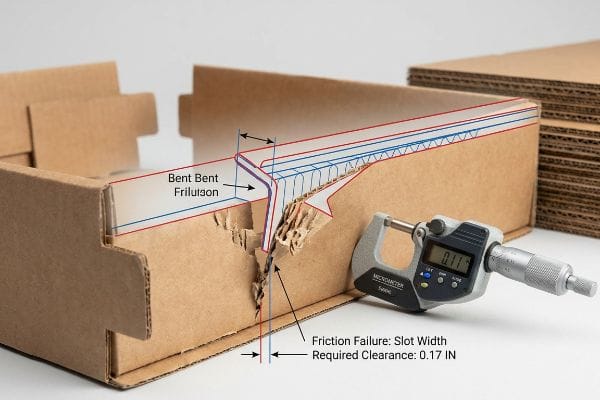
लेकिन अगर अंतिम असेंबली के दौरान भौतिक हिस्से आपस में ठीक से फिट नहीं होते हैं, तो स्क्रीन पर एक सुंदर यूनिट डिजाइन करने का कोई मतलब नहीं है।.
3PL को-पैकिंग में "घर्षण विफलता"
ग्राफिक डिज़ाइनर अक्सर इलस्ट्रेटर में इंटरलॉकिंग टैब और फोल्डिंग स्लॉट को ठीक उसी चौड़ाई पर बनाते हैं जिस चौड़ाई पर पैनल को जोड़ा जाता है। वे मान लेते हैं कि मानक डाई-लाइनें भौतिक रूप से पूरी तरह से मेल खाती हैं। यह मुड़े हुए नालीदार बोर्ड, और इस बात को नज़रअंदाज़ करता है कि किसी तीव्र मोड़ के दौरान सामग्री की मोटाई किस प्रकार स्थानिक आयतन को कम करती है।
यह सिर्फ़ सिद्धांत नहीं है—मैं परीक्षण के दौरान इसका सामना करता हूँ। एक प्रमुख ग्राहक मेरे पास एक सामान्य डिस्प्ले बॉक्स लेकर आया, जिसे एक तृतीय-पक्ष एजेंसी ने डिज़ाइन किया था और जो मानक 3PL (तृतीय-पक्ष लॉजिस्टिक्स) सह-पैकिंग असेंबली के दौरान बार-बार टूट रहा था। पहले तो मैंने सोचा कि मानक 32ECT बोर्ड18 ठीक रहेगा। मैं पूरी तरह गलत था। मैंने क्षतिग्रस्त प्रोटोटाइप की ऊपरी शीट फाड़ दी और इंटरलॉकिंग स्लॉट के चारों ओर पाउडर जैसे, फटे हुए कागज़ के रेशों को महसूस किया। स्लॉट बिल्कुल 0.11 इंच (2.7 मिमी) चौड़े थे, लेकिन मोटे B-फ्लूट को बिना फटे मोड़ने के लिए 0.17 इंच (4.3 मिमी) की जगह19 । मैंने अपने माइक्रोमीटर से रीडिंग ली और साबित किया कि मुझे महंगे प्लास्टिक क्लिप की ज़रूरत नहीं थी—मुझे बस एक सटीक टॉलरेंस शिफ्ट की ज़रूरत थी। मैंने पैरामीट्रिक डिज़ाइन का उपयोग करके प्रत्येक मोड़ पर स्वचालित रूप से एक एल्गोरिथम बेंड अलाउंस लागू किया, जिससे रिसीविंग स्लॉट पूरी तरह से फैल गए। स्प्रेडशीट में दिए गए अनुमानों के बजाय अत्यधिक पर्यावरणीय परीक्षण कक्षों पर भरोसा करके, मैंने भारी बाधाओं को दूर किया, जिससे मैनुअल असेंबली का समय लगभग 30% तक कम हो गया और परियोजना के लाभ मार्जिन में उल्लेखनीय वृद्धि हुई।
| संरचनात्मक सहनशीलता | भौतिक परिणाम | लॉजिस्टिक्स आरओआई |
|---|---|---|
| कैलिपर मुआवजा20 | बोर्ड की मोटाई को ध्यान में रखता है | स्लेश 3पीएल असेंबली घर्षण |
| पैरामीट्रिक स्लॉट साइजिंग21 | एल्गोरिथम क्लीयरेंस जोड़ा गया | फटे हुए कागज़ के टैब की समस्या को दूर करता है |
| एल्गोरिथम अंशांकन22 | बिल्कुल सही 90 डिग्री के मोड़ | शारीरिक श्रम को गति देता है |
शौकिया वेक्टर रेखाचित्रों का पेशेवर पूर्ति कार्यक्रम में कोई स्थान नहीं है, जहां भौतिक असेंबली लाइन की कठोर वास्तविकताओं के लिए इंजीनियरिंग एक परम आवश्यकता है।.
🛠️ हार्वे का डेस्क: क्या आपके इंटरलॉकिंग स्लॉट आपके नालीदार बोर्ड की भौतिक मोटाई के लिए गणितीय रूप से समायोजित हैं? 👉 अपना निःशुल्क डाइलाइन ऑप्टिमाइज़ेशन प्राप्त करें ↗ — मैं प्रत्येक संरचनात्मक फ़ाइल की व्यक्तिगत रूप से 24 घंटों के भीतर समीक्षा करता हूँ।
निष्कर्ष
आप सस्ता विक्रेता चुन सकते हैं, लेकिन जब उच्च आर्द्रता वाले गोदाम में 215.4 पाउंड (97 किलोग्राम) के भार के नीचे वह डाई-कट विंडो डिस्प्ले टूट जाता है, तो परिणामस्वरूप आधार में आई दरार से खुदरा विक्रेता तुरंत उत्पाद को अस्वीकार कर देंगे और आपका पूरा लाभ मार्जिन खत्म हो जाएगा। हाल ही में एक इंजीनियरिंग समीक्षा में उत्पादन से पहले एक बड़े राष्ट्रीय स्तर पर लॉन्च के दौरान 2 मिमी की घातक त्रुटि पकड़ी गई। खराब संरचनात्मक ज्यामिति पर अपने मार्केटिंग बजट को बर्बाद करना बंद करें और मुझे व्यक्तिगत रूप से आपके अगले खुदरा लॉन्च को इंजीनियर करने दें ↗ ताकि अधिकतम भार वहन क्षमता पर रिटर्न सुनिश्चित हो सके।
"काउंटरटॉप डिस्प्ले बनाम फ्लोर डिस्प्ले: आपके व्यवसाय के लिए कौन सा सही है...", https://www.customboxesandpackaging.com/blog/countertop-displays-vs.-floor-displays-which-is-right-for-your-business/। [उद्योग अनुपालन दस्तावेज़ और अग्नि सुरक्षा संहिताएं फ्लोर-स्टैंडिंग और काउंटरटॉप डिस्प्ले ज़ोन को अलग करने वाली विशिष्ट कानूनी और लॉजिस्टिकल बाधाओं को स्पष्ट करती हैं]। साक्ष्य की भूमिका: तथ्यात्मक सत्यापन; स्रोत प्रकार: नियामक दिशानिर्देश। समर्थन: अलग-अलग ज़ोन विनियमों का दावा। कार्यक्षेत्र नोट: उत्तरी अमेरिकी खुदरा चैनल। ↩
"ADA अभिगम्यता मानक – Access-Board.gov", https://www.access-board.gov/ada/। [आधिकारिक ADA मानक व्हीलचेयर पर बैठे व्यक्तियों के लिए अभिगम्यता सुनिश्चित करने हेतु आगे की ओर पहुँच के लिए अधिकतम ऊँचाई और गहराई निर्दिष्ट करते हैं]। साक्ष्य भूमिका: नियामक सत्यापन; स्रोत प्रकार: सरकारी विनियमन। समर्थन: काउंटरटॉप डिस्प्ले आयामों पर तकनीकी बाधा। कार्यक्षेत्र संबंधी टिप्पणी: विशेष रूप से सार्वजनिक खुदरा वातावरण में अभिगम्य डिज़ाइन पर लागू होता है। ↩
"जीएमए अमेरिकन पैलेट। आयाम, प्रकार और बहुत कुछ।", https://acrosslogistics.com/blog/en/american-pallet-gma। [जीएमए शिपिंग और रिटेल डिस्प्ले फुटप्रिंट्स में एकरूपता सुनिश्चित करने के लिए मानकीकृत पैलेट आयामों को परिभाषित करता है]। साक्ष्य भूमिका: तकनीकी विनिर्देश; स्रोत प्रकार: उद्योग मानक। समर्थन: लॉजिस्टिक्स फुटप्रिंट्स के साथ फ्लोर डिस्प्ले के संरेखण की आवश्यकता। कार्यक्षेत्र संबंधी टिप्पणी: मुख्य रूप से उत्तरी अमेरिकी किराना वितरण पर लागू होता है। ↩
"ADA सुलभ डिज़ाइन के मानक", https://www.ada.gov/law-and-regs/design-standards/। [खुदरा मानकों पर एक आधिकारिक उद्योग मार्गदर्शिका यह सत्यापित करेगी कि ग्रोसरी मैन्युफैक्चरर्स एसोसिएशन (GMA) और अमेरिकन्स विद डिसेबिलिटीज एक्ट (ADA) दोनों के दिशानिर्देशों का पालन करने से स्टोर स्तर पर शिपमेंट अस्वीकृति को रोका जा सकता है]। साक्ष्य की भूमिका: सत्यापन; स्रोत प्रकार: उद्योग मानक। समर्थन: खुदरा अनुपालन आवश्यकताएँ। कार्यक्षेत्र संबंधी टिप्पणी: अमेरिकी खुदरा परिवेशों के लिए विशिष्ट। ↩
"अध्याय 3: संचालन योग्य भाग – Access-Board.gov", https://www.access-board.gov/ada/guides/chapter-3-operable-parts/। [सुलभ डिज़ाइन के लिए ADA मानक पहुँच सीमा के लिए विशिष्ट माप प्रदान करते हैं ताकि यह सुनिश्चित किया जा सके कि सामान और POS इंटरफ़ेस विकलांग व्यक्तियों द्वारा उपयोग किए जा सकें]। साक्ष्य भूमिका: तकनीकी विनिर्देश; स्रोत प्रकार: सरकारी विनियमन। समर्थन: डिस्प्ले डिज़ाइन में ADA अनुपालन। कार्यक्षेत्र टिप्पणी: ADAAG मानकों को संदर्भित करता है। ↩
"वर्जिन बनाम रिसाइकल्ड बोर्ड - वीयू रिसर्च रिपॉजिटरी", https://vuir.vu.edu.au/18233/1/ZHAO_1993compressed.pdf। [तकनीकी पैकेजिंग मानक दर्शाते हैं कि रिसाइकल्ड टेस्टलाइनर में प्रीमियम वर्जिन सबस्ट्रेट्स की तुलना में नमी प्रतिरोध और फटने की क्षमता कम होती है, जिससे यह नम शिपिंग वातावरण में विफल होने की संभावना रखता है]। साक्ष्य की भूमिका: तकनीकी सत्यापन; स्रोत प्रकार: औद्योगिक इंजीनियरिंग हैंडबुक। समर्थन: इस दावे का कि सबस्ट्रेट्स को बदलने से संरचनात्मक जोखिम बढ़ता है। कार्यक्षेत्र नोट: विशेष रूप से नालीदार फाइबरबोर्ड के प्रदर्शन पर लागू होता है। ↩
“संपीड़न सामर्थ्य पर सापेक्ष आर्द्रता का प्रभाव…”, https://open.clemson.edu/all_theses/3225/। [पुनर्चक्रित कागज फाइबर के हाइग्रोस्कोपिक गुणों का तकनीकी विश्लेषण और वितरण केंद्रों में आर्द्रता किस प्रकार एज क्रश टेस्ट (ECT) मानों को कम करती है]। साक्ष्य भूमिका: तकनीकी सत्यापन; स्रोत प्रकार: पदार्थ विज्ञान श्वेतपत्र। समर्थन: लॉजिस्टिक्स वातावरण में निम्न-श्रेणी के पुनर्चक्रित सामग्रियों के उपयोग का जोखिम। कार्यक्षेत्र नोट: नालीदार फाइबरबोर्ड के प्रदर्शन से संबंधित।] ↩
"पेपरबोर्ड बनाम कार्डबोर्ड: पैकेजिंग विकल्पों में इनका चयन कैसे करें", https://www.mtdpack.com/paperboard-vs-cardboard-how-fit-into-packaging-choices/। [उच्च घनत्व वाले लाइनर्स और मानक पुनर्चक्रित बोर्डों की संपीडन शक्ति और स्याही अवशोषण दरों की तुलना करने वाले उद्योग मानक]। साक्ष्य की भूमिका: तकनीकी विनिर्देश; स्रोत प्रकार: पैकेजिंग उद्योग मानक। समर्थन: प्रीमियम सामग्रियों की दीर्घायु और सौंदर्य स्थिरता। संदर्भ नोट: तुलना सामग्री घनत्व और जीएसएम पर आधारित है।] ↩
"रिजिड बनाम क्राफ्ट बनाम कार्डबोर्ड बनाम नालीदार सामग्री - iPackU", https://ipacku.com/blog/rigid-kraft-cardboard-corrugated-materials/?srsltid=AfmBOoqSMeop6LhKTBURAVjZ7DyZg-41Fs-xOrXE7gx1JZ3ZBO5Y9KaK। [सेल्यूलोज-आधारित बोर्डों पर सामग्री विज्ञान के अध्ययन से पता चलता है कि उच्च श्रेणी के लाइनर पर्यावरणीय तनाव के तहत विरूपण और झुकाव को कम करते हैं]। साक्ष्य की भूमिका: तकनीकी विनिर्देश; स्रोत प्रकार: सामग्री विज्ञान पत्रिका। समर्थन: खुदरा अभियानों का सौंदर्यपूर्ण रखरखाव। कार्यक्षेत्र नोट: प्रीमियम लाइनरबोर्ड ग्रेड पर केंद्रित। ↩
"पैकेजिंग पर नालीदार खांचे के प्रकारों का प्रभाव", https://yfpackagingsb.com/the-impacts-of-corrugated-flute-types-on-packaging/। [उद्योग पैकेजिंग मानक बताते हैं कि प्रति रैखिक फुट खांचों की संख्या बढ़ाने से नालीदार सामग्रियों की ऊर्ध्वाधर संपीड़न शक्ति कैसे बढ़ती है]। साक्ष्य भूमिका: तकनीकी विनिर्देश; स्रोत प्रकार: उद्योग नियमावली। समर्थन: खुदरा डिस्प्ले की संरचनात्मक अखंडता। कार्यक्षेत्र नोट: नालीदार कार्डबोर्ड सब्सट्रेट पर लागू होता है। ↩
"कॉरुगेटेड बॉक्स - एज क्रश टेस्ट (ECT) | TheBoxery.com", https://www.theboxery.com/ect.asp?srsltid=AfmBOoooe-z0BxCoY_94eaNDhjYWV9x7hiJywj_IjJ-cfeqxs7eNstZL. [एज क्रश टेस्ट (ECT) से संबंधित इंजीनियरिंग डेटा फ्लूटिंग घनत्व और पैकेजिंग की अधिकतम सुरक्षित स्टैकिंग ऊंचाई के बीच सीधा संबंध दर्शाता है]। साक्ष्य भूमिका: तकनीकी मीट्रिक; स्रोत प्रकार: पैकेजिंग इंजीनियरिंग मानक। सहायक: रसद और भंडारण सुरक्षा। कार्यक्षेत्र नोट: उपयोग किए गए विशिष्ट फ्लूटिंग प्रोफाइल पर निर्भर करता है। ↩
"कॉरुगेटेड बोर्ड बॉक्स की संपीडन सामर्थ्य का अनुमान...", https://pmc.ncbi.nlm.nih.gov/articles/PMC9864211/। [पैकेजिंग इंजीनियरिंग पर एक प्रामाणिक स्रोत यह समझाएगा कि कॉरुगेटेड बोर्ड में ऊर्ध्वाधर दीवार के क्षेत्रफल को कम करने से BCT मान आनुपातिक रूप से कैसे घटता है]। साक्ष्य भूमिका: तकनीकी सत्यापन; स्रोत प्रकार: पैकेजिंग इंजीनियरिंग मैनुअल। समर्थन: सामग्री निष्कासन और संरचनात्मक भार वहन क्षमता के बीच संबंध। कार्यक्षेत्र नोट: विशेष रूप से कॉरुगेटेड कार्डबोर्ड संरचनाओं पर लागू होता है। ↩
"स्टोरफ्रंट विंडो डिस्प्ले की पारदर्शिता के प्रभावों का विश्लेषण...", https://dail.human.cornell.edu/projectsdail/analyzing-the-effects-of-storefront-window-display-transparency-on-perceived-store-attractiveness-and-approach-behavior। पैकेजिंग के लिए एक संरचनात्मक अभियांत्रिकी मार्गदर्शिका यह दर्शाएगी कि अत्यधिक सामग्री हटाने से डिस्प्ले की भार वहन क्षमता और ऊर्ध्वाधर संपीड़न शक्ति कैसे कम हो जाती है। साक्ष्य की भूमिका: तकनीकी सत्यापन; स्रोत प्रकार: पैकेजिंग अभियांत्रिकी मैनुअल। समर्थन: विंडो के आकार और संरचनात्मक कमजोरी के बीच संबंध। कार्यक्षेत्र संबंधी टिप्पणी: विशेष रूप से नालीदार बोर्ड सामग्री से संबंधित है। ↩
"लंबाई, चौड़ाई, ऊँचाई: बॉक्स के आयामों को समझें", https://www.myboxprinting.com/blog/length-width-height/। खुदरा डिस्प्ले के लिए औद्योगिक डिज़ाइन मानक, इन्वेंट्री के कुल वजन और उपयोग की गई सामग्री के फ्लूट ग्रेड के आधार पर न्यूनतम कॉलम चौड़ाई निर्धारित करने के लिए विशिष्ट सूत्र प्रदान करते हैं। साक्ष्य भूमिका: तकनीकी विनिर्देश; स्रोत प्रकार: औद्योगिक डिज़ाइन हैंडबुक। समर्थन: स्थिरता के लिए सटीक संरचनात्मक गणनाओं की आवश्यकता। कार्यक्षेत्र नोट: भार वहन करने वाली खुदरा शेल्फिंग तक सीमित। ↩
"कस्टम कार्डबोर्ड डिस्प्ले गाइड | रिटेल डिस्प्ले सॉल्यूशंस", https://cosourceglobal.com/blogs/cardboard-display-1/custom-cardboard-displays-retail-display-guide। [नालीदार कार्डबोर्ड के लिए संरचनात्मक अभियांत्रिकी दिशानिर्देश बताते हैं कि संतुलित डाई-कट किस प्रकार गुरुत्वाकर्षण केंद्र को बनाए रखते हैं ताकि रिटेल गलियारों में संरचनात्मक झुकाव को रोका जा सके]। साक्ष्य भूमिका: तकनीकी सत्यापन; स्रोत प्रकार: संरचनात्मक अभियांत्रिकी गाइड। समर्थन: संतुलित कटआउट की स्थिरता। कार्यक्षेत्र नोट: विशेष रूप से उच्च-प्रोफ़ाइल नालीदार एंड-कैप्स पर लागू होता है। ↩
"ग्राहकों की आवेगपूर्ण खरीदारी पर दृश्य मर्चेंडाइजिंग का प्रभाव...", https://www.researchgate.net/publication/340962199_Impact_of_Visual_Merchandising_on_Customer_Impulse_buying_behavior_in_retail_stores_in_Sudan। [विपणन अनुसंधान से पता चलता है कि खुदरा डिस्प्ले में अनुकूलित दृश्य सुगमता और उत्पाद दृश्यता आवेगपूर्ण खरीदारी दरों में वृद्धि से संबंधित है]। साक्ष्य की भूमिका: अनुभवजन्य सत्यापन; स्रोत प्रकार: सहकर्मी-समीक्षित विपणन पत्रिका। समर्थन: विंडो अनुकूलन का ROI। स्कोप नोट: प्रभावशीलता उत्पाद श्रेणी और मूल्य बिंदु के अनुसार भिन्न होती है। ↩
"कार्डबोर्ड कॉर्नर और एज प्रोटेक्टर | पीएफआई", https://packagingforindustry.com/products/corner-and-edge-protection/। [पैकेजिंग उद्योग मानक बताते हैं कि एज रीइन्फोर्समेंट किस प्रकार कोनों को ढहने से रोकता है और डिस्प्ले की भार वहन क्षमता को बनाए रखता है]। साक्ष्य भूमिका: तकनीकी विनिर्देश; स्रोत प्रकार: उद्योग मानक। समर्थन: एज रीइन्फोर्समेंट की भूमिका। स्कोप नोट: प्रभावशीलता कार्डबोर्ड के फ्लूट ग्रेड पर निर्भर करती है। ↩
"32 ECT नालीदार बॉक्स विनिर्देश: संपूर्ण मार्गदर्शिका – लैंसबॉक्स", https://lansbox.com/32-ect-corrugated-box-specs/। [उद्योग मानक नालीदार फाइबरबोर्ड की स्टैकिंग क्षमता को मापने के लिए एज क्रश टेस्ट (ECT) रेटिंग को परिभाषित करते हैं, जिसमें 32ECT हल्के खुदरा डिस्प्ले के लिए एक सामान्य विनिर्देश है]। साक्ष्य भूमिका: उद्योग मानक; स्रोत प्रकार: तकनीकी विनिर्देश। समर्थन: सामग्री शक्ति गुण। स्कोप नोट: ECT मान नमी और निर्माता के आधार पर थोड़ा भिन्न हो सकते हैं। ↩
"[PDF] नालीदार बोर्ड की बेंडिंग कठोरता", https://www.fpl.fs.usda.gov/documnts/pdf1992/luo92a.pdf। [पैकेजिंग इंजीनियरिंग मैनुअल, फोल्डिंग के दौरान संरचनात्मक विफलता और फाइबर फटने से बचाने के लिए बी-फ्लूट नालीदार बोर्ड के लिए आवश्यक स्लॉट टॉलरेंस और बेंड अलाउंस निर्दिष्ट करते हैं]। साक्ष्य भूमिका: तकनीकी विनिर्देश; स्रोत प्रकार: इंजीनियरिंग हैंडबुक। समर्थन: सामग्री फोल्डिंग के लिए ज्यामितीय आवश्यकताएं। स्कोप नोट: विशिष्ट क्लीयरेंस उपयोग किए गए बोर्ड के विशिष्ट कैलिपर पर निर्भर हो सकते हैं]। ↩
"मोटाई परीक्षण – पैकेजिंग और यूनिट लोड डिज़ाइन केंद्र", https://unitload.vt.edu/facilities/corrugated-packaging-lab/thickness-testing.html। [कॉरुगेटेड पैकेजिंग इंजीनियरिंग पर एक प्रामाणिक स्रोत बताता है कि कैलिपर कम्पेनसेशन किस प्रकार सामग्री की मोटाई के आधार पर संरचनात्मक आयामों को समायोजित करता है ताकि सटीक असेंबली सुनिश्चित हो सके।] साक्ष्य भूमिका: तकनीकी परिभाषा; स्रोत प्रकार: इंजीनियरिंग हैंडबुक। समर्थन: बोर्ड की मोटाई और असेंबली घर्षण के बीच संबंध। कार्यक्षेत्र नोट: विशेष रूप से कॉरुगेटेड कार्डबोर्ड सब्सट्रेट पर लागू होता है। ↩
"[PDF] ज्यामितीय और अनुकूलन का विकास और एकीकरण …", https://open.clemson.edu/cgi/viewcontent.cgi?article=1388&context=all_dissertations. [संरचनात्मक पैकेजिंग डिज़ाइन के लिए उद्योग मानक पैरामीट्रिक स्लॉट साइज़िंग को असेंबली के लिए आवश्यक क्लीयरेंस प्रदान करने हेतु परिवर्तनीय एल्गोरिदम के उपयोग के रूप में वर्णित करते हैं।] साक्ष्य भूमिका: तकनीकी प्रक्रिया; स्रोत प्रकार: पैकेजिंग सॉफ़्टवेयर दस्तावेज़ीकरण। समर्थन: 3PL असेंबली के दौरान फटे हुए पेपर टैब की रोकथाम। कार्यक्षेत्र नोट: CAD-आधारित पैकेजिंग डिज़ाइन पर केंद्रित। ↩
"क्रीजिंग विधियाँ, फोल्ड लाइन इंजीनियरिंग और असेंबली सर्वोत्तम अभ्यास", https://boxagency.co/blog/rigid-packaging-folding-guide/?srsltid=AfmBOooWE4t-0NjN3UgUEN2Ma0jHuByeWSTBE7uiECI3YtjZ4F9tb68a। [सटीक डाई-कटिंग और फोल्डिंग पर तकनीकी गाइड बताती हैं कि कैसे एल्गोरिथम कैलिब्रेशन संरचनात्मक स्थिरता के लिए सटीक बेंड कोण सुनिश्चित करता है।] साक्ष्य भूमिका: तकनीकी विनिर्देश; स्रोत प्रकार: विनिर्माण मानक। समर्थन: पूर्ण 90-डिग्री बेंड की प्राप्ति। कार्यक्षेत्र नोट: स्वचालित फोल्डिंग और स्कोरिंग मशीनरी से संबंधित। ↩