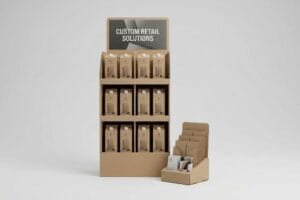
आप खुदरा बिक्री अभियानों को डिजाइन करने में भारी बजट खर्च करते हैं, लेकिन फिर भी ग्राहक उन्हें नजरअंदाज कर देते हैं। ग्राहकों की आवाजाही को मापने योग्य बिक्री में बदलने का एकमात्र तरीका एक सुव्यवस्थित संरचना है।.
खरीदारी के स्थान पर प्रदर्शित वस्तुओं की प्रभावशीलता रणनीतिक स्थान निर्धारण, उच्च-विपरीत दृश्य व्यवधान और मजबूत संरचनात्मक अखंडता पर निर्भर करती है। ये खुदरा उपकरण प्रारंभिक रुचि और भौतिक रूपांतरण के बीच की खाई को पाटते हैं, और अंतिम क्षणों में आवेगपूर्ण खरीदारी को प्रेरित करने के लिए खरीदार के मनोविज्ञान को निर्देशित करते हैं।.
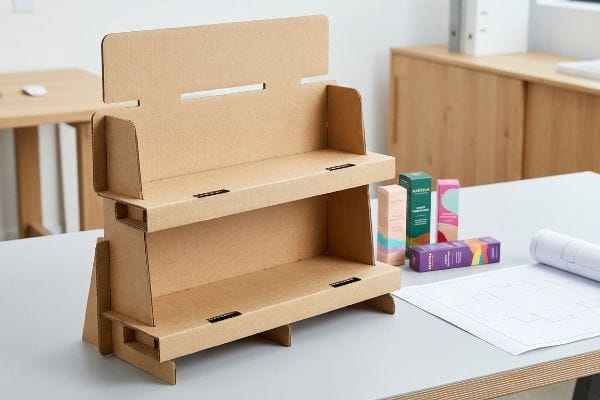
लेकिन अगर बड़े स्टोरों की वास्तविक परिस्थितियों में आपका ढांचागत क्रियान्वयन विफल हो जाता है, तो उनकी सैद्धांतिक शक्ति को समझना व्यर्थ है। आइए समझते हैं कि वास्तव में उन्हें सही तरीके से कैसे बनाया जाए।.
पॉइंट-ऑफ-परचेस पीओपी प्रमोशन डिस्प्ले का एक नुकसान क्या है?
खूबसूरत ग्राफिक्स को देखकर खुदरा बिक्री की वास्तविक परिस्थितियों से अनजान न रह जाएं।.
पॉइंट-ऑफ-परचेज़ डिस्प्ले का एक नुकसान यह है कि वे स्थानिक खुदरा विक्रेता अनुपालन कानूनों के प्रति अत्यधिक संवेदनशील होते हैं। यदि कोई संरचनात्मक इकाई निर्धारित अग्र पहुंच सीमाओं का उल्लंघन करती है या विशिष्ट गलियारे की ऊंचाई से अधिक हो जाती है, तो फ्लोर मैनेजर तुरंत उस महंगे मर्चेंडाइज़र को अस्वीकार कर देंगे और हटा देंगे, जिससे आपका पूरा भौतिक विपणन अभियान पूरी तरह से व्यर्थ हो जाएगा।.
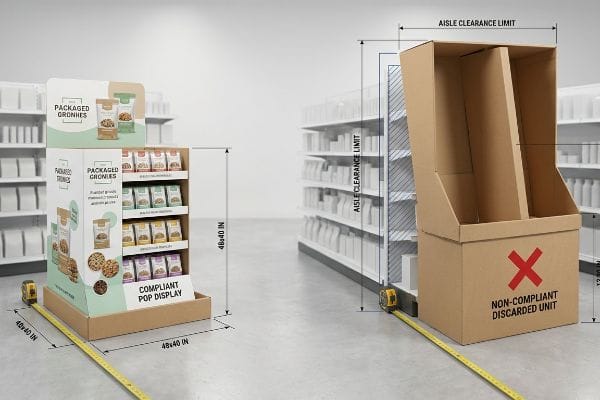
किसी स्टोर के गलियारे की भौतिक सीमाओं को समझना उतना ही महत्वपूर्ण है जितना कि हेडर बोर्ड पर छपी ब्रांडिंग।.
एडीए बनाम जीएमए स्थानिक संघर्ष
यहां तक कि अनुभवी डिज़ाइनर भी अक्सर भौतिक खुदरा वातावरण को नियंत्रित करने वाले सख्त ज़ोनिंग नियमों को नज़रअंदाज़ कर देते हैं।¹ वे एक सुंदर, विशाल फ्लोर यूनिट डिज़ाइन करते हैं , यह मानकर कि एक खुदरा विक्रेता अत्यधिक लाभदायक उत्पाद के लिए प्रीमियम गलियारे की जगह खुशी-खुशी छोड़ देगा। यह सैद्धांतिक आशावाद मानक वेयरहाउसिंग संचालन द्वारा अनिवार्य कठोर लॉजिस्टिकल फुटप्रिंट को पूरी तरह से अनदेखा करता है।
मुझे यह समस्या रोज़ देखने को मिलती है जब कोई ग्राहक मूल ज्यामिति को बदले बिना पीओपी (पॉइंट-ऑफ-परचेज़) फ्लोर डिस्प्ले को पीओएस (पॉइंट-ऑफ-सेल) काउंटर यूनिट में छोटा करने की कोशिश करता है। एक बार मैंने एक स्टोर क्लर्क को पसीना बहाते हुए देखा, जो एक गैर-अनुरूप, बड़े आकार के नालीदार बेस को चेकआउट काउंटर पर जबरदस्ती फिट करने की कोशिश कर रहा था। कच्चे पेपरबोर्ड का लैमिनेट के साथ रगड़ने से भारी घर्षण हो रहा था। यूनिट ने एडीए (अमेरिकन्स विद डिसेबिलिटीज एक्ट) के सख्त 15 से 48 इंच( 381 से 1219 मिमी) की आगे की पहुंच सीमा का उल्लंघन किया। परिणामस्वरूप, रिटेलर ने पूरे बल्क शिपमेंट को सीधे कंपैक्टर में फेंक दिया। आपको अपने पीओपी फ्लोर फाइलों को जीएमए (ग्रोसरी मैन्युफैक्चरर्स एसोसिएशन) की 48×40 इंच (1219×1016 मिमी) पैलेट सीमाअनुसार, और अपने चेकआउट ज़ोन इंजीनियरिंग से सीएडी (कंप्यूटर-एडेड डिज़ाइन) गणित को स्थायी रूप से अलग रखना होगा।
| नौसिखियों की आम गलती | प्रो फिक्स | रिटेल-फ्लोर लाभ |
|---|---|---|
| खुदरा पहुंच कानूनों की अनदेखी करना4 | इंजीनियरिंग विशिष्ट पीओएस मॉडल | तत्काल स्टोर अस्वीकृति को रोकता है |
| पैलेट फाइलों का आकार 50% कम करना | POP और POS गणित को अलग करना | इससे रीडिजाइन में लगने वाले घंटों की बचत होती है। |
| लकड़ी के आधार के ऊपर लटका हुआ | 0.5 इंच (12.7 मिमी) सीएडी ऑफसेट5 | डॉक पर कोनों के कुचलने को रोकता है |
मैं किसी भी फ्लोर मर्चेंडाइज़र को पूरी तरह से ढांचागत जांच किए बिना चेकआउट ज़ोन में जाने नहीं देता। पहले से ही सटीक अनुपालन गणना लागू करने से यह सुनिश्चित होता है कि आपकी इकाइयाँ प्राप्त होने के दौरान सुरक्षित रहें और कानूनी अड़चनों के बिना इच्छित रिटेल गलियारे तक पहुँच जाएँ।.
🛠️ हार्वे का डेस्क: क्या आप इस बात को लेकर असमंजस में हैं कि आपका फ्लोर यूनिट खुदरा पहुंच संबंधी मानक कानूनों का उल्लंघन करता है या नहीं? 👉 मुफ़्त अनुपालन जांच करवाएं ↗ — सीधे मेरे डेस्क से संपर्क करें। मैं वादा करता हूं, कोई स्वचालित बिक्री स्पैम नहीं होगा।
प्रभावी पॉइंट-ऑफ-परचेस पीओपी डिस्प्ले को क्या करना चाहिए?
किसी डिस्प्ले को डिजाइन करना केवल सामान रखने के बारे में नहीं है; यह मानव व्यवहार को नियंत्रित करने के बारे में है।.
प्रभावी पॉइंट-ऑफ-परचेज़ पॉप डिस्प्ले को दूर से ही तुरंत ध्यान आकर्षित करना चाहिए, पास आने पर लक्षित उपभोक्ताओं की रुचि जगाना चाहिए और उत्पाद को आसानी से प्राप्त करने में सहायता प्रदान करनी चाहिए। यह डिज़ाइन किया गया तीन-चरणीय व्यवहारिक फ़नल संज्ञानात्मक अतिभार को सक्रिय रूप से रोकता है और भीड़भाड़ वाले रिटेल गलियारों में सहज आवेगपूर्ण खरीदारी को अधिकतम करता है।.
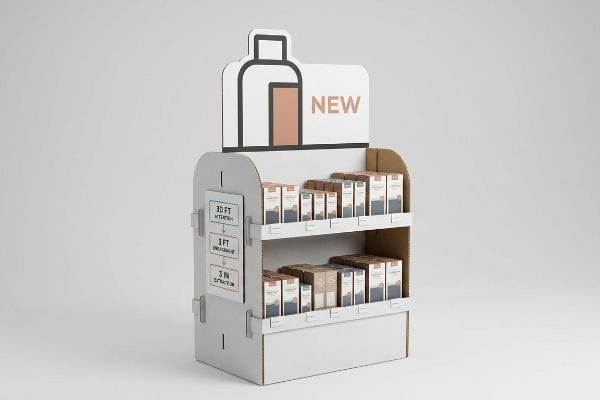
आपको भौतिक लेआउट को इस तरह से डिजाइन करना होगा कि खरीदार की नजर आसानी से सीधे उत्पाद के प्राथमिक मूल्य प्रस्ताव पर केंद्रित हो जाए।.
3-3-3 स्थानिक सहभागिता नियम को सक्रिय करना
मार्केटिंग टीमें अक्सर रिटेल के नालीदार डिस्प्ले को खाली सूचनात्मक कैनवस की तरह इस्तेमाल करती हैं, और उन्हें ब्रांड के इतिहास के विस्तृत पैराग्राफों से भर देती हैं। वे मान लेते हैं कि ग्राहक खरीदारी करने से पहले भीड़भाड़ वाली गलियों में खड़े होकर हर एक बिंदु को पढ़ेंगे। वास्तविकता में, आधुनिक बड़े-बड़े स्टोर तेज़ गति वाले वातावरण होते हैं जहाँ दृश्य अव्यवस्था ग्राहकों को आकर्षित करने के बजाय उन्हें दूर भगाती है ।
यह एक आम समस्या है जो अनुभवी खरीद टीमों को भी फंसा लेती है, खासकर जब नए एसकेयू (स्टॉक कीपिंग यूनिट) लॉन्च किए जाते हैं। मुझे अक्सर ऐसे प्रीप्रेस फाइलों को रोकना पड़ता है जहां ग्राहक एक ही हेडर बोर्ड पर सात अलग-अलग मार्केटिंग संदेश छापने की कोशिश करते हैं। इसका नतीजा यह होता है कि तेज फ्लोरोसेंट रोशनी में सीएमवाईके (सियान, मैजेंटा, येलो, की/ब्लैक) स्याही की धुंधली, चकाचौंध भरी चमक मुख्य उत्पाद को पूरी तरह से छिपा देती है। इसे ठीक करने के लिए, मैं "3-3-3 नियम" लागू करता हूं। हम 30 फीट (9.1 मीटर) दूर से ध्यान खींचने7, लिए 50 इंच (1270 मिमी) की ऊंचाई पर शेल्फ स्ट्राइक ज़ोन को ऑप्टिमाइज़ करते हैं8 , और अंतिम 3 इंच (76.2 मिमी) की दूरी से 85% दृश्यता सुनिश्चित करने के लिए सामने के रिटेनिंग लिप को काटते हैं। खरीदारी की मनोवैज्ञानिक प्रतिक्रिया को जगाने के लिए आपको अपने मुख्य उत्पाद को पूरी तरह से अलग करना होगा।
| नौसिखियों की आम गलती | प्रो फिक्स | रिटेल-फ्लोर लाभ |
|---|---|---|
| पाठ के पैराग्राफ प्रिंट करना | स्पॉट रंग दृश्य व्यवधान | 30 फीट की दूरी से ही ध्यान आकर्षित करता है9 |
| महत्वपूर्ण वस्तुओं को बहुत नीचे रखना | 50 इंच (1270 मिमी) का स्ट्राइक ज़ोन10 | त्वरित और सहज निर्णय लेने में सहायक |
| उच्च प्रतिधारण शेल्फ होंठ | 85% उत्पाद दृश्यता नियम11 | उत्पाद निकालने में होने वाली परेशानी को दूर करता है |
मैं कारखाने में अनावश्यक मार्केटिंग सामग्री को हटा देता हूँ क्योंकि संज्ञानात्मक अतिभार खराब मूल्य निर्धारण से भी तेज़ी से बिक्री को कम करता है। विशिष्ट स्थानिक जुड़ाव क्षेत्रों को डिज़ाइन करके, मैं गारंटी देता हूँ कि आपका अभियान जल्दबाज़ी में खरीदारी करने वालों को वहीं रोक देगा।.
🛠️ हार्वे का डेस्क: क्या आपके मौजूदा शेल्फ लिप्स आपके उत्पाद की मुख्य विज़ुअल ब्रांडिंग को ग्राहकों से छुपा रहे हैं? 👉 विज़िबिलिटी ऑडिट का अनुरोध करें ↗ — सुरक्षित रूप से डाउनलोड करें। बाद में कोई प्रश्न होने पर मेरा इनबॉक्स खुला है।
पॉइंट ऑफ़ परचेज़ डिस्प्ले की कीमत कितनी होती है?
आपकी यूनिट की कीमत रिटेल में लॉन्च करने की वास्तविक लागत का केवल एक अंश है।.
पॉइंट-ऑफ-परचेज़ डिस्प्ले की लागत सीधे आधार सामग्री की गुणवत्ता, संरचनात्मक जटिलता और कुल उत्पादन मात्रा पर निर्भर करती है। हालांकि मानक अस्थायी कार्डबोर्ड संरचनाएं आकर्षक प्रारंभिक मूल्य प्रदान करती हैं, लेकिन महत्वपूर्ण संरचनात्मक खांचों की गुणवत्ता कम करने और प्रीमियम कॉस्मेटिक लेमिनेशन के लिए धन जुटाने से परिवहन के दौरान होने वाले भारी नुकसान के कारण कुल लॉजिस्टिक्स खर्च में भारी वृद्धि हो जाती है।.
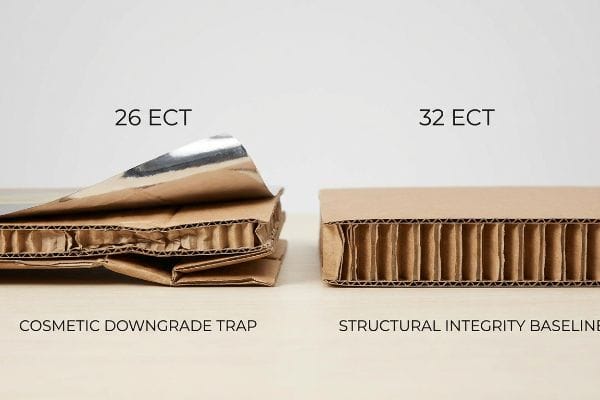
भौतिक निवेशों का मूल्यांकन केवल उनकी प्रारंभिक मुद्रण लागत के आधार पर करना व्यापक संरचनात्मक विफलता का सीधा मार्ग है।.
कॉस्मेटिक ईटीसी डाउनग्रेड ट्रैप
ब्रांड अक्सर शुरुआती यूनिट कीमत पर ही अत्यधिक ध्यान केंद्रित करते हैं, प्रीमियम कॉस्मेटिक फिनिश को अनिवार्य मानते हैं और साथ ही बजट में भारी कटौती की मांग करते हैं। हिसाब-किताब को सही रखने के लिए, खरीद टीमें अक्सर सतह के नीचे मौजूद संरचनात्मक नालीदार बोर्ड (12 इंच ) को खोखला करने की कोशिश करती हैं । उनका मानना है कि जब तक बाहरी हिस्सा चमकदार और महंगा दिखता है, तब तक आंतरिक कागज की सघनता मायने नहीं रखेगी।
इसे ऐसे समझिए जैसे किसी सस्ते प्लास्टिक चेसिस पर एक लग्जरी स्पोर्ट्स कार बनाई जा रही हो। मैं अक्सर देखता हूं कि ग्राहक चुपके से एक बेहतरीन 32 ECT (एज क्रश टेस्ट) बोर्ड को हटाकर एक घटिया 26 ECT बोर्ड लगा लेते हैं, सिर्फ इसलिए कि उन पर भारी फॉइल स्टैम्पिंग करवाई जा सके। मॉनिटर पर तो यह खूबसूरत दिखता है, लेकिन असलियत तब सामने आती है जब मैं ISTA 14 (इंटरनेशनल सेफ ट्रांजिट एसोसिएशन) वाइब्रेशन टेस्टिंग के दौरान 250 पाउंड (113.3 किलोग्राम) के टॉप-लोड के नीचे उस खोखले बोर्ड के टूटने की तेज, कर्कश आवाज सुनता हूं। दिखावटीपन के लिए सस्ते कच्चे माल के पीछे भागने के बजाय, मैं एक सख्त संरचनात्मक मानक लागू करता हूं। हम उच्च दक्षता वाले जलीय लिक्विड कोटिंग्स का उपयोग करके घनी आंतरिक फ्लूटिंग को बहाल करते हैं और प्रीमियम विजुअल रिफ्लेक्शन प्राप्त करते हैं, जिससे आपके भौतिक लाभ मार्जिन और यूनिट की संरचनात्मक मजबूती दोनों सुरक्षित रहती हैं।
| नौसिखियों की आम गलती | प्रो फिक्स | रिटेल-फ्लोर लाभ |
|---|---|---|
| ईटीसी रेटिंग में गिरावट | वर्जिन 32 ईसीटी बोर्ड 15 को लागू करना | भारी पैलेट स्टैकिंग को झेल सकता है |
| महंगी पन्नी की फिल्मों की खरीद | उच्च-ठोस चमक वाले जलीय 16 का उपयोग करते हुए | इससे प्रति इकाई लागत में स्वाभाविक रूप से कमी आती है |
| केवल इकाई मूल्य पर ध्यान केंद्रित करना | कुल ट्रांजिट ROI की गणना करना | रिटेलर द्वारा किए जाने वाले चार्जबैक को समाप्त करता है17 |
मैं किसी डिस्प्ले के भौतिक ढांचे को चमकीली बाहरी फिनिश के लिए कुर्बान करने से इनकार करता हूँ। वास्तविक लागत-दक्षता एक ऐसी संरचनात्मक नींव तैयार करने से आती है जो यह सुनिश्चित करती है कि आपका सामान खुदरा बिक्री के लिए तैयार होने तक की कठिन यात्रा को सुरक्षित रूप से पार कर ले।.
🛠️ हार्वे का डेस्क: क्या आप प्रीमियम सरफेस लेमिनेशन के लिए बोर्ड की महत्वपूर्ण मजबूती से समझौता कर रहे हैं? 👉 अपनी संरचनात्मक लागत ऑडिट रिपोर्ट प्राप्त करें ↗ — कोई फॉर्म नहीं जो अंतहीन सेल्स कॉल को ट्रिगर करे। बस शुद्ध मूल्य।
प्वाइंट ऑफ सेल डिस्प्ले के क्या फायदे और नुकसान हैं?
चेकआउट काउंटर के लिए एक विशाल अभियान को छोटा करने से पूरी तरह से नई संरचनात्मक भौतिकी सामने आती है।.
प्वाइंट-ऑफ-सेल डिस्प्ले के फायदे और नुकसान उनके छोटे आकार और सख्त संरचनात्मक मानकों के इर्द-गिर्द केंद्रित हैं। हालांकि वे बहुत अधिक जगह की आवश्यकता के बिना चेकआउट के दौरान होने वाली तात्कालिक बिक्री को बखूबी आकर्षित करते हैं, लेकिन भारी नालीदार खांचों को गलत तरीके से छोटा करने से गंभीर सूक्ष्म घर्षण उत्पन्न होता है जो फैक्ट्री असेंबली और समग्र ब्रांड सौंदर्यशास्त्र को बुरी तरह प्रभावित करता है।.
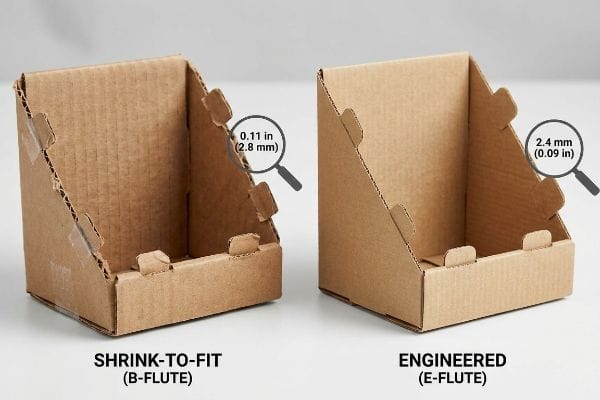
किसी टेस्टिंग लैब में एक छोटी काउंटरटॉप यूनिट को सही तरीके से खड़ा करना आसान है, लेकिन जब आप बड़ी मात्रा में उत्पादों की शिपिंग करते हैं तो कठोर वास्तविकता सामने आती है।.
मानक श्रिंक-टू-फिट पीओएस कारखाने में विफल क्यों हो जाता है?
कई ब्रांड यह मान लेते हैं कि चेकआउट काउंटर के लिए सफल फ्लोर कैंपेन को छोटा करना केवल फाइल के आकार को पचास प्रतिशत कम करने का मामला है। उनका मानना है कि एक सार्वभौमिक डाईलाइन सभी आकारों में एक समान व्यवहार करती है, और वे इस खतरनाक धारणा पर काम करते हैं कि मोटी नालीदार सामग्री को बिना किसी भौतिक नुकसान के छोटे ज्यामितीय आकार में मोड़ा जा सकता है ।
मेरी फैक्ट्री में, मैं अक्सर देखता हूँ कि जब खरीदार "सिकुड़कर फिट करने" वाले डिज़ाइन जमा करते हैं, तो सैद्धांतिक आशावाद भौतिक भौतिकी के नियमों से बुरी तरह टकरा जाता है। जब आप गणितीय रूप से एक भारी बी-फ्लूट डाईलाइन को कम करते हैं, तो आंतरिक तह सहनशीलता असंभव रूप से 0.11 इंच (2.8 मिमी)19। मैं प्रीप्रेस फ्लोर पर इन सूक्ष्म-स्तरों को मापता हूँ और देखता हूँ कि कागज के घने रेशे झुकने का कितना ज़ोरदार विरोध करते हैं, जिसके परिणामस्वरूप ऊपरी लाइनर के फ्लूट से टूटकर अलग होने की तेज़ और निराशाजनक आवाज़ आती है। मैं इस समस्या को बहुत पतले ई-फ्लूट (माइक्रो-फ्लूट) सब्सट्रेट20 । इस 2.4 मिमी (0.09 इंच) सहनशीलता समायोजन को सख्ती से लागू करके, मैं यह सुनिश्चित करता हूँ कि को-पैकिंग असेंबली का समय प्रति यूनिट 45 सेकंड कम हो जाए, जिससे ग्राहकों को मैनुअल श्रम शुल्क में भारी बचत होती है और साथ ही टेप से चिपकाए गए अव्यवस्थित दृश्य से भी पूरी तरह छुटकारा मिलता है।
| नौसिखियों की आम गलती | प्रो फिक्स | रिटेल-फ्लोर लाभ |
|---|---|---|
| मोटी बी-बांसुरी फ़ाइलों को सिकोड़ना | पतले ई-बांसुरी बोर्ड की ओर मुड़ना21 | साफ-सुथरे 90-डिग्री फोल्ड सुनिश्चित करता है |
| छोटे घर्षण तालों को जबरदस्ती लगाना | सीएडी स्लॉट क्लीयरेंस का विस्तार करना22 | भौतिक संयोजन की प्रक्रिया को गति देता है |
| मरम्मत के लिए पारदर्शी टेप का उपयोग करना | माइक्रो-टैब संरचनात्मक इंजीनियरिंग23 | उच्च गुणवत्ता वाली सुंदरता को बनाए रखता है |
मैं कभी भी फिजिकल कैलिपर अलाउंस की दोबारा गणना किए बिना श्रिंक-टू-फिट फाइल को बड़े पैमाने पर उत्पादन में नहीं जाने देता। इन सूक्ष्म संरचनात्मक सहनशीलताओं को पहले से ही ठीक करना ही आपके चेकआउट अभियान को असेंबली की परेशानी में बदलने से बचाने का एकमात्र तरीका है।.
🛠️ हार्वे की सलाह: 2 मिलीमीटर की संरचनात्मक खामी को 500 स्टोरों में अपना कारोबार ठप न करने दें। 👉 मुझे अपनी डाइलाइन फ़ाइल भेजें ↗ — बड़े पैमाने पर उत्पादन पर बजट बर्बाद करने से पहले मैं गणितीय गणनाओं की गहन जांच कर लूंगा।
निष्कर्ष
आप सबसे सस्ते कार्डबोर्ड विक्रेता की तलाश कर सकते हैं, लेकिन जब वह खोखला 26 ECT बोर्ड गोदाम के भारी पैलेटों के नीचे बुरी तरह से दब जाता है, तो यह आपकी को-पैकिंग असेंबली लाइन को लगभग 35% तक धीमा कर देता है और आपके पूरे अभियान के मुनाफे को पूरी तरह से बर्बाद कर देता है। यह वही स्पेसिफिकेशन शीट है जिसका उपयोग मेरे शीर्ष 10 खुदरा ग्राहक प्रिंट रिजेक्शन को शून्य करने के लिए करते हैं। अप्रमाणित कच्चे माल के साथ जोखिम लेना बंद करें और मुझे व्यक्तिगत रूप से अपने मुफ़्त डाइलाइन ऑडिट ↗ ताकि बड़े पैमाने पर उत्पादन से पहले घातक संपीड़न जोखिमों का पता लगाया जा सके।
"ADA अभिगम्यता मानक – Access-Board.gov", https://www.access-board.gov/ada/। ADA जैसे आधिकारिक उद्योग मानक और कानूनी आदेश, खुदरा परिसरों के स्थानिक लेआउट और ज़ोनिंग को नियंत्रित करते हैं ताकि अभिगम्यता सुनिश्चित हो सके। साक्ष्य की भूमिका: तथ्यात्मक सत्यापन; स्रोत प्रकार: नियामक मानक। समर्थन: इस दावे का कि खुदरा परिसर सख्त ज़ोनिंग द्वारा निर्धारित होते हैं। कार्यक्षेत्र संबंधी टिप्पणी: विशेष रूप से अभिगम्यता और सुरक्षा संबंधी स्वीकृतियों के बारे में। ↩
"अध्याय 3: संचालन योग्य भाग – Access-Board.gov", https://www.access-board.gov/ada/guides/chapter-3-operable-parts/। सुलभ डिज़ाइन के लिए विशिष्ट ADA पहुँच सीमा मापों का सत्यापन। साक्ष्य की भूमिका: तकनीकी विनिर्देश; स्रोत प्रकार: सरकारी विनियमन। समर्थन: ADA अनुपालन आयामों से संबंधित दावे का। कार्यक्षेत्र संबंधी टिप्पणी: अबाधित पहुँच पर लागू होता है। ↩
"48×40" जीएमए पैलेट्स | सबसे बड़ा पैलेट निर्माता और आपूर्तिकर्ता", https://www.palletone.com/products/gma-pallets/। जीएमए द्वारा स्थापित उद्योग मानक पैलेट आयामों की पुष्टि। साक्ष्य भूमिका: उद्योग मानक; स्रोत प्रकार: व्यापार संघ दिशानिर्देश। समर्थन: पीओपी डिस्प्ले फुटप्रिंट साइजिंग की आवश्यकता। स्कोप नोट: मानक उत्तरी अमेरिकी पैलेट आकार। ↩
"ADA अपडेट: लघु व्यवसायों के लिए एक परिचय", https://www.ada.gov/resources/title-iii-primer/। आधिकारिक ADA अभिगम्यता मानक खुदरा प्रदर्शनियों के लिए पहुंच सीमा निर्धारित करते हैं ताकि समावेशिता और कानूनी अनुपालन सुनिश्चित हो सके। साक्ष्य की भूमिका: कानूनी आवश्यकता; स्रोत प्रकार: सरकारी विनियमन। समर्थन: यह दावा कि इन कानूनों की अनदेखी करने से दुकानों को अस्वीकार कर दिया जाता है। कार्यक्षेत्र संबंधी टिप्पणी: मुख्य रूप से अमेरिकी ADA दिशानिर्देशों पर लागू। ↩
"[PDF] लकड़ी के पैलेटों के लिए सामान्य आवश्यकताएँ – स्नैप-ऑन", https://www.snapon.com/Snap-on-Files/Suppliers/Packaging-and-Labeling-Guidelines/StandardforPalletSizesandConstruction.pdf। लॉजिस्टिक्स और पैकेजिंग इंजीनियरिंग मानक परिवहन और हैंडलिंग के दौरान संरचनात्मक अखंडता की रक्षा के लिए पैलेट-आधारित डिस्प्ले के लिए ऑफसेट निर्दिष्ट करते हैं। साक्ष्य भूमिका: तकनीकी विनिर्देश; स्रोत प्रकार: औद्योगिक इंजीनियरिंग मैनुअल। समर्थन: यह दावा कि यह ऑफसेट डॉक पर कोनों को कुचलने से रोकता है। कार्यक्षेत्र संबंधी टिप्पणी: पैलेट ग्रेड और शिपिंग विधि के आधार पर भिन्न हो सकता है। ↩
"[PDF] विज़ुअल मर्चेंडाइजिंग और रिटेल स्टोर का प्रभाव … – Ijrpr", https://ijrpr.com/uploads/V6ISSUE3/IJRPR40666.pdf। पर्यावरणीय मनोविज्ञान या रिटेल डिज़ाइन पर एक प्रामाणिक अध्ययन जो दर्शाता है कि अत्यधिक दृश्य उत्तेजनाएँ किस प्रकार उपभोक्ताओं में थकान या खरीदारी से बचने की प्रवृत्ति पैदा करती हैं। साक्ष्य की भूमिका: कारण संबंध; स्रोत का प्रकार: पीयर-रिव्यू जर्नल या उद्योग अनुसंधान रिपोर्ट। समर्थन: इस दावे का कि अव्यवस्थित डिस्प्ले खरीदारों को दूर भगाते हैं। कार्यक्षेत्र संबंधी टिप्पणी: उच्च-यातायात वाले रिटेल स्टोरों के लिए विशिष्ट। ↩
"पॉइंट ऑफ़ परचेज़ डिस्प्ले क्या है? प्रकार और सर्वोत्तम अभ्यास", https://www.rosedisplays.com/blog/general/point-of-purchase-displays/। खुदरा डिज़ाइन मानकों द्वारा पीओपी डिस्प्ले के लिए 30-फुट दृश्य कैप्चर त्रिज्या का समर्थन कैसे किया जाता है, इसका संक्षिप्त विवरण। साक्ष्य भूमिका: तकनीकी विनिर्देश; स्रोत प्रकार: उद्योग मानक। समर्थन: दृश्य ध्यान दूरी। कार्यक्षेत्र संबंधी टिप्पणी: खुले गलियारों वाले खुदरा वातावरण पर लागू होता है। ↩
"आँखों के स्तर पर सामान रखने का विज्ञान: क्या इससे वाकई ज़्यादा बिक्री होती है...?", https://www.nexgenus.com/company/blog/the-science-of-eye-level-merchandising-does-it-really-drive-more-revenue। इस लेख में संक्षेप में बताया गया है कि कैसे औसत वयस्क की आँखों के स्तर से संबंधित एर्गोनॉमिक डेटा 50 इंच की दूरी को ग्राहकों को आकर्षित करने के लिए एक आदर्श स्ट्राइक ज़ोन के रूप में प्रमाणित करता है। साक्ष्य का स्रोत: बायोमेट्रिक डेटा; स्रोत प्रकार: एर्गोनॉमिक्स अध्ययन। सहायक तत्व: शेल्फ स्ट्राइक ज़ोन की ऊँचाई। स्कोप नोट: औसत वयस्क ऊँचाई वितरण पर आधारित। ↩
"बेहतर पॉइंट ऑफ़ परचेज़ डिस्प्ले बनाने के लिए 10 टिप्स", https://packagingtech.net/blog/10-tips-for-creating-a-better-point-of-purchase-display। खुदरा सेटिंग में उच्च-विपरीत दृश्य संकेतों द्वारा ग्राहक का ध्यान आकर्षित करने की दूरी का सत्यापन। साक्ष्य की भूमिका: मीट्रिक सत्यापन; स्रोत प्रकार: पर्यावरणीय मनोविज्ञान अध्ययन। सहायक: दृश्य जुड़ाव की दूरी। स्कोप नोट: स्टोर की रोशनी और आकार के अनुसार भिन्न होता है। ↩
"प्रभावी प्रदर्शन और ग्राहक प्रवाह के लिए खुदरा परिसर डिजाइन", https://www.business.qld.gov.au/industries/manufacturing-retail/retail-wholesale/retail-displays। औसत मानव नेत्र स्तर और पहुंच के अनुरूप आवेगपूर्ण वस्तुओं के आदर्श ऊर्ध्वाधर स्थान निर्धारण के लिए तकनीकी विनिर्देश। साक्ष्य भूमिका: तकनीकी सत्यापन; स्रोत प्रकार: खुदरा डिजाइन मानक। सहायक: आवेगपूर्ण खरीदारी अनुकूलन। कार्यक्षेत्र संबंधी टिप्पणी: औसत वयस्क ऊंचाई मापदंडों पर आधारित। ↩
"शेल्फ शेयर: यह क्या है, इसे सटीक रूप से कैसे मापा जाए, और कैसे...", https://visiongroupretail.com/blog/share-of-shelf-measurement-guide। चयन के दौरान मनोवैज्ञानिक और शारीरिक असुविधा को कम करने के लिए आवश्यक उत्पाद दृश्यता के न्यूनतम प्रतिशत के लिए उद्योग मानक। साक्ष्य भूमिका: मानक सत्यापन; स्रोत प्रकार: मर्चेंडाइजिंग मैनुअल। समर्थन: उत्पाद पहुंच दिशानिर्देश। स्कोप नोट: विशेष रूप से शेल्फ लिप की ऊंचाई को संदर्भित करता है। ↩
"इंटरफ्लूट बकलिंग के परीक्षण विधियाँ और प्रभाव – बायो रिसोर्सेज", https://bioresources.cnr.ncsu.edu/resources/overview-of-recent-studies-at-ipst-on-corrugated-board-edge-compression-strength-testing-methods-and-effects-of-interflute-buckling/। पैकेजिंग इंजीनियरिंग मानकों द्वारा सामग्री घनत्व और एज क्रश टेस्ट (ECT) रेटिंग को परिवहन के दौरान संरचनात्मक विफलता से कैसे जोड़ा जाता है, इसका संक्षिप्त विवरण। साक्ष्य की भूमिका: तकनीकी सत्यापन; स्रोत प्रकार: पैकेजिंग इंजीनियरिंग मैनुअल। समर्थन: यह दावा कि संरचनात्मक बोर्ड की अखंडता को कम करना एक सामान्य लेकिन जोखिम भरा लागत-कटौती का तरीका है। कार्यक्षेत्र संबंधी टिप्पणी: अस्थायी नालीदार खुदरा डिस्प्ले पर केंद्रित। ↩
"कॉरुगेटेड बॉक्स स्ट्रेंथ गाइड: फ्लूट ग्रेड, ECT रेटिंग और वॉल …", https://anchorbox.com/corrugated-box-strength/। आधिकारिक स्रोत एज क्रश टेस्ट (ECT) रेटिंग और 32 और 26 ECT के बीच संरचनात्मक अखंडता में आनुपातिक अंतर को परिभाषित करेंगे। साक्ष्य की भूमिका: तकनीकी विनिर्देश; स्रोत प्रकार: सामग्री डेटा शीट। समर्थन: कम ECT रेटिंग की संरचनात्मक हीनता। स्कोप नोट: ECT कॉरुगेटेड बोर्ड की मजबूती के लिए उद्योग मानक मीट्रिक है। ↩
"ISTA पैकेजिंग परीक्षण – इंटरटेक", https://www.intertek.com/performance-testing/packaging/ista/। बाह्य इंजीनियरिंग मानक ISTA (इंटरनेशनल सेफ ट्रांजिट एसोसिएशन) परीक्षण प्रोटोकॉल के तहत विशिष्ट ECT बोर्डों के लिए विशिष्ट विफलता सीमाएँ प्रदान करते हैं। साक्ष्य की भूमिका: तकनीकी सत्यापन; स्रोत प्रकार: उद्योग मानक/इंजीनियरिंग मैनुअल। समर्थन: विशिष्ट भार के तहत बोर्ड के मुड़ने की संभावना। कार्यक्षेत्र संबंधी टिप्पणी: विफलता बिंदु डिस्प्ले के आयामों के आधार पर भिन्न होते हैं। ↩
"रिटेल डिस्प्ले के 14 प्रकार | शिकागो, आईएल - वर्थाइमर बॉक्स", https://wertheimerbox.com/types-of-retail-displays/। नालीदार कार्डबोर्ड के एज क्रश टेस्ट (ईसीटी) रेटिंग पर तकनीकी विनिर्देश, यह सत्यापित करने के लिए कि 32 ईसीटी भार वहन करने वाले रिटेल डिस्प्ले के लिए एक मानक है। साक्ष्य भूमिका: तकनीकी विनिर्देश; स्रोत प्रकार: पैकेजिंग उद्योग मानक। समर्थन: 32 ईसीटी बोर्ड की भार वहन क्षमता। कार्यक्षेत्र नोट: नालीदार कार्डबोर्ड पर लागू होता है। ↩
"जलीय कोटिंग क्या है? लाभ, अनुप्रयोग और यह क्यों महत्वपूर्ण है...", https://millionpack.com/aqueous-coating/। वाणिज्यिक मुद्रण में लागत और फिनिश गुणवत्ता के संदर्भ में जलीय कोटिंग्स और फॉइल फिल्मों की तुलना। साक्ष्य की भूमिका: लागत-लाभ विश्लेषण; स्रोत प्रकार: मुद्रण उद्योग मार्गदर्शिका। समर्थन: जलीय कोटिंग्स के माध्यम से लागत में कमी। कार्यक्षेत्र संबंधी टिप्पणी: सतह परिष्करण तकनीकों पर केंद्रित। ↩
"रिटेल में चार्जबैक - ये क्या हैं और इनसे कैसे बचें", https://www.youtube.com/watch?v=Umj0QiHtTUc। इस बात का विश्लेषण कि कैसे परिवहन के दौरान होने वाली क्षति और पीओपी डिस्प्ले की संरचनात्मक विफलता खुदरा विक्रेताओं पर जुर्माना या चार्जबैक का कारण बनती है। साक्ष्य की भूमिका: व्यावसायिक प्रक्रिया सत्यापन; स्रोत प्रकार: आपूर्ति श्रृंखला प्रबंधन श्वेतपत्र। समर्थन: परिवहन आरओआई और चार्जबैक में कमी के बीच संबंध। कार्यक्षेत्र संबंधी टिप्पणी: खुदरा लॉजिस्टिक्स के लिए विशिष्ट। ↩
"कॉरुगेटेड शिपिंग बॉक्स थिकनेस ऑप्शंस गाइड – जीएमएस इंडस्ट्रीज", https://feeds.gmsindustries.com/blog/corrugated-shipping-box-cardboard-thickness-options। पैकेजिंग इंजीनियरिंग मानक बताते हैं कि सामग्री की मोटाई (कैलिपर) और फ्लूट साइज के लिए विशिष्ट फोल्ड अलाउंस की आवश्यकता होती है जो रैखिक रूप से स्केल नहीं होते हैं, जिससे छोटे पैमाने के डिजाइनों में संरचनात्मक विफलता हो सकती है। साक्ष्य भूमिका: तकनीकी सत्यापन; स्रोत प्रकार: इंजीनियरिंग मैनुअल। समर्थन: इस दावे का कि साधारण आयाम कमी कॉरुगेटेड सामग्रियों के लिए अपर्याप्त है। स्कोप नोट: विशेष रूप से कॉरुगेटेड फाइबरबोर्ड पर लागू होता है। ↩
"पांच-परत वाली सामग्री की बेंडिंग कठोरता का विश्लेषणात्मक निर्धारण...", https://pmc.ncbi.nlm.nih.gov/articles/PMC8777652/। नालीदार बी-फ्लूट सब्सट्रेट के लिए तकनीकी विनिर्देश न्यूनतम व्यवहार्य मोड़ त्रिज्या और सहनशीलता सीमा प्रदान करते हैं ताकि इस विफलता बिंदु को मान्य किया जा सके। साक्ष्य की भूमिका: तकनीकी सत्यापन; स्रोत प्रकार: उद्योग मानक। समर्थन: यह दावा कि 0.11 इंच सामग्री की भौतिक सीमा से कम है। कार्यक्षेत्र संबंधी टिप्पणी: भारी-भरकम नालीदार कागज के लिए विशिष्ट। ↩
"कॉरुगेटेड फ्लूट्स के प्रकार (A, B, C, E, F) और उनके उपयोग", https://www.packaginghero.com/corrugated-flute-types-and-uses?srsltid=AfmBOooM5z60b-wIhVvJxD5j6rV1_nPmq4dLSBsyFy5OSeWcky8HMSC5। कॉरुगेटेड फ्लूटिंग के प्रकारों के तुलनात्मक विश्लेषण से पता चलता है कि E-फ्लूट को छोटे पैमाने के POS के लिए मानक माना जाता है, क्योंकि इसका फोल्ड रेडियस कम होता है और इसकी संरचनात्मक मजबूती बेहतर होती है। साक्ष्य की भूमिका: तकनीकी सर्वोत्तम अभ्यास; स्रोत प्रकार: पैकेजिंग इंजीनियरिंग गाइड। समर्थन: POS इकाइयों के लिए E-फ्लूट की अनुशंसा। कार्यक्षेत्र नोट: सामान्य उद्योग मानक। ↩
"माइक्रो-फ्लूट पैकेजिंग | ईएफ एन-फ्लूट कार्टन - नेटपैक", https://www.netpak.com/en/packaging-resources/industry-articles/micro-flute-packaging-efn-flute/। नालीदार सामग्री के लिए उद्योग मानक यह सत्यापित करते हैं कि पतले ई-फ्लूट से मोटे बी-फ्लूट की तुलना में अधिक सटीक और कसे हुए क्रीज़ बनाए जा सकते हैं। साक्ष्य की भूमिका: तकनीकी सत्यापन; स्रोत प्रकार: विनिर्माण मैनुअल। समर्थन: साफ 90-डिग्री फोल्ड के लिए ई-फ्लूट का उपयोग। कार्यक्षेत्र संबंधी टिप्पणी: छोटे पैमाने के खुदरा डिस्प्ले पर लागू होता है। ↩
"आर्द्रता और तापमान का … के यांत्रिक गुणों पर प्रभाव", https://bioresources.cnr.ncsu.edu/resources/influence-of-humidity-and-temperature-on-mechanical-properties-of-corrugated-board-numerical-investigation/। टॉलरेंस स्टैक-अप से संबंधित इंजीनियरिंग सिद्धांत दर्शाते हैं कि स्लॉट डिज़ाइन में क्लीयरेंस बढ़ाने से मैनुअल असेंबली के दौरान घर्षण और जकड़न कम होती है। साक्ष्य की भूमिका: इंजीनियरिंग सिद्धांत; स्रोत प्रकार: तकनीकी पाठ्यपुस्तक। समर्थन: स्लॉट क्लीयरेंस और असेंबली गति के बीच सहसंबंध। कार्यक्षेत्र संबंधी टिप्पणी: घर्षण-लॉक तंत्रों के लिए विशिष्ट। ↩
"इंटरैक्टिव रिटेल के लिए डिस्प्ले स्ट्रक्चरल डिज़ाइन ...", https://www.bcipkg.com/display-structural-design-for-interactive-retail-displays/। पैकेजिंग डिज़ाइन दिशानिर्देश चिपकने वाले पदार्थों के कारण होने वाली दृश्य गिरावट और एकीकृत संरचनात्मक टैब के निर्बाध रूप के बीच अंतर दर्शाते हैं। साक्ष्य भूमिका: डिज़ाइन मानक; स्रोत प्रकार: उद्योग श्वेतपत्र। समर्थन: टैब इंजीनियरिंग के माध्यम से प्रीमियम सौंदर्यशास्त्र का रखरखाव। कार्यक्षेत्र नोट: उच्च-स्तरीय रिटेल डिस्प्ले पर केंद्रित। ↩