क्या आपको चिंता है कि परिवहन के दौरान आपके भारी खुदरा डिस्प्ले गिर जाएंगे? बिना जांचे-परखे संरचनाओं को भेजने से खुदरा विक्रेताओं को भारी भरकम शुल्क चुकाना पड़ सकता है और अभियान शुरू होने से पहले ही आपका सारा सामान नष्ट हो सकता है।.
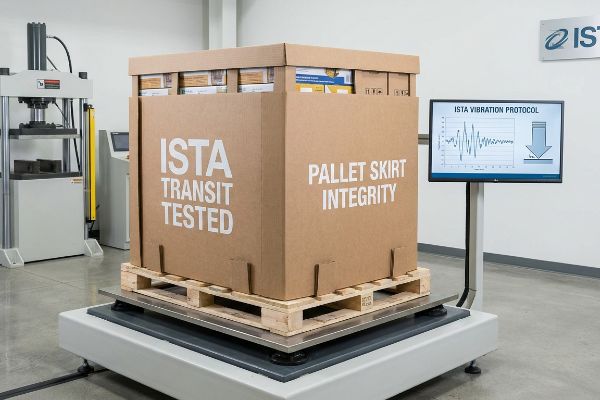
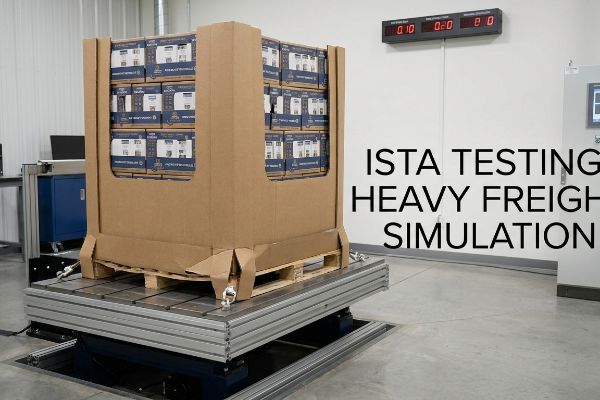
पैलेट स्कर्ट के लिए आईएसटीए परीक्षण, नकली आपूर्ति श्रृंखला तनाव के तहत भारी नालीदार बेस रैप की गतिशील परिवहन स्थिरता का मूल्यांकन करता है। असेंबल किए गए पैकेजिंग को कठोर कंपन, संपीड़न और गिरने जैसी स्थितियों के अधीन करके, यह सुनिश्चित किया जाता है कि ये सुरक्षात्मक स्कर्ट वैश्विक शिपिंग और हैंडलिंग कार्यों के दौरान संरचनात्मक अखंडता बनाए रखें।.
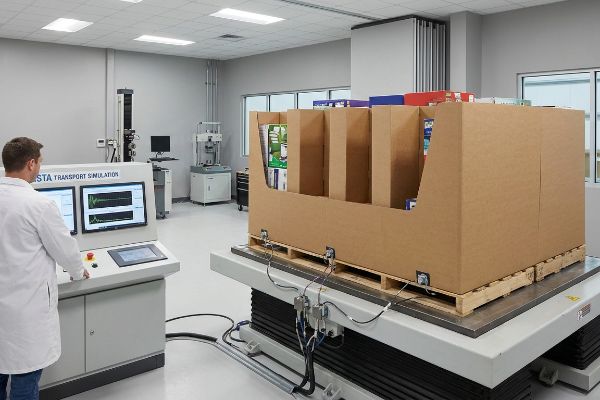
इन कठोर आईएसटीए (इंटरनेशनल सेफ ट्रांजिट एसोसिएशन) प्रोटोकॉल को पास करना केवल अनुपालन की औपचारिकता पूरी करना नहीं है—यह एक सफल खुदरा बिक्री को गोदाम में होने वाली भीषण विफलता से अलग करने वाली सटीक तार्किक बाधा है। आइए इन मूलभूत परीक्षण ढांचों के पीछे की कार्यप्रणाली को समझते हैं।.
आईएसटीए 2ए परीक्षण मानक क्या है?
हल्के वजन वाले सामानों की सुरक्षा के लिए बड़े पैमाने पर उत्पादन शुरू होने से पहले सटीक लॉजिस्टिकल सत्यापन की आवश्यकता होती है।.
ISTA 2A परीक्षण मानक एक आंशिक सिमुलेशन प्रोटोकॉल है जिसे विशेष रूप से 150 पाउंड (68 किलोग्राम) से कम वजन वाले व्यक्तिगत रूप से पैक किए गए उत्पादों के लिए डिज़ाइन किया गया है। यह सामान्य, कम प्रभाव वाले वैश्विक माल ढुलाई की स्थितियों में नालीदार डिस्प्ले के आधारभूत प्रदर्शन का मूल्यांकन करने के लिए वायुमंडलीय कंडीशनिंग के साथ-साथ बुनियादी कंपन और ड्रॉप परीक्षणों का उपयोग करता है।.
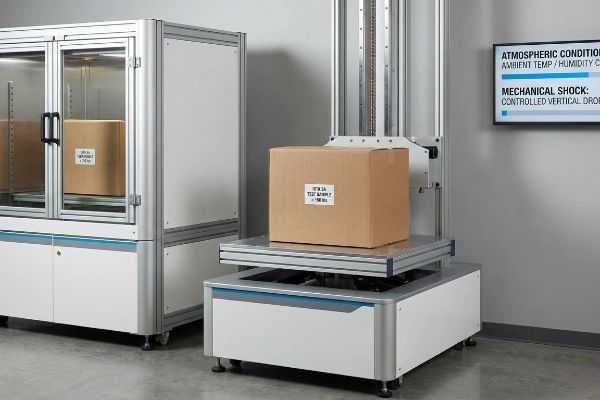
अत्यधिक परिवहन घर्षण का सामना करने वाले भारी-भरकम खुदरा व्यापारियों के डिजाइन तैयार करने से पहले इस आधारभूत सीमा को समझना आवश्यक है।.
लाइटवेट पैकेज सिमुलेशन के पीछे की इंजीनियरिंग यांत्रिकी
बुनियादी रसद संबंधी उत्तरजीविता का मूल्यांकन करने के लिए, हम वैश्विक तापमान परिवर्तनों को दोहराने हेतु नियंत्रित वायुमंडलीय कंडीशनिंग कक्षों का उपयोग करते हैं, जिसके बाद यांत्रिक झटके प्रोटोकॉल लागू किए जाते हैं। 2A ढांचा विशेष रूप से 150 पाउंड (68 किलोग्राम) की सीमा 1 के अंतर्गत फ्लैट-पैक्ड या पूर्व-भरे यूनिटों की संरचनात्मक सीमाओं को लक्षित करता है । यह सत्यापित करता है कि बाहरी नालीदार खांचे नियमित पार्सल-हैंडलिंग प्रभावों को अवशोषित कर सकते हैं, जिससे प्राथमिक वस्तुओं में गतिज ऊर्जा 2 स्थानांतरित नहीं होती है।
यह विशिष्ट नैदानिक मापदंड भारी पैलेटयुक्त माल में पाए जाने वाले तीव्र घूर्णी बल के बजाय मुक्त-पतन की गतिशीलता का सटीक मूल्यांकन करता है। जब कोई इंजीनियर इस प्रोटोकॉल को निर्दिष्ट करता है, तो वह पुष्टि करता है कि कच्चे माल की TAPPI T811 ECT (एज क्रश टेस्ट) रेटिंग मानक ऊर्ध्वाधर गिरावट परिदृश्यों के तहत असेंबल की गई संरचना की ज्यामितीय अखंडता के अनुरूप है। इस मूलभूत प्रदर्शन मीट्रिक को स्थापित करके, हम प्रोटोटाइपिंग चरण में ही डिज़ाइन की कमियों को आत्मविश्वासपूर्वक पहचान सकते हैं, जिससे यह सुनिश्चित होता है कि अंतिम बड़े पैमाने पर उत्पादित इकाई को अत्यधिक जटिल और महंगे सामग्री उन्नयन की आवश्यकता के बिना स्थानीय वितरण नेटवर्क में सुरक्षित रूप से पहुंचाया जा सके।.
| सिमुलेशन मीट्रिक | सामान्य लक्ष्य | इंजीनियर्ड मानक |
|---|---|---|
| भार सीमा | किसी भी भार वर्ग | सख्त सीमा: 150 पाउंड (68 किलोग्राम) से कम3 |
| शॉक प्रोफ़ाइल | यादृच्छिक ऊर्ध्वाधर गिरावट | नियंत्रित बहु-अक्षीय प्रभाव4 |
| वायुमंडलीय स्थिति | कमरे का परिवेश तापमान | अत्यधिक आर्द्रता चक्रण5 |
मैं सत्यापन मानक का चयन करने से पहले कुल पूर्व-भरे हुए भार का सटीक मानचित्रण करता हूँ। यदि कोई इकाई निर्धारित सीमा से अधिक हो जाती है, तो एक सामान्य हल्का प्रोटोकॉल चलाने से एक खतरनाक गलत सकारात्मक परिणाम उत्पन्न होता है जो भारी वाणिज्यिक परिवहन के दौरान अनिवार्य रूप से विफल हो जाता है।.
🛠️ हार्वे का डेस्क: क्या आपके हल्के काउंटर डिस्प्ले अत्यधिक मजबूत शिपिंग कार्टन के कारण मुनाफ़ा खो रहे हैं? 👉 मुफ़्त फ्रेट डेंसिटी ऑडिट करवाएं ↗ — मैं 24 घंटों के भीतर हर संरचनात्मक फ़ाइल की व्यक्तिगत रूप से समीक्षा करता हूँ।
आईएसटीए और एएसटीएम परीक्षण में क्या अंतर है?
गलत परीक्षण मानक पर निर्भर रहने से आपूर्ति श्रृंखला में गंभीर खामियां पैदा हो जाती हैं।.
आईएसटीए और एएसटीएम (अमेरिकन सोसाइटी फॉर टेस्टिंग एंड मैटेरियल्स) परीक्षण के बीच मुख्य अंतर गतिशील मूल्यांकन बनाम कच्चे माल के गुणों के विश्लेषण में निहित है। एएसटीएम सपाट नालीदार बोर्डों की स्थिर सैद्धांतिक शक्ति को सख्ती से मापता है, जबकि आईएसटीए प्रोटोकॉल पूरी तरह से असेंबल किए गए, 3डी पैकेजिंग ज्यामिति के गतिज स्थायित्व को प्रमाणित करते हैं।.
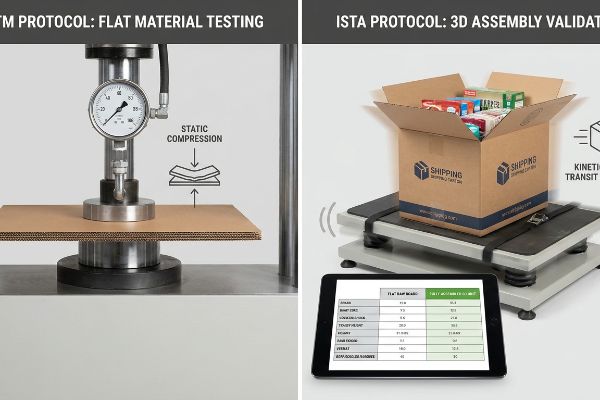
इस अंतर को समझने से यह महंगी धारणा दूर हो जाती है कि मजबूत कागज स्वतः ही एक मजबूत खुदरा प्रदर्शन की गारंटी देता है।.
सैद्धांतिक पदार्थ बनाम गतिशील ज्यामिति ढांचा
मानक सामग्री मूल्यांकन में कच्चे, असंयोजित टेस्टलाइनर नमूनों को कुचलने के लिए हाइड्रोलिक प्रेस का उपयोग किया जाता है6, जो पेपरबोर्ड घनत्व के लिए एक सैद्धांतिक आधार प्रदान करता है। इसके विपरीत, ट्रांजिट सिमुलेशन में पूरी तरह से लोड की गई, 3डी फोल्डेड संरचना को वास्तविक सड़क आवृत्तियों को दोहराने के लिए काइनेटिक कंपन टेबल7।फ्लैट सामग्री विश्लेषण से काइनेटिक मल्टी-एक्सिस परीक्षण तक यह अनुक्रमिक संक्रमण सुनिश्चित करता है कि विशिष्ट कोने की ज्यामिति और लॉकिंग तंत्र लॉजिस्टिकल घर्षण को स्वतंत्र रूप से सहन कर सकें।
कई संरचनात्मक मूल्यांकन गलती से फ्लैट-बोर्ड चरण पर ही रुक जाते हैं, यह गलत धारणा रखते हुए कि उच्च कच्चे माल की रेटिंग स्वतः ही टिकाऊ खुदरा विक्रेता की गारंटी देती है। हालांकि, एक बार जब उस बोर्ड को स्कोर किया जाता है, डाई-कट किया जाता है और पैलेट स्कर्ट या शिपर बनाने के लिए मोड़ा जाता है, तो उसकी गतिज स्थिरता पूरी तरह से इस बात पर निर्भर करती है कि नवगठित ज्यामितीय कोने गतिशील भार को कितनी प्रभावी ढंग से वितरित करते हैं।प्रारंभिक सामग्री शक्ति मूल्यांकन को अंतिम सिस्टम सहनशक्ति सत्यापन से स्थायी रूप से अलग करके, इंजीनियर सटीक रूप से गणना कर सकते हैं कि एक बॉक्स कहाँ टूटेगा या झुकेगा, यह सुनिश्चित करते हुए कि पूर्ण असेंबली प्रयोगशाला सिद्धांत और वास्तविक आपूर्ति श्रृंखला गतिविधि के बीच के अंतर को सफलतापूर्वक पाटती है।
| मूल्यांकन का दायरा | एएसटीएम प्रोटोकॉल | पारगमन सिमुलेशन |
|---|---|---|
| विषय स्थिति | फ्लैट रॉ बोर्ड9 | पूरी तरह से असेंबल की गई 3डी यूनिट |
| लगाया गया बल | स्थैतिक संपीड़न | गतिज बहु-अक्षीय आघात10 |
| प्राथमिक परिणाम | सैद्धांतिक ईटीसी रेटिंग11 | वास्तविक दुनिया में माल ढुलाई से बचना |
मैं प्रत्येक जटिल खुदरा डिस्प्ले के लिए दोहरे मानक सत्यापन प्रक्रिया को अनिवार्य मानता हूं। केवल सपाट सामग्री मापदंडों पर निर्भर रहने से मुड़े हुए कोनों की संरचनात्मक यांत्रिकी की अनदेखी होती है, जो वास्तविक गतिशील भार वहन करते हैं।.
🛠️ हार्वे का डेस्क: क्या आपकी खरीद टीम कच्चे बोर्ड की रेटिंग पर आँख बंद करके भरोसा कर रही है, जबकि आपके असेंबल किए गए शिपर्स परिवहन के दौरान लगातार टूट-फूट रहे हैं? 👉 स्ट्रक्चरल डायलाइन समीक्षा का अनुरोध करें ↗ — 100% गोपनीय। आपके अप्रकाशित खुदरा डिज़ाइन मेरे पास सुरक्षित हैं।
आईएसटीए 3ए परीक्षण क्या है?
अप्रत्याशित पार्सल डिलीवरी नेटवर्क में नेविगेट करने के लिए एक उन्नत सिमुलेशन प्रोटोकॉल की आवश्यकता होती है।.
ISTA 3a परीक्षण एक उन्नत गतिशील पारगमन सिमुलेशन है जिसे विशेष रूप से पार्सल डिलीवरी सिस्टम के माध्यम से भेजे जाने वाले व्यक्तिगत रूप से पैक किए गए सामानों के लिए डिज़ाइन किया गया है। यह आधुनिक स्वचालित छँटाई सुविधाओं में पाए जाने वाले अप्रत्याशित गतिज आघात को प्रतिबिंबित करने के लिए तीव्र बहु-अक्षीय कंपन प्रोफाइल, यादृच्छिक शीर्ष-भार संपीड़न और जटिल ड्रॉप अनुक्रमों का उपयोग करता है।.
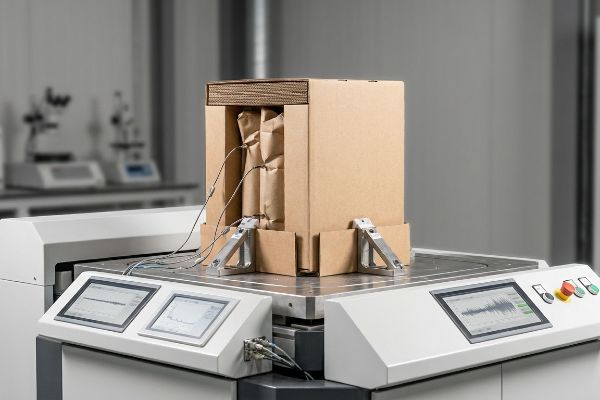
यह कठोर परीक्षण प्रक्रिया डायरेक्ट-टू-रिटेल शिपर्स और ई-कॉमर्स पैकेजिंग के लिए अंतिम परीक्षण स्थल है।.
बहु-अक्षीय पार्सल सिमुलेशन की यांत्रिकी
यह उन्नत सिमुलेशन असेंबल किए गए शिपर को यादृच्छिक कंपन आवृत्तियों के संपर्क में लाता है जो एलटीएल (लेस-देन-ट्रकलोड) ट्रक सस्पेंशन12। इसके अलावा, यह जल-आधारित पीवीए (पॉलीविनाइल एसीटेट) चिपकने वाले पदार्थों13 को शामिल करता है। पहले से भरी हुई इकाई को विभिन्न शीर्ष-भार दबावों और किनारे के प्रभावों के अधीन करके, प्रोटोकॉल यह सत्यापित करता है कि संरचनात्मक वास्तुकला आंतरिक थकान से ग्रस्त नहीं होगी।
सामान्य मुक्त-पतन निदान के विपरीत, यह ढांचा सक्रिय रूप से मूल्यांकन करता है कि पैकेज को उछालने, असमान रूप से ढेर करने या उच्च गति वाले कन्वेयर बेल्ट पर जाम होने पर वह कैसा व्यवहार करता है। बहु-अक्षीय कंपन तालिका विशेष रूप से कागज के रेशों की सूक्ष्म यांत्रिक अखंडता को लक्षित करती है14, यह सुनिश्चित करते हुए कि नालीदार खांचे निरंतर परिवहन घर्षण के कारण टूटने के बजाय लचीले शॉक एब्जॉर्बर के रूप में कार्य करें। इस सख्त परीक्षण मानक को लागू करने से इंजीनियरों को अनावश्यक, अति-इंजीनियरिंग सामग्री प्रोफाइल का सहारा लिए बिना बॉक्स संपीड़न मेट्रिक्स को गणितीय रूप से अनुकूलित करने की अनुमति मिलती है, जिससे यह सुनिश्चित होता है कि इकाई अव्यवस्थित अंतिम-मील वितरण नेटवर्क में सुरक्षित रहे और शिपिंग आयामी भार गणितीय रूप से यथासंभव कम रहे।
| परीक्षण चर | बुनियादी सिमुलेशन | एडवांस्ड 3ए प्रोटोकॉल |
|---|---|---|
| कंपन प्रोफ़ाइल | निश्चित आवृत्ति | यादृच्छिक बहु-अक्षीय अनुनाद |
| पारगमन मार्ग | नियंत्रित पैलेटाइज्ड | अप्रत्याशित पार्सल छँटाई |
| पैकेज की स्थिति | खाली या स्थिर | उत्पाद से पूरी तरह भरा हुआ |
मैं इस विशिष्ट मल्टी-एक्सिस प्रोफाइल का उपयोग बड़े पैमाने पर उत्पादन शुरू होने से पहले सूक्ष्म फाइबर थकान का पता लगाने के लिए करता हूं। प्रयोगशाला में अनुनाद विफलता का पता लगाने से वास्तविक वितरण के दौरान व्यापक संरचनात्मक पतन को रोका जा सकता है।.
🛠️ हार्वे का डेस्क: क्या आपके सीधे स्टोर को भेजे जाने वाले मास्टर कार्टन परिवहन के दौरान रहस्यमय तरीके से कोनों से फट जाते हैं? 👉 मुफ़्त बॉक्स संपीड़न गणना प्राप्त करें ↗ — कोई खाता प्रबंधक बीच में नहीं। आप सीधे संरचनात्मक इंजीनियरों से बात करें।
आईएसटीए परीक्षण कितने प्रकार के होते हैं?
गलत ट्रांजिट सिमुलेशन का चयन वास्तविक दुनिया में वितरण विफलता की गारंटी देता है।.
आईएसटीए परीक्षणों के विभिन्न प्रकारों में 1-सीरीज़ के गैर-सिमुलेशन अखंडता मूल्यांकन से लेकर 3-सीरीज़ के उन्नत सामान्य सिमुलेशन और 6-सीरीज़ के अत्यधिक विशिष्ट परीक्षण शामिल हैं, जैसे कि एसआईओसी (शिप्स इन ओन कंटेनर) प्रोटोकॉल। प्रत्येक विशिष्ट श्रेणी विशेष रूप से लॉजिस्टिकल खतरों, पेलोड भार और खुदरा आपूर्ति श्रृंखला परिवेशों को लक्षित करती है।.
सही प्रोटोकॉल का चयन करना तो आधी लड़ाई है; उसे त्रुटिहीन यांत्रिक सटीकता के साथ क्रियान्वित करना ही वास्तव में आपके लाभ मार्जिन की रक्षा करता है।.
भारी माल ढुलाई अनुनाद अंशांकन की विफलता
जब मैं ग्राहकों की डायलाइन का ऑडिट करता हूँ, तो मैं अक्सर देखता हूँ कि खरीद टीमें भारी, 200 पाउंड (90.7 किलोग्राम) क्लब स्टोर पैलेट स्कर्ट को पूरी तरह से गलत परीक्षण श्रृंखला के साथ मिला देती हैं, आमतौर पर सत्यापन शुल्क बचाने के लिए। वे मान लेते हैं कि एक बुनियादी 1-सीरीज़ ड्रॉप टेस्ट15 एक विशाल कॉस्टको मर्चेंडाइज़र। मेरी परीक्षण प्रयोगशाला में, मैंने साबित किया कि एक भारी इकाई को लंबवत गिराने से फोर्कलिफ्ट द्वारा किसी कोने पर तेज़ी से मुड़ने पर उत्पन्न होने वाले विनाशकारी गतिज कतरनी बल को पूरी तरह से अनदेखा कर दिया जाता है, जो कि भारी 2-सीरीज़ और 3-सीरीज़ प्रोटोकॉल को दोहराने के लिए डिज़ाइन किया गया है16।
यह सिर्फ़ सिद्धांत नहीं है—मैंने परीक्षण के दौरान ऐसा होते देखा है जब ग्राहक बिना कैलिब्रेटेड लैब रिपोर्ट लेकर आते हैं। हाल ही में एक ब्रांड ने एक विशाल फ्लोर डिस्प्ले , जिसके बारे में दावा किया गया था कि उसने एक तृतीय-पक्ष प्रयोगशाला में 3E पैलेटाइज़्ड ट्रांज़िट सिमुलेशन पास कर लिया है। जब मैंने अपने पूरी तरह से कैलिब्रेटेड मल्टी-एक्सिस वाइब्रेशन टेबल पर उनकी संरचना की सटीक आवृत्ति अनुनाद को मापा, तो केवल 12 मिनट के बाद ही यूनिट में घूर्णी अक्ष में भयंकर झुकाव आ गया। मूल प्रयोगशाला ने अपने हाइड्रोलिक कम्प्रेशन प्रेस को पुनः कैलिब्रेट करना भूल गई थी, जिससे एक खतरनाक गलत सकारात्मक परिणाम उत्पन्न हुआ। भारी सामान निचले स्तर के बी-फ्लूट को स्पष्ट रूप से झुका रहा था, जिससे भारी घर्षण हो रहा था और आगमन पर खुदरा विक्रेता द्वारा तत्काल अस्वीकृति का खतरा मंडरा रहा था। मैंने माइक्रोमीटर रीडिंग निकाली और साबित किया कि मुझे महंगे प्लास्टिक सपोर्ट क्लिप लगाने की आवश्यकता नहीं थी—मुझे केवल उस गतिज कतरनी बल को अवशोषित करने के लिए विशेष रूप से उन्मुख दोहरी दीवार वाली रीढ़ के साथ आधार को फिर से डिज़ाइन करने की आवश्यकता थी। इस सख्त ज्यामितीय समायोजन को लागू करके और इसे ठीक से कैलिब्रेटेड सिमुलेशन के माध्यम से चलाकर, मैंने यह सुनिश्चित किया कि को-पैकिंग असेंबली लाइन अपनी गति बनाए रखे, जिससे ग्राहक को संभावित मैनुअल रीवर्क शुल्क में अनुमानित 15% की बचत हुई, साथ ही यह गारंटी भी मिली कि माल समुद्री परिवहन के दौरान पूरी तरह से सुरक्षित रहा।
| प्रोटोकॉल श्रेणी | आपूर्ति श्रृंखला पर ध्यान केंद्रित करें | वास्तविक दुनिया में अनुप्रयोग |
|---|---|---|
| 1-सीरीज़ नॉन-सिमुलेशन | बुनियादी आघात व्यवहार्यता | प्रारंभिक आधारभूत स्क्रीनिंग |
| 3-सीरीज़ एडवांस्ड | यादृच्छिक पारगमन आघात | पार्सल और एलटीएल माल ढुलाई |
| 6-सीरीज़ सदस्य | खुदरा विक्रेता विशिष्ट सीमाएँ | अमेज़न SIOC आवश्यकताएँ |
मैं असंकलित निदान मशीनों या बेमेल परीक्षण श्रृंखलाओं पर भरोसा करने से इनकार करता हूँ। सही सिमुलेशन भार वर्ग का चयन करना और मशीन का सटीक अंशांकन बनाए रखना ही यह सुनिश्चित करने का एकमात्र तरीका है कि पैलेट स्कर्ट अंतरराष्ट्रीय लॉजिस्टिक्स में सुरक्षित रहे।
🛠️ हार्वे का डेस्क: क्या आपके भारी पैलेट स्कर्ट बुनियादी प्रयोगशाला परीक्षणों में पास होने के बावजूद क्लब स्टोर के परिवहन संबंधी आवश्यकताओं को गुप्त रूप से पूरा नहीं कर रहे हैं? 👉 निःशुल्क पेलोड वितरण ऑडिट का अनुरोध करें ↗ — मैं 24 घंटों के भीतर प्रत्येक संरचनात्मक फ़ाइल की व्यक्तिगत रूप से समीक्षा करता हूँ।
निष्कर्ष
तेज़ गति से माल ढुलाई के दौरान भारी पैलेट स्कर्ट और पहले से भरे हुए मर्चेंडाइज़र को अचानक मुड़ने से रोकने के लिए गहन मल्टी-एक्सिस सिमुलेशन और सटीक ज्यामितीय सटीकता की आवश्यकता होती है। हाल ही में, एक बड़े राष्ट्रीय स्तर पर लॉन्च से पहले किए गए एक इंजीनियरिंग समीक्षा में 2 मिमी की घातक टॉलरेंस त्रुटि पकड़ी गई। शिपिंग डॉक पर आपके अभियानों को नुकसान से बचाने के लिए, मैं व्यक्तिगत रूप से आपकी संरचनात्मक फाइलों का निःशुल्क संरचनात्मक डायलाइन ऑडिट ↗ ताकि गणितीय रूप से यह सुनिश्चित हो सके कि आपके डिस्प्ले आधुनिक आपूर्ति श्रृंखला की चुनौतियों का सामना कर सकें।
"ISTA 2A | मानक द्वारा परीक्षण – स्मिथर्स", https://www.smithers.com/services/testing/standard/ista/ista-2a. [आधिकारिक ISTA 2A मानक दस्तावेज़ इस विशेष परीक्षण प्रोटोकॉल के लिए योग्य पैकेजों के लिए अधिकतम भार सीमा निर्दिष्ट करता है]। साक्ष्य भूमिका: तकनीकी विनिर्देश; स्रोत प्रकार: उद्योग मानक। समर्थन: 2A फ्रेमवर्क की भार सीमा। कार्यक्षेत्र संबंधी टिप्पणी: व्यक्तिगत रूप से पैक किए गए सामान पर लागू होता है। ↩
"कॉरुगेटेड स्ट्रेट पैकेजिंग की ऊर्जा अवशोषण विशेषताओं पर अध्ययन ...", https://pmc.ncbi.nlm.nih.gov/articles/PMC11840120/। [पैकेजिंग इंजीनियरिंग साहित्य में यह बताया गया है कि सिमुलेशन परीक्षणों के दौरान आंतरिक सामग्री की सुरक्षा के लिए कॉरुगेटेड फ्लूट्स की ज्यामिति किस प्रकार प्रभाव बलों को कम करती है]। साक्ष्य की भूमिका: यांत्रिक व्याख्या; स्रोत प्रकार: इंजीनियरिंग पाठ्यपुस्तक। समर्थन: 2A परीक्षणों में कॉरुगेटेड पैकेजिंग की कार्यक्षमता। कार्यक्षेत्र संबंधी टिप्पणी: कॉरुगेटेड कार्डबोर्ड सामग्री के लिए विशिष्ट। ↩
"माइकोम लैबोरेटरीज में ISTA 2A पैकेज परीक्षण उपलब्ध है", https://www.micomlab.com/micom-testing/ista-2a/। [एक आधिकारिक ISTA 2A विनिर्देश दस्तावेज़ इस परीक्षण मानक के लिए योग्य पैकेजों के अधिकतम भार सीमा की पुष्टि करता है]। साक्ष्य भूमिका: तकनीकी विनिर्देश; स्रोत प्रकार: उद्योग मानक। समर्थन: ISTA 2A के लिए भार सीमाएँ। कार्यक्षेत्र संबंधी टिप्पणी: 2A श्रृंखला के लिए विशिष्ट। ↩
"[PDF] 2A2 – इंटरनेशनल सेफ ट्रांजिट एसोसिएशन", https://ista.org/docs/2Aoverview.pdf. [ISTA 2A के लिए विस्तृत परीक्षण प्रोटोकॉल वास्तविक दुनिया के ट्रांजिट का अनुकरण करने के लिए कई अक्षों पर प्रभावों की आवश्यकताओं को रेखांकित करते हैं]। साक्ष्य भूमिका: प्रक्रियात्मक सत्यापन; स्रोत प्रकार: तकनीकी मैनुअल। समर्थन: शॉक प्रोफाइल कार्यप्रणाली। कार्यक्षेत्र नोट: प्रभाव परीक्षण अक्षों को संदर्भित करता है। ↩
"पैकेज परीक्षण और ISTA 2 और ISTA 2A मानक", https://www.desolutions.com/resources/ista-series-2-package-testing। [ISTA 2A मानक वैश्विक शिपिंग स्थितियों का अनुकरण करने के लिए आर्द्रता चक्र सहित पर्यावरणीय कंडीशनिंग आवश्यकताओं को परिभाषित करता है]। साक्ष्य भूमिका: पर्यावरणीय विनिर्देश; स्रोत प्रकार: उद्योग मानक। समर्थन: वायुमंडलीय परीक्षण आवश्यकताएँ। कार्यक्षेत्र संबंधी टिप्पणी: जलवायु अनुकरण मापदंडों को संदर्भित करता है। ↩
"एक … के लिए नालीदार बोर्ड बक्सों की संपीडन सामर्थ्य का अनुमान", https://pmc.ncbi.nlm.nih.gov/articles/PMC9864211/। [एक उद्योग मानक या ASTM मैनुअल कच्चे नालीदार नमूनों पर आधारभूत सामग्री गुणों को निर्धारित करने के लिए संपीडन परीक्षण उपकरण के उपयोग की पुष्टि करता है]। साक्ष्य की भूमिका: तकनीकी सत्यापन; स्रोत प्रकार: मानकीकृत परीक्षण मैनुअल। समर्थन: कच्चे माल की सामर्थ्य विश्लेषण की कार्यप्रणाली। कार्यक्षेत्र संबंधी टिप्पणी: विशेष रूप से स्थैतिक संपीडन सामर्थ्य पर केंद्रित है। ↩
"इंटरनेशनल सेफ ट्रांजिट एसोसिएशन", https://ista.org/news_manager.php?page=16942। [ISTA प्रोटोकॉल विभिन्न परिवहन वातावरणों के पावर स्पेक्ट्रल घनत्व का अनुकरण करने के लिए डिज़ाइन किए गए यादृच्छिक कंपन तालिकाओं के उपयोग को निर्दिष्ट करते हैं]। साक्ष्य भूमिका: तकनीकी सत्यापन; स्रोत प्रकार: परीक्षण प्रोटोकॉल। समर्थन: गतिशील संरचनात्मक सत्यापन की कार्यप्रणाली। कार्यक्षेत्र नोट: पूरी तरह से असेंबल किए गए 3D पैकेजिंग पर लागू होता है। ↩
"कार्डबोर्ड पैकेजिंग का सरलीकृत गतिशील शक्ति विश्लेषण ...", https://pmc.ncbi.nlm.nih.gov/articles/PMC10385285/। [पैकेजिंग इंजीनियरिंग स्रोत यह समझाएगा कि 2D बोर्ड से 3D ज्यामिति में परिवर्तन किस प्रकार संरचनात्मक भार पथ बनाता है जो तनाव के तहत विफलता बिंदु निर्धारित करता है]। साक्ष्य की भूमिका: तकनीकी सत्यापन; स्रोत प्रकार: इंजीनियरिंग मानक। समर्थन: यह दावा कि कच्चे माल की शक्ति की तुलना में असेंबल की गई ज्यामिति गतिज स्थायित्व को निर्धारित करती है। कार्यक्षेत्र नोट: विशेष रूप से मुड़े हुए नालीदार फाइबरबोर्ड असेंबली पर लागू होता है। ↩
"[PDF] नालीदार बोर्ड विनिर्देश - फाइबर बॉक्स एसोसिएशन", https://www.fibrebox.org/assets/2025/09/Walmart_Corrugated-Board_Specifications_Automation_Packaging_Standards.pdf। [नालीदार सामग्रियों के लिए ASTM मानकों पर आधिकारिक दस्तावेज़ पुष्टि करता है कि सामग्री गुणों के परीक्षण सपाट, कच्चे बोर्ड के नमूनों पर किए जाते हैं]। साक्ष्य भूमिका: तकनीकी विनिर्देश; स्रोत प्रकार: उद्योग मानक। समर्थन: ASTM मूल्यांकन क्षेत्र। कार्यक्षेत्र नोट: तैयार पैकेजिंग के बजाय कच्चे माल के परीक्षण से संबंधित। ↩
"[PDF] ISTA परीक्षण उपकरण – अटलांटिक पैकेजिंग", https://www.atlanticpkg.com/wp-content/uploads/2025/07/ISTA-Testing-Equipment.pdf. [ISTA परीक्षण प्रोटोकॉल आपूर्ति श्रृंखला के गतिशील तनावों का अनुकरण करने के लिए कई अक्षों पर गतिज झटकों के अनुप्रयोग को निर्दिष्ट करते हैं]। साक्ष्य भूमिका: तकनीकी विनिर्देश; स्रोत प्रकार: उद्योग मानक। समर्थन: पारगमन अनुकरण बल अनुप्रयोग। कार्यक्षेत्र नोट: स्थैतिक संपीड़न परीक्षणों के विपरीत। ↩
"बहुस्तरीय सामग्री की किनारों की कुचलने की प्रतिरोधकता का सरलीकृत मॉडलिंग...", https://pmc.ncbi.nlm.nih.gov/articles/PMC9821909/। [ASTM D642 के तकनीकी मानक, नालीदार बोर्ड की सैद्धांतिक संपीडन शक्ति को मापने के लिए एज क्रश टेस्ट (ECT) को प्राथमिक मापदंड के रूप में परिभाषित करते हैं]। साक्ष्य की भूमिका: तथ्यात्मक दावा; स्रोत प्रकार: तकनीकी मानक। समर्थन: ASTM का प्राथमिक परिणाम। कार्यक्षेत्र संबंधी टिप्पणी: ECT एक सामग्री-स्तरीय मापदंड है। ↩
"[PDF] 3A 2 – इंटरनेशनल सेफ ट्रांजिट एसोसिएशन", https://ista.org/docs/3Aoverview.pdf. [ISTA मानक दस्तावेज़ वास्तविक दुनिया के LTL परिवहन को प्रतिबिंबित करने के लिए डिज़ाइन किए गए आवृत्ति स्पेक्ट्रम और कंपन प्रोफाइल को निर्दिष्ट करता है]। साक्ष्य भूमिका: तकनीकी विनिर्देश; स्रोत प्रकार: उद्योग मानक। समर्थन: कंपन सिमुलेशन सटीकता। कार्यक्षेत्र संबंधी टिप्पणी: LTL परिवहन मोड से संबंधित। ↩
"चिकित्सा उपकरण पैकेजिंग के लिए ISTA 3A परीक्षण | LSO", https://lso-inc.com/medical-package-testing/standards/ista/ista-standard-3a/। [सामग्री विज्ञान दिशानिर्देश या ISTA परीक्षण प्रोटोकॉल लिथो-लैमिनेटेड पैकेजिंग में चिपकने वाले पदार्थ की अखंडता का मूल्यांकन करने के लिए उपयोग की जाने वाली पर्यावरणीय स्थितियों का विस्तृत विवरण देते हैं]। साक्ष्य की भूमिका: तकनीकी विनिर्देश; स्रोत प्रकार: तकनीकी मैनुअल। समर्थन: नमी प्रतिरोध सत्यापन। कार्यक्षेत्र संबंधी टिप्पणी: केवल PVA चिपकने वाले पदार्थों तक सीमित। ↩
"ISTA 3A पैकेजिंग परीक्षण प्रक्रिया: एक संपूर्ण चरण-दर-चरण मार्गदर्शिका", https://www.itm-lab.com/article/ista-3a-packaging-test-procedure-a-complete-step-by-step-guide.html। [एक प्रामाणिक इंजीनियरिंग मैनुअल या सामग्री विज्ञान अध्ययन यह सत्यापित करेगा कि क्या ISTA 3a में बहु-अक्षीय कंपन प्रोफाइल नालीदार बोर्ड के सूक्ष्म फाइबर स्तर पर क्षरण का मूल्यांकन करने के लिए डिज़ाइन किए गए हैं]। साक्ष्य भूमिका: तकनीकी सत्यापन; स्रोत प्रकार: पैकेजिंग इंजीनियरिंग मानक। समर्थन: सिमुलेशन के दौरान सामग्री थकान की विशिष्ट भौतिक क्रियाविधि। कार्यक्षेत्र नोट: विशेष रूप से नालीदार सेलूलोज़ सामग्री पर लागू होता है। ↩
"परीक्षण प्रक्रियाएँ – अंतर्राष्ट्रीय सुरक्षित पारगमन संघ", https://ista.org/test_procedures.php। [ISTA तकनीकी मानक 1-सीरीज़ परीक्षणों को व्यापक पारगमन सिमुलेशन के बिना, ड्रॉप और कम्प्रेशन पर केंद्रित बुनियादी अखंडता मूल्यांकन के रूप में परिभाषित करते हैं]। साक्ष्य भूमिका: परिभाषा; स्रोत प्रकार: उद्योग मानक। समर्थन: जटिल शिपिंग वातावरण के लिए 1-सीरीज़ परीक्षणों की सीमा। कार्यक्षेत्र नोट: सामान्य ISTA 1-सीरीज़ अवलोकन। ↩
"ISTA सीरीज 2 परीक्षण जानकारी – प्रो-पैक टेस्टिंग लेबोरेटरी, इंक.", https://propacktestlab.com/package-testing-forms-and-resources/ista-series-2a-2b-and-2c-test-request-form/ista-series-2-test-information/। [ISTA मानक निर्दिष्ट करते हैं कि 2-सीरीज और 3-सीरीज परीक्षणों में कंपन और झटके के प्रोफाइल शामिल होते हैं जो वास्तविक दुनिया के परिवहन तनावों का अनुकरण करते हैं, जिसमें पार्श्व गति भी शामिल है]। साक्ष्य भूमिका: तकनीकी सत्यापन; स्रोत प्रकार: उद्योग मानक। समर्थन: भारी माल ढुलाई के लिए उन्नत सिमुलेशन की आवश्यकता। कार्यक्षेत्र नोट: ISTA 2 और 3 सीरीज सिमुलेशन वेरिएंट पर लागू होता है। ↩