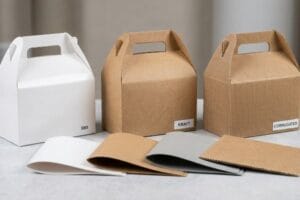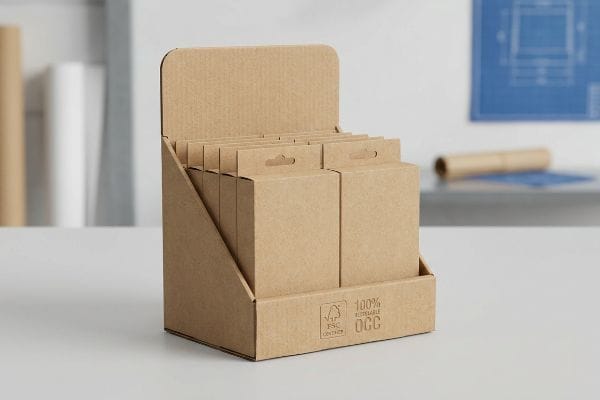
आप चाहते हैं कि आपका रिटेल लॉन्च सस्टेनेबिलिटी लक्ष्यों को पूरा करे, लेकिन ग्रीनवॉशिंग के आरोप और टूटी हुई ट्रेज़ आपके अभियान को बर्बाद कर सकती हैं। असली पर्यावरण-अनुकूल डिस्प्ले के लिए इंजीनियरिंग की आवश्यकता होती है, न कि केवल पैसे के लालच की।.
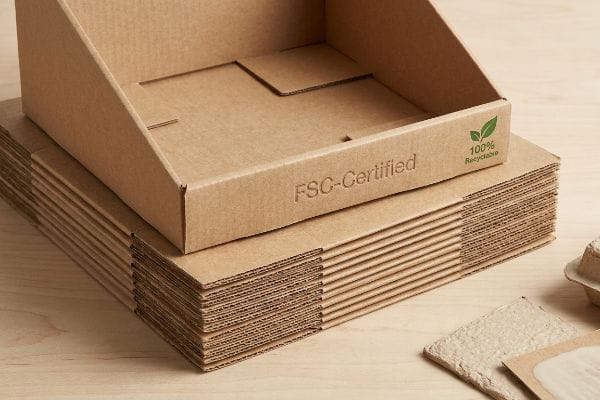
जी हां। पीडीक्यू डिस्प्ले पर्यावरण के अनुकूल होते हैं जब उन्हें 100% कर्बसाइड रिसाइकिल करने योग्य ओसीसी (पुराने नालीदार कंटेनर) और पीएफएएस-मुक्त जल-आधारित कोटिंग्स का उपयोग करके बनाया जाता है। हालांकि, वास्तविक स्थिरता प्राप्त करने के लिए एफएससी (फॉरेस्ट स्टीवर्डशिप काउंसिल) की श्रृंखला-ऑफ-कस्टडी ट्रैकिंग का कड़ाई से पालन करना आवश्यक है ताकि अप्रमाणित, निम्न-गुणवत्ता वाले पेपरबोर्ड को विनिर्माण प्रक्रिया में प्रवेश करने से रोका जा सके।.
लेकिन टिकाऊ पैकेजिंग के सिद्धांत को समझना, भारी मात्रा में सामग्री की बर्बादी किए बिना एक कठिन खुदरा आपूर्ति श्रृंखला में टिके रहने से बिल्कुल अलग है।.
सबसे पर्यावरण अनुकूल खाद्य पैकेजिंग कौन सी है?
ब्रांड अपने एफएमसी (फास्ट-मूविंग कंज्यूमर गुड्स) उत्पादों के लॉन्च के लिए टिकाऊ समाधान चाहते हैं, लेकिन अच्छे इरादे अक्सर आपूर्ति श्रृंखला की विनाशकारी विफलताओं का कारण बनते हैं।.
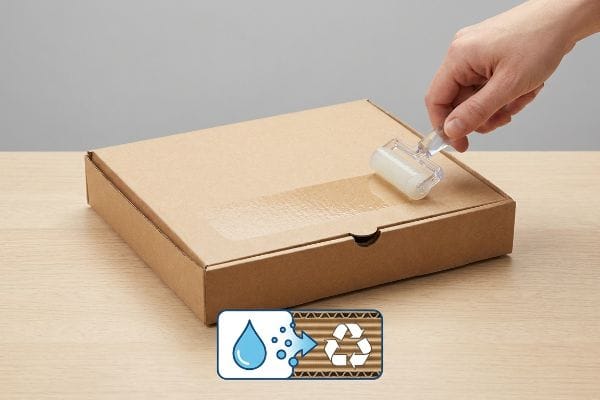
पर्यावरण के अनुकूल खाद्य पैकेजिंग के लिए तरल जलीय कोटिंग से उपचारित एक ही सामग्री से बने नालीदार कार्डबोर्ड की आवश्यकता होती है। ठोस पीएलए (पॉलीलैक्टिक एसिड) बायोप्लास्टिक फिल्मों के विपरीत, जो पुनर्गठन के दौरान पानी को दूर भगाती हैं, जलीय अवरोधक मानक पुनर्चक्रण टैंकों में आसानी से घुल जाते हैं, जिससे यह सुनिश्चित होता है कि उत्पाद पूरी तरह से पुनर्चक्रण योग्य है और भारी मात्रा में प्लास्टिक अवशेष नहीं छोड़ता है।.
सैद्धांतिक स्थिरता से भौतिक अनुप्रयोग में संक्रमण के दौरान कई ब्रांड कारखाने में लड़खड़ा जाते हैं।.
खाद्य पैकेजिंग में पीएलए बायो-प्लास्टिक का छिपा हुआ जाल
कई उभरते हुए खाद्य ब्रांड पीएलए बायोप्लास्टिक लेमिनेशन की मांग करते हैं, यह मानकर कि मक्के से बनी यह फिल्म पर्यावरण नियमों का पूरी तरह से पालन करती है। खरीद टीमें अक्सर इन विशिष्टताओं पर बिना सोचे-समझे मुहर लगा देती हैं, यह सोचकर कि बायोडिग्रेडेबल लेबल उनकी खुदरा अपशिष्ट संबंधी सभी समस्याओं का समाधान कर देगा। वे किसी रीसाइक्लिंग सुविधा का दौरा किए बिना ही मार्केटिंग ब्रोशर पर भरोसा कर लेते हैं।
मैं अक्सर यह गलती देखता हूँ जब ग्राहक अपने किराना स्टोरों के लिए सबसे पर्यावरण-अनुकूल खाद्य पैकेजिंग का चयन करते हैं। वे मान लेते हैं कि पीएलए फिल्म एक जादुई रामबाण है। लेकिन वास्तविकता यह है कि जब कोई स्टोर क्लर्क उस पीएलए-लेमिनेटेड ट्रे को सामान्य ओसीसी रीसाइक्लिंग बिन में डालता है, तो कठोर प्लास्टिक फिल्म रिपल्पिंग प्रक्रिया के दौरान पानी को भौतिक रूप से दूर भगाती है।मुझे याद है कि पीएलए-लेमिनेटेड बोर्डों के एक खराब बैच को तोड़ने की कोशिश कर रहे पेपर मिल के टैंक की तेज़, घिसने वाली आवाज़ - इससे बस एक चिपचिपा, गैर-पुनर्चक्रण योग्य कीचड़ बचता है। पूरा बैच सीधे लैंडफिल में चला जाता है। इस समस्या को हल करने के लिए, मैं बायो-प्लास्टिक को पूरी तरह से हटा देता हूँ और उसकी जगह एक उच्च-ठोस जलीय कोटिंग का।यह भोजन के संपर्क के लिए बिल्कुल वैसा ही नमी अवरोध प्रदान करता है, लेकिन पानी में तुरंत घुल जाता है, जिससे सामग्री की बर्बादी में भारी कमी आती है और खुदरा विक्रेताओं द्वारा किए जाने वाले महंगे सस्टेनेबिलिटी चार्जबैक से पूरी तरह बचा जा सकता है।
| नौसिखियों की आम गलती | प्रो फिक्स | रिटेल-फ्लोर लाभ |
|---|---|---|
| पीएलए बायोप्लास्टिक लेमिनेशन को अनिवार्य बनाना | तरल जलीय कोटिंग लगाना4 | सड़क किनारे पुनर्चक्रण की गारंटी देता है |
| यह मानते हुए कि सभी अवरोधक पर्यावरण के अनुकूल हैं | पीएफएएस-मुक्त जल-आधारित परतों का उपयोग करना5 | खुदरा विक्रेताओं की कड़ी जांच प्रक्रिया को सफलतापूर्वक पूरा करता है। |
| पल्पिंग प्रक्रिया को अनदेखा करना | केवल एक ही सामग्री के लिए डिजाइन करना6 | अपशिष्ट छांटने की समस्या को खत्म करता है |
मैं खाद्य पदार्थों के प्रदर्शन के लिए मिश्रित सामग्री वाले बायोप्लास्टिक का उपयोग करने से इनकार करता हूँ क्योंकि वे परिचालन संबंधी समस्याएँ पैदा करते हैं। जलीय अवरोधों के साथ एकल-सामग्री इंजीनियरिंग ही एकमात्र तरीका है जिससे यह सुनिश्चित किया जा सकता है कि आपका उत्पाद रीसाइक्लिंग बिन तक पहुँचने से बच जाए।
🛠️ हार्वे का डेस्क: क्या आप इस बात को लेकर चिंतित हैं कि आपके मौजूदा फ़ूड डिस्प्ले कोटिंग में रीसाइक्लिंग के मानक परीक्षण गुपचुप तरीके से विफल हो रहे हैं? 👉 मटेरियल ऑडिट का अनुरोध करें ↗ — सीधे मेरे डेस्क से संपर्क करें। मैं वादा करता हूँ, कोई स्वचालित बिक्री संबंधी स्पैम नहीं होगा।
पीडीक्यू डिस्प्ले क्या है?
किसी बड़े स्टोर में प्रवेश करते ही, आपके पास ग्राहक का ध्यान आकर्षित करने के लिए ठीक तीन सेकंड का समय होता है। खुदरा विक्रेता तेज़ी की मांग करते हैं, और आपकी पैकेजिंग को तुरंत यह मांग पूरी करनी होगी।.
पीडीक्यू डिस्प्ले एक उत्पाद प्रस्तुति इकाई है जिसे खुदरा दुकानों में तेजी से स्थापित करने के लिए डिज़ाइन किया गया है। आमतौर पर हल्के नालीदार कार्डबोर्ड से निर्मित, ये पहले से चिपकाए गए मॉड्यूलर ट्रे स्टोर कर्मचारियों को बिना किसी उपकरण या जटिल असेंबली की आवश्यकता के, माल को मूल शिपिंग कार्टन से सीधे खुदरा शेल्फ पर आसानी से स्थानांतरित करने की सुविधा प्रदान करते हैं।.

इन इकाइयों के कार्य को जानना आसान है, लेकिन वास्तव में एक अव्यवस्थित गलियारे में उन्हें पूरी तरह से कार्यशील बनाना निरंतर संरचनात्मक अनुशासन की मांग करता है।.
जटिल ट्रे शून्य-निराशा परीक्षण में क्यों विफल हो जाती हैं?
नए ग्राहक अक्सर जटिल फोल्डिंग मैकेनिज्म से अपने ब्रांड को प्रीमियम दिखाने की धारणा के साथ, बेहद जटिल और बहुस्तरीय ट्रे की मांग करते हैं। वे इन यूनिट्स को फ्लैट स्क्रीन पर डिजाइन करते हैं, व्यस्त रिटेल रीस्टॉकिंग शिफ्ट की तेज़ गति और घर्षण से भरी वास्तविकता को पूरी तरह से अनदेखा करते हुए।.
जब लोग मुझसे पूछते हैं कि पीडीक्यू डिस्प्ले डिज़ाइन कैसा दिखना चाहिए, तो अक्सर लोग इन संरचनाओं को ज़रूरत से ज़्यादा जटिल बना देते हैं । लक्ष्य गति है, न कि कोई जटिल डिज़ाइन। एक बार मैंने एक परेशान स्टोर क्लर्क को 15 मिनट तक पसीना बहाते हुए देखा, जो एक बहुत ही कसे हुए इंटरलॉकिंग टैब को ज़ोर से खींच रहा था। मुझे सचमुच कच्चे टेस्टलाइनर के फटने की तेज़ आवाज़ सुनाई दे रही थी, जब तक कि उन्होंने हार मानकर टूटे हुए कोने को भद्दे पारदर्शी पैकिंग टेप से लपेट नहीं दिया। इससे आपके ब्रांड की साख तुरंत खराब हो जाती है। मैं इस समस्या को प्री-ग्लू किए हुए मॉड्यूलर ट्रे को 0.25 इंच (6.35 मिमी) के अंतर्निहित ऑफ़सेट टॉलरेंस 7 के साथ डिज़ाइन करके हल करता हूँ । इससे अनपैकिंग के दौरान फ्रिक्शन लॉक टूट जाता है, जिससे प्रति यूनिट को-पैकिंग असेंबली का समय 45 सेकंड कम हो जाता है 8 और बिक्री फ्लोर पर ग्राफिक लिप्स के फटने का खतरा पूरी तरह खत्म हो जाता है।
| नौसिखियों की आम गलती | प्रो फिक्स | रिटेल-फ्लोर लाभ |
|---|---|---|
| जटिल इंटरलॉकिंग टैब का डिजाइन तैयार करना | इंजीनियरिंग द्वारा पूर्व-चिपकाई गई मॉड्यूलर दीवारें9 | असेंबली का समय काफी कम हो जाता है |
| शून्य-क्लियरेंस वाले नेस्टेड ट्रे बनाना | 0.25 इंच का क्लीयरेंस बफर जोड़ना10 | कच्चे गत्ते को फटने से रोकता है |
| क्लर्क द्वारा सामान पुनः भरने की गति को अनदेखा करना | दृश्य निर्देश कोडों को लागू करना | टेप से होने वाली गंदी मरम्मत की समस्या को खत्म करता है |
मैं कभी भी ज़रूरत से ज़्यादा जटिल डिज़ाइन वाली डाईलाइन को अपने कटिंग टेबल तक नहीं पहुँचने देता। अगर कोई रिटेल कर्मचारी दस सेकंड से भी कम समय में आपकी ट्रे को सेट नहीं कर सकता, तो आपके स्ट्रक्चरल डिज़ाइन ने मूल उद्देश्य को ही पूरा नहीं किया है।.
🛠️ हार्वे का डेस्क: क्या आपके स्टोर के कर्मचारी शिपिंग बॉक्स से ट्रे निकालते समय उन्हें खराब कर रहे हैं? 👉 फ्रिक्शनलेस डाइलाइन प्राप्त करें ↗ — सुरक्षित रूप से डाउनलोड करें। बाद में कोई प्रश्न होने पर मेरा इनबॉक्स खुला है।
क्या नालीदार कार्डबोर्ड पर्यावरण के लिए अच्छा है?
स्थिरता मानकों का पीछा करने के चक्कर में अक्सर खरीद टीमें भौतिकी के नियमों को नजरअंदाज कर देती हैं। अगर पैकेजिंग उपभोक्ता तक पहुंचने से पहले ही खराब हो जाती है, तो पर्यावरण के अनुकूल पहल का कोई मतलब नहीं रह जाता।.
जी हाँ। नालीदार कार्डबोर्ड पर्यावरण के लिए अच्छा है क्योंकि यह अत्यधिक पुनर्चक्रणीय और नवीकरणीय है। हालाँकि, कागज के रेशों को बार-बार पुनर्चक्रित करने से वे भौतिक रूप से छोटे और कमजोर हो जाते हैं, जिसका अर्थ है कि भारी डिस्प्ले को गतिशील परिवहन भार के तहत संरचनात्मक अखंडता बनाए रखने के लिए अक्सर नए क्राफ्ट कार्डबोर्ड के रणनीतिक मिश्रण की आवश्यकता होती है।.
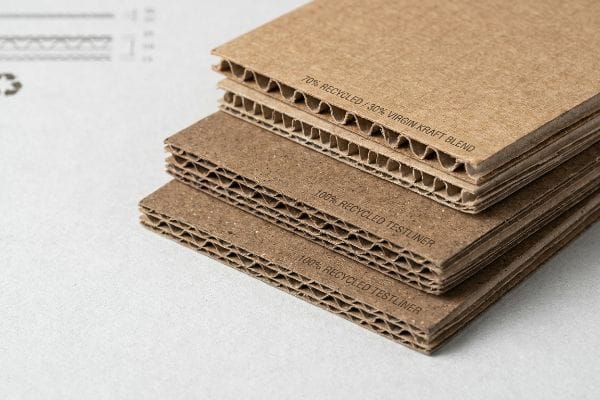
कागज के पुनर्चक्रण को उसकी चरम सीमा तक ले जाना एक कॉर्पोरेट जीत की तरह लगता है, लेकिन यह आपकी आपूर्ति श्रृंखला में एक भारी छिपी हुई देनदारी को जन्म देता है।.
फाइबर की कमी की खतरनाक वास्तविकता
कॉर्पोरेट स्थिरता जनादेश अक्सर खरीद प्रबंधकों को अपने सभी मास्टर शिपर्स और फ्लोर मर्चेंडाइजर्स के लिए 100% पुनर्नवीनीकरण टेस्टलाइनर 11 निर्दिष्ट करने के लिए प्रेरित करते हैं । वे मानते हैं कि यदि कोई सामग्री बुनियादी स्थिर प्रयोगशाला परीक्षण 12 पास कर लेती है , तो वह वास्तविक दुनिया में त्रुटिहीन रूप से काम करेगी।
यहां तक कि अनुभवी खरीदार भी इस जाल में फंस जाते हैं जब वे पूछते हैं कि क्या अधिकतम पुनर्चक्रण सीमा पर नालीदार कार्डबोर्ड पर्यावरण के लिए अच्छा है। वे फाइबर की थकावट के बारे में भूल जाते हैं। कागज के रेशों को रबर बैंड की तरह समझें; इसे बहुत बार खींचने पर यह अंततः टूट जाता है। रिपल्पिंग के दौरान, सेल्युलोज फाइबर भौतिक रूप से छोटे हो जाते हैं।मैंने भारी भार वाले 100% पुनर्चक्रित डिस्प्ले को हमारे TAPPI T811 एज क्रश टेस्टसे है, और आप स्पष्ट रूप से थके हुए फ्लूट्स को झुकते हुए देख सकते हैं और दबाव में बोर्ड के स्पंजी, नरम ढहने को महसूस कर सकते हैं। सामग्री बस हार मान लेती है। समुद्री माल ढुलाई के दौरान इस निम्न-स्तरीय टूट-फूट को रोकने के लिए, मैं भार वहन करने वाले फ्लूट्स में सीधे ताजे वर्जिन क्राफ्ट कार्डबोर्ड का 30% सटीक इंजेक्शन अनिवार्य करता हूं। यह गतिज शॉक एब्जॉर्प्शन को बहाल करता है, जिससे आपके पेलोड को पैलेट के विनाशकारी पतन से पूरी तरह से बचाया जा सकता है, साथ ही सख्त बड़े-बॉक्स पर्यावरण अनुपालन कोटा को भी पूरा किया जा सकता है।
| नौसिखियों की आम गलती | प्रो फिक्स | रिटेल-फ्लोर लाभ |
|---|---|---|
| 100% पुनर्नवीनीकृत टेस्टलाइनर निर्दिष्ट करना | 30% वर्जिन क्राफ्ट अनुपात इंजेक्ट करना15 | बेस-टियर क्रशिंग को रोकता है |
| स्थिर प्रयोगशाला परीक्षणों पर निर्भर रहना | डायनामिक आईएसटीए ट्रांजिट सिमुलेटर चलाना16 | समुद्री परिवहन के दौरान होने वाले नुकसान को रोकता है |
| सूक्ष्म फाइबर की लंबाई को अनदेखा करना | इंजीनियरिंग हाइब्रिड लोड-बेयरिंग फ्लूट्स17 | भारी पेलोड स्टैक को सुरक्षित करता है |
मैं हमेशा ग्राहकों को आगाह करता हूं कि पूरी तरह से ढहा हुआ डिस्प्ले पर्यावरण के लिए सबसे बड़ा नुकसान है। उच्च पुनर्चक्रित सामग्री और रणनीतिक रूप से नए रेशों के सुदृढ़ीकरण का संतुलन ही पृथ्वी और आपके लाभ मार्जिन दोनों की रक्षा करने का एकमात्र तरीका है।.
🛠️ हार्वे का डेस्क: क्या आपके मौजूदा डिस्प्ले में कागज के रेशों की संरचनात्मक कमजोरी के कारण दबाव पड़ने से वह हिल रहा है? 👉 कम्प्रेशन ऑडिट का अनुरोध करें ↗ — कोई फॉर्म नहीं जो अंतहीन बिक्री कॉल को ट्रिगर करे। बस शुद्ध मूल्य।
सबसे पर्यावरण अनुकूल कागज कौन सा है?
सही सामग्री का चयन करना तो आधी लड़ाई है। यदि आप कानूनी रूप से यह साबित नहीं कर सकते कि आपकी सामग्री कहाँ से आई है, तो खुदरा विक्रेता आपकी पूरी खेप को अस्वीकार कर देंगे।.
पर्यावरण के अनुकूल सबसे उत्तम कागज़ एफएससी प्रमाणित नालीदार कार्डबोर्ड है, जिसके साथ अटूट प्रमाण पत्र भी होता है। यह प्रमाणन इस बात की गारंटी देता है कि सेल्युलोज फाइबर को ज़िम्मेदारीपूर्वक प्रबंधित जंगलों से प्राप्त किया गया है, जिससे अवैध कटाई को रोका जा सके और प्रमुख वेयरहाउस क्लबों और सख्त अंतरराष्ट्रीय खुदरा विक्रेताओं द्वारा अपेक्षित कठोर पर्यावरणीय ऑडिट का पूर्ण अनुपालन सुनिश्चित हो सके।.
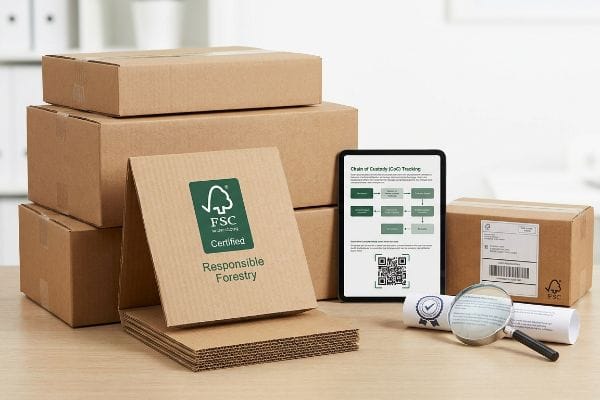
लेकिन जब मशीनें चलने लगती हैं और अनजाने में ही उत्पादन लाइन में अज्ञात पदार्थ मिल जाते हैं, तो केवल सिद्धांत जानना ही पर्याप्त नहीं होता।.
पता न चल पाने वाले कागजात बड़े पैमाने पर खुदरा दुकानों की जांच को क्यों उकसाते हैं?
ब्रांड प्रबंधक अक्सर यह मान लेते हैं कि खरीद आदेश पर एफएससी-प्रमाणित सामग्री के लिए बस एक बॉक्स पर निशान लगाना खुदरा अनुपालन टीमों को संतुष्ट करने के लिए पर्याप्त है। वे स्थिरता को एक कठोर यांत्रिक ट्रैकिंग प्रणाली 18 के बजाय एक दिखावटी लेबल की तरह मानते हैं , और इस बात से पूरी तरह अनजान रहते हैं कि उच्च मात्रा वाले विनिर्माण संयंत्र में वास्तव में कितनी अव्यवस्था होती है।
यह सिर्फ़ सिद्धांत नहीं है—मैंने परीक्षण स्थल पर इसे होते हुए देखा है, जब खरीद टीमें मुझसे पूछती हैं कि उपयोग करने के लिए सबसे पर्यावरण-अनुकूल कागज कौन सा है, लेकिन वे सख्त पृथक्करण प्रोटोकॉल लागू करने में विफल रहती हैं। मेरी सुविधा में, प्रमाणित बोर्डों के आने पर दूषित डेटा का जोखिम अक्सर देखा जाता है। यदि किसी कारखाने में सख्त चेन ऑफ कस्टडी (सीओसी) ट्रैकिंग प्रणाली का अभाव है, तो वे प्रीमियम शीट आसानी से निम्न-श्रेणी के, अप्रमाणित पेपरबोर्ड के साथ मिल सकती हैं। मुझे याद है कि एक बार मैंने एक बैच का पता लगाया था, जिसमें सस्ते, अप्रमाणित टेस्टलाइनर की कच्ची, धूल भरी गंध गलती से प्रीमियम प्रमाणित स्टैक के बगल में लोड कर दी गई थी, जिससे बड़े पैमाने पर क्रॉस-कंटैमिनेशन की विफलता का खतरा पैदा हो गया था। मैंने तुरंत एक केंद्रीकृत सोर्सिंग लॉग और भौतिक संगरोध क्षेत्र लागू किए। इस कठोर ट्रेसबिलिटी को लागू करके, मैं यह सुनिश्चित करता हूं कि मेरे ग्राहकों को अचानक खुदरा विक्रेता ऑडिट के दौरान कभी भी 100% शिपमेंट अस्वीकृति कान, जिससे उन्हें अनुपालन जुर्माने और व्यर्थ माल ढुलाई लागत में हजारों डॉलर की बचत होती है।
| नौसिखियों की आम गलती | प्रो फिक्स | रिटेल-फ्लोर लाभ |
|---|---|---|
| अस्पष्ट पर्यावरण दावों पर भरोसा करना | सख्त CoC दस्तावेज़ीकरण अनिवार्य करना20 | बड़े रिटेल स्टोरों के अनुपालन ऑडिट में सफल रहा।21 |
| प्रमाणित और कच्चे माल का मिश्रण | कारखाने में भौतिक अलगाव को लागू करना22 | बड़े पैमाने पर होने वाले चार्जबैक को रोकता है |
| स्थिरता को एक दिखावे के रूप में मानना | सत्यापन योग्य दस्तावेज़ों का उपयोग करना | विक्रेता स्कोरकार्ड जीत सुनिश्चित करता है |
मैं अपने फर्श पर सामग्री का सख्त पृथक्करण लागू करता हूँ क्योंकि बिना दस्तावेज़ के स्थिरता का दावा करना केवल एक दायित्व है। यदि आप अपने बोर्ड को उसके सटीक उत्पादन स्थल तक नहीं पहुँचा सकते, तो आप अपने खुदरा खरीदारों के साथ जुआ खेल रहे हैं।.
🛠️ हार्वे का डेस्क: क्या आपकी फैक्ट्री में माल की सत्यापन योग्य श्रृंखला न होने के कारण आपको खुदरा विक्रेताओं से भारी भरकम वसूली का जोखिम उठाना पड़ सकता है? 👉 मुझे अपनी अनुपालन फ़ाइल भेजें ↗ — बड़े पैमाने पर उत्पादन पर बजट बर्बाद करने से पहले मैं आपके गणितीय गणनाओं का गहन विश्लेषण करूँगा।
निष्कर्ष
आप सबसे सस्ता 100% रिसाइकल्ड टेस्टलाइनर चुन सकते हैं, लेकिन जब भारी पैलेट के वजन के नीचे ये घिसे-पिटे रेशे टूट जाते हैं, तो इससे रिसीविंग लाइन की गति लगभग 30% धीमी हो जाती है और रिटेलर तुरंत इसे अस्वीकार कर देते हैं। 500 से अधिक ब्रांड मैनेजर इन शुरुआती गलतियों से बचने के लिए मेरी प्रीप्रेस चेकलिस्ट का उपयोग करते हैं। संरचनात्मक सीमाओं का अनुमान लगाना बंद करें और मुझे अपने बोर्ड ग्रेड की व्यक्तिगत रूप से समीक्षा करने दें। मैं मुफ़्त मटेरियल ऑडिट ↗ बड़े पैमाने पर उत्पादन शुरू होने से पहले ही लोड से संबंधित गंभीर विफलताओं का पता लगा लेता हूँ।
"पॉलीलैक्टिक एसिड – विकिपीडिया", https://en.wikipedia.org/wiki/Polylactic_acid। इस बात की पुष्टि कि पॉलीलैक्टिक एसिड (PLA) आमतौर पर मक्के के स्टार्च या अन्य पादप शर्करा के किण्वन से प्राप्त होता है। साक्ष्य की भूमिका: तकनीकी सत्यापन; स्रोत प्रकार: पदार्थ विज्ञान डेटाबेस। समर्थन: PLA की रासायनिक उत्पत्ति। कार्यक्षेत्र संबंधी टिप्पणी: PLA के सबसे सामान्य औद्योगिक स्रोतों पर लागू होता है। ↩
"खाद्य पदार्थ के रूप में इष्टतम गुणों के लिए पेक्टिन-पीएलए द्विपरत फिल्म का अनुकूलन...", https://pmc.ncbi.nlm.nih.gov/articles/PMC10933983/। मानक कागज पुनर्चक्रण में पीएलए के जलरोधी गुणों और रेशे के विमोचन को रोकने की इसकी प्रवृत्ति का सत्यापन। साक्ष्य की भूमिका: तकनीकी तंत्र; स्रोत प्रकार: पदार्थ विज्ञान पत्रिका। समर्थन: यह दावा कि पीएलए मानक कागज पुनर्गूदा बनाने में बाधा डालता है। कार्यक्षेत्र संबंधी टिप्पणी: मानक ओसीसी पुनर्चक्रण धाराओं पर लागू होता है। ↩
"जलीय बनाम पीएलए कोटिंग्स: पेपर कपों का व्यापक विश्लेषण", https://www.hydepackage.com/info-detail/aqueous-vs-pla-coatings-comprehensive-analysis-of-paper-cups। तकनीकी पुष्टि कि उच्च-ठोस जलीय कोटिंग्स पुन: लुगदी बनाने योग्य हैं और प्लास्टिक फिल्मों के समान नमी अवरोधक प्रदान करती हैं। साक्ष्य भूमिका: प्रदर्शन सत्यापन; स्रोत प्रकार: पैकेजिंग इंजीनियरिंग विनिर्देश। समर्थन: एक स्थायी विकल्प के रूप में जलीय कोटिंग्स की व्यवहार्यता। कार्यक्षेत्र नोट: खाद्य-श्रेणी के नमी अवरोधकों से संबंधित। ↩
"कार्यात्मक तत्वों से युक्त पुनर्चक्रण योग्य और जैव-अपघटनीय कागज कोटिंग ...", https://pmc.ncbi.nlm.nih.gov/articles/PMC11948148/। यह सत्यापन कि तरल जलीय कोटिंग्स पीएलए लैमिनेट्स की तुलना में कागज आधारित पैकेजिंग की कर्बसाइड पुनर्चक्रण क्षमता को सुगम बनाती हैं। साक्ष्य की भूमिका: तकनीकी सत्यापन; स्रोत प्रकार: पुनर्चक्रण उद्योग मानक। समर्थन: पुनर्चक्रण क्षमता में सुधार के लिए जलीय कोटिंग्स की प्रभावकारिता। कार्यक्षेत्र संबंधी टिप्पणी: प्रभावकारिता क्षेत्रीय नगरपालिका सुविधा क्षमताओं पर निर्भर करती है। ↩
"खाद्य पैकेजिंग में PFAS के आकलन हेतु जोखिम मैट्रिक्स का विकास", https://pmc.ncbi.nlm.nih.gov/articles/PMC13074049/। यह पुष्टि कि PFAS-मुक्त जल-आधारित अवरोधक कोटिंग्स वर्तमान नियामक और खुदरा विक्रेता स्थिरता लेखापरीक्षा आवश्यकताओं को पूरा करती हैं। साक्ष्य की भूमिका: अनुपालन सत्यापन; स्रोत प्रकार: पर्यावरण विनियमन मार्गदर्शिका। समर्थन: खुदरा अनुपालन के लिए PFAS-मुक्त सामग्रियों की ओर संक्रमण। कार्यक्षेत्र संबंधी टिप्पणी: विशेष रूप से खाद्य-संपर्क सामग्री से संबंधित। ↩
"एकल-सामग्री पैकेजिंग: पुनर्चक्रण प्रक्रिया को सरल बनाना", https://www.berlinpackaging.com/insights/sustainability/mono-material-packaging-simplifies-the-recycling-process?srsltid=AfmBOoo9860rrIdF76RMo1OujksQnMefwqyEhdHXU9EzMtOVbzUz_K07। तकनीकी प्रमाण जो यह दर्शाता है कि एकल-सामग्री डिज़ाइन पुनर्चक्रण प्रक्रिया को सरल बनाते हैं और जटिल सामग्री पृथक्करण की आवश्यकता को कम करते हैं। प्रमाण की भूमिका: प्रक्रिया सत्यापन; स्रोत प्रकार: अपशिष्ट प्रबंधन अध्ययन। समर्थन: यह दावा कि एकल-सामग्री छँटाई की आवश्यकता को समाप्त करती है। कार्यक्षेत्र संबंधी टिप्पणी: मुख्य रूप से यांत्रिक पुनर्चक्रण प्रक्रियाओं पर लागू होता है। ↩
"रिटेल में पीडीक्यू पैकेजिंग को समझना - लिंक्डइन", https://www.linkedin.com/pulse/understanding-pdq-packaging-retail-moss-tvthc। पैकेजिंग इंजीनियरिंग गाइड से तकनीकी विनिर्देश रिटेल-रेडी डिस्प्ले में घर्षण लॉक को रोकने के लिए उपयोग की जाने वाली मानक सहनशीलता को सत्यापित करते हैं। साक्ष्य भूमिका: तकनीकी सत्यापन; स्रोत प्रकार: इंजीनियरिंग मैनुअल। समर्थन: विशिष्ट सहनशीलता माप। स्कोप नोट: नालीदार फ्लूट के आकार के आधार पर सहनशीलता भिन्न हो सकती है। ↩
"रिटेल रेडी पैकेजिंग के मूल्य का आकलन – DSpace@MIT", https://dspace.mit.edu/handle/1721.1/45233। सह-पैकिंग दक्षता पर उद्योग केस स्टडी जटिल से मॉड्यूलर पीडीक्यू डिज़ाइन में परिवर्तन के दौरान बचाए गए समय के लिए बेंचमार्क प्रदान करती हैं। साक्ष्य की भूमिका: मात्रात्मक सत्यापन; स्रोत प्रकार: परिचालन श्वेत पत्र। समर्थन: असेंबली समय में कमी का मीट्रिक। स्कोप नोट: बचत पिछले डिज़ाइन की जटिलता के सापेक्ष है। ↩
"तेज़ सेटअप और खुदरा बिक्री पर प्रभाव के लिए निर्मित नालीदार पीडीक्यू डिस्प्ले", https://www.abbottaction.com/packaging/corrugated-pdq-displays/। औद्योगिक इंजीनियरिंग अध्ययन चिपकने वाली दीवारों के उपयोग और मैन्युअल फोल्डिंग टैब के उपयोग से होने वाली श्रम-घंटे की कमी की तुलना करते हैं। साक्ष्य की भूमिका: प्रदर्शन मीट्रिक; स्रोत प्रकार: विनिर्माण दक्षता रिपोर्ट। समर्थन: असेंबली समय में कमी। कार्यक्षेत्र संबंधी टिप्पणी: उच्च मात्रा वाले खुदरा उपयोगों पर केंद्रित। ↩
"कॉरुगेटेड पीडीक्यू काउंटर डिस्प्ले – पैकेजिंग कंसल्टेंट्स, इंक.", https://pci-packaging.com/project/titleist-point-of-sale-display/। तकनीकी पैकेजिंग मानक, सामग्री पर तनाव और फटने से बचाने के लिए नेस्टेड ट्रे के लिए विशिष्ट सहनशीलता प्रदान करते हैं। साक्ष्य भूमिका: तकनीकी विनिर्देश; स्रोत प्रकार: पैकेजिंग इंजीनियरिंग गाइड। समर्थन: कार्डबोर्ड के फटने की रोकथाम। कार्यक्षेत्र नोट: विशेष रूप से कॉरुगेटेड कार्डबोर्ड पीडीक्यू ट्रे के लिए। ↩
"[PDF] वर्जिन बनाम रिसाइकल्ड बोर्ड्स, एल. लिसा झाओ द्वारा एक शोध प्रबंध...", https://vuir.vu.edu.au/18233/1/ZHAO_1993compressed.pdf। यह प्रामाणिक स्रोत 100% रिसाइकल्ड टेस्टलाइनर के भौतिक गुणों की व्याख्या करता है, विशेष रूप से फाइबर की लंबाई और संरचनात्मक मजबूती की तुलना वर्जिन क्राफ्ट से करता है। साक्ष्य की भूमिका: तकनीकी विनिर्देश; स्रोत का प्रकार: पदार्थ विज्ञान पत्रिका। समर्थन: निर्दिष्ट सामग्री का तकनीकी आधार। कार्यक्षेत्र संबंधी टिप्पणी: लाइनरबोर्ड के गुणों पर केंद्रित। ↩
"नालीदार कार्डबोर्ड बक्सों की संपीडन शक्ति का अनुमान ...", https://pmc.ncbi.nlm.nih.gov/articles/PMC8467740/। यह तकनीकी प्रमाण पुनर्चक्रित नालीदार सामग्रियों के लिए परिवहन के दौरान उत्पन्न होने वाले स्थैतिक संपीडन परीक्षण और गतिशील तनाव/कंपन के बीच अंतर को दर्शाता है। प्रमाण की भूमिका: तकनीकी सत्यापन; स्रोत प्रकार: पैकेजिंग इंजीनियरिंग अनुसंधान। समर्थन: यह दावा कि वास्तविक दुनिया की भविष्यवाणी के लिए स्थैतिक परीक्षण अपर्याप्त हैं। कार्यक्षेत्र संबंधी टिप्पणी: परिवहन सिमुलेशन पर केंद्रित। ↩
"नैनोसेल्यूलोज के मिश्रण का यांत्रिक गुणों पर प्रभाव...", https://pmc.ncbi.nlm.nih.gov/articles/PMC10780965/। बार-बार रिपल्पिंग और यांत्रिक प्रसंस्करण से सेल्यूलोज फाइबर की औसत लंबाई कैसे कम हो जाती है, जिससे संरचनात्मक क्षरण होता है, इसका तकनीकी स्पष्टीकरण। साक्ष्य की भूमिका: क्रियाविधि का सत्यापन; स्रोत प्रकार: अकादमिक शोधपत्र। समर्थन: फाइबर की कमी की अवधारणा। स्कोप नोट: भिन्नता पल्प के प्रकार और पुनर्चक्रण चक्रों पर निर्भर करती है। ↩
"नालीदार तख्ते के किनारे के कुचलने के परीक्षण में पूर्ण-क्षेत्र मापन...", https://pmc.ncbi.nlm.nih.gov/articles/PMC8199211/। नालीदार तख्ते के किनारे के कुचलने के परीक्षण (ECT) मान को निर्धारित करने के लिए उद्योग मानकीकृत विधि के रूप में TAPPI T811 का सत्यापन। साक्ष्य की भूमिका: तकनीकी सत्यापन; स्रोत प्रकार: उद्योग मानक। समर्थन: तख्ते के ढहने की पहचान करने के लिए उपयोग की जाने वाली परीक्षण विधि की वैधता। कार्यक्षेत्र संबंधी टिप्पणी: मानक विशेष रूप से नालीदार सामग्रियों पर लागू होता है। ↩
"कॉरुगेटेड पेपरबोर्ड पैकेज की संपीडन शक्ति...", https://pmc.ncbi.nlm.nih.gov/articles/PMC10054506/। एक पदार्थ विज्ञान अध्ययन या पैकेजिंग तकनीकी मार्गदर्शिका यह डेटा प्रदान करेगी कि कैसे वर्जिन क्राफ्ट फाइबर का एक विशिष्ट अनुपात टेस्टलाइनर की फटने और संपीडन शक्ति को बेहतर बनाता है ताकि कुचलने से बचा जा सके। साक्ष्य की भूमिका: तकनीकी सत्यापन; स्रोत प्रकार: पदार्थ विज्ञान पत्रिका। समर्थन: यह दावा कि वर्जिन फाइबर बेस-टियर को कुचलने से रोकता है। स्कोप नोट: परिणाम बोर्ड ग्रेड के आधार पर भिन्न हो सकते हैं। ↩
"ट्रांसपैक स्पीकर्स – इंटरनेशनल सेफ ट्रांजिट एसोसिएशन", https://ista.org/transpack_speakers.php। ISTA (इंटरनेशनल सेफ ट्रांजिट एसोसिएशन) के मानक यह स्पष्ट करेंगे कि स्थैतिक प्रयोगशाला परीक्षणों की तुलना में गतिशील सिमुलेशन वास्तविक समुद्री परिवहन तनावों का अधिक सटीक अनुमान क्यों लगाता है। साक्ष्य की भूमिका: मानक सत्यापन; स्रोत प्रकार: उद्योग मानक। समर्थन: परिवहन क्षति को रोकने में गतिशील सिमुलेशन की प्रभावकारिता। कार्यक्षेत्र संबंधी टिप्पणी: मानकीकृत शिपिंग प्रोटोकॉल पर लागू होता है। ↩
"शिपिंग बॉक्स की मजबूती को समझना – इकोएनक्लोज", https://www.ecoenclose.com/blog/understanding-shipping-box-strength/?srsltid=AfmBOoqLBfpXa2xMZ58FHOoQqXlXQgW4nikW7Ou2yZmKyk_lObCwZkn6। नालीदार कार्डबोर्ड पर एक संरचनात्मक अभियांत्रिकी शोध पत्र यह बताता है कि हाइब्रिड फ्लूट संयोजन भारी स्टैक के लिए ऊर्ध्वाधर भार वहन क्षमता को कैसे बढ़ाते हैं। साक्ष्य भूमिका: अभियांत्रिकी विनिर्देश; स्रोत प्रकार: तकनीकी श्वेत पत्र। समर्थन: फ्लूट अभियांत्रिकी और पेलोड सुरक्षा के बीच संबंध। कार्यक्षेत्र नोट: औद्योगिक-ग्रेड पैकेजिंग के लिए विशिष्ट। ↩
"[PDF] FSC Standards for Chain of Custody – Indiana State Government", https://www.in.gov/dnr/forestry/files/FSC-COC_Certification_of_Multiple_Sites.pdf. फॉरेस्ट स्टीवर्डशिप काउंसिल (FSC) का एक आधिकारिक स्रोत बताता है कि चेन ऑफ कस्टडी (CoC) सर्टिफिकेशन किस प्रकार सामग्री के मूल की पुष्टि के लिए आवश्यक यांत्रिक ट्रैकिंग प्रदान करता है। साक्ष्य की भूमिका: तकनीकी विनिर्देश; स्रोत का प्रकार: उद्योग मानक। समर्थन: इस दावे का कि स्थिरता के लिए केवल लेबल लगाने के बजाय एक कठोर ट्रैकिंग प्रणाली की आवश्यकता है। स्कोप नोट: CoC सर्टिफिकेशन पर केंद्रित। ↩
"चेन ऑफ कस्टडी – स्टेटपर्ल्स – एनसीबीआई बुकशेल्फ़ – एनआईएच", https://www.ncbi.nlm.nih.gov/books/NBK551677/। खुदरा विक्रेता अनुपालन प्रोटोकॉल और एफएससी/पीईएफसी मानकों के तहत चेन ऑफ कस्टडी को अनिवार्य बनाने का संक्षिप्त विवरण, जिसके तहत धोखाधड़ी वाले दावों को रोका जा सकता है और अनुपालन न करने पर शिपमेंट अस्वीकृत किया जा सकता है। साक्ष्य की भूमिका: उद्योग जोखिम का सत्यापन; स्रोत प्रकार: अनुपालन नियमावली या उद्योग मानक। समर्थन: वित्तीय हानि से बचने के लिए कस्टडी की आवश्यकता। कार्यक्षेत्र संबंधी टिप्पणी: विशिष्ट दंड खुदरा विक्रेता के अनुबंध की शर्तों पर निर्भर करते हैं। ↩
"चेन ऑफ कस्टडी सर्टिफिकेशन – फॉरेस्ट स्टीवर्डशिप काउंसिल", https://fsc.org/en/chain-of-custody। यह लेख बताता है कि टिकाऊ सामग्रियों के स्रोत को सत्यापित करने के लिए चेन ऑफ कस्टडी (CoC) मानकों की आवश्यकता क्यों होती है। साक्ष्य की भूमिका: तकनीकी विनिर्देश; स्रोत का प्रकार: उद्योग प्रमाणन मानक। समर्थन: उत्पत्ति के कानूनी प्रमाण के लिए CoC की आवश्यकता। कार्यक्षेत्र संबंधी टिप्पणी: FSC और PEFC प्रमाणनों पर लागू होता है। ↩
"रिटेलर के लिए सतत पैकेजिंग अनुपालन मार्गदर्शिका", https://www.paperindex.com/academy/the-retailers-guide-to-sustainable-packaging-compliance-navigating-bans-and-certifications/। यह विश्लेषण कि बड़े पैमाने के खुदरा विक्रेता शिपमेंट स्वीकार करने से पहले स्थिरता दावों को सत्यापित करने के लिए अनुपालन ऑडिट का उपयोग कैसे करते हैं। साक्ष्य की भूमिका: परिचालन आवश्यकता; स्रोत प्रकार: खुदरा विक्रेता अनुपालन मार्गदर्शिका। समर्थन: दस्तावेज़ीकरण और ऑडिट की सफलता के बीच संबंध। कार्यक्षेत्र संबंधी टिप्पणी: उच्च मात्रा वाले खुदरा वातावरण के लिए विशिष्ट। ↩
"कागज और पैकेजिंग | वन प्रबंधन परिषद", https://fsc.org/en/businesses/paper-packaging। प्रमाणित और कच्चे माल के मिश्रण को रोकने और प्रमाणन की अखंडता बनाए रखने के लिए उपयोग किए जाने वाले विनिर्माण प्रोटोकॉल का दस्तावेज़ीकरण। साक्ष्य की भूमिका: प्रक्रिया सत्यापन; स्रोत प्रकार: विनिर्माण गुणवत्ता मानक। समर्थन: प्रमाणन संदूषण की रोकथाम। कार्यक्षेत्र संबंधी टिप्पणी: प्रमाणन निकाय के अनुसार भिन्न होता है। ↩