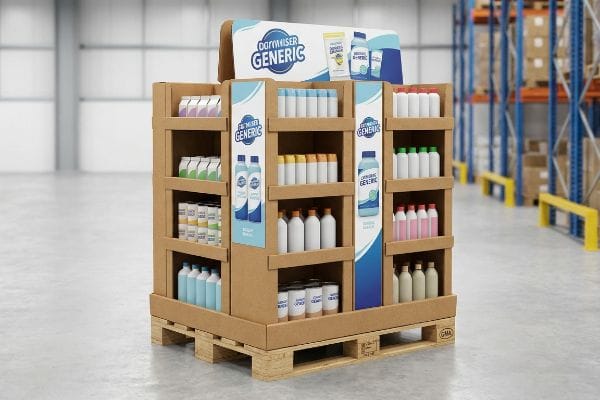
बड़े रिटेल स्टोर्स में किसी उत्पाद को लॉन्च करना बेहद चुनौतीपूर्ण होता है। अगर आपका मर्चेंडाइजर स्टोर में नाकाम हो जाता है, तो आपके ब्रांड की साख भी धराशायी हो जाती है। मैं ऐसे ढांचे तैयार करता हूँ जो रिटेल की इस कठिन चुनौती का सामना कर सकें।.
कार्डबोर्ड पैलेट डिस्प्ले की विशेषताओं में उच्च-शक्ति वाले नालीदार पदार्थ, मॉड्यूलर स्टैकिंग क्षमता और मानकीकृत जीएमए (ग्रोसरी मैन्युफैक्चरर्स एसोसिएशन) आधार आयाम शामिल हैं। ये मजबूत संरचनाएं भारी खुदरा सामान को गतिशील रूप से सहारा देती हैं, गोदाम में फोर्कलिफ्ट की पहुंच को अधिकतम करती हैं और ग्राहकों के तात्कालिक निर्णय लेने के स्थान पर 360-डिग्री ब्रांड दृश्यता प्रदान करती हैं।.
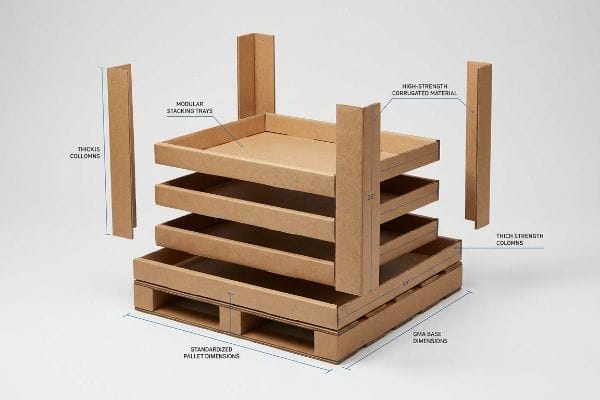
आइए सैद्धांतिक विपणन की सतही बातों को हटाकर उन वास्तविक भौतिकी कारकों पर नज़र डालें जो यह निर्धारित करते हैं कि आपका अभियान किसी नम गोदाम में सफल होगा या विफल हो जाएगा।.
डिस्प्ले के पाँच प्रकार क्या हैं?
अपने मर्चेंडाइजिंग विकल्पों को समझना पहला कदम है।.
डिस्प्ले के पाँच प्रकार हैं: फ्लोर यूनिट, काउंटरटॉप मर्चेंडाइज़र, पैलेट स्ट्रक्चर, शेल्फ-रेडी ट्रे और हैंगिंग क्लिप स्ट्रिप्स। प्रत्येक फॉर्मेट विशिष्ट रिटेल एंगेजमेंट ज़ोन को लक्षित करता है, जिसमें मुख्य गलियारों में 30 फुट के विशाल दृश्य व्यवधान से लेकर चेकआउट काउंटर पर सीधे तीन इंच के स्पर्शनीय तात्कालिक रूपांतरण तक शामिल हैं।.
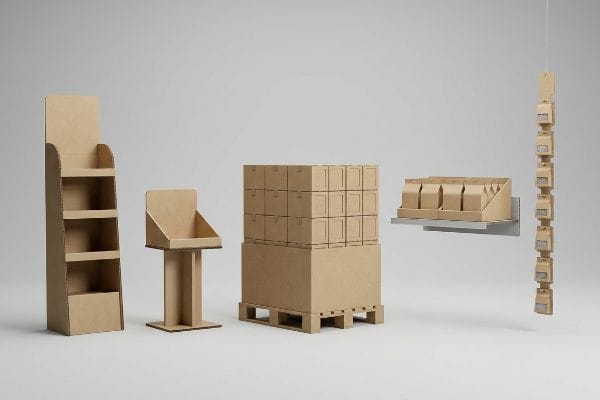
बुनियादी श्रेणियों को जानना आसान है, लेकिन गलत संरचना को गलत क्षेत्र में रखना आपकी इकाई को कचरे के डिब्बे में फेंकने का सबसे तेज़ रास्ता है।.
खुदरा क्षेत्र निर्धारण की स्थानिक बाधाएँ
अधिकांश ब्रांड संस्थापक यह मान लेते हैं कि वे अपनी सौंदर्य संबंधी पसंद या बजट के आधार पर डिस्प्ले का प्रकार चुन सकते हैं। वे एक भारी-भरकम उत्पाद श्रृंखला को रखने के लिए एक विशाल फ्लोर यूनिट डिज़ाइन करते हैं, और यह उम्मीद करते हैं कि यह बड़े क्लब स्टोर से लेकर कोने की छोटी दुकानों तक, हर रिटेल पार्टनर के यहाँ आसानी से फिट हो जाएगी।.
मुझे यह खामी अक्सर तब दिखती है जब महत्वाकांक्षी टीमें 48 इंच (1219.2 मिमी) चौड़ी विशाल फ्लोर यूनिट को सिर्फ डाइलाइन को गणितीय रूप से छोटा करके काउंटरटॉप ट्रे में फिट करने की कोशिश करती हैं। सख्त ADA (अमेरिकन्स विद डिसेबिलिटीज एक्ट) के तहत निर्धारित पहुंच सीमाओं का उल्लंघन किए बिना आप किसी फ्लोर स्ट्रक्चर को चेकआउट काउंटर पर जबरदस्ती नहीं रख सकते । जब कोई क्लर्क छोटे रजिस्टर काउंटर पर सिकुड़ी हुई फ्लोर यूनिट को खोलता है, तो वह तुरंत पलट जाती है या स्कैनर को ब्लॉक कर देती है, जिससे उन्हें नालीदार बेस को अजीब तरह से फाड़ना पड़ता है या उसे चिपकाने के लिए गंदी पारदर्शी टेप का इस्तेमाल करना पड़ता है। आपको पहले दिन से ही विशिष्ट रिटेल एंगेजमेंट ज़ोन के अनुसार फॉर्मेट को मैच करना होगा।
| नौसिखियों की आम गलती | प्रो फिक्स | रिटेल-फ्लोर लाभ |
|---|---|---|
| काउंटरों के लिए सिकुड़ने वाली फ्लोर यूनिट | ई-बांसुरी स्टेप-डाउन के साथ पुनः इंजीनियर करें | गिरने और स्कैनर के अवरुद्ध होने से बचाता है |
| एडीए पहुंच संबंधी प्रतिबंधों की अनदेखी करना | विशेष रूप से 15-48 इंच (381-1219 मिमी) जोन 2 के लिए डिज़ाइन किया गया है | चेकआउट काउंटर अनुपालन की गारंटी देता है |
| लटकने वाली क्लिप स्ट्रिप्स में अत्यधिक सामान भरना | कैप साइडकिक पेलोड 15 पाउंड (6.8 किलोग्राम) है।3 | धातु की क्लिपों को कागज फाड़ने से रोकता है |
मैं हमेशा गलियारे और रजिस्टर के प्रारूपों के बीच स्थायी इंजीनियरिंग पृथक्करण सुनिश्चित करता हूँ। यदि आप लापरवाही से छोटा करके फिट करने का प्रयास करते हैं, तो स्टोर प्रबंधक आपके गैर-अनुरूप यूनिटों को पहुँचते ही अस्वीकार कर देंगे।.
🛠️ हार्वे का डेस्क: क्या आप सुनिश्चित नहीं हैं कि आपका काउंटरटॉप यूनिट आगे की पहुँच सीमा का उल्लंघन करता है? 👉 डाइलाइन ऑडिट करवाएँ ↗ — मेरे डेस्क तक सीधी पहुँच। मैं वादा करता हूँ, कोई स्वचालित बिक्री स्पैम नहीं होगा।
पैलेट डिस्प्ले क्या है?
बड़े रिटेल स्टोर को भारी मात्रा में माल की आवश्यकता होती है, और इसके लिए मजबूत लॉजिस्टिक्स व्यवस्था की जरूरत होती है।.
पैलेट डिस्प्ले एक थोक व्यापारिक ढांचा है जो सीधे मानकीकृत लकड़ी या नालीदार कागज के आधार पर टिका होता है। ये उच्च क्षमता वाली इकाइयाँ विशेष रूप से गतिशील माल परिवहन को सहन करने और गोदाम रैकिंग सिस्टम से सीधे खुदरा बिक्री फ्लोर पर बिना मैन्युअल रीपैकिंग के आसानी से स्थानांतरित होने के लिए डिज़ाइन की गई हैं।.
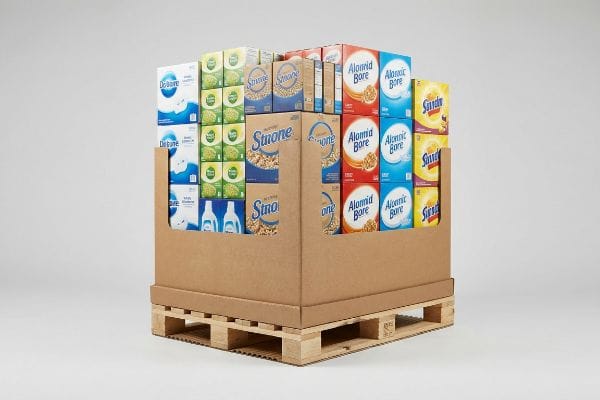
लेकिन लकड़ी के आधार पर ढेर सारे गत्ते के गत्ते रखना ही काफी नहीं है; परिवहन के दौरान सुरक्षित रहने के लिए इसकी ज्यामिति त्रुटिहीन होनी चाहिए।.
पैलेट ज्यामिति का छिपा हुआ भौतिकी
खरीददार अक्सर अपने मुख्य डिब्बों के बाहरी आयामों को बढ़ाने पर जोर देते हैं ताकि उनमें अधिक से अधिक इकाइयाँ भरी जा सकें। उनका मानना है कि यदि वे मजबूत तख्ते का उपयोग कर रहे हैं, तो कच्चे माल की मजबूती अंतरराष्ट्रीय शिपिंग के दौरान सामान की सुरक्षा करेगी ।
यदि कोई मास्टर कार्टन एक मानक 48×40 इंच (1219.2×1016 मिमी) पैलेट से एक इंच के अंश से भी बाहर निकला हुआ हो, तो बॉक्स के कोनों पर कोई भार नहीं पड़ता। नालीदार बक्सों की संपीड़न शक्ति का 60% तक हिस्सा सीधे उनके कोनों के ऊर्ध्वाधर संरेखण से प्राप्त होता है। जब मैं रिसीविंग डॉक पर ढह चुके शिपमेंट का निरीक्षण करता हूँ, तो मुझे थके हुए खांचों की हल्की सी चरमराहट सुनाई देती है क्योंकि बिना सहारे वाले मध्य पैनलों ने पूरा गतिशील भार वहन किया होता है। बाहरी सतह को ठीक 0.5 इंच (12.7 मिमी) कम करके ओवरहैंग को समाप्त करने से कोनों की मजबूती तुरंत बहाल हो जाती है, जिससे नीचे की परत के ढहने से बचाव होता है और खुदरा विक्रेताओं को होने वाले महंगे शुल्क से बचा जा सकता है।.
| नौसिखियों की आम गलती | प्रो फिक्स | रिटेल-फ्लोर लाभ |
|---|---|---|
| पैलेट के किनारे से आगे बॉक्स के आकार को अधिकतम करना | शून्य ओवरहैंग बाउंडिंग बॉक्स लागू करें 5 | परिवहन के दौरान होने वाली टूट-फूट को रोकता है |
| सस्ते, छिद्रयुक्त लकड़ी के आधारों का उपयोग करना | एक ठोस नालीदार स्लिप शीट जोड़ें | सबसे निचले स्तर को झुकने से रोकता है |
| गतिशील भार क्षमता का अनुमान लगाना | आईएसटीए (इंटरनेशनल सेफ ट्रांजिट एसोसिएशन) 3ए सिमुलेशन 6 का प्रदर्शन करें | डबल-स्टैक्ड माल की सुरक्षा सुनिश्चित करता है |
मैं खरीद टीमों को पैलेट की परिधि के भीतर ज्यामिति को अंतिम रूप दिए बिना आयाम तय करने की अनुमति कभी नहीं देता। दोहरे स्टैक वाले समुद्री माल ढुलाई में सुरक्षित रहने का एकमात्र तरीका कोनों की संपीड़न शक्ति को बनाए रखना है।.
🛠️ हार्वे का डेस्क: क्या आपके निचले स्तर के मास्टर कार्टन स्टोर तक पहुँचने से पहले ही बाहर की ओर झुक रहे हैं? 👉 संरचनात्मक समीक्षा का अनुरोध करें ↗ — सुरक्षित रूप से डाउनलोड करें। बाद में कोई प्रश्न होने पर मेरा इनबॉक्स खुला है।
कार्डबोर्ड डिस्प्ले को क्या कहते हैं?
उद्योग की तकनीकी शब्दावली कारखाने के साथ बातचीत के दौरान नए खरीदारों को आसानी से भ्रमित कर सकती है।.
कार्डबोर्ड डिस्प्ले को पीओपी (प्वाइंट ऑफ परचेज़) मर्चेंडाइज़र, पीओएस (प्वाइंट ऑफ सेल) यूनिट, एफएसडीयू (फ्री स्टैंडिंग डिस्प्ले यूनिट) या पीडीक्यू (प्रीटी डार्न क्विक) ट्रे कहा जाता है। ये विशिष्ट संरचनात्मक शब्द यूनिट की भौतिक स्थिति, लॉजिस्टिकल असेंबली की गति और रणनीतिक ग्राहक जुड़ाव क्षेत्र को स्पष्ट रूप से परिभाषित करते हैं।.

FSDU और PDQ के बीच अंतर जानना केवल शब्दावली की बात नहीं है; यह सीधे तौर पर आपकी माल ढुलाई लागत और असेंबली समय को प्रभावित करता है।.
FSDU और PDQ ट्रे को डिकोड करना
कई मार्केटिंग टीमें इन संक्षिप्ताक्षरों को एक दूसरे के स्थान पर इस्तेमाल होने वाले प्रचलित शब्दों की तरह मानती हैं, और लापरवाही से पीओपी डिस्प्ले मांगती हैं जबकि वास्तव में उन्हें शेल्फ-रेडी पीडीक्यू ट्रे की आवश्यकता होती है। इस सटीकता की कमी के कारण कारखाने गलत संरचनात्मक ग्रेड बताते हैं , जिससे ब्रांड तब हैरान रह जाते हैं जब उनके अंतिम बिल में भारी माल ढुलाई शुल्क के रूप में जुर्माना दिखाई देता है7।
इसे वाहन ऑर्डर करने जैसा समझें; जब आपको कमर्शियल फोर्कलिफ्ट की ज़रूरत हो, तब कार ऑर्डर करना मुसीबत में पड़ सकता है। अगर आप थोड़े समय के प्रमोशन के लिए बिना सोचे-समझे परमानेंट वेल्डेड FSDU ऑर्डर करते हैं , तो आपको खाली हवा से भरे कंटेनर भेजने के लिए भारी कीमत चुकानी पड़ेगी। मेरी कंपनी में, मैं ग्राहकों को शॉर्ट-टर्म कैंपेन के लिए फ्लैट-पैक इंजीनियरड टेम्पररी POP स्ट्रक्चर का इस्तेमाल करने के लिए कहता हूँ। अच्छी तरह से डिज़ाइन किए गए नालीदार लॉकिंग टैब की तेज़ आवाज़ से आप परमानेंट हार्डवेयर को पूरी तरह से छोड़ देते हैं, जिससे आप एक स्टैंडर्ड शिपिंग कंटेनर में कहीं ज़्यादा यूनिट्स फिट कर सकते हैं और अपने लॉजिस्टिक्स खर्च को काफी कम कर सकते हैं।
| नौसिखियों की आम गलती | प्रो फिक्स | रिटेल-फ्लोर लाभ |
|---|---|---|
| POP और POS शब्दों को आपस में मिला देना | खुदरा बिक्री क्षेत्र को सटीक रूप से परिभाषित करें | स्टोर मैनेजर द्वारा अस्वीकृति को रोकता है |
| खाली धातु एफएसडीयू की शिपिंग | फ्लैट-पैक अस्थायी पीओपी पर स्विच करें | समुद्री माल ढुलाई की लागत में भारी कमी आती है 9 |
| शेल्फ ट्रे को ज़रूरत से ज़्यादा जटिल बनाना | पहले से चिपकाए गए मॉड्यूलर पीडीक्यू का निर्माण करें | प्रत्येक असेंबली में 35 सेकंड की बचत होती है10 |
मैं पहले दिन से ही सटीक शब्दावली की मांग करता हूं क्योंकि अस्पष्ट अनुरोध अनावश्यक इंजीनियरिंग को जन्म देते हैं। अपनी शब्दावली को कारखाने की सटीक क्षमताओं के अनुरूप रखने से आपकी कार्यशील पूंजी सुरक्षित रहती है।.
🛠️ हार्वे का डेस्क: क्या आपकी फ़ैक्टरी कोटेशन में इस्तेमाल की गई शब्दावली में विसंगति के कारण भ्रम पैदा हो रहा है? 👉 अपना तकनीकी मूल्यांकन प्राप्त करें ↗ — कोई फ़ॉर्म नहीं जो अंतहीन सेल्स कॉल को ट्रिगर करे। बस शुद्ध मूल्य।
डिस्प्ले बॉक्स कितने प्रकार के होते हैं?
सही बॉक्स शैली का चयन यह निर्धारित करता है कि आपका उत्पाद यात्रा के दौरान कैसे सुरक्षित रहेगा।.
विभिन्न प्रकार के डिस्प्ले बॉक्स में अधिकतम परिवहन क्षमता के लिए RSC (रेगुलर स्लॉटेड कंटेनर), खुदरा उपयोग के लिए तैयार खुले डिब्बे के लिए HSC (हाफ स्लॉटेड कंटेनर) और आसानी से अलग किए जा सकने वाले शेल्फ मर्चेंडाइज़र शामिल हैं। प्रत्येक बॉक्स की ज्यामिति को विशेष रूप से गतिशील माल संपीड़न शक्ति और स्टोर में सामान भरने के लिए उच्च गति से पहुंच के बीच संतुलन बनाए रखने के लिए डिज़ाइन किया गया है।.

लेकिन जब मशीनें चलना शुरू हो जाती हैं और उन पर भारी मात्रा में ऊपरी भार डाला जाता है, तो केवल सिद्धांत जानना ही पर्याप्त नहीं होता है।.
एचएससी ओपन-टॉप सब्स्टीट्यूशन का छिपा हुआ खतरा
खरीद टीमें अक्सर कच्चे माल की लागत कम करने के लिए मानक बंद आरएससी शिपर्स के स्थान पर खुले शीर्ष वाले एचएससी बिन्स का उपयोग करने का प्रयास करती हैं। वे मानती हैं कि ऊपरी फ्लैप हटाने से खुदरा बिक्री के लिए तुरंत पहुंच संभव हो जाती है और नालीदार बोर्ड पर कुछ पैसे की बचत होती है, लेकिन वे गलत धारणा रखती हैं कि आधार संरचना उतनी ही मजबूत बनी रहती है।.
मेरी फैक्ट्री में, मैंने अक्सर देखा है कि लागत कम करने के इस तरीके के कारण शुरुआती संपीड़न परीक्षण के दौरान भयानक ढहने की घटनाएं होती हैं। जब आप खुले एचएससी बॉक्स बनाने के लिए ऊपरी फ्लैप्स को काट देते हैं, तो आप निरंतर ऊपरी आवरण को नष्ट कर देते हैं, जिससे ऊपरी भार के दबाव को वितरित करने की क्षमता में भारी कमी आती है। टीएपीपी (पल्प और पेपर उद्योग का तकनीकी संघ) टी811 ईसीटी11 (एज क्रश टेस्ट) के दौरान, मैंने ऊपरी फ्लैप्स को हटाने पर गतिशील स्थिरता में 28.4% की भारी गिरावटमापी। मैंने माइक्रोमीटर रीडिंग निकाली और साबित किया कि संरचनात्मक मजबूती को बहाल करने के लिए हमें आंतरिक फ्लूट्स को गणितीय रूप से पूरी तरह से लंबवत संरेखित करना होगा। इस सख्त लंबवत ग्रेन ओरिएंटेशन को लागू करके, मैंने खोई हुई संपीड़न क्षमता को बहाल किया, जिससे यह सुनिश्चित हुआ कि खुले बॉक्स बिना झुके पैलेट स्टैकिंग में टिके रहें, और ग्राहकों को क्षतिग्रस्त इन्वेंट्री राइट-ऑफ में हजारों की बचत हुई।
| नौसिखियों की आम गलती | प्रो फिक्स | रिटेल-फ्लोर लाभ |
|---|---|---|
| बिना सुदृढ़ीकरण के एचएससी का उपयोग करना | बांसुरी के रेशों को पूरी तरह से लंबवत संरेखित करें | महत्वपूर्ण टॉप-लोड कम्प्रेशन को पुनर्स्थापित करता है |
| पूरी तरह से फ्लैट ECT मेट्रिक्स पर निर्भर रहना | गतिशील ISTA ट्रांजिट परीक्षण करें | वास्तविक दुनिया में आपूर्ति श्रृंखला के अस्तित्व को पूर्व-मान्य करता है |
| चीर-फाड़ कर छेद करने की सीमाओं को अनदेखा करना | सटीक निकिंग अनुपात का इंजीनियर करें | समय से पहले बॉक्स फटने से रोकता है |
मैं ग्राहकों को कभी भी गत्ते पर कुछ पैसे बचाने के लिए संरचनात्मक मजबूती से समझौता करने की अनुमति नहीं देता। आंतरिक खांचे की ज्यामिति को अपग्रेड करने से यह सुनिश्चित होता है कि आपके खुले शीर्ष वाले डिब्बे पूरी तरह से सुरक्षित पहुंचें।.
🛠️ हार्वे की सलाह: 2 मिलीमीटर की संरचनात्मक खामी को 500 स्टोरों में अपना कारोबार ठप न करने दें। 👉 मुझे अपनी डाइलाइन फ़ाइल भेजें ↗ — बड़े पैमाने पर उत्पादन पर बजट बर्बाद करने से पहले मैं गणितीय गणनाओं की गहन जांच कर लूंगा।
निष्कर्ष
आप सस्ता विक्रेता चुन सकते हैं, लेकिन जब मास्टर कार्टन लकड़ी के पैलेट से सिर्फ आधा इंच (12.7 मिमी) बाहर निकला हुआ हो, तो बिना सहारे वाला निचला हिस्सा स्पष्ट रूप से झुक जाएगा और गोदाम के भारी वजन के नीचे बुरी तरह दब जाएगा, जिससे आपके प्रोजेक्ट का सारा मुनाफा खत्म हो जाएगा। यह वही स्पेसिफिकेशन शीट है जिसका इस्तेमाल मेरे शीर्ष 10 रिटेल ग्राहक प्रिंट रिजेक्शन को रोकने के लिए करते हैं। संरचनात्मक सहनशीलता के बारे में अंदाज़ा लगाना बंद करें और मुझे व्यक्तिगत रूप से अपनी फाइलों को मेरे मुफ़्त डाइलाइन ऑडिट ↗ ताकि बड़े पैमाने पर उत्पादन शुरू होने से पहले ही गंभीर त्रुटियों का पता चल सके।
"अध्याय 9: अंतर्निर्मित तत्व", https://www.access-board.gov/ada/chapter/ch09/। सुलभ बिक्री और सेवा काउंटरों के लिए अधिकतम पहुँच गहराई के संबंध में ADA दिशानिर्देशों का सत्यापन। साक्ष्य की भूमिका: तकनीकी मानक; स्रोत प्रकार: सरकारी विनियमन। समर्थन: काउंटरटॉप डिस्प्ले आयामों पर प्रतिबंध। कार्यक्षेत्र संबंधी टिप्पणी: अमेरिकी संघीय सुलभता कानूनों पर केंद्रित। ↩
"बिक्री और सेवा काउंटर – Access-Board.gov", https://www.access-board.gov/ada/guides/animations/sales-and-service-counters.html। व्यावसायिक प्रतिष्ठानों में सुलभ पहुंच श्रेणियों के लिए अमेरिकियों के विकलांगता अधिनियम (ADA) मानकों का सत्यापन। साक्ष्य की भूमिका: कानूनी अनुपालन; स्रोत प्रकार: सरकारी विनियमन। सहायक: काउंटर की सुलभता के लिए विशिष्ट ऊंचाई आवश्यकताएं। कार्यक्षेत्र संबंधी टिप्पणी: अमेरिकी संघीय मानकों पर लागू होता है। ↩
"पोसी-लोक डिस्प्ले मर्चेंडाइजिंग स्ट्रिप्स – पेज 1", https://www.clipstrip.com/clip-strip-brand-merchandising-strips/posi-lok-display-merchandising-strips/?srsltid=AfmBOop4NbF1EWxdJ80WNII5OYgBBoMM78pxsw4gyHUYcWxqaEC6Fye3। मानक कार्डबोर्ड साइडकिक डिस्प्ले और मेटल क्लिप स्ट्रिप्स की भार वहन क्षमता का तकनीकी सत्यापन। साक्ष्य भूमिका: इंजीनियरिंग विनिर्देश; स्रोत प्रकार: उद्योग विनिर्माण मार्गदर्शिका। समर्थन: संरचनात्मक विफलता को रोकने के लिए भार सीमाएँ। कार्यक्षेत्र संबंधी टिप्पणी: कार्डबोर्ड ग्रेड के अनुसार भिन्न हो सकता है। ↩
"नालीदार कार्डबोर्ड पैकेजों की संपीडन शक्ति...", https://pmc.ncbi.nlm.nih.gov/articles/PMC10054506/। यह सत्यापन कि कच्चे माल की मजबूती अकेले उत्पाद सुरक्षा के लिए अपर्याप्त है, संरचनात्मक अखंडता और पैकेजिंग ज्यामिति की तुलना में अधिक महत्वपूर्ण है। साक्ष्य की भूमिका: तकनीकी सत्यापन; स्रोत प्रकार: सामग्री विज्ञान पत्रिका या रसद पुस्तिका। समर्थन: इस भ्रांति का कि बोर्ड का वजन संरचनात्मक इंजीनियरिंग का स्थान ले लेता है। कार्यक्षेत्र संबंधी टिप्पणी: नालीदार कार्डबोर्ड के प्रदर्शन पर केंद्रित। ↩
"पशु आहार संचालन में पैलेट ओवरहैंग को कैसे रोकें", https://www.bwpackaging.com/blog/how-to-prevent-pallet-overhang-in-animal-feed-operations। माल ढुलाई स्थिरता पर तकनीकी दस्तावेज़ दर्शाता है कि ओवरहैंग को हटाने से उत्पाद की क्षति कम होती है और भार संपीड़न शक्ति बढ़ती है। साक्ष्य भूमिका: तकनीकी सत्यापन; स्रोत प्रकार: लॉजिस्टिक्स मैनुअल। समर्थन: यह दावा कि शून्य ओवरहैंग परिवहन के दौरान कुचलने की समस्या को खत्म करता है। कार्यक्षेत्र नोट: मानक नालीदार शिपिंग कंटेनरों पर लागू होता है। ↩
"परीक्षण प्रक्रियाएँ – अंतर्राष्ट्रीय सुरक्षित पारगमन संघ", https://ista.org/test_procedures.php। ISTA 3A मानक वितरण प्रणाली की कठोरताओं को सहन करने की पैकेज की क्षमता का परीक्षण करने के लिए झटकों और कंपनों के एक नकली क्रम को निर्दिष्ट करता है। साक्ष्य भूमिका: उद्योग मानक; स्रोत प्रकार: तकनीकी विनिर्देश। समर्थन: यह दावा कि 3A सिमुलेशन दोहरे स्टैक में सुरक्षित रहने की गारंटी देता है। कार्यक्षेत्र संबंधी टिप्पणी: विशेष रूप से पार्सल और पैलेटाइज्ड शिपमेंट के लिए। ↩
"क्या उत्पाद डिस्प्ले बॉक्स का उपयोग शिपिंग के लिए किया जा सकता है? – PopDisplay", https://popdisplay.me/can-product-display-boxes-be-used-for-shipping/। लॉजिस्टिक्स और पैकेजिंग पर एक विश्वसनीय उद्योग स्रोत यह समझाएगा कि गलत सामग्री विनिर्देश किस प्रकार आयतन भार और माल ढुलाई लागत को प्रभावित करते हैं। साक्ष्य की भूमिका: कारण संबंध; स्रोत प्रकार: औद्योगिक लॉजिस्टिक्स गाइड। समर्थन: विनिर्माण में अस्पष्ट शब्दावली का वित्तीय जोखिम। कार्यक्षेत्र संबंधी टिप्पणी: आयतन माल ढुलाई जुर्माने पर ध्यान केंद्रित। ↩
"फ्लैट पैक बनाम पूर्व-सम्निर्मित डिस्प्ले: खुदरा विक्रेता किसे पसंद करते हैं", https://brownpackaging.com/flat-pack-vs-pre-assembled-displays-what-retailers-prefer/। मानक ISO कंटेनरों में पूर्व-सम्निर्मित इकाइयों की तुलना में फ्लैट-पैक शिपिंग वॉल्यूम का सत्यापन। साक्ष्य की भूमिका: मात्रात्मक तुलना; स्रोत प्रकार: लॉजिस्टिक्स श्वेतपत्र। समर्थन: फ्लैट-पैक की लागत और वॉल्यूम दक्षता। कार्यक्षेत्र संबंधी टिप्पणी: नालीदार बनाम वेल्डेड संरचनाओं पर ध्यान केंद्रित। ↩
"फ्लैट-पैक बनाम पूर्णतः असेंबल्ड: कौन सा अधिक लागत प्रभावी है?", https://www.samtop.com/flat-pack-vs-fully-assembled-display/। लॉजिस्टिक्स में फ्लैट-पैक कार्डबोर्ड डिस्प्ले और पूर्व-असेंबल्ड मेटल यूनिट्स के बीच शिपिंग मात्रा और लागत की तुलना। साक्ष्य की भूमिका: लागत-लाभ सत्यापन; स्रोत प्रकार: लॉजिस्टिक्स उद्योग रिपोर्ट। समर्थन: यह दावा कि फ्लैट-पैकिंग से माल ढुलाई खर्च कम होता है। विषयवस्तु संबंधी टिप्पणी: आयतन भार पर केंद्रित। ↩
"तेज़ सेटअप और खुदरा बिक्री पर प्रभाव के लिए निर्मित नालीदार पीडीक्यू डिस्प्ले", https://www.abbottaction.com/packaging/corrugated-pdq-displays/। पूर्व-चिपकाए गए मॉड्यूलर पीडीक्यू ट्रे के असेंबली समय और मैनुअल असेंबली के बीच तुलना से संबंधित औद्योगिक इंजीनियरिंग डेटा। साक्ष्य की भूमिका: तकनीकी मीट्रिक सत्यापन; स्रोत प्रकार: विनिर्माण केस स्टडी। समर्थन: खुदरा सेटअप के दौरान समय बचाने के विशिष्ट दावे का। कार्यक्षेत्र संबंधी टिप्पणी: मानक खुदरा डिस्प्ले आकारों पर लागू होता है। ↩
"नालीदार फाइबरबोर्ड के एज क्रश टेस्ट में पूर्ण-क्षेत्रीय मापन...", https://pmc.ncbi.nlm.nih.gov/articles/PMC8199211/। नालीदार फाइबरबोर्ड की स्टैकिंग क्षमता (एज क्रश टेस्ट) मापने के लिए T811 मानक पद्धति का सत्यापन। साक्ष्य भूमिका: तकनीकी मानक; स्रोत प्रकार: उद्योग नियामक निकाय। समर्थन: स्थिरता हानि मापने के लिए उपयोग की जाने वाली परीक्षण विधि की वैधता। कार्यक्षेत्र संबंधी टिप्पणी: नालीदार सामग्री भौतिकी से संबंधित। ↩
"नालीदार तख्तों के बक्सों की संपीडन शक्ति का अनुमान ...", https://pmc.ncbi.nlm.nih.gov/articles/PMC8467740/। सहकर्मी-समीक्षित पैकेजिंग इंजीनियरिंग डेटा, जो RSC से HSC ज्यामिति में परिवर्तन के दौरान संरचनात्मक शक्ति में होने वाली प्रतिशत हानि की पुष्टि करता है। साक्ष्य की भूमिका: अनुभवजन्य सत्यापन; स्रोत प्रकार: तकनीकी अध्ययन/श्वेत पत्र। समर्थन: स्थिरता में कमी से संबंधित विशिष्ट मात्रात्मक दावा। स्कोप नोट: वास्तविक मान नाली के प्रकार और बोर्ड ग्रेड के अनुसार भिन्न हो सकते हैं। ↩