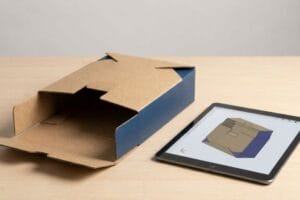
क्या आपके थोक खुदरा बिक्री के दौरान लगाए गए सामान के साइड पैनल टूट-फूट रहे हैं? खुले माल की शिपिंग के लिए विशेष संरचनात्मक इंजीनियरिंग की आवश्यकता होती है ताकि बड़े-बड़े स्टोरों के गलियारों की कठोर परिस्थितियों का सामना कर सके।.
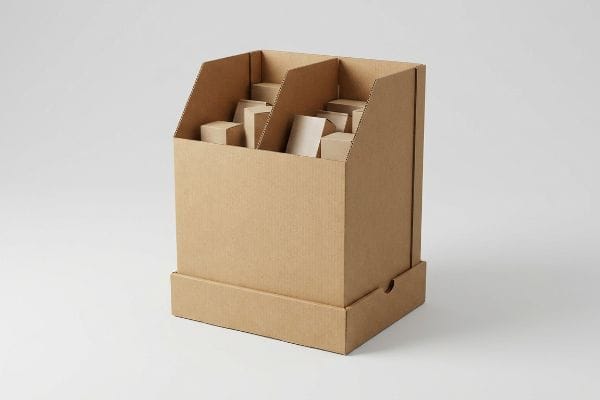
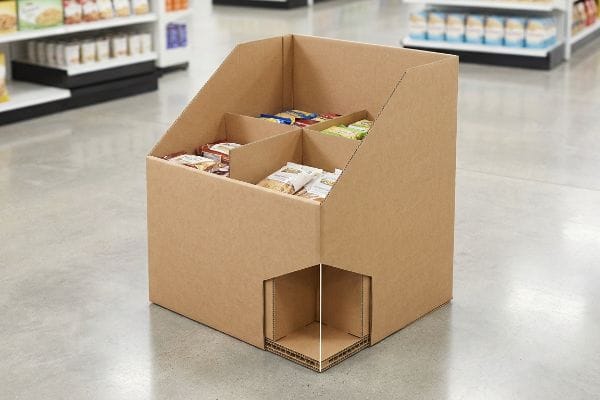
कार्डबोर्ड से बने इस डंप बिन में ऊपर से खुला नालीदार डिज़ाइन है, जिसे बड़ी मात्रा में खुले सामान के लिए डिज़ाइन किया गया है। ये स्वतंत्र रूप से खड़े होने वाले खुदरा फिक्स्चर आंतरिक विभाजकों और दोहरी दीवार वाले आधार जैसे विशेष संरचनात्मक सुदृढ़ीकरण का उपयोग करते हैं ताकि बाहर की ओर झुकने से रोका जा सके, जिससे उच्च-यातायात वाले खरीदारी क्षेत्रों में अधिकतम उत्पाद दृश्यता और निर्बाध पुनःभरण सुनिश्चित हो सके।.
लेकिन जब आप देशव्यापी खुदरा बिक्री के लिए गतिशील भार की गणना शुरू करते हैं, तो इन थोक व्यापारियों की बुनियादी परिभाषा जानना ही पर्याप्त नहीं है।.
डंप बिन डिस्प्ले क्या है?
यदि आप भारी, अव्यवस्थित इन्वेंट्री को तेजी से बेचना चाहते हैं, तो आपको एक ऐसे फिजिकल मर्चेंडाइजर की आवश्यकता है जो स्टोर कर्मचारियों के लिए स्टॉक भरने की सभी परेशानियों को दूर कर दे।.
डंप बिन डिस्प्ले एक अस्थायी खुदरा उपकरण है जो कठोर नालीदार कार्डबोर्ड से बना होता है। ब्रांड प्रचार सामग्री रखने के लिए इन खुली संरचनाओं का उपयोग करते हैं, और मानक शिपिंग कंटेनरों में पाए जाने वाले निरंतर ऊपरी फ्लैप के बिना ऊर्ध्वाधर अखंडता बनाए रखने के लिए विशेष खांचे का उपयोग करते हैं।.
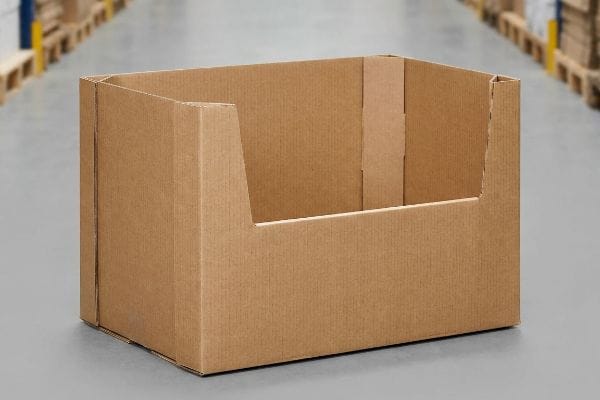
सीलबंद शिपिंग कंटेनर से खुले शीर्ष वाले बिन में परिवर्तन करने से गंभीर संरचनात्मक कमजोरियां उत्पन्न होती हैं जिन्हें अधिकांश खरीद टीमें पूरी तरह से अनदेखा कर देती हैं।.
खुले मुख वाले एचएससी (आधे छेद वाले कंटेनर) दबाव में क्यों मुड़ जाते हैं?
यहां तक कि अनुभवी खरीदार भी कच्चे माल की लागत बचाने के लिए अक्सर मानक आरएससी (रेगुलर स्लॉटेड कंटेनर) के स्थान पर ओपन-टॉप एचएससी (हाफ स्लॉटेड कंटेनर) का उपयोग करते हैं। उनका मानना है कि तुरंत खुदरा बिक्री के लिए तैयार बिन केवल ऊपरी फ्लैप को हटाने और आधार सामग्री को पूरा भार संभालने देने की बात है।
मुझे पता है कि आप इस कार्डबोर्ड संरचना असमंजस में हैं, क्योंकि मेरे 80% ग्राहक खुले बक्सों से सीलबंद घनों जैसी अपेक्षा रखते हैं। कोनों को स्थिर करने वाले ऊपरी फ्लैप के बिना, खुले किनारे भारी पैलेट स्टैकिंगहैं। मैंने हाल ही में एक स्टोर क्लर्क को ढह चुके डिब्बे को बचाने की बेताब कोशिश करते देखा, जो कच्चे नालीदार कोनों के भयानक रूप से कुचले जाने से घिरा हुआ था, जो गतिशील ऊपरी भार को सहन नहीं कर पा रहे थे। इसे रोकने के लिए, मैं ऊपरी स्थिरता में आई कमी की भरपाई गणितीय रूप से नालीदार दाने को लंबवत रूप से पूरी तरह से संरेखित करके करता हूँ ताकि ECT (एज क्रश टेस्ट) क्षमता को अधिकतम किया जा सके1, जिससे महंगे खुदरा विक्रेता शुल्क वापसी से बचा जा सके और असेंबली में देरी को अनुमानित 25% तक कम किया जा सके2।
| नौसिखियों की आम गलती | प्रो फिक्स | रिटेल-फ्लोर लाभ |
|---|---|---|
| मानक बक्सों के ऊपरी फ्लैप को काटकर अलग करना | ऊर्ध्वाधर अनाज संरेखण को लागू करना3 | कोनों के टूटने से बचाता है |
| ऊपरी आवरण के अभाव को अनदेखा करना | दोहरी दीवार वाली नाली में अपग्रेड करना4 | भारी भार को सुरक्षित रूप से संभालता है |
| स्थिर पदार्थ घनत्व को मान लेना ही पर्याप्त है। | इंजीनियरिंग गतिज भार विस्थापन5 | यह पूर्ण स्तरीय पतन को रोकता है |
मैं कभी भी ग्राहकों को दिखावटी मार्केटिंग के लिए बिना सोचे-समझे बोर्ड ग्रेड कम करने की अनुमति नहीं देता। अनाज की ऊर्ध्वाधर दिशा को सही ढंग से व्यवस्थित करने से संरचनात्मक कमी दूर हो जाती है, जिससे यह सुनिश्चित होता है कि आपके डिब्बे परिवहन के दौरान सुरक्षित रहें।.
🛠️ हार्वे का डेस्क: क्या आप सुनिश्चित नहीं हैं कि आपकी ओपन-टॉप डाइलाइन में भारी स्टैकिंग के लिए सही ग्रेन ओरिएंटेशन है? 👉 मुफ़्त डाइलाइन ऑडिट प्राप्त करें ↗ — सीधे मेरे डेस्क तक पहुंच। मैं वादा करता हूं, कोई स्वचालित बिक्री स्पैम नहीं होगा।
गत्ते के डिब्बे की क्या विशेषताएं होती हैं?
अपने पैकेजिंग सब्सट्रेट की भौतिक सीमाओं को समझना ही बहु-अक्षीय समुद्री माल ढुलाई के दौरान विनाशकारी संरचनात्मक विफलताओं को रोकने का एकमात्र तरीका है।.
कार्डबोर्ड बॉक्स के गुणों में इसकी गतिशील संपीडन क्षमता, नमी प्रतिरोध और आंतरिक खांचे की ज्यामिति शामिल हैं। ये संरचनात्मक विशेषताएं निर्धारित करती हैं कि पैकेजिंग गतिज झटके को कितनी अच्छी तरह अवशोषित करती है, भारी ऊर्ध्वाधर भार को सहन करती है और वैश्विक आपूर्ति श्रृंखलाओं में पर्यावरणीय विकृति का प्रतिरोध करती है।.
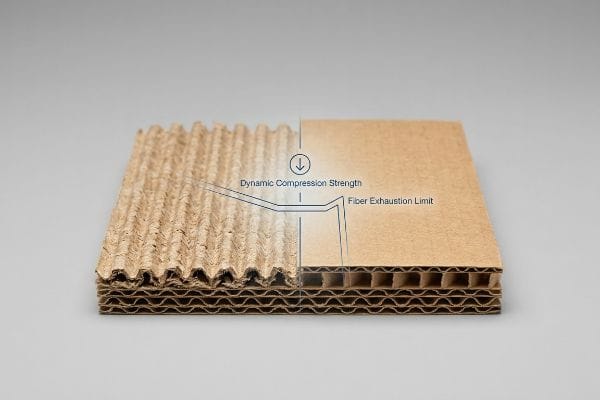
सबसे खतरनाक धारणा जो आप बना सकते हैं वह यह है कि सभी भूरे रंग के पेपरबोर्ड को एक समान यांत्रिक सीमाओं वाला मान लेना।.
नालीदार सब्सट्रेट की फाइबर समाप्ति सीमा
अधिकतम स्थिरता के लिए प्रयासरत खरीद टीमें अक्सर 100% पुनर्नवीनीकरण किए गए टेस्टलाइनर6 । वे स्वाभाविक रूप से यह मान लेते हैं कि यह पर्यावरण-अनुकूल सब्सट्रेट कागज मिल से सीधे प्राप्त ताजे बोर्ड के समान ही भौतिक मजबूती और भार वहन क्षमता रखता है।
यह एक आम गलती है जो अनुभवी खरीद टीमों को भी फंसा लेती है, जो कागज के पुनर्चक्रण की सूक्ष्म यांत्रिक वास्तविकता को नजरअंदाज कर देती हैं। पुनर्चक्रण के दौरान, सेल्युलोज फाइबर भौतिक रूप से छोटे हो जाते हैं और संरचनात्मक रूप से कमजोर हो जाते हैं7, जिसका अर्थ है कि उनमें मानक TAPPI T811 मूल्यांकन में खरा उतरने के लिए आवश्यक कठोरता नहीं रह जाती है। मैंने देखा है कि अत्यधिक पुनर्चक्रित डिस्प्ले पूरी तरह से विकृत होकर रिसीविंग डॉक पर पहुंचते हैं, और 150 पाउंड (68 किलोग्राम) के भार के नीचे कमजोर खांचे टूट जाने पर कच्चे पेपरबोर्ड के फटने जैसी आवाज निकालते हैं। मेरा सामान्य नियम है कि हाइब्रिड सामग्री का उपयोग किया जाए, जिसमें 30% की सटीक मात्रा में वर्जिन क्राफ्ट सामग्री8 ताकि गतिशील संपीड़न शक्ति तुरंत बहाल हो जाए।
| नौसिखियों की आम गलती | प्रो फिक्स | रिटेल-फ्लोर लाभ |
|---|---|---|
| 100% पुनर्चक्रित टेस्टलाइनर को अनिवार्य बनाना | 30% वर्जिन क्राफ्ट फाइबर का मिश्रण9 | बेस टियर के पतन को रोकता है |
| सूक्ष्म फाइबर संकुचन की अनदेखी करना | TAPPI T811 मूल्यांकनों को लागू करना10 | परिवहन के दौरान सुरक्षित रहने की गारंटी |
| सभी ब्राउन बोर्ड के साथ समान व्यवहार करना | भार वहन करने वाली बांसुरियों का उन्नयन | बड़े पैमाने पर होने वाले चार्जबैक को समाप्त करता है |
भारी सामान ले जाने वाले किसी भी डिस्प्ले के लिए मैं वर्जिन फाइबर इंजेक्शन अनिवार्य करता हूं। केवल पुराने रीसाइक्ल्ड लाइनर्स पर निर्भर रहने से गंभीर असंतुलन पैदा होता है, जिसके परिणामस्वरूप रिटेल फ्लोर पर बेस-टियर ढह जाता है।.
🛠️ हार्वे का डेस्क: क्या आपके पर्यावरण-अनुकूल डिस्प्ले शिपिंग से पहले ही सूक्ष्म फाइबर की कमी से जूझ रहे हैं? 👉 सामग्री ऑडिट का अनुरोध करें ↗ — सुरक्षित रूप से डाउनलोड करें। बाद में कोई प्रश्न होने पर मेरा इनबॉक्स खुला है।
गत्ते के डिब्बे के घटक क्या-क्या हैं?
प्रत्येक सफल खुदरा अभियान पूरी तरह से इंजीनियर किए गए संरचनात्मक घटकों पर निर्भर करता है जो एक उच्च गति वाली असेंबली लाइन पर त्रुटिहीन रूप से एक साथ काम करते हैं।.
कार्डबोर्ड बॉक्स के घटकों में बाहरी लाइनरबोर्ड, नालीदार माध्यम और विशेष रूप से डिज़ाइन किए गए इंटरलॉकिंग टैब शामिल हैं। गतिज ऊर्जा को अवशोषित करने, ऊपरी हिस्से के भारी वजन को समान रूप से वितरित करने और औद्योगिक चिपकने वाले पदार्थों की आवश्यकता के बिना तेजी से असेंबली को सुविधाजनक बनाने के लिए इन भौतिक तत्वों की सटीक गणना की जानी चाहिए।.
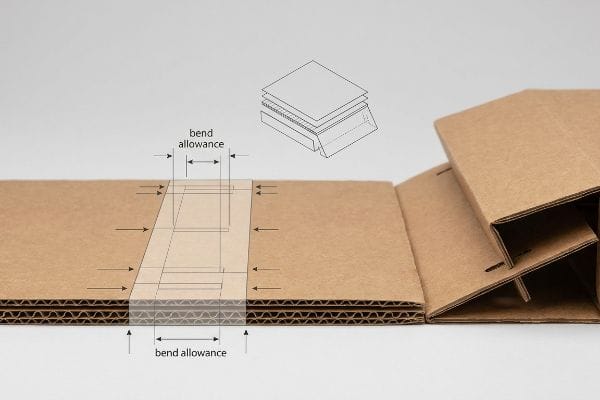
लेकिन एक सपाट डिजिटल स्क्रीन पर इन बुनियादी घटकों को चित्रित करना, मुड़े हुए कागज के क्रूर त्रि-आयामी भौतिकी को पूरी तरह से अनदेखा करता है।.
फोल्डिंग कैलिपर इंटरलॉकिंग टैब को कैसे नष्ट करता है
ग्राफिक डिज़ाइनर अक्सर अपने डिजिटल सॉफ़्टवेयर में इंटरलॉकिंग टैब और फोल्डिंग स्लॉट को मेटिंग पैनल11। वे डाइलाइन को मानक प्रिंटर पेपर के एक सपाट टुकड़े की तरह मानते हैं, यह मानते हुए कि 2 इंच (50.8 मिमी) चौड़ा टैब 2 इंच (50.8 मिमी) चौड़े स्लॉट में पूरी तरह से फिट बैठता है।
इसे एक मोटी हार्डकवर किताब को बंद करने की कोशिश की तरह समझें; इसकी रीढ़ को पन्नों के चारों ओर लपेटने के लिए अतिरिक्त जगह चाहिए होती है। जब नालीदार कार्डबोर्ड 90 डिग्री पर मुड़ता है, तो यह भौतिक रूप से सामग्री का उपभोग करता है। मैं अक्सर सह-पैकरों को इन बेमेल घटकों को एक साथ जोड़ने के लिए पसीना बहाते हुए देखता हूँ, और अंततः फटी हुई ऊपरी शीट को अपनी जगह पर रखने के लिए चिपचिपी, भद्दी पारदर्शी टेप का सहारा लेते हैं। इस समस्या को हल करने के लिए, मैं पैरामीट्रिक सीएडी (कंप्यूटर-एडेड डिज़ाइन) सॉफ़्टवेयर का उपयोग करता हूँ जो प्रत्येक स्लॉट12, और नालीदार माध्यम के सटीक मोड़ भत्ते को ध्यान में रखते हुए उन्हें गणितीय रूप से चौड़ा करता है।
| नौसिखियों की आम गलती | प्रो फिक्स | रिटेल-फ्लोर लाभ |
|---|---|---|
| 1:1 चौड़ाई वाले टैब के आयामों का आरेखण | पैरामीट्रिक बेंड अलाउंस लागू करना13 | घर्षणरहित असेंबली सुनिश्चित करता है |
| तह की गई सामग्री की खपत को अनदेखा करना | प्राप्त करने वाले संरचनात्मक स्लॉट को चौड़ा करना14 | ऊपरी शीट को फटने से रोकता है |
| गंदी पैकिंग टेप पर निर्भर रहना | इंजीनियरिंग स्वचालित सीएडी ऑफसेट15 | सह-पैकिंग समय को गति देता है |
मैं हमेशा विशिष्ट बेंड अलाउंस टॉलरेंस को शामिल करने के लिए फ्लैट डाईलाइन को गणितीय रूप से पुनर्निर्मित करता हूँ। इससे फ्रिक्शन लॉक पूरी तरह से टूट जाता है और यह सुनिश्चित होता है कि आपके प्री-फिल्ड मर्चेंडाइज़र ठीक से असेंबल हों।.
🛠️ हार्वे का डेस्क: क्या आप इस बात को लेकर असमंजस में हैं कि आपके इंटरलॉकिंग टैब्स हाई-स्पीड को-पैकिंग के दौरान सुरक्षित रहेंगे या नहीं? 👉 अपना मुफ़्त टॉलरेंस चेक प्राप्त करें ↗ — कोई फ़ॉर्म नहीं जो बार-बार सेल्स कॉल को ट्रिगर करे। बस शुद्ध मूल्य।
डंप बिन क्या होता है?
सैकड़ों अलग-अलग उत्पादों को एक विशाल खुली गुहा में डालने से स्थानीयकृत दबाव क्षेत्र बन जाते हैं जो सामान्य पेपरबोर्ड को फाड़ देते हैं।.
डंप बिन आमतौर पर एक बड़ा खुदरा विक्रेता होता है जिसे बिखरे हुए, अव्यवस्थित उत्पादों को रखने के लिए डिज़ाइन किया जाता है। ये संरचनात्मक उपकरण मजबूत साइड पैनल और ऊंचे नकली तलों का उपयोग करके ग्राहकों की अचानक होने वाली खरीदारी को आकर्षित करते हैं, जिससे स्टोर कर्मचारियों को व्यक्तिगत वस्तुओं को मैन्युअल रूप से व्यवस्थित करने की आवश्यकता नहीं होती है।.
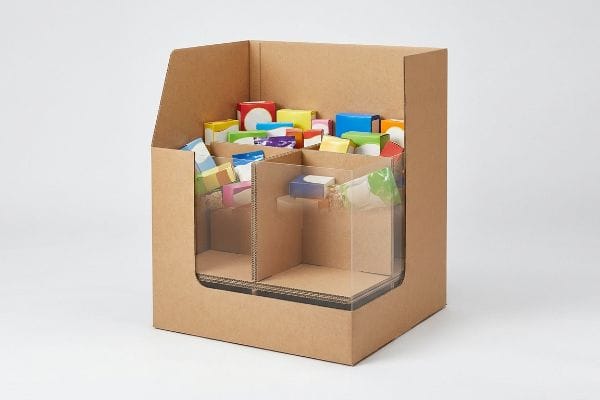
प्रयोगशाला में एक डिस्प्ले को पूरी तरह से खाली खड़ा रखना आसान है, लेकिन जब आप भारी गतिज सामग्री से भरे हुए 500 डिस्प्ले को भेजते हैं तो कठोर वास्तविकता सामने आती है।.
कारखाने के फर्श पर "कचरा पात्र के उभार" को खत्म करना
ब्रांड प्रबंधक अक्सर यह मान लेते हैं कि एक बड़ा, चौकोर नालीदार डिब्बा अपने अंदर डाली गई किसी भी चीज़ के बावजूद स्वाभाविक रूप से अपना ज्यामितीय आकार बनाए रखेगा। वे 24 इंच (609.6 मिमी) चौड़े विशाल खुले डिब्बे डिज़ाइन करते हैं, यह मानते हुए कि केवल बाहरी दीवारें ही सैकड़ों ढीली उपभोक्ता वस्तुओं के गतिज विस्थापन को स्थायी रूप से रोक सकती हैं ।
मेरी फैक्ट्री में, मैं अक्सर प्री-प्रोडक्शन टेस्टिंग के दौरान स्थानीय पार्श्व दबाव को नज़रअंदाज़ करने के विनाशकारी प्रभावों को देखता हूँ। जब मैं 85 पाउंड (38.5 किलोग्राम) खुला माल बिना सहारे वाले बिन में लोड करता हूँ, तो मैं माइक्रोमीटर का उपयोग करके तत्काल बाहरी झुकाव को मापता हूँ, जो अक्सर 1.25 इंच (31.7 मिमी) से अधिक गंभीर उभार दिखाता है। इस अवांछित भार वितरण के कारण साइड की दीवारें स्पष्ट रूप से मुड़ जाती हैं, जिससे यूनिट सस्ती दिखती है और रिटेलर तुरंत उसे अस्वीकार कर देते हैं। इससे निपटने के लिए, मैं गणितीय रूप से एक आंतरिक एच-डिवाइडर डिज़ाइन करता हूँ या एक प्रबलित बेली बैंड लगाता हूँ, जो बाहरी गतिज कतरनी बल को एक कठोर दोहरी दीवार वाली संरचना में वापस स्थानांतरित कर देता है। इस लक्षित सुदृढ़ीकरण को लागू करके, मैं यह सुनिश्चित करता हूँ कि संरचनात्मक अखंडता पूरी तरह से सीधी बनी रहे, जिससे ग्राहकों को भारी भरकम रिफंड से बचाया जा सके और रिटेल फ्लोर पर मैन्युअल रीवर्क में अनुमानित 40% की कमी हो सके ।
| नौसिखियों की आम गलती | प्रो फिक्स | रिटेल-फ्लोर लाभ |
|---|---|---|
| असमर्थित बड़ी गुहाओं का डिजाइन तैयार करना | आंतरिक एच-डिवाइडर को एकीकृत करना18 | बाहरी दीवार के झुकाव को समाप्त करता है |
| पार्श्व उत्पाद स्थानांतरण की अनदेखी करना | प्रबलित बेली बैंड तैनात करना19 | प्रीमियम रिटेल सौंदर्य को बनाए रखता है |
| यह मानते हुए कि बाहरी दीवारें दबाव को संभाल सकती हैं | बल को केंद्रीय रीढ़ की ओर स्थानांतरित करना20 | संरचनात्मक अस्वीकृति को रोकता है |
पार्श्व दबाव क्षेत्रों का मानचित्रण किए बिना मैं विशाल खुली गुहा वाले डिज़ाइनों को मंजूरी देने से इनकार करता हूँ। एक अदृश्य आंतरिक विभाजक का निर्माण करके, आपके डिस्प्ले के शिपिंग डॉक तक पहुँचने से पहले ही उभार को बेअसर किया जा सकता है।.
🛠️ हार्वे की सलाह: 2 मिलीमीटर की संरचनात्मक खामी को 500 स्टोरों में अपना कारोबार ठप न करने दें। 👉 मुझे अपनी डाइलाइन फ़ाइल भेजें ↗ — बड़े पैमाने पर उत्पादन पर बजट बर्बाद करने से पहले मैं गणितीय गणनाओं की गहन जांच कर लूंगा।
निष्कर्ष
कुछ पैसे बचाने के लिए आप आंतरिक सुदृढ़ीकरण को छोड़ सकते हैं, लेकिन जब बाहरी पार्श्व दबाव के कारण आधार में गंभीर उभार आ जाता है, जिससे खुदरा विक्रेता तुरंत उत्पाद को अस्वीकार कर देता है और हफ्तों तक महंगा मैन्युअल सुधार करना पड़ता है, तो आपके पूरे अभियान का लाभ मार्जिन खत्म हो जाता है। 500 से अधिक ब्रांड प्रबंधक इन घातक शुरुआती गलतियों से बचने के लिए मेरी प्रीप्रेस चेकलिस्ट का उपयोग करते हैं। संरचनात्मक सहनशीलता के बारे में अनुमान लगाना बंद करें और बड़े पैमाने पर उत्पादन शुरू होने से पहले गतिज घर्षण संबंधी इन खतरों को पकड़ने के लिए मेरे निःशुल्क डाइलाइन ऑडिट ↗ के माध्यम से मुझे व्यक्तिगत रूप से आपके ब्लूप्रिंट का ऑडिट करने दें।
"नालीदार तख्ते की किनारे की कुचल प्रतिरोध क्षमता का अनुमान लगाना ...", https://pmc.ncbi.nlm.nih.gov/articles/PMC9961700/। नालीदार पैकेजिंग पर तकनीकी दस्तावेज़ बताता है कि कैसे नाली की दिशा, ऊर्ध्वाधर संपीड़न के प्रतिरोध के लिए किनारे की कुचल प्रतिरोध क्षमता परीक्षण (ECT) के मान को प्रभावित करती है। साक्ष्य की भूमिका: तकनीकी सत्यापन; स्रोत प्रकार: इंजीनियरिंग मानक। समर्थन: यह दावा कि ऊर्ध्वाधर दाने का संरेखण भार वहन क्षमता को अधिकतम करता है। कार्यक्षेत्र संबंधी टिप्पणी: विशेष रूप से कठोर नालीदार तख्ते पर लागू होता है। ↩
"रिटेल डिस्प्ले के लिए पैकेजिंग और लॉजिस्टिक्स योजना - फ्रैंक मेयर", https://www.frankmayer.com/blog/packaging-and-logistics-planning-for-retail-displays/। रिटेल फिक्स्चर डिज़ाइन पर उद्योग के मानक या केस स्टडी जो असेंबली गति पर संरचनात्मक स्थिरता के प्रभाव को दर्शाते हैं। साक्ष्य की भूमिका: मात्रात्मक समर्थन; स्रोत प्रकार: उद्योग रिपोर्ट। समर्थन: असेंबली में देरी को कम करने के दावे का समर्थन करता है। स्कोप नोट: तुलनात्मक स्टोर श्रम डेटा पर आधारित अनुमान। ↩
"नालीदार बोर्ड के बक्सों की संपीडन शक्ति का अनुमान ...", https://pmc.ncbi.nlm.nih.gov/articles/PMC8467740/। कार्डबोर्ड में खांचों को लंबवत संरेखित करने से संपीडन शक्ति कैसे बढ़ती है और कुचलने से कैसे बचा जा सकता है, इसका तकनीकी विवरण। साक्ष्य की भूमिका: तकनीकी सत्यापन; स्रोत प्रकार: सामग्री अभियांत्रिकी मार्गदर्शिका। समर्थन: लंबवत दाने संरेखण की प्रभावकारिता। कार्यक्षेत्र संबंधी टिप्पणी: विशेष रूप से नालीदार फाइबरबोर्ड पर लागू होता है। ↩
"सिंगल वॉल और डबल वॉल बॉक्स की तुलना: अंतर को समझना...", https://arvco.com/articles/comparing-single-wall-and-double-wall-boxes-understanding-the-differences/। भारी भार के लिए सिंगल-वॉल और डबल-वॉल नालीदार सामग्रियों की फटने की क्षमता और स्टैकिंग क्षमता की तुलना। साक्ष्य की भूमिका: विनिर्देश सत्यापन; स्रोत प्रकार: पैकेजिंग उद्योग मानक। समर्थन: भारी शीर्ष भार को संभालने की क्षमता। स्कोप नोट: प्रदर्शन फ्लूट के आकार के अनुसार भिन्न होता है। ↩
"रिटेल डिस्प्ले के 14 प्रकार | शिकागो, आईएल", https://wertheimerbox.com/types-of-retail-displays/। संरचनात्मक डिज़ाइन द्वारा गतिशील भार परिवर्तन को पुनर्वितरित करके बल्क डिस्प्ले में प्रणालीगत विफलता को रोकने के तरीके का विश्लेषण। साक्ष्य की भूमिका: तकनीकी सिद्धांत; स्रोत प्रकार: संरचनात्मक अभियांत्रिकी पाठ्यपुस्तक। समर्थन: स्तर के ढहने की रोकथाम। कार्यक्षेत्र संबंधी टिप्पणी: गतिशील बनाम स्थिर भारण पर केंद्रित। ↩
"[PDF] पुनर्चक्रित पदार्थों के भौतिक गुणों की तुलनात्मक जांच...", https://repository.rit.edu/cgi/viewcontent.cgi?article=1299&context=theses। अत्यधिक पुनर्चक्रित फाइबर सब्सट्रेट की संरचनात्मक अखंडता और शक्ति क्षरण की तुलना वर्जिन फाइबर से की गई है। साक्ष्य की भूमिका: तकनीकी आधार रेखा; स्रोत प्रकार: सामग्री विज्ञान पत्रिका। समर्थन: सब्सट्रेट क्षमता संबंधी दावे का। कार्यक्षेत्र संबंधी टिप्पणी: तन्यता और संपीडन शक्ति पर केंद्रित। ↩
"पुनर्मुद्रित कागज़ों की कागज़ बनाने की क्षमता पर श्रेडिंग की मात्रा का प्रभाव...", https://pmc.ncbi.nlm.nih.gov/articles/PMC8410872/। रिपल्पिंग प्रक्रिया के दौरान रेशों के क्षरण और संरचनात्मक अखंडता में कमी का तकनीकी विवरण। साक्ष्य की भूमिका: क्रियाविधि का सत्यापन; स्रोत प्रकार: पदार्थ विज्ञान पत्रिका। समर्थन: पुनर्चक्रण से कागज़ के रेशे कमज़ोर होते हैं। कार्यक्षेत्र संबंधी टिप्पणी: नालीदार सतहों पर केंद्रित। ↩
"नालीदार पेपरबोर्ड पैकेजों की संपीडन शक्ति...", https://pmc.ncbi.nlm.nih.gov/articles/PMC10054506/। पुनर्चक्रित बोर्ड में संरचनात्मक स्थिरता बनाए रखने के लिए आवश्यक शुद्ध फाइबर के विशिष्ट प्रतिशत को सत्यापित करने वाला उद्योग मानक या इंजीनियरिंग डेटा। साक्ष्य की भूमिका: तकनीकी बेंचमार्क; स्रोत प्रकार: पैकेजिंग इंजीनियरिंग मैनुअल। समर्थन: 30% हाइब्रिड सामग्री की अनुशंसा। कार्यक्षेत्र संबंधी टिप्पणी: विशेष रूप से भार वहन करने वाले खांचों के लिए। ↩
"नालीदार पैकेजिंग का पर्यावरणीय प्रभाव", https://www.internationalpaper.com/resources/blog/environmental-impact-corrugated-packaging-why-balanced-fiber-approach-best। तकनीकी विश्लेषण बताता है कि कैसे वर्जिन क्राफ्ट फाइबर 100% पुनर्चक्रित लाइनर्स की तुलना में तन्यता शक्ति को बढ़ाते हैं और संरचनात्मक पतन को रोकते हैं। साक्ष्य की भूमिका: तकनीकी सत्यापन; स्रोत प्रकार: पदार्थ विज्ञान पत्रिका। समर्थन: वर्जिन फाइबर मिश्रण का लाभ। कार्यक्षेत्र संबंधी टिप्पणी: आधार स्तर की स्थिरता पर केंद्रित। ↩
"[PDF] एजवाइज कंप्रेसिव के लिए नमूना तैयार करने का महत्व...", https://imisrise.tappi.org/download.aspx?key=18APR219। पैकेजिंग स्थायित्व सुनिश्चित करने के लिए फाइबर गुणों को मापने में TAPPI T811 मानक और इसके अनुप्रयोग का प्रलेखन। साक्ष्य भूमिका: मानक सत्यापन; स्रोत प्रकार: उद्योग मानक। समर्थन: परिवहन के दौरान फाइबर के टिकाऊपन के लिए T811 का उपयोग। कार्यक्षेत्र संबंधी टिप्पणी: फाइबर की थकावट और सिकुड़न से संबंधित। ↩
"पेपर पैकेजिंग स्ट्रक्चरल डिज़ाइन गाइड", https://greendotpackaging.com/paper-packaging-structural-design-guide/। पैकेजिंग डिज़ाइन के लिए तकनीकी विनिर्देशों में आमतौर पर सामग्री की मोटाई को ध्यान में रखते हुए टैब और स्लॉट के बीच एक क्लीयरेंस गैप (टॉलरेंस) की आवश्यकता होती है। साक्ष्य भूमिका: तकनीकी सुधार; स्रोत प्रकार: उद्योग पैकेजिंग मानक। समर्थन: भौतिक संयोजन में सटीक चौड़ाई वाले टैब क्यों विफल होते हैं। कार्यक्षेत्र नोट: नालीदार और फोल्डिंग कार्टन सामग्री पर लागू होता है। ↩
"दोहरी दीवार वाली नालीदार कार्डबोर्ड पैकेजिंग का इष्टतम डिज़ाइन – PMC", https://pmc.ncbi.nlm.nih.gov/articles/PMC8950760/। यह सत्यापित किया गया है कि उचित इंटरलॉकिंग सुनिश्चित करने के लिए सामग्री कैलिपर के आधार पर स्लॉट की चौड़ाई की गणना और समायोजन के लिए पैरामीट्रिक डिज़ाइन सॉफ़्टवेयर का उपयोग किया जाता है। साक्ष्य की भूमिका: प्रक्रियात्मक सत्यापन; स्रोत प्रकार: उद्योग मानक डिज़ाइन गाइड। समर्थन: असेंबली विफलता को ठीक करने की विधि। कार्यक्षेत्र संबंधी टिप्पणी: उच्च परिशुद्धता संरचनात्मक पैकेजिंग के लिए विशिष्ट। ↩
"पांच-परत वाली सामग्री की बेंडिंग कठोरता का विश्लेषणात्मक निर्धारण...", https://pmc.ncbi.nlm.nih.gov/articles/PMC8777652/। पैकेजिंग इंजीनियरिंग पर विस्तृत तकनीकी मार्गदर्शिकाएँ बताती हैं कि पैरामीट्रिक बेंड अलाउंस किस प्रकार सटीक फिट सुनिश्चित करने के लिए सामग्री की मोटाई को ध्यान में रखते हैं। साक्ष्य भूमिका: तकनीकी विनिर्देश; स्रोत प्रकार: इंजीनियरिंग मैनुअल। समर्थन: 1:1 आयामों पर बेंड अलाउंस की आवश्यकता। कार्यक्षेत्र नोट: नालीदार और फोल्डिंग कार्टन सामग्रियों पर लागू होता है। ↩
"कॉरुगेटेड बॉक्स के लिए अल्टीमेट गाइड - शोर पैकेजिंग", https://www.shorr.com/resources/blog/ultimate-guide-corrugated-boxes/। पैकेजिंग मानक फोल्डिंग के दौरान सामग्री की खपत और सामग्री पर तनाव को रोकने के लिए आवश्यक रिसीविंग स्लॉट की चौड़ाई के बीच संबंध का वर्णन करते हैं। साक्ष्य की भूमिका: तथ्यात्मक दावा; स्रोत प्रकार: उद्योग मानक। समर्थन: स्लॉट की चौड़ाई और ऊपरी शीट के फटने की रोकथाम के बीच संबंध। स्कोप नोट: इंटरलॉकिंग टैब तंत्र पर केंद्रित। ↩
"2023 में ऑर्डर पूर्ति की सफलता के लिए स्वचालित पैकेजिंग!", https://silmanindustries.com/automated-packaging-systems-for-labor-and-economic-challenges/। स्वचालित असेंबली लाइनों पर किए गए शोध से पता चलता है कि सटीक CAD ऑफसेट किस प्रकार गलत संरेखण को कम करते हैं और सह-पैकिंग प्रक्रियाओं की गति बढ़ाते हैं। साक्ष्य की भूमिका: मीट्रिक-आधारित दावा; स्रोत प्रकार: तकनीकी अध्ययन। समर्थन: मैनुअल टेपिंग की तुलना में CAD ऑफसेट से प्राप्त दक्षता लाभ। कार्यक्षेत्र संबंधी टिप्पणी: उच्च गति असेंबली लाइनों के लिए विशिष्ट। ↩
"पेपरबोर्ड के यांत्रिक गुणों की जांच...", https://repository.rit.edu/cgi/viewcontent.cgi?article=1066&context=japr। आंतरिक भार में बदलाव के तहत बड़े पैमाने पर नालीदार कार्डबोर्ड डिब्बों में सामग्री तनाव और दीवार विफलता का तकनीकी विश्लेषण। साक्ष्य भूमिका: तकनीकी सत्यापन; स्रोत प्रकार: संरचनात्मक अभियांत्रिकी या पैकेजिंग विज्ञान मार्गदर्शिका। समर्थन: गतिज बदलाव को रोकने में मानक दीवारों की विफलता। कार्यक्षेत्र नोट: दीवार विरूपण और संरचनात्मक थकान पर केंद्रित। ↩
"विभिन्न कारकों के विनाशकारी प्रभाव का आकलन … – पीएमसी", https://pmc.ncbi.nlm.nih.gov/articles/PMC8746102/। बेहतर संरचनात्मक पैकेजिंग डिज़ाइन के परिणामस्वरूप श्रम लागत में कमी से संबंधित सांख्यिकीय दावे का सत्यापन। साक्ष्य की भूमिका: मात्रात्मक सत्यापन; स्रोत प्रकार: उद्योग केस स्टडी या लॉजिस्टिक्स रिपोर्ट। समर्थन: बिन में उभार को रोकने से दक्षता में वृद्धि। कार्यक्षेत्र संबंधी टिप्पणी: खुदरा व्यापार संदर्भों तक सीमित। ↩
"कस्टम कार्डबोर्ड डंप बिन्स – कस्टम बॉक्स और पैकेजिंग", https://boxpackingsolution.com/single-product/custom-cardboard-displays/dump-bins/। तकनीकी दस्तावेज़ बताता है कि कैसे एच-डिवाइडर इंसर्ट बड़े डिस्प्ले में दीवार के झुकाव को रोकने के लिए ऊर्ध्वाधर और पार्श्व समर्थन प्रदान करते हैं। साक्ष्य भूमिका: तकनीकी विनिर्देश; स्रोत प्रकार: पैकेजिंग इंजीनियरिंग गाइड। समर्थन: बाहरी दीवार के झुकाव को समाप्त करने में एच-डिवाइडर की प्रभावशीलता। कार्यक्षेत्र नोट: नालीदार पेपरबोर्ड संरचनाओं पर लागू। ↩
"बेली बैंड्स और सेट अप बॉक्स - ब्रिमर पैकेजिंग", https://brimarpackaging.com/belly-bands-and-set-up-boxes/। बल्क बिन्स में पार्श्व गति को रोकने और संरचनात्मक अखंडता बनाए रखने के लिए प्रबलित बैंड के उपयोग हेतु उद्योग मानक। साक्ष्य भूमिका: सर्वोत्तम अभ्यास; स्रोत प्रकार: खुदरा प्रदर्शन मैनुअल। समर्थन: खिसकने से रोककर सौंदर्य बनाए रखने के लिए बेली बैंड का उपयोग। कार्यक्षेत्र संबंधी टिप्पणी: उच्च मात्रा वाले उत्पाद भार पर केंद्रित। ↩
"कस्टम कोरुगेटेड पीओपी डंप बिन डिस्प्ले", https://brownpackaging.com/custom-packaging-products/pop-displays/corrugated/dump-bin/। बाहरी दीवारों से प्रबलित केंद्रीय अक्ष पर दबाव स्थानांतरित करने वाले भार वितरण पर संरचनात्मक अभियांत्रिकी विश्लेषण। साक्ष्य भूमिका: अभियांत्रिकी सिद्धांत; स्रोत प्रकार: सामग्री विज्ञान पत्र। समर्थन: बल पुनर्वितरण के माध्यम से संरचनात्मक क्षति की रोकथाम। कार्यक्षेत्र नोट: भारी-भरकम खुदरा भंडारण स्थानों के लिए विशिष्ट। ↩