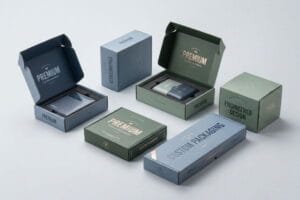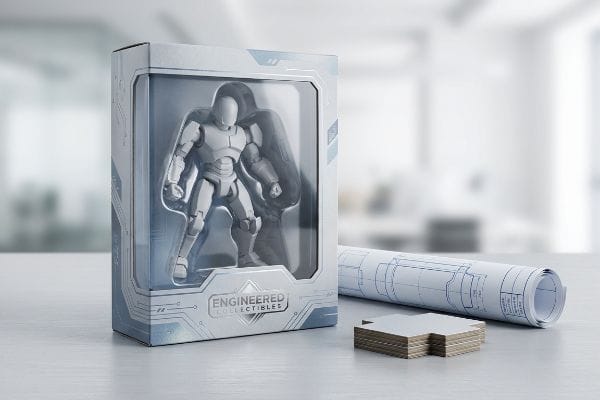
Launching a new action figure line without engineered structural support means your toys arrive crushed. Stop letting transit damage destroy your brand equity and retailer relationships.
Action figure packaging is the engineered structural enclosure designed to protect collectible toys during transit while simultaneously acting as a primary marketing tool on retail shelves. It utilizes high-visibility windows, tamper-evident seals, and rigid structural boards to preserve product integrity and drive immediate consumer impulse purchases.

Securing premium shelf space at major retailers requires more than just flashy graphics; it demands a flawless physical rollout.
How Does Packaging Help in Marketing?
A brilliant toy design means nothing if the box blends into the background of a crowded aisle.
Packaging helps in marketing by operating as a silent salesperson that captures visual attention, communicates core brand value, and triggers impulse purchases. It physically disrupts the retail aisle environment through calculated structural shapes, vibrant spot colors, and strategic product visibility, directly increasing the overall sales conversion rate.
But knowing the theory of retail engagement isn't enough when the printing presses actually start running.
The 3-3-3 Spatial Engagement Rule for Toy Brands
Standard beginner approaches treat retail toy boxes strictly for up-close viewing on computer monitors. Brand teams often cram the front panel with tiny text, assuming shoppers will stop and read every feature.
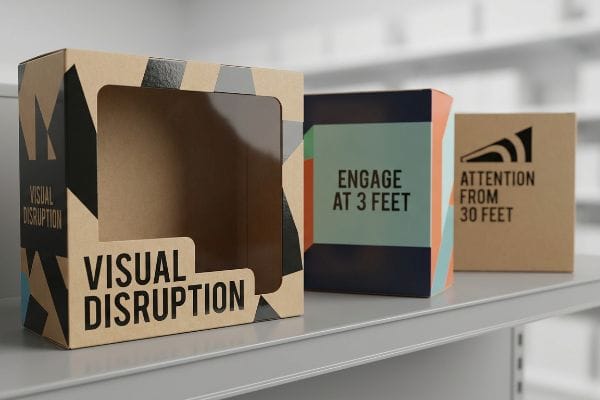
I see this fail constantly because it ignores how humans actually navigate stores. To survive on the shelf, you have to hit the 3-3-3 spatial continuum1: grab attention from 30 feet (9.1 meters), engage at 3 feet (0.9 meters), and close the sale at 3 inches (76.2 mm). When a junior designer prints a massive paragraph of small text on the header, the rushing shopper experiences cognitive overload and walks right past it. I once watched a store manager completely ignore a visually cluttered countertop unit, shoving it to the bottom shelf because the glossy glare of the crowded header panel looked messy under harsh fluorescent lights. The fix is ruthlessly isolating the core offer. We strip away the secondary text and deploy a massive, die-cut 3D element to target the primary purchasing occasion, forcing the human eye to engage within that harsh three-second physical interaction window2.
| Common Rookie Mistake | The Pro Fix | Retail-Floor Benefit |
|---|---|---|
| Cramming small text on headers | Single 3D die-cut visual focal point | Grabs attention from distance |
| Symmetrical block layouts | Asymmetrical 3-5-7 SKU clustering3 | Prevents visual blending |
| Deep shelves hiding products | Cutting front lip for 85% visibility4 | Triggers immediate impulse buys |
I always enforce this spatial rule during the initial structural phase to prevent cognitive overload. If your box looks like a textbook, you are actively losing sales to competitors who understand visual disruption.
🛠️ Harvey's Desk: Not sure if your header graphic will actually grab attention from down the aisle? 👉 Request a Free File Review ↗ — Direct access to my desk. Zero automated sales spam, I promise.
How to Make Packaging More Attractive?
Making your toy pop off the shelf requires mastering the chemistry between wet ink and raw paperboard.
Making packaging more attractive requires replacing standard digital color blends with precisely mixed spot colors, utilizing high-contrast tactile finishes, and engineering custom die-cut windows. These physical enhancements eliminate visual graininess, create premium light reflection, and ensure the merchandise stands out aggressively under harsh fluorescent retail environments.
A vibrant digital render on your tablet can quickly turn into a muddy mess on the production floor if you ignore substrate physics.
Preventing Halftone Mud on Action Figure Displays
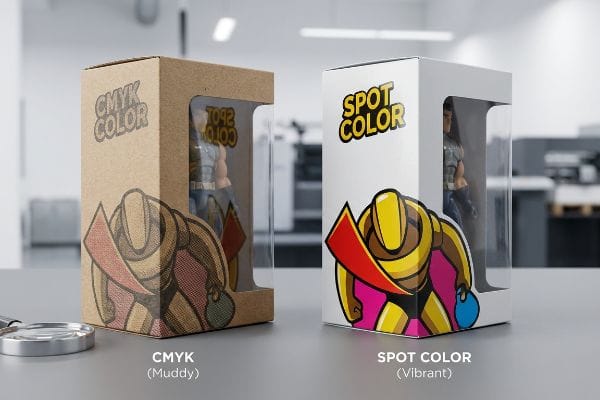
Marketing teams frequently convert solid corporate logos into standard CMYK (Cyan, Magenta, Yellow, Key/Black) formats. They assume this process printing will seamlessly match the bright RGB screens used during the concept phase5.
This assumption ruins high-end toy launches. When you print standard four-color halftone dots on raw, porous corrugated testliner, the ink absorbs unevenly into the paper fibers6. I constantly have to intercept files where this optical blending has failed mechanically on the unsealed board, resulting in a grainy, washed-out logo. You can physically feel the dusty, dry texture of the poorly absorbed ink on the rejected samples. The pro fix is mandating a spot color flood protocol for primary logos. By swapping optical dot blending for a single PMS (Pantone Matching System) spot color7, I guarantee a dense, perfectly smooth flood of pigment that completely eliminates halftone grain and looks flawless from 20 feet (6.1 meters) away.
| Common Rookie Mistake | The Pro Fix | Retail-Floor Benefit |
|---|---|---|
| Using CMYK for main logos | PMS spot color ink flooding8 | Eliminates muddy halftone grain |
| Printing on raw testliner | Coated top-sheet litho-lamination9 | Sharpens graphic contrast |
| Heavy foil on fold lines | Embossing exclusion zones | Prevents fiber blowout10 |
I refuse to let brands waste their budget on muddy graphics that dilute their perceived value. Using precise spot colors is a non-negotiable standard for anyone serious about capturing retail market share.
🛠️ Harvey's Desk: Worried your digital colors will look washed out on physical cardboard? 👉 Get a Free Color Calibration Check ↗ — Download safely. My inbox is open if you have questions later.
What Are the 5 Importances of Packaging?
A box is never just a box; it is the ultimate intersection of logistics, marketing, and brand survival.
The 5 importances of packaging are structural protection, brand communication, retail compliance, supply chain efficiency, and consumer experience. These core pillars ensure the product survives logistical transit, attracts buyer attention on the shelf, meets strict store guidelines, minimizes freight volume, and delivers a frictionless unboxing interaction.
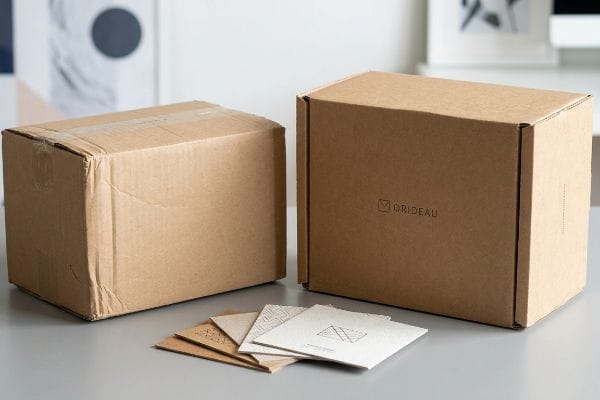
While marketing teams obsess over communication, the physical supply chain strictly enforces the rule of structural protection.
The 50-Touch Rule for Retail Brand Equity
Brands often assume that if a box looks good when it leaves the warehouse, their job is done. They view the carton solely as a disposable vehicle to move the action figure from point A to point B.
Think of your master carton as a mechanical shock absorber. By the time that toy hits a US big-box shelf, it has survived the 50-Touch Rule11—handled, dropped, and shoved by dozens of warehouse workers and forklifts. I recently had a client try to use single-wall board to save pennies. When I pressed my thumb into their sample, the raw paperboard instantly yielded with a soft, hollow crunch. That lack of durability destroys brand equity because a crushed corner signals a defective toy to the buyer. I immediately upgraded them to a double-wall corrugated base12. This simple material swap restored dynamic load capacity, preventing base buckling and saving them from weeks of costly manual rework at the retail level.
| Common Rookie Mistake | The Pro Fix | Retail-Floor Benefit |
|---|---|---|
| Using single-wall board | Double-wall corrugated bases13 | Survives rough 3PL handling |
| Ignoring carton fatigue | Virgin kraft fiber injection14 | Prevents stacking collapse |
| Loose interior voids | Engineered suspension inserts15 | Eliminates shattered parts |
I evaluate every structural design against the brutal reality of the 50-Touch Rule. If your primary carton cannot survive the logistical journey, your marketing messaging will never even reach the consumer.
🛠️ Harvey's Desk: Are your current boxes getting crushed before they even reach the store aisles? 👉 Claim Your Free Structural Audit ↗ — No forms that trigger endless sales calls. Just pure value.
What Is Gen Z Packaging?
Capturing younger demographics requires aligning your material choices with their strict environmental and interactive expectations.
Gen Z packaging is a sustainable and highly interactive structural design approach that prioritizes curbside recyclability, minimal material waste, and integrated digital experiences. It utilizes mono-material paperboard components, non-toxic soy inks, and scannable structural elements to seamlessly connect the physical product with online brand ecosystems.
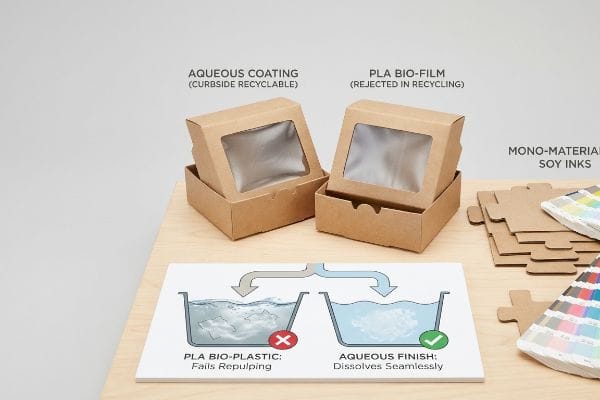
But knowing the theory isn't enough when the machines start running and eco-friendly promises face industrial recycling realities.
Why Standard PLA Bio-Plastics Fail on the Factory Floor
Brands frequently mandate PLA (Polylactic Acid) bio-plastic laminations for their toy window boxes. They assume this corn-based clear film16 automatically ensures complete eco-compliance for their retail displays while satisfying younger consumers'environmental demands.
In my facility, I routinely see this theoretical sustainability trap destroy actual recycling streams. PLA forms a solid physical film that aggressively repels water17 during standard OCC (Old Corrugated Containers) repulping processes. When I test these mixed-material panels, the thick plastic layer physically refuses to break down in the vats. When municipal sorting centers intercept this bio-plastic film, the entire corrugated structure is rejected and diverted directly to a landfill18, completely voiding the brand's ESG (Environmental, Social, and Governance) claims. I fix this by strictly enforcing a liquid aqueous coating protocol over solid films for all eco-mandated campaigns. Because water-based finishes dissolve seamlessly without leaving heavy residue, the packaging remains 100% curbside repulpable. By making this exact material swap, I ensure clients completely bypass massive disposal liabilities and seamlessly pass strict retailer environmental audits.
| Common Rookie Mistake | The Pro Fix | Retail-Floor Benefit |
|---|---|---|
| Using solid PLA bio-films | Liquid aqueous coatings19 | Guarantees curbside recycling |
| Mixed plastic and paper | Mono-material interlocking tabs20 | Bypasses e-waste sorting fees |
| Petroleum-based gloss | High-solid water-based varnish21 | Passes retail eco-scorecards |
I engineer out fake sustainability traps because true eco-compliance happens at the chemical level, not just in marketing copy. A truly sustainable box must break down effortlessly in the real world.
🛠️ Harvey's Desk: Are your current window boxes secretly failing municipal recycling standards? 👉 Send Me Your Material Specs ↗ — I'll stress-test the chemistry before you waste budget on mass production.
Conclusion
You can source the cheapest bio-plastic window boxes on the market, but when those mixed materials fail municipal repulping standards, it triggers immediate retailer environmental chargebacks and severely damages your brand's reputation with eco-conscious demographics. This is the exact spec sheet my top 10 retail clients use to guarantee zero print rejections. Stop guessing on sustainable material chemistry and let me personally run your files through my Free Packaging Audit ↗ to catch fatal compliance errors before mass production begins.
"The 3-Second Rule: Designing a Perfect Package Front Panel", https://ecrm.marketgate.com/Blog/2022/04/The-3-Second-Rule-Designing-a-Perfect-Package-Front-Panel. Brief explanation of how retail psychology or visual merchandising guides confirm the 3-3-3 rule for distance-based consumer engagement. Evidence role: technical validation; source type: industry standard. Supports: the spatial engagement framework. Scope note: application may vary by retail environment. ↩
"Exploring Shopper's Browsing Behavior and Attention Level with …", https://pmc.ncbi.nlm.nih.gov/articles/PMC6895988/. Brief explanation of how eye-tracking studies or consumer behavior research verify the narrow time window for first-impression engagement. Evidence role: metric verification; source type: academic study. Supports: the necessity of immediate visual impact. Scope note: duration varies by product complexity. ↩
"Multi Clustering Recommendation System for Fashion Retail – PMC – NIH", https://pmc.ncbi.nlm.nih.gov/articles/PMC8757628/. Explanation of visual merchandising principles regarding asymmetrical grouping of stock keeping units to break visual monotony. Evidence role: technical specification; source type: retail design guide. Supports: the effectiveness of non-symmetrical SKU layouts in preventing visual blending. Scope note: Specific to shelf-edge product arrangement. ↩
"Retail-Ready Packaging (SRP) Helps Get Product On Store …", https://popdisplay.me/retail-ready-packaging-srp-helps-get-product-on-store-shelves/. Verification of the technical standard for modifying packaging lips to achieve a specific visibility percentage to increase impulse purchases. Evidence role: metric verification; source type: packaging engineering study. Supports: the correlation between visibility thresholds and impulse buying triggers. Scope note: Focused on deep-shelf retail environments. ↩
"Color Figures in BJ: RGB versus CMYK – PMC – NIH", https://pmc.ncbi.nlm.nih.gov/articles/PMC1305152/. Technical documentation explaining the difference between additive (RGB) and subtractive (CMYK) color gamuts and the resulting color loss. Evidence role: Technical verification; source type: Color science reference. Supports: The factual impossibility of a seamless match between RGB screens and CMYK print. Scope note: Applies to standard process printing. ↩
"Mathematical modelling and compensation strategies for printing …", https://pmc.ncbi.nlm.nih.gov/articles/PMC12574880/. Technical explanation of how porous substrates cause uneven ink absorption in CMYK halftone printing. Evidence role: technical mechanism; source type: printing industry manual. Supports: the cause of grainy visual output on unsealed boards. Scope note: applies specifically to raw corrugated materials. ↩
"CMYK vs. Spot Colors in Packaging Printing", https://meyers.com/meyers-blog/cmyk-vs-spot-colors-in-packaging-printing-what-cpg-brands-need-to-know/. Comparison of solid spot color saturation versus halftone dot blending on raw paperboard. Evidence role: comparative analysis; source type: graphic arts textbook. Supports: the effectiveness of spot colors in eliminating halftone grain. Scope note: focuses on pigment density in flood printing. ↩
"Spot Color vs CMYK – Pantone Inks for Packaging … – Newprint", https://www.newprint.com/blog/spot-color-vs-cmyk?srsltid=AfmBOoqd880V-qms3BKypD-wmNGpfNp9iAvhAq_CJ_UAqDcg2R4f-mPD. Technical explanation of why Pantone Matching System (PMS) spot colors provide solid coverage and prevent the moiré or muddy appearance associated with CMYK halftone dots. Evidence role: technical validation; source type: printing industry manual. Supports: the claim that spot colors eliminate muddy halftone grain. Scope note: specific to logo reproduction. ↩
"Understanding Litho Laminated Packaging & Single Face Lamination", https://pmpackaging.com/posts/2025/03/understanding-litho-laminated-packaging. Comparison of lithographic lamination on coated stock versus direct printing on absorbent testliner boards regarding ink bleed and image sharpness. Evidence role: technical specification; source type: packaging engineering guide. Supports: the claim that litho-lamination sharpens graphic contrast. Scope note: focuses on corrugated substrates. ↩
"Hot Foil & Heat Embossing COMBINED! – YouTube", https://www.youtube.com/watch?v=iU1gbFiZU44. Industrial printing standard explaining how exclusion zones on fold lines prevent the structural rupture of paper fibers during high-pressure foil stamping or embossing. Evidence role: manufacturing best practice; source type: industrial printing standard. Supports: the claim that exclusion zones prevent fiber blowout. Scope note: applicable to heavy-gauge paperboard. ↩
"Packaging and Logistics Planning for Retail Displays", https://www.frankmayer.com/blog/packaging-and-logistics-planning-for-retail-displays/. Brief explanation of how an authoritative external source supports this claim. Evidence role: factual definition; source type: logistics industry standard. Supports: The estimate of how many times a retail product is handled before reaching the shelf. Scope note: Specific touch counts may vary by supply chain complexity. ↩
"Layered Corrugated Strength Options: Single-Wall vs. Double …", https://ufppackaging.com/insights/layered-corrugated-strength-options. Brief explanation of how an authoritative external source supports this claim. Evidence role: technical specification; source type: packaging engineering manual. Supports: The increased structural integrity and vertical compression strength of double-wall cardboard. Scope note: Effectiveness depends on flute profile and material grade. ↩
"Comparing Single Wall and Double Wall Boxes", https://arvco.com/articles/comparing-single-wall-and-double-wall-boxes-understanding-the-differences/. Technical comparison of structural integrity and burst strength between single and double-wall corrugated board in logistics. Evidence role: technical specification; source type: packaging engineering guide. Supports: durability against rough handling. Scope note: focuses on heavy-duty shipping requirements. ↩
"The Environmental Impact of Corrugated Packaging", https://www.internationalpaper.com/resources/blog/environmental-impact-corrugated-packaging-why-balanced-fiber-approach-best. Analysis of how virgin kraft fibers increase the compression strength and longevity of corrugated boxes. Evidence role: material science; source type: paper industry technical paper. Supports: prevention of stacking collapse. Scope note: applies to vertical compression limits. ↩
"Application of air-bubble cushioning to improve the shock absorption …", https://pmc.ncbi.nlm.nih.gov/articles/PMC8006905/. Evaluation of suspension packaging systems in mitigating G-force impact on fragile components. Evidence role: performance metric; source type: logistics and packaging study. Supports: elimination of shattered parts. Scope note: specific to high-fragility interior voids. ↩
"A review on bio-based polymer polylactic acid potential … – PMC", https://pmc.ncbi.nlm.nih.gov/articles/PMC11091039/. Verification that polylactic acid (PLA) is a biodegradable thermoplastic polyester derived from fermented plant starch, typically corn. Evidence role: technical definition; source type: material science reference. Supports: the chemical composition of PLA films. Scope note: applies to industrial-grade PLA. ↩
"Recyclable and Biodegradable Paper Coating with … – PMC", https://pmc.ncbi.nlm.nih.gov/articles/PMC11948148/. A technical source on polymer chemistry or paper recycling standards would confirm the hydrophobic properties of PLA films during the OCC repulping process. Evidence role: technical verification; source type: materials science journal or industry standard. Supports: PLA's failure to break down in paper recycling. Scope note: focus on standard repulping conditions. ↩
"Impact of bioplastic contamination on the mechanical …", https://pubmed.ncbi.nlm.nih.gov/38815529/. Municipal waste management guidelines or industry reports would validate that PLA contamination in paper streams leads to batch rejection and landfill diversion. Evidence role: operational validation; source type: waste management report. Supports: the failure of bio-plastics in municipal sorting. Scope note: applies to standard municipal facilities. ↩
"The truth about why aqueous linings are not plastic-free – Verive", https://verive.eu/food-packaging-materials/aqueous-lining-plastic-free-truth/. Authoritative industry standards on packaging sustainability explain how aqueous coatings allow for repulpability in standard paper recycling streams unlike PLA. Evidence role: technical verification; source type: industrial recycling guideline. Supports: the claim that aqueous coatings facilitate curbside recycling. Scope note: Effectiveness may vary by municipal facility. ↩
"Mono-Material Packaging: Hype or Hero?", https://www.packagedsustainable.com/post/mono-material-packaging-hypo-or-hero. Waste management research indicates that mono-material designs reduce contamination and lower the operational costs associated with sorting mixed-material packaging. Evidence role: economic verification; source type: waste management study. Supports: the claim that mono-materials bypass sorting fees. Scope note: Primarily applicable to industrial and commercial waste streams. ↩
"Varnish in Packaging and Printing: Definition, Types, …", https://packhit.com/packaging/finishes/varnish/. Environmental certification guidelines for retail packaging detail how water-based varnishes reduce VOC emissions and meet specific eco-label requirements. Evidence role: regulatory verification; source type: environmental certification standard. Supports: the claim that water-based varnishes pass retail eco-scorecards. Scope note: Depends on the specific retail scorecard being used. ↩