
सस्ते, घटिया कागज़ पर अपना खुदरा लाभ दांव पर लगाना बंद करें। अगर आपको सिर्फ़ सबसे सस्ता हवाई जहाज़ से सामान भेजने का डिब्बा चाहिए, तो मैं आपके लिए सही नहीं हूँ।.
हमारे सीबीडी (कैनाबिडिओल) लिप बाम डिस्प्ले बॉक्स का चयन 100% खुदरा अनुपालन, उत्पाद की अधिकतम दृश्यता और सुगम लॉजिस्टिक्स सुनिश्चित करता है। संरचनात्मक सटीकता के साथ निर्मित, ये टिकाऊ डिस्प्ले असेंबली की परेशानी को दूर करते हैं और नाजुक कॉस्मेटिक सिलेंडरों की सुरक्षा करते हुए, सख्त बड़े-बड़े रिटेल स्टोर्स में खरीदारी के दौरान ग्राहकों की तत्काल बिक्री को बढ़ावा देते हैं।.

मैं उच्च जोखिम वाले रिटेल प्रोजेक्ट्स के लिए इंजीनियरिंग करता हूँ, जहाँ भौतिक प्रदर्शन सीधे आपके लाभ मार्जिन को सुरक्षित रखता है। एक खूबसूरती से प्रिंट किया गया कॉस्मेटिक डिस्प्ले पूरी तरह से बेकार है अगर असेंबली के दौरान उसका बेस फट जाए या आने-जाने वाले ग्राहक को आकर्षित करने में विफल रहे।
सीबीडी लिप बाम का उद्देश्य क्या है?
खरीदारों के मनोविज्ञान को समझे बिना पॉइंट-ऑफ-परचेस यूनिट को डिजाइन करना, स्टीयरिंग व्हील के बिना कार बनाने जैसा है।.
सीबीडी लिप बाम का उद्देश्य स्थानीय नमी प्रदान करना और लक्षित सुखदायक लाभ देना है। हालांकि, खुदरा दुकानों में, इसकी पैकेजिंग का प्राथमिक उद्देश्य ग्राहकों का ध्यान तुरंत आकर्षित करना, छोटे कॉस्मेटिक सिलेंडरों को व्यवस्थित करना और चेकआउट काउंटर पर त्वरित बिक्री को बढ़ावा देना है।.

एक डिस्प्ले को स्थिर उत्पाद और भागते-दौड़ते उपभोक्ता के बीच की दूरी को कम करना चाहिए। इसके लिए ऐसी स्थानिक ज्यामिति की आवश्यकता होती है जो मानव आँख को रुकने के लिए मजबूर करे।.
आवेगपूर्ण बिक्री के पीछे दृश्य बिक्री की कार्यप्रणाली
छोटे कॉस्मेटिक आइटमों को प्रभावी ढंग से व्यवस्थित करने के लिए मानक सममित ग्रिड को छोड़ना आवश्यक है। जब आप नन्ही लिप बाम ट्यूबों को बिल्कुल सीधी पंक्तियों में रखते हैं, तो आप रंग का एक सपाट, अखंड ब्लॉक बनाते हैं। यह समरूपता दृश्य तनाव पैदा करने में विफल रहती है¹,जिससे जल्दबाजी में खरीदारी करने वाले का मस्तिष्क तीन फीट की दूरी से पूरे डिस्प्ले को आसानी से प्रोसेस करके अनदेखा कर देता है।
इस संज्ञानात्मक अवरोध को तोड़ने के लिए, संरचनात्मक इंजीनियर 3-5-7 विषमता नियम 2 का उपयोग करते हैं। डिस्प्ले ट्रे में मॉड्यूलर डिवाइडर लगाकर , माल को गणितीय रूप से विषम संख्या वाले समूहों में विभाजित किया जाता है। यह अंतर्निर्मित संरचनात्मक रिक्ति तत्काल मनोवैज्ञानिक घर्षण पैदा करती है, जिससे मानव आँख एक समान ब्लॉक पर सरसरी नज़र डालने के बजाय व्यक्तिगत उत्पादों को स्कैन करने के लिए बाध्य होती है। इसके अलावा, इन समूहों के बीच 0.25 इंच (6.35 मिमी) का सटीक भौतिक अंतराल 3 प्रदान करके , जल्दबाजी में काम करने वाले क्लर्कों द्वारा स्टोर में सामान भरते समय कच्चे पेपरबोर्ड के फटने की समस्या को पूरी तरह से समाप्त करने के लिए आवश्यक सटीक यांत्रिक रिक्ति प्रदान की जाती है।
| मर्चेंडाइजिंग मीट्रिक | सामान्य सममित ग्रिड | इंजीनियर असममिति नियम |
|---|---|---|
| दृश्य तनाव | सपाट, अखंड स्वरूप | उच्च-विपरीत दृश्य घर्षण |
| पुनः स्टॉक निकासी | शून्य यांत्रिक बफर | 0.25 इंच (6.35 मिमी) के अंतराल4 |
| असेंबली घर्षण | बांसुरी के फटने का उच्च जोखिम5 | घर्षण रहित ड्रॉप-इन लोडिंग |
मैं हर चेकआउट काउंटर मर्चेंडाइज़र को इस तरह डिज़ाइन करता हूँ कि वह ग्राहकों की सहज प्रतिक्रिया को बाधित करे। विषम संख्या वाले उत्पादों के समूह बनाकर, मैं यह सुनिश्चित करता हूँ कि आपके छोटे कॉस्मेटिक्स दिखने में सबसे आगे रहें और बिक्री में वास्तविक वृद्धि करें।
🛠️ हार्वे का डेस्क: क्या आपकी अत्यधिक भरी हुई चेकआउट ट्रे पृष्ठभूमि में घुलमिल जाती हैं और आवेगपूर्ण बिक्री को दबा देती हैं? 👉 मुफ़्त SKU स्पेसिंग ऑडिट का अनुरोध करें ↗ — मैं 24 घंटों के भीतर प्रत्येक संरचनात्मक फ़ाइल की व्यक्तिगत रूप से समीक्षा करता हूँ।
क्या आप मुझे बता सकते हैं कि किन लिप बाम की पैकेजिंग अच्छी होती है?
कॉस्मेटिक उत्पादों के विपणन का मूल्यांकन करने के लिए सतही ग्राफिक्स से परे जाकर, उन सभी को एक साथ बांधे रखने वाले संरचनात्मक गणित का निरीक्षण करना आवश्यक है।.
जी हां। अच्छे सीबीडी लिप बाम पैकेजिंग में गणितीय रूप से डिज़ाइन की गई सेकेंडरी ट्रे होती हैं जो प्राइमरी सिलेंडर के उभार को सटीक रूप से ध्यान में रखती हैं। उच्च-प्रदर्शन वाले कॉस्मेटिक मर्चेंडाइज़र उत्पाद के फंसने से बचाने, रीस्टॉकिंग के दौरान नालीदार सतह के फटने को रोकने और गतिशील खुदरा स्थितियों में उत्तम संरचनात्मक अखंडता बनाए रखने के लिए परिकलित सूक्ष्म-सीमित स्थान का उपयोग करते हैं।.
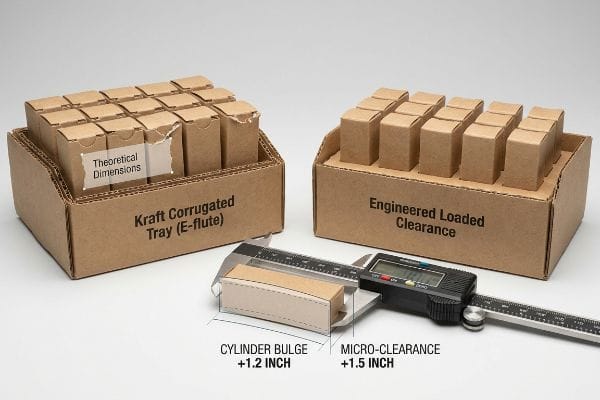
अगर संरचनात्मक सहनशीलता की गणना भौतिक वास्तविकता के बजाय सैद्धांतिक आयामों का उपयोग करके की गई हो, तो देखने में बेहद आकर्षक लिपस्टिक ट्रे दुकान में पहुंचते ही वित्तीय बोझ बन जाती है।.
कॉस्मेटिक सिलेंडर उभार का गतिज भौतिकी
जब मैं ग्राहकों के डाईलाइन का ऑडिट करता हूँ, तो मुझे अक्सर CAD (कंप्यूटर-एडेड डिज़ाइन) फ़ाइलें प्राथमिक फोल्डिंग कार्टन के सैद्धांतिक LxWxH आयामों के अनुरूप सटीक रूप से मैप की हुई दिखाई देती हैं। अनुभवी डिज़ाइनर भी अक्सर इस तथ्य को नज़रअंदाज़ कर देते हैं कि एक कठोर, गोल प्लास्टिक सिलेंडर को पतले पेपरबोर्ड बॉक्स में जबरदस्ती फिट करने से साइड पैनल बाहर की ओर मुड़ जाते हैं6।जब प्रोक्योरमेंट विभाग इस सैद्धांतिक रूप से सही बॉक्स को एक कसकर फिट किए गए रिटेल ट्रे पर स्केल करता है, तो ज्यामिति बुरी तरह से विफल हो जाती है7।
यह सिर्फ़ सिद्धांत नहीं है—मैंने परीक्षण स्थल पर ग्राहकों द्वारा अपने असंकलित डिस्प्ले को पहले से भरने के प्रयास के दौरान इसे होते हुए देखा है। जब दर्जनों सूक्ष्म उभार वाले एसबीएस (सॉलिड ब्लीच्ड सल्फेट) कार्टन8 को एक कठोर ई-फ्लूट ट्रे में ठूंस दिया जाता है, तो संचित यांत्रिक तनाव अत्यधिक होता है। प्राथमिक कार्टन के फंसने पर नालीदार फ्लूट्स के पीछे की ओर मुड़ने के कठोर प्रतिरोध को मैं स्वयं महसूस करता हूँ। यदि कोई स्टोर क्लर्क एक लिप बाम ट्यूब निकालने का प्रयास करता है, तो घर्षण लॉक मुद्रित रिटेनिंग लिप को आधार से पूरी तरह से फाड़ देता है। एक बार जब खरीद टीम ने मुझे पूरी तरह से भरे हुए प्राथमिक कार्टन पर डिजिटल कैलिपर चलाने की अनुमति दी, तो मैंने 1.2 इंच (30.48 मिमी) का संचयी परिधि विस्तार पाया। मैंने तुरंत द्वितीयक ट्रे के आंतरिक रिक्त स्थान को 1.5 इंच (38.1 मिमी) तक बढ़ा दिया और आधार को उच्च घनत्व वाले 32ईसीटी (एज क्रश टेस्ट) क्राफ्ट बोर्ड9। इस सूक्ष्म क्लीयरेंस को लागू करके, मैंने यह सुनिश्चित किया कि को-पैकिंग असेंबली का समय प्रति यूनिट 18 सेकंड कम हो गया, जिससे फटे हुए रिटेनिंग लिप्स पूरी तरह से खत्म हो गए और ग्राहक को भारी खुदरा विक्रेता शुल्क वापसी से बचाया जा सका।
| सहनशीलता मीट्रिक | सैद्धांतिक सीए आयाम | इंजीनियर लोड क्लीयरेंस |
|---|---|---|
| प्राथमिक कार्टन आकार | पूर्णतः समतल माना गया | सिलेंडर के उभार के लिए जिम्मेदार |
| निष्कर्षण घर्षण | उच्च सतह लॉकिंग | शून्य-प्रतिरोध निष्कासन |
| विधानसभा श्रम हानि | प्रति इकाई 22 सेकंड10 | घर्षण रहित 4 सेकंड में लोडिंग11 |
कारखाने में बिताए मेरे वर्षों ने मुझे सिखाया है कि सैद्धांतिक आंकड़ों पर निर्भर रहने से वास्तविक आपूर्ति श्रृंखलाएं नष्ट हो जाती हैं। मैं त्रुटिहीन खुदरा बिक्री सुनिश्चित करने के लिए वास्तविक रूप से भरे हुए सिलेंडर के उभार को मापता हूँ।.
🛠️ हार्वे का डेस्क: क्या स्टोर में सामान भरते समय सिलेंडर के छिपे हुए उभार के कारण आपकी कॉस्मेटिक ट्रे धीरे-धीरे फट रही हैं? 👉 संरचनात्मक सहनशीलता समीक्षा का अनुरोध करें ↗ — 100% गोपनीय। आपके अप्रकाशित खुदरा डिज़ाइन मेरे पास सुरक्षित हैं।
2026 में लिप बाम का क्या ट्रेंड रहेगा?
ब्रांड्स कैश रजिस्टर पर ग्राहकों की शारीरिक सहभागिता बढ़ाने के लिए जमकर प्रतिस्पर्धा कर रहे हैं, और पेपरबोर्ड की भौतिक क्षमता की सीमाओं को आगे बढ़ा रहे हैं।.
2026 में लिप बाम का प्रमुख चलन टिकाऊ सामग्रियों पर प्रीमियम स्पर्शनीय उभरी हुई डिज़ाइन का समावेश है। अगली पीढ़ी की पैकेजिंग महंगी धातु की पन्नी की जगह उच्च-विपरीत संरचनात्मक बनावट का उपयोग करती है, और खुदरा ट्रे की गतिशील भार वहन क्षमता को प्रभावित किए बिना एक शानदार उपभोक्ता अनुभव प्रदान करने के लिए आंतरिक नाली संपीड़न का उपयोग करती है।.
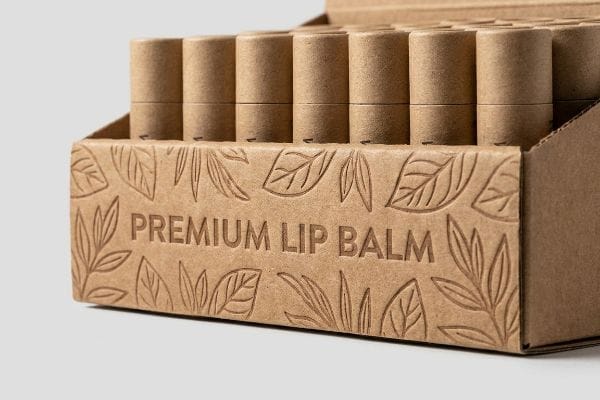
अत्यधिक भरी हुई रिटेल फ्लोर डिस्प्ले , प्रीमियम स्पर्शनीय प्रतिक्रिया और कठोर संपीड़न भौतिकी के बीच संतुलन बनाना आवश्यक है।
प्रीमियम स्पर्शनीय फिनिश की संरचनात्मक भौतिकी
ग्राफिक टीमें अक्सर एम्बॉसिंग और डीबॉसिंग जैसे 3डी स्पर्श प्रभावों को एक दूसरे के बदले इस्तेमाल होने वाले सौंदर्य संबंधी विकल्पों के रूप में देखती हैं, और नालीदार कार्डबोर्ड संरचना पर उनके विपरीत प्रभावों को अनदेखा कर देती हैं। एम्बॉसिंग बाहरी कागज की परत को आक्रामक रूप से ऊपर की ओर खींचकर एक उभरा हुआ शिखर बनाती है, जिससे सेल्यूलोज फाइबर बहुत पतले हो जाते हैं 12। यदि इसे भार वहन करने वाले पैनल पर लगाया जाता है, तो यह खींचा हुआ क्षेत्र भारी माल के वजन के नीचे सूक्ष्म दरारों के लिए अत्यधिक भेद्यता पैदा करता है 13 ।
इसके विपरीत, डिबॉसिंग में सब्सट्रेट को भौतिक रूप से अंदर की ओर दबाया जाता है। यह क्रिया आंतरिक नालीदार मेहराबों को सघन बनाकर एक ठोस, प्रबलित ब्लॉक14 , जिससे ऊपरी शीट की लोच पर अत्यधिक दबाव नहीं पड़ता। जब गाढ़े तरल सौंदर्य प्रसाधनों से भरी भारी मात्रा में लोड की गई पीडीक्यू (प्रीटी डार्न क्विक) ट्रे पर प्रीमियम स्पर्शनीय बनावट लगाई जाती है, तो टूलिंग को बाहरी खिंचाव से आंतरिक संपीड़न में बदलने से बोर्ड की संरचनात्मक आधार रेखा संरक्षित रहती है। इससे डिस्प्ले में आकर्षक, उच्च-स्तरीय संवेदी बनावट प्रदर्शित की जा सकती है जो आने-जाने वाले ग्राहकों को आकर्षित करती है, साथ ही डबल-स्टैक्ड एलटीएल15 (लेस-देन-ट्रकलोड) माल ढुलाई के दौरान बिना मुड़े सुरक्षित रहने के लिए आवश्यक कठोर किनारे की मजबूती भी बनी रहती है।
| स्पर्शनीय फिनिश मीट्रिक | मानक बाहरी उभार | इनवर्ड डेबॉस प्रोटोकॉल |
|---|---|---|
| फाइबर तनाव | उच्च खिंचाव और पतलापन | संरक्षित सतही लोच |
| आंतरिक बांसुरी अवस्था | खोखला और कमजोर | सघन संरचनात्मक ब्लॉक16 |
| गतिशील भार जोखिम | उच्च सूक्ष्म-विखंडन दर17 | 32ECT की क्षमता बरकरार रखी गई18 |
मैं आपके माल की सुरक्षा सुनिश्चित करने के लिए यांत्रिक उपकरणों की दिशा को सख्ती से नियंत्रित करता हूँ। फ्लूट्स को अंदर की ओर दबाकर, मैं प्रीमियम 2026 स्पर्शनीय सौंदर्य प्रदान करता हूँ और साथ ही यह भी सुनिश्चित करता हूँ कि आपका आधार कभी क्षतिग्रस्त न हो।.
🛠️ हार्वे का डेस्क: क्या आपके डिस्प्ले बेस पर उभरी हुई गहरी सतहें आपकी गतिशील भार वहन क्षमता को धीरे-धीरे कम कर रही हैं? 👉 स्पर्शनीय संपीड़न ऑडिट का अनुरोध करें ↗ — कोई खाता प्रबंधक बीच में नहीं। आप सीधे संरचनात्मक इंजीनियरों से बात करेंगे।
पुराने लिप बाम के डिब्बों का क्या करें?
खुदरा विक्रेता उन ब्रांडों को कड़ी सजा दे रहे हैं जो खतरनाक कचरे या अचक्रणीय मिश्रित प्लास्टिक को अपने गुप्त निपटान तंत्र में जबरदस्ती डालते हैं।.
पुराने लिप बाम कंटेनरों के निपटान के लिए प्राथमिक प्लास्टिक को द्वितीयक पेपरबोर्ड डिस्प्ले से अलग करना आवश्यक है। जीवन चक्र के अंत में सुचारू अनुपालन सुनिश्चित करने के लिए, खुदरा विक्रेताओं को ठोस बायोप्लास्टिक के बजाय जल-आधारित जलीय कोटिंग्स का उपयोग करना चाहिए, जिससे यह सुनिश्चित हो सके कि संरचनात्मक नालीदार आधार मानक नगरपालिका पुनर्चक्रण प्रक्रियाओं में 100% पुनर्चक्रण योग्य बने रहें।.
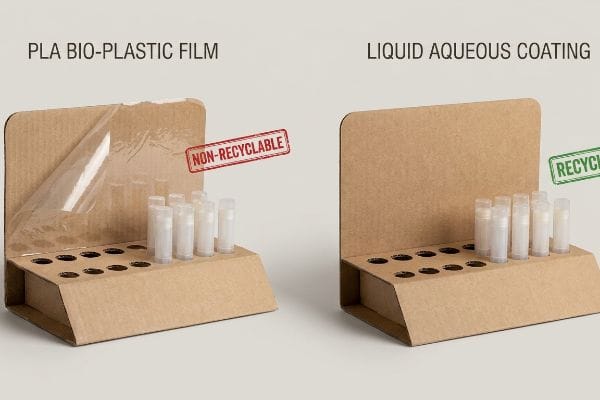
कृषि प्लास्टिक में डिस्प्ले को लैमिनेट करके स्थिरता के नाम पर कुछ अच्छा दिखाने की कोशिश करने से प्राप्तकर्ता खुदरा विक्रेता के लिए निपटान संबंधी एक भारी अप्रत्यक्ष दायित्व उत्पन्न हो जाता है।.
खुदरा पुनर्लोचनीयता की रासायनिक वास्तविकता
मेरी सुविधा में, मुझे नियमित रूप से पीएलए (पॉलीलैक्टिक एसिड) लेमिनेशन की मांग करने वाले अनुरोध (आरएफक्यू) मिलते हैं, जो खरीद टीमों द्वारा इस धारणा के कारण होते हैं कि यह मक्का-आधारित प्लास्टिक पूर्ण पर्यावरण अनुपालन सुनिश्चित करता है। वे मानक ओसीसी (पुराने नालीदार कंटेनर) रिपल्पिंग वैट की यांत्रिक वास्तविकता को अनदेखा करते हैं। पीएलए नगरपालिका प्रसंस्करण के दौरान एक ठोस भौतिक परत बनाता है जो पानी को पूरी तरह से दूर भगाता है , जिसके लिए अत्यधिक विशिष्ट वाणिज्यिक कंपोस्टिंग सुविधाओं की आवश्यकता होती है, जो अधिकांश खुदरा दुकानों के पास नहीं होती हैं।
यह महज़ छँटाई की मामूली समस्या नहीं है—मैं सामग्री के विघटन का परीक्षण करते समय इसे स्वयं सिद्ध करता हूँ। जब मैं परीक्षण बोर्ड से PLA की एक परत हटाता हूँ, तो मुझे प्लास्टिक फिल्म का चिकना, अडिग तनाव महसूस होता है; यह बिल्कुल भी घुलने से इनकार कर देती है। यदि यह किसी मानक खुदरा बेलर में जाता है, तो पुनर्चक्रण केंद्र पूरे 45 पाउंड (20.4 किलोग्राम) के गट्ठे को अस्वीकार कर देता हैऔर इसे सीधे लैंडफिल में भेज देता है, जिससे ब्रांड के खिलाफ ESG (पर्यावरण, सामाजिक और शासन) शुल्क लागू हो जाते हैं। मैं ग्राहकों को तुरंत अपने BOM (सामग्री का बिल) को ठोस बायो-प्लास्टिक से हटाकर उच्च-ठोस तरल जलीय कोटिंग निर्दिष्ट करने के लिए बाध्य करता हूँ। क्योंकि जलीय फ़िनिश एक तरल बहुलक मैट्रिक्स के रूप में कार्य करती है जो बिना किसी भारी प्लास्टिक अवशेष छोड़े आसानी से घुल जाती है, मैं गारंटी देता हूँ कि पूरी नालीदार संरचना 100% कर्बसाइड पुनर्चक्रण योग्य बनी रहती है, जिससे ग्राहकों को आवश्यक नमी अवरोध बनाए रखते हुए खुदरा विक्रेताओं द्वारा लगाए जाने वाले भारी जुर्माने से बचाया जा सकता है।
| स्थिरता मीट्रिक | पीएलए बायो-प्लास्टिक फिल्म | तरल जलीय कोटिंग |
|---|---|---|
| पानी प्रतिरोध | कठोर प्लास्टिक अवरोध | घुलनशील बहुलक मैट्रिक्स |
| खुदरा पुनर्लुपेबिलिटी | मानक ओसीसी वैट में विफल रहता है23 | 100% कर्बसाइड अनुपालन24 |
| जीवन के अंत में देयता | लैंडफिल डायवर्जन को ट्रिगर करता है25 | खुदरा विक्रेताओं पर निपटान के लिए कोई जुर्माना नहीं |
मेरी परिचालन प्रक्रिया सैद्धांतिक पर्यावरण-अनुकूलता की अपेक्षा वास्तविक रासायनिक पुनर्व्यवहार को प्राथमिकता देती है। कठोर पीएलए फिल्मों को जलीय रसायन विज्ञान से प्रतिस्थापित करके, मैं यह सुनिश्चित करता हूँ कि आपकी पैकेजिंग हर सख्त बड़े रिटेल स्टोर के पर्यावरणीय ऑडिट को आसानी से पास कर ले।.
🛠️ हार्वे का डेस्क: क्या आपके सैद्धांतिक रूप से पर्यावरण-अनुकूल डिस्प्ले स्टोर स्तर पर खतरनाक अपशिष्ट निपटान जुर्माने को सक्रिय रूप से ट्रिगर कर रहे हैं? 👉 सामग्री अनुपालन ऑडिट का अनुरोध करें ↗ — मैं 24 घंटों के भीतर प्रत्येक संरचनात्मक फ़ाइल की व्यक्तिगत रूप से समीक्षा करता हूँ।
निष्कर्ष
चाहे आप कॉस्मेटिक सिलेंडर के उभार के कारण होने वाले यांत्रिक घर्षण से जूझ रहे हों या मिश्रित सामग्रियों की पुनर्लोचनीयता संबंधी समस्याओं को दूर कर रहे हों, आधुनिक खुदरा काउंटर पर टिके रहने के लिए कठोर संरचनात्मक भौतिकी की आवश्यकता होती है। हाल ही में इसी इंजीनियरिंग समीक्षा में उत्पादन से पहले एक बड़े राष्ट्रीय स्तर पर लॉन्च के दौरान 2 मिमी की घातक टॉलरेंस त्रुटि पकड़ी गई। यदि आपके वर्तमान नालीदार मर्चेंडाइज़र असेंबली के दौरान फट रहे हैं या गतिशील खुदरा वातावरण के भार के कारण विफल हो रहे हैं, तो कृपया मुझे अपने संरचनात्मक दस्तावेज़ों की व्यापक डाइलाइन टॉलरेंस ऑडिट करने दें।
"पैकेज के सामने की समरूपता दृश्य ध्यान को प्रभावित करती है - ScienceDirect.com", https://www.sciencedirect.com/science/article/abs/pii/S0969698919303893। दृश्य बोध और खुदरा डिज़ाइन पर अकादमिक शोध दर्शाता है कि विषमता 'दृश्य तनाव' पैदा करती है, जो स्वचालित संज्ञानात्मक प्रसंस्करण को बाधित करती है और ध्यान आकर्षित करने की क्षमता बढ़ाती है। साक्ष्य की भूमिका: सैद्धांतिक सत्यापन; स्रोत प्रकार: मनोवैज्ञानिक अध्ययन या खुदरा डिज़ाइन मैनुअल। समर्थन: इस दावे का कि सममित ग्रिड ध्यान आकर्षित करने में कम प्रभावी होते हैं। कार्यक्षेत्र संबंधी टिप्पणी: तेज़ गति वाले खुदरा वातावरण तक सीमित। ↩
"प्रभावी दृश्य बिक्री रणनीतियों में कई महत्वपूर्ण पहलू शामिल हैं...", https://popdisplay.me/effective-visual-merchandising-strategies-involve-several-critical-considerations/। खुदरा डिज़ाइन में संज्ञानात्मक अवरोधन को बाधित करने और उत्पाद स्कैनिंग को बढ़ाने के लिए उपयोग किए जाने वाले एक मान्यता प्राप्त अनुमानी के रूप में 3-5-7 विषमता नियम का सत्यापन। साक्ष्य की भूमिका: तकनीकी परिभाषा; स्रोत प्रकार: दृश्य बिक्री नियमावली या डिज़ाइन पाठ्यपुस्तक। समर्थन: यह दावा कि विषम संख्या वाले समूह उपभोक्ता का ध्यान आकर्षित करते हैं। कार्यक्षेत्र संबंधी टिप्पणी: खरीद के स्थान पर प्रदर्शित लेआउट के लिए विशिष्ट। ↩
"अपने व्यवसाय के लिए नालीदार बॉक्स डिवाइडर के लाभों की खोज करें", https://www.estic-maillot.com/en/corrugated-box-dividers/। पुनः भंडारण के दौरान कच्चे पेपरबोर्ड में संरचनात्मक अखंडता बनाए रखने और सामग्री की विफलता को रोकने के लिए आवश्यक सटीक यांत्रिक क्लीयरेंस का तकनीकी सत्यापन। साक्ष्य भूमिका: तकनीकी विनिर्देश; स्रोत प्रकार: पैकेजिंग के लिए संरचनात्मक इंजीनियरिंग गाइड। समर्थन: यह दावा कि 0.25 इंच का अंतर पेपरबोर्ड के फटने को रोकता है। कार्यक्षेत्र नोट: मानक औद्योगिक ग्रेड कार्डबोर्ड पर लागू होता है। ↩
"खुदरा उत्पादों के लिए पीओपी/पीओएस डिस्प्ले खरीद हेतु संपूर्ण मार्गदर्शिका...", https://archway.com/blog/pop-pos-display-procurement-for-retail-brands/। रीस्टॉकिंग के दौरान उत्पाद जाम होने से बचाने के लिए खुदरा डिस्प्ले इंजीनियरिंग में न्यूनतम क्लीयरेंस अंतराल के लिए तकनीकी विनिर्देश। साक्ष्य भूमिका: तकनीकी विनिर्देश; स्रोत प्रकार: पैकेजिंग इंजीनियरिंग मैनुअल। सहायक: रीस्टॉकिंग क्लीयरेंस के लिए सटीक माप। कार्यक्षेत्र नोट: नालीदार पॉइंट-ऑफ-परचेस इकाइयों के लिए विशिष्ट। ↩
"कॉरुगेटेड क्या है?", https://www.fibrebox.org/what-is-corrugated/। सटीक टॉलरेंस वाले सममित ग्रिडों की असेंबली के दौरान कॉरुगेटेड फ्लूटिंग पर यांत्रिक तनाव का विश्लेषण। साक्ष्य भूमिका: सामग्री विफलता विश्लेषण; स्रोत प्रकार: औद्योगिक डिजाइन पाठ्यपुस्तक। समर्थन: सममित असेंबली और सामग्री क्षति के बीच सहसंबंध। स्कोप नोट: फ्लूटेड कॉरुगेटेड कार्डबोर्ड सामग्रियों पर लागू होता है। ↩
"पेपरबोर्ड के यांत्रिक गुणों की जांच...", https://repository.rit.edu/cgi/viewcontent.cgi?article=1066&context=japr। पतले पेपरबोर्ड कंटेनरों में कठोर सिलेंडरों को रखने पर सामग्री विरूपण की तकनीकी व्याख्या। साक्ष्य भूमिका: भौतिक सिद्धांत सत्यापन; स्रोत प्रकार: संरचनात्मक अभियांत्रिकी मार्गदर्शिका। समर्थन: पार्श्व पैनल के झुकने की घटना। कार्यक्षेत्र नोट: कठोर से लचीली सामग्री इंटरफेस के लिए विशिष्ट। ↩
"रिटेल डिस्प्ले के लिए पैकेजिंग और लॉजिस्टिक्स योजना", https://www.frankmayer.com/blog/packaging-and-logistics-planning-for-retail-displays/। कसकर व्यवस्थित रिटेल डिस्प्ले में संरचनात्मक विफलता का कारण बनने वाली संचयी सहनशीलता त्रुटियों का विश्लेषण। साक्ष्य की भूमिका: विफलता विश्लेषण; स्रोत प्रकार: औद्योगिक डिजाइन केस स्टडी। समर्थन: ट्रे में अपूर्ण बक्सों के आकार निर्धारण के परिणाम। कार्यक्षेत्र संबंधी टिप्पणी: खुदरा व्यापार से संबंधित। ↩
"सॉलिड ब्लीच्ड सल्फेट (एसबीएस) फोल्डिंग कार्टन की व्याख्या", https://brownpackaging.com/solid-bleached-sulfate-sbs-folding-cartons-explained-properties-and-packaging-applications/। एसबीएस पेपरबोर्ड पर सामग्री विज्ञान संबंधी दस्तावेज़ इसके भौतिक गुणों और दबाव में संरचनात्मक विरूपण के प्रति इसकी संवेदनशीलता का वर्णन करता है। साक्ष्य की भूमिका: तकनीकी विशेषता; स्रोत प्रकार: सामग्री विज्ञान पुस्तिका। समर्थन: एसबीएस फोल्डिंग कार्टन में सूक्ष्म उभार का अस्तित्व। कार्यक्षेत्र संबंधी टिप्पणी: उच्च श्रेणी के कॉस्मेटिक पैकेजिंग सामग्रियों के लिए विशिष्ट। ↩
"एज क्रश टेस्ट (ECT) – नालीदार बक्से", https://www.theboxery.com/ect.asp?srsltid=AfmBOoqGnM2lxhB3BtmP4w36bnM50gkeheSoLh1T737T97Ztl1Bqw5ay। नालीदार बोर्ड के लिए आधिकारिक औद्योगिक मानक 32ECT क्राफ्ट बोर्ड की भार वहन क्षमता और संपीड़न शक्ति को सत्यापित करते हैं। साक्ष्य की भूमिका: तकनीकी विनिर्देश; स्रोत प्रकार: औद्योगिक पैकेजिंग मानक। समर्थन: यह दावा कि 32ECT बकल को रोकने के लिए आवश्यक संरचनात्मक अखंडता प्रदान करता है। कार्यक्षेत्र नोट: नालीदार बोर्ड प्रदर्शन मापदंडों पर लागू होता है। ↩
"कॉन्ट्रैक्ट पैकेजिंग में मैनुअल असेंबली क्या है?", https://msl-indy.com/manual-assembly-contract-packaging/। पैकेजिंग असेंबली समय के लिए औद्योगिक इंजीनियरिंग बेंचमार्क मानक CAD टॉलरेंस से जुड़े श्रम नुकसान पर डेटा प्रदान करते हैं। साक्ष्य की भूमिका: आधारभूत मीट्रिक; स्रोत प्रकार: औद्योगिक इंजीनियरिंग अध्ययन। समर्थन: आधारभूत असेंबली श्रम नुकसान। कार्यक्षेत्र संबंधी टिप्पणी: मैनुअल निपुणता और इकाई मात्रा के अनुसार भिन्न होता है। ↩
"कॉस्मेटिक्स पैकेजिंग: डिज़ाइन और उत्पादन उत्कृष्टता का संगम", https://www.packagingdigest.com/packaging-design/the-evolution-of-cosmetics-packaging-design-innovation-meets-production-excellence। सिलेंडर पैकेजिंग के लिए अनुकूलित टॉलरेंस और क्लीयरेंस पर विनिर्माण डेटा सम्मिलन समय में महत्वपूर्ण कमी दर्शाता है। साक्ष्य की भूमिका: प्रदर्शन बेंचमार्क; स्रोत प्रकार: विनिर्माण श्वेत पत्र। समर्थन: इंजीनियर क्लीयरेंस से दक्षता लाभ। कार्यक्षेत्र संबंधी टिप्पणी: उच्च परिशुद्धता लोडिंग प्रणालियों के लिए विशिष्ट। ↩
"यांत्रिक और कोमलता पर एम्बॉसिंग दबाव का प्रभाव … – पीएमसी", https://pmc.ncbi.nlm.nih.gov/articles/PMC9228970/। पेपरबोर्ड में यांत्रिक एम्बॉसिंग द्वारा फाइबर घनत्व और लाइनर की मोटाई में होने वाले परिवर्तन का तकनीकी सत्यापन। साक्ष्य की भूमिका: तकनीकी सत्यापन; स्रोत प्रकार: सामग्री विज्ञान की पाठ्यपुस्तक। समर्थन: एम्बॉसिंग के दौरान कागज के सब्सट्रेट का भौतिक रूप से पतला होना। कार्यक्षेत्र संबंधी टिप्पणी: विशेष रूप से सेल्युलोज-आधारित लाइनर्स के लिए। ↩
"भार वहन क्षमता पर छिद्रों के प्रभाव की जांच...", https://pmc.ncbi.nlm.nih.gov/articles/PMC11396172/। भार के अधीन उभरे हुए नालीदार बोर्ड में तनाव सांद्रता और विफलता बिंदुओं का विश्लेषण। साक्ष्य भूमिका: संरचनात्मक प्रमाण; स्रोत प्रकार: पैकेजिंग इंजीनियरिंग अनुसंधान। समर्थन: भार वहन करने वाले उभरे हुए पैनलों में संरचनात्मक विफलता का बढ़ा हुआ जोखिम। कार्यक्षेत्र संबंधी टिप्पणी: गतिशील भार क्षमता से संबंधित। ↩
"यांत्रिक गुणों पर एनालॉग और डिजिटल क्रीज लाइनों का प्रभाव...", https://pmc.ncbi.nlm.nih.gov/articles/PMC9268991/। यह लेख बताता है कि कैसे आंतरिक संपीड़न नालीदार मेहराबों के घनत्व को बढ़ाकर स्थानीय संरचनात्मक स्थिरता को बढ़ाता है। साक्ष्य की भूमिका: तकनीकी सत्यापन; स्रोत प्रकार: पैकेजिंग इंजीनियरिंग अध्ययन। आधार: डिबॉसिंग का संरचनात्मक भौतिकी। कार्यक्षेत्र संबंधी टिप्पणी: विशेष रूप से नालीदार सतहों पर लागू होता है। ↩
"ईसीटी रेटिंग्स की व्याख्या: आपके लिए इनका क्या अर्थ है...", https://epackagesupply.com/blogs/packaging-guide/ect-ratings-explained-what-they-mean-for-your-corrugated-packaging?srsltid=AfmBOooNke0aA11Fx5OVbigb5qDMas2PxbzzV8A9skUc34YvzlZqE8vO। एलटीएल माल ढुलाई के दौरान ऊर्ध्वाधर दबाव को सहन करने के लिए खुदरा डिस्प्ले के लिए न्यूनतम संरचनात्मक आवश्यकताओं और एज क्रश टेस्ट (ईसीटी) मानकों की संक्षिप्त व्याख्या। साक्ष्य भूमिका: उद्योग मानक सत्यापन; स्रोत प्रकार: लॉजिस्टिक्स मैनुअल। समर्थन: खुदरा ट्रे के लिए भार क्षमता आवश्यकताएँ। कार्यक्षेत्र नोट: डबल-स्टैक्ड शिपमेंट कॉन्फ़िगरेशन के लिए विशिष्ट। ↩
"नालीदार कार्डबोर्ड बक्सों की संपीडन सामर्थ्य का अनुमान ...", https://pmc.ncbi.nlm.nih.gov/articles/PMC9864211/। यह तकनीकी व्याख्या बताती है कि कैसे अंदर की ओर धंसाकर बनाई गई डिज़ाइन, उभरी हुई डिज़ाइन की तुलना में अधिक सघन संरचनात्मक क्षेत्र बनाने के लिए सामग्री को संपीड़ित करती है। साक्ष्य की भूमिका: क्रियाविधि संबंधी व्याख्या; स्रोत प्रकार: पैकेजिंग इंजीनियरिंग मैनुअल। समर्थन: आंतरिक खांचे की स्थिति संबंधी दावे। कार्यक्षेत्र संबंधी टिप्पणी: पेपरबोर्ड के संपीडन भौतिकी पर केंद्रित। ↩
"कार्डबोर्ड पर एम्बॉसिंग के परिणामों पर अल्ट्रासाउंड का प्रभाव", https://bioresources.cnr.ncsu.edu/resources/influence-of-ultrasound-on-embossing-results-for-cardboard/। बाहरी एम्बॉसिंग प्रक्रिया के दौरान पेपरबोर्ड फाइबर में सूक्ष्म दरारों की घटना से संबंधित अनुभवजन्य डेटा। साक्ष्य की भूमिका: तथ्यात्मक पुष्टि; स्रोत प्रकार: इंजीनियरिंग अध्ययन। समर्थन: गतिशील भार जोखिम दावे। कार्यक्षेत्र संबंधी टिप्पणी: उच्च दबाव स्पर्शनीय फिनिश पर लागू होता है। ↩
"शिपिंग बॉक्स की मजबूती को समझना", https://www.ecoenclose.com/blog/understanding-shipping-box-strength/?srsltid=AfmBOopyzE7n2GFE1Ij5rkOfrXVaF3fkcbJwMVuiIvhAMq4l8J9qu-Z_। भार वहन क्षमता की पुष्टि के लिए डिबॉस्ड और एम्बोस्ड पेपरबोर्ड संरचनाओं के लिए एज क्रश टेस्ट (ECT) रेटिंग का सत्यापन। साक्ष्य की भूमिका: तकनीकी सत्यापन; स्रोत प्रकार: सामग्री विज्ञान रिपोर्ट। समर्थन: डिबॉसिंग प्रोटोकॉल की संरचनात्मक अखंडता। कार्यक्षेत्र संबंधी टिप्पणी: 32ECT ग्रेड पेपरबोर्ड के लिए विशिष्ट। ↩
"पुनर्चक्रण योग्य और जैव-अपघटनीय कागज कोटिंग के साथ... – पीएमसी", https://pmc.ncbi.nlm.nih.gov/articles/PMC11948148/। यह तकनीकी व्याख्या बताती है कि कैसे पॉलीलैक्टिक एसिड की परतें मानक कागज पुनर्गूदा बनाने की प्रक्रिया के दौरान पानी के प्रवेश को रोकती हैं, जिससे रेशों का पृथक्करण रुक जाता है। साक्ष्य की भूमिका: तकनीकी सत्यापन; स्रोत प्रकार: सामग्री विज्ञान या पुनर्चक्रण उद्योग अध्ययन। समर्थन: इस दावे का कि पीएलए मानक नगरपालिका जल निकासी प्रणालियों में पुनर्गूदा बनाने योग्य नहीं है। कार्यक्षेत्र संबंधी टिप्पणी: विशेष रूप से ओसीसी पुनर्चक्रण के संबंध में। ↩
"पीएलए/पीएचबी आधारित सामग्री दोनों परिस्थितियों में पूरी तरह से जैवअपघटनीय है… – पीएमसी", https://pmc.ncbi.nlm.nih.gov/articles/PMC9572414/। पीएलए के जैवअपघटन के लिए आवश्यक विशिष्ट तापमान और आर्द्रता आवश्यकताओं (औद्योगिक कंपोस्टिंग) का सत्यापन, जो मानक नगरपालिका या खुदरा अपशिष्ट धाराओं में अनुपस्थित हैं। साक्ष्य की भूमिका: अवसंरचनात्मक सत्यापन; स्रोत प्रकार: पर्यावरण एजेंसी या अपशिष्ट प्रबंधन रिपोर्ट। समर्थन: पीएलए निपटान के लिए विशेष सुविधाओं की आवश्यकता। कार्यक्षेत्र संबंधी टिप्पणी: औद्योगिक बनाम घरेलू कंपोस्टिंग पर केंद्रित। ↩
"रीसाइक्लिंग संदूषण: वे समाधान जो वास्तव में प्रभावी हैं", https://fvrecycling.com/blog/recycling-contamination-the-fixes-that-actually-stick। कागज रीसाइक्लिंग के लिए उद्योग मानक विस्तार से बताते हैं कि प्लास्टिक संदूषण किस प्रकार पूरे बंडल को अस्वीकृत करने और लैंडफिल में भेजने का कारण बनता है। साक्ष्य की भूमिका: तकनीकी सत्यापन; स्रोत प्रकार: अपशिष्ट प्रबंधन दिशानिर्देश। समर्थन: रीसाइक्लिंग धाराओं पर मिश्रित प्लास्टिक संदूषण का प्रभाव। स्कोप नोट: बंडल का वजन और अस्वीकृति सीमा नगर पालिका के अनुसार भिन्न होती है। ↩
"[PDF] Re pulpabilitm repulpability of coated corrugated paperboard – TAPPI.org", https://imisrise.tappi.org/download.aspx?key=91OCT079. सामग्री विज्ञान अनुसंधान जल-आधारित जलीय कोटिंग्स और पीएलए जैसी बायोप्लास्टिक फिल्मों की पल्पिंग दक्षता की तुलना करता है। साक्ष्य भूमिका: तकनीकी विनिर्देश; स्रोत प्रकार: रासायनिक अभियांत्रिकी पत्रिका। समर्थन: जलीय-लेपित नालीदार संरचनाओं की रासायनिक रिपल्पेबिलिटी। कार्यक्षेत्र नोट: घुलनशीलता विशिष्ट बहुलक सूत्रण पर निर्भर करती है। ↩
"पॉलीलैक्टिक एसिड (PLA) के लिए जीवन चक्र मूल्यांकन ताकि इसे … बनाया जा सके", https://pmc.ncbi.nlm.nih.gov/articles/PMC8199738/। यह सत्यापन कि PLA बायोप्लास्टिक फिल्मों को मानक पुराने नालीदार कंटेनरों (OCC) के पुनर्गठित टैंकों में संसाधित नहीं किया जा सकता है। साक्ष्य की भूमिका: तकनीकी सत्यापन; स्रोत प्रकार: उद्योग मानक। समर्थन: PLA की पुनर्गठित करने की अक्षमता। कार्यक्षेत्र संबंधी टिप्पणी: मानक OCC पुनर्प्राप्ति सुविधाओं पर लागू होता है। ↩
"जलीय परत चढ़ाने की प्रक्रिया प्लास्टिक-मुक्त क्यों नहीं है, इसका सच - वेरिव", https://verive.eu/food-packaging-materials/aqueous-lining-plastic-free-truth/। यह पुष्टि कि तरल जलीय कोटिंग्स पुनर्चक्रण योग्यता के लिए नगरपालिका के सड़क किनारे पुनर्चक्रण दिशानिर्देशों को पूरा करती हैं। साक्ष्य की भूमिका: अनुपालन सत्यापन; स्रोत प्रकार: नियामक मानक। समर्थन: जलीय कोटिंग की पुनर्चक्रण योग्यता। कार्यक्षेत्र संबंधी टिप्पणी: सामान्य सड़क किनारे अवसंरचना पर आधारित। ↩
"पीएलए डिप्लॉयमराइजेशन: माई लास्ट ट्रैश – यूसीएससी एस-लैब", https://slab.sites.ucsc.edu/replaypla/। इस बात के प्रमाण कि कागज के अपशिष्टों के दूषित होने के कारण पीएलए फिल्मों को पुनर्चक्रण धाराओं से हटाकर लैंडफिल में भेज दिया जाता है। प्रमाण की भूमिका: अपशिष्ट धारा विश्लेषण; स्रोत प्रकार: पर्यावरण रिपोर्ट। समर्थन: पीएलए की जीवन-चक्र समाप्ति देयता। कार्यक्षेत्र संबंधी टिप्पणी: खुदरा निपटान संदर्भों तक सीमित। ↩