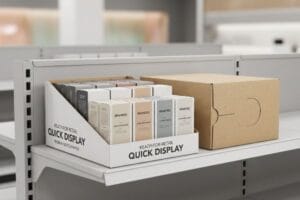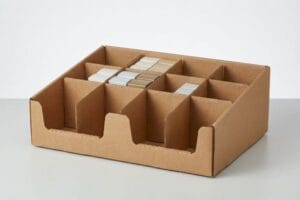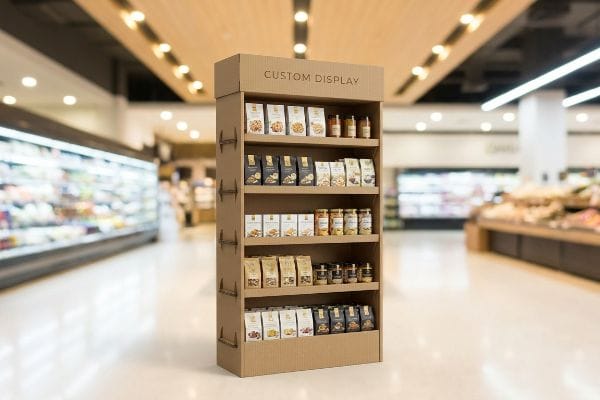
जब सही तरीके से लागू किया जाता है, तो भौतिक खुदरा प्रदर्शन ऑफलाइन बिक्री के सबसे शक्तिशाली चालकों में से एक बने रहते हैं, जो निष्क्रिय रूप से आने वाले ग्राहकों को महत्वपूर्ण अंतिम चरण में तत्काल आवेगपूर्ण खरीदारी में परिवर्तित करते हैं।.
स्टोर के अंदर प्रदर्शित उत्पाद ग्राहकों का ध्यान आकर्षित करने और तत्काल खरीदारी को बढ़ावा देने के लिए अत्यंत प्रभावी साधन हैं। अधिक भीड़भाड़ वाले खुदरा क्षेत्रों में उत्पादों को रणनीतिक रूप से रखकर, ये भौतिक प्रदर्शनकारी दृश्य व्यवधान उत्पन्न करते हैं, आवेगपूर्ण खरीदारी की प्रवृत्ति को प्रेरित करते हैं और कड़ी प्रतिस्पर्धा के बीच ब्रांड की दृश्यता को नाटकीय रूप से बढ़ाते हैं।.

लेकिन किसी रिटेल अभियान की सैद्धांतिक प्रभावशीलता को समझना, आपूर्ति श्रृंखला की कठोर वास्तविकता में टिकने वाली संरचना को तैयार करने से बिल्कुल अलग है।.
मर्चेंडाइजिंग के 4 पी क्या हैं?
खुदरा रणनीति में महारत हासिल करने के लिए वाणिज्यिक ढाँचों की मूलभूत समझ आवश्यक है जो यह निर्धारित करते हैं कि उत्पाद भौतिक स्टोर में उपभोक्ताओं के साथ सफलतापूर्वक कैसे संवाद करते हैं।.
मर्चेंडाइजिंग के चार मुख्य स्तंभ हैं: उत्पाद, मूल्य, स्थान और प्रचार। ये चार मूलभूत स्तंभ यह निर्धारित करते हैं कि ब्रांड अपने उत्पादों को प्रभावी ढंग से कैसे प्रदर्शित करें, प्रतिस्पर्धी मूल्य निर्धारण रणनीतियाँ कैसे तय करें, खुदरा दुकानों में सर्वोत्तम स्थान कैसे सुरक्षित करें और ऑफ़लाइन बिक्री को अधिकतम करने के लिए आकर्षक विपणन अभियान कैसे चलाएँ।.
लेकिन जब डाई-कटिंग मशीनें चलने लगती हैं और पैलेट के वजन का महत्व सामने आता है, तो मार्केटिंग सिद्धांत को जानना ही काफी नहीं होता।.
कारखाने में मानक खुदरा ढाँचे क्यों विफल हो जाते हैं?
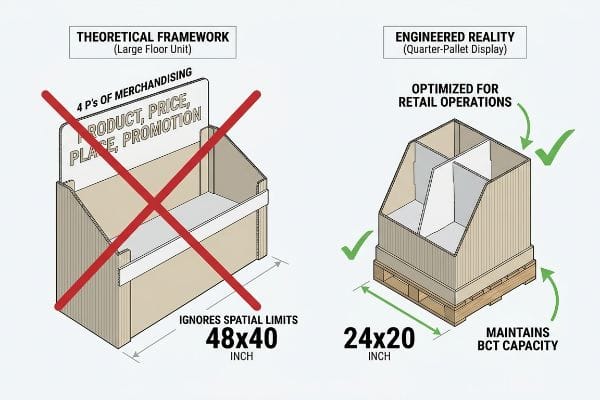
जूनियर ब्रांड मैनेजर अक्सर 4 P's को केवल एक सैद्धांतिक मार्केटिंग अभ्यास मानते हैं, यह मानकर कि एक बेहतरीन उत्पाद उचित मूल्य पर अपने आप बिक जाएगा। वे खरीद टीमों को सुंदर, वैचारिक डिस्प्ले डिज़ाइन सौंप देते हैं, यह उम्मीद करते हुए कि मानक नालीदार कार्डबोर्ड निर्माण किसी भी बड़े रिटेल स्टोर के वातावरण में आसानी से ढल जाएगा। इससे एक गंभीर विसंगति उत्पन्न होती है, जो विभिन्न रिटेलर श्रेणियों की सख्त स्थानिक और लॉजिस्टिकल आवश्यकताओं की पूरी तरह से अनदेखी करती है ।
यह सिर्फ़ सिद्धांत नहीं है—मैं परीक्षण के दौरान इस समस्या से निपटता हूँ जब कोई ब्रांड खुदरा ढांचे के अनुरूप हुए बिना सार्वभौमिक रोलआउट का प्रयास करता है। पिछली तिमाही में, एक ग्राहक ने सभी चैनलों पर एक मानक 48×40 इंच (121.9×101.6 सेमी) फ्लोर यूनिट2 । जब मैंने उनके सुविधा स्टोर "प्लेस" लक्ष्य के लिए स्थानिक दिशानिर्देश देखे, तो मुझे तुरंत एक चेतावनी मिली। विशाल आकार भौतिक रूप से असंगत था। हमने एजेंसी के डिज़ाइन को खारिज कर दिया और शुरू से गणना की। मैंने इंजीनियरिंग को एक फ़्रैक्शनल क्वार्टर-पैलेट ज्यामिति में बदल दिया, जिससे आधार का आकार 24×20 इंच (60.9×50.8 सेमी) तक कम हो गया, जबकि बॉक्स संपीड़न परीक्षण (बीसीटी) की भार क्षमता 250 पाउंड3 (113.3 किलोग्राम) बिल्कुल समान रही। भौतिक संरचना को खुदरा विक्रेता की स्थानिक वास्तविकता के अनुरूप करके, मैंने यह सुनिश्चित किया कि डिस्प्ले क्लीयरेंस रिजेक्शन से बच जाए, जिससे ग्राहक को भारी रीस्टॉकिंग शुल्क की बचत हुई और प्रीमियम इंपल्स प्लेसमेंट सुनिश्चित हुआ।
| संरेखण रणनीति | भौतिक परिणाम | खुदरा आरओआई |
|---|---|---|
| आंशिक आधार इंजीनियरिंग | यह सख्त स्थानिक सीमाओं से मेल खाता है | मंजूरी अस्वीकृति को रोकता है |
| 24×20 फुटप्रिंट में कमी4 | गुरुत्वाकर्षण केंद्र को कम करता है | उच्च ट्रैफ़िक वाले स्थानों पर प्लेसमेंट को अधिकतम करता है |
| बीसीटी थ्रेशोल्ड रखरखाव | यह 250 पाउंड (113.3 किलोग्राम) का भार सहन कर सकता है।5 | परिवहन के दौरान होने वाले नुकसान को रोकता है |
मैं कभी भी सैद्धांतिक मार्केटिंग को भौतिक पैकेजिंग पर हावी नहीं होने देता। खुदरा विक्रेता की परिचालन वास्तविकता के साथ आपके प्रचार की संरचना को गणितीय रूप से संरेखित करके, मैं गारंटी देता हूं कि आपका अभियान सफल होगा और वास्तविक राजस्व उत्पन्न करेगा।.
🛠️ हार्वे का डेस्क: क्या आपके मौजूदा फ्लोर डिस्प्ले को सुविधा स्टोर की सख्त स्थानिक सीमाओं को पूरा करने के लिए गणितीय रूप से डिज़ाइन किया गया है? 👉 अपने रिटेल फ्रेमवर्क का ऑडिट करें ↗ — मैं 24 घंटों के भीतर प्रत्येक संरचनात्मक फ़ाइल की व्यक्तिगत रूप से समीक्षा करता हूँ।
स्टोर में डिस्प्ले लगाने की लागत कितनी होती है?
रिटेल लॉन्च के लिए बजट तैयार करने में प्रारंभिक विनिर्माण खर्चों और भौतिक मर्चेंडाइजर के प्रदर्शन से उत्पन्न दीर्घकालिक लाभों के बीच संतुलन बनाना शामिल है।.
स्टोर में लगाए जाने वाले डिस्प्ले की कीमत साधारण काउंटरटॉप यूनिट के लिए कुछ डॉलर से लेकर टिकाऊ और मजबूत फिक्स्चर के लिए सौ डॉलर से अधिक तक हो सकती है। कीमत पूरी तरह से संरचनात्मक जटिलता, सामग्री की गुणवत्ता, ऑर्डर की मात्रा और बड़े रिटेल स्टोर के गतिशील भौतिक वातावरण में टिके रहने के लिए आवश्यक विशेष प्रिंटिंग फिनिश पर निर्भर करती है।.
किसी लक्ष्य मूल्य तक पहुंचने के लिए स्प्रेडशीट में हेरफेर करना आसान है, लेकिन कुछ पैसे बचाने के लिए संरचनात्मक अखंडता को नजरअंदाज करना हमेशा बड़े पैमाने पर विनाशकारी परिणाम लाता है।.
सस्ते कच्चे माल की तलाश में भटकने से प्रदर्शन बजट क्यों बर्बाद हो जाता है?
खरीददार अक्सर महंगे कॉस्मेटिक फिनिश, जैसे कि फुल-कवरेज फॉइल लेमिनेशन, को एक निश्चित यूनिट लागत बनाए रखने के लिए मार्केटिंग के अनिवार्य नियमों के रूप में मानते हैं। इन उच्च प्रिंटिंग खर्चों की भरपाई के लिए, वे चुपके से आपूर्तिकर्ताओं से बेस कोरुगेटेड बोर्ड की ECT (एज क्रश टेस्ट) रेटिंग6 को, यह मानकर कि दिखने में प्रीमियम बॉक्स फिर भी टिकाऊ रहेगा। इससे कोर फ्लूटिंग7, जिससे संरचना खोखली और खतरनाक रूप से कमजोर हो जाती है।
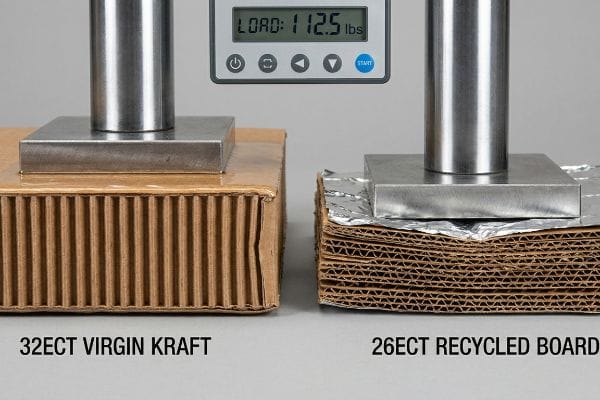
यह सिर्फ़ सिद्धांत नहीं है—मैं परीक्षण के दौरान इस समस्या से निपटता हूँ जब ब्रांडों को पता चलता है कि बजट में कटौती के कारण उनका पूरा अभियान प्रभावित हुआ है। हाल ही में मुझे एक ग्राहक का गुस्से भरा फ़ोन आया, जिसका आने वाला प्रोटोटाइप ISTA 3A ट्रांज़िट सिमुलेशन8। उनके पिछले आपूर्तिकर्ता ने भारी फ़ॉइल फ़िल्म के लिए पैसे जुटाने के लिए चुपके से उनके मटेरियल को 32ECT वर्जिन क्राफ़्ट से 26ECT रीसाइक्ल्ड बोर्ड9 । हाइड्रोलिक प्रेस द्वारा मात्र 112.5 पाउंड (51 किलोग्राम) पर बेस को कुचलते देखना बहुत दर्दनाक था। मैंने हस्तक्षेप किया और मटेरियल में सख्त सुधार किया। मैंने महंगी फ़ॉइल फ़िल्म हटा दी और सब्सट्रेट को 32ECT वर्जिन क्राफ़्ट मानक पर वापस लाया, और प्रीमियम रिफ्लेक्शन प्राप्त करने के लिए इसके बजाय हाई-सॉलिड ग्लॉस एक्वस कोटिंग का उपयोग किया। कठोर, घने कागज़ के रेशे हाथ में बिल्कुल अलग महसूस हुए। इस भौतिक रसायन विज्ञान में बदलाव ने महत्वपूर्ण संपीड़न शक्ति को बहाल कर दिया, जिससे माल ढुलाई के दौरान टूटने का खतरा समाप्त हो गया और उन्हें खुदरा विक्रेताओं द्वारा किए जाने वाले भारी जुर्माने से बचाया जा सका।
| सामग्री धुरी | संरचनात्मक परिणाम | वित्तीय आरओआई |
|---|---|---|
| 32ECT वर्जिन क्राफ्ट अपग्रेड10 | घनी बांसुरी की अखंडता को बहाल करता है | परिवहन के दौरान कुचलने का जोखिम समाप्त करता है |
| जलीय चमक प्रतिस्थापन11 | भारी पन्नी के तनाव को दूर करता है | कच्चे माल की लागत कम करता है |
| आईएसटीए 3ए गतिशील अनुपालन12 | भारी भार को अवशोषित करता है | रिटेलर द्वारा किए गए शुल्क वापसी को रोकता है |
मैं दिखावटी खर्चे के लिए संरचनात्मक बोर्डों की गुणवत्ता कम करने से इनकार करता हूँ। वास्तविक लागत-दक्षता का अर्थ है एक ऐसा डिस्प्ले बनाना जो देखने में प्रीमियम लगे, लेकिन वास्तव में आपके लाभ मार्जिन को कम किए बिना दोहरे भार वाले समुद्री परिवहन को भी झेल सके।.
🛠️ हार्वे का डेस्क: क्या आपको अपने डिस्प्ले के चमकदार प्रिंट के नीचे छिपे नालीदार कार्डबोर्ड की सटीक ECT रेटिंग पता है? 👉 BOM ब्रेकडाउन का अनुरोध करें ↗ — 100% गोपनीय। आपके अप्रकाशित रिटेल डिज़ाइन मेरे पास सुरक्षित हैं।
ग्राहकों को आकर्षित करने में विजुअल मर्चेंडाइजिंग और स्टोरफ्रंट डिस्प्ले कितने प्रभावी होते हैं?
भीड़भाड़ वाले खुदरा वातावरण में खरीदार का ध्यान आकर्षित करने के लिए सटीक स्थानिक रणनीतियों की आवश्यकता होती है जो दृश्य अव्यवस्था को दूर करती हैं और तात्कालिक जुड़ाव को बढ़ावा देती हैं।.
दृश्य सामग्री ग्राहकों को आकर्षित करने और तत्काल ऑफ़लाइन बिक्री बढ़ाने में बेहद कारगर है। रणनीतिक प्रकाश व्यवस्था, उत्पादों की सटीक व्यवस्था और उच्च-विपरीत संरचनात्मक डिज़ाइनों का उपयोग करके, स्टोरफ्रंट डिस्प्ले खरीदारों की सहज खरीदारी की आदत को सफलतापूर्वक तोड़ते हैं, ब्रांड की तत्काल पहचान स्थापित करते हैं और ग्राहकों को सीधे मुख्य खुदरा बिक्री क्षेत्रों में आकर्षित करते हैं।.

मॉनिटर पर एक सुंदर ग्राफिक डिजाइन करना आसान है, लेकिन उस डिजिटल जुड़ाव को भौतिक रूप से ग्राहकों की आवाजाही में बदलना जटिल संरचनात्मक ज्यामिति की आवश्यकता होती है।.
3-3-3 स्थानिक सहभागिता की वास्तविकता की जाँच
जूनियर मार्केटिंग टीमें अक्सर खुदरा डिस्प्ले को केवल बैकलिट कंप्यूटर मॉनिटर पर नज़दीक से देखने के लिए डिज़ाइन करती हैं, जिससे वे इस बात की अनदेखी करती हैं कि ग्राहक विशाल स्टोर गलियारों में कैसे घूमते हैं। वे सपाट हेडर पर छोटे-छोटे पैराग्राफ ठूंस देते हैं, यह मानकर कि उपभोक्ता रुकेंगे और हर शब्द पढ़ेंगे। पाठ से भरा यह दृष्टिकोण स्टोर में ग्राहकों पर अत्यधिक संज्ञानात्मक बोझ डालता है, जिससे खुदरा बिक्री के मूलभूत 3-3-3 नियम (13), जिसके अनुसार डिस्प्ले को तीस फीट (9.1 मीटर) की दूरी से भी ध्यान आकर्षित करना चाहिए।
यह सिर्फ़ सिद्धांत नहीं है—मैंने दो साल पहले एक बड़े एंड-कैप रोलआउट के दौरान इसका कड़वा अनुभव किया । मैंने अपने लीड पैकेजिंग इंजीनियर, मार्क से एक ऐसे डिस्प्ले पर विज़िबिलिटी स्ट्रेस टेस्ट करने को कहा, जिस पर क्लाइंट ने ज़ोर देकर टेक्स्ट की भरमार रखी थी। हमने इसे अपने नकली रिटेल गलियारे में लगाया, और तीस फ़ीट (9.1 मीटर) की दूरी से देखने पर, सपाट हेडर पूरी तरह से पृष्ठभूमि में गायब हो गया। मुझे वह निराशाजनक एहसास आज भी अच्छी तरह याद है जब मुझे एहसास हुआ कि पूरा ऊपरी हिस्सा दृष्टिहीन था; कटिंग टेबल से उड़ने वाली धूल असली ब्रांड लोगो से कहीं ज़्यादा ध्यान खींच रही थी। मैंने तुरंत उत्पादन रोक दिया और अपने कोंग्सबर्ग सीएनसी (कंप्यूटर न्यूमेरिकल कंट्रोल) कटिंग टेबल पर एक ज़रूरी यांत्रिक समायोजन किया। मैंने टूलिंग प्रेशर को रीप्रोग्राम किया ताकि एक विशाल, असममित 3डी डाई-कट हेडर बनाया जा सके, और छोटे टेक्स्ट को हाई-कॉन्ट्रास्ट पैंटोन स्पॉट कलर से बदल दिया। तेज आवाज वाली, चलती मशीन पर सीधे इस तीव्र डाई-लाइन समायोजन ने यूनिट को एक स्थानिक व्यवधानकर्ता में बदल दिया, जिससे दृश्य प्रतिधारण को अधिकतम किया गया और अंतिम खुदरा तल पर अनुमानित 40% उच्च आवेग रूपांतरण दर 14 प्राप्त हुई।
| संरचनात्मक बदलाव | भौतिक परिणाम | सहभागिता आरओआई |
|---|---|---|
| असममित 3डी डाई-कटिंग | दृश्य पृष्ठभूमि को बाधित करता है | 30 फुट पैदल यात्रियों को आकर्षित करता है15 |
| पैंटोन स्पॉट कलर फ्लड | CMYK हाफटोन की अस्पष्टता को दूर करता है16 | ब्रांड की दृश्यता को अधिकतम करता है |
| टेक्स्ट से भरपूर ग्राफ़िक्स को हटाना | संज्ञानात्मक अतिभार को कम करता है17 | आवेग रूपांतरणों को गति देता है |
मैं सपाट बिलबोर्ड नहीं छापता; मैं 3D स्पेसियल डिसरप्टर्स डिज़ाइन करता हूँ। विज़ुअल अव्यवस्था को पूरी तरह से हटाकर और स्ट्रक्चरल डाई-कट्स का अधिकतम उपयोग करके, मैं यह सुनिश्चित करता हूँ कि आपका फिजिकल मर्चेंडाइज़र पूरे रिटेल वेयरहाउस में सबका ध्यान आकर्षित करे।.
🛠️ हार्वे का डेस्क: क्या आपका मौजूदा डिस्प्ले हेडर कठोर फ्लोरोसेंट रोशनी में 30 फीट की दृश्य व्यवधान परीक्षण में खरा उतरता है? 👉 3डी स्थानिक समीक्षा प्राप्त करें ↗ — कोई खाता प्रबंधक बीच में नहीं। आप सीधे संरचनात्मक इंजीनियरों से बात करते हैं।
मर्चेंडाइजिंग के 7 R क्या हैं?
एक त्रुटिहीन खुदरा रणनीति को क्रियान्वित करने के लिए परिचालन संबंधी लॉजिस्टिक्स का कड़ाई से पालन करना आवश्यक है, जिससे यह सुनिश्चित हो सके कि माल उपभोक्ता तक यथासंभव सर्वोत्तम भौतिक स्थिति में पहुंचे।.
व्यापार के 7 R का अर्थ है सही उत्पाद, सही मात्रा में, सही कीमत पर, सही समय पर, सही जगह पर, सही स्थिति में और सही ग्राहक तक पहुंचाना। यह व्यापक परिचालन ढांचा आपूर्ति श्रृंखला की अधिकतम दक्षता सुनिश्चित करता है और खुदरा लाभप्रदता को बढ़ाता है।.
लेकिन कंपनी के व्हाइटबोर्ड पर इन लॉजिस्टिकल लक्ष्यों को परिभाषित करना उस क्षण विफल हो जाता है जब स्टोर के क्लर्क खराब ढंग से डिजाइन किए गए शेल्फ में सामान को जबरदस्ती ठूंसने की कोशिश करते हैं।.
सममितीय मर्चेंडाइजिंग से स्टॉक भरने में गड़बड़ी क्यों होती है?
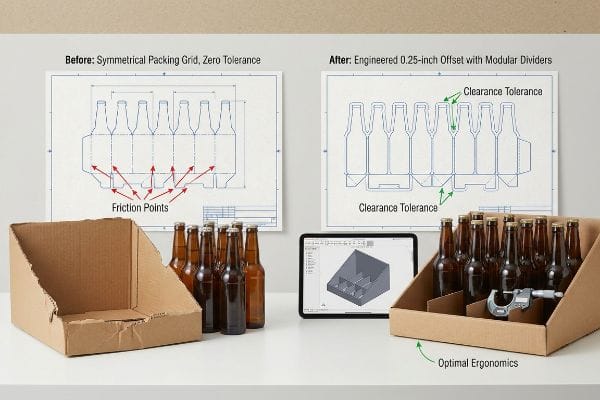
जूनियर डिज़ाइनर अक्सर उत्पादों की घनी, पूरी तरह से सममित ग्रिड को एक ही डिस्प्ले शेल्फ पर सपाट रूप से पैक करने का प्रयास करते हैं , यह मानकर कि अधिकतम दृश्य घनत्व से बिक्री स्वतः ही बढ़ जाती है। वे दृश्य बिक्री की मनोवैज्ञानिक वास्तविकता को नज़रअंदाज़ कर देते हैं, जहाँ पूरी तरह से समतल उत्पाद ब्लॉक आकर्षण पैदा करने में विफल रहते हैं 18 , लेकिन इससे भी महत्वपूर्ण बात यह है कि वे पुनः स्टॉक करने के दौरान होने वाले भौतिक घर्षण को अनदेखा कर देते हैं। उचित मापन के अभाव में, कर्मचारी भारी भरकम ट्रे पर कसकर रखी वस्तुओं को ज़बरदस्ती रखने के दौरान कच्चे नालीदार रिटेनिंग लिप्स 19 को फाड़ देते हैं।
यह सिर्फ़ सिद्धांत नहीं है—मैं परीक्षण के दौरान इस समस्या से निपटता हूँ जब सामान्य ग्रिड डिस्प्ले बुनियादी एर्गोनॉमिक मूल्यांकन में विफल हो जाते हैं। पिछले महीने, एक ग्राहक ने एक एजेंसी डाइलाइन भेजी जिसमें भारी पेय बोतलोंथा। जब हमने मैन्युअल को-पैकिंग सिमुलेशन चलाया, तो एक बोतल निकालने की कोशिश में ही मैंने सामने के किनारे से ऊपरी शीट फाड़ दी; बोतलों को आपस में जकड़े हुए टाइट पेपरबोर्ड का स्पर्श प्रतिरोध बहुत अधिक था। मैंने माइक्रोमीटर रीडिंग निकाली और साबित किया कि हमें एक मजबूत बोर्ड की आवश्यकता नहीं थी—हमें केवल 0.25 इंच (6.35 मिमी) का ज्यामितीय ऑफ़सेट चाहिए था। मैंने 3-5-7 असममितता नियम20, और SKU को विषम संख्या वाले समूहों में व्यवस्थित करने के लिए विशेष मॉड्यूलर डिवाइडर लगाए। इस सटीक टॉलरेंस समायोजन ने पेपरबोर्ड के घर्षण को पूरी तरह से समाप्त कर दिया, जिससे को-पैकिंग असेंबली की गति में अनुमानित 15% की वृद्धि हुई और यह सुनिश्चित हुआ कि डिस्प्ले खुदरा स्टोर तक बिल्कुल सही स्थिति में पहुंचे।
| सीए ज्यामितीय धुरी | भौतिक परिणाम | आपूर्ति श्रृंखला आरओआई |
|---|---|---|
| 0.25 इंच (6.35 मिमी) ऑफ़सेट21 | तंग पैकिंग घर्षण को समाप्त करता है | शेल्फ पर सामान फिर से भरने की प्रक्रिया को तेज करता है |
| मॉड्यूलर एसकेयू विभाजक22 | असमान उत्पाद भारों को अलग करता है | सामने के होंठ को फटने से रोकता है |
| 3-5-7 असममित रिक्ति23 | दृश्य विपणन संबंधी तनाव पैदा करता है | ग्राहकों की सहभागिता को बढ़ाता है |
मैं डिस्प्ले के असेंबली लाइन पर पहुंचने से पहले ही घर्षण को खत्म कर देता हूँ। शेल्फ डिवाइडर में सटीक क्लीयरेंस टॉलरेंस को गणितीय रूप से शामिल करके, मैं आपके स्ट्रक्चरल ब्रांडिंग और को-पैकिंग लेबर बजट दोनों की सुरक्षा करता हूँ।.
🛠️ हार्वे का डेस्क: क्या आपके डिस्प्ले शेल्फ को रीस्टॉकिंग के दौरान होने वाले घर्षण को रोकने के लिए आवश्यक सटीक माइक्रोमीटर क्लीयरेंस के साथ डिज़ाइन किया गया है? 👉 संरचनात्मक सहनशीलता जांच का अनुरोध करें ↗ — मैं प्रत्येक संरचनात्मक फ़ाइल की व्यक्तिगत रूप से 24 घंटों के भीतर समीक्षा करता हूँ।
निष्कर्ष
आप सबसे कम कीमत पर यूनिट खरीद सकते हैं, लेकिन जब चुपके से कम गुणवत्ता वाला 26ECT बेस बोर्ड समुद्री परिवहन के दौरान भारी पैलेट लोड के नीचे दबकर टूट जाता है, तो आपको खुदरा विक्रेताओं से भारी भरकम वसूली और पूरी तरह से लाभ हानि का सामना करना पड़ेगा। पिछले महीने ही, मेरे स्ट्रक्चरल ऑडिट ने 3 ब्रांडों को 10,000 डॉलर से अधिक के बेकार इन्वेंट्री और खुदरा विक्रेताओं से वसूली से बचने में मदद की। असफल डिस्प्ले पर अपना मार्केटिंग बजट बर्बाद करना बंद करें और मुझे व्यक्तिगत रूप से आपके अगले लॉन्च को डिज़ाइन करने दें ↗ ताकि सप्लाई चेन पर अधिकतम ROI सुनिश्चित हो सके।
"AG 1091A: फ्रंटेज ज़ोन में खुदरा व्यापार प्रदर्शन", https://www.seattle.gov/transportation/permits-and-services/permits/applicant-guides/ag-1091a। खुदरा संचालन पर आधिकारिक उद्योग दिशानिर्देश यह सत्यापित करते हैं कि विभिन्न खुदरा विक्रेता श्रेणियां खरीदारी स्थल पर प्रदर्शन के लिए विशिष्ट आयाम, लोडिंग आवश्यकताएं और स्थानिक प्रतिबंध लागू करती हैं। साक्ष्य की भूमिका: तकनीकी सत्यापन; स्रोत प्रकार: खुदरा संचालन मैनुअल। समर्थन: यह दावा कि विभिन्न खुदरा प्रारूपों में अलग-अलग लॉजिस्टिकल आवश्यकताएं मौजूद हैं। कार्यक्षेत्र संबंधी टिप्पणी: बड़े रिटेल स्टोरों पर लागू। ↩
"48×40" जीएमए पैलेट | सबसे बड़ा पैलेट निर्माता और आपूर्तिकर्ता", https://www.palletone.com/products/gma-pallets/। एक विश्वसनीय लॉजिस्टिक्स या रिटेल मानक स्रोत इस बात की पुष्टि करता है कि 48×40 इंच का आयाम उत्तरी अमेरिका में जीएमए पैलेट का मानक आकार है। साक्ष्य की भूमिका: तथ्यात्मक सत्यापन; स्रोत का प्रकार: उद्योग मानक। समर्थन: मानक रिटेल फ्लोर यूनिट आयाम। कार्यक्षेत्र संबंधी टिप्पणी: मुख्य रूप से उत्तरी अमेरिकी लॉजिस्टिक्स पर लागू। ↩
"नालीदार कार्डबोर्ड बक्सों की संपीडन सामर्थ्य का अनुमान ...", https://pmc.ncbi.nlm.nih.gov/articles/PMC8467740/। नालीदार कार्डबोर्ड के लिए तकनीकी पैकेजिंग दिशानिर्देश BCT को संरचनात्मक अखंडता के माप के रूप में परिभाषित करते हैं और खुदरा डिस्प्ले के लिए विशिष्ट भार क्षमता बेंचमार्क प्रदान करते हैं। साक्ष्य की भूमिका: तकनीकी सत्यापन; स्रोत प्रकार: इंजीनियरिंग विनिर्देश। समर्थन: डिस्प्ले इकाइयों के लिए संरचनात्मक अखंडता मेट्रिक्स। स्कोप नोट: वास्तविक क्षमता कार्डबोर्ड ग्रेड और फ्लूट प्रकार पर निर्भर करती है। ↩
"हाई-इम्पैक्ट रिटेल डिस्प्ले की 7 विशेषताएं – स्मर्फिट वेस्टरोक", https://www.smurfitwestrock.com/blog/7-features-of-a-high-impact-retail-display। रिटेल फिक्स्चर इंजीनियरिंग में गुरुत्वाकर्षण केंद्र के नीचे आने से विशिष्ट फुटप्रिंट आयामों के संबंध का तकनीकी सत्यापन। साक्ष्य की भूमिका: तकनीकी सत्यापन; स्रोत प्रकार: इंजीनियरिंग मैनुअल। समर्थन: स्थिरता का दावा। कार्यक्षेत्र संबंधी टिप्पणी: डिस्प्ले आयामों से संबंधित। ↩
"शिपिंग बॉक्स की मजबूती को समझना – इकोएनक्लोज", https://www.ecoenclose.com/blog/understanding-shipping-box-strength/?srsltid=AfmBOoq37QsVNYaLnUMxiBztN92ydXFGeRmTKOGCl61nzviEFGSJkevo। परिवहन के दौरान होने वाले नुकसान को रोकने के लिए आवश्यक बॉक्स कम्प्रेशन टेस्ट (बीसीटी) सीमा और मानक 250 पाउंड भार क्षमता का सत्यापन। साक्ष्य की भूमिका: तकनीकी विनिर्देश; स्रोत प्रकार: उद्योग मानक। समर्थन: भार वहन क्षमता। कार्यक्षेत्र संबंधी टिप्पणी: परिवहन के दौरान संरचनात्मक अखंडता पर केंद्रित। ↩
"पूर्ण-क्षेत्रीय तनाव से उन्नत नई एज क्रश टेस्ट कॉन्फ़िगरेशन ...", https://pmc.ncbi.nlm.nih.gov/articles/PMC8510352/। यह तकनीकी दस्तावेज़ एज क्रश टेस्ट (ECT) को नालीदार फाइबरबोर्ड की स्टैकिंग क्षमता और ऊर्ध्वाधर भार वहन क्षमता को मापने के लिए उद्योग मानक के रूप में परिभाषित करता है। साक्ष्य की भूमिका: तकनीकी परिभाषा; स्रोत प्रकार: उद्योग मानक। समर्थन: ECT रेटिंग और संरचनात्मक अखंडता के बीच संबंध। कार्यक्षेत्र संबंधी टिप्पणी: नालीदार पैकेजिंग के लिए मानक। ↩
"नालीदार कार्डबोर्ड की किनारे की कुचल प्रतिरोध क्षमता का अनुमान लगाना ...", https://pmc.ncbi.nlm.nih.gov/articles/PMC9961700/। सामग्री विज्ञान की व्याख्या कि कैसे ECT रेटिंग को कम करने में निम्न-श्रेणी के लाइनर या कम फाइबर घनत्व वाले फ्लूटिंग माध्यम का उपयोग शामिल होता है, जिससे संपीडन शक्ति कम हो जाती है। साक्ष्य की भूमिका: कारण तंत्र; स्रोत प्रकार: पैकेजिंग इंजीनियरिंग मैनुअल। समर्थन: यह दावा कि कम ECT रेटिंग संरचनात्मक भेद्यता की ओर ले जाती है। कार्यक्षेत्र संबंधी टिप्पणी: नालीदार कार्डबोर्ड के लिए विशिष्ट। ↩
"परीक्षण प्रक्रियाएँ – अंतर्राष्ट्रीय सुरक्षित पारगमन संघ", https://ista.org/test_procedures.php। पार्सल डिलीवरी के शिपिंग वातावरण का अनुकरण करने के लिए विश्व स्तर पर मान्यता प्राप्त उद्योग मानक के रूप में ISTA 3A का सत्यापन। साक्ष्य भूमिका: तकनीकी सत्यापन; स्रोत प्रकार: उद्योग मानक/प्रमाणन निकाय। समर्थन: प्रोटोटाइप की स्थायित्व का मूल्यांकन करने के लिए इस विशिष्ट परीक्षण के उपयोग की वैधता। कार्यक्षेत्र संबंधी टिप्पणी: पार्सल डिलीवरी सिमुलेशन के लिए विशिष्ट। ↩
"[PDF] नालीदार बोर्ड विनिर्देश - फाइबर बॉक्स एसोसिएशन", https://www.fibrebox.org/assets/2025/09/Walmart_Corrugated-Board_Specifications_Automation_Packaging_Standards.pdf। वर्जिन क्राफ्ट और रिसाइकल्ड नालीदार फाइबर की एज क्रश टेस्ट (ECT) रेटिंग और संरचनात्मक अखंडता की तुलना करने वाला तकनीकी डेटा। साक्ष्य की भूमिका: तथ्यात्मक विनिर्देश; स्रोत प्रकार: सामग्री विज्ञान/पैकेजिंग इंजीनियरिंग मैनुअल। समर्थन: इस दावे का कि ECT रेटिंग कम करने से संपीडन शक्ति में कमी आती है। कार्यक्षेत्र संबंधी टिप्पणी: ऊर्ध्वाधर भार वहन क्षमता पर केंद्रित। ↩
"शिपिंग बॉक्स की मजबूती को समझना – इकोएनक्लोज", https://www.ecoenclose.com/blog/understanding-shipping-box-strength/?srsltid=AfmBOopy-YmmjnQq4Vdjmh-FJFuBYH8_Xm76L9H6tjiIl7xq_bVj2WwG। वर्जिन क्राफ्ट कार्डबोर्ड में एज क्रश टेस्ट (ECT) मूल्यों के लिए उद्योग मानक संरचनात्मक अखंडता और परिवहन स्थायित्व पर इसके प्रभाव को सत्यापित करते हैं। साक्ष्य भूमिका: तकनीकी विनिर्देश; स्रोत प्रकार: पैकेजिंग उद्योग मैनुअल। समर्थन: फ्लूट अखंडता और क्रश जोखिम से संबंधित दावे। कार्यक्षेत्र नोट: नालीदार कार्डबोर्ड सामग्री के लिए विशिष्ट। ↩
"जलीय कोटिंग क्या है? विस्तृत गाइड | EZCB – EZ कस्टम बॉक्सेस", https://www.ezcustomboxes.com/blogs/what-is-aqueous-coating?srsltid=AfmBOopJEB0O3KA5c42uNARS54gBlMehZy_wrOOrNBUiMFinuZ3XHyCx। प्रिंटिंग में जलीय कोटिंग और फॉइल लैमिनेट की तुलना से सब्सट्रेट पर सामग्री की लागत और सतह तनाव में अंतर स्पष्ट होता है। साक्ष्य की भूमिका: तकनीकी तुलना; स्रोत प्रकार: प्रिंटिंग उद्योग गाइड। समर्थन: कच्चे माल की लागत और फॉइल तनाव से संबंधित दावे। कार्यक्षेत्र संबंधी टिप्पणी: खुदरा डिस्प्ले के लिए सतह फिनिश पर केंद्रित। ↩
"बड़े रिटेल स्टोरों के लिए खुदरा पैकेजिंग परीक्षण - इंटरटेक", https://www.intertek.com/performance-testing/packaging/retail-compliance/। ISTA 3A मानक शिपिंग कंटेनरों के लिए परीक्षण प्रक्रियाओं को परिभाषित करता है ताकि यह सुनिश्चित किया जा सके कि वे परिवहन के दौरान गतिशील भार को सहन कर सकें। साक्ष्य की भूमिका: उद्योग मानक; स्रोत प्रकार: तकनीकी मानक दस्तावेज। समर्थन: शीर्ष-भार अवशोषण और खुदरा विक्रेता द्वारा शुल्क वापसी की रोकथाम से संबंधित दावे। कार्यक्षेत्र संबंधी टिप्पणी: पार्सल वितरण और शिपिंग मानकों से संबंधित। ↩
"कस्टम स्टोर डिस्प्ले के लिए 3 के नियम का महत्व", https://mcintyredisplays.com/blog/custom-store-displays/। उद्योग डिजाइन मानक या उपभोक्ता मनोविज्ञान अनुसंधान, ग्राहकों को आकर्षित करने के लिए 3-3-3 नियम के दूरी और समय मापदंडों की पुष्टि करते हैं। साक्ष्य की भूमिका: तकनीकी सत्यापन; स्रोत प्रकार: खुदरा डिजाइन मैनुअल। समर्थन: यह दावा कि डिस्प्ले को तीस फीट की दूरी से ध्यान आकर्षित करना चाहिए। कार्यक्षेत्र संबंधी टिप्पणी: भौतिक दुकानों के वातावरण के लिए विशिष्ट। ↩
"डिजिटल युग में रिटेल डिस्प्ले ग्राफिक्स का दबदबा क्यों कायम है", https://albertbasse.com/retail-display-graphics-digital-age/। यह एक प्रामाणिक रिटेल एनालिटिक्स अध्ययन या केस स्टडी है जो उच्च-कंट्रास्ट 3D साइनेज और आवेगपूर्ण खरीदारी दरों में वृद्धि के बीच संबंध को दर्शाती है। साक्ष्य की भूमिका: मात्रात्मक सत्यापन; स्रोत प्रकार: उद्योग रिपोर्ट। समर्थन: रूपांतरण पर स्थानिक व्यवधान की प्रभावकारिता। स्कोप नोट: प्रभाव उत्पाद प्लेसमेंट और लक्षित जनसांख्यिकी पर निर्भर करता है। ↩
"इवेंट-ड्रिवन पॉप डिस्प्ले यादगार रिटेल पल बनाते हैं", https://popdisplay.me/event-driven-pop-displays-create-memorable-retail-moments/। रिटेल स्थानिक विश्लेषण से प्राप्त अनुभवजन्य डेटा 3डी डाई-कट डिस्प्ले के प्रभावी आकर्षण दायरे को दर्शाता है। साक्ष्य की भूमिका: मात्रात्मक विश्लेषण; स्रोत प्रकार: रिटेल उद्योग रिपोर्ट। समर्थन: ग्राहकों को आकर्षित करने में असममित 3डी डिज़ाइन की प्रभावकारिता। स्कोप नोट: परिवेश प्रकाश और स्टोर घनत्व पर निर्भर। ↩
"स्पॉट कलर बनाम प्रोसेस कलर प्रिंटिंग – पैनटोन", https://www.pantone.com/articles/technical/spot-vs-process-color?srsltid=AfmBOor2yo3h2_ZyTIAEEryoQG6sKz8cQ0qT6rLNKqnXiTyBANM7abaM। यह तकनीकी रूप से सत्यापित किया गया है कि पैनटोन स्पॉट कलर किस प्रकार CMYK हाफटोन डॉट्स के ओवरलैप होने से होने वाली दृश्य धुंधलापन को रोकते हैं। प्रमाण की भूमिका: तकनीकी विनिर्देश; स्रोत प्रकार: प्रिंटिंग उद्योग मानक। समर्थन: ब्रांड दृश्यता के लिए स्पॉट कलर की श्रेष्ठता। स्कोप नोट: उच्च-संतृप्ति प्रिंटिंग के लिए विशिष्ट। ↩
"खरीद के बिंदु पर अंतर्दृष्टि: खुदरा पॉप डिस्प्ले का प्रभाव...", https://www.bcipkg.com/point-of-purchase-insights-the-impact-of-retail-pop-displays-on-consumer-behavior/। खुदरा परिवेश में संज्ञानात्मक भार सिद्धांत का अनुप्रयोग दर्शाता है कि पाठ की जटिलता को कम करने से निर्णय लेने की प्रक्रिया में तेजी आती है। साक्ष्य की भूमिका: सैद्धांतिक ढांचा; स्रोत प्रकार: व्यवहार मनोविज्ञान पत्रिका। समर्थन: ग्राफिक सरलीकरण और आवेग रूपांतरण के बीच संबंध। कार्यक्षेत्र संबंधी टिप्पणी: मुख्य रूप से अधिक भीड़-भाड़ वाले वातावरण पर लागू होता है। ↩
"विज़ुअल मर्चेंडाइजिंग सर्विसेज़ और रणनीति | टी-आरओसी ग्लोबल", https://trocglobal.com/visual-merchandising/। विज़ुअल मर्चेंडाइजिंग पर किए गए शोध से पता चलता है कि असममित संरचनाएं किस प्रकार मनोवैज्ञानिक तनाव पैदा करके उपभोक्ताओं का ध्यान आकर्षित करती हैं। साक्ष्य की भूमिका: सैद्धांतिक पुष्टि; स्रोत का प्रकार: पीयर-रिव्यू जर्नल। समर्थन: सममित उत्पाद ग्रिड की अक्षमता। कार्यक्षेत्र संबंधी टिप्पणी: खुदरा उपभोक्ता व्यवहार पर लागू। ↩
"रिटेल डिस्प्ले के 14 प्रकार | शिकागो, आईएल - वर्थाइमर बॉक्स", https://wertheimerbox.com/types-of-retail-displays/। औद्योगिक पैकेजिंग दिशानिर्देशों में रीस्टॉकिंग के दौरान नालीदार सामग्रियों की संरचनात्मक विफलता को रोकने के लिए आवश्यक क्लीयरेंस और टॉलरेंस निर्दिष्ट किए जाएंगे। साक्ष्य भूमिका: तकनीकी सत्यापन; स्रोत प्रकार: पैकेजिंग इंजीनियरिंग मैनुअल। समर्थन: रिटेनिंग लिप्स के फटने का भौतिक जोखिम। कार्यक्षेत्र नोट: केवल नालीदार कार्डबोर्ड डिस्प्ले तक सीमित। ↩
"विज़ुअल मर्चेंडाइजिंग के प्रमुख सिद्धांत – पॉपडिस्प्ले", https://popdisplay.me/key-principles-of-visual-merchandising/। पैकेजिंग इंजीनियरिंग या मर्चेंडाइजिंग लेआउट में SKU स्पेसिंग को अनुकूलित करने और सामग्री घर्षण को कम करने के लिए 3-5-7 असममिति नियम को एक मान्यता प्राप्त सिद्धांत के रूप में सत्यापित करना। साक्ष्य भूमिका: तकनीकी सत्यापन; स्रोत प्रकार: उद्योग डिजाइन मानक। समर्थन: असेंबली दक्षता में सुधार के लिए विषम संख्या वाले क्लस्टरों का उपयोग। कार्यक्षेत्र नोट: खुदरा डिस्प्ले CAD इंजीनियरिंग के लिए विशिष्ट। ↩
"खुदरा व्यापार के लिए शेल्फ-रेडी पैकेजिंग के उपयोग के क्या लाभ हैं...?", https://popdisplay.me/what-are-the-benefits-of-using-shelf-ready-packaging-for-retail-products/। उत्पाद पैकिंग के दौरान घर्षण को कम करने में CAD डिज़ाइन में विशिष्ट ऑफ़सेट मापों की तकनीकी पुष्टि। साक्ष्य की भूमिका: तकनीकी सत्यापन; स्रोत प्रकार: औद्योगिक इंजीनियरिंग मैनुअल। समर्थन: यह दावा कि ऑफ़सेट पैकिंग घर्षण को समाप्त करते हैं। कार्यक्षेत्र संबंधी टिप्पणी: CAD-डिज़ाइन किए गए खुदरा फिक्स्चर के लिए विशिष्ट। ↩
"फ्रंट लिप्स पर पैसे बर्बाद करना बंद करें - जानें इसे कैसे सुरक्षित रखें...", https://www.youtube.com/watch?v=6u9CVQuoIyA। मॉड्यूलर डिवाइडर असमान भार को अलग करके शेल्फ लिप्स को संरचनात्मक क्षति से कैसे बचाते हैं, इस प्रक्रिया को समझाने वाला प्रमाण। प्रमाण की भूमिका: तकनीकी विनिर्देश; स्रोत प्रकार: खुदरा शेल्फ निर्माता का दस्तावेज़। सहायक: फ्रंट लिप्स के फटने की रोकथाम। कार्यक्षेत्र संबंधी टिप्पणी: भारी-भरकम खुदरा शेल्फिंग पर लागू। ↩
"विज़ुअल मर्चेंडाइजिंग का लाभ उठाना: ग्राहकों से जुड़ने और उनका ध्यान आकर्षित करने के 3 टिप्स...", https://spc-retail.com/3-tips-to-connect-and-capture-shoppers-attention/। अनुभवजन्य डेटा दर्शाता है कि विशिष्ट असममित स्पेसिंग पैटर्न ग्राहकों की सहभागिता और दृश्य तनाव को बढ़ाते हैं। साक्ष्य की भूमिका: अनुभवजन्य सत्यापन; स्रोत प्रकार: उपभोक्ता मनोविज्ञान या खुदरा मर्चेंडाइजिंग अध्ययन। समर्थन: 3-5-7 स्पेसिंग और सहभागिता के बीच सहसंबंध। कार्यक्षेत्र नोट: सामान्य खुदरा विज़ुअल मर्चेंडाइजिंग। ↩