
ब्रांड रिटेल लॉन्च पर हजारों डॉलर खर्च कर देते हैं, लेकिन अंत में उनकी रणनीति विफल हो जाती है। एक सफल अभियान और नुकसान के बीच का अंतर संरचनात्मक इंजीनियरिंग पर निर्भर करता है।.
कार्डबोर्ड से बने आम डिस्प्ले उपकरणों में फ्लोर स्टैंड, काउंटरटॉप यूनिट, पैलेट डिस्प्ले और शेल्फ ट्रे शामिल हैं। ये रिटेल संरचनाएं सप्लाई चेन लॉजिस्टिक्स को ध्यान में रखते हुए उत्पादों को प्रभावी ढंग से प्रदर्शित करने के लिए डिज़ाइन की गई हैं। सही डिस्प्ले उपकरण का चयन पूरी तरह से स्टोर के स्थान, उत्पाद की भार क्षमता और लक्षित ग्राहक क्षेत्रों पर निर्भर करता है।.
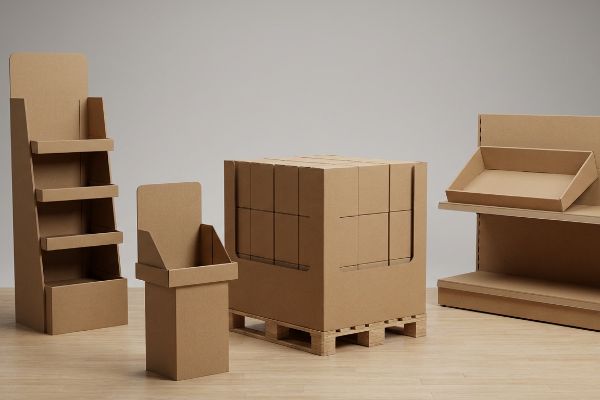
आइए मैं आपको विस्तार से समझाता हूँ कि ये उपकरण उत्पादन स्थल पर कैसे काम करते हैं, और मैं यह भी बताता हूँ कि मेरी राय में अधिकांश खरीद टीमें गलत प्रारूपों पर अपना बजट कहाँ बर्बाद करती हैं।.
उदाहरणों सहित डिस्प्ले के 5 प्रकार क्या हैं?
एक विशाल फ्लोर बिन और एक कॉम्पैक्ट रजिस्टर यूनिट के बीच चयन करना केवल एक सौंदर्य संबंधी विकल्प नहीं है - यह आपकी पूरी लॉजिस्टिकल सप्लाई चेन को निर्धारित करता है।.
डिस्प्ले के पाँच प्रकारों में फ्लोर स्टैंड, काउंटरटॉप यूनिट, एंड-कैप, पैलेट स्कर्ट और साइडकिक्स शामिल हैं। प्रत्येक प्रारूप एक विशिष्ट मर्चेंडाइजिंग ज़ोन के लिए उपयुक्त है। फ्लोर यूनिट खुली गलियों में प्रदर्शित होते हैं, जबकि काउंटरटॉप मॉडल ग्राहकों को तुरंत खरीदारी करने के लिए प्रेरित करते हैं। सही संरचना का चयन खुदरा विक्रेताओं के लिए नियमों का कड़ाई से पालन सुनिश्चित करता है और ग्राहकों के साथ सहज संपर्क प्रदान करता है।.
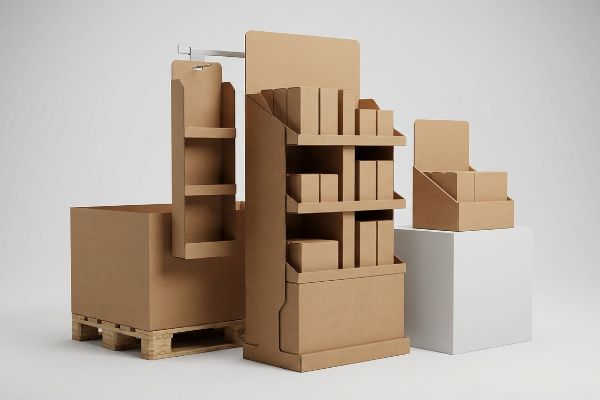
लेकिन जब आप कई स्टोर फॉर्मेट में किसी अभियान को बड़े पैमाने पर लागू करने की कोशिश कर रहे हों, तो सैद्धांतिक श्रेणियों को जानना ही पर्याप्त नहीं है।.
पीओपी फ्लोर डिस्प्ले को छोटा करने में विफलता क्यों होती है?
कई व्यापारिक कंपनियां एक स्केलेबल मर्चेंडाइजिंग डिज़ाइन पेश करती हैं, जिसमें एक बड़े फ्लोर फिक्स्चर को काउंटरटॉप यूनिट के रूप में उपयोग करने के लिए आसानी से 50% तक छोटा किया जा सकता है । वे मानते हैं कि यदि ग्राफिक्स और पेपरबोर्ड की गुणवत्ता समान रहती है, तो ज्यामिति स्वतः ही स्थिर रहेगी। यह दृष्टिकोण वाणिज्यिक खुदरा वातावरण में विभिन्न क्षेत्रों को निर्धारित करने वाले सख्त स्थानिक नियमों की अनदेखी करता है ।
एक ही तरह के डिस्प्ले सिस्टम को लागू करने के लिए अलग-अलग तरह के डिस्प्ले ऑर्डर करते समय अनुभवी मार्केटिंग टीमें भी इस जाल में फंस जाती हैं। हाल ही में मेरे एक क्लाइंट ने एक फार्मेसी के चेकआउट काउंटर पर एक छोटा POP (पॉइंट ऑफ परचेज़) फ्लोर यूनिट जबरदस्ती लगाने की कोशिश की, यह सोचकर कि यह पूरी तरह से काम करेगा। लेकिन रिटेल स्पेस सख्त नियमों द्वारा नियंत्रित होते हैं; फ्लोर यूनिट को एक विशाल GMA (ग्रोसरी मैन्युफैक्चरर्स एसोसिएशन) पैलेट के आकार के हिसाब से डिज़ाइन किया गया था, जबकि काउंटर यूनिट को ADA (अमेरिकन्स विद डिसेबिलिटीज एक्ट) के 15 इंच (381 मिमी) की आगे की पहुंच सीमा2करना था। जब स्टोर क्लर्क ने उस बड़े डिस्प्ले को काउंटर पर घसीटा—जिससे कच्चे नालीदार बोर्ड के लैमिनेट पर रगड़ने की भयानक चीखने जैसी आवाज़ आई—तो मैनेजर ने तुरंत यूनिट को रजिस्टर ब्लॉक करने के कारण अस्वीकार कर दिया। हमें इंजीनियरिंग पाइपलाइन को स्थायी रूप से अलग करना पड़ा, फ्लोर यूनिट को 48×40 इंच (1219×1016 मिमी) पैलेट सीमा3 और POS (पॉइंट ऑफ सेल) ट्रे को पूरी तरह से फिर से बनाना पड़ा ताकि वह छोटे, नियमों के अनुरूप आकार में सुरक्षित रूप से फिट हो सके।
| नौसिखियों की आम गलती | प्रो फिक्स | रिटेल-फ्लोर लाभ |
|---|---|---|
| फ्लोर यूनिट को काउंटर साइज के अनुसार स्केल करना | एडीए और जीएमए इंजीनियरिंग को अलग करें4 | स्टोर मैनेजर द्वारा अस्वीकृति को रोकता है |
| पैलेट सीमाओं की अनदेखी करना | 48×40 की सीमा तक एंकर फुटप्रिंट5 | गोदाम में भंडारण क्षमता को अधिकतम करता है |
| सार्वभौमिक अनुकूलता मानते हुए | डिजाइन पूरी तरह से मर्चेंडाइजिंग ज़ोन के अनुसार किया जाएगा। | पुनः स्टॉक करने में आने वाली दिक्कतों को दूर करता है |
मैं ग्राहकों को अलग-अलग रिटेल ज़ोन में अपने मर्चेंडाइजिंग फिक्स्चर को छोटा करने की अनुमति कभी नहीं देता। प्रत्येक वातावरण के लिए समर्पित संरचनात्मक फ़ाइलें तैयार करके, मैं यह सुनिश्चित करता हूँ कि आपका अभियान बिना किसी महंगे अनुपालन शुल्क के भौतिक स्टोर ऑडिट में आसानी से पास हो जाए।.
🛠️ हार्वे का डेस्क: क्या आपको चिंता है कि आपका मौजूदा फ्लोर फिक्स्चर रिटेलर के गलियारे की क्लीयरेंस नियमों का पालन नहीं करेगा? 👉 मुफ़्त कंप्लायंस चेक करवाएं ↗ — सीधे मेरे डेस्क से संपर्क करें। मैं वादा करता हूँ, कोई ऑटोमेटेड सेल्स स्पैम नहीं होगा।
डिस्प्ले के सामान्य उपयोग क्या हैं?
संरचनात्मक रूप से सुदृढ़ इकाई भी बेकार है यदि वह अदृश्य वॉलपेपर की तरह काम करे। खुदरा व्यापार का पूरा उद्देश्य ग्राहकों को आकर्षित करके उन्हें उत्पादों से भौतिक रूप से जुड़ने के लिए प्रेरित करना है।.
डिस्प्ले का सामान्य उपयोग उत्पाद की बिक्री बढ़ाने, मौसमी प्रमोशन को उजागर करने और जटिल इन्वेंट्री को व्यवस्थित करने के लिए किया जाता है। ये रणनीतिक रिटेल उपकरण मूक विक्रेता की तरह काम करते हैं। भीड़भाड़ वाली गलियों में ये ग्राहकों का ध्यान आकर्षित करते हैं, ब्रांड की प्रतिष्ठा को स्पष्ट रूप से दर्शाते हैं और चेकआउट से पहले तत्काल, बड़ी मात्रा में खरीदारी को प्रोत्साहित करने के लिए सामान को सटीक रूप से व्यवस्थित करते हैं।.
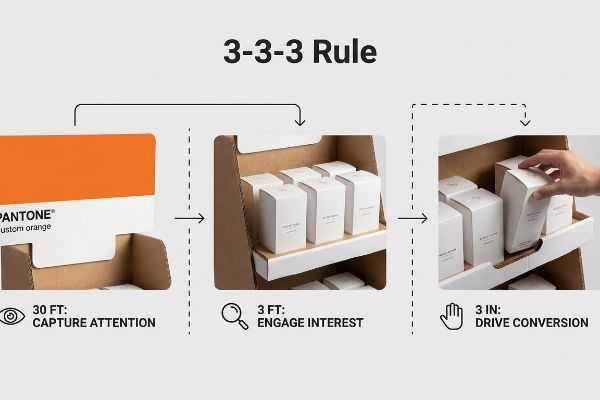
मूल उद्देश्य हमेशा दृश्य व्यवधान उत्पन्न करना होता है, लेकिन अधिकांश ग्राफिक लेआउट भौतिक स्थान में पूरी तरह से परिवर्तित होने में विफल रहते हैं।.
खुदरा बिक्री के लिए 3-3-3 नियम में महारत हासिल करना
जूनियर मार्केटिंग टीमें अक्सर रिटेल संरचनाओं को केवल बैकलिट कंप्यूटर मॉनिटर पर नज़दीकी से देखने के लिए डिज़ाइन करती हैं। वे मानती हैं कि सघन टेक्स्ट और सूक्ष्म रंग ग्रेडिएंट स्वाभाविक रूप से स्टोर के हर कोने से ग्राहकों को आकर्षित करेंगे। यह इस वास्तविकता को नज़रअंदाज़ करता है कि जल्दबाज़ी में खरीदारी करने वाले ग्राहक अव्यवस्थित रिटेल गलियारों में कैसे घूमते हैं,जिसके परिणामस्वरूप ऐसे अभियान बनते हैं जो पृष्ठभूमि में घुलमिल जाते हैं।
यह एक ऐसा जाल है जिसमें अनुभवी खरीददार भी फंस जाते हैं जब वे डिस्प्ले पर बहुत अधिक जानकारी भरकर उसके सामान्य उपयोगों को अधिकतम करने की कोशिश करते हैं। मुझे एक ब्रांड याद है जिसने एक ही शेल्फ पर सात अलग-अलग प्रचार संदेश छापे थे, इस उम्मीद में कि एक ही बार में ग्राहक के हर सवाल का जवाब मिल जाएगा। मैं मॉक-अप गलियारे में खड़ा था और देख रहा था कि खरीदार उसके पास से गुजर रहे थे; दृश्य अव्यवस्था ने तुरंत संज्ञानात्मक अतिभार पैदा कर दिया। किसी भी फिक्स्चर का प्राथमिक उपयोग 3-3-3 नियम7: 30 फीट की दूरी से ध्यान आकर्षित करना, 3 फीट की दूरी पर रुचि जगाना और 3 इंच (76 मिमी) की दूरी पर बिक्री को बढ़ावा देना। मैंने उनके ऑप्टिकल CMYK (सियान, मैजेंटा, येलो, ब्लैक) हाफटोन मटमैले को हटा दिया, हेडर को एक ही PMS (पैंटोन मैचिंग सिस्टम) स्पॉट कलर से भर दिया और 85% उत्पाद दृश्यता8। इस साधारण भौतिक समायोजन—ग्राहक को भौतिक माल को बिना किसी रुकावट के छूने की सुविधा प्रदान करने—ने एक अदृश्य शेल्फ को उच्च-परिवर्तनकारी व्यवधान क्षेत्र में बदल दिया।
| नौसिखियों की आम गलती | प्रो फिक्स | रिटेल-फ्लोर लाभ |
|---|---|---|
| शीर्षकों पर सघन पाठ | सिंगल पैंटोन स्पॉट कलर फ्लड | 30 फीट की दूरी से भी ध्यान आकर्षित करता है9 |
| उच्च प्रतिधारण होंठ | होंठ को 85% दृश्यता तक काटें10 | घर्षण रहित स्पर्शनीय रूपांतरण |
| स्क्रीन पर डिजाइन करना | भौतिक 3डी स्पेस में लेआउट का परीक्षण करें | गलियारे में संज्ञानात्मक अतिभार को समाप्त करता है11 |
मैं अपने ग्राहकों को सलाह देता हूं कि वे अपने रिटेल फिक्स्चर पर पूरे कैटलॉग छापना बंद कर दें। शारीरिक दूरी की सीमाओं को ध्यान में रखते हुए डिज़ाइन करके, मैं गारंटी देता हूं कि आपके फिक्स्चर वास्तव में खरीदारी को बढ़ावा देंगे और ग्राहकों की सहज खरीदारी को प्रोत्साहित करेंगे, जिससे वास्तविक राजस्व प्राप्त होगा।.
🛠️ हार्वे का डेस्क: क्या आपका मौजूदा ग्राफ़िक लेआउट मॉनिटर पर तो अच्छा दिखता है, लेकिन दुकान की तेज़ फ्लोरोसेंट रोशनी में धुंधला हो जाता है? 👉 अपना प्रिंट प्रोफ़ाइल देखें ↗ — सुरक्षित रूप से डाउनलोड करें। बाद में कोई सवाल हो तो मेरा इनबॉक्स खुला है।
डिस्प्ले बॉक्स कितने प्रकार के होते हैं?
सही कंटेनर प्रारूप का चयन यह निर्धारित करता है कि आपका माल खुदरा बिक्री के लिए तैयार स्थिति में पहुंचेगा या फिर क्षतिग्रस्त माल के ढेर के रूप में प्राप्त करने वाले घाट पर पहुंचेगा।.
डिस्प्ले बॉक्स के विभिन्न प्रकारों में रेगुलर स्लॉटेड कंटेनर, हाफ-स्लॉटेड कंटेनर और टियर-अवे शेल्फ-रेडी यूनिट शामिल हैं। ये विशेष प्रकार के बॉक्स सुरक्षात्मक शिपिंग कार्टन से खुले मर्चेंडाइज़र में आसानी से परिवर्तित हो जाते हैं। सही ढंग से डिज़ाइन किए जाने पर, ये कठोर डबल-स्टैक्ड परिवहन के दौरान ऊर्ध्वाधर भार स्थिरता बनाए रखते हुए मैन्युअल रीपैकिंग श्रम को समाप्त कर देते हैं।.
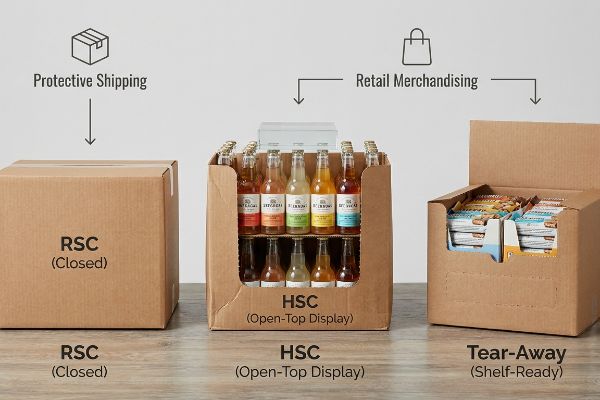
यह समझने के लिए कि कुछ प्रारूप परिवहन के दौरान क्यों सुरक्षित रहते हैं जबकि अन्य विफल हो जाते हैं, हमें ओपन-टॉप इंजीनियरिंग के भौतिकी को देखना होगा।.
आधे-स्लॉटेड कंटेनर प्रारूपों का छिपा हुआ खतरा
खरीददार अक्सर कच्चे माल की लागत बचाने और तुरंत खुदरा डिब्बे बनाने के लिए पूरी तरह से बंद आरएससी (नियमित स्लॉटेड कंटेनर) के स्थान पर खुले शीर्ष वाले एचएससी (आधे स्लॉटेड कंटेनर) का उपयोग करते हैं। वे मान लेते हैं कि मजबूत आधार सामग्री ऊपरी फ्लैप की कमी की भरपाई स्वतः कर देगी। यह माल ढुलाई के दौरान एक वर्गाकार संरचना 12 में ऊर्ध्वाधर दबाव के वितरण की मूलभूत यांत्रिकी को अनदेखा करता है ।
कुछ सेंट प्रति यूनिट कीमत बचाने के लिए अलग-अलग प्रकार के डिस्प्ले बॉक्स आज़माना बेहद लुभावना होता है, लेकिन ढक्कन को पूरी तरह से हटा देने से संरचनात्मक गणित पूरी तरह बदल जाता है। मेरे एक पेय पदार्थ ग्राहक ने स्टोर में सामान रखने की गति बढ़ाने के लिए खुले शीर्ष वाले बॉक्स की मांग की, इस तथ्य को नज़रअंदाज़ करते हुए कि उनकी प्लास्टिक की बोतलें ऊपर का भार सहन करने के लिए पर्याप्त मजबूत नहीं थीं। जब फोर्कलिफ्ट ने उनके शिपमेंट के ऊपर एक भारी पैलेट गिराया, तो मैंने सचमुच बिना सहारे वाले नालीदार कोनों के गतिशील भार के नीचे ढहने की तेज़, भयानक आवाज़ सुनी। निरंतर शीर्ष फ्लैप को पूरी तरह से हटाने से 360-डिग्री ऊपरी आवरण पूरी तरह से समाप्त हो जाता है, जिससे संरचना की ECT (एज क्रश टेस्ट) क्षमता13। खुदरा उपयोग के लिए तैयार कार्यक्षमता को खोए बिना इसे ठीक करने के लिए, मैंने आधार को डबल-वॉल बोर्ड प्रोफाइल में अपग्रेड किया और पेपर ग्रेन14 को पूरी तरह से लंबवत संरेखित किया। इससे फ्लैप के न होने के कारण हुई संरचनात्मक कमी पूरी तरह से दूर हो गई, जिससे यह सुनिश्चित हो गया कि डिब्बे समुद्री परिवहन के दौरान अंदर रखे मुख्य सामान को कुचले बिना सुरक्षित रहे।
| नौसिखियों की आम गलती | प्रो फिक्स | रिटेल-फ्लोर लाभ |
|---|---|---|
| भारी टॉप-लोड के लिए एचएससी का उपयोग करना | डबल-वॉल बोर्ड में अपग्रेड करें15 | निचले स्तर के कुचलने से रोकता है |
| कागज के दाने की दिशा को अनदेखा करना | अनाज को पूरी तरह से लंबवत संरेखित करें16 | स्टैकिंग की मजबूती को अधिकतम करता है |
| आंतरिक कोमल वस्तुओं पर निर्भर रहना | बॉक्स को इस प्रकार डिज़ाइन करें कि वह भार सहन कर सके। | परिवहन के दौरान होने वाले नुकसान को रोकता है |
मैं कच्चे माल पर कुछ पैसे बचाने के लिए कभी भी ग्राहक को बिना सोचे-समझे बॉक्स के डिज़ाइन बदलने की अनुमति नहीं देता। ऊपरी स्थिरता में आई कमी की गणितीय रूप से भरपाई करके, मैं यह सुनिश्चित करता हूँ कि आपकी खुदरा बिक्री के लिए तैयार पैकेजिंग आपूर्ति श्रृंखला में सुरक्षित रहे और सही सलामत शेल्फ तक पहुँचे।
🛠️ हार्वे का डेस्क: क्या आपको चिंता है कि आपका मौजूदा ओपन-टॉप शिपर भारी वेयरहाउस पैलेट्स के नीचे दबकर टूट सकता है? 👉 संरचना समीक्षा का अनुरोध करें ↗ — कोई फॉर्म नहीं जो अंतहीन सेल्स कॉल को ट्रिगर करे। बस शुद्ध मूल्य।
कार्डबोर्ड से बने फर्नीचर के विभिन्न प्रकार क्या हैं?
केवल मुड़े हुए कागज का उपयोग करके सैकड़ों पाउंड भार वहन करने वाली संरचनाओं का निर्माण करने के लिए पदार्थ विज्ञान और यांत्रिक ज्यामिति में पूर्ण महारत की आवश्यकता होती है।.
कार्डबोर्ड से बने फर्नीचर के विभिन्न प्रकारों में हेवी-ड्यूटी रिटेल मर्चेंडाइजर, मॉड्यूलर शेल्विंग यूनिट और अस्थायी इवेंट सीटिंग शामिल हैं। इन संरचनाओं को प्रबलित मल्टी-वॉल नालीदार कार्डबोर्ड का उपयोग करके बनाया जाता है। सटीक गणितीय तहों और आंतरिक संरचनात्मक स्पाइन का उपयोग करके, ये बिना किसी धातु या प्लास्टिक हार्डवेयर के भारी गतिशील भार को सुरक्षित रूप से सहारा देते हैं।.
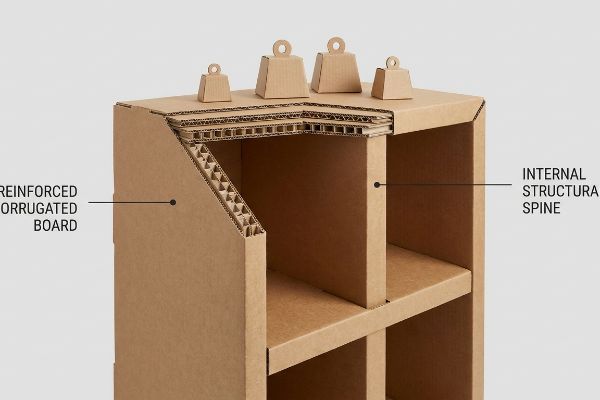
किसी भारी-भरकम यूनिट को जलवायु-नियंत्रित डिजाइन प्रयोगशाला में खड़ा रखना आसान है, लेकिन जब आप उनमें से 500 को समुद्र के पार भेजते हैं तो कठोर वास्तविकता सामने आती है।.
अत्यधिक पुनर्चक्रित तख्ता भारी भार के नीचे क्यों टूट जाता है?
अधिकतम स्थिरता को बढ़ावा देने वाले ब्रांड अक्सर अपने भारी-भरकम संरचनात्मक निर्माणों के लिए 100% पुनर्नवीनीकरण टेस्टलाइनर को अनिवार्य कर देते हैं। वे मानते हैं कि जब तक मोटाई माइक्रोमीटर पर सही मापी जाती है, तब तक बोर्ड में ताज़ा सामग्री के समान भौतिक अखंडता होती है। यह व्यावसायिक रिपल्पिंग प्रक्रिया के दौरान होने वाले सूक्ष्म यांत्रिक क्षरण को अनदेखा करता है ।
मेरी फैक्ट्री में, मैं अक्सर खरीद टीमों को पूरी तरह से इस्तेमाल किए गए पुनर्चक्रित रेशों से विभिन्न प्रकार के बड़े-बड़े कार्डबोर्ड फर्नीचर बनाने की कोशिश करते देखता हूँ। पुनर्चक्रण प्रक्रिया की भौतिक वास्तविकता यह है कि सेल्युलोज फाइबर पाँच से सात चक्रों के बाद सिकुड़ जाते हैं और अपनी लोच खो देते हैं।जब मैं इन अत्यधिक पुनर्चक्रित इकाइयों को अपने TAPPI (पल्प और पेपर उद्योग का तकनीकी संघ) T811परीक्षण प्रेस पर लोड करता हूँ, तो संरचनात्मक विफलता तुरंत हो जाती है; आंतरिक खांचे वजन को रोकने के लिए पर्याप्त मजबूत नहीं होते। पिछले महीने, एक ग्राहक ने 187.5 पाउंड (85 किलोग्राम) शेल्फ इकाई। प्रारंभिक फैक्ट्री-फ्लोर उत्पादन-पूर्व परीक्षण के दौरान, कठोर, भंगुर फाइबर स्कोर लाइनों के साथ टूट गए, जिसके परिणामस्वरूप संपीड़न शक्ति में 12.3% की गिरावट आई। मैंने माइक्रोमीटर रीडिंग निकाली और साबित किया कि हमें डाईलाइन को ज़रूरत से ज़्यादा जटिल बनाने की ज़रूरत नहीं थी—मैंने सख्ती से हाइब्रिड बोर्ड का इस्तेमाल किया, जिसमें लोड-बेयरिंग फ्लूट्स में सीधे 30% वर्जिन क्राफ्ट पेपर फाइबर मिलाया गया। इन लंबे, ताज़े पेपर फाइबर को मिलाकर, मैंने डायनामिक कम्प्रेशन स्ट्रेंथ को बहाल किया, जिससे यह सुनिश्चित हुआ कि अंतिम संरचनाएं डबल-स्टैक्ड ट्रांज़िट में सुरक्षित रहें और ग्राहक को संभावित माल ढुलाई क्षति में लगभग $4,100 की बचत हुई।
| नौसिखियों की आम गलती | प्रो फिक्स | रिटेल-फ्लोर लाभ |
|---|---|---|
| 100% पुनर्चक्रित बोर्ड का उपयोग अनिवार्य करना | फ्लूट्स में 30% वर्जिन क्राफ्ट गैस डालें20 | भारी सामान रखने पर शेल्फ के गिरने से बचाता है |
| फाइबर की कमी को नजरअंदाज करना21 | TAPPI T811 डायनेमिक लोड परीक्षण चलाएँ 22 | वास्तविक पारगमन क्षमता को सत्यापित करता है |
| प्लास्टिक के साथ अत्यधिक इंजीनियरिंग | सख्त नालीदार ज्यामिति पर भरोसा करें | कुल बीओएम लागत को कम करता है |
मैं सक्रिय रूप से ग्राहकों को मनमानी स्थिरता मानक के लिए संरचनात्मक सुरक्षा से समझौता करने से रोकता हूँ। आपकी मज़बूत संरचनाओं में शुद्ध रेशे के अनुपात को सख्ती से नियंत्रित करके, मैं यह सुनिश्चित करता हूँ कि आपकी परियोजना गलियारों में झुके बिना भारी खुदरा भार को सहन कर सके।.
🛠️ हार्वे का डेस्क: क्या आपको पता है कि आपके सबसे भारी उत्पादों को सहारा देने वाले नालीदार बोर्ड में वर्जिन और रिसाइकल्ड फाइबर का सटीक अनुपात क्या है? 👉 मुझे अपनी डाइलाइन फ़ाइल भेजें ↗ — बड़े पैमाने पर उत्पादन पर बजट बर्बाद करने से पहले मैं गणितीय गणना की गहन जांच कर लूंगा।
निष्कर्ष
आप बाज़ार में सबसे सस्ता पेपरबोर्ड खरीद सकते हैं, लेकिन जब पुनर्चक्रित रेशों से बना कोई बड़ा फ्लोर फिक्स्चर भारी पैलेट लोड के नीचे दबकर टूट जाता है, तो आपको लॉजिस्टिक्स में भारी देरी और रिटेलर द्वारा तत्काल अस्वीकृति का सामना करना पड़ता है। 500 से अधिक ब्रांड मैनेजर इन शुरुआती गलतियों से बचने के लिए मेरी प्रीप्रेस चेकलिस्ट का उपयोग करते हैं। बिना परखे संरचनात्मक सहनशीलता के साथ जोखिम लेना बंद करें और मुझे व्यक्तिगत रूप से अपने ज्योमेट्री का निःशुल्क डाइलाइन ऑडिट ↗ ताकि यह सुनिश्चित हो सके कि आपका अगला उत्पाद वास्तविक आपूर्ति श्रृंखला में सफल हो।
"मर्चेंडाइजिंग बेस्ट प्रैक्टिसेस: कंप्लायंस – वैनगार्ड कंपनीज़", https://www.vanguardpkg.com/merchandising-best-practices-compliance/। आधिकारिक रिटेल डिज़ाइन मानक बताते हैं कि विभिन्न मर्चेंडाइजिंग ज़ोन (जैसे, चेकआउट बनाम गलियारा) के लिए अलग-अलग स्थानिक और एर्गोनोमिक विचार आवश्यक हैं। साक्ष्य की भूमिका: तकनीकी सत्यापन; स्रोत प्रकार: उद्योग मानक/रिटेल डिज़ाइन मैनुअल। समर्थन: ज़ोनिंग नियमों का अस्तित्व जो डिस्प्ले के सरल स्केलिंग को रोकता है। कार्यक्षेत्र संबंधी टिप्पणी: वाणिज्यिक ईंट-और-मोर्टार रिटेल पर लागू होता है। ↩
"अध्याय 9: अंतर्निर्मित तत्व – Access-Board.gov", https://www.access-board.gov/ada/chapter/ch09/। सुलभ डिज़ाइन के लिए आधिकारिक ADA मानक विकलांग व्यक्तियों के लिए सुलभता सुनिश्चित करने हेतु पहुँच सीमा और उभार सीमा निर्दिष्ट करते हैं। साक्ष्य भूमिका: नियामक अनुपालन; स्रोत प्रकार: सरकारी विनियमन। समर्थन: काउंटरटॉप डिस्प्ले के लिए विशिष्ट स्थानिक सीमाओं का पालन करना कानूनी रूप से आवश्यक है। कार्यक्षेत्र संबंधी टिप्पणी: अमेरिका में संघीय सुलभता मानकों को संदर्भित करता है। ↩
"मानक पैलेट आकार | चार्ट सहित – कैम्प्स पैलेट्स", https://www.kampspallets.com/standard-pallet-sizes-with-chart/। ग्रोसरी मैन्युफैक्चरर्स एसोसिएशन (जीएमए) ने लॉजिस्टिकल एकरूपता के लिए उत्तरी अमेरिका में मानक पैलेट आकार 48×40 इंच निर्धारित किया है। साक्ष्य भूमिका: तकनीकी विनिर्देश; स्रोत प्रकार: उद्योग मानक। समर्थन: फ्लोर डिस्प्ले इंजीनियरिंग के लिए गणितीय आधार। कार्यक्षेत्र संबंधी टिप्पणी: मुख्य रूप से उत्तरी अमेरिकी आपूर्ति श्रृंखलाओं पर लागू। ↩
"ADA सुलभ डिज़ाइन मानक", https://www.ada.gov/law-and-regs/design-standards/। एक आधिकारिक बाहरी स्रोत इस दावे का समर्थन कैसे करता है, इसका संक्षिप्त विवरण। साक्ष्य की भूमिका: तकनीकी विनिर्देश; स्रोत का प्रकार: नियामक/उद्योग मानक। समर्थन: सुलभता अनुपालन और लॉजिस्टिक्स मानकों के लिए अलग-अलग इंजीनियरिंग मार्गों की आवश्यकता। कार्यक्षेत्र संबंधी टिप्पणी: अमेरिकी खुदरा परिवेशों के लिए विशिष्ट। ↩
"48×40" जीएमए पैलेट्स | सबसे बड़ा पैलेट निर्माता और आपूर्तिकर्ता", https://www.palletone.com/products/gma-pallets/। एक आधिकारिक बाहरी स्रोत इस दावे का समर्थन कैसे करता है, इसका संक्षिप्त विवरण। साक्ष्य की भूमिका: तथ्यात्मक मापदंड; स्रोत का प्रकार: उद्योग मानक। समर्थन: यह दावा कि 48×40 इंच गोदाम अनुकूलन के लिए मानक पैलेट आकार है। कार्यक्षेत्र संबंधी टिप्पणी: मुख्य रूप से उत्तरी अमेरिकी लॉजिस्टिक्स पर लागू होता है। ↩
"आँखों की गति का उपयोग करके उपभोक्ता ध्यान और उत्तेजना का आकलन ...", https://pmc.ncbi.nlm.nih.gov/articles/PMC8380820/। उपभोक्ता मनोविज्ञान और दृश्य विपणन पर अकादमिक शोध में यह बताया गया है कि दुकानदार दुकानों में घूमते समय विस्तृत सामग्री के बजाय उच्च-विपरीत 'आकर्षक तत्वों' के लिए वातावरण को स्कैन करते हैं। साक्ष्य की भूमिका: व्यवहारिक साक्ष्य; स्रोत प्रकार: शोध पत्रिका। समर्थन: खुदरा गलियारों में दुकानदारों के आवागमन की भौतिक वास्तविकता के बारे में दावे का। कार्यक्षेत्र संबंधी टिप्पणी: भौतिक ईंट-और-मोर्टार स्टोरों पर लागू होता है। ↩
"AG 1091A: फ्रंटेज ज़ोन में खुदरा व्यापार प्रदर्शन", https://www.seattle.gov/transportation/permits-and-services/permits/applicant-guides/ag-1091a। 3-3-3 खुदरा सहभागिता ढांचे और उपभोक्ता अंतःक्रिया के दूरी-आधारित चरणों की व्याख्या। साक्ष्य भूमिका: तकनीकी विनिर्देश; स्रोत प्रकार: खुदरा व्यापार मार्गदर्शिका। समर्थन: प्रदर्शन प्रभावशीलता के लिए रणनीतिक दूरी अंतराल। कार्यक्षेत्र संबंधी टिप्पणी: भौतिक खुदरा फिक्स्चर पर लागू। ↩
"प्वाइंट-ऑफ-परचेज़ डिस्प्ले के साथ रिटेल विज़िबिलिटी कैसे बढ़ाएं", https://www.industrialpackaging.com/blog/increased-retail-visibility। फिक्स्चर की ऊंचाई और लिप डिज़ाइन के सापेक्ष इष्टतम उत्पाद विज़िबिलिटी प्रतिशत के लिए उद्योग मानकों का सत्यापन। साक्ष्य भूमिका: मीट्रिक; स्रोत प्रकार: औद्योगिक डिज़ाइन मैनुअल। समर्थन: रूपांतरण के लिए विशिष्ट विज़िबिलिटी थ्रेशहोल्ड की प्रभावकारिता। स्कोप नोट: उत्पाद श्रेणी के अनुसार भिन्न हो सकता है। ↩
"प्रभावी प्रदर्शन और ग्राहक प्रवाह के लिए खुदरा परिसर डिजाइन", https://www.business.qld.gov.au/industries/manufacturing-retail/retail-wholesale/retail-displays। खुदरा वातावरण में विशिष्ट रंगीन रोशनी द्वारा उपभोक्ता का ध्यान आकर्षित करने की दृश्य दूरी का सत्यापन। साक्ष्य की भूमिका: तकनीकी विनिर्देश; स्रोत प्रकार: दृश्य मर्चेंडाइजिंग गाइड। सहायक: हेडर के लिए दृश्यता मेट्रिक्स। कार्यक्षेत्र संबंधी टिप्पणी: स्टोर की प्रकाश व्यवस्था के अनुसार भिन्न हो सकता है। ↩
"पीडीक्यू डिस्प्ले के प्रमुख लाभ: समय की बचत से लेकर बिक्री में वृद्धि तक...", https://popdisplay.me/key-benefits-of-pdq-displays-from-time-saving-to-sales-growth/। विश्लेषण कि कैसे रिटेनिंग लिप की ऊंचाई को 85% तक कम करने से स्पर्श संबंधी जुड़ाव और उत्पाद हटाने की दर बढ़ती है। साक्ष्य की भूमिका: एर्गोनॉमिक मानक; स्रोत प्रकार: खुदरा डिजाइन अध्ययन। सहायक: स्पर्श रूपांतरण अनुकूलन। कार्यक्षेत्र संबंधी टिप्पणी: खुले शेल्फ पर लागू होता है। ↩
"डिज़ाइन कार्यों की संज्ञानात्मक लागत: संज्ञानात्मक भार का विश्लेषण...", https://asmedigitalcollection.asme.org/mechanicaldesign/article/145/10/101401/1164468/The-Cognitive-Costs-of-Design-Tasks-Examining। यह शोध दर्शाता है कि स्क्रीन-आधारित डिज़ाइनों की तुलना में भौतिक लेआउट परीक्षण उपभोक्ताओं के लिए मानसिक प्रसंस्करण प्रयास को कैसे कम करता है। साक्ष्य की भूमिका: मनोवैज्ञानिक सिद्धांत; स्रोत प्रकार: पर्यावरण मनोविज्ञान पर अकादमिक शोधपत्र। समर्थन: गलियारों में संज्ञानात्मक भार में कमी। कार्यक्षेत्र संबंधी टिप्पणी: स्थानिक नेविगेशन पर केंद्रित। ↩
"नालीदार बोर्ड बक्सों की संपीडन सामर्थ्य का अनुमान ...", https://pmc.ncbi.nlm.nih.gov/articles/PMC8467740/। खुले शीर्ष वाले बक्सों की तुलना में नालीदार शिपिंग कंटेनरों में शीर्ष फ्लैप किस प्रकार ऊर्ध्वाधर भार के लिए संरचनात्मक समर्थन प्रदान करते हैं, इसका तकनीकी स्पष्टीकरण। साक्ष्य की भूमिका: तकनीकी सत्यापन; स्रोत प्रकार: पैकेजिंग इंजीनियरिंग मानक। समर्थन: भार वहन पर बॉक्स ज्यामिति का प्रभाव। कार्यक्षेत्र संबंधी टिप्पणी: नालीदार शिपिंग कंटेनरों के लिए विशिष्ट। ↩
"[PDF] पैलेट डेकबोर्ड की कठोरता और यूनिट लोड कारकों का प्रभाव...", https://www.unitload.vt.edu/content/dam/unitload_vt_edu/graduate-research-and-subpages-pictures-and-docs/thesis-and-dissertations-/Baker%20-%20ETD%20-%20Effect%20of%20pallet%20deckboard%20stiffness%20and%20unit%20load%20factors%20on%20corrugated%20box%20compression%20strength.pdf। एक तकनीकी पैकेजिंग गाइड बताती है कि कैसे ऊपरी फ्लैप को हटाने से एक प्राथमिक भार वहन करने वाला घटक हट जाता है, जिससे समग्र एज क्रश टेस्ट (ECT) मान कम हो जाता है। साक्ष्य की भूमिका: तकनीकी सत्यापन; स्रोत प्रकार: उद्योग मानक मैनुअल। समर्थन करता है: इस दावे का कि खुले शीर्ष वाले प्रारूप संरचनात्मक अखंडता से समझौता करते हैं। ध्यान दें: यह मानक नालीदार शिपिंग कंटेनरों पर लागू होता है। ↩
"दबे हुए दोहरी दीवार वाले कार्डबोर्ड के यांत्रिक व्यवहार पर शोध... – पीएमसी", https://pmc.ncbi.nlm.nih.gov/articles/PMC9570713/। नालीदार कार्डबोर्ड पर इंजीनियरिंग दस्तावेज़ यह साबित करता है कि दीवार की मोटाई बढ़ाने और दाने को लंबवत रूप से संरेखित करने से ऊर्ध्वाधर संपीड़न शक्ति अनुकूलित होती है। साक्ष्य की भूमिका: तकनीकी सत्यापन; स्रोत प्रकार: पैकेजिंग सामग्री विनिर्देश। समर्थन: ढक्कन न होने की कमी को पूरा करने के लिए दोहरी दीवार वाले कार्डबोर्ड के उपयोग की प्रभावकारिता। कार्यक्षेत्र नोट: प्रभावकारिता विशिष्ट नालीदार ग्रेड पर निर्भर करती है। ↩
"हैवी ड्यूटी पैकेजिंग — डबल वॉल कोरुगेटेड कार्डबोर्ड का उपयोग कब करें", https://lionpackaging.com.au/blogs/news/heavy-duty-packaging-when-to-use-double-wall-corrugated?srsltid=AfmBOor9kPUC_8wFY_sP9NPYtzvumsLpxdBWIWAqOGSTOX7KGzAAqbdu। तकनीकी पैकेजिंग मानक बताते हैं कि डबल-वॉल निर्माण बॉक्स की भार वहन क्षमता को कैसे बढ़ाता है, जिससे नीचे की परत को कुचलने से बचाया जा सके। साक्ष्य भूमिका: तकनीकी विनिर्देश; स्रोत प्रकार: पैकेजिंग उद्योग मानक। समर्थन: भारी ऊपरी भार के लिए बोर्ड अपग्रेड। स्कोप नोट: प्रभावशीलता फ्लूटिंग ग्रेड के अनुसार भिन्न होती है। ↩
"शिपिंग बॉक्स की मजबूती को समझना – इकोएनक्लोज", https://www.ecoenclose.com/blog/understanding-shipping-box-strength/?srsltid=AfmBOopgX_uS43GwqVVCNMeUWW9ZdAyk_Fb6H6j6ZYay-rqoqGgGE67v। सेल्युलोज फाइबर से संबंधित पदार्थ विज्ञान इस बात की पुष्टि करता है कि ऊर्ध्वाधर कण अभिविन्यास नालीदार कंटेनरों की अक्षीय संपीड़न शक्ति को अधिकतम करता है। प्रमाण की भूमिका: संरचनात्मक सिद्धांत; स्रोत प्रकार: पदार्थ विज्ञान की पाठ्यपुस्तक। समर्थन: स्टैकिंग शक्ति के लिए कण संरेखण। कार्यक्षेत्र नोट: विशेष रूप से नालीदार फाइबरबोर्ड के लिए। ↩
"नैनोसेल्यूलोज के मिश्रण का यांत्रिक गुणों पर प्रभाव...", https://pmc.ncbi.nlm.nih.gov/articles/PMC10780965/। बार-बार पुनर्चक्रण चक्रों से सेल्यूलोज फाइबर कैसे छोटे हो जाते हैं और हाइड्रोजन बॉन्डिंग की शक्ति कैसे कम हो जाती है, इसका तकनीकी स्पष्टीकरण। साक्ष्य की भूमिका: तकनीकी सत्यापन; स्रोत प्रकार: सामग्री विज्ञान पत्रिका। समर्थन: इस दावे का कि पुनर्गठित करने से संरचनात्मक क्षरण होता है। कार्यक्षेत्र संबंधी टिप्पणी: विशेष रूप से नालीदार बोर्ड में प्रयुक्त पुनर्चक्रित टेस्टलाइनर पर लागू होता है। ↩
"[PDF] कागज बनाने और पुनर्चक्रण के दौरान सेल्युलोजिक फाइबर का क्या होता है...", https://bioresources.cnr.ncsu.edu/BioRes_02/BioRes_02_4_739_788_Hubbe_VR_Recycling_Cellulosic_Fibers_Review.pdf। बार-बार पुनर्चक्रण चक्रों के माध्यम से सेल्युलोज फाइबर की लंबाई और बंधन क्षमता के क्षरण की वैज्ञानिक व्याख्या। साक्ष्य की भूमिका: तकनीकी सत्यापन; स्रोत प्रकार: पदार्थ विज्ञान पत्रिका। समर्थन: अत्यधिक पुनर्चक्रित कार्डबोर्ड अपनी संरचनात्मक अखंडता क्यों खो देता है। स्कोप नोट: लुगदी के प्रकार के अनुसार चक्रों की संख्या भिन्न हो सकती है। ↩
"नालीदार फाइबरबोर्ड की किनारे से संपीड़न शक्ति (संक्षिप्त …), https://www.tappi.org/product_pull/09/dec/__05/edgewise-compressive-strength-of-corrugated-fiberboard-short-column-test-test-method-t-811-om-17/। कागज और बोर्ड के गुणों को मापने के लिए सही उद्योग पद्धति के रूप में TAPPI T811 मानक का सत्यापन। साक्ष्य भूमिका: प्रक्रियात्मक सत्यापन; स्रोत प्रकार: उद्योग मानक। समर्थन: संरचनात्मक विफलता को सिद्ध करने के लिए प्रयुक्त कार्यप्रणाली। कार्यक्षेत्र टिप्पणी: पल्प और पेपर उद्योग के तकनीकी संघ को संदर्भित करता है। ↩
"[PDF] वर्जिन बनाम रीसाइक्ल्ड बोर्ड, एल. लिसा झाओ द्वारा एक शोध प्रबंध...", https://vuir.vu.edu.au/18233/1/ZHAO_1993compressed.pdf। यह एक सामग्री विज्ञान अध्ययन या उद्योग मैनुअल है जो दर्शाता है कि वर्जिन क्राफ्ट फाइबर का एक विशिष्ट अनुपात फ्लूटिंग की ऊर्ध्वाधर भार वहन क्षमता को कैसे बेहतर बनाता है। साक्ष्य की भूमिका: तकनीकी विनिर्देश; स्रोत प्रकार: इंजीनियरिंग पाठ्यपुस्तक या उद्योग श्वेतपत्र। समर्थन: यह दावा कि वर्जिन फाइबर मिलाने से शेल्फ के ढहने से बचाव होता है। कार्यक्षेत्र संबंधी टिप्पणी: प्रभावशीलता बोर्ड के ग्रेड पर निर्भर करती है। ↩
"नैनोसेल्यूलोज के यांत्रिक और रासायनिक गुणों की तुलना... – पीएमसी", https://pmc.ncbi.nlm.nih.gov/articles/PMC7051956/। यह वैज्ञानिक शोध बार-बार पुनर्चक्रण चक्रों के माध्यम से सेल्यूलोज फाइबर की लंबाई और मजबूती में होने वाली गिरावट की व्याख्या करता है। साक्ष्य की भूमिका: वैचारिक आधार; स्रोत प्रकार: अकादमिक पत्रिका। समर्थन: यह दावा कि फाइबर की कमी के कारण पुनर्चक्रित बोर्ड भार के नीचे दब जाता है। कार्यक्षेत्र संबंधी टिप्पणी: पुनर्चक्रित लुगदी के यांत्रिक गुणों पर लागू होता है। ↩
"नालीदार सामग्री के किनारे के कुचलने के परीक्षण में पूर्ण-क्षेत्र मापन...", https://pmc.ncbi.nlm.nih.gov/articles/PMC8199211/। पल्प और पेपर उद्योग के तकनीकी संघ का आधिकारिक दस्तावेज़ जो नालीदार सामग्री की गतिशील भार विशेषताओं को मापने के लिए T811 मानक को परिभाषित करता है। साक्ष्य की भूमिका: कार्यप्रणाली सत्यापन; स्रोत प्रकार: तकनीकी मानक। समर्थन: पारगमन शक्ति को मान्य करने के लिए इस विशिष्ट परीक्षण का उपयोग। कार्यक्षेत्र संबंधी टिप्पणी: मानकीकृत नालीदार परीक्षण तक सीमित। ↩